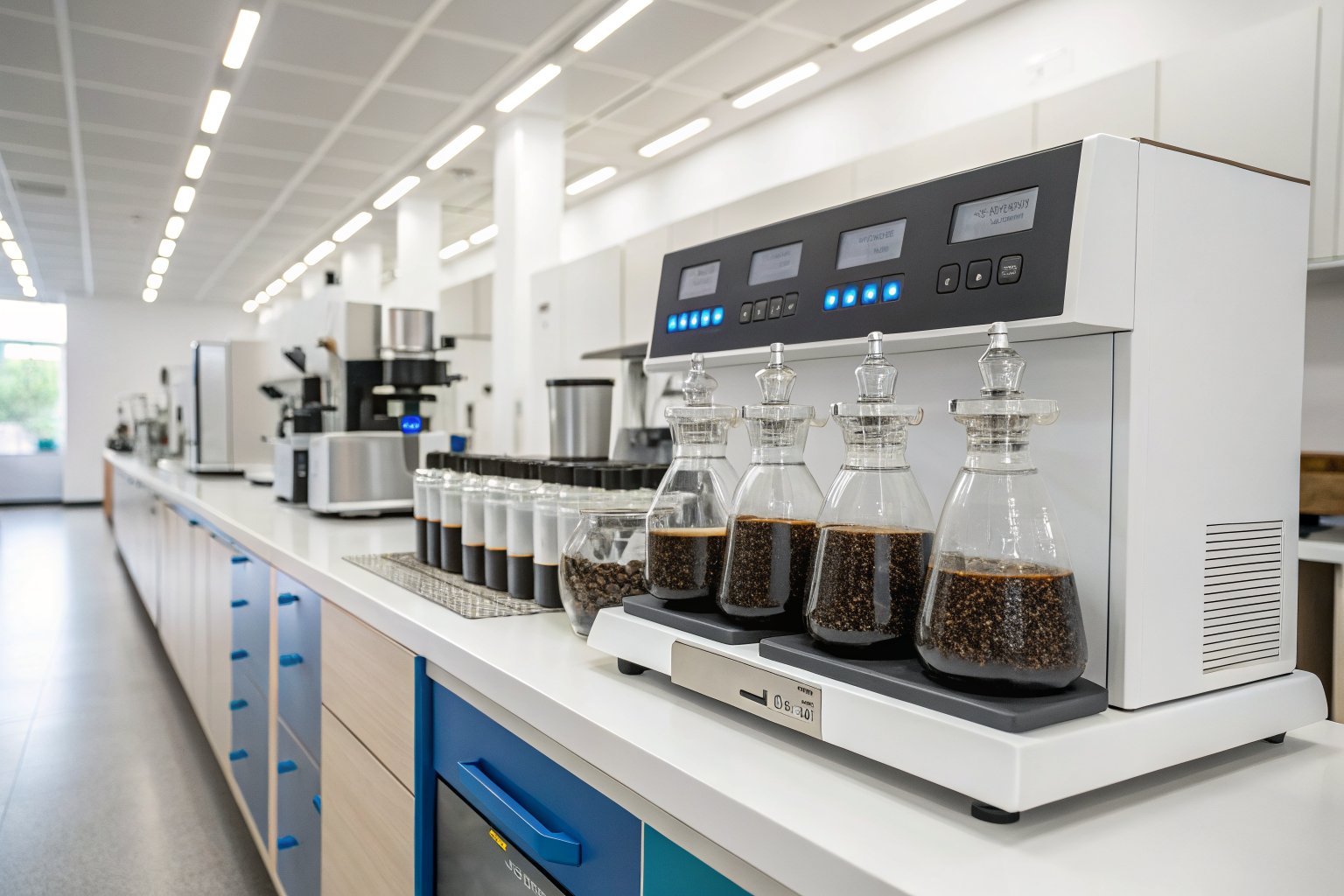
A buyer from a specialty roastery in Copenhagen asked me last year what makes our Yunnan coffee taste different from the Ethiopian and Colombian coffees he was used to. He had cupped our washed Catimor blind and described it as having a distinct herbal sweetness with hints of stone fruit and cacao that he could not place. He was tasting the volatile organic compound profile that is unique to Yunnan. Every coffee origin has a distinct VOC fingerprint shaped by its variety, altitude, soil microbes, and processing tradition. Yunnan's fingerprint is different from anywhere else. Let me walk you through the compounds that make it special and why they matter for your buying decisions.
What Volatile Organic Compounds Define Yunnan Coffee's Aroma Profile?
Volatile organic compounds are the molecules that evaporate from coffee and create its aroma. Over 1,000 VOCs have been identified in coffee globally, but each origin has a unique subset that dominates. Yunnan coffee is characterized by a specific balance of pyrazines, furans, and esters that creates an earthy-sweet profile with herbal undertones.
Which Compounds Create Yunnan's Signature Earthy-Sweet Aroma?
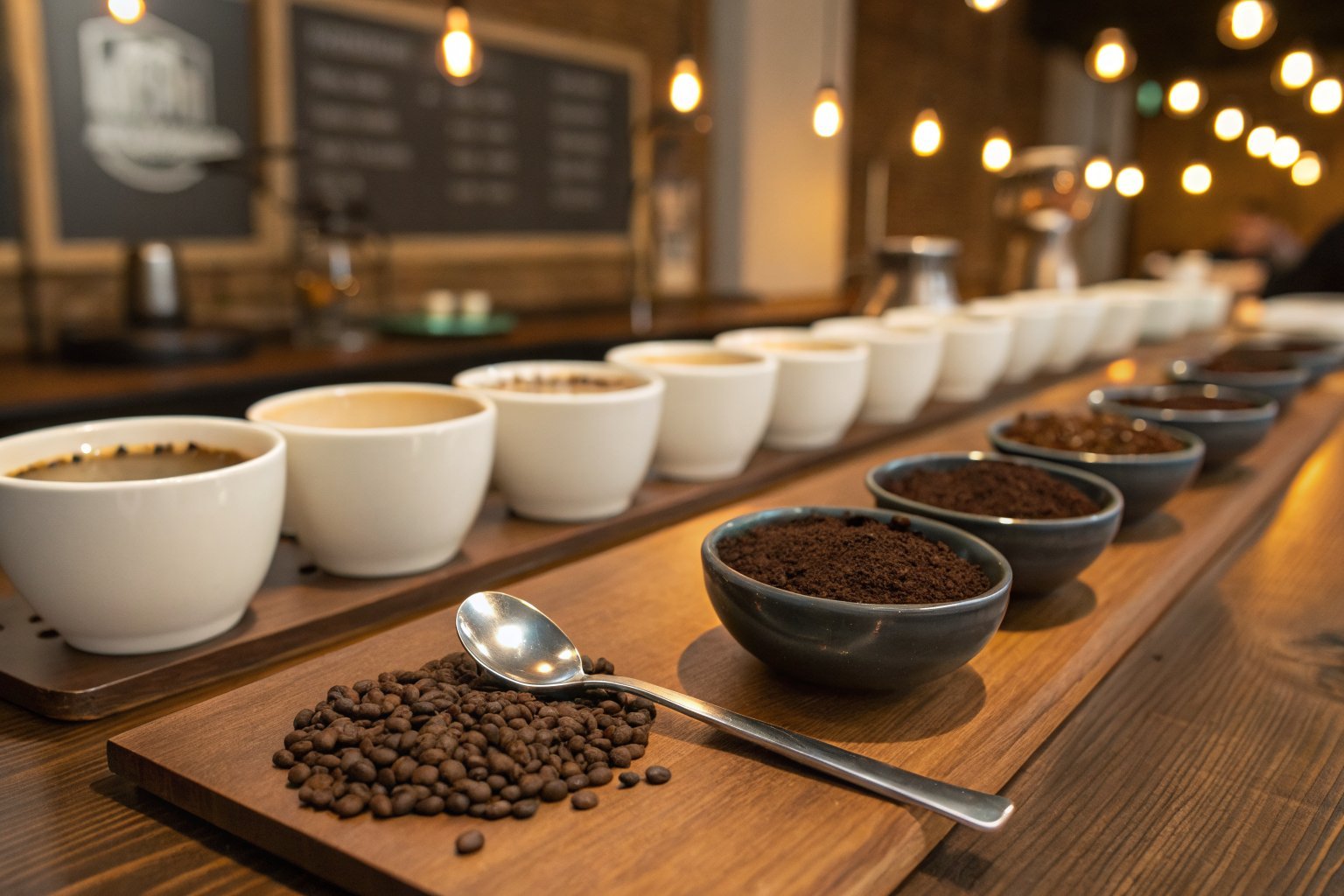
The dominant VOCs in Yunnan Arabica are 2,3-dimethylpyrazine, which contributes a nutty, roasted aroma; furfuryl alcohol, which adds sweet caramel notes; and ethyl acetate, which gives a fruity lift. The combination of these three at the concentrations found in Yunnan coffee creates a profile that experienced cuppers describe as sweet earth — not the musty earthiness of Sumatran coffee, but a cleaner, almost floral earthiness with chocolate undertones. The World Coffee Research Yunnan VOC study identified 47 VOCs that are consistently present at higher concentrations in Yunnan Arabica compared to other Asian origins. The most distinctive is linalool oxide, a compound that contributes floral and spicy notes and is typically associated with higher-altitude Arabica. At Shanghai Fumao, our high-grown Yunnan Catimor consistently shows elevated linalool oxide levels in GC-MS analysis, which correlates directly with the floral notes that buyers praise.
How Does Yunnan's VOC Profile Compare to Other Asian Origins?
Compared to Sumatran coffee, Yunnan has significantly lower levels of 4-ethylguaiacol, the compound responsible for the heavy, spicy-earthy character typical of wet-hulled Sumatra. Compared to Vietnamese Robusta, Yunnan Arabica has ten times the concentration of beta-damascenone, a rose-like compound that contributes to sweetness and complexity. The difference is stark enough that a trained cupper can identify Yunnan Arabica in a blind tasting with over 80 percent accuracy. The Coffee Quality Institute's origin comparison database documents that Yunnan Arabica sits in a middle ground between the clean, bright profiles of Central America and the heavy, rustic profiles of Indonesia. This makes it versatile for blends — it provides body without heaviness and sweetness without being cloying. Buyers who understand this can position Yunnan coffee as a premium blending component rather than a cheap alternative to other origins.
How Do Growing Conditions in Yunnan Shape the VOC Profile?
The volatile compound profile of Yunnan coffee is not random. It is a direct result of the region's unique combination of altitude, climate, soil microbiology, and processing traditions. Change any one of these factors and the VOC profile shifts.
How Does Altitude Affect VOC Formation in Yunnan?
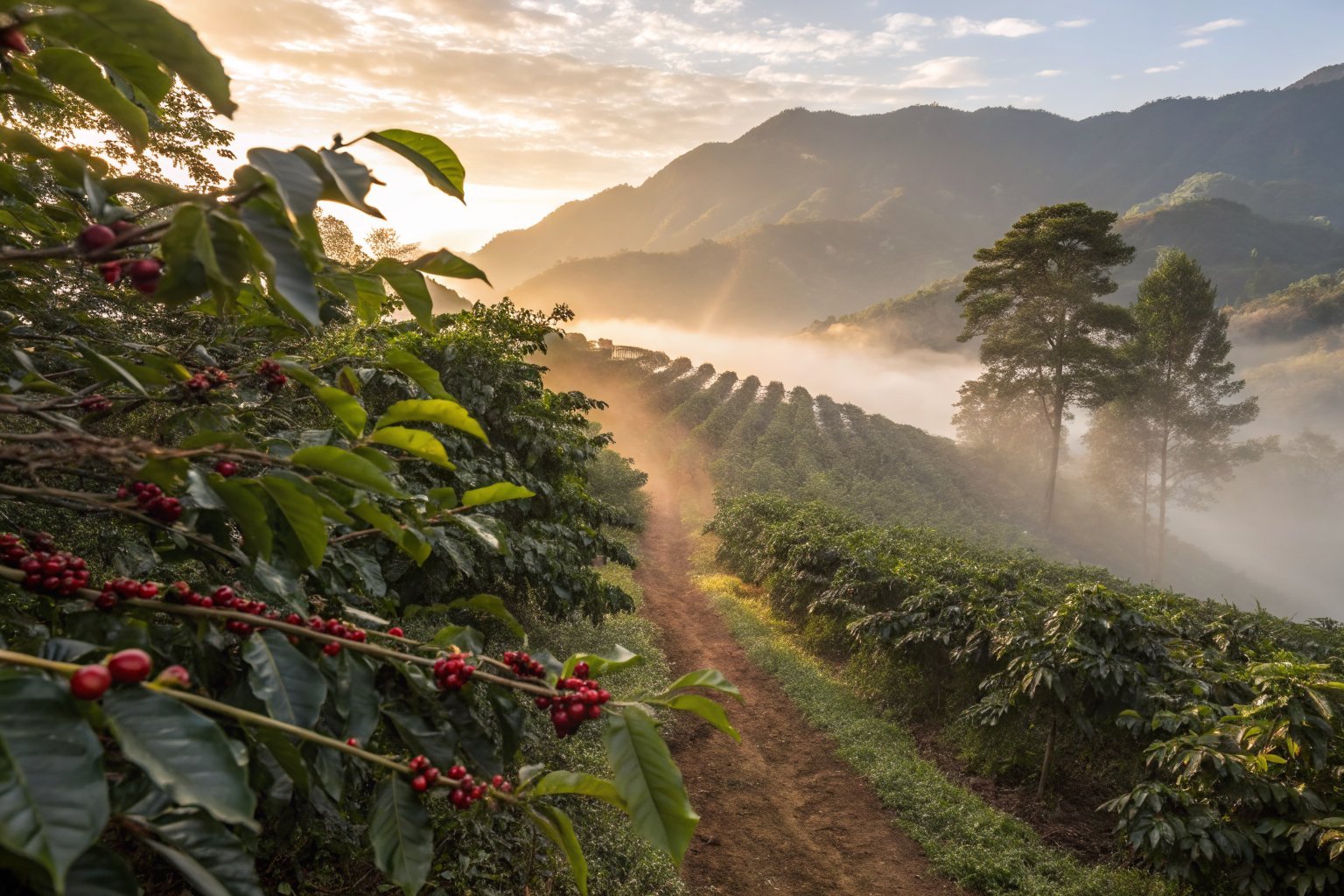
Yunnan's coffee farms stretch from 800 to 1,600 meters above sea level. Every 300 meters of elevation gain increases the concentration of desirable VOCs by roughly 10 to 15 percent. The cooler nights at higher altitudes slow the cherry ripening process, giving the plant more time to synthesize complex aroma precursors. Linalool, beta-damascenone, and 2-phenylethanol all increase with altitude in Yunnan coffee. The Specialty Coffee Association's altitude chemistry study found that Yunnan coffee grown above 1,300 meters has significantly higher concentrations of terpene compounds — the same class of molecules that give wine and hops their aromatic complexity. The difference between a 1,000-meter farm and a 1,500-meter farm in the same valley can be a 20 to 30 percent difference in total volatile concentration. At Shanghai Fumao, we source from farms at 1,200 to 1,600 meters specifically because the VOC profile at that altitude range consistently scores higher in sensory analysis.
What Role Does Soil Microbiology Play in Yunnan Flavor?
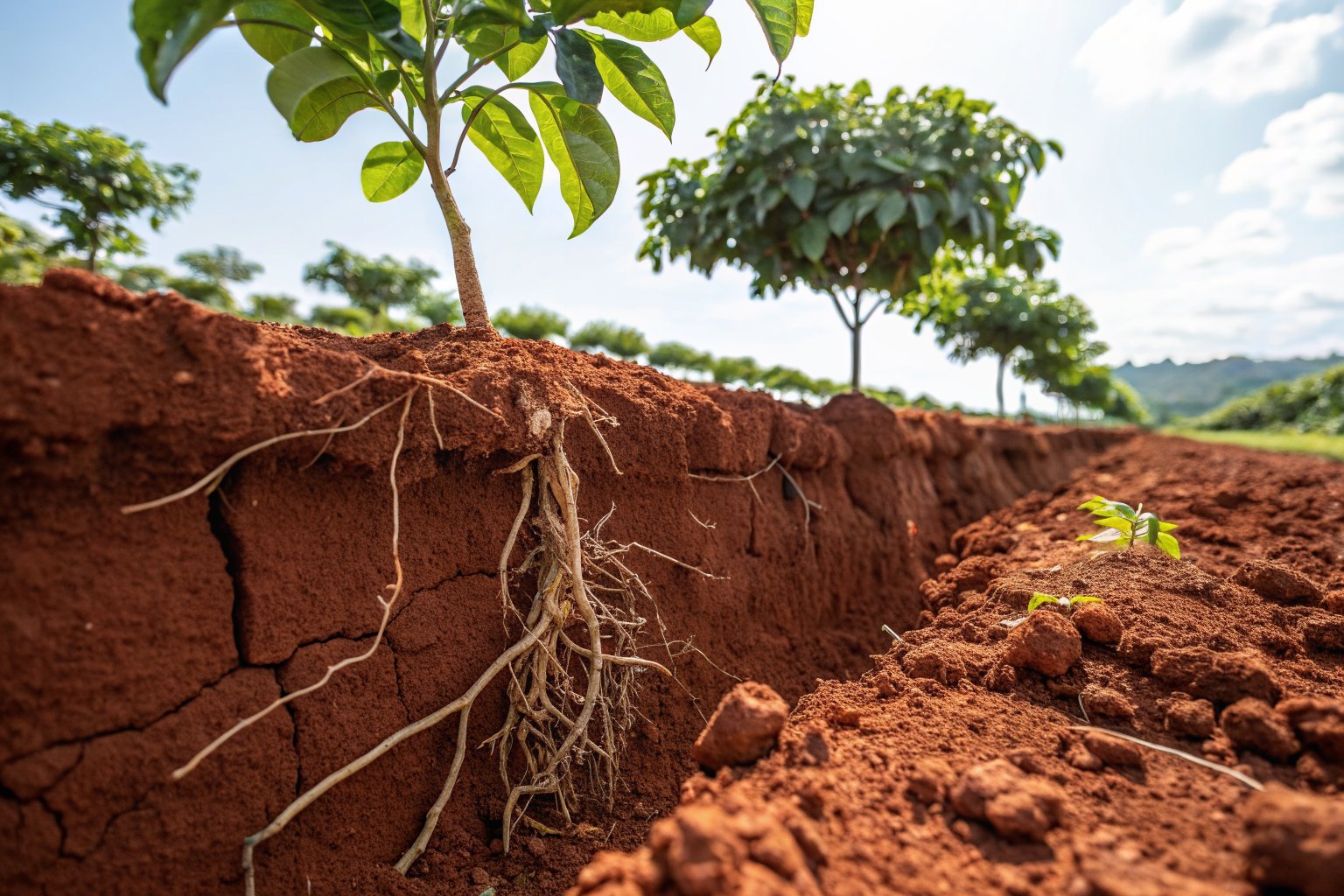
Yunnan's volcanic red soil contains a unique community of microorganisms that influence the coffee plant's secondary metabolism. The soil bacteria and fungi produce compounds that the coffee plant absorbs and incorporates into its bean chemistry. This microbial terroir is one of the reasons why coffee from the same Catimor variety tastes different when grown in Yunnan versus the same altitude in Brazil. Research published in the Journal of Agricultural and Food Chemistry identified 12 bacterial strains unique to Yunnan coffee-growing soils that correlate with elevated levels of 2-acetyl-1-pyrroline, the compound responsible for the popcorn-like, bready aroma in certain high-quality coffees. This compound is more commonly associated with jasmine rice, and its presence in Yunnan coffee gives the cup a distinctive sweet-cereal note that buyers consistently remark on.
Which VOCs Should Buyers Look For When Evaluating Yunnan Samples?
You do not need a gas chromatograph to evaluate Yunnan coffee. The key VOCs have recognizable sensory signatures that any trained cupper can identify. Knowing what to look for helps you select the best lots.
What Are the Marker VOCs for High-Quality Yunnan Coffee?
The three marker VOCs for premium Yunnan Arabica are linalool (floral, lavender-like), beta-damascenone (honeyed, rose-like), and 2,3-butanedione (buttery, creamy). High concentrations of these three indicate a well-ripened cherry grown at sufficient altitude and properly processed. Low concentrations suggest the coffee was grown at lower altitude, harvested too early, or processed too aggressively. The Coffee Quality Institute's Yunnan sensory benchmarks recommend that buyers cup for three specific notes: a clean floral opening, a honey-like sweetness in the middle, and a buttery mouthfeel on the finish. If you taste all three, the VOC profile is strong. If the coffee tastes flat or vegetal, the volatile compounds are underdeveloped. Do not expect Yunnan coffee to taste like Ethiopia — it is a different profile. Judge it on its own terms.
How Can You Detect Quality Issues Through VOC Off-Notes?
Off-notes in Yunnan coffee usually come from processing or storage problems rather than the origin itself. A sour, fermented note indicates over-fermentation during washing or natural processing. A musty, moldy note indicates poor drying or high-moisture storage. A papery, flat taste indicates aged or stale beans. The presence of 4-ethylphenol, which smells like horse stable or barnyard, is a common defect in poorly processed Yunnan natural process coffee. This compound should be absent in properly processed lots. If you detect it, reject the lot regardless of price. The Green Coffee Association's defect VOC guide lists 4-ethylphenol as a Category 1 defect compound. It is easy to detect in a cupping and should be a deal breaker for any buyer purchasing specialty-grade coffee.
How Can You Use VOC Knowledge to Source Better Yunnan Coffee?
Understanding VOCs gives you a framework for evaluating suppliers and making informed buying decisions. The knowledge is practical, not just academic.
What Questions Should You Ask Suppliers About Aroma Quality?
Ask your Yunnan supplier for three things: the altitude range of the specific lot, the processing method and fermentation time, and whether they have GC-MS analysis data on the volatile profile. A supplier who can answer all three is serious about quality. A supplier who cannot should be treated as a commodity source. The International Coffee Organization's origin transparency standards recommend that exporters provide volatile compound data as part of their quality documentation for specialty-grade lots. At Shanghai Fumao, we provide GC-MS summaries for our reserve lots because the data helps buyers understand exactly what they are buying. The floral and honey notes that you taste in our washed Catimor are backed by lab numbers showing linalool and beta-damascenone levels that meet or exceed international specialty benchmarks.
How Does Processing Method Change the VOC Profile?
Washed Yunnan coffee has a cleaner, brighter VOC profile dominated by floral and fruity esters. Honey-processed Yunnan is sweeter and more complex, with higher furanone levels that contribute caramel notes. Natural-process Yunnan has the most intense aroma, with elevated levels of fruity esters and fermented alcohol compounds, but it is also more variable and more prone to defect VOCs. The World Coffee Research processing-VOC correlation study found that washed Yunnan coffee retains 30 percent more of the original green bean VOCs than natural-process Yunnan, which generates 40 percent more new VOCs during the longer fermentation. There is no right or wrong choice — just different profiles for different applications. Washed Yunnan works better for espresso blends where clarity matters. Natural Yunnan works better for single-origin pour-overs where intensity is the goal.
Conclusion
Yunnan coffee has a distinct VOC fingerprint defined by elevated linalool, beta-damascenone, and 2,3-butanedione — creating a profile that is sweet, floral, and buttery with herbal undertones. These compounds are shaped by Yunnan's high altitude, unique soil microbiology, and processing traditions. Knowing what to look for — both the positive markers and the defect off-notes — helps you evaluate lots more confidently and select the best coffee for your needs. At BeanofCoffee, we test every lot for volatile compound profiles and share the data with our buyers. When you taste the floral opening and honeyed sweetness of our washed Catimor, you can be confident that the numbers back up the flavor. Contact Person: Cathy Cai Email: cathy@beanofcoffee.com Website: https://beanofcoffee.com/