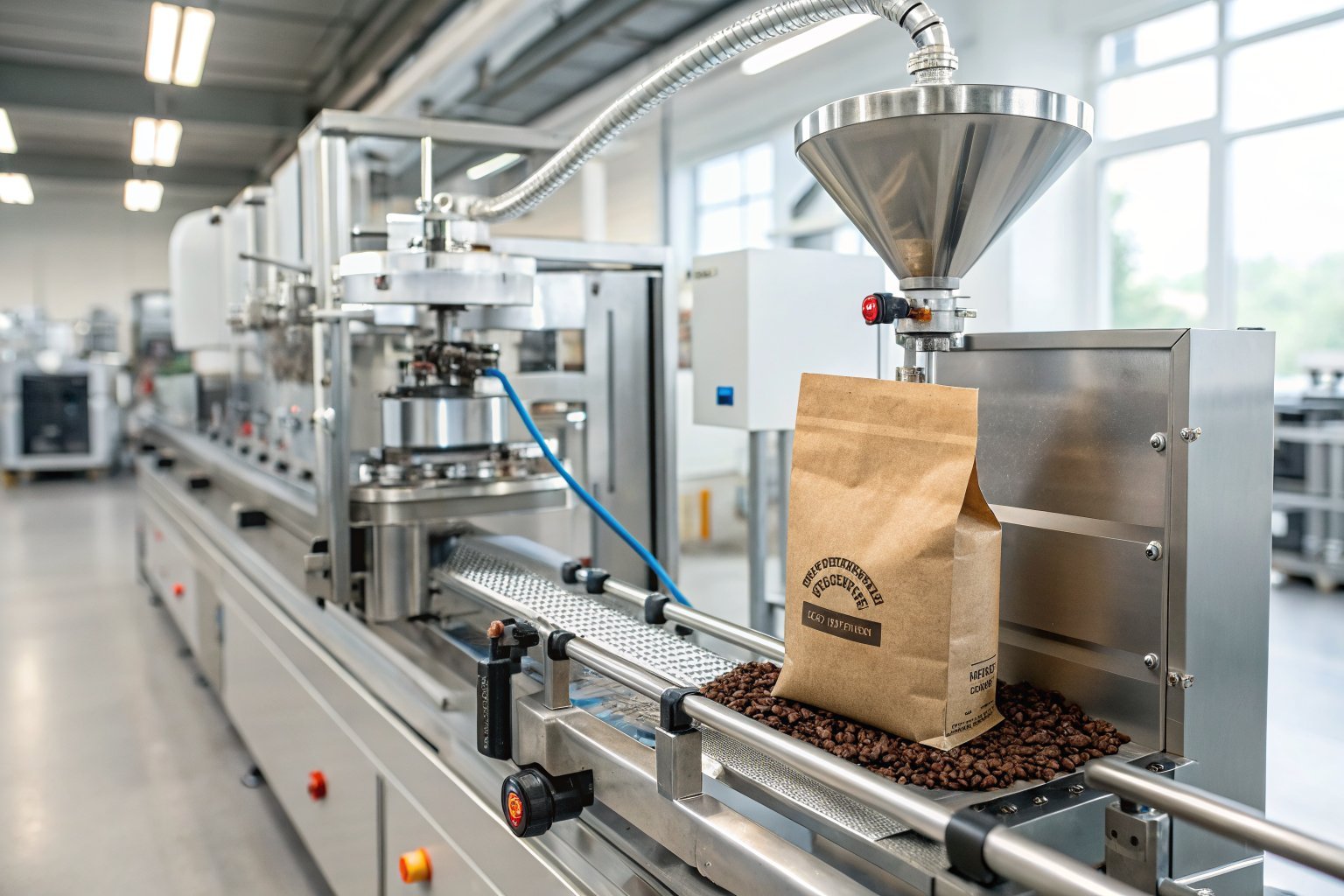
A distributor in New York asked me what gas flush percentage we use for our wholesale coffee bags. He had been getting complaints from his cafe customers that the coffee tasted stale after three weeks on the shelf. His packager was using a standard nitrogen flush at 15 percent residual oxygen, which is fine for short-term retail but not nearly good enough for wholesale bags that might sit on a shelf for three months. The gas flush percentage in your coffee packaging determines how long the coffee stays fresh after roasting. If you are selling wholesale, getting the number wrong costs you repeat business. Let me walk you through the science and the right settings.
What Is Gas Flush Packaging and Why Does It Matter for Coffee?
Gas flush packaging replaces the oxygen inside a coffee bag with an inert gas — typically nitrogen or a nitrogen-carbon dioxide blend — to slow down the staling process. Oxygen accelerates oxidation of the coffee oils, which causes the coffee to go stale. The lower the residual oxygen, the slower the staling.
How Does Residual Oxygen Affect Coffee Freshness?
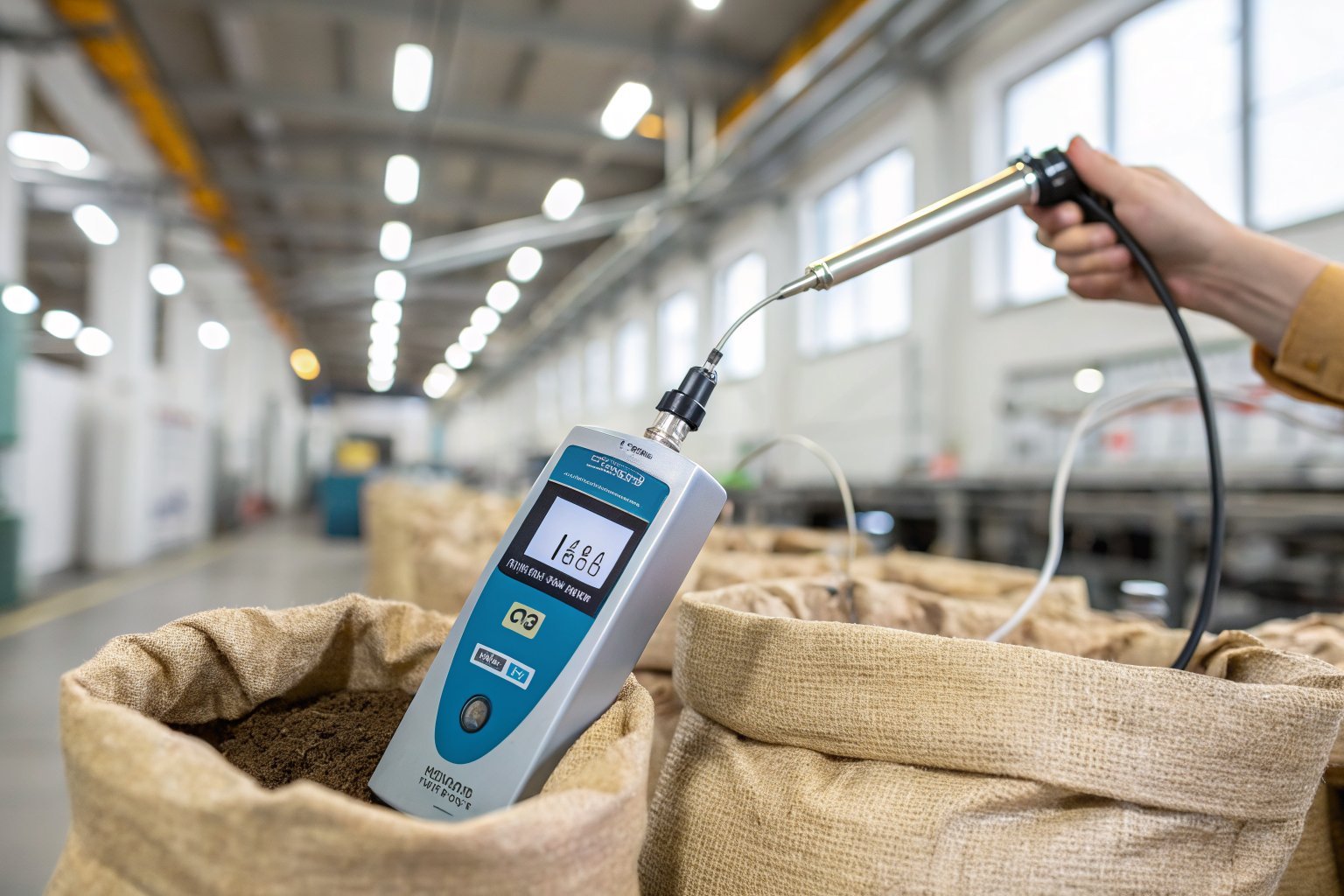
Coffee staling is primarily an oxidation process. The volatile aroma compounds that make coffee smell and taste fresh react with oxygen and degrade into flat, papery-tasting molecules. The higher the oxygen concentration inside the bag, the faster this happens. Coffee packaged with 5 percent residual oxygen stales roughly three times faster than coffee packaged with 0.5 percent residual oxygen. The Specialty Coffee Association's packaging freshness study found that coffee stored at 3 percent residual oxygen lost 40 percent of its volatile aroma compounds after 8 weeks. Coffee stored at 0.5 percent lost only 12 percent over the same period. For wholesale coffee that may sit on a cafe shelf for 4 to 8 weeks, the difference between a customer receiving fresh coffee and stale coffee is determined by your gas flush quality.
What Is the Industry Standard for Gas Flush Packaging?
The standard for specialty coffee packaging is 1 to 3 percent residual oxygen for retail bags and 0.5 to 1.5 percent for wholesale and food service bags. Lower is always better, but the cost of achieving very low oxygen increases as you approach zero. Reaching 0.1 percent oxygen requires a vacuum purge cycle that adds 3 to 5 seconds per bag and consumes more nitrogen. The Packaging Machinery Manufacturers Institute's coffee packaging guidelines specify that coffee packaged with a residual oxygen level below 2 percent has a shelf life of 6 to 8 months at the wholesale level. Above 5 percent, the shelf life drops to 2 to 3 months. At Shanghai Fumao, we flush our wholesale bags to below 1 percent residual oxygen as our standard, and we test every batch with an oxygen analyzer before shipping.
What Is the Ideal Gas Flush Percentage for Different Coffee Formats?
The ideal gas flush depends on the format of the coffee — whole bean, ground, or single-serve — and the expected shelf life. One number does not fit all applications.
What Residual Oxygen Level Works Best for Whole Bean Wholesale?
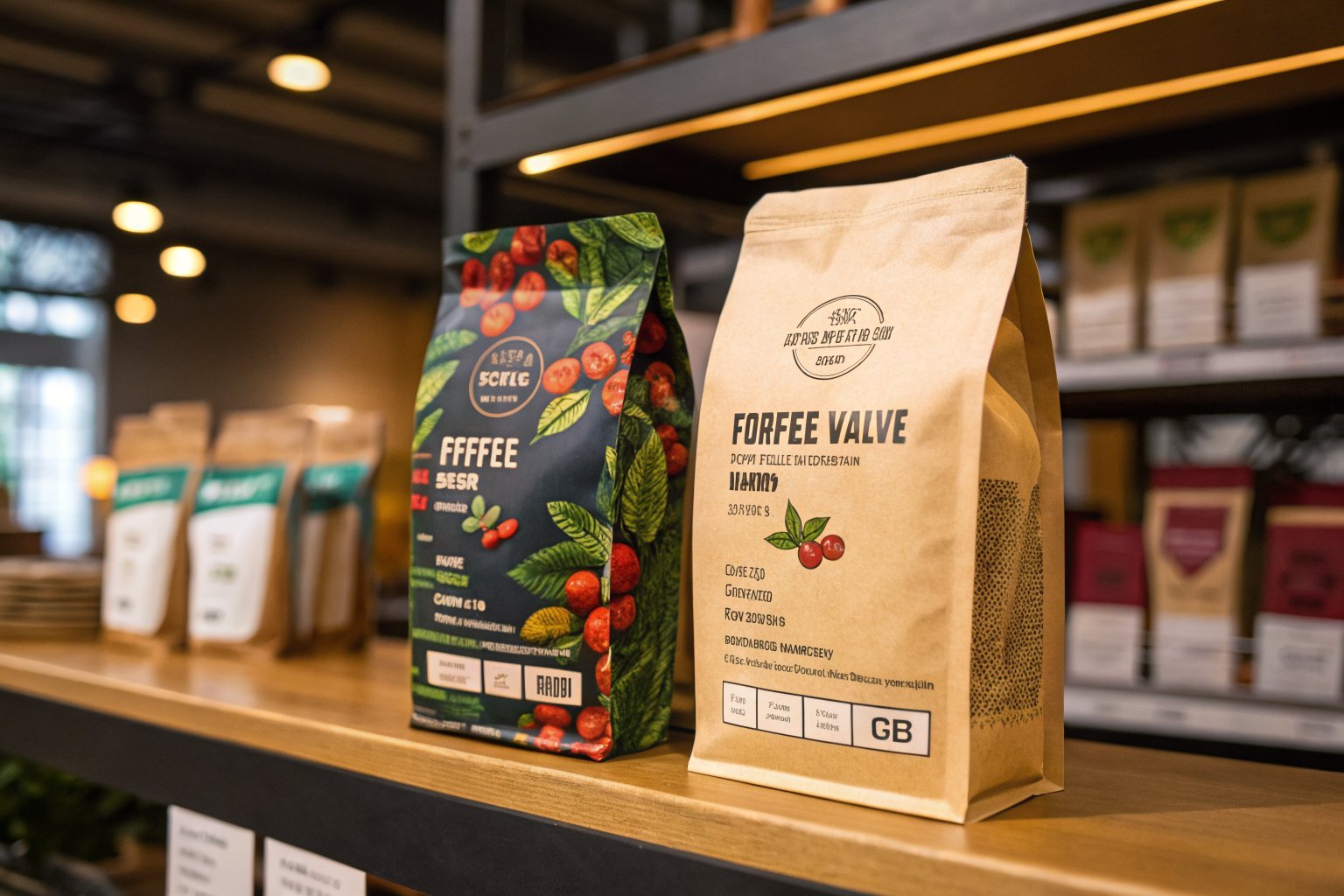
For whole bean wholesale coffee destined for cafe use within 8 to 12 weeks, target 1 to 2 percent residual oxygen. This is achievable with a standard nitrogen flush on most packaging equipment without a vacuum cycle. Whole beans have less surface area exposed to oxygen, so they stale more slowly than ground coffee. A 2 percent residual oxygen bag of whole bean coffee will stay fresh for approximately 10 to 12 weeks. The Roast Magazine's wholesale packaging guide recommends that roasters selling to wholesale accounts should specify a maximum 2 percent residual oxygen in their packaging contract. If your packager cannot consistently hit 2 percent or below, find a new packager. The difference between 2 percent and 4 percent is approximately 4 weeks of shelf life, which is the difference between a cafe owner loving your coffee and complaining that it goes stale too fast.
Does Ground Coffee Need a Lower Gas Flush Target?
Yes. Ground coffee has dramatically more surface area exposed to oxygen. A 12-ounce bag of ground coffee has roughly 50 times more exposed surface area than the same weight of whole bean coffee. This means ground coffee stales 5 to 10 times faster. For ground coffee, target 0.5 to 1.0 percent residual oxygen, and consider adding a one-way valve and a nitrogen flush with a vacuum pre-purge. The Coffee Quality Institute's ground coffee packaging standards specify that ground coffee with residual oxygen above 1.5 percent should be expected to show noticeable staling within 3 to 4 weeks. Below 0.5 percent, the shelf life extends to 8 to 10 weeks. If you are packaging ground coffee for wholesale food service, the extra 15 to 20 cents per bag for a vacuum pre-purge cycle pays for itself in reduced returns and complaints.
How Do You Measure and Verify Gas Flush Quality?
You cannot manage what you do not measure. Every packager should be testing residual oxygen levels regularly, and as a buyer, you should be verifying those numbers.
What Equipment Is Used to Measure Residual Oxygen?
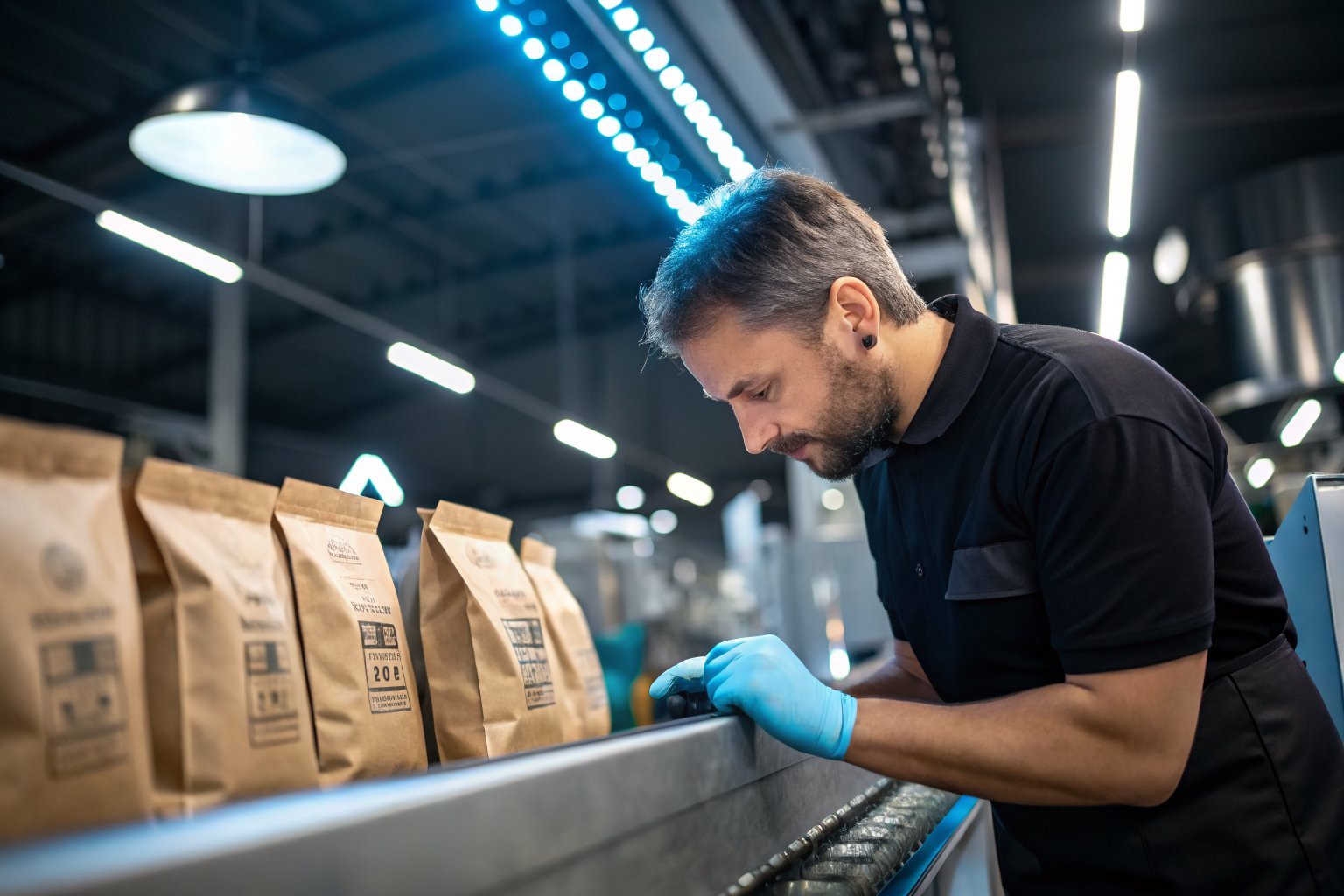
A handheld oxygen analyzer with a needle probe that pierces the coffee bag's valve is the standard tool. The probe draws a small sample of the headspace gas and measures the oxygen concentration. Most analyzers display the reading within 10 seconds and cost 400 to 1,200 dollars. The faster and more accurate instruments use a zirconia sensor. The Packaging Technology and Research Association's oxygen measurement protocol recommends testing one bag per production batch or at least one bag every 1,000 bags, whichever provides more frequent coverage. The sample should be tested within 30 minutes of packaging, before the oxygen scavenging effect of the coffee itself has time to lower the reading naturally. Coffee absorbs oxygen from the headspace during the first 24 to 48 hours after packaging, so a reading taken after 24 hours will be lower than the true flush quality.
What Should You Do If Your Packager Cannot Hit the Target?
If your packager consistently exceeds 3 percent residual oxygen, you have two options. First, ask them to slow down the line speed to give the gas flush more dwell time. A 2-second increase in flush time can reduce residual oxygen by 1 to 1.5 percent. Second, ask them to switch from pure nitrogen to a nitrogen-carbon dioxide blend, which pushes oxygen out more efficiently because CO2 is heavier than air. At Shanghai Fumao, we use a dual-flush system: a pre-purge with CO2 followed by a nitrogen final flush. This achieves residual oxygen below 0.5 percent consistently. It adds approximately 4 seconds per bag but extends shelf life by 50 percent compared to a single nitrogen flush. For wholesale buyers who need their coffee to stay fresh for 6 months, this extra step is essential.
How Does the One-Way Valve Work with Gas Flush?
The one-way valve on a coffee bag serves two purposes: it allows CO2 from freshly roasted coffee to escape without letting oxygen in, and it provides a port for oxygen testing. The valve quality directly affects whether your gas flush stays effective over time.
Do All One-Way Valves Maintain Gas Flush Quality Equally?
No. Valve quality varies significantly. Cheap valves can leak oxygen into the bag at a rate of 1 to 2 percent per month, which would cancel out the benefit of a good gas flush within 4 to 6 weeks. Premium valves from manufacturers like Goglio or Wipf maintain a seal that allows less than 0.1 percent oxygen ingress per month. The Specialty Coffee Association's valve testing program tested 12 different valve models and found that the leak rate ranged from 0.05 percent to 2.8 percent per month. The cheapest valves leaked oxygen at 30 times the rate of the best valves. If your gas flush is excellent but your valve is poor, the coffee will still go stale. Always specify the valve manufacturer and model in your packaging specifications.
Should You Use a CO2 Pre-Flush Before the Nitrogen Flush?
A CO2 pre-flush is the most effective way to achieve very low residual oxygen. CO2 is heavier than air and settles at the bottom of the bag, pushing the oxygen out before the nitrogen flush. The combination of CO2 pre-purge followed by nitrogen final flush can achieve residual oxygen below 0.3 percent consistently. The Roast Magazine's CO2 pre-flush study found that a two-stage gas flush reduced residual oxygen by 50 to 70 percent compared to a single-stage flush with the same total gas volume. The additional cost is about 0.02 to 0.04 dollars per bag for the extra CO2. For any coffee with a wholesale shelf life requirement longer than 8 weeks, the cost is negligible compared to the value of having consistently fresh coffee on the shelf.
Conclusion
The ideal gas flush percentage for wholesale coffee valve bags is 1 to 2 percent residual oxygen for whole bean and 0.5 to 1.0 percent for ground coffee. Achieving these numbers requires a properly calibrated gas flush system, regular oxygen testing with a handheld analyzer, and high-quality one-way valves. A CO2 pre-flush followed by a nitrogen final flush gives the best results and extends shelf life by up to 50 percent. At BeanofCoffee, we flush all our wholesale packaging to below 1 percent residual oxygen and test every batch. When your customers open a bag three months after we packed it, the coffee will smell and taste as fresh as the day it was roasted. Contact Person: Cathy Cai Email: cathy@beanofcoffee.com Website: https://beanofcoffee.com/