A buyer from a major European importer called me about a shipment of natural process Yunnan that had a strange musty-earthy note he could not identify. It was not moldy. It was not fermented. It was something else — a raw, vegetal taste that reminded him of raw potato. He asked me if Asian coffee can develop the potato taste defect. The answer is yes, and it is more common than most buyers realize. The potato taste defect, known as PTD, has historically been associated with Rwandan and Burundian coffee, but it can occur in any origin when specific environmental conditions are present. Let me walk you through how to test for it and what to do if you find it.
What Is the Potato Taste Defect and What Causes It?
The potato taste defect is a distinct flavor note that smells and tastes like raw potato, almost like the smell of freshly peeled potatoes or wet earth. It is caused by a specific compound called 2-isopropyl-3-methoxypyrazine, which is produced by a bacterial infection in the coffee cherry during the drying process.

How Does the Potato Taste Defect Develop in Coffee?
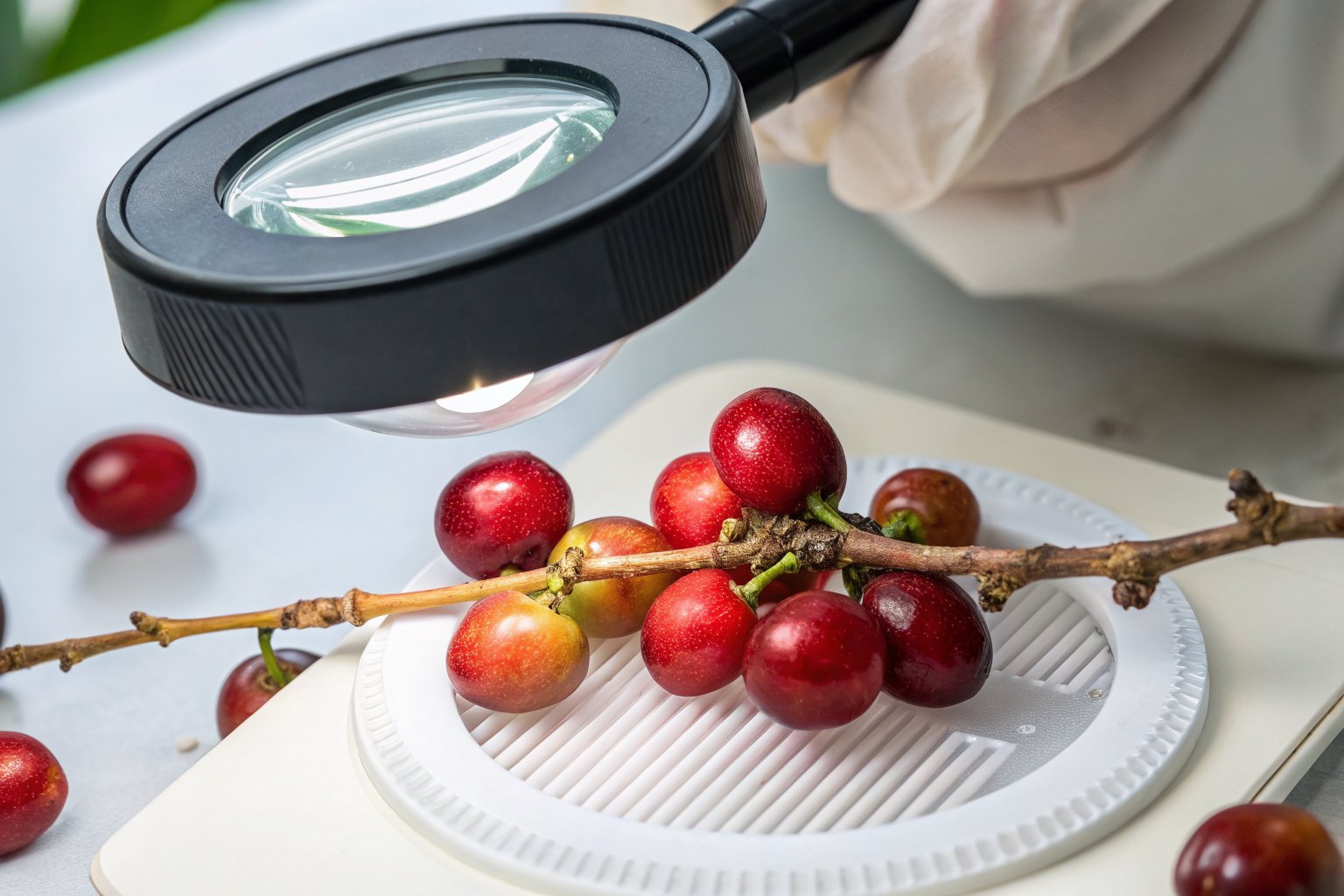
The defect is caused by the bacterium Pseudomonas syringae, which infects coffee cherries through wounds caused by insect damage or mechanical injury during harvest. The bacteria produce 2-isopropyl-3-methoxypyrazine, which gives the coffee a distinct earthy-potato aroma. The compound is extremely potent — humans can detect it at concentrations as low as 1 to 2 parts per trillion. The World Coffee Research potato taste defect study found that the defect is most common in coffee grown at 1,500 to 2,000 meters, where cooler temperatures slow cherry drying and allow the bacteria to proliferate. It is also more common in natural process and semi-washed coffee because the mucilage layer provides a growth medium for the bacteria during the extended drying period.
Can Asian Coffee Develop PTD or Is It Only in African Origins?
PTD can occur in any coffee-growing region where the environmental conditions allow Pseudomonas syringae to infect the cherries. It has been documented in Asian origins including Yunnan, Sumatra, and Vietnam. The incidence in Asia is lower than in Rwanda and Burundi because average temperatures are higher, which speeds up drying and reduces bacterial growth time. But it does occur. The Coffee Quality Institute's global PTD incidence database reports that PTD is found in approximately 0.5 to 1.5 percent of Asian coffee lots, compared to 3 to 8 percent in Rwandan and Burundian lots. The lower incidence means it is less likely to be on a buyer's radar, which also means it is more likely to go undetected. At Shanghai Fumao, we screen every natural process and semi-washed lot for PTD because we know it can affect Yunnan coffee, especially in high-altitude micro-lots where drying conditions are cooler.
How Do You Test for the Potato Taste Defect?
Testing for PTD requires a specific cupping protocol because the compound is masked by other flavors at medium and dark roast levels. You must cup the coffee at a controlled light roast to detect it reliably.
What Is the Standard Cupping Protocol for PTD Detection?
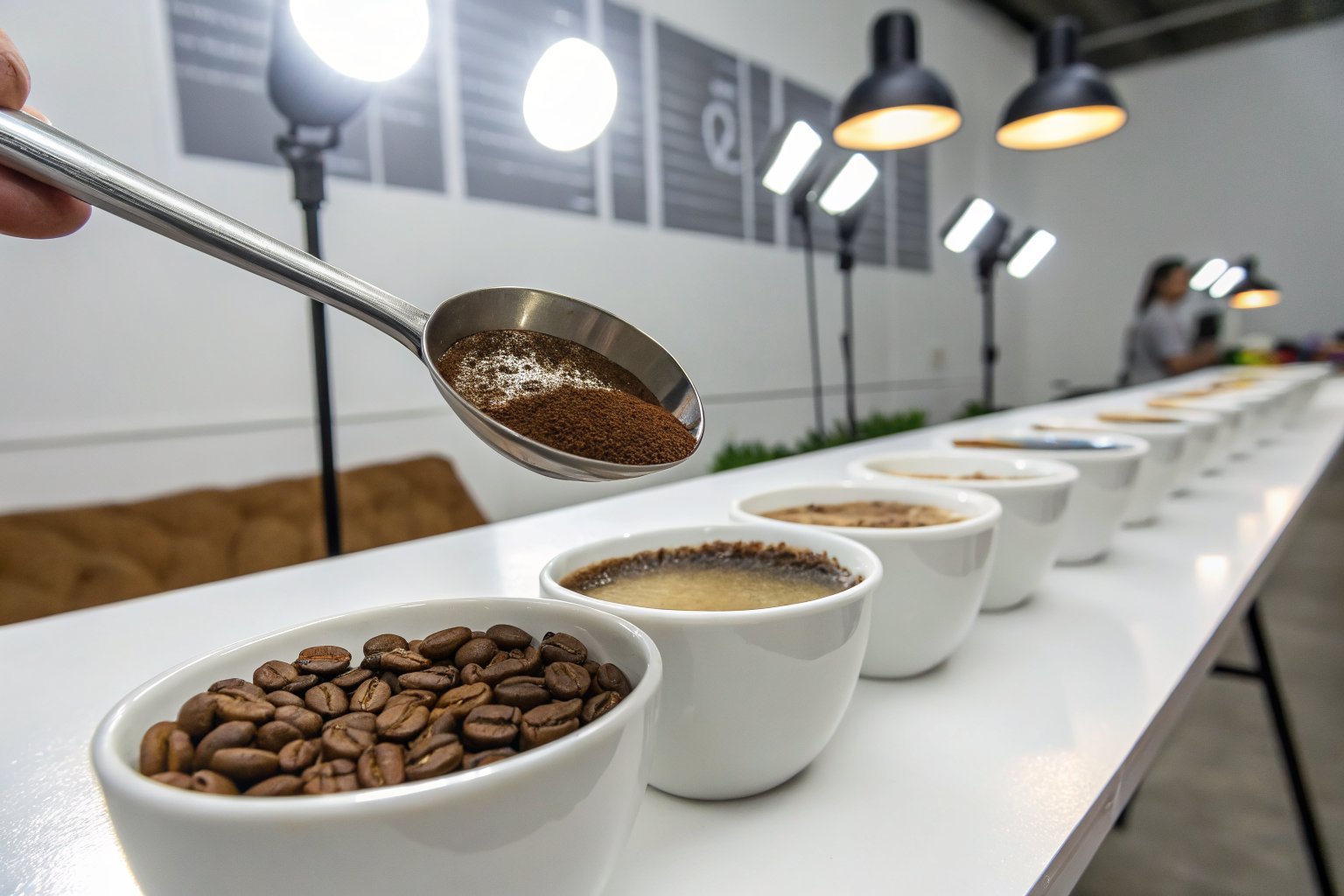
The standard protocol is to cup the coffee at a City or City-plus roast level — Agtron whole-bean 65 to 70. This is lighter than the standard SCA cupping roast of Agtron 58 to 63. The lighter roast prevents the roast flavors from masking the pyrazine compound. Grind the coffee immediately before cupping and pay close attention to the dry fragrance, which is where PTD is most detectable. The Specialty Coffee Association's PTD cupping protocol recommends splitting each cupping table into two rows: one using the standard SCA roast and one using a City roast. Compare the scores between the two rows. A coffee that scores 2 or more points higher on the darker roast likely has PTD that is being masked. The telltale note is a raw potato or earthy aroma in the dry fragrance, followed by a flat, vegetal taste in the cup that is distinct from normal coffee flavors.
Is There a Laboratory Test for PTD?
Yes. Gas chromatography-mass spectrometry can detect 2-isopropyl-3-methoxypyrazine at concentrations as low as 0.1 parts per billion. Several specialty coffee testing labs offer PTD screening for 30 to 60 dollars per sample. The test is most useful for confirming a suspected case rather than routine screening, because the compound degrades over time and may not be detectable in aged coffee. The Coffee Quality Institute's PTD lab testing guide recommends sending samples within 30 days of roasting for the most accurate results. If you suspect PTD in a lot you are considering purchasing, ask your supplier to provide a light-roast cupping sample and have it tested independently. A reputable supplier will accommodate this request gladly.
How Does PTD Affect the Value and Usability of Affected Coffee?
Finding PTD in a lot does not mean the entire lot is worthless. The defect affects individual beans, not the entire batch. The concentration determines how you handle it.
Can PTD Beans Be Removed by Sorting?
Yes, and this is the most effective solution. PTD-affected beans can be identified and removed through a combination of density sorting and visual inspection. Affected beans are typically lighter in density and may show a slightly different color. Density sorting on a gravity table can remove 60 to 80 percent of PTD beans in a single pass. The World Coffee Research PTD sorting study found that a combined approach of density sorting followed by hand-sorting under UV light achieved 95 percent removal of PTD beans. The affected beans are a small percentage of the total lot — typically 0.2 to 1.0 percent of individual beans — so the yield loss from removal is minimal. The key question is whether the sorting cost is justified by the value of the coffee.
How Does PTD Affect Cupping Scores and Pricing?
A single PTD bean in a 12-cup cupping sample can reduce the flavor score by 1 to 3 points depending on the sensitivity of the taster. If multiple beans are present, the score drop can be 4 to 6 points, taking an 85-point specialty coffee down to 80 or below — the difference between a 4.50 dollar per pound coffee and a 2.50 dollar per pound coffee. The Green Coffee Association's PTD pricing guide recommends a 15 to 25 percent discount on lots with confirmed PTD, depending on the severity and the success of post-hoc sorting. At Shanghai Fumao, we have a zero-tolerance policy for PTD in our specialty-grade lots. We screen every lot before it goes to export, and any lot with detectable PTD is diverted to commercial grade or blended at low percentage into high-volume blends where the compound is effectively masked.
How Do You Prevent PTD When Sourcing from Asian Origins?
Prevention is better than detection. Knowing which farms and processing methods are at risk helps you avoid PTD before you buy.

What Farm-Level Practices Reduce PTD Risk?
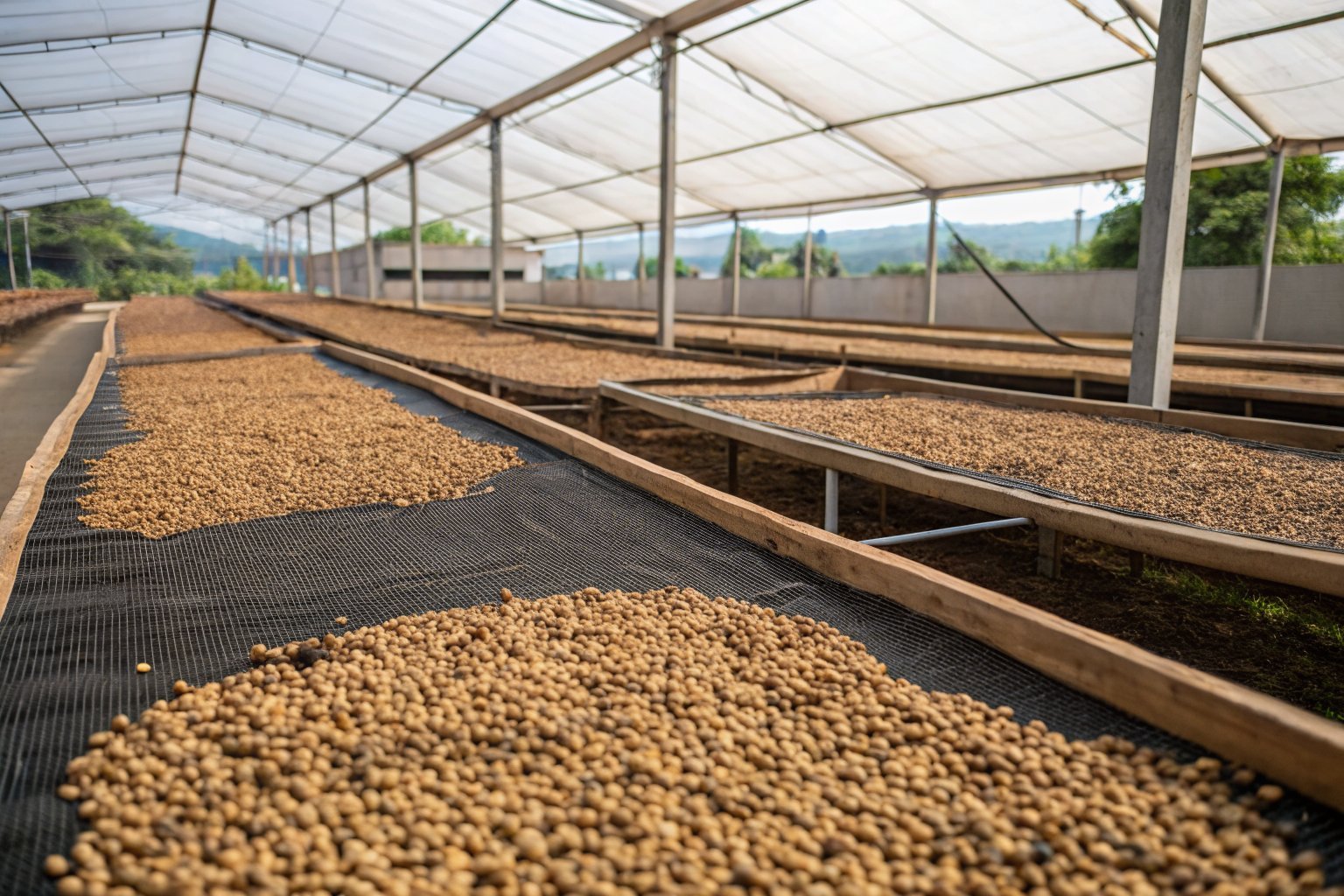
The most effective prevention is rapid, uniform drying. Coffee cherries that dry quickly — reaching 11 percent moisture within 7 to 10 days — have significantly lower PTD risk because the bacteria do not have time to establish. Raised bed drying with good airflow is superior to patio drying. Mechanical drying at controlled temperatures below 45 degrees Celsius is even more reliable. The International Coffee Organization's PTD prevention guidelines recommend that farms in high-altitude, cool-climate regions use covered drying to protect cherries from rain and dew, which extend drying time and create conditions for bacterial growth. If you are sourcing from a high-altitude Asian farm that uses natural processing, ask about their drying duration and method. Any farm that dries for more than 14 days without mechanical assistance is at elevated PTD risk.
What Should You Include in Your Supplier Contract Regarding PTD?
Every green coffee contract should include a PTD clause for natural process and semi-washed lots. Specify that the coffee must be tested for PTD using the light-roast cupping protocol and that any detectable PTD above trace levels is grounds for rejection or discount. Define trace level as a single identifiable PTD note in a 12-cup cupping. The Specialty Coffee Association's model contract for PTD provides standard language that can be added to existing contracts. Including this clause signals to your supplier that you know what PTD is and you will not accept it. Suppliers who take quality seriously will have no problem with the clause. Suppliers who push back are telling you something about their quality control.
Conclusion
The potato taste defect can occur in Asian coffee, including Yunnan, though at lower rates than in African origins. It is caused by Pseudomonas syringae bacteria that produce 2-isopropyl-3-methoxypyrazine, detectable at parts per trillion. The best detection method is cupping at a City roast level, where the compound is most noticeable before roast flavors mask it. PTD-affected beans can be removed by density sorting, but prevention through proper drying practices is the real solution. At BeanofCoffee, we screen every natural process and semi-washed lot for PTD before export. We want you to receive coffee that tastes exactly as it should — clean, sweet, and free of off-notes. Contact Person: Cathy Cai Email: cathy@beanofcoffee.com Website: https://beanofcoffee.com/