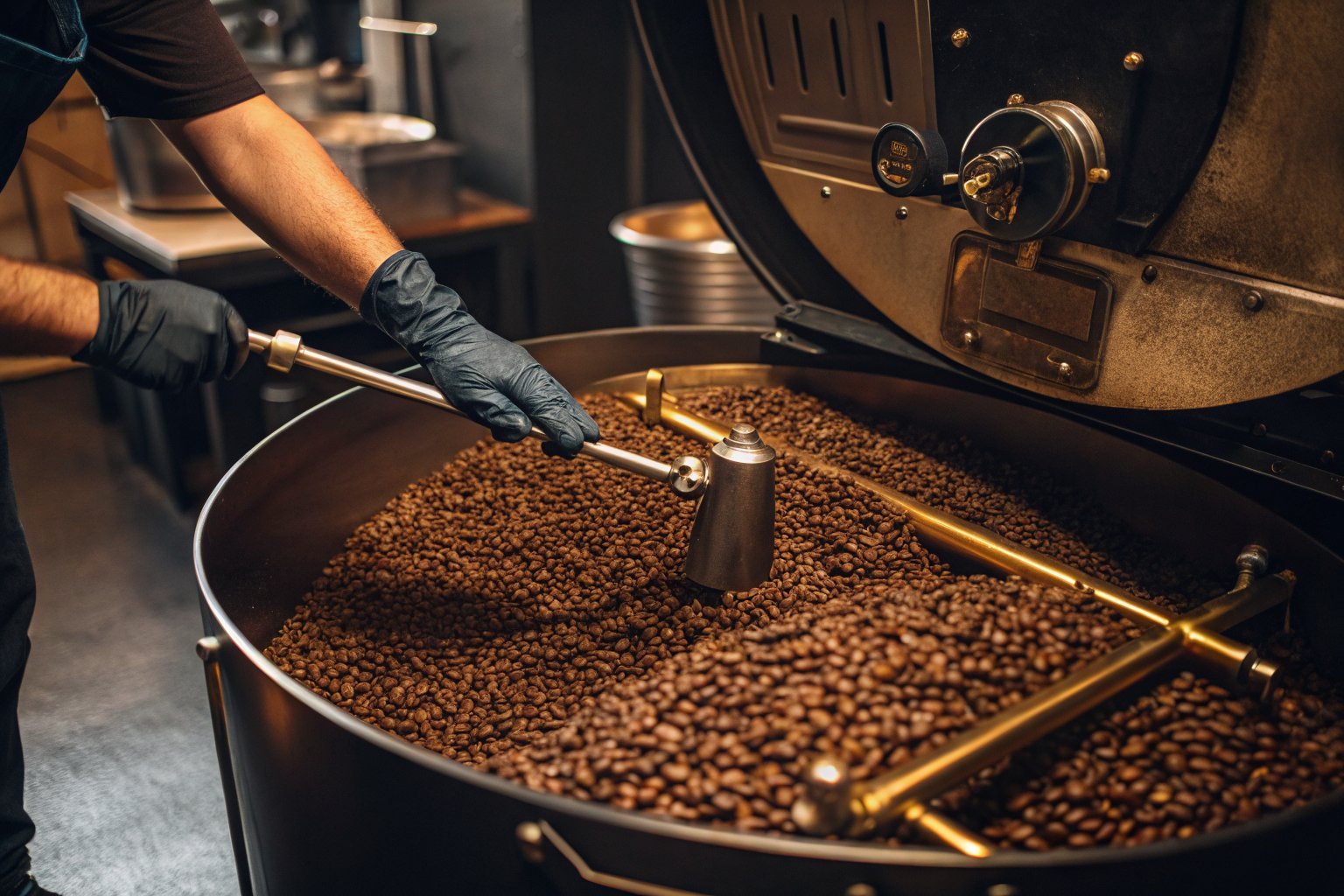
A roaster in Boston emailed me with a photo of his cooling tray covered in chaff. It looked like a snowstorm had hit his roastery. He had just opened a bag of natural process Ethiopian coffee and the chaff volume was nearly double what he got from washed coffees. He asked me if the coffee was defective. It was not defective. Natural process coffee almost always produces more chaff than washed coffee because the dried cherry skin and mucilage create extra silverskin that separates during roasting. But the amount of chaff can tell you something about the quality of the processing. Let me walk you through why there is so much chaff and what it means.
Why Does Natural Process Coffee Generate More Chaff?
Natural process coffee is dried inside the whole cherry, with the fruit skin and mucilage still attached to the bean. During roasting, these dried fruit remnants separate from the bean surface and become chaff. The thicker the dried fruit layer, the more chaff you get.
How Does the Dried Cherry Skin Create Extra Chaff?
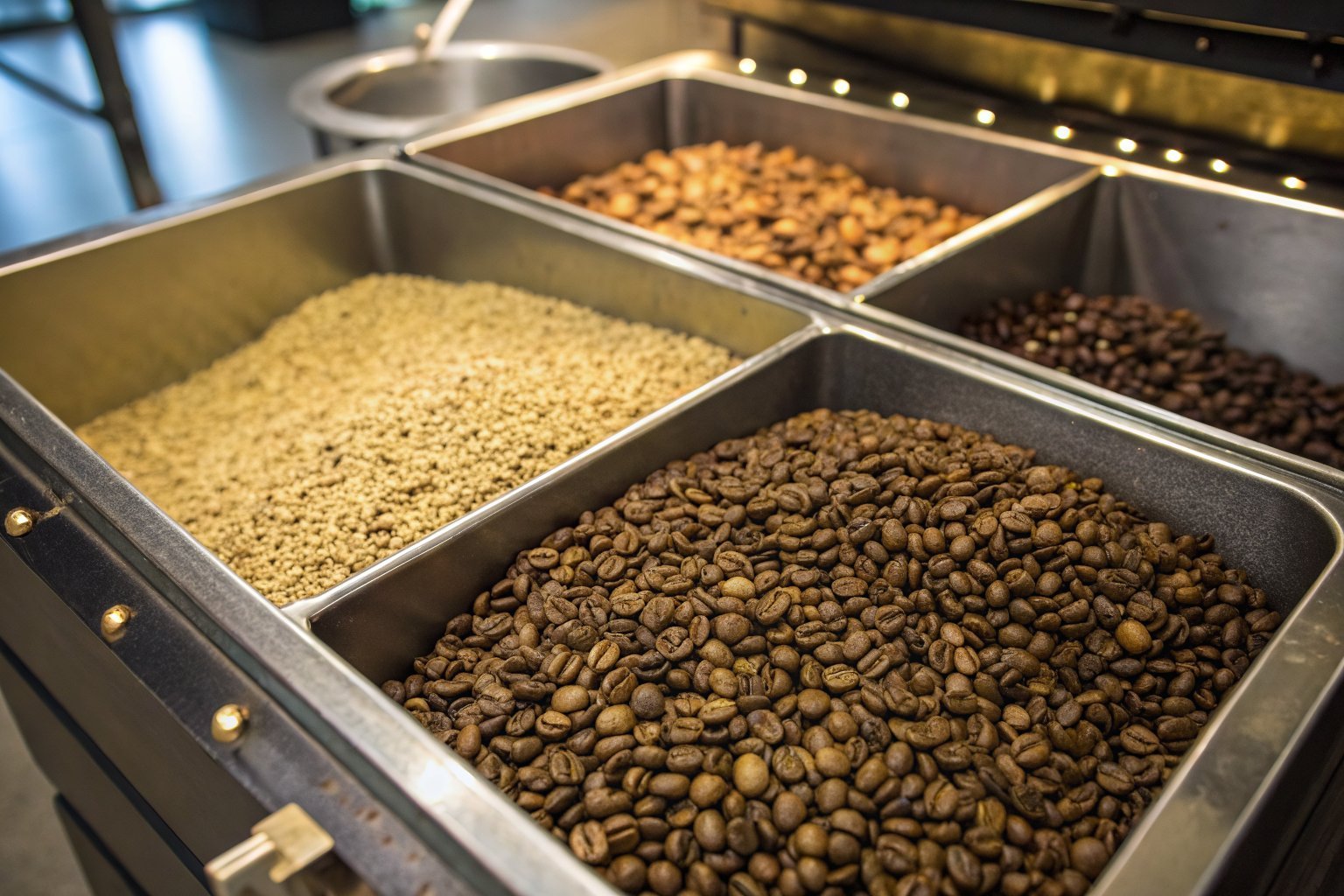
In washed coffee, the mucilage is fermented and washed off before drying, leaving only the clean parchment layer around the bean. In natural coffee, the entire cherry dries around the bean. The dried fruit skin and mucilage become tightly adhered to the parchment. When the bean expands during roasting, this layer fractures and separates into fine flakes of chaff. The Specialty Coffee Association's processing comparison guide states that natural process coffee generates 30 to 60 percent more chaff by weight than washed coffee from the same origin. A washed coffee might produce 0.5 to 0.8 percent chaff relative to green weight. A natural process coffee can produce 1.0 to 1.5 percent. For a 12-kilogram batch, that is 60 to 180 grams of additional chaff that your roaster's airflow system must handle.
Does the Amount of Chaff Indicate Processing Quality?
Yes, within limits. A moderate increase in chaff is normal for natural process coffee. But excessive chaff — more than 2 percent of green weight — can indicate problems. Over-dried cherries produce brittle skin that shatters into fine dust. Under-ripe cherries have a thicker, more stubborn mucilage layer that does not fully dry and creates sticky, clumpy chaff that blocks airflow. The Coffee Quality Institute's natural process defect guide notes that chaff quality is as informative as chaff quantity. Healthy natural coffee chaff is papery and separates cleanly from the bean. Defective chaff is sticky, clumpy, or powdery. If your chaff is sticking to the cooling tray in clumps, the cherries may have been under-dried or over-fermented. At Shanghai Fumao, we monitor chaff characteristics during our sample roasts as a quality check on natural process lots before they go to export.
What Is the Difference Between Silverskin and Cherry Skin Chaff?
Not all chaff is the same. There are two distinct types, and they behave differently in your roaster.
What Is Silverskin and Where Does It Come From?
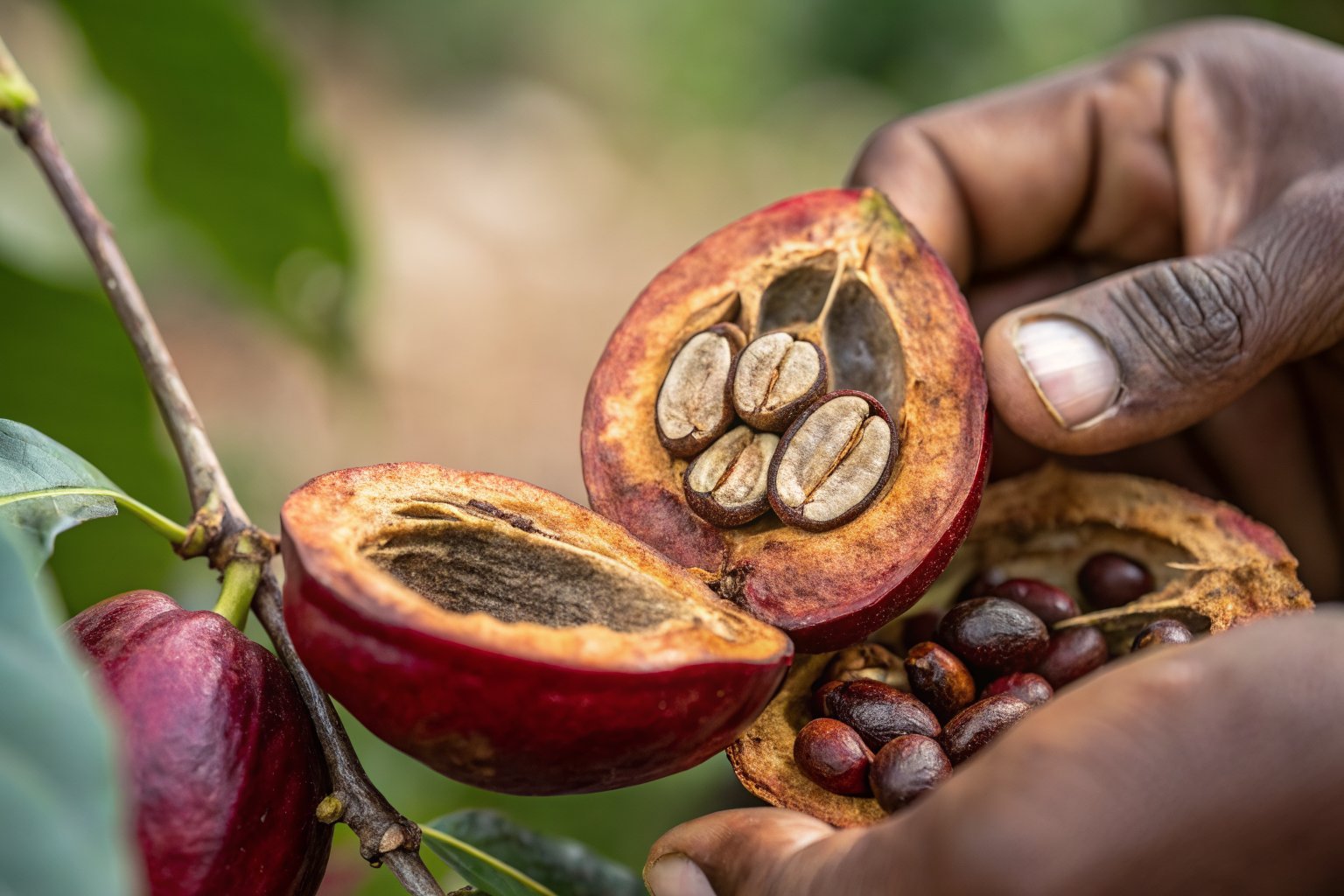
Silverskin is the thin, papery layer that adheres to the bean surface inside the parchment. Every coffee bean has silverskin, regardless of processing method. It is the inner epidermis of the bean and it detaches during roasting as the bean expands. Silverskin is light, fluffy, and golden-brown. It is the chaff that roasters are most familiar with. Silverskin from natural process coffee is slightly thicker than silverskin from washed coffee because the prolonged contact with the fruit mucilage during drying causes additional cellular material to adhere to the bean surface. The World Coffee Research silverskin study found that natural process beans retain 15 to 25 percent more silverskin mass than washed beans from the same variety and farm.
What Is Cherry Skin Chaff and How Do You Identify It?
Cherry skin chaff is the dried fruit outer layer that fragments during roasting. It looks different from silverskin — darker, browner, and more fibrous. It tends to be larger and flatter, like small flakes of dried fruit skin. It is also heavier and does not fly as easily into the chaff collection system, which is why it often accumulates on top of the cooling tray. The cherry skin chaff contains higher levels of sugar residue than silverskin, which can burn at high roasting temperatures and create acrid smoke. If you see dark brown or blackened flakes in your chaff, the cherry skin charred during roasting, which means your charge temperature was too high for natural process beans. The Roast Magazine's chaff identification guide recommends reducing charge temperature by 5 to 8 degrees Celsius when roasting natural process coffee to prevent cherry skin charring.
How Does Chaff Affect the Roasting Process and Flavor?
Chaff is not just a cleanup nuisance. It actively affects how the roast develops, and mismanaging it changes the flavor of your coffee.
Does Excess Chaff Insulate the Beans During Roasting?
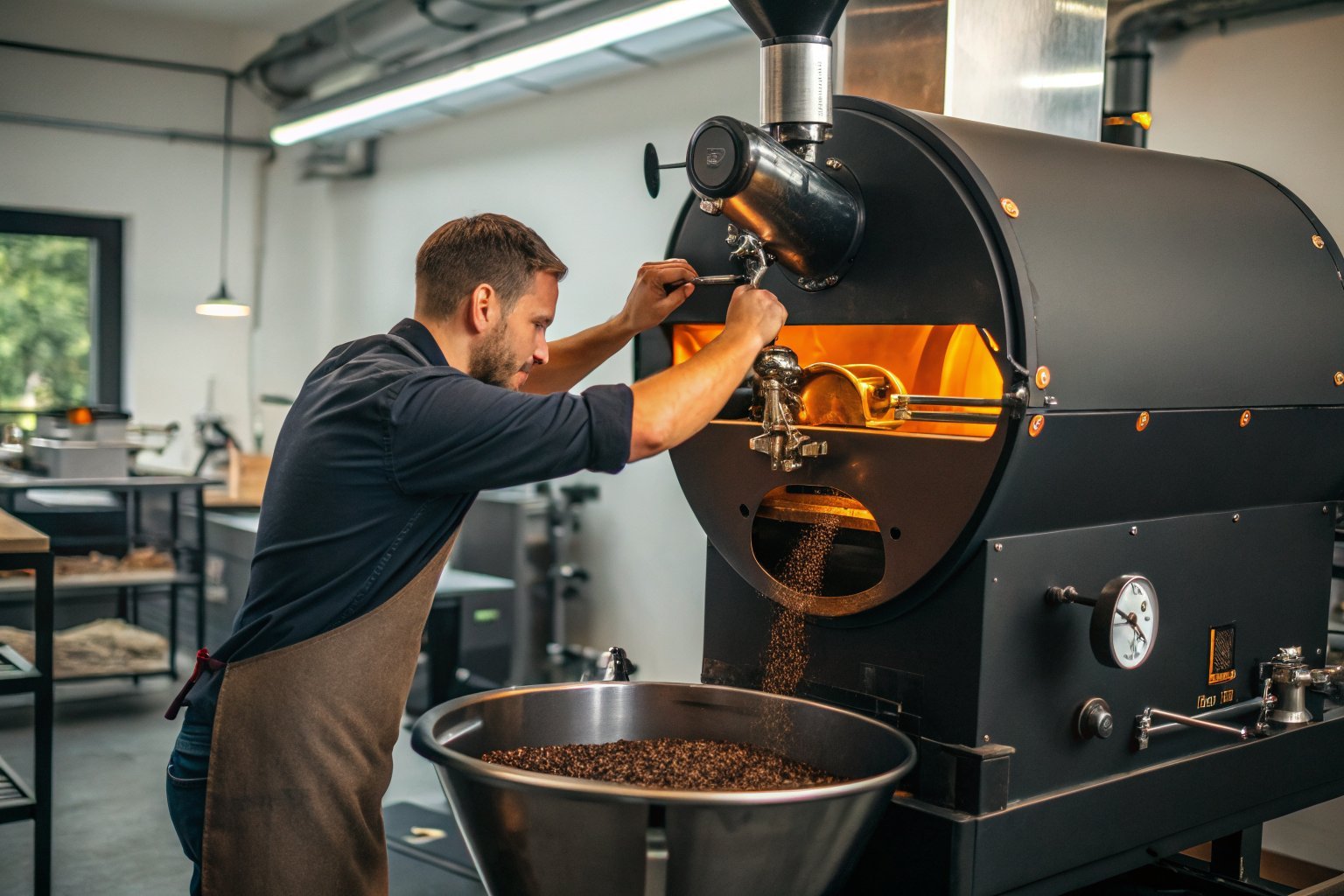
Yes, and this is the most common problem. Chaff that accumulates on top of the bean mass acts as an insulator, reducing heat transfer from the drum and hot air to the beans below. This can slow the rate of rise by 1 to 2 degrees Celsius per minute, extending the roast time and potentially causing baked flavors. The Roast Magazine's chaff management technical note measured a 3 to 5 percent reduction in heat transfer efficiency when chaff levels were twice the normal amount. The solution is aggressive airflow management. Increase your drum speed by 2 to 4 RPM during the first two minutes of the roast to help separate the chaff from the beans. Increase airflow to 80 to 90 percent during the drying phase to pull chaff out of the drum before it accumulates.
Can Chaff Add Positive Flavors to the Roast?
Some chaff actually contributes desirable flavors. Silverskin contains small amounts of sugars and amino acids that undergo Maillard browning during roasting. When silverskin burns at higher temperatures, it can add a toasty, nutty note to the coffee. This is why some roasters deliberately leave a portion of the silverskin on the bean during roasting for certain profiles. The Coffee Quality Institute's chaff flavor study found that silverskin contributes approximately 2 to 4 percent of the total volatile organic compounds in the final cup. The contribution is subtle but measurable. Cherry skin chaff, on the other hand, contributes only bitter, astringent notes and should be fully removed. The key is removing the fruit skin while retaining the silverskin — which happens naturally when you manage drum speed and airflow correctly during the first few minutes of the roast.
How Should You Adjust Your Roasting Setup for High-Chaff Coffees?
If you regularly roast natural process coffee, your equipment and workflow need adjustments to handle the extra chaff load.
What Equipment Modifications Help with Chaff Management?
First, ensure your chaff collection system has sufficient capacity. If you typically empty the chaff bin once per day, you will need to empty it twice per day when roasting natural process coffee. Second, consider adding a pre-roast destoning step that also removes loose cherry skin before the beans enter the drum. A simple screen shaker can remove a significant portion of loose fruit skin before roasting. The Roast Magazine's chaff equipment guide recommends professional roasters install a high-efficiency cyclone separator on their chaff system if they roast more than 20 percent natural process coffee. The cyclone separates heavy cherry skin from light silverskin, directing the heavier material into a separate collection bin. This prevents cherry skin from accumulating in your main chaff system and potentially causing airflow blockages.
How Should You Adjust Your Roast Profile for Natural Process Coffee?
Start with a lower charge temperature — 5 to 8 degrees Celsius lower than your standard for washed coffee from the same origin. Increase drum speed by 2 to 4 RPM during the first two minutes. Run higher airflow during the drying phase, then reduce to normal levels during Maillard and development. The extra early airflow removes chaff before it can insulate the beans or char in the drum. The Specialty Coffee Association's natural process roasting protocol recommends extending the drying phase by 30 to 60 seconds compared to washed coffee to account for the additional moisture in the dried cherry skin. At Shanghai Fumao, we provide processing method details with every lot so roasters can choose the right profile before they drop the first batch. Natural process Yunnan needs a different approach than washed Yunnan, and knowing the difference ahead of time saves you a ruined batch.
Conclusion
More chaff in natural process coffee is normal. The dried cherry skin and extra silverskin create 30 to 60 percent more chaff than washed coffee. The chaff is a mix of silverskin and fruit skin, and each behaves differently. Silverskin is fine and contributes some flavor. Cherry skin is coarse and should be removed. Adjust your roaster with higher drum speed, lower charge temperature, and aggressive early airflow to manage the chaff load effectively. At BeanofCoffee, we clearly label every lot with its processing method so you know what to expect before you roast. Natural process Yunnan Catimor needs a slightly lighter touch than our washed lots, and the chaff volume is completely normal. Contact Person: Cathy Cai Email: cathy@beanofcoffee.com Website: https://beanofcoffee.com/