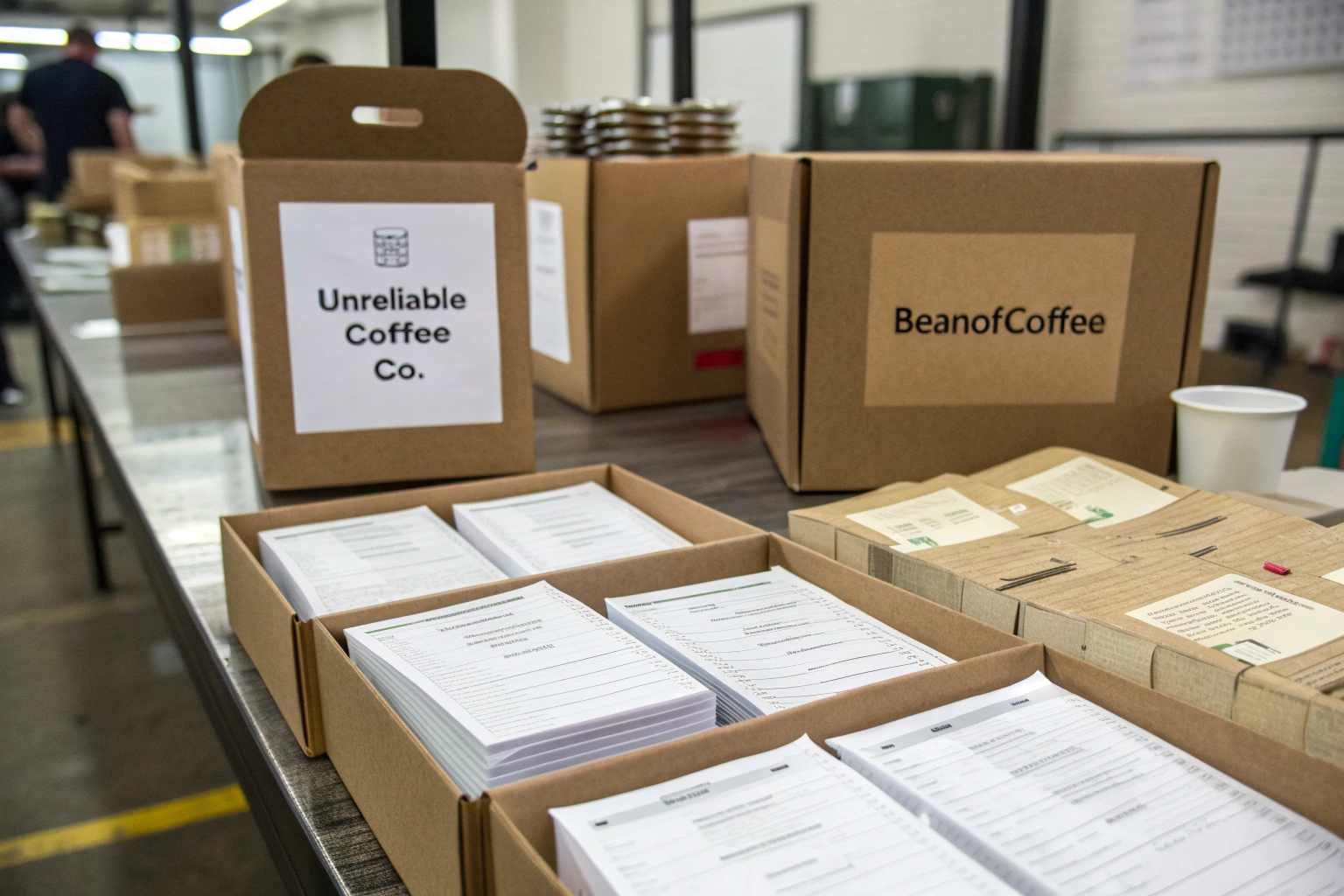
You have a signed contract. A promised ship date. A tracking number. You feel secure. But then the ship date passes. The tracking number shows nothing. The supplier stops answering emails. The phone goes to voicemail. The cold dread sets in. You have been burned by an unreliable shipper. It is a painful, expensive lesson. I have seen this happen to buyers, and I have heard the stories. The warning signs were there from the beginning. They were just easy to ignore in the excitement of a good price. Let me show you how to spot the signs before you wire your deposit.
An unreliable coffee shipper reveals themselves through a pattern of small failures. Vague documentation, inconsistent communication, and a refusal to provide verifiable references are all red flags. At BeanofCoffee, I believe in proactive transparency. I send my clients updates before they have to ask. A reliable shipper makes you feel informed, not anxious.
The warning signs are not always dramatic. They are often subtle. They are the small cracks in the facade of professionalism. Pay attention to them. They can save you a fortune.
Why Is Vague or Incomplete Documentation a Major Red Flag?
Documentation is the lifeblood of international trade. It is the proof that the coffee exists, that it has been inspected, that it has been shipped. A supplier who is vague about documentation is a supplier who is hiding something.
Vague documentation is a sign that the supplier is either inexperienced or dishonest. A professional exporter provides complete, accurate, and timely documents. At BeanofCoffee, my documentation package includes the commercial invoice, the packing list, the bill of lading, the certificate of origin, the phytosanitary certificate, and the insurance certificate. These are prepared meticulously and shared with the client before the vessel sails.
The documents are not a formality. They are your legal protection. If they are wrong, incomplete, or late, your entire shipment is at risk.

What Specific Documents Should a Professional Exporter Provide Proactively?
A professional exporter does not wait to be asked. They provide the key documents as part of the standard process. After the coffee is shipped, you should receive a copy of the commercial invoice, showing the value of the goods. The packing list, showing the weight and the number of bags. The bill of lading, which is the document of title, proving ownership of the goods. The certificate of origin, which is required for customs clearance. The phytosanitary certificate, which proves the coffee is free from pests. And if you bought CIF, the insurance certificate. If a supplier is slow to provide these, or if they provide documents with errors, it is a sign of a disorganized operation. It is a sign of trouble ahead.
How Does a Reluctance to Share the Bill of Lading Indicate Problems?
The bill of lading is the most important document. It is the proof that the coffee is on the ship and that you are the rightful owner. A supplier who is reluctant to share the bill of lading is a huge red flag. It might mean the coffee has not actually been shipped. It might mean there is a dispute over the cargo. It might mean the supplier is using your deposit to finance other operations and has not booked your container. A professional exporter will send you a copy of the bill of lading immediately after the vessel departs. It is a standard practice. If you have to beg for it, you have a problem.
How Does Inconsistent Communication Signal Deeper Problems?
Communication is the pulse of a business relationship. A healthy supplier responds to your emails. They answer your questions. They proactively update you on the status of your order. An unhealthy supplier goes silent. They respond late, or not at all. They make promises they do not keep.
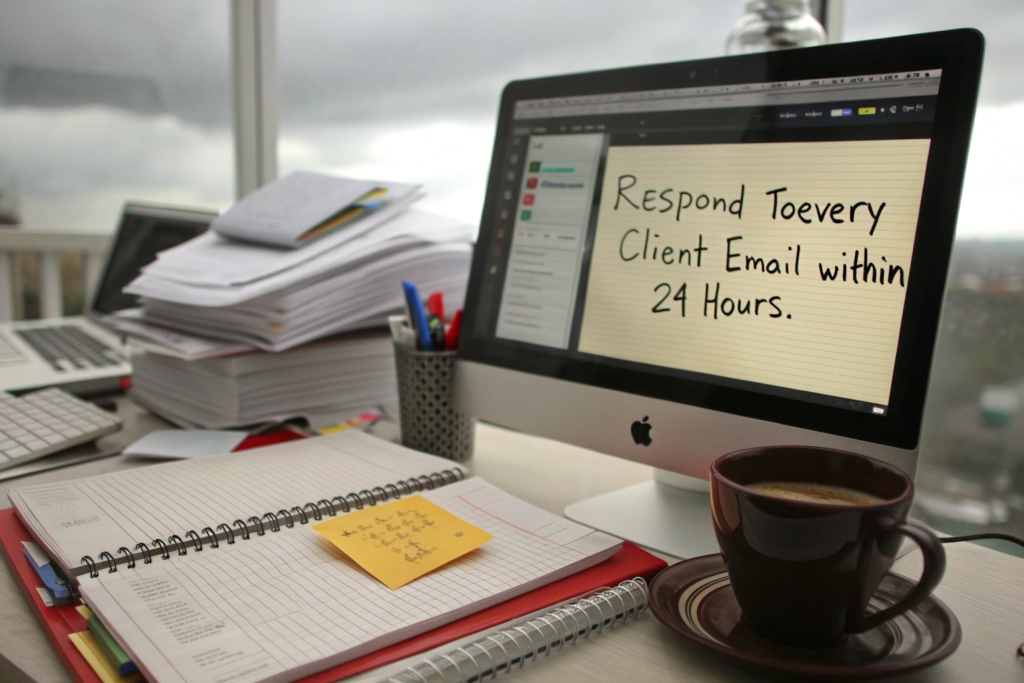
Inconsistent communication is a symptom of a deeper organizational failure. At BeanofCoffee, I have a rule: respond to every client email within 24 hours, even if it is just to say, "I am looking into this and will get back to you." Silence is never acceptable. My clients always know the status of their shipment.
You are not a nuisance. You are a customer. You have a right to know what is happening with your money and your coffee. A supplier who treats your questions as an annoyance is a supplier who does not value your business.
Why Is a Missing or Unresponsive "After-Sales" Contact a Problem?
The sale is not complete when the contract is signed. It is not complete when the coffee ships. It is complete when the coffee arrives at your roastery in good condition and you are satisfied. A professional supplier understands this. They have a clear point of contact for after-sales issues. If there is a problem with the shipment, you know who to call. A supplier who disappears after the deposit is paid is a classic fraud pattern. They are not interested in a long-term relationship. They are interested in your money. Ask a potential supplier: "Who is my contact person after the shipment leaves your port?" The answer should be clear and immediate. If it is vague, be careful.
How to Test Responsiveness Before You Commit to a Contract?
You can test a supplier's communication before you ever sign a contract. Send an email with a technical question. Ask about the moisture content of a specific lot. Ask about the transit time to your port. Measure the response time. A professional supplier will respond promptly and accurately. Send another email a week later with a different question. Again, measure the response. This is not a game. It is due diligence. You are testing the supplier's operational competence. If they are slow and sloppy when you are a potential client, imagine how they will be when you are a contracted client.
Why Should You Be Wary of Prices That Are "Too Good to Be True"?
The coffee market is efficient. Information travels fast. A coffee of a certain quality has a certain price range. If a supplier offers you a price that is dramatically below the market, you should not celebrate. You should investigate. The price is a signal. A too-good price is a warning signal.
A price that is significantly below the market is a red flag. It often signals a defect in the coffee, a hidden cost, or an outright scam. At BeanofCoffee, my pricing is transparent and reflects the true cost of producing quality coffee. I do not play games with the price. A fair price is the foundation of a sustainable partnership.
The old saying is true. If it seems too good to be true, it probably is. Do not let the lure of a bargain blind you to the risk.

What Could a Below-Market Price Be Hiding?
A below-market price could be hiding many things. The coffee might be past crop, old and faded. The quality might be lower than the sample you cupped. The supplier might have mixed in cheap, low-quality beans. There might be hidden charges that will appear on the final invoice. The supplier might be a fraud who has no intention of shipping the coffee and will simply disappear with your deposit. The price gap is the cost of your risk. A professional supplier charges a fair price for a quality product. A cheat charges a low price for a promise they do not intend to keep.
How to Compare Offers Using a "Landed Cost" Analysis?
You should never compare offers based on the FOB price alone. You must calculate the landed cost. The landed cost is the total cost of the coffee, delivered to your warehouse. It includes the FOB price, the ocean freight, the insurance, the customs duties, the brokerage fees, and the inland trucking. A low FOB price might be offset by higher freight or hidden port fees. A higher FOB price might be the better deal overall when the landed cost is calculated. I provide my clients with a landed cost calculator. It is a simple tool that cuts through the confusion. It reveals the true cost of the offer.
What Role Does a History of "Rolled" Bookings Play in Reliability?
A "rolled" booking is when the shipping line bumps your container to a later vessel. It happens. It is a common occurrence in peak season. But a pattern of rolled bookings is a different story. It suggests a supplier who does not have strong relationships with their freight partners, or who is over-promising and under-delivering.
A history of rolled bookings is a warning sign of a weak logistics operation. At BeanofCoffee, I use a multi-carrier strategy and book space well in advance. My containers rarely get rolled. A reliable supplier understands that time is money and fights to protect your schedule.
A rolled booking costs you money. It delays your inventory. It can spoil a seasonal launch. A supplier who treats a rolled booking as "just one of those things" is not treating your business with the seriousness it deserves.

How to Check a Supplier's History of On-Time Shipping?
You can ask for this information. A professional supplier will have data on their shipping performance. Ask them: "Over the last 12 months, what percentage of your containers sailed on the originally booked vessel?" The answer will be revealing. A number above 90% is excellent. A number below 70% is a problem. You can also ask for references from current clients. Call those clients. Ask them about their experience with the supplier's shipping reliability. The story will emerge. A pattern of delays is a pattern you want to avoid.
Why Does a Reliable Shipper Proactively Communicate Vessel Changes?
Even the best shipper will occasionally face a rolled booking. The difference is how they handle it. A reliable shipper informs you immediately. "Your container has been rolled from the Maersk vessel to the CMA CGM vessel. The new sailing date is three days later. I apologize for the delay." This proactive communication allows you to adjust your plans. A unreliable shipper says nothing. You find out when you check the tracking and see the container is not moving. The proactive communication is a sign of respect. It is a sign of a professional operation.
Conclusion
The warning signs of an unreliable coffee shipper are not secret codes. They are plain to see, if you are looking. Vague documentation. Inconsistent communication. A too-good-to-be-true price. A history of rolled bookings. These are the fingerprints of a supplier who will fail you. The good news is that you can protect yourself. You can test the supplier's responsiveness. You can demand complete documentation. You can calculate the true landed cost. You can check their shipping history. And you can trust your gut. If something feels wrong, it probably is. The goal is not to be paranoid. The goal is to be professional. A professional buyer does their homework. They choose a partner who is as serious about the business as they are.
Choose a partner who values your trust. Contact me, Cathy Cai, at cathy@beanofcoffee.com. I will answer your questions. I will provide my documentation. I will share my shipping performance data. I will prove to you that BeanofCoffee is the reliable, professional partner you have been looking for. Let's build a supply chain that is not a source of anxiety, but a source of confidence.