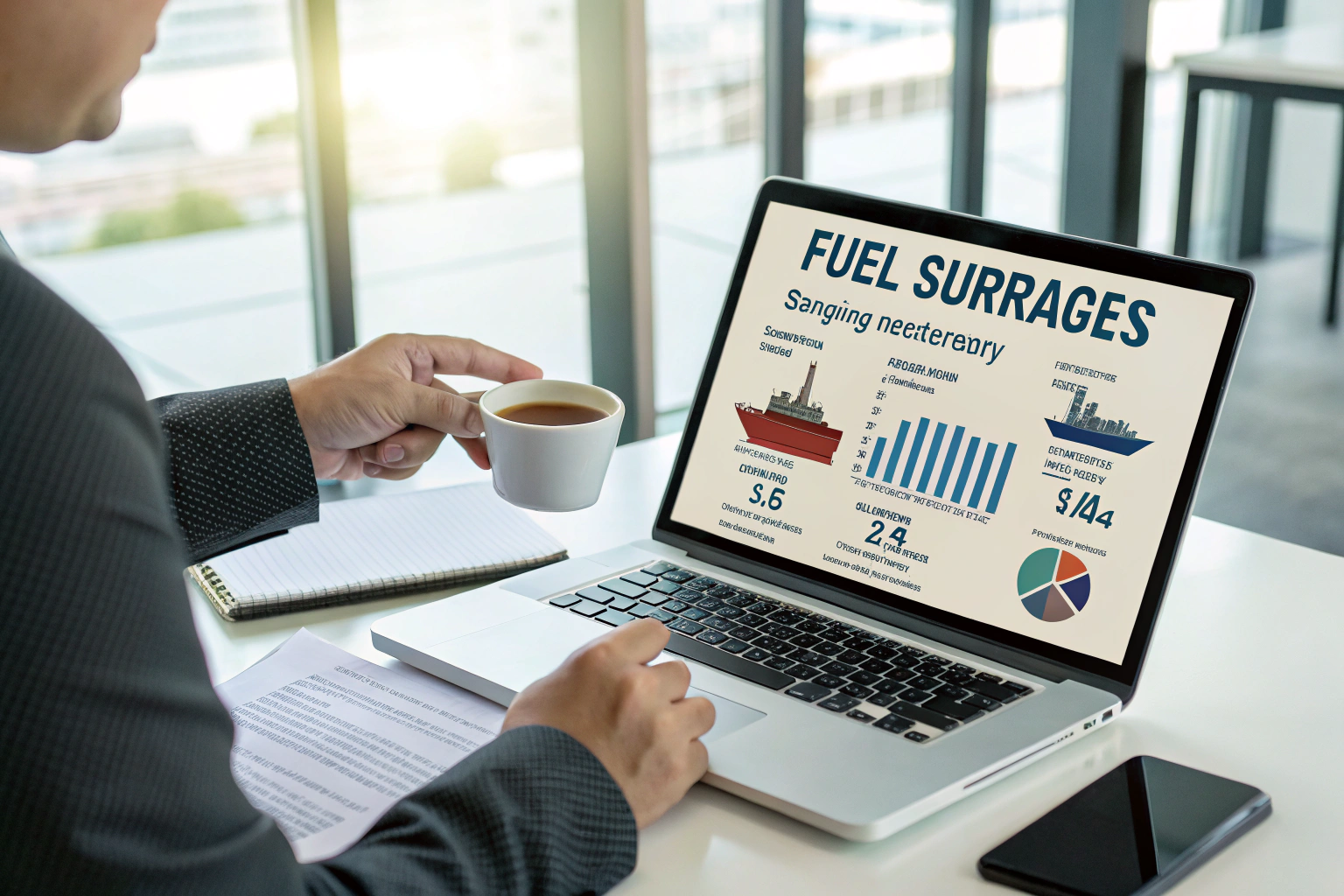
You get the freight invoice. The base rate looks fine. Then you see it. The fuel surcharge. It is a separate line item. It is huge. It changes the entire cost picture. You feel cheated. You thought you had negotiated a good rate. But the surcharge ate your savings. Fuel surcharges are the bane of international shipping. They are volatile. They are confusing. And they can destroy your careful budgeting. I have been shipping coffee containers from China for years. I know this enemy well. And I know how to fight it. Let me show you the strategies I use to protect my clients.
Fuel surcharges are a variable cost added by shipping lines to cover fluctuations in bunker fuel prices. They cannot be eliminated, but they can be managed. At BeanofCoffee, I use a multi-pronged strategy: I negotiate all-inclusive rates, I use fuel-efficient shipping routes, and I work with forwarders who offer transparent, index-linked surcharge calculations.
The surcharge is not a fixed cost. It is a variable. You can influence it. You can plan for it. You can even negotiate it. Let me explain how.
Why Are Fuel Surcharges So Volatile and Hard to Predict?
Fuel surcharges are tied to the price of bunker fuel, the heavy oil that powers container ships. The price of bunker fuel is linked to the price of crude oil. Crude oil is one of the most volatile commodities in the world. It swings with geopolitics, economic news, and supply disruptions.
The volatility of fuel surcharges is driven by the global oil market. A political crisis in the Middle East, a production cut by OPEC, a refinery outage, any of these events can spike the price of bunker fuel, and the shipping lines pass that cost directly to you. At BeanofCoffee, I monitor these trends to give my clients advance warning of potential surcharge increases.
You cannot predict the oil market. But you can understand the mechanism. The surcharge is a pass-through cost. The shipping line is not absorbing the risk. They are transferring it to you.

How Do Shipping Lines Calculate the Bunker Adjustment Factor (BAF)?
The Bunker Adjustment Factor, or BAF, is the formal name for the fuel surcharge. The calculation varies by shipping line, but the principle is the same. They establish a baseline price for bunker fuel. When the actual price rises above the baseline, they impose a surcharge. The surcharge is usually calculated as a fixed amount per container, or as a percentage of the freight rate. The problem is that the formulas are often opaque. A carrier might say, "Our BAF is $350 per 20-foot container this month." How did they arrive at $350? It is not always clear. This opacity is a challenge. But a good freight forwarder can help you decode the calculation. They can tell you if the surcharge is reasonable or if the carrier is padding it.
Why Is the Surcharge Applied as a Separate Line Item?
The shipping lines separate the fuel cost from the base rate for several reasons. First, it allows them to adjust the price quickly without renegotiating the entire freight contract. Second, it makes the base rate look more competitive. A sales representative can say, "Our base rate is only $1,000," and then quietly add a $500 surcharge. The separate line item is a marketing tool. It obscures the true total cost. This is why you must always ask for the "all-in" rate. The all-in rate includes the base rate, the surcharges, and the other fees. It is the only number that matters.
How to Negotiate an All-Inclusive Freight Rate?
The single most effective strategy is to negotiate an all-inclusive rate. This means the rate you agree upon is the rate you pay. There are no separate line items. No surprises. The forwarder or the shipping line absorbs the fuel price risk. This is not always easy to negotiate, but it is possible, especially if you have volume.
An all-inclusive freight rate is a fixed price that covers the base ocean freight and all applicable surcharges, including fuel. At BeanofCoffee, I negotiate all-inclusive rates for my clients whenever possible. It provides complete cost certainty for their budgeting. The forwarder takes on the fuel price risk, and they price that risk into the all-in rate.
The all-in rate might be slightly higher than the base rate alone. But it is often lower than the base rate plus a volatile surcharge over the life of the contract. It is a bet on stability. And it is a bet that usually pays off.

What Questions Should You Ask Your Forwarder to Get an All-In Quote?
You need to be direct. Ask your forwarder: "Can you give me an all-inclusive rate for a 20-foot container from Shanghai to Los Angeles, valid for the next 90 days?" This is a clear, specific request. If they respond with a rate that has separate line items, push back. Ask them to bundle everything into a single number. Ask them: "What is the guaranteed, total price I will pay, including all surcharges, valid for 90 days?" This forces them to commit. It removes the wiggle room. A forwarder who refuses to give an all-in rate is a forwarder who wants to preserve the ability to surprise you with surcharges later. You should look for a different forwarder.
How Does a Longer-Term Contract Help Stabilize Fuel Costs?
A one-off shipment is subject to the fuel price on that day. A long-term contract, covering multiple shipments over several months, gives you leverage. You can negotiate a more stable fuel surcharge formula. You can agree on a fixed BAF for the contract period. You can even negotiate a cap on the surcharge. The shipping line is more willing to be flexible on a longer contract because they value the guaranteed volume. This is a fundamental principle of negotiation. Commitment earns you better terms. I have long-term freight contracts with my core carriers. I use these contracts to protect my clients from surcharge spikes. The stability is a competitive advantage.
How to Use Port and Route Selection to Reduce Fuel Exposure?
The cost of fuel depends on the distance traveled and the efficiency of the vessel. A longer route burns more fuel. A slower vessel burns less fuel. You can use these factors to your advantage. The choice of the destination port and the shipping route can impact the fuel surcharge.
Port and route selection can significantly impact your fuel costs. At BeanofCoffee, I evaluate all routing options for my clients. Sometimes, a slightly longer transit time on a more fuel-efficient vessel can result in a lower overall cost, even after accounting for the extra days. The fuel surcharge is a variable, and routing is a lever you can pull.
Do not just accept the default route. Ask about alternatives. The cheapest route on paper might not be the cheapest route after fuel surcharges are applied.
How Does a Direct Route Versus a Transshipment Route Affect Fuel?
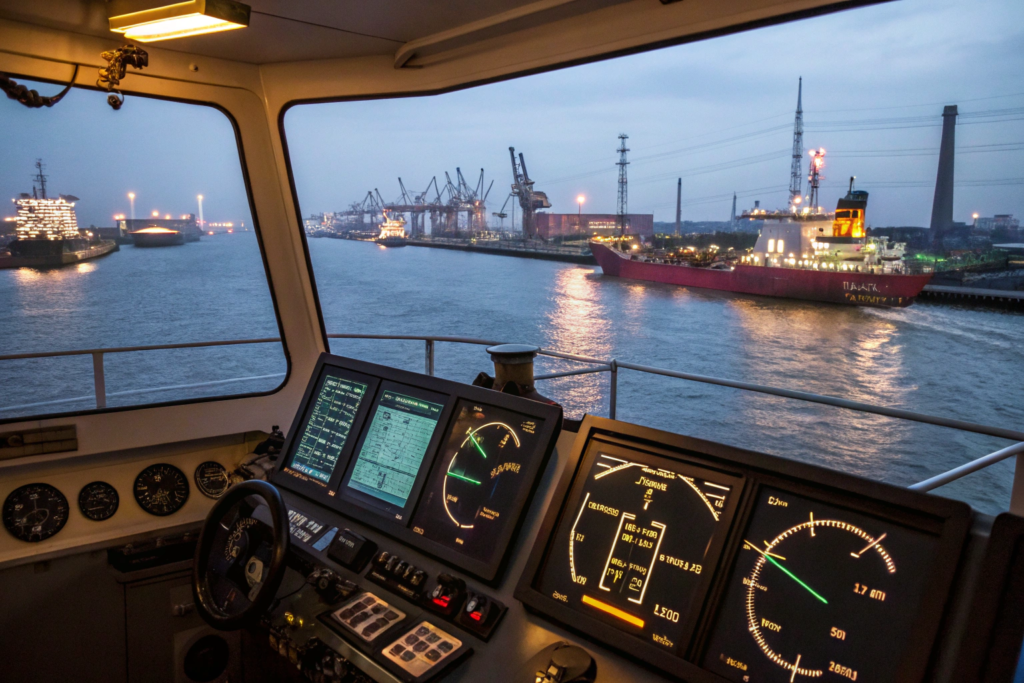
A direct route, from Shanghai to Los Angeles, for example, is a straight line. The vessel sails directly. This is the most fuel-efficient option. A transshipment route involves a stop at an intermediate port, like Busan or Singapore. The container is unloaded and loaded onto a different vessel. This adds distance, time, and fuel consumption. The fuel surcharge on a transshipment route will often be higher. However, a transshipment route might have a lower base rate. You need to compare the all-in costs, not just the base rates. Sometimes, the direct route is the best value, even if the base rate is slightly higher. The fuel saving makes the difference.
Why Is Choosing a Port Closer to the Origin Sometimes Cheaper?
This is a counter-intuitive strategy. Shanghai is the biggest port, but it is not always the closest port to the coffee. If you are shipping from Yunnan, the port of Shenzhen or Ningbo might be closer by land. The trucking cost is lower. But more importantly, the ocean route from a closer port might be shorter. This reduces the fuel consumption and the fuel surcharge. I analyze all the port options for my clients. I consider the total door-to-door cost, including the inland trucking, the port fees, and the ocean freight with all surcharges. The optimal port is not always the most obvious one. It is the one that minimizes the total cost.
How to Use a Fuel Surcharge Index to Track and Predict Costs?
You cannot manage what you cannot measure. The fuel surcharge is a measurable cost. It is linked to a measurable index. By tracking the index, you can anticipate changes. You can plan your shipments to coincide with periods of lower fuel prices.
A fuel surcharge index is a tool for transparency. At BeanofCoffee, I encourage my clients to track a public index, like the World Container Index or the Shanghai Containerized Freight Index. These indices show the movement of freight rates and fuel surcharges. They allow you to see the trend and to ask informed questions of your forwarder.
The index is not a crystal ball. But it is a mirror. It shows you where the market is. It helps you make informed decisions.
What Is the World Container Index and How Can It Help?
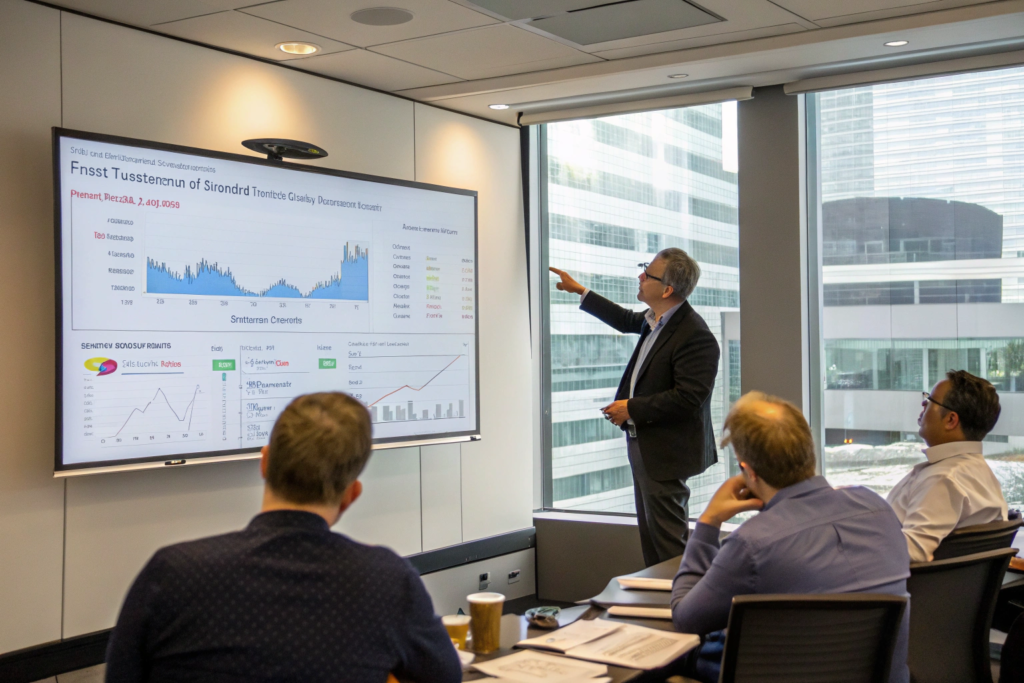
The World Container Index, or WCI, is a weekly index published by Drewry, a maritime research firm. It tracks spot freight rates on major container routes. It also provides a breakdown of the components, including fuel. By watching the WCI, you can see if the overall cost of shipping is rising or falling. If the WCI is trending upward, you know that fuel surcharges are likely to rise too. This gives you an early warning. You can accelerate a shipment to lock in a lower rate. Or you can delay a shipment, if possible, to wait for the spike to pass. It is a tool for timing.
How to Build a Simple Tracking Spreadsheet for Your Freight Costs?
You do not need complex software. A simple spreadsheet is enough. Track the following data for each shipment: the shipping line, the vessel, the route, the base freight rate, the BAF, any other surcharges, the total all-in cost, and the date. Over time, this spreadsheet becomes a valuable historical record. You can see the patterns. You can see which carriers are consistently more expensive. You can see how the surcharge fluctuates seasonally. You can use this data to negotiate better rates next time. It is a tool for intelligence. I share my own freight data with my long-term clients. Transparency is the foundation of our partnership.
Conclusion
Fuel surcharges are a fact of life in international shipping. You cannot make them disappear. But you can strip away the mystery. You can understand how they are calculated. You can negotiate all-inclusive rates that eliminate the surprise. You can choose ports and routes that minimize fuel consumption. You can track public indices to anticipate changes. You can build a spreadsheet that gives you the data you need to make smart decisions. This is not about hoping for lower oil prices. It is about taking control of the variables you can influence. It is about turning a passive cost into an actively managed expense. This is the difference between a victim of the market and a master of the supply chain.
Stop being surprised by fuel surcharges. Contact me, Cathy Cai, at cathy@beanofcoffee.com. I will share my current freight rate data for your route, including the all-in costs. I will explain the surcharge landscape and help you build a strategy to protect your coffee budget. Your margin is too important to be eaten by hidden fees. Let's take control together.