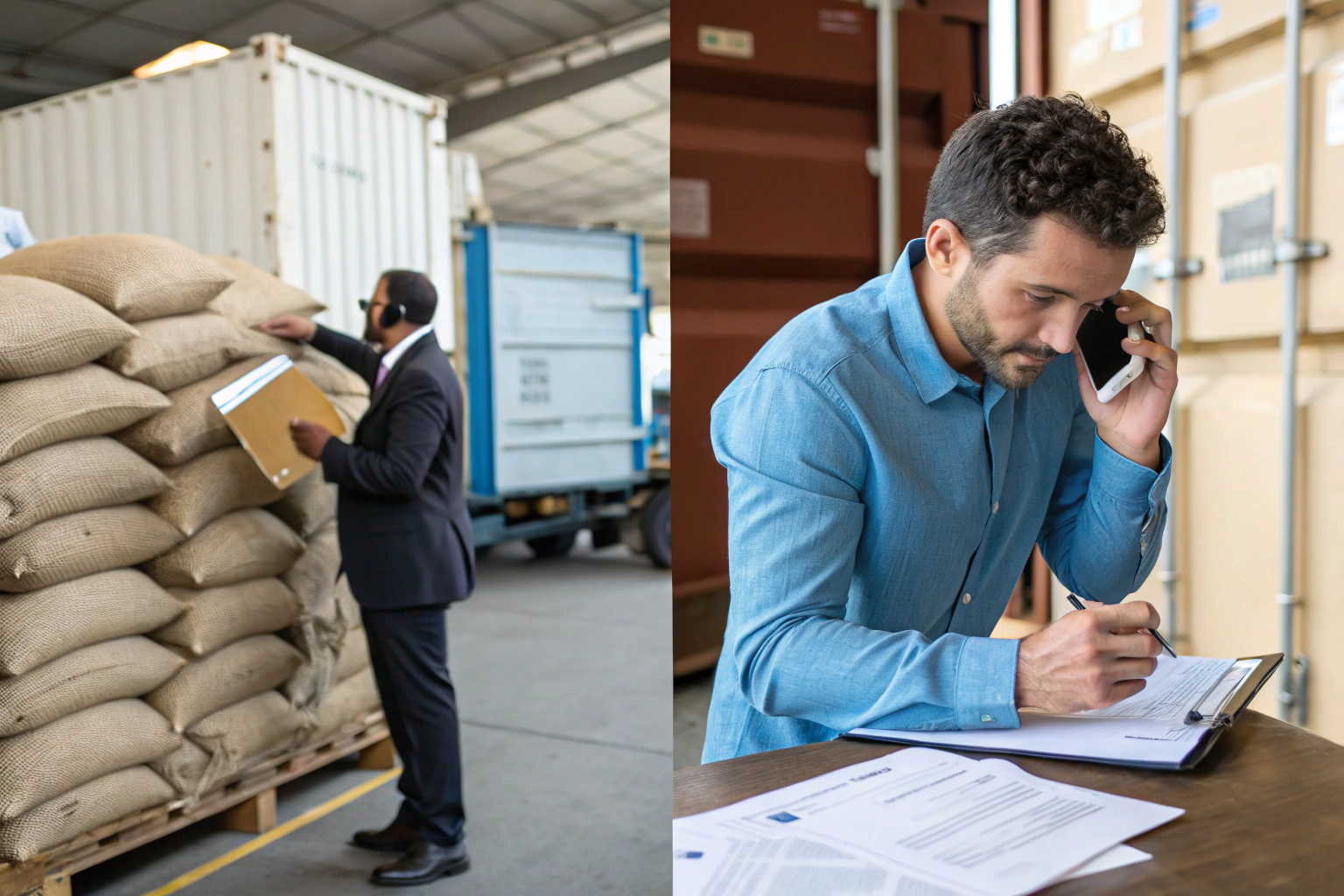
You want to buy coffee from China. You find a supplier online. The price looks good. The replies are fast. Then the problems start. The documents are late. The container is delayed. The quality is not what you expected. You ask yourself a simple question. Did I buy from a trader or an exporter? That question matters more than most buyers realize. I run BeanofCoffee, a coffee exporter in Yunnan, China. We own more than 10,000 acres in Baoshan City. We sell Catimor, Arabica, and Robusta. I have seen buyers get confused by this difference. I have also seen them lose money because of it. So let me explain it clearly.
A coffee trader buys and sells coffee. A coffee exporter moves coffee out of a country and handles the export process. A trader may not own the coffee. A trader may not handle customs, documents, or shipping. An exporter usually owns or sources the coffee, prepares export documents, books freight, and takes responsibility for the cargo leaving the country. In simple terms, a trader is a middleman. An exporter is an operator. The trader can be useful for small deals and flexibility. The exporter is essential for large, compliant, repeat shipments. The best suppliers often do both, but you must know which role you are paying for.
So, what does this mean for you? It means you should ask one question before you send money. Are you a trader or an exporter? The answer changes the price, the risk, and the timeline. Ron, a 44-year-old company owner in America, asked me this question last year. He was surprised by the answer. He thought every supplier was an exporter. They are not. So let me break down the roles. Then you can choose the right partner.
What Does a Coffee Trader Actually Do?
A coffee trader is a matchmaker. The trader finds coffee. The trader finds buyers. Then the trader connects them. Some traders own warehouses. Some own nothing. Some traders take title to the coffee. Some never touch it. That is the first thing to understand. The word "trader" covers many business models. A trader can be a large international company with storage and finance. A trader can also be a one-person operation with a laptop and a phone. Both call themselves traders. So you must look deeper.
A coffee trader buys coffee from a farm, mill, or exporter and sells it to a buyer. The trader earns a margin on the difference between the buying price and the selling price. A trader may or may not own the coffee. A trader may or may not handle export documents. A trader may or may not arrange shipping. Some traders add real value, like financing, blending, storage, and market knowledge. Others simply pass messages and add cost. So the role of a trader depends on the trader. You must ask what they actually do.
Another way to look at this is to compare a trader to a travel agent. A travel agent can book your flight, hotel, and tour. Or a travel agent can just give you a phone number. Both are called agents. But the service is very different. Coffee traders work the same way. So ask what is included. Then decide if the margin is fair.
Is a Trader the Same as a Broker?
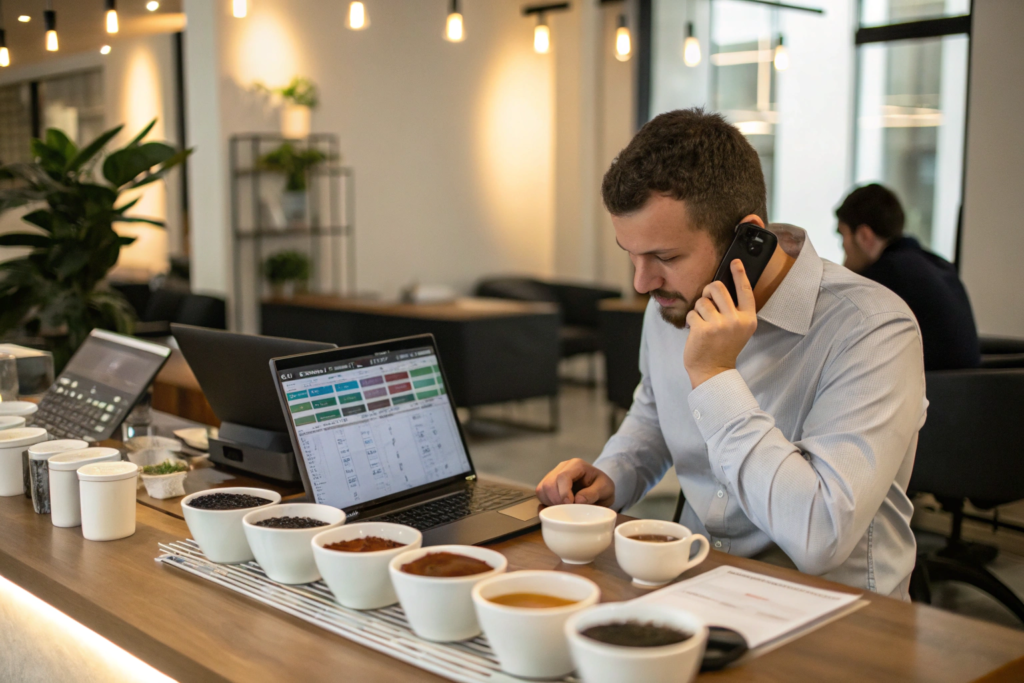
No, a trader and a broker are not the same. A broker connects a buyer and a seller for a fee. A broker does not usually buy or own the coffee. A trader buys the coffee and resells it. The trader takes price risk. The broker takes less risk. The International Coffee Organization tracks trade flows and market roles. The Specialty Coffee Association explains supply chain roles and quality standards. I use these when I explain our own role to buyers. A broker may be useful for a one-time deal. A trader may be useful for a repeat supply. An exporter is useful for the actual shipment. So know which one you are talking to. Then ask for proof.
I also tell buyers to ask a simple question. Do you own the coffee? If the answer is no, you are likely talking to a broker or an agent. If the answer is yes, you may be talking to a trader. If the answer is "we own the farm and we export," you are talking to an exporter. The answer tells you a lot. So ask it early.
Do Traders Own the Coffee They Sell?
Some traders own the coffee. Some do not. A trader who owns the coffee takes price risk. If the market falls, the trader loses money. If the market rises, the trader makes money. A trader who does not own the coffee takes less risk. That trader simply passes the order to a supplier. The Perfect Daily Grind shares practical coffee business guides. The Daily Coffee News covers trade and market trends. I use these when I train our sales team. Ownership matters because it affects accountability. If a trader owns the coffee, they can control quality and delivery. If a trader does not own the coffee, they may not be able to fix a problem. So ask about ownership. Then ask about control.
For Ron, this was a key lesson. He once bought from a trader who did not own the coffee. The coffee arrived late. The trader blamed the exporter. The exporter blamed the mill. No one took responsibility. Ron lost time and money. Now he asks about ownership first. That question saves him from a bad deal. So ask it. Then decide.
What Does a Coffee Exporter Do?
An exporter is an operator. The exporter does the work. That work includes sourcing, processing, packing, documents, customs, freight, insurance, and compliance. An exporter must have an export license. An exporter must work with customs. An exporter must prepare the bill of lading, the certificate of origin, the phytosanitary certificate, and other documents. An exporter must answer to the buyer when something goes wrong. That is a different level of responsibility. It is also a different level of cost.
A coffee exporter sources or produces coffee and then handles the export process from origin to port. The exporter prepares export documents, arranges inland transport, books ocean freight, buys insurance, and manages customs clearance at origin. The exporter may also own farms or mills. The exporter takes responsibility for the cargo until it is loaded on the vessel. A good exporter also manages quality control, moisture, and traceability. So an exporter is not just a seller. An exporter is a logistics and compliance partner.
Another way to look at this is to compare an exporter to a ship captain. The captain does not just sell tickets. The captain runs the ship. The captain is responsible for the cargo. The captain must follow the rules. That is the exporter's role. At BeanofCoffee, we own more than 10,000 acres in Baoshan City. We handle our own export documents. We work with our own mills. We take responsibility for the load. That is what an exporter does.
How Does an Exporter Handle Documents and Customs?
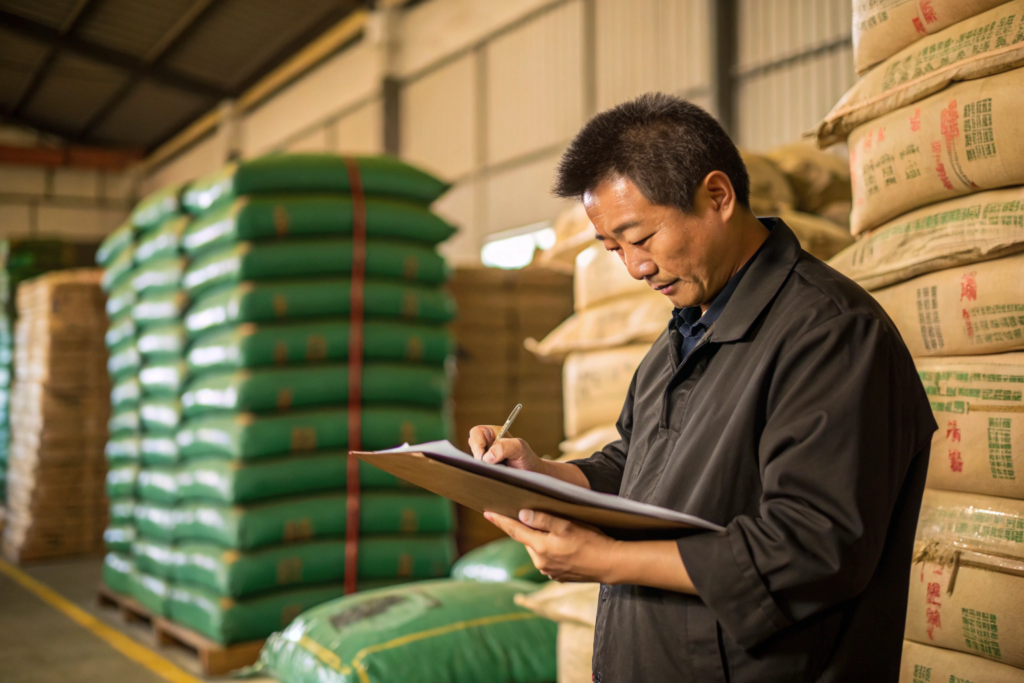
An exporter handles documents and customs by preparing every paper before the container leaves. That includes the commercial invoice, packing list, bill of lading, certificate of origin, phytosanitary certificate, and any import-specific documents. The CBP page explains U.S. customs entry requirements. The FDA prior notice page explains the U.S. food import rule. I use these when we prepare our export files. A small mistake can hold a container. A missing document can cause a rejection. So we check every number. We check every name. We check every date. That is the exporter's job. A trader may not do this. A trader may pass the work to someone else. So ask who prepares the documents. Then ask who signs them.
I also tell buyers to ask for a document sample before the order. A real exporter can show a sample invoice and packing list. A trader may not have one. A sample shows you the format. It also shows you the level of detail. So ask for it. Then review it. That is how you separate a real exporter from a reseller.
Why Do Exporters Carry More Risk Than Traders?
Exporters carry more risk because they own the process. They own the quality risk. They own the document risk. They own the logistics risk. They own the payment risk. A trader can pass some of that risk to the exporter. An exporter cannot pass it as easily. The SGS coffee inspection page shows how third parties verify quality. The Intertek coffee page shows testing services. I use these when we prepare our lots. An exporter must pay for testing. An exporter must pay for insurance. An exporter must fix problems. That costs money. So an exporter's price may be higher than a trader's price. But the exporter's price includes more. So compare the full service. Do not compare just the headline number.
For Ron, this matters because he cares about timeliness. A trader may promise a fast shipment. But if the trader does not control the logistics, the promise is weak. An exporter controls more of the chain. So the exporter can keep the promise. That is why Ron now prefers to work with exporters. He pays a little more. He gets a lot more. So think about the total value. Then decide.
How Do Costs and Pricing Differ Between Them?
Price is where the difference shows up. A trader often quotes a lower price. That price may look attractive. But it may not include documents, insurance, or logistics. A exporter quotes a higher price. That price includes more work. So you cannot compare them directly. You must compare the scope. What is included? What is not? Who pays for what? If you skip this step, you may choose the wrong supplier. You may save a few cents. Then you may pay thousands in delays. I have seen it happen. So let me explain the cost structure.
A trader usually earns a margin on the coffee itself. The trader may not include export documents, freight, or insurance in the quote. An exporter usually includes more services in the quote, such as export clearance, inland transport, and document preparation. The exporter may also offer CIF or FOB terms. So the exporter's price is often higher. But the exporter's price covers more risk. The trader's price may be lower. But the buyer may pay more later. So compare the full landed cost. Do not compare the headline price. That is the only fair comparison.
So, what should you do? Ask for a cost breakdown. Ask what is included. Ask what is not. Ask who prepares the documents. Ask who books the freight. Ask who handles insurance. Then compare. That is how you see the real price. That is how you avoid hidden costs.

Does a Trader Add Hidden Costs?
A trader can add hidden costs. The trader may charge a margin on the coffee. Then the trader may also charge a service fee. The trader may also mark up the freight. The trader may also add document fees. These costs may not appear in the first quote. They appear later. The Freightos index shows freight rate trends. The Drewry shipping research tracks capacity and rates. I use these when I build a cost sheet. A hidden cost is not always dishonest. Sometimes it is just unclear. But unclear costs are risky. So ask for a full breakdown. Then compare. That is how you protect your margin.
I also tell buyers to ask for a written quote. A verbal quote is easy to change. A written quote is a commitment. A written quote also shows the scope. So ask for it. Then read it carefully. Then ask questions. A good supplier will answer. A weak supplier will avoid. So ask. Then decide.
Can an Exporter Offer Better Payment Terms?
An exporter can often offer better payment terms because the exporter has more control. The exporter can offer a letter of credit. The exporter can offer a deposit plus balance against documents. The exporter can also work with export credit insurance. The Sinosure website explains export credit insurance products. The People's Bank of China shares monetary policy and small business support information. I use these when we discuss payment terms with buyers. A trader may not have access to these tools. A trader may ask for full payment upfront. That is risky for the buyer. So ask about payment terms. Then compare. A good exporter can offer a safer structure. That structure protects both sides.
For Ron, this matters because he wants security. He does not want to send money into the unknown. A letter of credit gives him security. A deposit plus documents gives him control. So he prefers exporters who can offer these terms. That is a good reason to work with an exporter. So ask about payment. Then decide.
Which One Should You Choose for Your Coffee Business?
The answer depends on your needs. There is no single right choice. A trader can be useful. An exporter can be useful. The key is to match the partner to the job. If you need a small sample, a trader may be faster. If you need a full container, an exporter may be safer. If you need a long-term supply, an exporter is usually the better partner. If you need a rare lot, a trader may have the network. So think about your goal. Then choose the right role.
You should choose a trader for small, flexible, or hard-to-find lots. You should choose an exporter for large, repeat, compliant shipments. You should choose an exporter when you need documents, logistics, insurance, and accountability. You should choose a trader when you need speed, variety, or a specific niche. The best approach is often to work with an exporter directly and use a trader only when the exporter cannot fill the need. Always verify the role. Then verify the records. Then decide.
So, what should you do? Ask the supplier to define their role. Ask for references. Ask for documents. Ask for a sample. Then compare. At BeanofCoffee, we are an exporter. We own our farms. We handle our documents. We ship our coffee. We can also work with traders who bring us good buyers. But we always tell the buyer who we are. Transparency is the first step. Then trust can grow.
When Is a Trader the Better Choice?
A trader is the better choice when you need flexibility. A trader may have access to many origins. A trader may have smaller lots. A trader may move faster on a sample. A trader may also have market knowledge in a specific region. The Alibaba platform connects buyers with many suppliers and traders. The Global Coffee Platform shares sustainable sourcing practices. I use these when I advise buyers. A trader can be a good scout. A trader can find a lot that an exporter does not have. So use a trader for discovery. Then use an exporter for execution. That is a smart combination.
I also tell buyers to be careful with a trader who cannot provide records. A trader who cannot show the farm or the mill is a risk. A trader who cannot show a sample is a risk. So ask for proof. Then decide. A good trader will provide it. A weak trader will not.
How Do You Verify a Real Exporter?
You verify a real exporter by checking the export license, the customs records, the business license, and the bank account. You also ask for a document sample. You ask for a container photo. You ask for a reference. The China Customs website shares customs rules and procedures. The World Customs Organization explains global customs standards. I use these when we prepare our own verification file. A real exporter can show these documents. A trader may not. So ask for them. Then check them. That is how you separate a real exporter from a reseller.
For Ron, this is now a standard step. He asks for the export license. He asks for the customs declaration. He asks for the bank account name. If the name does not match the company, he stops. That simple check has saved him from fraud. So do it. Then move forward. That is how you build a safe supply chain.
Conclusion
A coffee trader and a coffee exporter are not the same. A trader buys and sells coffee. A trader may not own the coffee. A trader may not handle documents or logistics. An exporter sources or produces coffee and handles the export process. An exporter prepares documents, books freight, manages customs, and takes responsibility for the cargo. A trader can be useful for small, flexible, or rare lots. An exporter is essential for large, repeat, compliant shipments. The price is different because the scope is different. So do not compare just the headline price. Compare the full service. Ask who owns the coffee. Ask who prepares the documents. Ask who handles the risk. Then choose the right partner for your business. That is how you avoid confusion. That is how you build a stable supply.
At BeanofCoffee, we are an exporter. We own more than 10,000 acres in Baoshan City, Yunnan. We export Catimor, Arabica, and Robusta. We work with large buyers, brand owners, distributors, and trading companies. We prepare our own documents. We manage our own logistics. We take responsibility for the load. If you want to work with a real exporter, please contact Cathy Cai at cathy@beanofcoffee.com. She will help you with samples, pricing, specifications, and shipping plans. You can also visit BeanofCoffee to learn more. Let us build a clear and reliable coffee supply together.