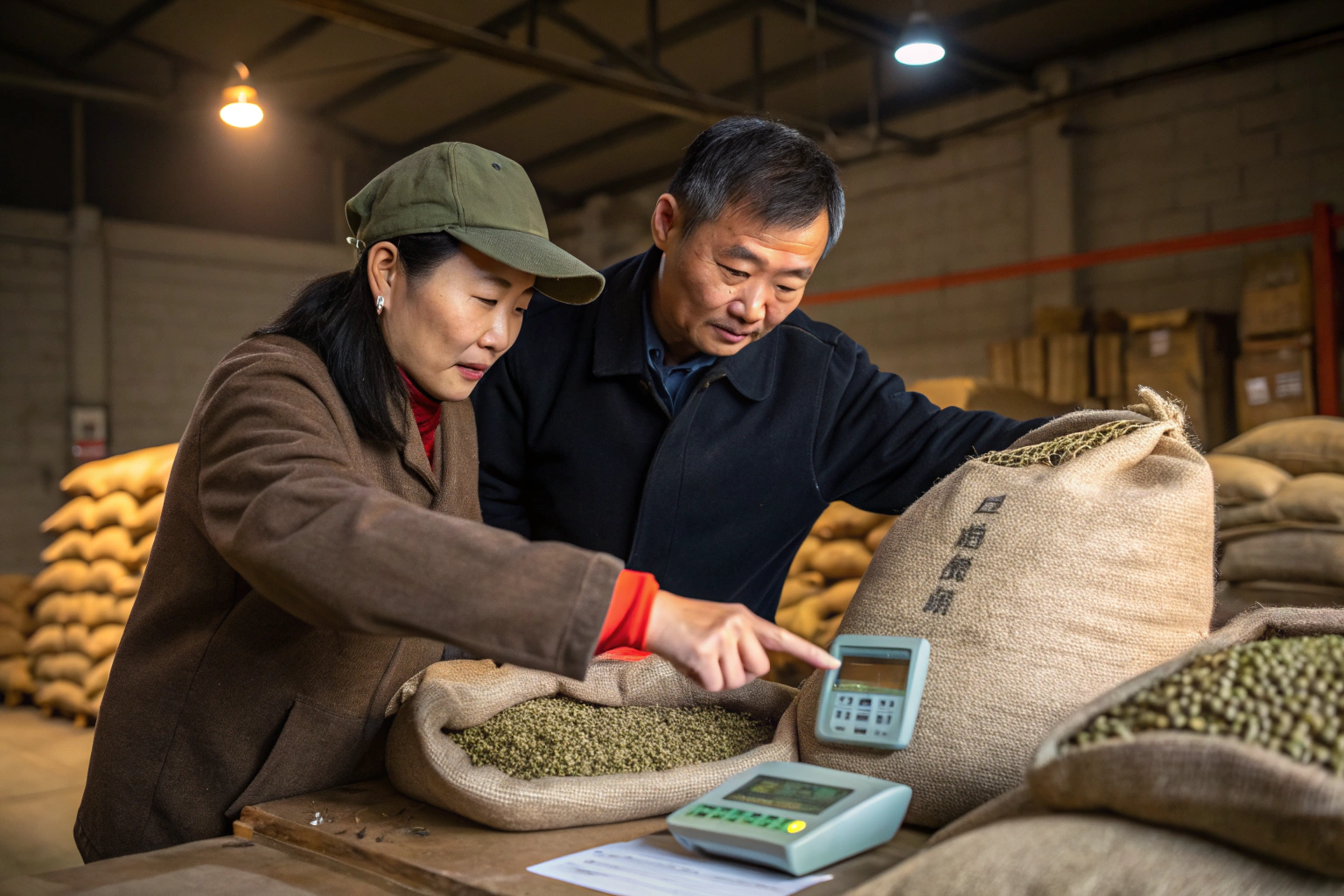
You wait weeks for a container. You open the door. The smell hits you. It is not sweet. It is not clean. It smells like a wet basement. That smell can ruin a lot. It can hurt your brand. It can cost you money. Ron, a 44-year-old company owner in America, told me he once rejected a whole container because of this smell. He lost time. He lost sales. He also lost trust in his supplier.
Musty smell in coffee usually comes from moisture damage, mold, poor storage, dirty containers, or condensation during shipping. Green coffee absorbs moisture and odors. If the bean gets wet or sits in a damp place, microbes grow and create musty notes. The fix is prevention: dry coffee, clean containers, liners, desiccants, fast shipping, and moisture checks.
I run BeanofCoffee, a coffee exporter in Yunnan, China. We own more than 10,000 acres in Baoshan City. We sell Catimor, Arabica, and Robusta. We have seen this problem. We have fixed it. Let me explain the causes, the checks, and the prevention steps.
What Causes Musty Smell in Green Coffee?
Musty smell does not appear by magic. It comes from a chain of small problems. A wet bag. A damp floor. A dirty container. A slow ship. A warm warehouse. Each step adds risk. I have walked through warehouses and smelled the problem before I saw it. The air tells you. A clean warehouse smells like dry grain. A bad warehouse smells like old cardboard and damp wood. That smell moves into the coffee. Coffee is like a sponge. It takes in what is around it.
Musty smell in green coffee comes from mold, bacteria, moisture, contaminated packaging, dirty containers, and poor ventilation. Mold is the most common cause. It grows when moisture is high. Bacteria can also create off-notes. A dirty container can carry smells from a previous cargo. Poor ventilation traps moisture. These causes often work together. So you cannot fix one and ignore the rest. You must control the whole chain.
Another way to look at this is to compare coffee to bread. Bread left in a wet bag gets moldy. Bread left in a clean dry bag stays good longer. Coffee is the same. The environment decides the outcome. So control the environment. Then you control the smell.
Is Musty Smell Always Mold?
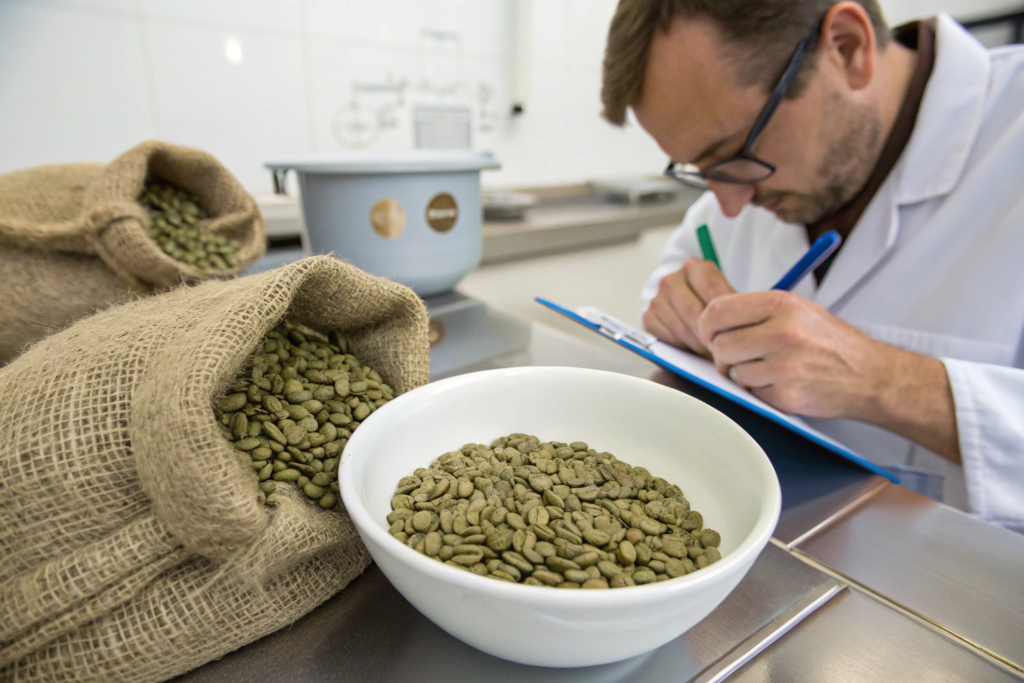
No, musty smell is not always mold. Mold is a common cause. But musty notes can also come from bacteria, dirty jute bags, chemical residue, or long storage in a damp place. Sometimes the smell is in the bag, not the bean. Sometimes it is in the container, not the coffee. The International Coffee Organization tracks storage and quality issues. The Specialty Coffee Association explains how defects affect cup quality. I use these when I train our QC team. A musty smell is a signal. It tells you to look deeper. So do not guess. Check the moisture. Check the bag. Check the container. Then decide.
I have seen a lot that smelled musty in the bag but cupped clean after airing. I have also seen a lot that smelled fine but cupped musty. So smell is a clue. It is not the final answer. Use it with other tests.
Which Processing Mistakes Cause Musty Notes?
Several processing mistakes can cause musty notes. Over-fermentation is one. If cherries sit too long in water, bacteria grow. Dirty fermentation tanks are another. If the tank is not cleaned, old fruit and mold stay behind. Slow drying is a third. If beans dry too slowly, mold can start. The Perfect Daily Grind shares practical processing guides. The Daily Coffee News covers processing and quality trends. I use these when we review mill practices. A clean mill makes a clean cup. A dirty mill makes a musty cup. It is that simple. So check the mill. Then check the process.
For coffee, the washing station is a kitchen. If the kitchen is dirty, the food is not clean. So we train our mill team. We clean the tanks. We control the fermentation time. We dry the beans on clean beds. These steps protect the cup. They also protect the buyer.
How Does Moisture Create Musty Coffee?
Moisture is the main enemy. I cannot say it enough. Dry coffee is stable. Wet coffee is not. A small moisture rise can start a big problem. I have seen a lot with 11% moisture arrive clean. I have seen a lot with 13% moisture arrive musty. The difference is small. The result is large. So we measure every lot. We record the number. We do not ship if the number is too high. That rule saves us from claims.
Moisture creates musty coffee by allowing mold and bacteria to grow. Green coffee is hygroscopic. It absorbs water from the air. If the air is humid, the bean gets wetter. If the bean gets wetter, microbes wake up. They eat the bean. They create off-flavors. They also create musty smells. The safe moisture range for green coffee is usually around 10% to 12%. Above that, risk rises fast. So keep the coffee dry. Then keep it dry again.
So, what should you do? Buy a moisture meter. Use it before loading. Use it after arrival. Compare the numbers. If the number rises, find out why. A rising number is a warning. A high number is a problem. So measure. Then act.
Why Is Moisture the Main Enemy of Green Coffee?
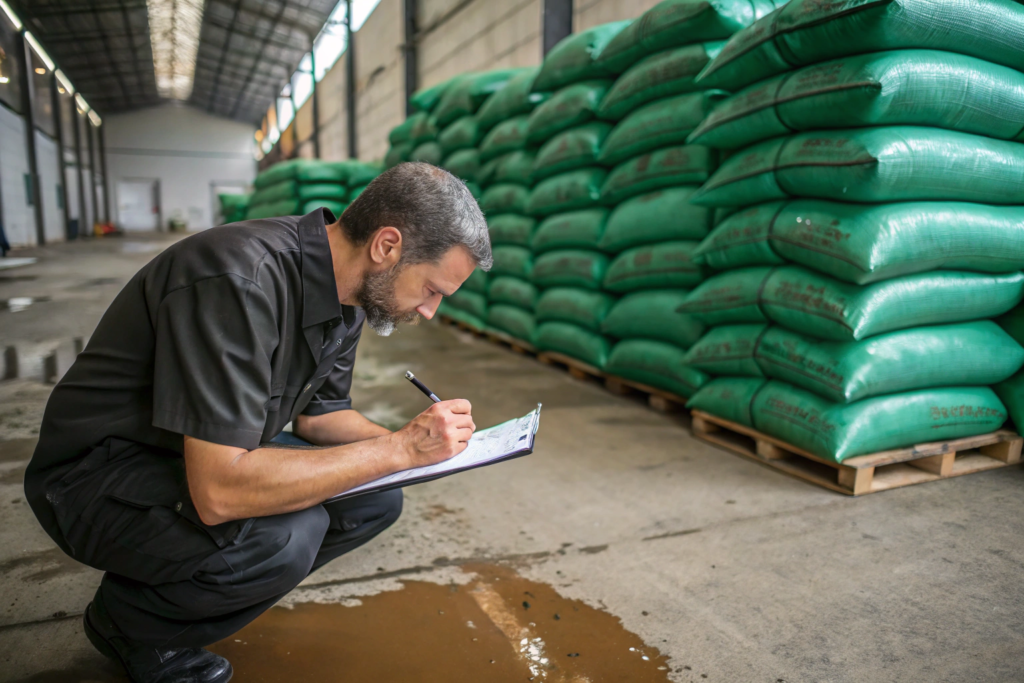
Moisture is the main enemy because it drives every biological problem. Mold needs water. Bacteria need water. Insects like damp places. Even without mold, high moisture can change the flavor. It can make the bean taste flat. It can make it taste woody. The SGS coffee inspection page shows how third parties test moisture and quality. The Intertek coffee page shows testing services for coffee. I use these when we prepare our export files. A moisture test is cheap. A rejected container is expensive. So test. Then decide.
I also tell buyers to ask for the moisture number. If the supplier cannot provide it, that is a warning. A supplier who measures is a supplier who cares. A supplier who does not measure may surprise you. So ask. Then check.
How Does Condensation Form in Coffee Containers?
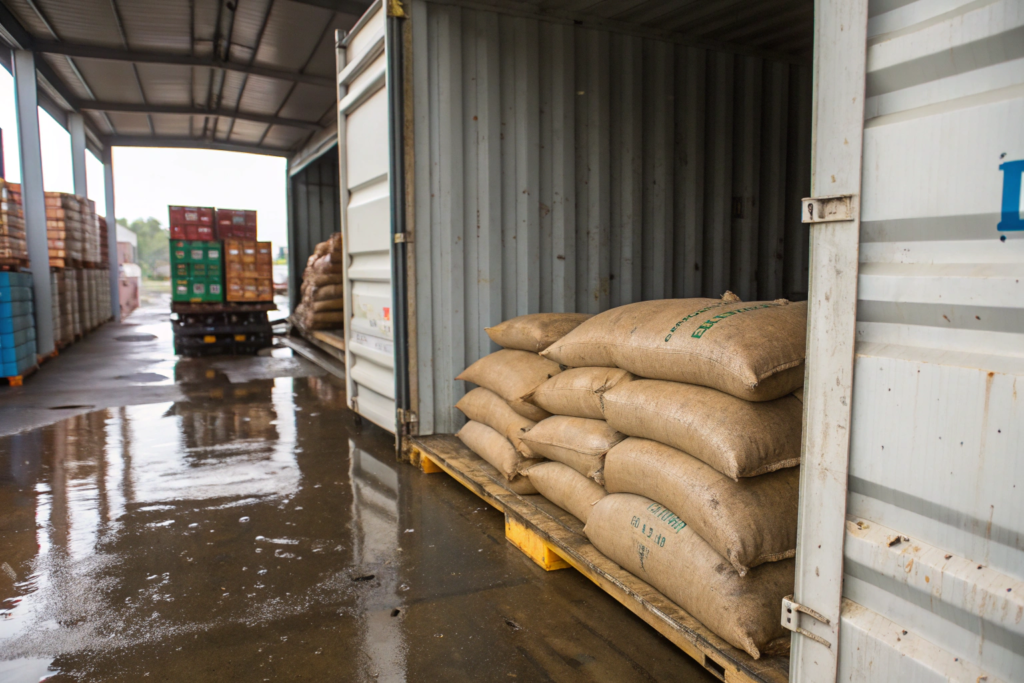
Condensation forms when warm moist air meets a cold surface. In winter, this happens often. The coffee is loaded in a warm warehouse. The container moves to a cold port. The roof gets cold. The air inside cools. Water forms. The water drips onto the bags. The bags get wet. The beans get wet. The Maersk site shares supply chain and container information. The Hapag-Lloyd site shares service and route details. I use these when we plan winter shipments. A liner can help. A desiccant can help. A dry load can help. But nothing helps if the coffee is already wet. So start dry. Then protect it.
I also tell buyers to avoid loading in the rain. A wet dock can wet the bags. A wet bag can start mold. So watch the weather. Then load. That small step prevents a big problem.
Can Shipping and Storage Cause Musty Beans?
Shipping and storage can cause musty beans. I have seen it many times. The coffee left the mill clean. It arrived musty. What happened? The container was dirty. The ship was delayed. The warehouse was damp. The bags sat on a wet floor. Each step added risk. The coffee did not spoil in one day. It spoiled over weeks. That is why the chain matters. A clean start is not enough. You need a clean finish.
Shipping and storage cause musty beans through dirty containers, contaminated bags, port delays, warm warehouses, poor ventilation, and long transit times. A dirty container can carry odors from a previous cargo. A delayed vessel can leave coffee in a hot or damp yard. A warm warehouse can raise moisture. Poor ventilation traps humid air. Long transit gives mold more time to grow. These factors stack up. So you must plan the route, inspect the container, and keep the coffee moving.
So, what should you do? Check the container before loading. Check the bags. Check the route. Check the storage. Then book early. A fast route is safer. A clean container is safer. A dry warehouse is safer. So choose safety. Then ship.
Do Dirty Containers and Bags Transfer Odors?
Yes, they do. A container that carried fish, chemicals, or wet cargo can leave a smell. Coffee absorbs that smell. A dirty jute bag can carry mold or dust. A wet pallet can grow mold. The CBP page explains U.S. customs entry and container rules. The FDA prior notice page explains food import rules. I use these when we prepare our shipments. We reject any container that smells bad. We reject any pallet that is wet. We check every bag. That may slow loading. But it protects the coffee. I would rather slow down than lose a container.
I also tell buyers to ask for container photos. A photo shows the floor. A photo shows the walls. A photo shows the seal. A photo is proof. A story is not. So ask for photos. Then check them.
How Do Port Delays and Warm Warehouses Make It Worse?
Port delays and warm warehouses make it worse by adding time and heat. Mold grows faster in warm, damp conditions. A one-week delay can turn a safe lot into a risky lot. A warm warehouse can raise moisture. A cold warehouse can cause condensation. Both are bad. The Drewry shipping research tracks port and schedule reliability. The Freightos index shows freight and route conditions. I use these when we plan our shipments. We avoid known congestion points. We book direct routes when possible. We keep the coffee moving. That is how we reduce risk.
I also tell buyers to keep safety stock. If a shipment is delayed, you can still serve your customers. Safety stock is not waste. It is insurance. So plan for delays. Then you can stay calm.
How Do You Detect and Prevent Musty Coffee?
Detection and prevention are two sides of the same coin. You detect the problem early. Then you prevent it from growing. I have seen buyers catch musty coffee before it reached the roaster. They used their nose. They used a moisture meter. They used a sample. That early catch saved them. I have also seen buyers miss the signs. They paid for a bad lot. So learn the signs. Then act fast.
You detect and prevent musty coffee by checking moisture, smell, and appearance before shipping and after arrival. Use a moisture meter. Smell the beans. Look for discoloration, mold, and wet spots. Ask for a pre-shipment sample. Store coffee in a cool, dry, clean place. Use liners and desiccants when needed. Ship fast. Train your team. These steps reduce risk. No step is perfect. But together, they work.
So, what should you do? Build a simple checklist. Moisture. Smell. Appearance. Container. Seal. Documents. Then check each item. A checklist is not fancy. But it works. So use it. Then use it again.
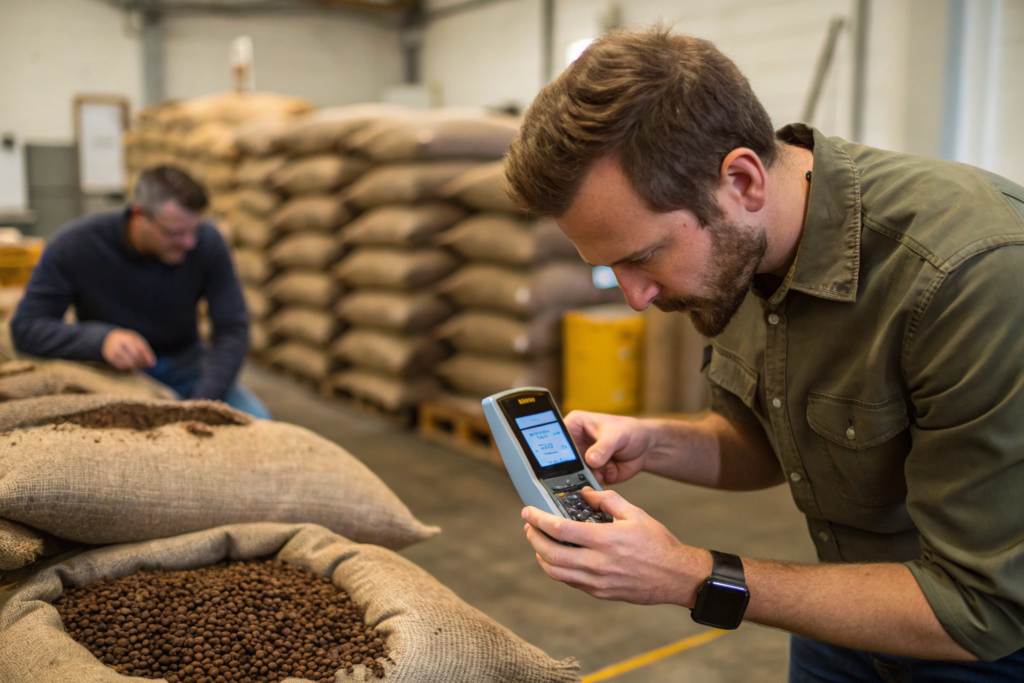
How Do You Check Moisture and Smell Before Shipping?
You check moisture with a calibrated meter. You take readings from several bags. You write down the numbers. You smell the beans from each lot. You look for wet spots, mold, and off-colors. The World Customs Organization explains global customs standards. The ISO publishes standards for quality and measurement. I use these when we train our QC team. A moisture meter is cheap. A nose is free. Both are powerful. So use both. Then decide.
I also tell buyers to ask for a pre-shipment sample. The sample should come from the same lot. It should be sealed and labeled. Then you can cup it. Then you can compare it with the arrival coffee. If they match, you have confidence. If they do not, ask why. A good supplier will explain. A weak supplier will avoid. So ask. Then check.
What Storage and Packaging Rules Prevent Musty Beans?
Storage and packaging rules prevent musty beans by keeping moisture out and air moving. Store coffee on pallets, not on the floor. Keep the warehouse dry. Keep the temperature stable. Use clean bags. Use sealed liners for long routes. Use desiccants when needed. The GrainPro site explains hermetic storage liners for coffee. The World Coffee Research shares research on coffee storage and quality. I use these when we plan our own storage. A dry, clean, stable warehouse is the best protection. It costs little. It saves a lot. So build the habit. Then keep it.
I also tell buyers to avoid storing coffee near chemicals, fuel, or strong smells. Coffee absorbs everything. A bag of coffee next to a drum of oil will smell like oil. So keep it separate. Then keep it safe. That is how you protect the cup.
Conclusion
Musty smell in coffee is a warning sign. It usually comes from moisture, mold, dirty containers, poor storage, or condensation during shipping. It can ruin a lot. It can hurt your brand. But it can be prevented. You must keep the coffee dry. You must check the container. You must use liners and desiccants when needed. You must ship fast. You must store clean. You must train your team. You must check moisture and smell before shipping. If you do these things, you can reduce the risk. You can protect the cup. You can protect your buyers. And you can sleep better at night.
At BeanofCoffee, we take musty smell seriously. We own more than 10,000 acres in Baoshan City, Yunnan. We export Catimor, Arabica, and Robusta. We work with large buyers, brand owners, distributors, and trading companies. We check moisture. We inspect containers. We share photos and data. If you want clean, stable coffee, please contact Cathy Cai at cathy@beanofcoffee.com. She will help you with samples, pricing, specifications, and shipping plans. You can also visit BeanofCoffee to learn more. Let us keep your coffee clean and fresh.