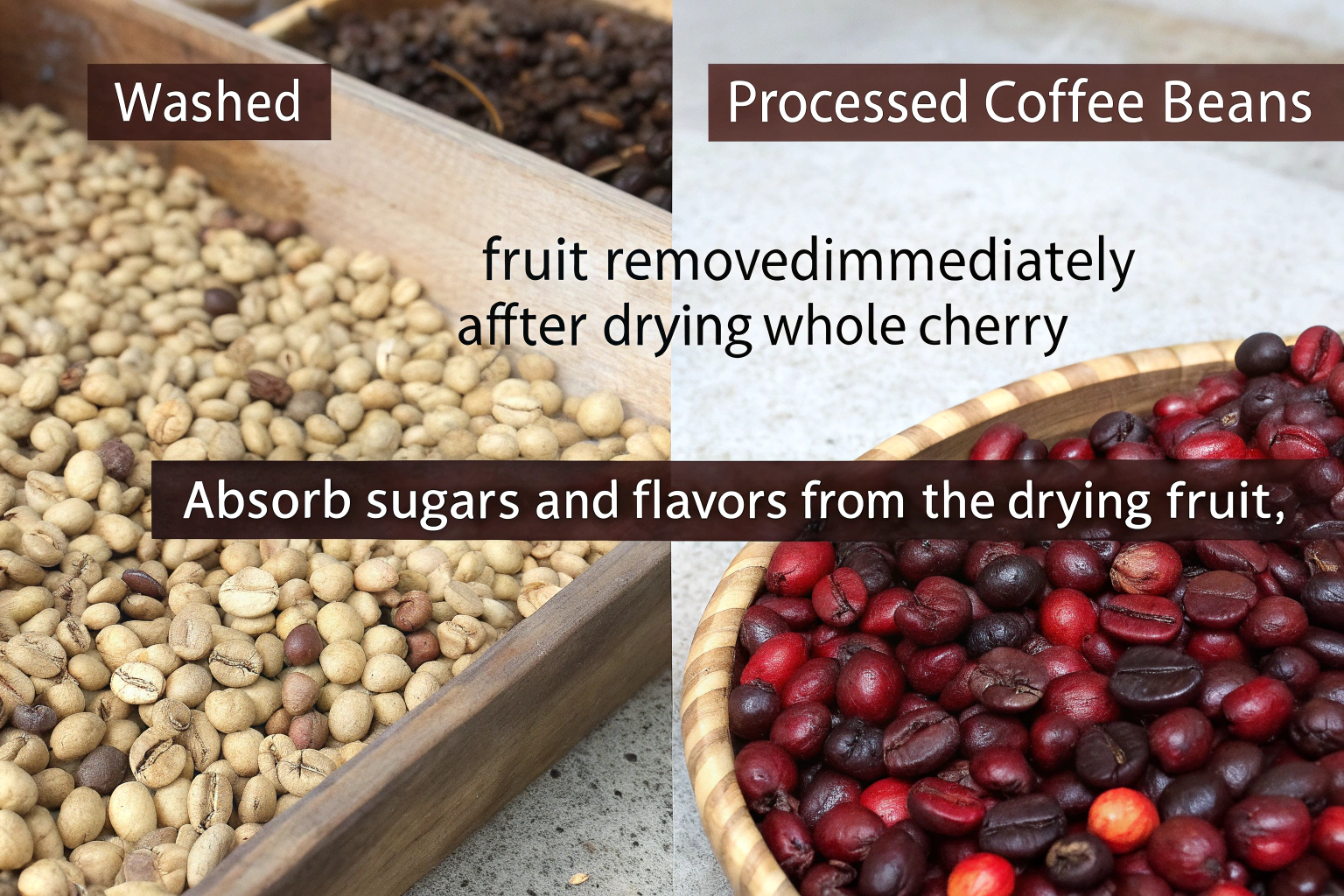
You're standing at your cupping table. You have two samples of the same coffee, from the same farm, same harvest. One is labeled "Washed." The other is labeled "Natural." You grind them. You smell them. The washed sample is clean, bright, almost tea-like. The natural sample is explosive, fruity, and intense. They are the same bean, but they are completely different sensory experiences. You know the processing method matters. But you need to understand it not just as a taster, but as a buyer. You're asking: What is the actual difference in how these beans are made? And how does that difference impact my sourcing strategy, my roasting, and the story I tell my customers?
The fundamental difference between Washed and Natural processed coffee lies in when the coffee fruit (cherry) is removed from the bean (seed). In the Washed process, the fruit is removed immediately after harvesting, before drying. This produces a clean, consistent, and transparent cup that highlights the bean's inherent varietal and terroir characteristics. In the Natural process, the whole cherry is dried intact with the fruit surrounding the bean for several weeks. During this time, the bean absorbs sugars and flavors from the drying fruit, resulting in a heavier body, lower acidity, and intense, often winey or fruity, flavors. It is a difference of purity versus expression.
I oversee both washed and natural production at Shanghai Fumao. I see the labor, the risk, and the reward of each method. Let me walk you through the journey of the bean, so you can make smarter, more confident sourcing decisions.
How Does the Washed Process Work and What Does It Taste Like?
The Washed process is the global standard for specialty coffee. It is a method designed to remove all variables except the bean itself. It's a process of refinement and control.
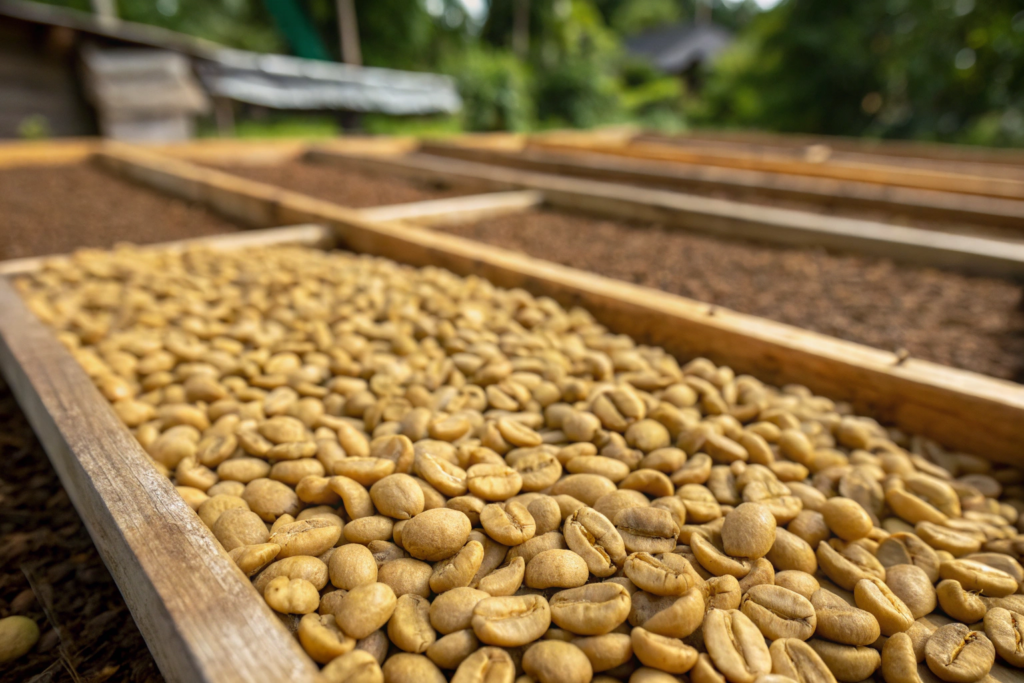
The Washed process involves four key steps: (1) Depulping: The outer skin and most of the fruit are mechanically removed from the cherry within hours of picking. (2) Fermentation: The beans, still coated in a sticky layer of mucilage, are placed in tanks of clean water to ferment for 12-36 hours. This loosens the mucilage. (3) Washing: The beans are washed with clean water to completely remove the remaining mucilage, leaving only the clean, dense parchment bean. (4) Drying: The clean parchment is dried on raised beds or patios, or in mechanical dryers, until it reaches the target moisture content.
What Is the Classic "Washed" Flavor Profile?
The goal of washing is to reveal the true character of the coffee's genetics and its growing environment. It's about transparency.
A classic washed coffee profile is defined by:
- Clarity and Cleanliness: The cup is exceptionally clean, with no distracting ferment or earthy notes. You taste the bean, not the process.
- Bright, Vibrant Acidity: The acidity is front and center. It can be citric (lemon, lime), malic (green apple), or phosphoric (sparkling), depending on the origin.
- Lighter Body: The mouthfeel is often lighter, more tea-like, and elegant.
- Delicate Flavor Notes: The flavors are nuanced and can include floral notes (jasmine), citrus fruits, and subtle sweetness.
This profile is prized by specialty roasters because it allows the unique terroir of a place—like the highlands of Baoshan—to shine through. A washed Yunnan coffee from Shanghai Fumao will showcase the classic chocolate and nut notes with a clean, malic acidity. This style is the benchmark for quality in many markets.
What Are the Environmental and Quality Risks of the Washed Process?
Washed coffee is excellent, but it comes with significant costs and risks.
- Water Usage: The traditional washed process is incredibly water-intensive, using up to 40-60 liters of water per kilogram of green coffee. This is a major environmental concern in water-scarce regions. Modern mills mitigate this with water recycling and eco-pulpers.
- Wastewater Pollution: The nutrient-rich wastewater from fermentation can pollute local waterways if not properly treated. Responsible mills use settling ponds and constructed wetlands.
- Risk of Over-Fermentation: If the fermentation time and temperature are not carefully controlled, the coffee can develop sour, vinegary, or "stinker" defects. This requires skilled oversight.
- Higher Cost: The infrastructure, labor, and water costs for a well-run washed mill are significant. This is reflected in the FOB price.
A buyer who chooses washed coffee is choosing consistency and transparency, and is implicitly supporting a more capital-intensive production model.
How Does the Natural Process Work and What Does It Taste Like?
The Natural process is the oldest and most traditional method of processing coffee. It is the opposite of washed: instead of removing the fruit, it embraces it.
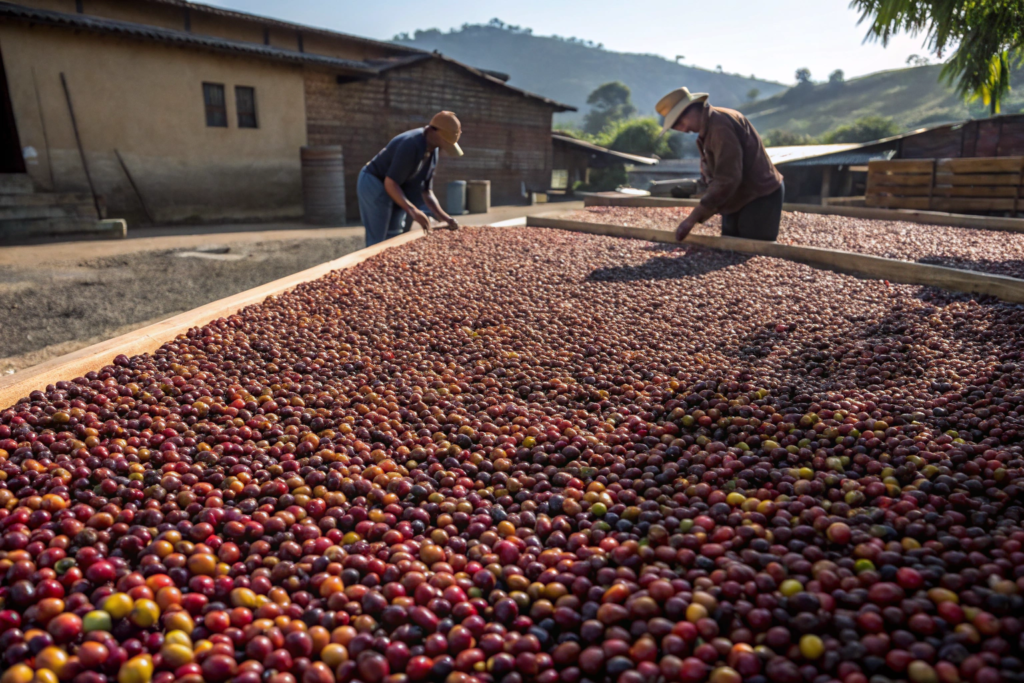
The Natural process involves just one primary step after harvesting: Drying the whole, intact coffee cherry in the sun. The cherries are spread in thin layers on patios or raised beds and are regularly turned and raked over a period of 2-4 weeks to ensure even drying and prevent mold. During this time, the cherry ferments slightly, and the sugars and complex compounds from the fruit are absorbed into the bean. Once the cherry is fully dried to a raisin-like state, it is hulled to remove the dried fruit and parchment, revealing the green bean.
This simple description belies the immense skill and risk involved.
What Is the Classic "Natural" Flavor Profile?
If washed coffee is a window, natural coffee is a painting. It's a bolder, more expressive, and more intense sensory experience.
A classic natural coffee profile is defined by:
- Intense Fruitiness: Notes of blueberry, strawberry, tropical fruit, and stone fruit are common and pronounced.
- Heavy, Syrupy Body: The mouthfeel is thick, coating, and often described as jammy or wine-like.
- Lower, Muted Acidity: The vibrant acidity of the washed process is softened and integrated, often taking a backseat to the fruit and body.
- Fermented/Winey Notes: A distinct "funk" or complexity that can range from pleasant wine-like notes to more challenging overripe flavors.
This profile has exploded in popularity among adventurous specialty coffee drinkers. It's a bold, unforgettable experience. A natural Yunnan coffee can exhibit incredible notes of dried mango, dark chocolate, and a syrupy sweetness.
What Are the Major Quality Control Risks of Natural Process?
Natural processing is a high-risk, high-reward endeavor. It is far more prone to defects than washed processing.
- Mold and Over-Fermentation: The thick layer of sugary fruit is a perfect breeding ground for mold and bacteria. If drying is too slow, if the layer is too thick, or if it rains, the entire lot can be lost to mold, which imparts musty, phenolic, or medicinal flavors.
- Inconsistent Drying: The cherries dry at different rates, and the sticky fruit can cause them to clump together. This requires constant, labor-intensive raking to ensure even drying.
- Insect and Animal Attraction: Drying fruit attracts insects, birds, and other animals, creating a sanitation challenge.
- Lower Yield: There is more waste in the hulling process, and more beans are lost to defects.
Because of these risks, well-executed natural coffees command a premium price. You are paying for the farmer's skill, labor, and willingness to risk a significant portion of their crop. You can learn more about the specific drying challenges for different processing methods from the agronomy resources at World Coffee Research.
What About the "In-Between" Methods Like Honey and Pulped Natural?
As the specialty coffee market has matured, producers have innovated to create methods that bridge the gap between washed and natural, capturing the best of both worlds.
- Honey Process: The cherry is depulped, but a specific, controlled amount of the sticky mucilage (the "honey") is left on the parchment to dry. The amount of mucilage determines the color (Yellow, Red, Black Honey). This method combines the cleanliness of washed coffee with the enhanced sweetness and body of a natural.
- Pulped Natural: Very similar to Honey, but often involves less control over the exact amount of mucilage. The coffee is depulped and then dried immediately with the mucilage intact. It's a common method in Brazil.
These methods offer a spectrum of flavor profiles, allowing roasters to fine-tune the sensory experience they offer their customers. At Shanghai Fumao, we produce Yellow, Red, and Black Honey lots to provide this range of options.
How Does a Honey Process Yunnan Compare to a Washed or Natural Yunnan?
This is a powerful A/B/C comparison that showcases the impact of processing.
- Washed Yunnan: Clean, bright, milk chocolate, toasted nut, malic acidity.
- Natural Yunnan: Intense, fruity, dried blueberry, dark chocolate, syrupy body, winey.
- Honey Yunnan (e.g., Red Honey): The best of both. It has the clean foundation of the washed coffee but with an added layer of honey sweetness, ripe apricot notes, and a creamier body than the washed version. It's more approachable than a full natural but more complex than a standard washed.
This versatility is what makes understanding processing methods so powerful for a coffee buyer. You can source the same coffee processed three different ways and offer your customers three completely different sensory journeys. It's a brilliant way to educate your customers and differentiate your menu.
How to Improve the Appeal of Coffee BeansHow to Improve the Appeal of Coffee Beans?
Elevating the allure of coffee beans transforms them from mere ingredients into captivating sensory experiences. To enhance their appeal, begin by selecting beans with vibrant, deep hues—rich browns tinged with hints of caramel or chocolate, avoiding any dull, grayish tones that signal staleness. The aroma is paramount; seek out beans that exude a complex bouquet of freshly roasted notes: bright citrus zests, earthy undertones of dark soil, sweet hints of vanilla or toasted nuts, and a subtle floral whisper that lingers in the air. A gentle, fragrant sniff should evoke warmth and anticipation.
Next, prioritize freshness. Opt for beans that have been recently roasted, ideally within the past two weeks, as this preserves their peak flavor profile. Look for packaging that is opaque and airtight to shield the beans from light, oxygen, and moisture—their silent enemies.
How Should a Roaster Adjust Their Approach for Washed vs. Natural Coffees?
The physical and chemical differences between washed and natural beans demand a different touch in the roaster. Treating them identically will yield suboptimal results.
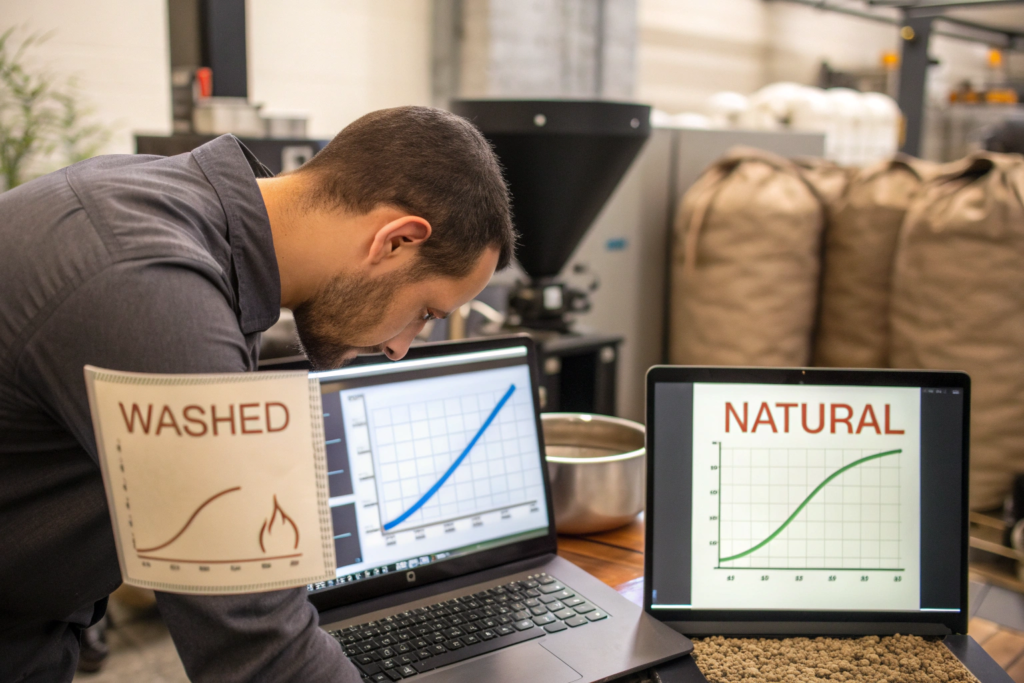
- Washed Coffee: Typically has higher density and more uniform moisture. It can handle a slightly higher charge temperature and benefits from a roast profile that highlights its bright acidity. The goal is development without dulling the sparkle.
- Natural Coffee: Typically has lower density due to the extended fermentation and fruit contact. The surface sugars are more exposed. It requires a lower charge temperature and a gentler, more gradual approach to avoid scorching the sugars and to fully develop the complex fruit notes. The goal is maximizing sweetness and body while preserving the fruit.
Why Should I Use a Lower Charge Temperature for Natural Coffees?
This is the single most important adjustment for roasting natural coffees. The sugars from the fruit mucilage are concentrated on and near the surface of the bean.
If you hit a natural coffee with the same high charge temperature you use for a dense washed coffee, those surface sugars will scorch and burn before the inside of the bean has a chance to heat up. The result will be ashy, bitter, and carbonized flavors that completely overwhelm the delicate fruit notes. A lower charge temperature allows the entire bean mass—and those delicate sugars—to warm up more gently and evenly. It protects the fruit character and allows the internal bean structure to develop properly. You can find more in-depth discussions on roasting different processes in the resources provided by the Roasters Guild.
How Does First Crack Differ Between Washed and Natural Beans?
The auditory and thermal cues of first crack can vary significantly.
- Washed Coffees: Typically have a more distinct, audible, and energetic first crack. The beans are dense and uniform, so they crack more uniformly.
- Natural Coffees: Often have a quieter, more prolonged, and "rolling" first crack. Because the beans are less dense and more porous from the fruit fermentation, the cracks are less violent and more spread out.
Don't be alarmed if the first crack on a natural coffee sounds muffled and lasts longer than you're used to. This is normal. Rely on your bean temperature probe, Rate of Rise, and your senses (smell, color) as much as auditory cues. Rushing a natural coffee through or just past first crack is a common mistake that leads to an underdeveloped, vegetal cup with none of the promised fruit.
Conclusion
The difference between washed and natural coffee is not just a technical detail. It is the single most important determinant of the sensory experience in the cup. It's the difference between a clean, transparent window into the bean's soul and a bold, expressive painting of the fruit it came from.
As a coffee buyer, understanding this difference is a superpower. It allows you to:
- Source strategically: Select the processing method that aligns with the flavor profile you want for a specific blend or single-origin offering.
- Roast intelligently: Tailor your roast profile to the unique physical properties of the bean.
- Tell a compelling story: Educate your customers on why their washed Yunnan tastes like bright chocolate and their natural Yunnan tastes like blueberry jam.
Both methods have their place. Both can produce world-class coffee. The key is knowing the difference and using that knowledge to make better decisions for your business.
If you're interested in exploring the full spectrum of processing methods—from our ultra-clean washed lots to our experimental naturals and honey coffees—I invite you to request a sample set from Shanghai Fumao. Taste the difference for yourself. My email is cathy@beanofcoffee.com.