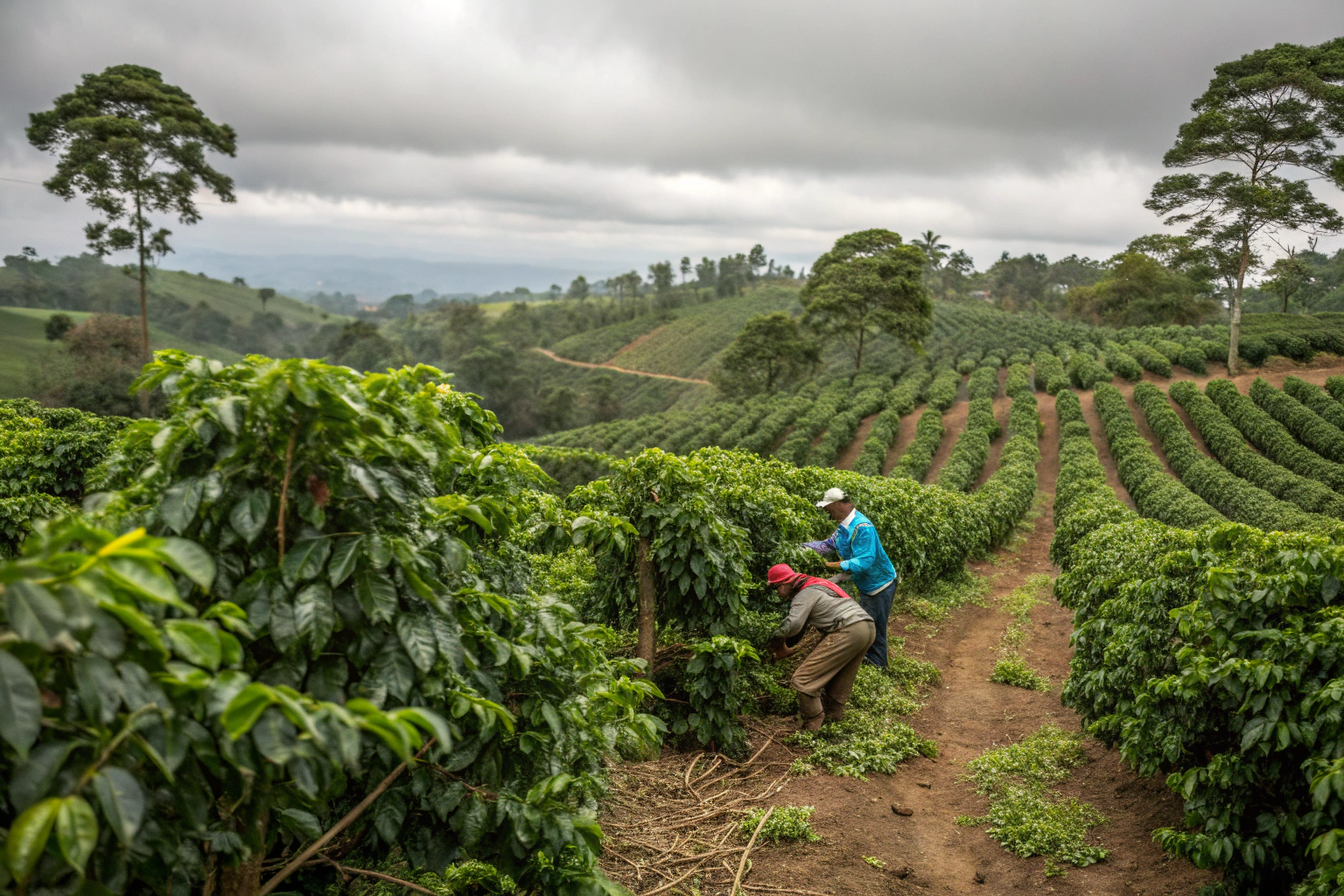
You're building a wholesale program. You need a coffee that can do it all. It needs to be the reliable base for your best-selling espresso blend. It needs to stand alone as a value-driven single origin that still delights customers. It needs to arrive on time, roast consistently, and not destroy your margins. You've heard about Catimor. You know it's the workhorse of Yunnan. But you also know it has a reputation—a bit harsh, a bit woody. You're asking: Is modern Catimor the hidden gem of wholesale coffee, or is it just a cheap filler bean with a quality ceiling I can't break through?
Modern, high-quality Catimor beans from Yunnan are an exceptional choice for wholesale coffee programs because they deliver a unique and powerful combination of benefits: a structurally low and stable cost basis, exceptional roast and cup consistency driven by high bean density, a versatile and crowd-pleasing flavor profile built on a foundation of dark chocolate and heavy body, and robust, climate-resilient plant health that ensures reliable, scalable supply year after year. The key distinction is "modern." The negative reputation of Catimor is tied to old farming and processing methods. Today's specialty-grade Catimor is a fundamentally different product.
At Shanghai Fumao, Catimor is the backbone of our 10,000-acre estate. It's what we know best. Let me show you why this varietal, when grown and processed with care, is one of the most strategic sourcing decisions a wholesale roaster can make.
How Does Catimor Deliver Exceptional Value and Price Stability?
In the wholesale coffee business, your cost of goods sold (COGS) is everything. A great-tasting coffee that you can't sell profitably is a liability. Catimor's genetic heritage provides a structural economic advantage that flows directly to your bottom line.
Catimor delivers exceptional value because its robust, high-yielding nature results in a lower cost of production per pound for the farmer. This translates directly into a more affordable FOB price for the roaster. Furthermore, Catimor's proven resistance to coffee leaf rust and other diseases makes the crop and the supply chain inherently more stable and predictable. This reduces the price volatility associated with disease outbreaks in other origins and varietals. For a wholesale roaster, this means a lower baseline cost and a more predictable budget.
Why Is Catimor's FOB Price So Competitive Compared to Other Arabicas?
The answer lies in agronomics. Catimor is a hybrid of Caturra (an Arabica) and Timor Hybrid (which has Robusta ancestry). This genetic cross was specifically designed for vigor and disease resistance.
This means Catimor trees:
- Produce High Yields: They set a lot of fruit per tree, per hectare.
- Require Fewer Inputs: They need significantly less fungicide to control leaf rust, and often less fertilizer, than pure Arabica varietals like Typica or Bourbon.
- Are Hardier: They are more forgiving of sub-optimal conditions.
These factors combine to create a lower cost of production for the farmer. This lower cost allows us, the exporter, to offer Catimor at a very competitive FOB price while still maintaining profitability and investing in quality. At Shanghai Fumao, our scale of production (10,000 acres) amplifies these efficiencies. The savings are passed on to you.
How Does Catimor's Disease Resistance Protect My Long-Term Supply?
We've discussed the devastating impact of coffee leaf rust (la roya) on the global coffee supply. Outbreaks in Central and South America have wiped out entire harvests, spiked prices, and left roasters scrambling.
Catimor's inherent resistance to leaf rust is a form of supply chain insurance. While farmers of susceptible varietals are forced to spend heavily on fungicides or watch their trees defoliate, a well-managed Catimor farm remains productive and healthy. This resistance means that Yunnan's Catimor crop is significantly less vulnerable to the climate-amplified disease pressures affecting other origins. For a wholesale roaster, this translates to a more reliable, consistent supply of coffee, year after year. You are less likely to face a sudden shortage or a price spike driven by a disease outbreak. This is the "safe, reliable, stable" factor that buyers like Ron need. You can read more about the global threat of leaf rust from World Coffee Research.
What Are the Signature Roast and Cup Characteristics of High-Quality Catimor?
Catimor's economic advantages are compelling, but they mean nothing if the coffee doesn't taste good and perform well in the roaster. This is where the modern story of Catimor diverges sharply from its outdated reputation.
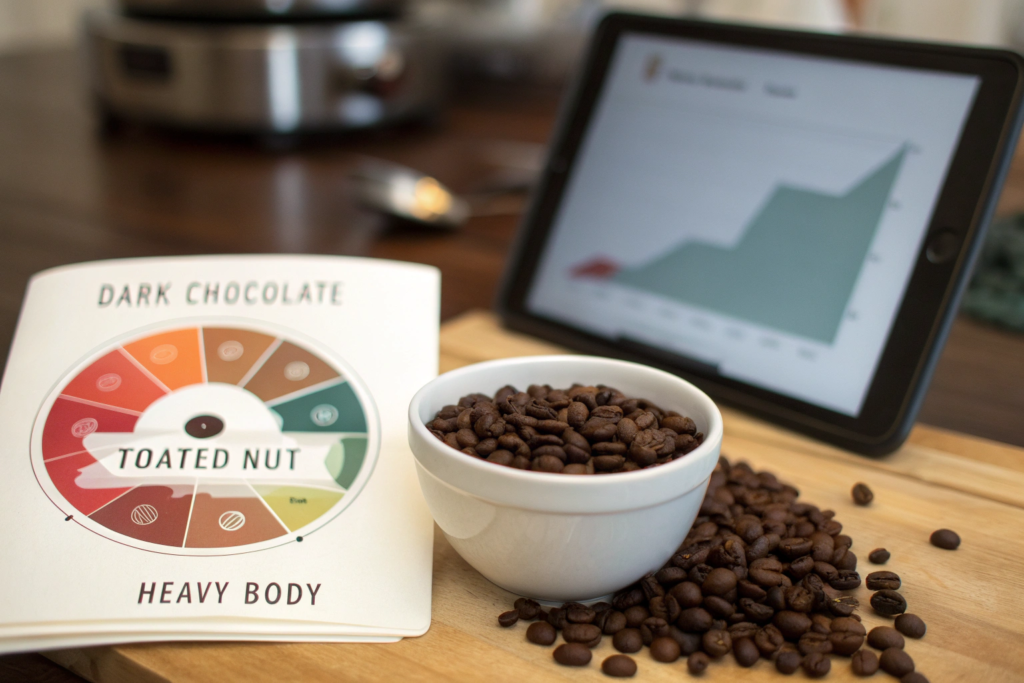
High-quality, modern Catimor is characterized by a classic, crowd-pleasing cup profile: dominant notes of dark chocolate and toasted nuts, a very heavy, syrupy body, and a low, smooth acidity. Critically, when grown at high altitude and processed with care, it exhibits a clean finish, free from the harsh, woody, or astringent notes of poorly grown Catimor. In the roaster, its high bean density provides exceptional thermal stability, allowing for even heat absorption and a very predictable, consistent roast profile, batch after batch.
Why Does Catimor Roast So Evenly and Predictably?
This is a direct benefit of the high-altitude Yunnan terroir and the varietal's genetics. Catimor grown at 1,400 meters or above develops into a very dense bean (Strictly Hard Bean, or SHB).
This high density is a roaster's dream. It means the bean has significant thermal momentum. It can absorb a higher charge temperature without scorching. It carries heat through the drying and Maillard phases with stability. It responds predictably to adjustments in airflow and gas pressure. This predictability is invaluable in a wholesale environment where you are roasting large batches and need absolute consistency. You can lock in a profile for your Catimor base and trust that it will perform the same way, week after week. It doesn't have the erratic behavior of lower-density or less uniform beans. At Shanghai Fumao, our meticulous dry milling ensures a uniform screen size, further enhancing this roast consistency.
What Does "Clean Finish" Mean for a Catimor Coffee?
The classic complaint about old-school Catimor was a "dirty," "woody," or "astringent" finish. This was almost entirely a function of poor picking and processing.
A clean finish means the positive flavors of the coffee—the chocolate, the nuts, the subtle sweetness—linger pleasantly on the palate, and then they're gone. There is no unpleasant, drying, or papery aftertaste. Achieving this clean finish in Catimor requires:
- Selective Harvesting: Picking only perfectly ripe, red cherries. No under-ripes, no over-ripes.
- Controlled Washed Processing: Clean water, stainless steel tanks, and precise fermentation control to prevent the development of sour or fermenty defects.
- Careful Drying: Even, slow drying on raised beds to lock in sweetness and prevent mold.
When these steps are followed meticulously, the result is a Catimor that is remarkably clean. It's a coffee you can proudly serve as a single origin or use as the foundation of a complex blend, knowing it won't introduce any off-flavors. This is the standard we adhere to at Shanghai Fumao.
How Can Wholesale Roasters Strategically Use Catimor in Blends and as a Single Origin?
Catimor's unique combination of flavor profile, body, and cost structure makes it an incredibly versatile tool in a wholesale roaster's portfolio. It's not just one thing; it can play multiple strategic roles.
Catimor's primary strategic uses for a wholesale roaster are: (1) As a foundational base for espresso blends (30-50%), where it provides heavy body, chocolate sweetness, and crema enhancement at an attractive cost. (2) As a reliable, high-value single origin offering that delivers a classic, approachable profile and excellent margins. (3) As a key component in cold brew programs, where its low acidity and heavy body produce a smooth, rich, and highly profitable extract. (4) As a "roaster's canvas" for experimenting with different roast levels, from a sweet medium to a bold, smoky dark roast.
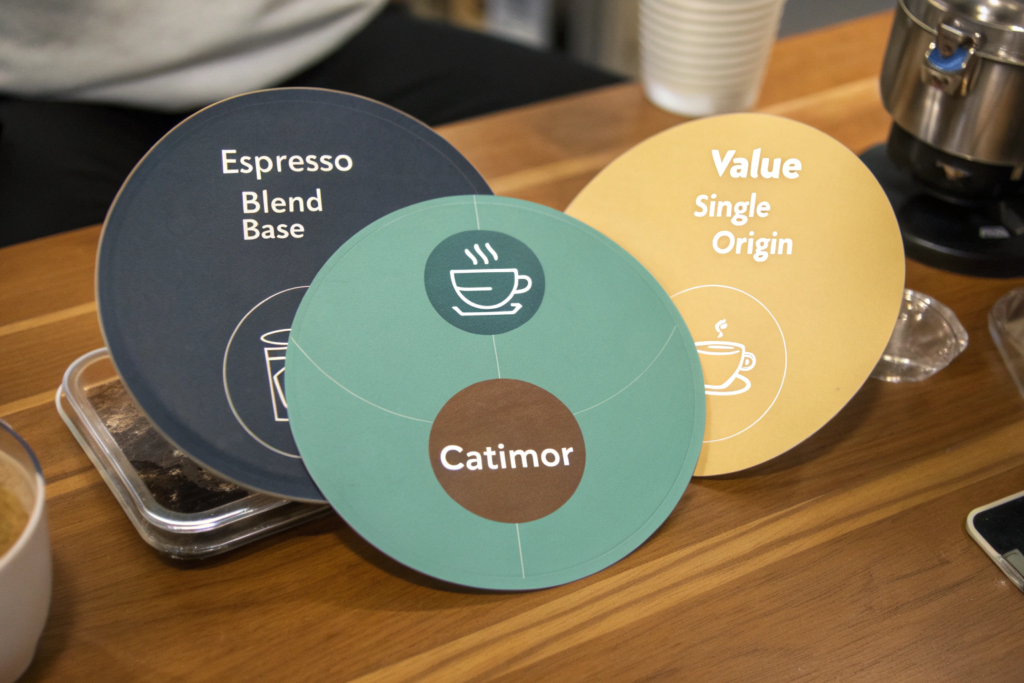
Why Is Catimor an Ideal "Base Note" for an Espresso Blend?
An espresso blend needs a foundation. It needs a component that provides body, sweetness, and a consistent, grounding flavor that allows the brighter, more expensive components to shine.
Catimor is the perfect base note. At 30-50% of the blend, it provides:
- Massive Body: It gives the shot a thick, syrupy, luxurious mouthfeel that coats the palate and stands up beautifully to milk.
- Chocolate Sweetness: It contributes a deep, rich dark chocolate and roasted nut flavor that is universally appealing.
- Crema Enhancement: It helps produce a thick, persistent, visually stunning crema.
- Cost Efficiency: It provides these critical structural and flavor benefits at a significantly lower cost than using a similar-quality Colombian or Brazilian base.
This allows the roaster to use smaller percentages of more expensive, high-acidity "accent" coffees (like a bright Ethiopian or a fruity anaerobic) to create a balanced, complex, and highly profitable espresso blend.
Can a Catimor Stand Alone as a Compelling Single Origin Offering?
Yes. And this is a growing trend. A well-grown, meticulously processed Yunnan Catimor is an excellent single origin coffee for the value-conscious specialty consumer.
The key is positioning. You don't market it as a rare, exotic micro-lot. You market it as a "Daily Driver" or a "Comfort Coffee." You highlight its approachable, delicious profile: "Notes of Dark Chocolate and Toasted Almond. Heavy Body. Clean Finish." This is a coffee that a customer can drink every single morning and never get tired of. It's reliable, satisfying, and delicious. And because the green cost is competitive, the roaster can offer it at a very attractive retail price point ($15-$17 per bag) while still maintaining excellent margins. It's a gateway coffee for customers new to specialty, and a reliable staple for the aficionado. At Shanghai Fumao, we have several roasting partners who have built a significant portion of their business around a well-executed Yunnan Catimor single origin.
How Has Modern Processing Changed the Quality of Catimor Beans?
The narrative of Catimor's quality transformation is incomplete without addressing processing. The bean's genetics haven't changed. How we treat it after harvest has changed everything.
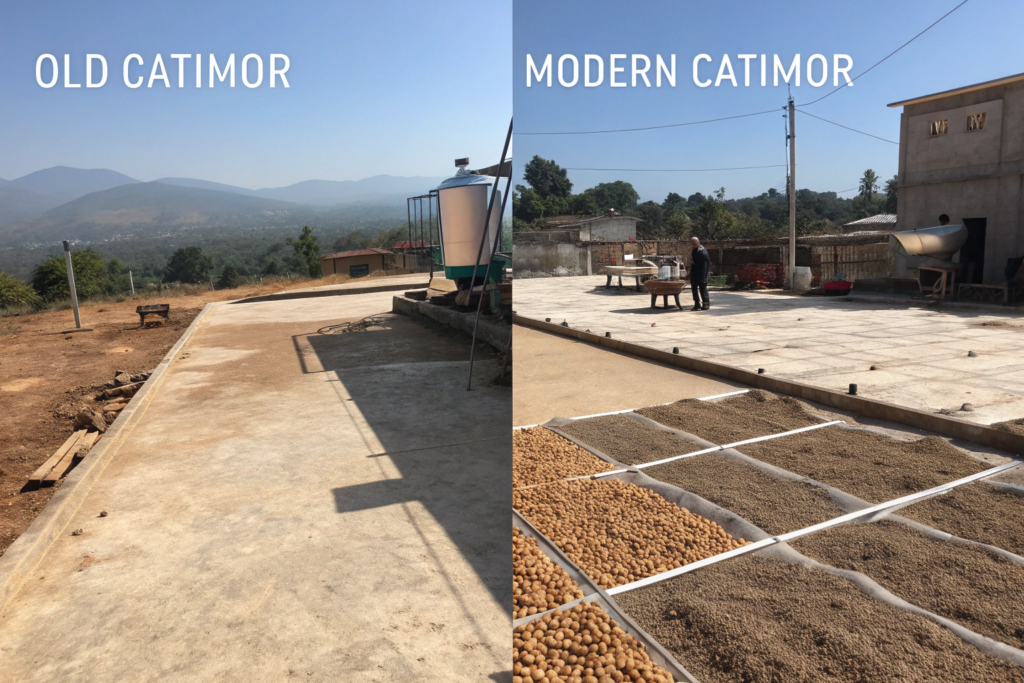
The quality of Catimor beans has been revolutionized by the widespread adoption of modern, specialty-grade processing methods in Yunnan. The shift from rough patio drying and uncontrolled fermentation to fully washed processing with stainless steel tanks, precise fermentation control, and slow drying on raised African beds has eliminated the primary source of Catimor's negative reputation: processing defects. These improved methods result in a dramatically cleaner, sweeter, and more consistent cup that allows the varietal's inherent positive attributes to shine.
How Did the Shift to Washed Processing Transform Catimor's Cup?
For decades, much of Yunnan's Catimor was processed using the natural or "dry" method, often with cherries dried on bare ground. This resulted in earthy, fermenty, and moldy off-flavors.
The shift to fully washed processing has been transformative. The cherry skin and fruit are removed immediately. The bean is fermented in clean water in stainless steel tanks. It is then washed and carefully dried. This process removes the source of the earthy, dirty flavors. The resulting cup is remarkably clean and transparent. The inherent chocolate and nut notes of the Catimor bean are no longer masked by processing defects. This single change has allowed Yunnan Catimor to compete on the global specialty stage. It is the foundation of our quality program at Shanghai Fumao.
What Role Does Precise Fermentation Control Play?
Even in washed processing, fermentation is a critical control point. Uncontrolled fermentation can lead to sour, vinegary, or "over-fermented" flavors.
Modern Yunnan wet mills now employ precise fermentation control. We monitor pH and temperature. We use standardized protocols and clean equipment. This ensures that every batch of Catimor undergoes a consistent, clean fermentation that enhances the bean's natural sweetness and clarity, without introducing defects. This level of control is what separates specialty-grade Catimor from commodity-grade Catimor. It's an investment in equipment and training that yields a direct return in cup quality and consistency.
Conclusion
Catimor is no longer just the "workhorse" of Yunnan. In the hands of skilled farmers and processors, it is a strategic asset for any wholesale coffee roaster. It offers a compelling combination of economic stability, roasting predictability, and a delicious, versatile cup profile.
It provides the reliable foundation for your espresso blends, the approachable charm of a value-driven single origin, and the supply chain security that is increasingly rare in a volatile world. The negative reputation of the past is just that—the past. Modern, specialty-grade Catimor is a different coffee, and it deserves a fresh look.
If you're looking for a coffee that can strengthen the core of your wholesale program, I invite you to explore the Catimor offerings from Shanghai Fumao. Taste the difference that modern farming and processing can make. My email is cathy@beanofcoffee.com.