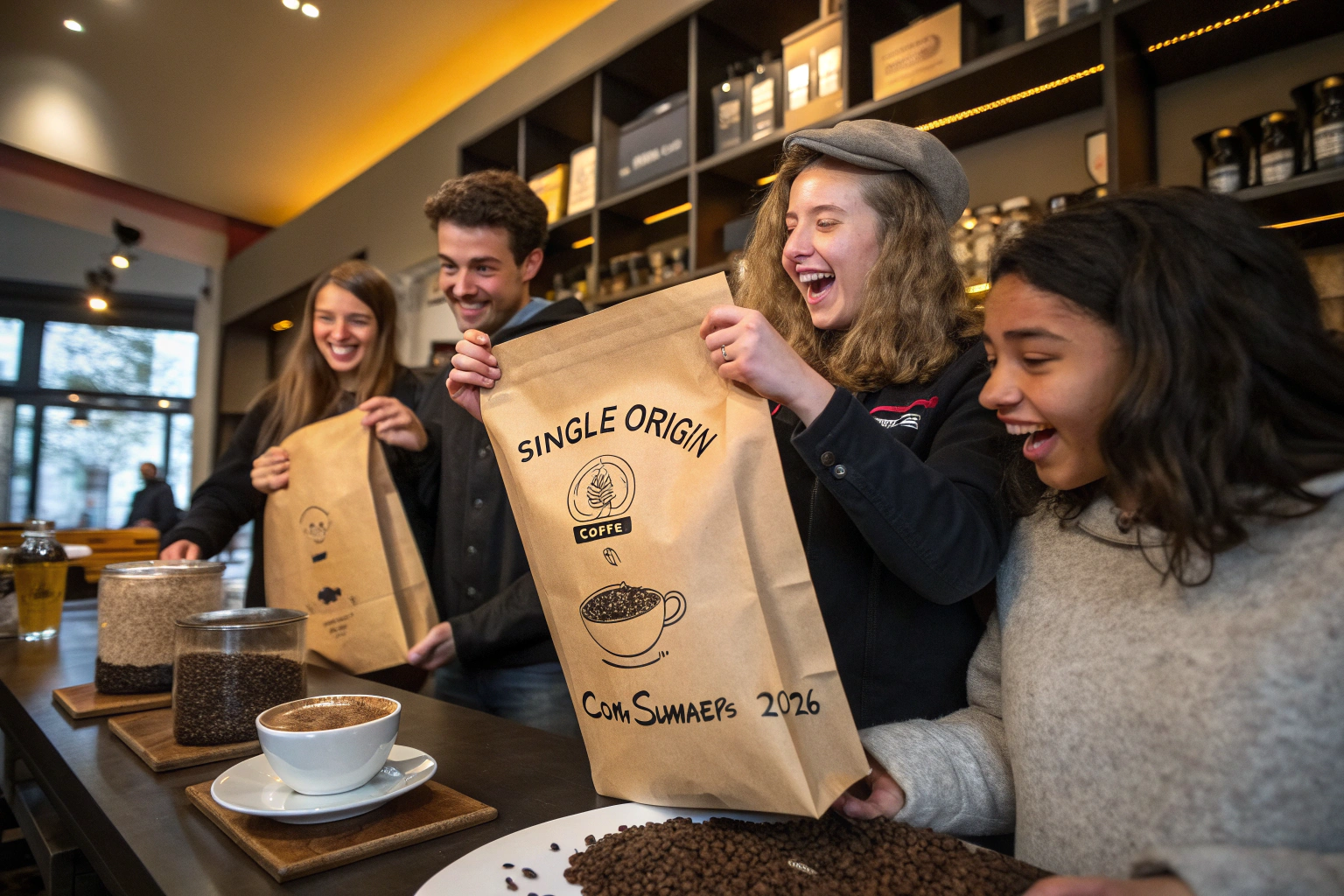
You look at your sales data. Your signature blend is steady. It's the reliable workhorse. But your single origin offerings—the Yunnan, the Ethiopian, the Colombian—they're not just moving. They're driving growth. And the customers buying them? They're younger. They're asking questions. They want to know the farm name. The altitude. The processing method. They're posting photos of the bag on Instagram. They're not just buying coffee. They're buying a story, an experience, a connection. You're asking: What's driving this? And how do I position my business to capture this powerful, growing segment of the market?
Younger coffee consumers in 2026 are demanding single origin beans because this category uniquely satisfies their core consumer values: Authenticity, Transparency, and Experiential Discovery. They view single origin coffee not merely as a beverage, but as an affordable luxury, a portal to a specific place and culture, and a form of personal identity expression. They are skeptical of mass-market blends and drawn to the specific, verifiable narratives that single origin coffees provide—stories of specific farms, unique varietals, and innovative processing methods. It's a rejection of the generic and an embrace of the specific.
I see this trend reflected in the questions I get from our roasting partners at Shanghai Fumao. They're not just asking for "Yunnan coffee." They're asking for "the anaerobic lot from Block 7" or "the new Typica micro-lot." Let me break down the psychology and the values driving this demand, and how you can translate it into a winning business strategy.
How Does "Authenticity and Transparency" Drive Single Origin Demand?
The modern young consumer has a highly refined radar for marketing fluff. They've grown up in an era of curated social media feeds and influencer endorsements. They are skeptical. They crave what's real.
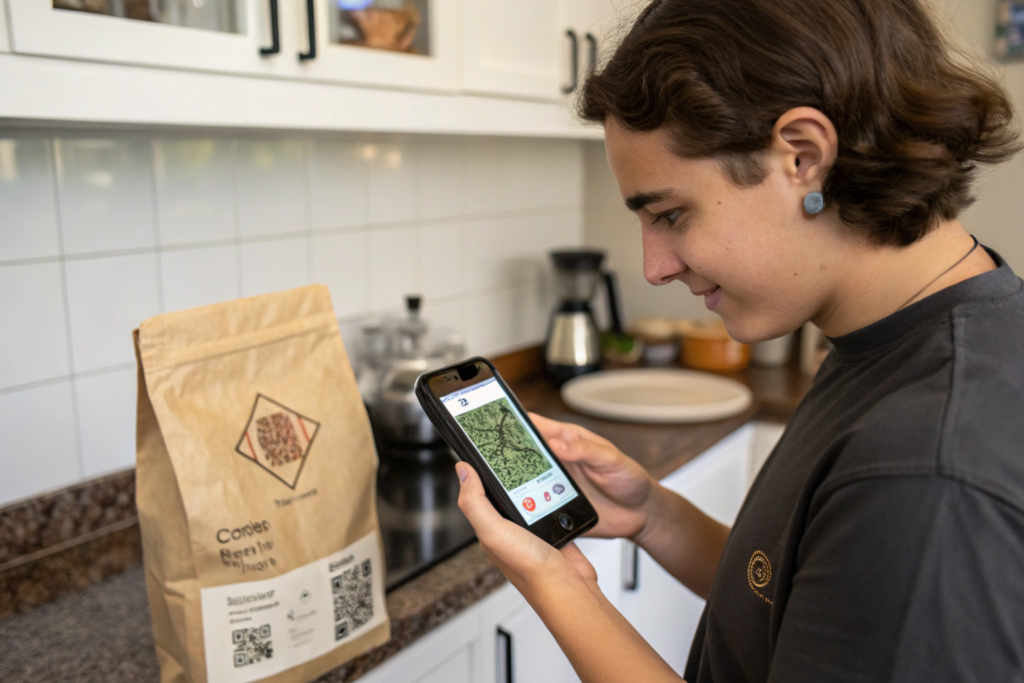
"Authenticity" in coffee means the story on the bag is verifiably true. "Transparency" means the brand openly shares the details of where the coffee came from and how it was produced. Single origin coffee is the perfect vehicle for these values. By its very definition, it comes from one place—often one farm or one cooperative. This specificity allows for a level of traceability and storytelling that is impossible for a blend of beans from multiple countries. The QR code on the bag that links to the farm's GPS coordinates isn't a gimmick; it's proof of authenticity. It satisfies the young consumer's deep desire to know the "who, what, and where" behind their purchase.
Why Is the "Story of the Farmer" More Compelling Than a Roaster's Blend Name?
A blend name like "Breakfast Buzz" or "Smooth Operator" is a marketing creation. It's abstract. A single origin story is concrete and human.
A story about Cathy Cai, who manages a 10,000-acre farm in the highlands of Baoshan, Yunnan , is a real story. It has a protagonist, a place, a challenge (growing great coffee), and a result (the delicious bean in the bag). This narrative creates an emotional connection. The consumer feels like they are participating in something authentic. They are supporting a real person and a real place. This connection builds profound brand loyalty. They're not just buying coffee; they're buying into a relationship. This is the power of the direct trade narrative. At Shanghai Fumao, we provide our roasting partners with the raw material for these stories—photos of the farm, profiles of our team, details of our sustainability practices.
How Does a QR Code to a GPS Map Build Trust and Justify Price?
It's the ultimate proof point. Anyone can write a nice story on a bag. A GPS coordinate is verifiable data.
When a young consumer scans a QR code and sees a satellite view of the exact hillside in Yunnan where their coffee was grown, it creates a powerful "wow" moment. It transforms the coffee from a commodity into a specific, tangible product of a specific place. This transparency justifies the premium price of a single origin bag. The consumer understands that they are paying not just for the beans, but for the verifiable story and the direct connection to the source. This is the same psychology that drives demand for farm-to-table food and craft beverages. It's a rejection of anonymous, industrial supply chains. As an exporter, we are investing heavily in this technology—GPS plot mapping, digital traceability platforms—because we know it's what the end consumer, and therefore our roasting partners, increasingly demand.
Why Is "Flavor Adventure and Discovery" a Key Driver for Younger Palates?
Younger consumers have grown up in a flavor-saturated world. They've tried craft sodas, artisanal chocolates, and global cuisines. Their palates are adventurous. They don't want the same cup of coffee every day. They want to explore.
Single origin coffee is positioned as a form of "flavor tourism." Each bag offers a sensory journey to a different part of the world. A washed Yunnan offers milk chocolate and toasted nuts. A Yunnan anaerobic offers tropical fruit and wine-like complexity. An Ethiopian Yirgacheffe offers jasmine and bergamot. This variety appeals to the young consumer's desire for novelty, discovery, and personalization. They can choose a coffee that matches their mood or their brewing method. They can learn to identify different origins and processing methods by taste. It's a hobby, a passion, and a form of cultural exploration, all in a cup.
How Does Single Origin Enable "Comparative Tasting" at Home?
This is a growing trend fueled by social media. Young coffee enthusiasts are hosting their own "cuppings" at home.
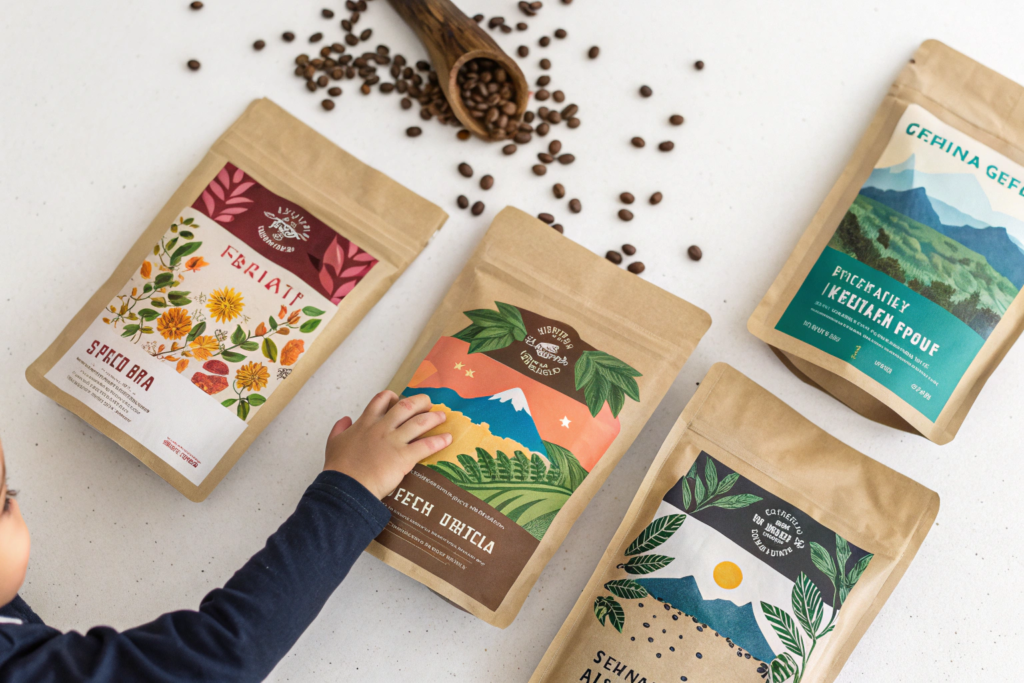
They'll buy three different single origin coffees—say, a washed Yunnan, a natural Ethiopian, and an anaerobic Costa Rican—and taste them side-by-side with friends. They'll discuss the differences in acidity, body, and flavor notes. They'll post their tasting notes on Instagram or Reddit. This is an experiential and social activity. A blend cannot provide this experience. A blend is a singular, fixed flavor profile. Single origins are the building blocks for this kind of exploration and education. Roasters who offer a rotating selection of distinct single origins are feeding this consumer desire for discovery.
What Role Does "Limited Edition" Play in the Single Origin Craze?
Scarcity drives desire. A coffee labeled as a "Micro-Lot," "Limited Release," or "Seasonal Offering" taps into the powerful psychology of FOMO (Fear Of Missing Out).
Young consumers are collectors of experiences. Knowing that a specific Yunnan Geisha lot is only available for a few weeks makes the purchase feel special and urgent. It's not just a bag of coffee; it's a moment in time, captured from a specific harvest. This model encourages repeat purchases and brand engagement. Consumers sign up for newsletters and follow roasters on social media specifically so they don't miss the next exciting limited release. This creates a dynamic, event-driven sales cycle that is perfectly suited to the fast-paced, trend-aware young consumer.
How Do Sustainability and Ethics Factor into the Single Origin Equation?
For the young consumer, a purchase is a political and ethical act. They want their spending to align with their values. Single origin coffee, with its inherent traceability, provides the perfect platform for communicating these values.
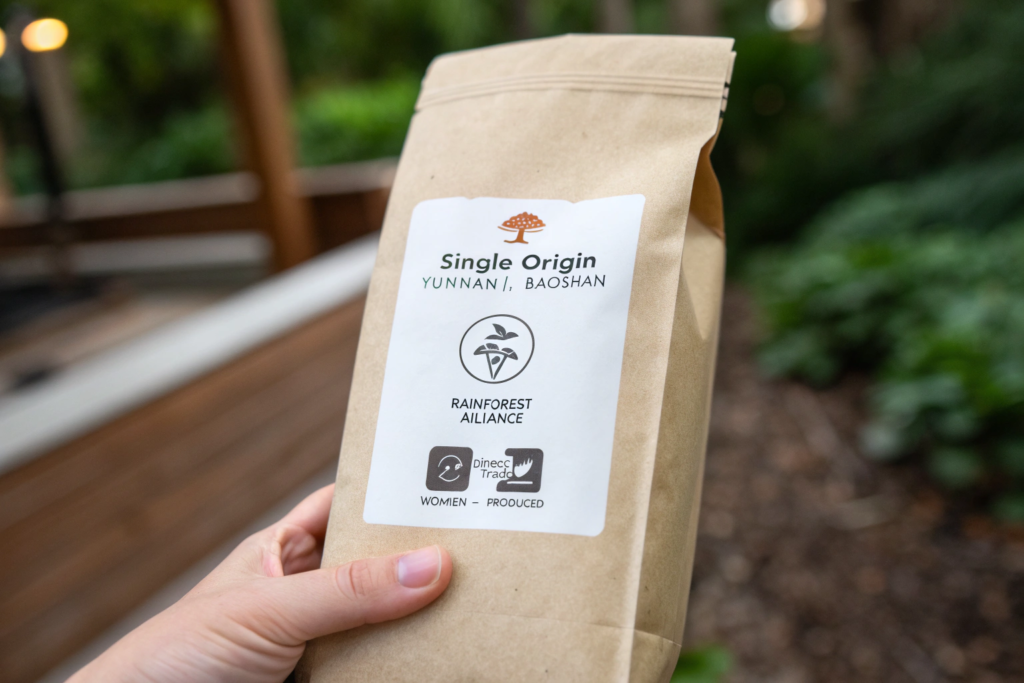
Single origin coffee provides a direct line of sight to the social and environmental impact of the purchase. Because the coffee comes from a specific, identifiable place, the roaster can tell a credible story about the farming practices used there. Certifications like Organic and Rainforest Alliance, or direct trade relationships that emphasize fair wages and community investment, resonate deeply with younger consumers. They are willing to pay a premium for a coffee that they believe was produced responsibly and equitably. The single origin designation is the first step in establishing this credibility.
Is "Direct Trade" a More Powerful Signal Than "Fair Trade" for This Demographic?
The language and the narrative matter. "Fair Trade" is an established certification, but it can feel institutional and impersonal to some young consumers.
"Direct Trade" suggests a more intimate, modern, and impactful relationship. It implies that the roaster knows the farmer, has visited the farm, and has negotiated a price directly that rewards quality and sustainable practices. This narrative of personal connection and mutual benefit is incredibly compelling. It aligns with the desire for authenticity and transparency. It feels less like a bureaucratic program and more like a genuine human partnership. At Shanghai Fumao, we cultivate these direct relationships with our roasting partners. We are transparent about our costs, our practices, and our investments in our farm and our workers. This is the story that resonates.
Why Does the "Women in Coffee" Narrative Resonate So Strongly?
This is a powerful subset of the ethical sourcing story. Young consumers, particularly, are attuned to issues of gender equity and empowerment.
Highlighting the role of women in coffee production—whether as farm owners, agronomists, or heads of quality control—adds a compelling human dimension to the single origin story. It transforms the coffee into a symbol of positive social change. When a roaster can say, "This Yunnan coffee was produced on an estate managed by a woman named Cathy Cai," it creates an immediate and powerful connection with a consumer who values female leadership and economic empowerment. It's a story of breaking barriers and building a better future, and it makes the cup of coffee taste even better. This is not just a marketing angle; it's a reflection of the real and vital role women play in the coffee industry, a story we are proud to tell.
Conclusion
The demand for single origin coffee among younger consumers is not a passing trend. It's a fundamental shift in consumer values that is reshaping the specialty coffee market. It's a demand for authenticity over artifice, transparency over opacity, and connection over commodity.
For a roaster, this is not a threat to your blend business. It's an opportunity. Your blends provide the reliable, everyday comfort. Your single origins provide the excitement, the story, and the discovery that attracts and retains the next generation of coffee lovers.
By sourcing distinct, traceable, and compelling single origin lots—like the diverse offerings from the highlands of Yunnan—you position your brand at the intersection of quality, transparency, and values. You give the young consumer exactly what they're looking for: a delicious cup of coffee with a story they can believe in and share.
If you're looking to build out your single origin program with coffees that have a powerful story and exceptional quality, I invite you to explore the micro-lots and estate offerings from Shanghai Fumao. My email is cathy@beanofcoffee.com.