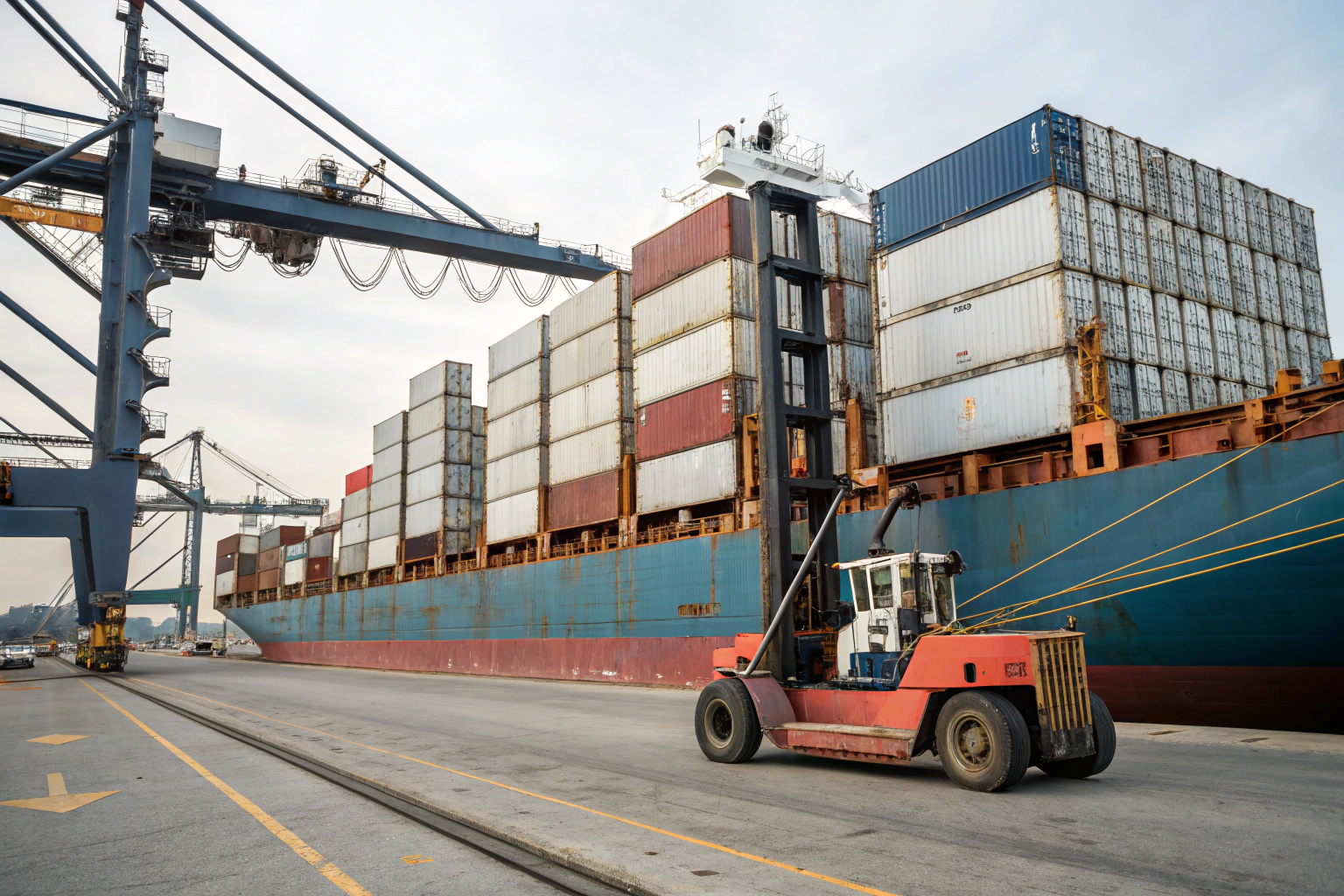
I learned about 3PL the hard way. Years ago, we shipped a full container of green coffee to a buyer in New Jersey. The coffee arrived on time. The buyer had no warehouse space. He had nowhere to put 40,000 pounds of beans. So the container sat at the port. Demurrage fees piled up every day. By the time he found storage, the extra cost ate most of his margin on that lot. That was a painful lesson. It taught me that great coffee is not enough. You also need great storage. That is where a 3PL comes in. A third-party logistics provider handles warehousing, inventory, and sometimes fulfillment. For green coffee importers, a good 3PL is not a luxury. It is a necessity. At BeanofCoffee, we work with buyers who use 3PLs every day. Let me explain how it all works.
So let me walk you through what a 3PL does, why it matters for green coffee, and how to choose one that protects your product and your money.
What Exactly Does a 3PL Do?
A 3PL is a company that manages part of your supply chain. For coffee importers, the main services are warehousing, inventory tracking, and order fulfillment. Some 3PLs also handle customs clearance, trucking, and labeling. So the range of services varies. The core idea is simple. You own the coffee. They store it and move it. You do not need to rent your own building. You do not need to hire your own warehouse staff. You pay for the space and the labor you use. This saves money for small and mid-size importers. It also gives you flexibility. If you grow, you can rent more space. If you shrink, you can rent less. That flexibility is worth a lot in a business with seasonal swings.
What services do coffee 3PLs usually offer?
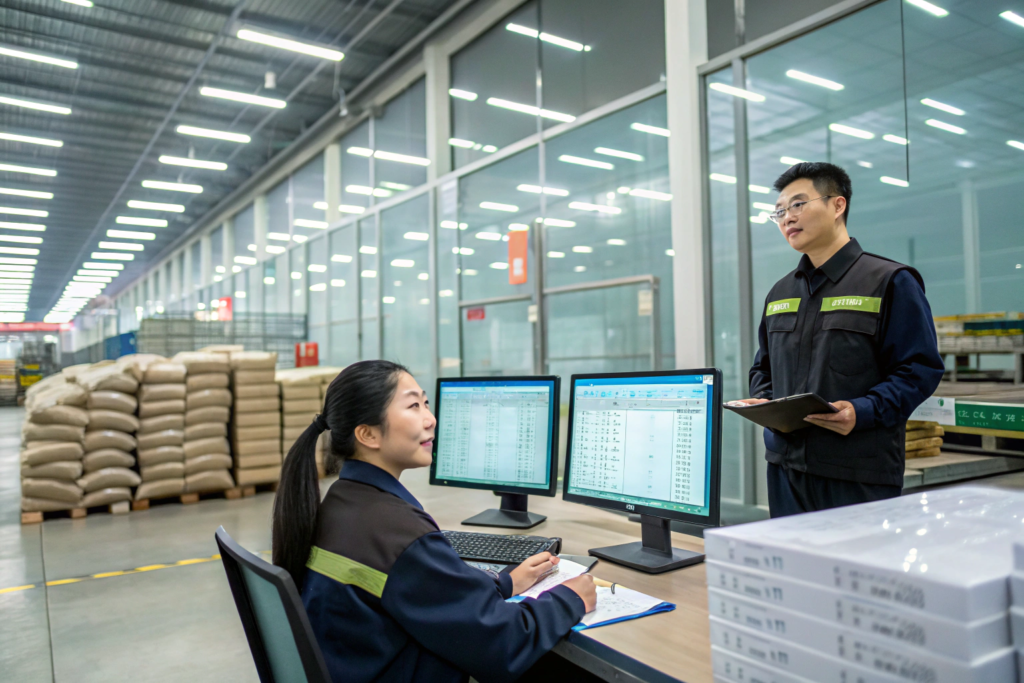
Coffee 3PLs usually offer a standard set of services. First, receiving. They accept your container and unload it. Second, storage. They keep your bags in a clean, dry space. Third, inventory management. They track how much coffee you have and where it sits. Fourth, order fulfillment. They pick, pack, and ship orders to your customers. Fifth, labeling and repacking. Some 3PLs can re-bag coffee or add your brand label. Sixth, customs and transportation. Some handle the paperwork and the trucking. So the services can be basic or full service. You choose what you need. That choice affects your cost. So think about your operation before you sign.
How is a 3PL different from a public warehouse?
A 3PL and a public warehouse are similar, but not the same. A public warehouse mainly stores goods. A 3PL does more. It manages inventory. It fulfills orders. It often uses software to track everything. So a 3PL is a service partner. A public warehouse is a storage space. For coffee, this difference matters. Green coffee needs careful handling. It needs rotation. It needs moisture control. A 3PL that knows coffee will do these things. A general public warehouse may not. So ask about experience. A 3PL with coffee clients understands the product. That knowledge protects your beans.
Why Is Green Coffee Storage So Important?
Green coffee is a living product. It breathes. It absorbs moisture. It absorbs odors. It changes over time. So storage is not passive. It is active. A good warehouse keeps the coffee cool and dry. It keeps the bags off the floor. It keeps the air moving. It also rotates stock so older coffee moves first. All of these things protect flavor. A bad warehouse does none of this. The coffee may get damp. It may pick up the smell of diesel or chemicals. It may sit for months without rotation. Then the roast tastes flat. The buyer blames the roaster. But the real problem was storage. So storage is part of quality control. It is not separate from it.
How do temperature and humidity affect green beans?
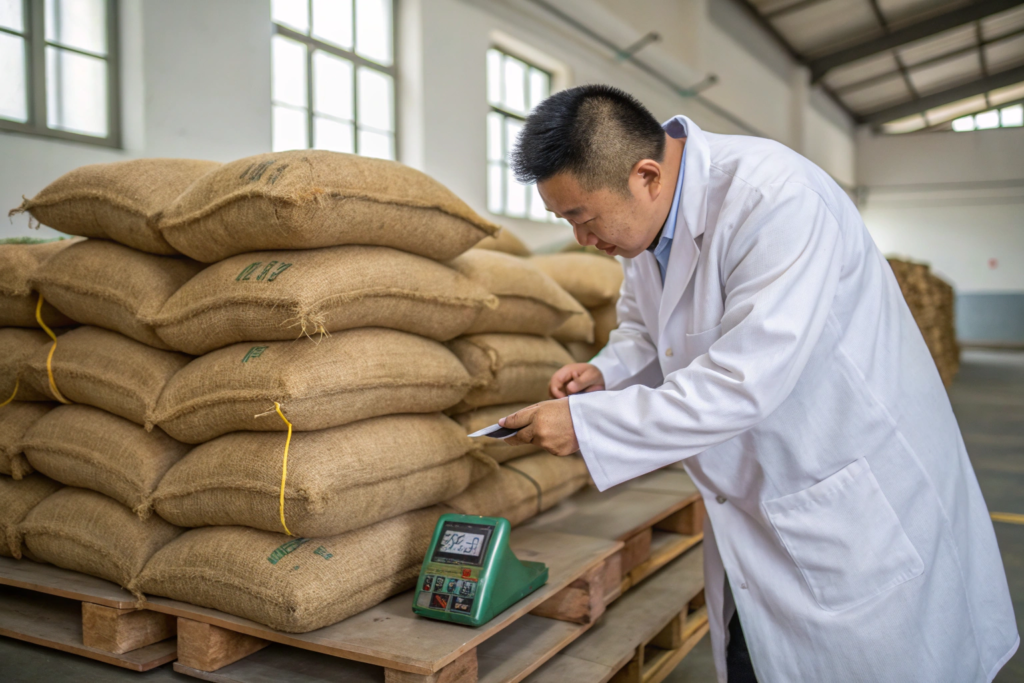
Temperature and humidity affect green beans in direct ways. If it is too hot, the beans age faster. They lose brightness. If it is too humid, they absorb water. That changes the roast. It can also cause mold. If it is too dry, the beans lose moisture and taste flat. So the ideal range is cool and stable. Many experts suggest around 60 to 70 degrees Fahrenheit. Humidity should stay moderate, not too high. A good 3PL monitors these numbers. It may use fans, dehumidifiers, or climate control. So ask about conditions. A warehouse without climate control may be fine in some regions. In others, it is a risk. Know your local climate before you choose.
Why does bag stacking and rotation matter?
Bag stacking and rotation matter for two reasons. First, airflow. If bags are stacked too high or too tight, air cannot move. Moisture can build up. So good warehouses use pallets and keep space between rows. Second, rotation. Older coffee should ship first. This is called FIFO, or first in, first out. If a warehouse ignores rotation, old coffee sits while new coffee ships. Then the old coffee goes stale. The buyer gets a bad lot. So rotation protects quality. It also protects your money. Coffee that sits too long loses value. So a good 3PL tracks arrival dates. It ships the oldest stock first. That simple habit saves buyers from loss.
How Do You Choose a 3PL for Coffee?
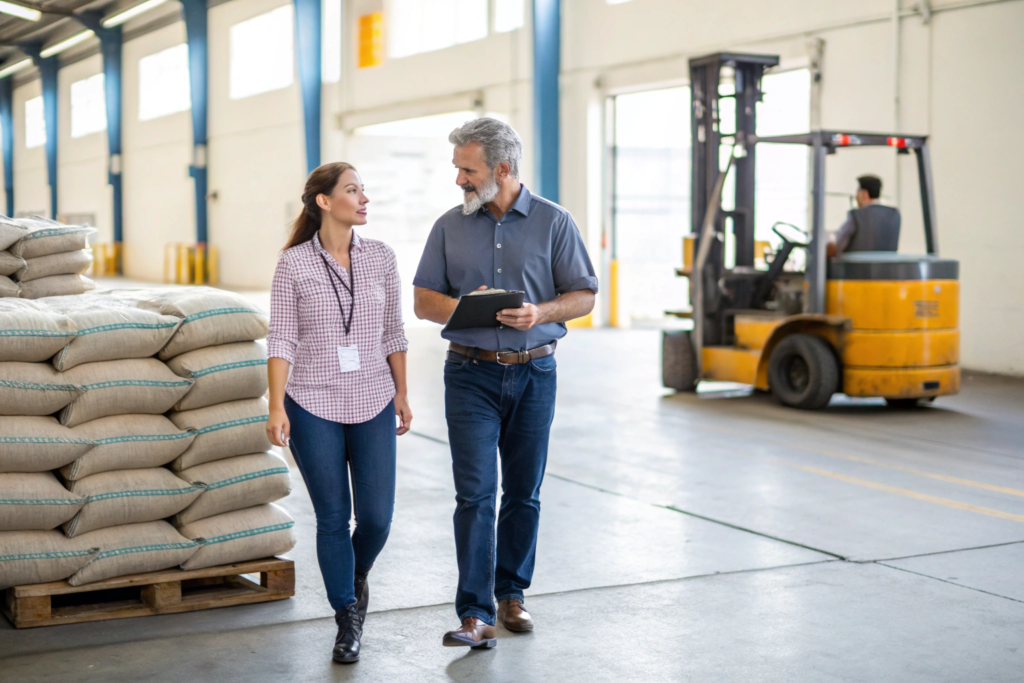
Choosing a 3PL takes careful work. Start with your needs. How much coffee do you store? How often do you ship? Do you need fulfillment or just storage? Then look for 3PLs that serve food products. Coffee is a food product. So food safety rules apply. Look for FDA registration and good warehouse practices. Ask about insurance. Ask about security. Ask about pest control. Then visit if you can. A visit shows you the real conditions. It shows you the team. It shows you how they work. If you cannot visit, ask for a video tour. Ask for references from other coffee importers. Their experience tells you more than any brochure.
What questions should you ask a 3PL?
You should ask many questions. What is the storage rate per pallet per month? What are the receiving fees? What are the pick and pack fees? Is there a minimum volume? How do you track inventory? Can I see my stock online? How do you handle damaged bags? What is your pest control process? Do you have climate control? What is your insurance coverage? How do you handle food safety rules? What is your lead time for outbound orders? These questions reveal the real cost and the real service. A good 3PL answers clearly. A bad one avoids details. So pay attention to the answers. They tell you what to expect.
How do 3PL costs usually work?
3PL costs usually have several parts. First, receiving. You pay per container or per pallet. Second, storage. You pay per pallet per month. Third, handling. You pay per order or per unit picked. Fourth, special services. Labeling, repacking, and returns cost extra. Some 3PLs also charge account setup fees. So the total cost can surprise you. Ask for a full quote. Ask for examples. Ask what is included and what is not. Then compare quotes side by side. Do not compare just one number. Compare the full picture. A cheap storage rate may hide high handling fees. So read the fine print. It protects your margin.
What Are the Risks of Poor 3PL Management?
Poor 3PL management creates real risks. The first risk is quality loss. Bad storage ruins good coffee. The second risk is inventory loss. Bags go missing. Counts do not match. The third risk is shipping errors. Orders go to the wrong address. The fourth risk is delay. Slow picking means late delivery. The fifth risk is cost creep. Hidden fees pile up. All of these risks hurt your business. So manage your 3PL closely. Check inventory reports. Visit when you can. Ask questions when numbers look wrong. A good relationship needs attention. It is not set and forget. So stay involved. Your coffee and your money depend on it.
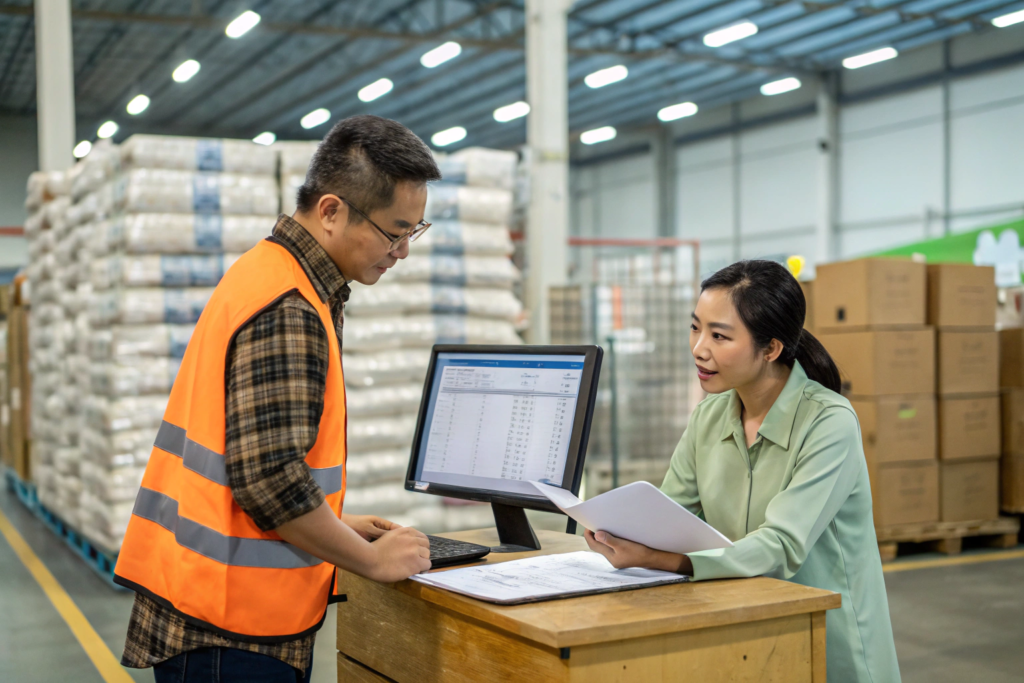
How do you prevent inventory loss and damage?
You prevent loss and damage with clear rules and regular checks. First, require photos at receiving. Photos show the condition of every pallet. Second, require monthly inventory reports. Compare them to your records. Third, require a damage report for any torn or wet bag. Fourth, set a rule for handling damaged coffee. Some 3PLs will repack it. Some will discard it. You decide. Fifth, insure your stock. Insurance covers fire, theft, and water damage. These steps cost little. But they save a lot. A missing pallet can cost thousands of dollars. So protect your stock. Do not assume it is safe.
How do you handle shipping and fulfillment errors?
You handle shipping errors with clear processes. First, require order confirmations. Every order should have a paper trail. Second, require tracking numbers. You should know where every shipment is. Third, set a rule for errors. Who pays for a wrong shipment? Who fixes it? Put this in the contract. Fourth, review errors monthly. Look for patterns. If one picker makes many mistakes, the 3PL should train them. If the software fails, the 3PL should fix it. Fifth, keep your own records. Do not rely only on the 3PL. Your records are your backup. They help you catch problems early. So stay organized. It pays off.
Conclusion
A 3PL is more than a storage space. It is a partner in your supply chain. It protects your coffee. It tracks your stock. It ships your orders. It helps you grow without buying a building. But it also carries risk. So choose carefully. Ask the right questions. Check the facility. Review the contract. Manage the relationship. Do these things, and your 3PL becomes a strength. Ignore them, and it becomes a weakness. We work with buyers who use 3PLs in the U.S., Europe, and Australia. We also help with the export side, so your container arrives clean and ready. If you need green coffee from China and want help planning the logistics, we can support you. Please contact Cathy Cai at cathy@beanofcoffee.com to discuss your order with BeanofCoffee. We will help you build a supply chain that works from farm to warehouse.