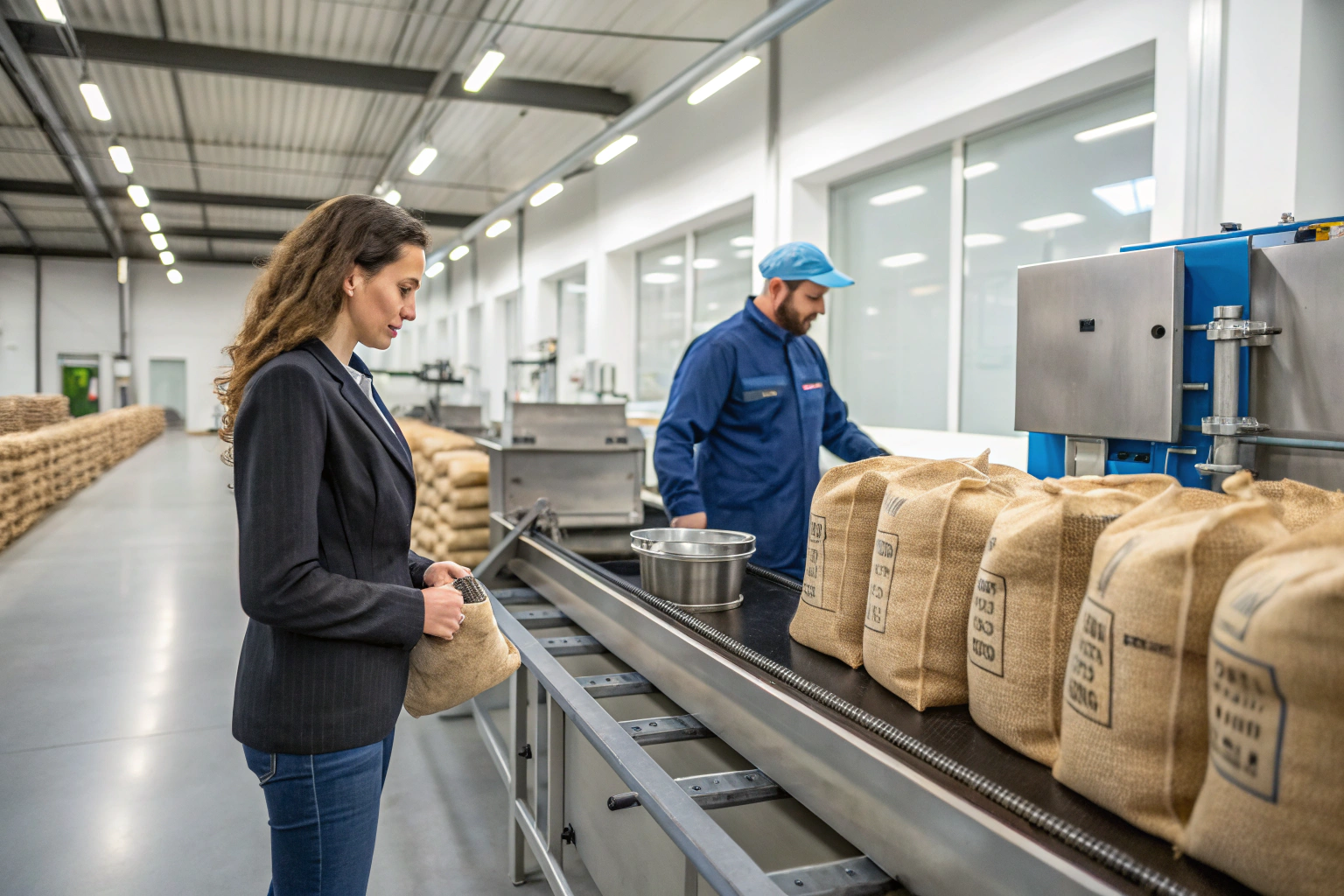
Three years ago, a woman from Texas emailed me with a great idea. She wanted to launch her own coffee brand. She had a logo, a website, and a small social media following. She had everything except coffee. She did not own a roaster. She did not own a packing line. She asked me a simple question. "Can someone else roast and pack this for me?" The answer is yes. That someone is called a co-packer. Finding the right one can make your brand. Finding the wrong one can break it. I have seen both happen. At BeanofCoffee, we work with brand owners every month, and we also offer roasting and packing services from our base in Yunnan. So let me share what I have learned about this process.
So let me walk you through how to find a co-packer, what to ask, and how to avoid the mistakes that cost new brands real money.
What Is a Coffee Co-Packer?
A coffee co-packer is a company that roasts, grinds, and packs coffee for your brand. You own the brand. They own the equipment and the labor. You pay them a fee for each batch or each unit. This lets you launch without buying a roaster or a packing line. A roaster can cost tens of thousands of dollars. A packing line can cost even more. A co-packer removes that barrier. You focus on marketing and sales. They focus on production. It is a simple partnership. It is also common in the food industry. Many snack brands, sauce brands, and drink brands use co-packers. Coffee is no different. So if you want to start small, a co-packer is a smart first step.
What services does a co-packer provide?
A co-packer can provide many services. The most common are roasting, grinding, and packing. Some also offer blending, flavoring, and private labeling. Private labeling means they put your label on their bag. Some co-packers also help with sourcing green coffee. Others only work with coffee you provide. Some handle warehousing and shipping. Others do not. So the range of services varies. You need to know what you want before you start talking. Do you want just roasting and packing? Do you want full service from green bean to finished box? The answer changes which co-packer fits you.
How is a co-packer different from a private label roaster?
A co-packer and a private label roaster are similar, but not the same. A private label roaster usually has its own brand and also sells under your label. A co-packer usually focuses only on production. It does not compete with you. It just makes your product. Some companies do both. So the line can blur. The key question is this. Does the co-packer sell its own coffee in the same market? If yes, you may be competing with your own supplier. That is not always a problem. But you should know it. I always tell brand owners to ask this question early. It saves awkward surprises later.
How Do You Find the Right Co-Packer?
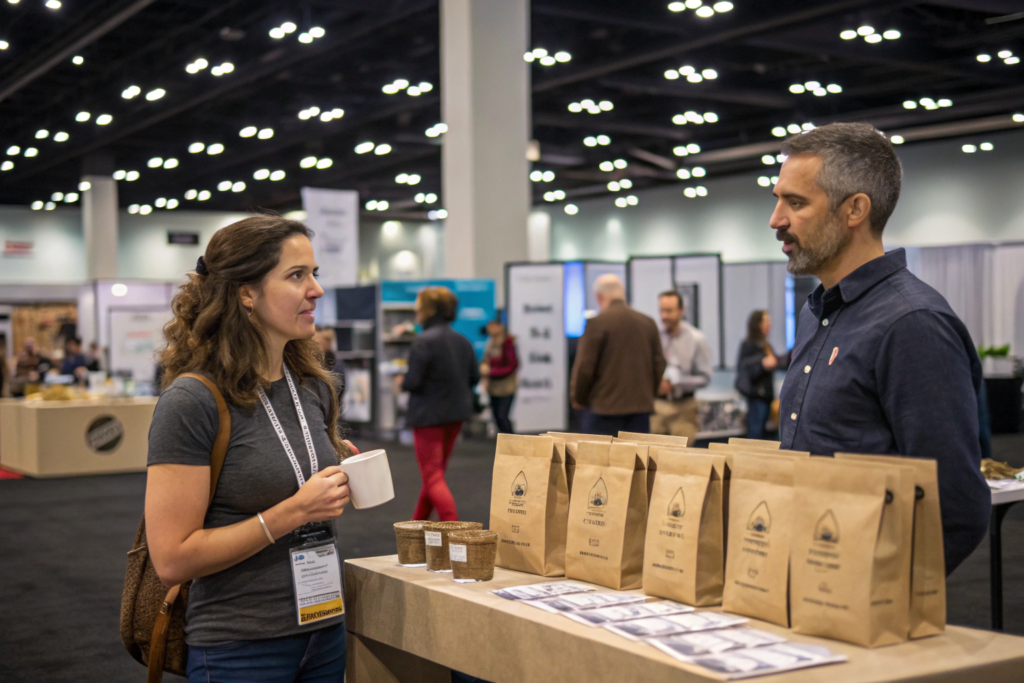
Finding the right co-packer takes research. Start with a clear list of your needs. Then search for companies that match. You can look on Google for "coffee co-packer" plus your region. You can ask other brand owners for referrals. You can visit trade shows and talk to suppliers. You can also look at co-packers that work with your target market. If you sell in the U.S., you may want a U.S. co-packer for speed. If you sell online and ship worldwide, an overseas co-packer may save money. We work with brand owners who want both options. Some want U.S. packing. Some want Yunnan packing. It depends on their volume and their margin.
Should you choose a local or overseas co-packer?
This depends on your business. A local co-packer is faster. Shipping is short. Communication is easy. You can visit the facility. But costs are higher. An overseas co-packer is cheaper. Labor and overhead are lower. But shipping takes longer. Communication can be harder. You may also face tariffs and customs rules. So think about your volume. If you sell small batches to local cafes, local may be better. If you sell large volumes online, overseas may save money. Another way to look at this is speed versus cost. You must choose which one matters more for your brand.
What should you ask before signing a contract?
You should ask many questions before signing. Here are the most important ones. What is the minimum order quantity? What is the price per unit? What is the lead time? What roast profiles can they handle? What bag sizes and formats do they offer? Do they help with labeling and design? Who owns the recipe and the roast profile? What happens if a batch fails quality control? What are the payment terms? Do they offer samples before full production? These questions protect you. A good co-packer will answer them clearly. A bad one will avoid them. So pay attention to how they respond.
What Are the Costs and Minimums?
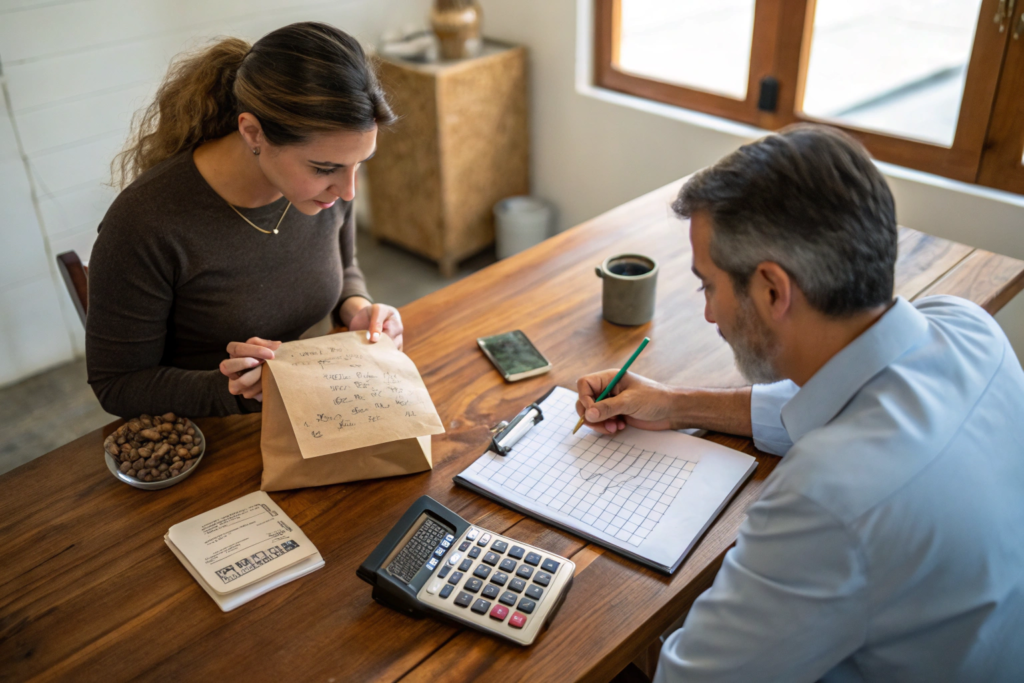
Costs and minimums are the biggest surprises for new brands. Many co-packers require a minimum order. That minimum can be 500 pounds, 1,000 pounds, or more. Some require a minimum number of bags. Some charge setup fees for a new roast profile. Some charge for label design and proofing. Some charge for storage. So the price per unit is not the whole cost. You must add these fees. I always tell brand owners to ask for a full quote. Not just a price per pound. A full quote shows the real number. Then you can compare co-packers fairly. Do not compare apples to oranges. Compare full quotes to full quotes.
What is a typical minimum order quantity?
Minimum order quantities vary a lot. Small local co-packers may accept 200 to 500 pounds. Larger ones may require 2,000 pounds or more. Some co-packers work in units. They may require 1,000 bags minimum. Others require a full pallet. So the range is wide. For a new brand, a lower minimum is better. It lets you test the market. It also reduces your cash risk. If you order too much and the product does not sell, you lose money. So start small if you can. Then grow with your sales. A good co-packer will support that approach.
How do setup fees and labeling costs work?
Setup fees cover the work to start your product. This includes developing a roast profile, testing, and calibrating machines. Some co-packers charge a flat fee. Some charge hourly. Some waive the fee for large orders. Labeling costs depend on the design. If you provide a print-ready label, the cost is lower. If the co-packer designs it, the cost is higher. Some co-packers print labels in-house. Others use outside printers. So ask who handles printing. Also ask about label approval. You want to see a proof before the full run. A bad label on 1,000 bags is a costly mistake.
How Do You Vet a Co-Packer?
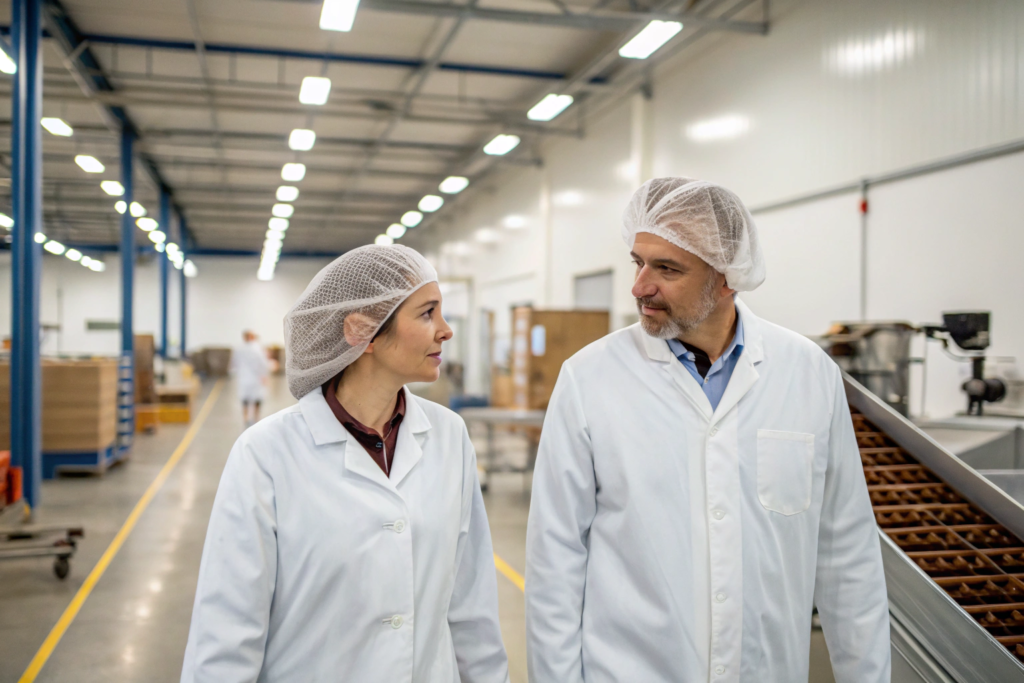
Vetting a co-packer takes more than a phone call. You should visit if you can. A visit shows you the facility. It shows you the equipment. It shows you the cleanliness. It shows you the team. If you cannot visit, ask for a video tour. Ask for references from other brands. Call those references. Ask about quality, timeliness, and communication. Ask about problems and how they were solved. Every business has problems. What matters is how they handle them. A co-packer that hides problems is a risk. A co-packer that talks about them openly is a partner. So vet carefully. This decision affects your brand for years.
What certifications should a co-packer have?
Certifications matter for food safety and market access. Look for FDA registration if you sell in the U.S. Look for food safety certifications like HACCP or SQF. If you sell organic coffee, the co-packer needs organic certification. If you sell to Europe, you may need other documents. Certifications show that the facility meets basic standards. They also help you avoid legal problems. So ask for copies. Check that they are current. Do not just take a verbal promise. Paper proof matters. It protects you and your customers.
How do you check quality and consistency?
You check quality and consistency with samples and tests. Ask for a sample batch before full production. Cup the coffee. Check the roast level. Check the seal on the bag. Check the label. Then order a small run. Cup it again. Compare it to the first sample. If it matches, the co-packer is consistent. If it does not, ask why. Also ask how they track batches. A good co-packer keeps records. They can tell you which lot went into which bag. This matters if a customer complains. Traceability protects your brand. So make it a requirement.
What Are the Common Mistakes to Avoid?
New brand owners make common mistakes. The first is choosing on price alone. The cheapest co-packer may cut corners. The second is skipping the sample. Never skip the sample. The third is ignoring the contract. Read every line. Ask about exclusivity, ownership, and termination. The fourth is ordering too much inventory. Start small. Grow with demand. The fifth is poor communication. Tell your co-packer your deadlines. Tell them your quality standards. Tell them your plans. A good relationship needs clear talk. So avoid these mistakes. They cost time and money. And they can hurt your brand before it even starts.
Why is the cheapest option often risky?
The cheapest option is often risky because quality costs money. Good equipment costs money. Trained staff costs money. Testing costs money. If a co-packer charges very little, they may skip steps. They may use older machines. They may rush production. They may not test enough. So the cheap price can lead to bad coffee. Bad coffee leads to bad reviews. Bad reviews kill new brands. So do not chase the lowest price. Chase the best value. Value means good quality at a fair price. That is the right target.
How do you build a long-term partnership?
You build a long-term partnership with respect and communication. Pay on time. Give clear feedback. Share your sales data if you can. This helps the co-packer plan. It also helps them serve you better. Visit when you can. Say thank you when they do good work. And be honest when something goes wrong. A partnership is not just a contract. It is a relationship. The best co-packers treat their brand partners like teammates. The best brand owners do the same. So invest in the relationship. It pays off over time.
Conclusion
Finding a coffee co-packer is not hard. Finding the right one takes work. You need to know your needs. You need to ask the right questions. You need to check quality, certifications, and references. You need to avoid the common mistakes. Do these things, and you can launch your brand without buying a roastery. We work with brand owners every day at BeanofCoffee. We can roast and pack under your label in Yunnan. We can also help you source green coffee and manage logistics. If you want to launch a coffee brand, we can help. Please contact Cathy Cai at cathy@beanofcoffee.com to discuss your project with BeanofCoffee. We will share our services, our minimums, and our sample process with you.