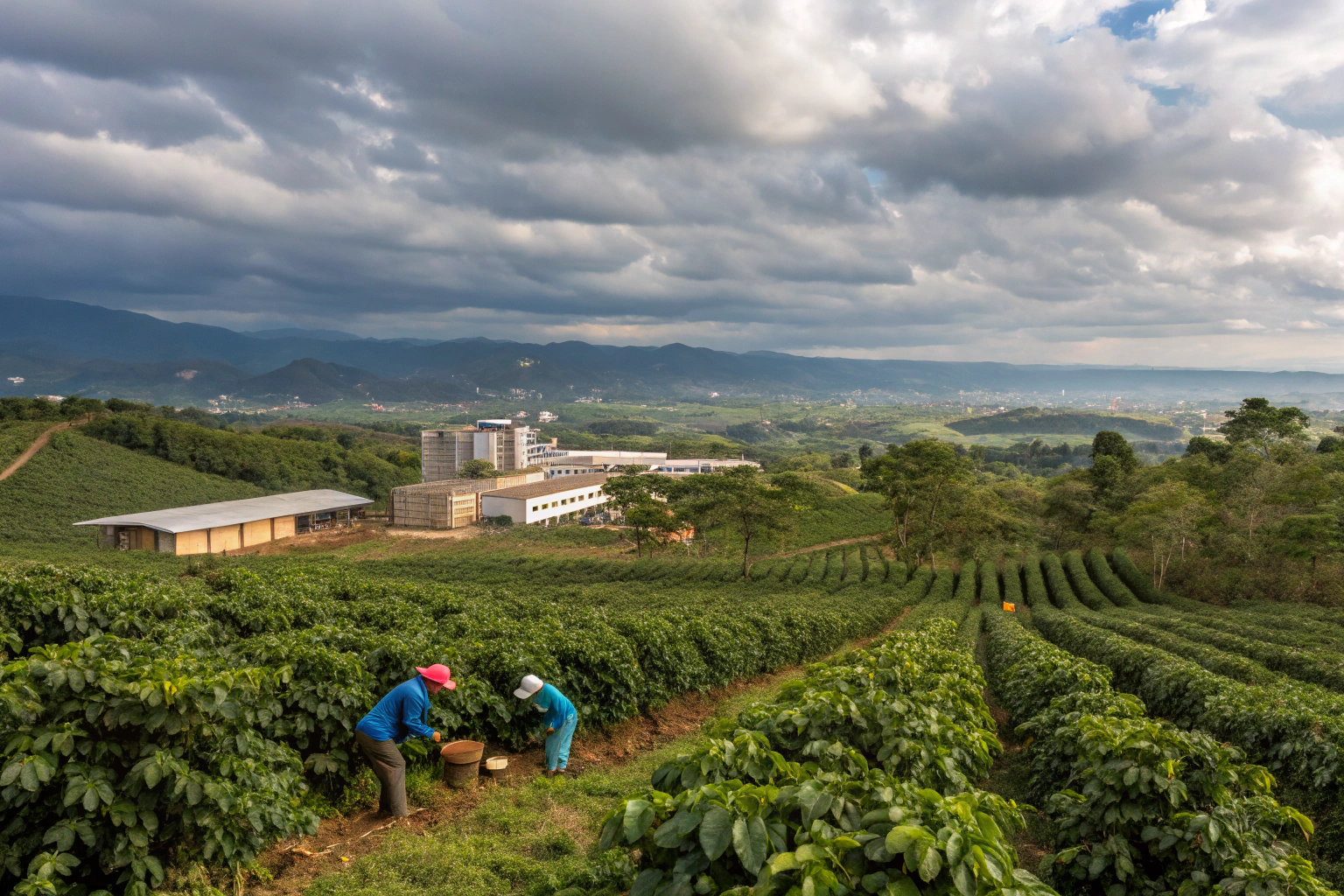
Let's be blunt. A few years ago, "sustainable" sourcing for a cafe was a niche talking point, maybe a line on the menu. Today, it's a core expectation. Your customers—especially millennials and Gen Z—are not just asking for great coffee; they're asking where it comes from and what it costs the planet. For a cafe owner or a brand buyer like Ron, this isn't just about ethics anymore; it's about market relevance, risk management, and long-term viability. The pressure is real: How do you navigate terms like "carbon-neutral," "regenerative," and "fair trade" without greenwashing? And more importantly, how do you do it without destroying your margins?
The trend is moving from vague commitment to measurable, verifiable action. It's no longer enough to buy a coffee with a single certification sticker. The leading edge is about building a transparent, low-carbon supply chain from the farm to the cup, and being able to prove it. This involves three converging forces: consumer demand for accountability, new technologies enabling traceability, and the stark reality of climate change threatening coffee production itself. For a supplier like us at BeanofCoffee, with 10,000 acres in Yunnan, sustainability is not a marketing add-on; it's an operational imperative to secure the future of our crop and our partnerships. The trend is toward partnerships, not purchases.
So, if you feel the expectation shifting but aren't sure how to respond strategically, you're not alone. This is the new landscape of coffee sourcing. Let's map it out.
Why is Carbon-Neutral Coffee Becoming a Non-Negotiable Goal?
Carbon neutrality means achieving a net-zero release of carbon dioxide into the atmosphere from a product's lifecycle. For coffee, this means accounting for emissions from farming, processing, milling, shipping, roasting, and even brewing. The goal isn't to have zero emissions (impossible) but to measure them accurately and offset the remainder through verified projects. Why is this trending now? Because the climate math is inescapable. Coffee is both a victim and a contributor to climate change, and the market is starting to price that in.
For you, the cafe or brand, sourcing carbon-neutral beans is a powerful hedge against two risks: consumer rejection and supply chain instability. A growing segment of consumers actively chooses—and pays more for—brands that demonstrate climate responsibility. More critically, the very regions that grow coffee are facing existential threats from rising temperatures, erratic rainfall, and new pests. A sourcing strategy that doesn't actively support climate-resilient farming is a strategy built on quicksand. The trend is moving from offsetting alone (like planting trees) to actual emissions reduction within the supply chain: using renewable energy at the mill, optimizing ocean freight over air, and adopting regenerative farming practices that sequester carbon in the soil of the coffee farm itself.
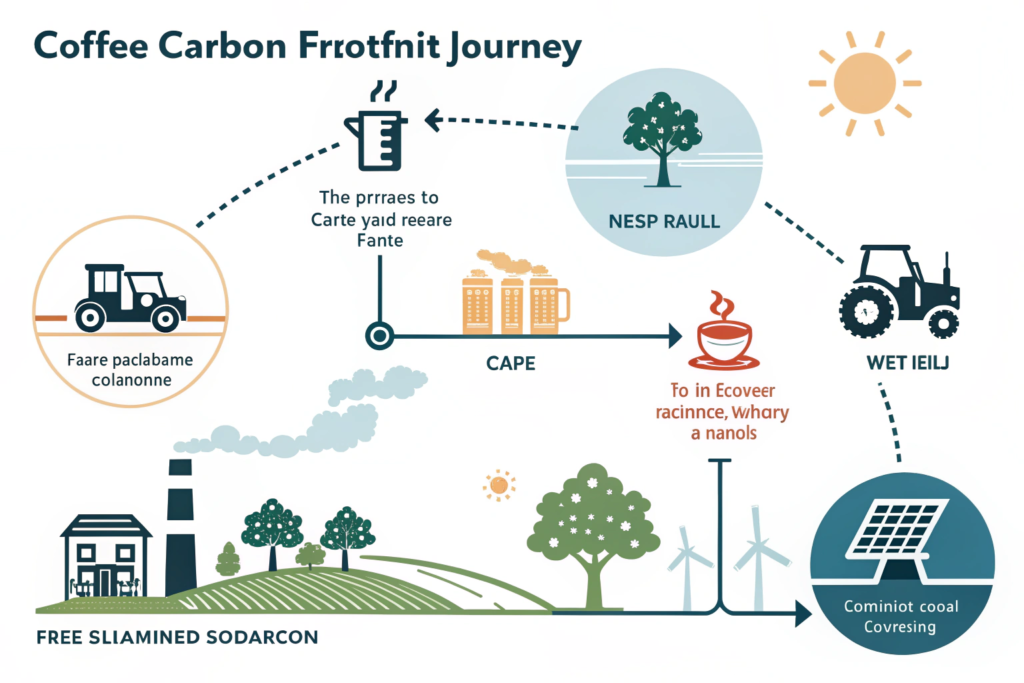
How is carbon footprint actually measured for a bag of coffee?
This is where it gets technical—and credible. The process is called a Life Cycle Assessment (LCA). Specialist firms or sustainability platforms work with the supply chain partners to collect data: fuel used on the farm, electricity at the wet mill, transportation distances and modes, etc. This data is used to calculate a carbon dioxide equivalent (CO2e) number per kilogram of green coffee. The most credible claims are backed by a third-party verified LCA report. At BeanofCoffee, we are working with partners to measure our baseline footprint from our Yunnan plantations through to the port of export. This allows us to provide our clients with a transparent emissions figure for our beans, which they can then add their roasting and distribution emissions to. It's about shared data, not vague claims.
What's the difference between carbon-neutral and regenerative agriculture?
This is a key distinction. Carbon-neutral focuses on the accounting of emissions, balancing outputs with offsets. Regenerative agriculture is an active farming methodology that improves the ecosystem. It involves practices like planting shade trees (which sequester carbon), composting pulp waste, using cover crops to enrich soil, and reducing tillage. Regenerative farming not only reduces the farm's carbon footprint but can make it a carbon sink. The trend is toward sourcing coffee grown with regenerative practices, which then has a lower inherent footprint to offset. It's a more holistic, long-term solution. We are implementing such practices on our farms because they lead to healthier soil and more resilient trees—outcomes that directly benefit the quality and stability of your supply.
How is Technology Enforcing Transparency and Traceability?
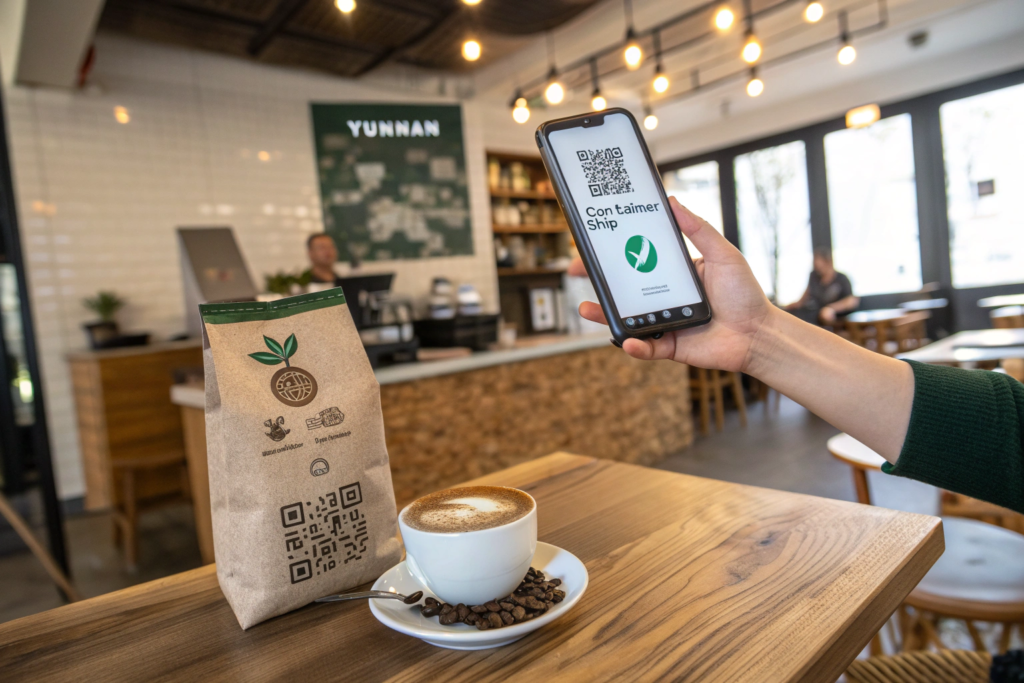
"Sustainable" claims are under intense scrutiny. The old model of a paper certificate is no longer enough. The trend is toward digital, immutable proof that follows the bean. Consumers and buyers want to scan a code and see the journey, the faces, and the data. This is where blockchain, IoT sensors, and satellite imagery are revolutionizing trust.
Imagine this: You buy our Yunnan Arabica. On the bag is a QR code. When scanned, it opens a dashboard showing: a map of the exact farm plot, the harvest date, photos of the shade trees, data on water usage reduction at the wet mill, the carbon footprint of the ocean freight leg, and the digital copy of the fair trade premium payment receipt. This isn't science fiction; it's the emerging standard for premium sustainable sourcing. This level of supply chain transparency does two things for you: 1) It provides marketing ammunition that is fraud-resistant, and 2) It allows you to identify and tackle hotspots in your own carbon footprint (e.g., choosing a supplier closer to a port to reduce trucking emissions). For us, this technology allows us to differentiate our truly sustainable practices from superficial marketing.
How do IoT sensors and drones contribute to sustainable sourcing?
Technology enables precision at the farm level, which is the foundation of sustainability. Soil moisture sensors prevent over-irrigation, saving water. Multispectral drones can identify nutrient deficiencies in specific zones, allowing for targeted (reduced) fertilizer application. GPS tracking on farm machinery optimizes fuel use. When we deploy these on our plantations, we're not just improving yield; we're creating a data trail that proves efficient resource management. This data can be integrated into the traceability story for the end-buyer, moving sustainability from an anecdote to a dataset.
Can blockchain prevent greenwashing in coffee?
Absolutely. Blockchain's core feature is that once data is entered (e.g., "Lot #123 certified organic by agency X on date Y"), it cannot be altered or forged. This creates a chain of custody for claims. If a farm's organic certification lapses, that fact is permanently recorded. When you buy a bag linked to that blockchain, you can verify every step's compliance. This technology is making it increasingly difficult for bad actors to make false claims, raising the bar for everyone. It protects your brand from being associated with a sustainability scandal. We see this as the future of verifying all our certifications and social impact claims.
What Does the "Farm-to-Cafe" Partnership Model Look Like Now?
The transactional buyer-supplier relationship is fading. The trend is toward strategic partnerships where the cafe or roaster invests in the long-term health of the farming community. This goes beyond paying a fair trade premium. It's about shared risk, co-investment in infrastructure, and collaborative problem-solving.
This new model might involve:
- Cost-Plus / Shared Value Models: Agreeing on a price that covers sustainable production costs plus a guaranteed profit margin for the farmer, rather than just negotiating down from the commodity market price.
- Pre-Financing Harvests: Providing capital to farmers before the harvest to improve their cash flow and reduce pressure to cut corners.
- Direct Investment in Farm Resilience: Funding the planting of shade trees, building water catchment systems, or subsidizing organic certification.
For a company like ours, this means working with our clients not as order-takers, but as partners in projects. For example, a cafe chain might partner with us to fund a specific water conservation project across 500 acres of our farm. In return, they get exclusive rights to the coffee from that plot and a powerful, authentic story. This model directly addresses the ultimate pain point: securing a high-quality, stable supply for years to come by ensuring the producing community is thriving.
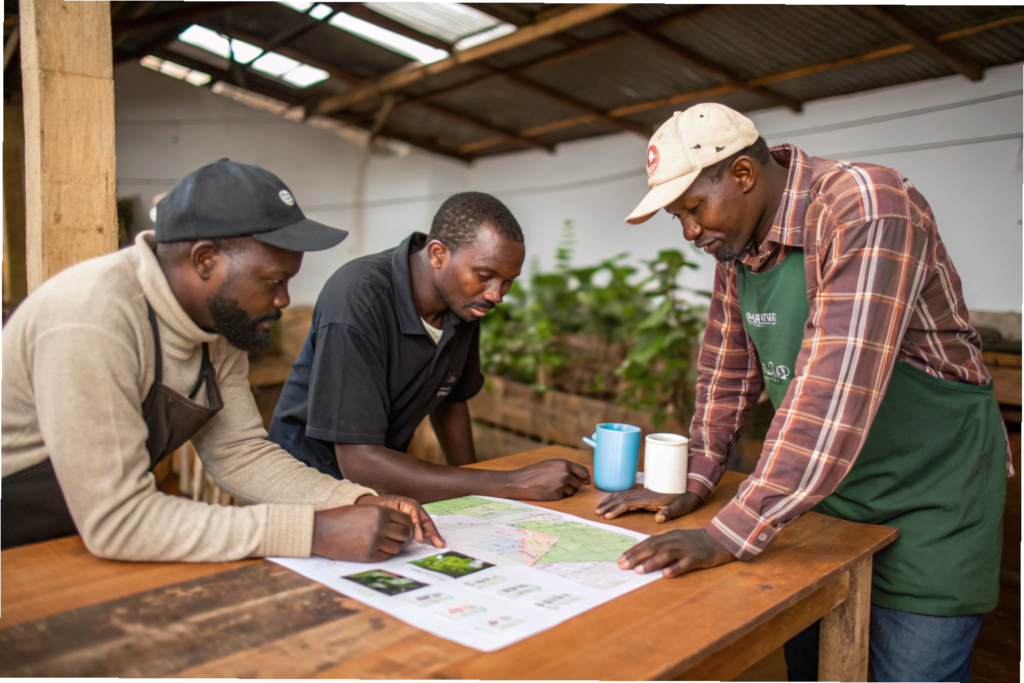
How does direct plantation ownership, like BeanofCoffee's, facilitate this?
Ownership changes the game. As the landowner and employer, we have direct control over farming practices, labor conditions, and environmental stewardship. We don't have to convince hundreds of smallholders to change; we implement change across our entire operation. This allows us to offer partners a vertically integrated sustainability package: from carbon-sequestering soil management on our land, to solar panels on our processing mill, to educated, well-compensated workers. When you partner with Shanghai Fumao, you are engaging with a single, accountable entity that manages the entire sustainable value chain. This simplifies partnership and amplifies impact.
What are the real costs and ROI of deep sustainable sourcing?
The initial cost is higher. Paying for true sustainability—fair wages, organic certification, carbon footprint verification—adds to the FOB price. However, the ROI comes in multiple forms:
- Brand Value & Customer Loyalty: Allows you to charge a premium and attract a growing consumer segment.
- Supply Security: Investing in farm resilience protects you from future price spikes caused by climate-related crop failures.
- Risk Mitigation: Reduces exposure to reputational damage from supply chain scandals.
The trend is recognizing this as a strategic cost of doing business, not a charitable expense. It's an investment in your brand's future and the future of coffee itself.
How are Certifications Evolving Beyond the Sticker?
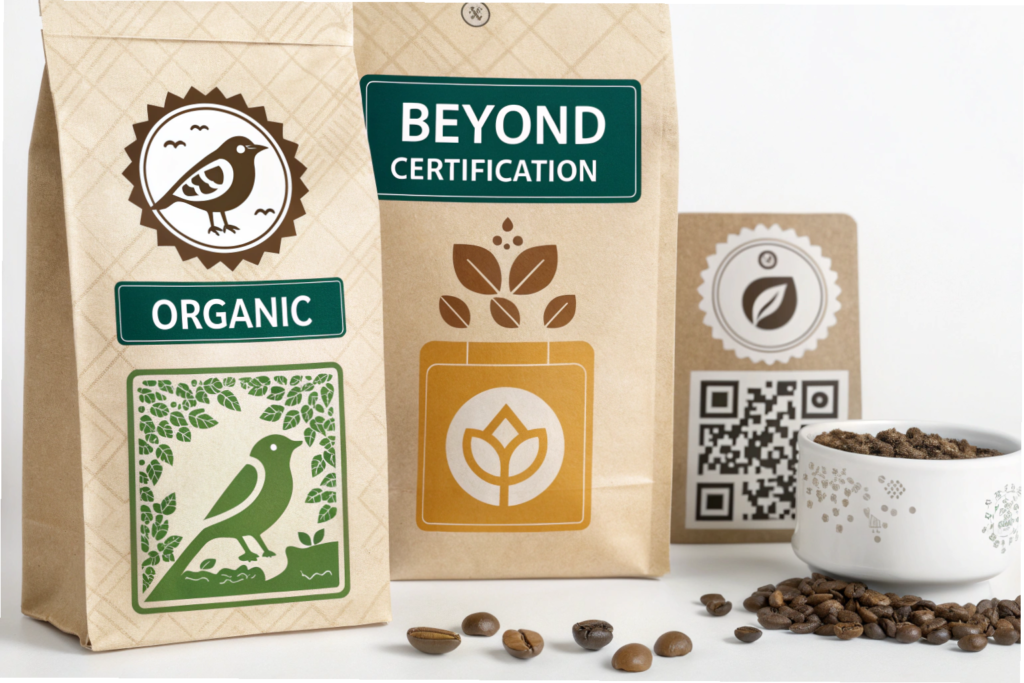
Certifications like Fair Trade, Organic, and Rainforest Alliance are now table stakes—they are expected, but no longer unique. The trend is toward stacked certifications and beyond-certification initiatives that address specific, deeper issues.
Look for certifications now focusing on:
- Climate Neutral Certified: Specifically verifies carbon footprint measurement and offsetting.
- Bird Friendly (Smithsonian): The gold standard for shade-grown coffee, often exceeding organic requirements.
- Living Income Promise: Focuses on ensuring farmers actually earn enough to cover a decent standard of living, not just a "premium."
Furthermore, many leading brands are developing their own internal sustainability scorecards that hold suppliers to a stricter, more comprehensive set of criteria than any single public certification. They audit for water management, gender equity, waste recycling, and biodiversity. As a supplier, we are prepared for this. We maintain the standard certifications for market access, but we also track the deeper metrics that sophisticated partners are starting to demand.
Is "Direct Trade" automatically sustainable?
Not necessarily. "Direct Trade" is a sourcing model (buying straight from the farm), not a sustainability standard. It offers the potential for greater transparency and fairer prices, but it lacks independent verification. A roaster can call their coffee "Direct Trade" without proving any environmental or social benefits. The trend is now "Verified Direct Trade" or "Relationship Coffee," where the direct relationship is used as a channel to implement and prove measurable sustainable practices, often backed by shared data and third-party audits. This is the model we advocate for.
How should a cafe buyer evaluate a supplier's true sustainability?
Move beyond the certificate PDF. Ask for:
- "Can you provide the most recent third-party audit report for your social and environmental practices?"
- "What is your current carbon footprint per kg for this lot, and what are you doing to reduce it?"
- "Can I see the data on your water usage and recycling at the mill?"
- "What is your policy and proof of payment for living wages?"
A transparent, credible supplier will have this information ready or be actively working to provide it. We are compiling this dossier for our partners because we know it's the new language of B2B coffee sourcing.
Conclusion
The trend for sustainable and carbon-neutral cafe bean sourcing is crystalizing into a demand for radical transparency, measurable action, and deep partnership. It's a shift from marketing-led storytelling to data-led verification. The goal is no longer just to "be sustainable," but to build a supply chain that is visibly resilient, equitable, and ready for the future.
For cafes and brands, this means choosing suppliers who are not just sellers of beans, but stewards of land and community, and who can prove it with hard evidence. It's the most reliable way to future-proof your business against climate risk and evolving consumer ethics.
Ready to source with impact and integrity? BeanofCoffee offers traceable, sustainably grown coffee from our owned plantations, with the data to back it up. Let's build a transparent partnership for the future. Contact Cathy Cai to discuss our sustainability dossier and sample our coffee: cathy@beanofcoffee.com. Your values, roasted.