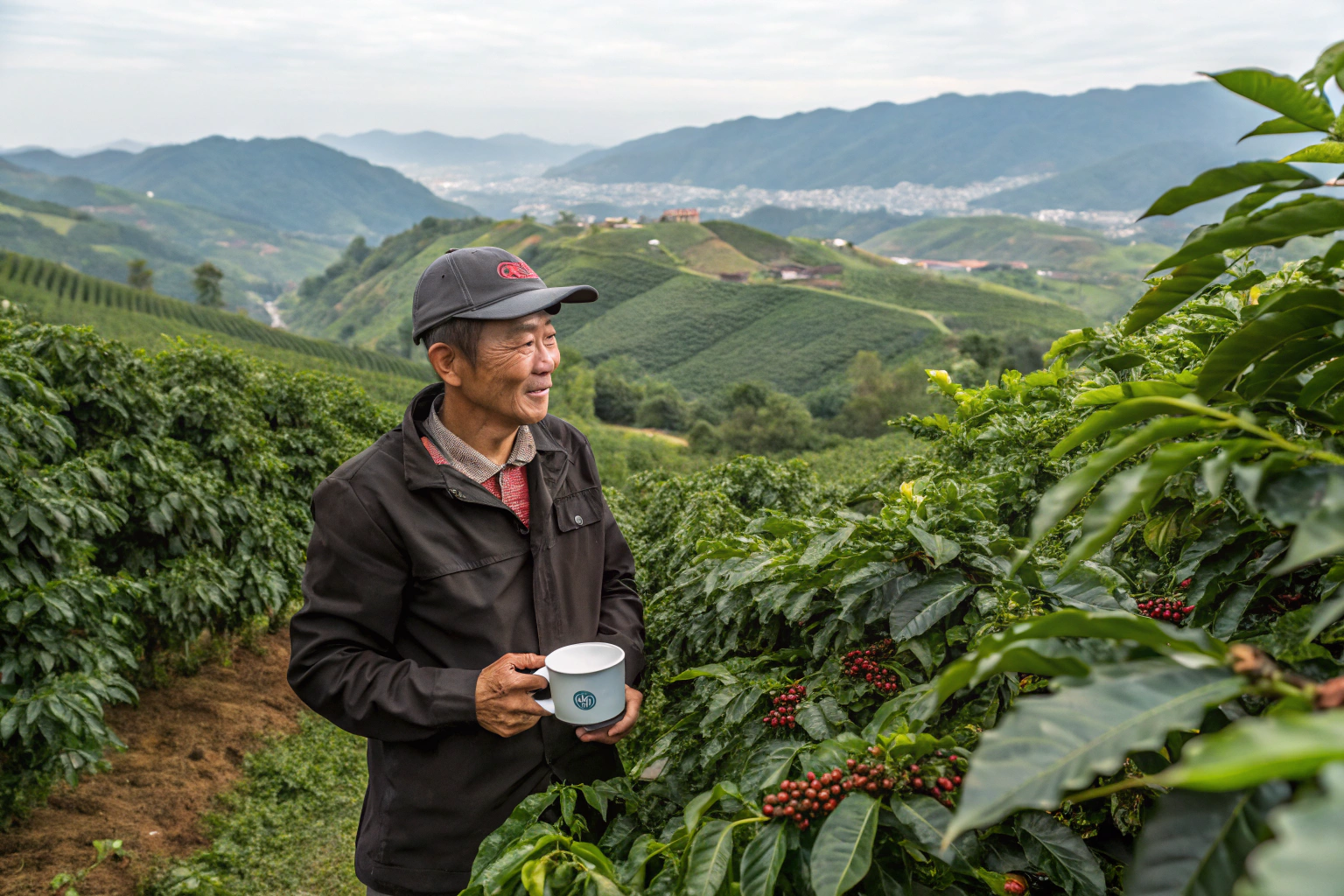
I run BeanofCoffee, a coffee exporter in Yunnan, China. We own more than 10,000 acres in Baoshan City. We sell Catimor, Arabica, and Robusta to North America, Europe, and Australia. I have closed small deals by email. I have closed big deals at coffee events. The difference is real. At an event, you can look a buyer in the eye. You can hand them a cup. You can smell the coffee together. You can talk about price, shipping, and quality in one room. That speed builds trust.
Coffee events are the best place to seal big deals because they bring serious buyers, real samples, and decision makers into one room. You can compare quality side by side. You can solve problems face to face. You can agree on price, volume, and shipping faster than weeks of emails. A handshake at an event is not a legal contract. But it is a strong start.
So, what does this mean for a buyer like Ron? Ron is 44. He owns a company in America. He cares about price and timeliness. He finds suppliers at trade shows, Google, Alibaba, and AI. He wants quality control, certification, logistics, and safe payment. A coffee event answers those needs in person. You can ask hard questions. You can taste the coffee. You can meet the team. That is why events still matter in a digital world.
Why Do Coffee Events Attract Serious Buyers?
Ron once told me he hates wasted time. He does not want to fly across the world for small talk. I understand that. A bad event is just noise. But a good event is a filter. It pulls together people who already care about coffee. It pulls together roasters, importers, distributors, and brand owners. It also pulls together suppliers like us. So the room is full of people who can say yes. That is the first reason events work.
Coffee events attract serious buyers because the cost of entry is high. A buyer must pay for travel, time, and hotel. So most people in the room are not curious tourists. They are there to buy, sell, learn, or partner. Events also host cupping sessions, equipment demos, and business matchmaking. These activities bring real decision makers together.
Another way to look at this is to compare an event to a farm visit. You cannot fully know a supplier from a catalog. You need to see how they act. Do they show up on time? Do they know their own coffee? Do they answer hard questions? Do they follow up? An event gives you a short, intense test. At BeanofCoffee, we treat every event like a job interview. We bring samples. We bring test reports. We bring our export story. We do not hide behind a screen.
What Makes Coffee Events Different from Online Sourcing?
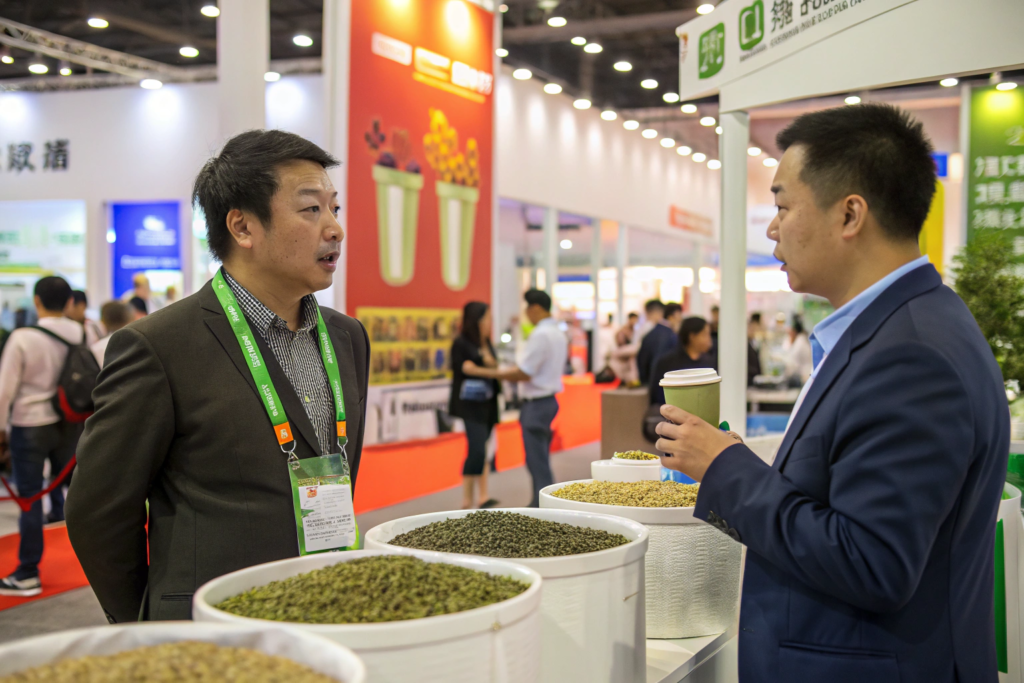
Online sourcing is fast. You can search, click, and send a message in minutes. But online sourcing has a trust gap. You cannot taste the coffee. You cannot see the team. You cannot read the room. Coffee events close that gap. You can cup the coffee at the booth. You can ask about moisture, defects, and screen size. You can meet the farmer or the export manager. You can also meet other buyers. The Specialty Coffee Expo and World of Coffee are good examples. They bring the global coffee chain into one place.
At an event, you also get context. You learn what price other buyers are seeing. You learn which origins are short. You learn which shipping routes are slow. That context helps you negotiate. Online, you may only see one supplier’s story. At an event, you see the whole market. That is a big difference. It helps you avoid a bad deal. It also helps you spot a good deal early.
How Do You Spot Real Decision Makers at a Coffee Event?
You spot real decision makers by watching how they spend their time. A real buyer asks about volume, shipping, and payment. A real buyer brings a team. A real buyer takes samples and writes notes. A real buyer follows up fast. You can also check the attendee list before the show. The SCA and NCA share industry news and event details. These groups help you find the right rooms.
I like to ask three simple questions. What do you buy? How much do you buy? When do you need it? The answers tell me if the person is real. Ron is direct. He asks about price and timeliness in the first minute. That is fine. I do the same. At a coffee event, you do not need to guess. You can see who is serious. You can see who is just collecting free bags. Then you focus your energy on the real buyers.
How Do You Prepare for a Coffee Trade Show?
Preparation is not glamorous. But it decides your results. I have seen suppliers bring beautiful booths and no real data. I have seen buyers walk in with no plan. Both sides waste time. A coffee trade show is a short window. You may have three days. You may have hundreds of booths. You may have only ten minutes with the right person. So you must prepare like a professional. You must know what you want. You must know what you will ask. You must know what you will offer.
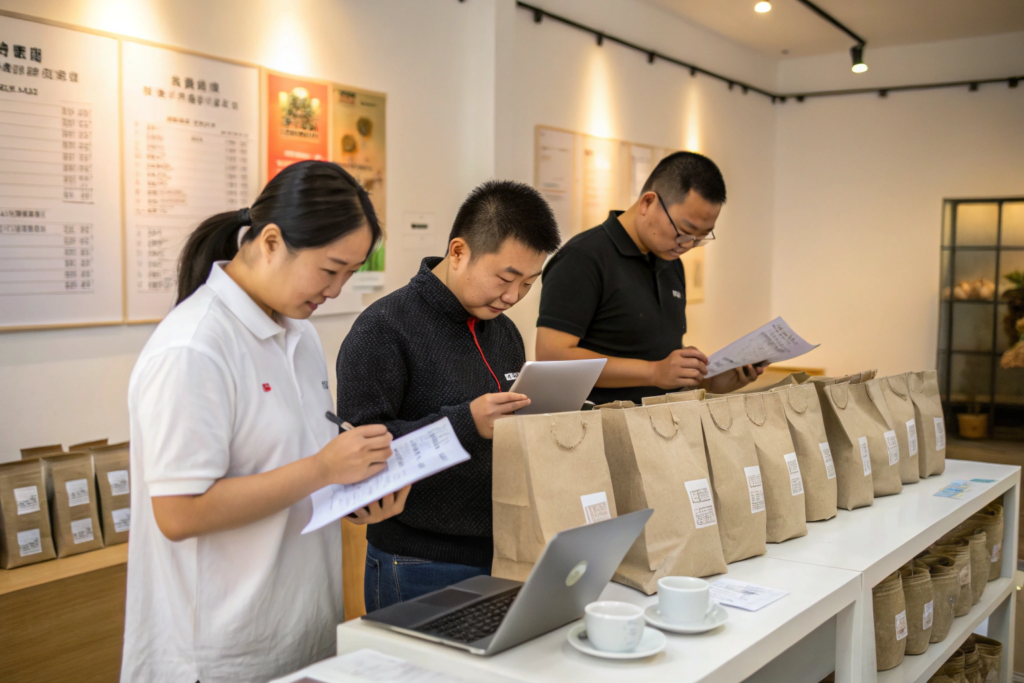
You prepare for a coffee trade show by setting clear goals, bringing the right samples, preparing documents, and booking meetings in advance. You should also study the exhibitor list, plan your route, and train your team. A good show plan saves money and time. It also makes you look serious to buyers and suppliers.
So, what should a buyer do? First, define your goal. Do you want a new origin? A lower price? A backup supplier? A private label partner? Second, bring your numbers. Know your volume, your target price, and your shipping window. Third, bring your questions. Ask about moisture, defects, certification, and lead time. Fourth, book meetings before the show. Do not rely on luck. At BeanofCoffee, we book meetings weeks before the event. We send samples early. We prepare a one-page spec sheet. That way, the show floor is for closing, not for basic questions.
What Should You Bring to a Coffee Trade Show?
You should bring samples, a laptop, a notebook, business cards, and a simple spec sheet. You should also bring a small cupping spoon if you plan to taste. For buyers, bring your target price, volume, and delivery date. For suppliers, bring test reports, certificates, and shipping options. The Coffee Institute and ICO offer useful background on coffee standards and trade. These help you ask better questions.
Do not bring too much. A heavy bag slows you down. A clear plan is better. I bring one folder with key documents. I bring three or four coffee samples. I bring a power bank. I bring a simple list of goals. Ron likes to move fast. He does not want to wait while someone searches for a file. So I keep everything ready. That small habit wins deals.
How Do You Set a Clear Meeting Goal Before the Show?
You set a clear meeting goal by writing one sentence. For example: “I want to find one new Arabica supplier with a sample price under $3.20 per pound.” Or: “I want to meet three U.S. buyers who need 10 containers per year.” A clear goal helps you say no to distractions. The Daily Coffee News and Roast Magazine cover market trends and events. These can help you set a realistic goal.
I also set a follow-up goal. A meeting is not a deal. A meeting is a start. So I write down what I will send after the show. Will I send a sample? A price list? A shipping plan? A contract draft? When I know the next step, the show becomes useful. When I do not know, the show becomes a pile of cards. You do not want a pile of cards. You want a pipeline.
What Deals Can You Seal at Coffee Events?
A coffee event is not only for marketing. It is a deal room. You can sign supply agreements. You can agree on private label terms. You can set up distribution. You can plan a harvest contract. You can also solve problems that email cannot solve. For example, a buyer may worry about moisture. You can show the test report. A buyer may worry about shipping. You can show the sailing schedule. A buyer may worry about payment. You can agree on terms face to face. That is powerful.
You can seal many deals at coffee events. These include spot orders, yearly supply contracts, private label agreements, distribution deals, and backup supplier trials. You can also agree on quality specs, packaging, payment terms, and shipping windows. The key is to bring real numbers and real samples. Then both sides can decide fast.
I have seen a buyer change his mind in ten minutes. He came to the booth with doubts. He left with a trial order. Why? Because he tasted the coffee. He saw the moisture report. He met the team. He heard the shipping plan. That is hard to do over email. At events, trust grows faster. That speed helps both sides. It also reduces the risk of a bad match.
Can You Negotiate Price and Volume at a Coffee Event?
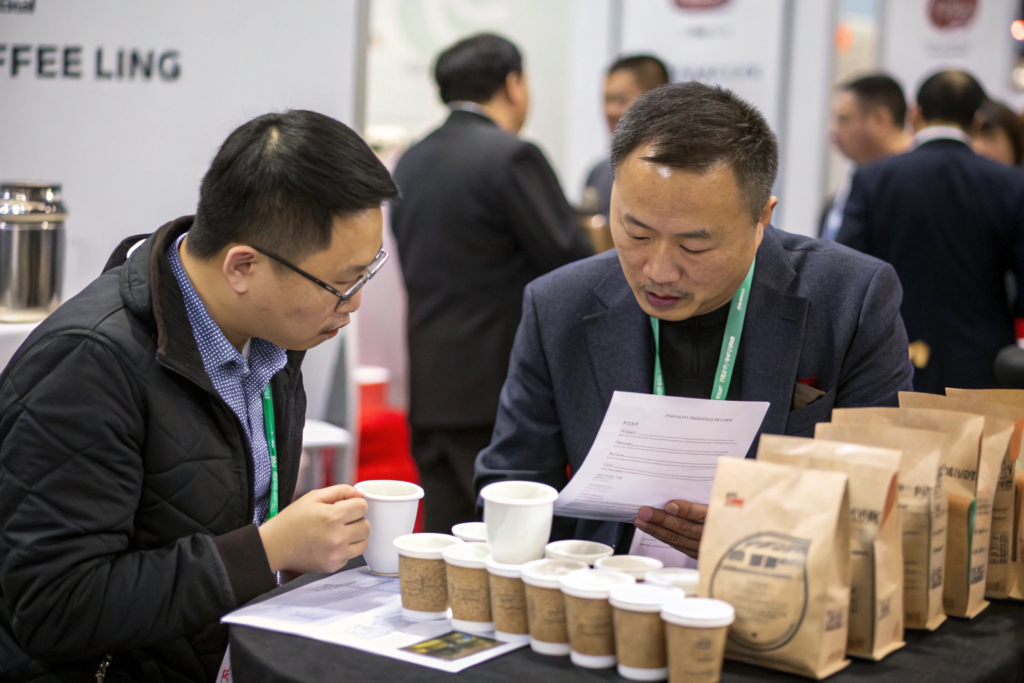
Yes, you can. But you need to be ready. Bring your target price. Bring your volume. Bring your delivery window. Do not ask for a low price with no commitment. That is not a negotiation. That is a wish. A real negotiation has trade-offs. Maybe you buy more volume. Maybe you pay a deposit earlier. Maybe you accept a later shipping date. The Tea & Coffee Trade Journal and Global Coffee Platform offer industry insights. These help you understand market pressure.
At BeanofCoffee, we like clear talks. If a buyer wants a better price, we ask for a bigger volume or a longer contract. If a buyer wants faster shipping, we ask for a firm booking. This is fair. It also builds trust. Ron cares about price and timeliness. So we put both on the table. We do not hide fees. We do not promise what we cannot do. That honesty closes deals.
How Do You Use Samples to Close a Deal on the Spot?
You use samples to close a deal by matching the cup to the buyer’s need. Ask what profile they want. Ask what price they need. Ask what market they serve. Then give the right sample. Do not give ten samples. Give two. Explain the difference. Let the coffee speak. The Fairtrade and Rainforest Alliance websites explain certification and sustainability. These can help if the buyer needs proof for their market.
I also bring a simple one-page sheet. It shows origin, altitude, process, moisture, screen size, defect count, and price. The buyer can write notes. Then we can agree on a trial. A sample is not a gift. A sample is a tool. If the buyer likes the cup, the next step is easy. If the buyer does not like it, we save time. Either way, the event works.
How Do You Follow Up After a Coffee Event?
The event ends. The lights go down. The booths come apart. This is where many deals die. People go home. They get busy. They forget. A stack of business cards sits on a desk. A week passes. Then a month. The energy is gone. I have seen this happen many times. The suppliers who win are not always the biggest. They are the ones who follow up fast and clear. Follow-up is the bridge between a handshake and a real order.
You follow up after a coffee event by sending a short, clear message within 24 to 48 hours. You should mention the meeting, attach the promised files, and suggest one next step. Do not send a long essay. Do not send a generic newsletter. Send a personal note. Then track the reply and keep the timeline moving.
I use a simple rule. If I promise a sample, I send it within two days. If I promise a price, I send it within one day. If I promise a shipping plan, I send it within three days. This speed shows respect. It also beats other suppliers. Ron likes speed. He does not want to chase people. So I follow up before he has to ask. That habit turns a show contact into a real buyer.
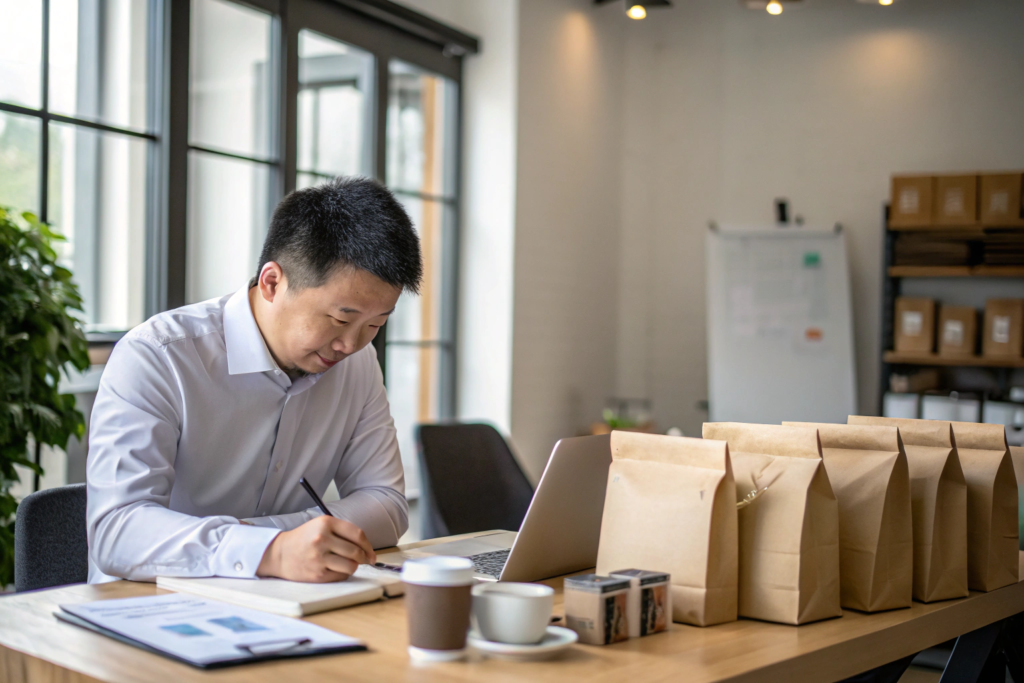
What Is the Best Follow-Up Timeline After a Coffee Event?
The best follow-up timeline is simple. Send a thank-you note within 24 hours. Send the promised files within 48 hours. Send a sample within one week. Then follow up again in one week if you get no reply. The SGS coffee inspection and Intertek coffee pages show the kind of testing buyers may ask about. These help you prepare proof.
Do not wait for the buyer to remember you. Help them remember. Use the event name in the subject line. Mention one detail from your talk. For example: “You asked about moisture in the rainy season.” That detail shows you listened. It also makes the email personal. A generic email gets deleted. A personal email gets a reply.
How Do You Turn a Coffee Event Contact into a Repeat Order?
You turn a contact into a repeat order by delivering the first order well. The first order is a test. Ship on time. Match the sample. Send clear documents. Answer questions fast. Then ask for feedback. If the buyer is happy, ask for the next order. The Alibaba platform and Trade.gov offer basic tools for trade and supplier checks. These can help you build a safe process.
I also keep a simple record. I write down the buyer’s needs, price target, and shipping window. Then I check in before the next harvest. I do not wait for the buyer to run out of coffee. I help them plan. That is how a one-time meeting becomes a long-term deal. A coffee event is the start. Good follow-up is the finish. Put them together, and you seal big deals.
Conclusion
Coffee events are the best place to seal big deals because they bring real people, real coffee, and real problems into one room. You can taste the cup. You can ask hard questions. You can meet the decision maker. You can agree on price, volume, and shipping. You can also build trust faster than email alone. But the event is only half the work. Preparation comes before. Follow-up comes after. If you do all three, you can turn a handshake into a contract.
At BeanofCoffee, we take coffee events seriously. We own more than 10,000 acres in Baoshan City, Yunnan. We export Catimor, Arabica, and Robusta. We work with large buyers, brand owners, distributors, and trading companies. We bring samples, test reports, and clear shipping plans. If you want to meet at the next coffee event, or if you want to start a trial order now, please contact Cathy Cai at cathy@beanofcoffee.com. She will help you with samples, pricing, specifications, and shipping. You can also visit BeanofCoffee to learn more. Let us seal your next big deal.