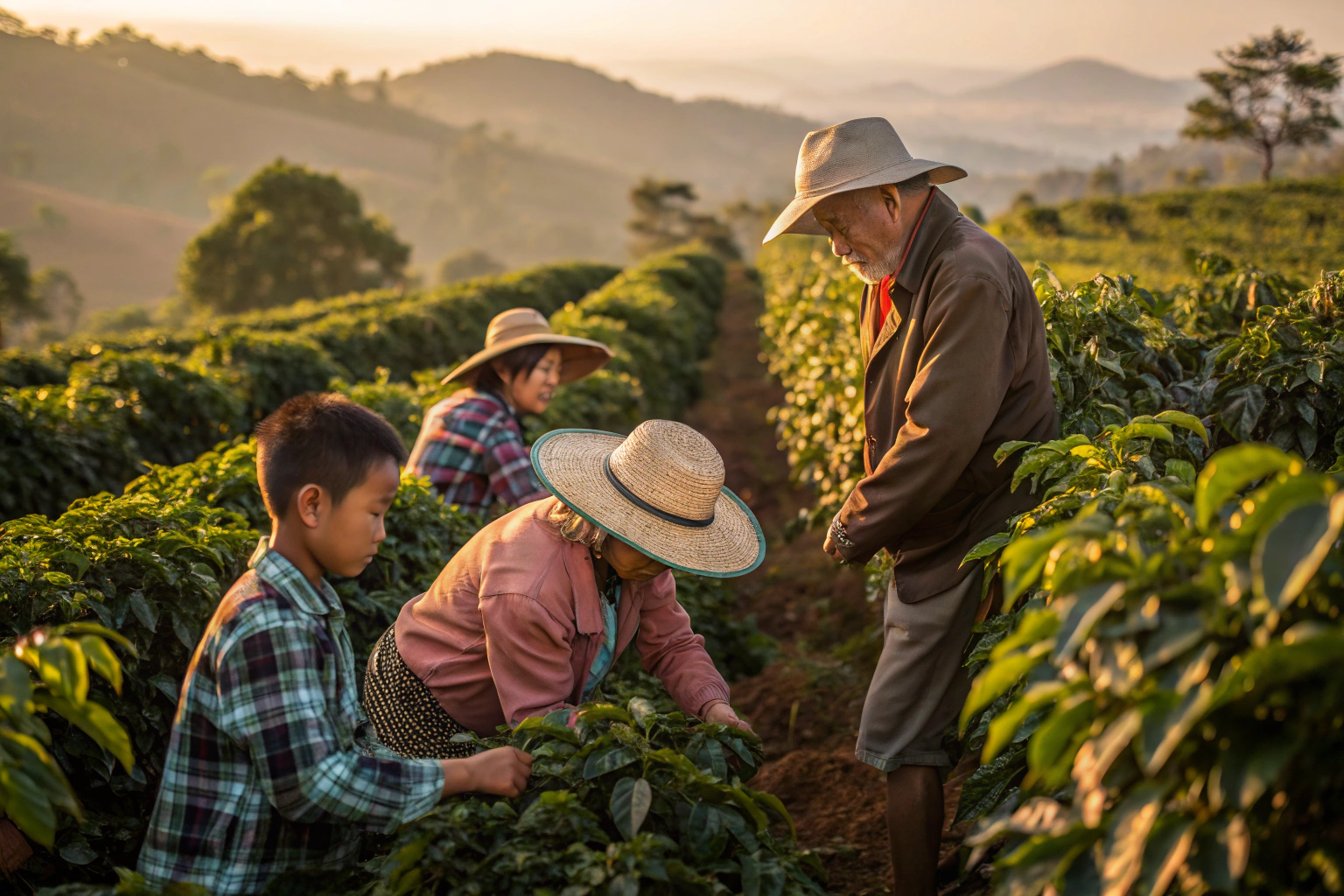
A buyer from Melbourne called me last month. He'd been sourcing from traditional origins for years. Colombia, Ethiopia, Costa Rica. When I suggested Yunnan, he hesitated. "Are the farmers experienced?" he asked. "I've been burned before by origins where farmers didn't really know what they were doing."
Yes, Chinese coffee farmers are experienced and professional—but the experience looks different than in centuries-old origins. Yunnan's coffee industry has grown exponentially since the 1990s, with farmers learning rapidly, adopting best practices, and continuously improving quality. Today's Yunnan farmers combine traditional agricultural wisdom with modern coffee expertise.
Let me walk you through the reality of farming in Yunnan. Because the story isn't about ancient tradition—it's about remarkable progress.
How Long Have Chinese Farmers Been Growing Coffee?
History matters. But it's not the only measure of expertise. Yunnan's coffee story is shorter than others—but intense.
Coffee was introduced to Yunnan in the 1890s by French missionaries, but commercial production didn't begin until the 1980s. The real growth happened from the 1990s onward, with government support, international partnerships, and farmer training programs. Today's experienced farmers have 20-30 years of practice—not centuries, but substantial.
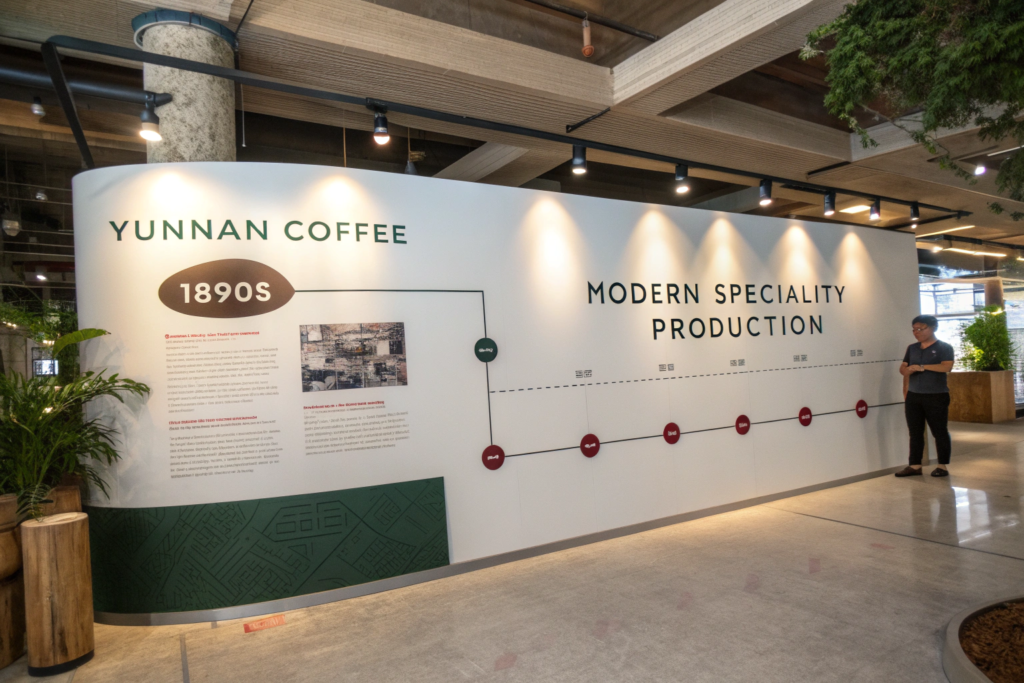
What does 30 years of experience mean?
A farmer who started in 1995 has now harvested 30 crops. They've seen good years and bad. They've learned what works and what doesn't. They've adapted to changing markets and climate.
That's real experience. Not ancient, but not novice. Check Yunnan coffee history for detailed timeline of industry development.
How did farmers learn initially?
Early farmers learned from government agricultural extension programs, international consultants, and trial and error. Many came from tea or rice farming backgrounds, adapting existing agricultural knowledge to coffee.
Learning continues constantly. Today's farmers attend trainings, visit other origins, experiment with new methods. Working with Shanghai Fumao connects farmers with international expertise.
What Training and Education Do Yunnan Farmers Receive?
Continuous learning defines professionalism. Yunnan farmers invest heavily in education.
Yunnan farmers receive training through multiple channels: government agricultural extension programs, coffee associations, exporter-led workshops, and international partnerships. Topics include pruning, fertilization, pest management, harvesting, processing, and quality control. Many farmers also travel to other origins to learn from their peers.
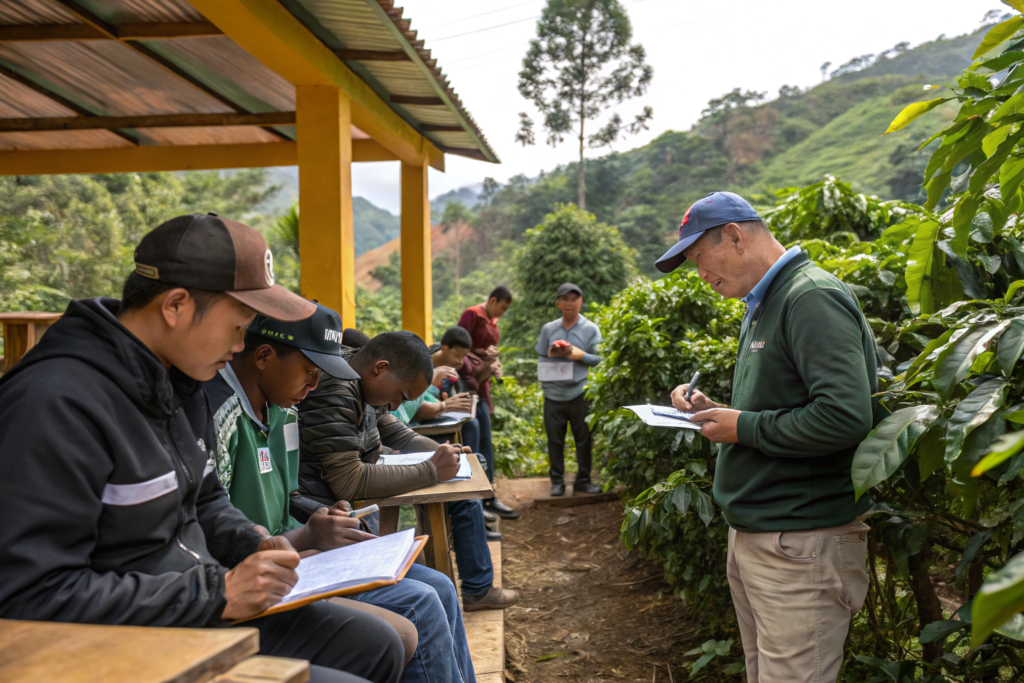
What organizations provide training?
Yunnan Coffee Association runs regular programs. Local agricultural bureaus employ extension officers. Exporters like us provide technical support. International NGOs sometimes partner on projects.
Training is ongoing, not one-time. Each year brings new workshops. Visit Yunnan coffee farmer training for information on educational programs.
Do farmers learn from each other?
Yes—extensively. Successful farmers become mentors. Study tours visit model farms. Cooperatives share knowledge.
Peer learning spreads best practices rapidly. When one farmer discovers a better method, neighbors adopt it. Working with partners like Shanghai Fumao facilitates these knowledge networks.
What Certifications Demonstrate Professionalism?
Certifications provide external validation. Yunnan farmers increasingly pursue them.
Yunnan farmers hold certifications including Organic (EU, USDA), Rainforest Alliance, UTZ, and 4C. These require rigorous documentation, annual audits, and continuous improvement—all markers of professional operation. Certified farms demonstrate commitment to international standards.
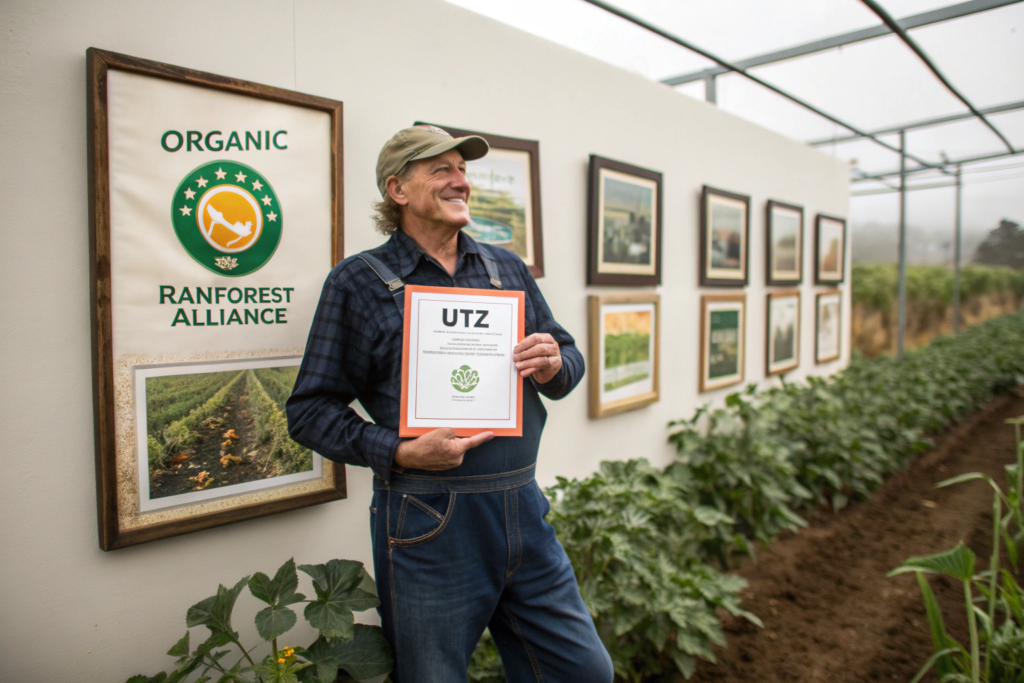
How many farms are certified?
Still a minority but growing rapidly. Certification costs money and paperwork. Many farmers practice certified-equivalent methods without formal certification.
Export-focused farms increasingly certify. Market demand drives adoption. Visit certified coffee in China for statistics and verified producers.
What does certification require?
Detailed records of all farm activities. Regular audits by third parties. Compliance with specific standards (environmental, social, quality). Continuous improvement plans.
Certified farms meet international scrutiny. Working with partners like Shanghai Fumao provides access to certified producers.
What Role Do Younger Farmers Play?
The next generation brings new skills. Young farmers in Yunnan are different from their parents—and that's good.
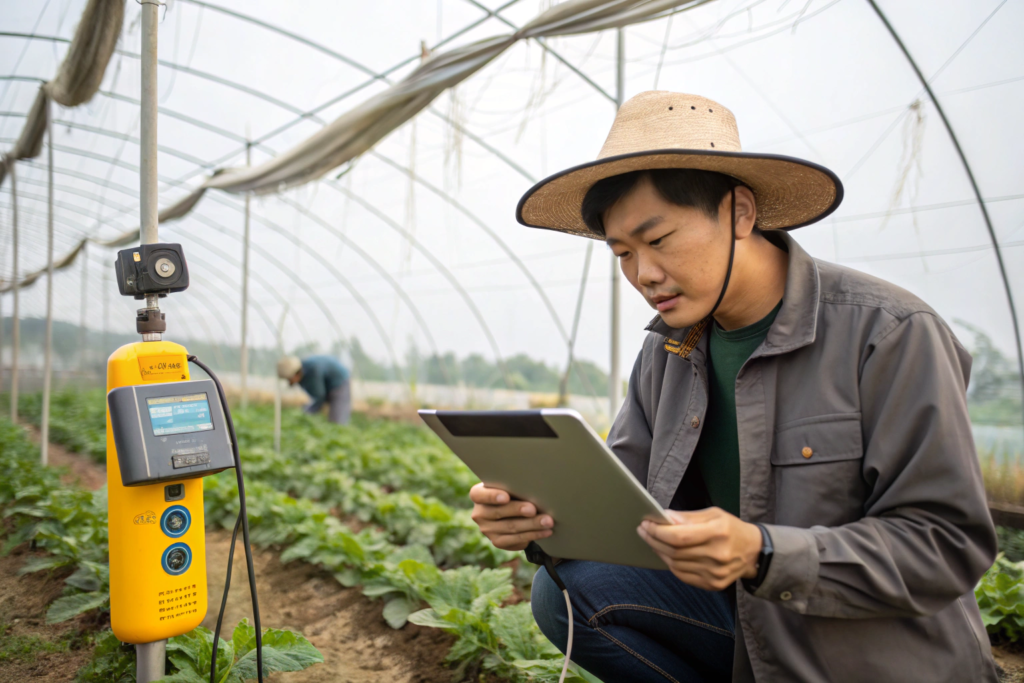
Younger Yunnan farmers (20s-30s) often have formal agricultural education, speak English, use technology, and understand international markets. They're driving quality improvements, experimenting with processing, and building direct buyer relationships. They represent the future of Yunnan coffee.
How are young farmers different?
More tech-savvy—using apps for records, online research, market information. More internationally aware—following global trends, connecting with buyers. More experimental—willing to try new varieties, processes, approaches.
This generation accelerates improvement. Check young coffee farmers in Yunnan for profiles of emerging producers.
Are they taking over family farms?
Yes, increasingly. Older farmers pass knowledge down; younger farmers add new skills. Combined experience creates powerful partnerships.
We work with many multi-generational farm families. Tradition plus innovation. Working with Shanghai Fumao connects you with both generations.
What Challenges Do Yunnan Farmers Still Face?
Professionalism includes honest self-assessment. Yunnan farmers know their challenges and work to overcome them.
Ongoing challenges include: climate variability affecting consistency, price fluctuations making planning difficult, varying quality across different farms, and continuing education needs for newer farmers. Each challenge is recognized and addressed through collective effort.
How do farmers adapt to climate challenges?
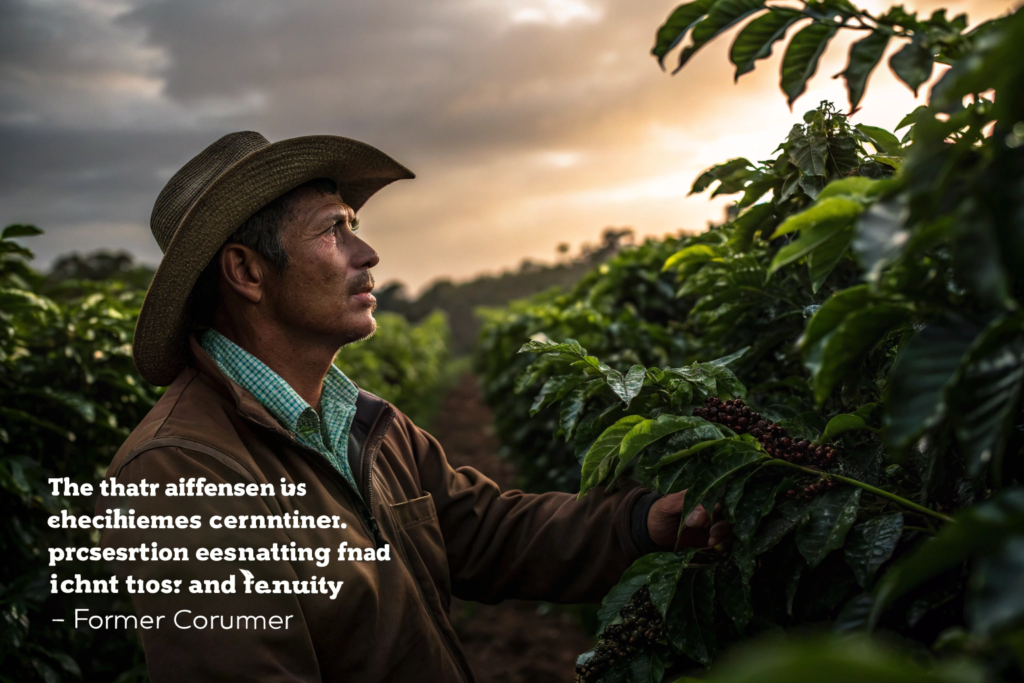
Diversifying varieties. Planting at multiple altitudes. Improving irrigation. Increasing shade cover. Sharing weather data and strategies.
Adaptation is constant. Farmers who adapt survive; those who don't, don't. Visit climate adaptation in Yunnan for current research.
What about market access?
Direct relationships help. Farmers connected to buyers plan better, invest more, improve faster. Spot market dependency creates uncertainty.
We prioritize direct relationships. Farmers know they have market; they focus on quality. Working with Shanghai Fumao builds these connections.
Conclusion
Are Chinese coffee farmers experienced and professional? Yes—in ways that matter. Twenty to thirty years of practice, continuous learning, certification pursuit, and young generation innovation create genuine expertise. They may not have centuries of tradition, but they have something equally valuable: rapid learning and relentless improvement.
Professionalism isn't about how long you've done something. It's about how well you do it, how much you care, and how much you improve. By that measure, Yunnan farmers rank with the best.
At Shanghai Fumao, we work with farmers every day. We see their dedication, their skill, their pride. We've watched them transform from beginners to experts. We're proud to represent them.
If you want to meet the farmers behind your coffee, contact our export manager, Cathy Cai. She'll arrange virtual farm visits, share farmer profiles, and connect you with the people who grow your coffee. Email her at cathy@beanofcoffee.com. Tell her what you want to know about Yunnan farming. She'll respond within 24 hours with introductions that might change your perspective.