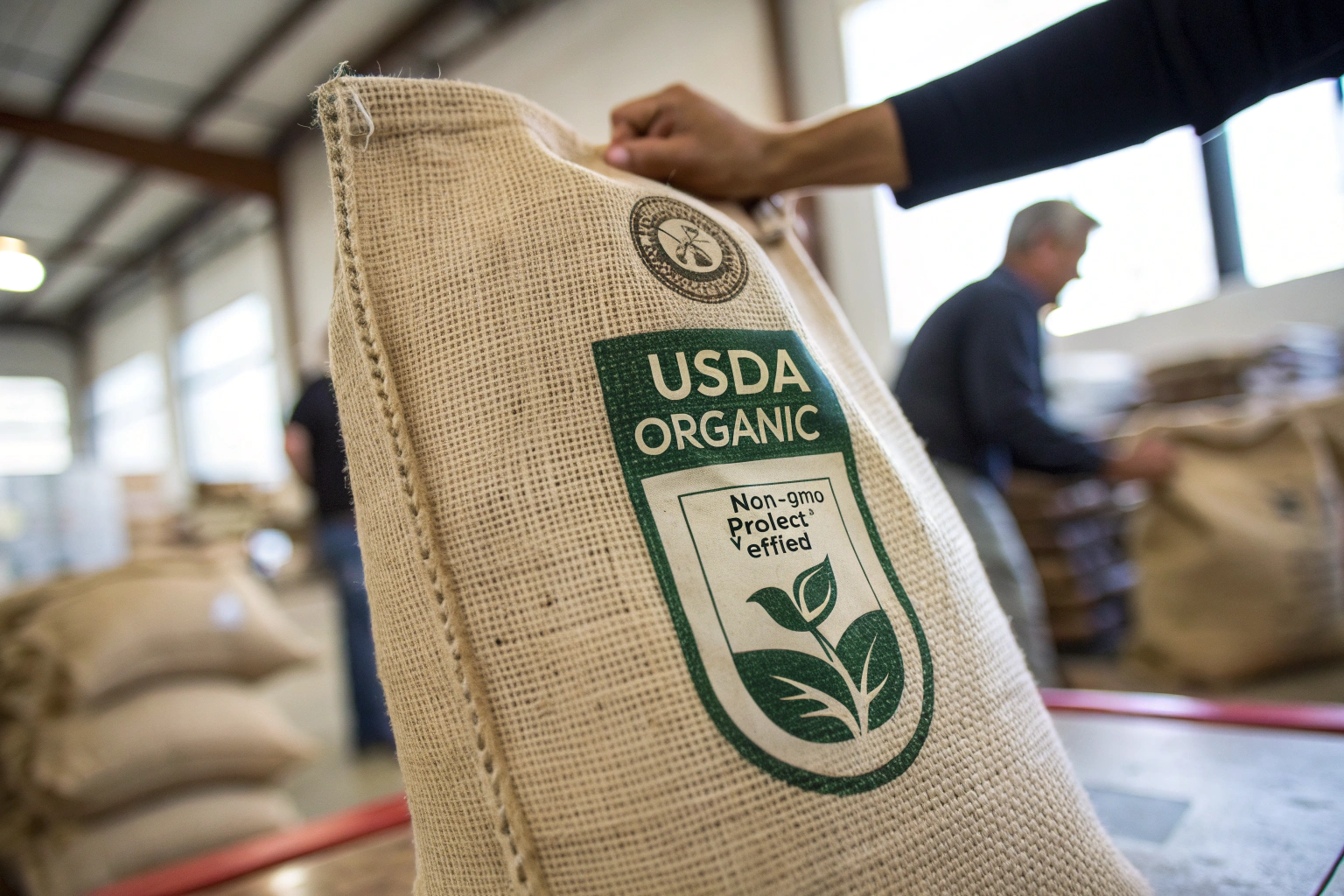
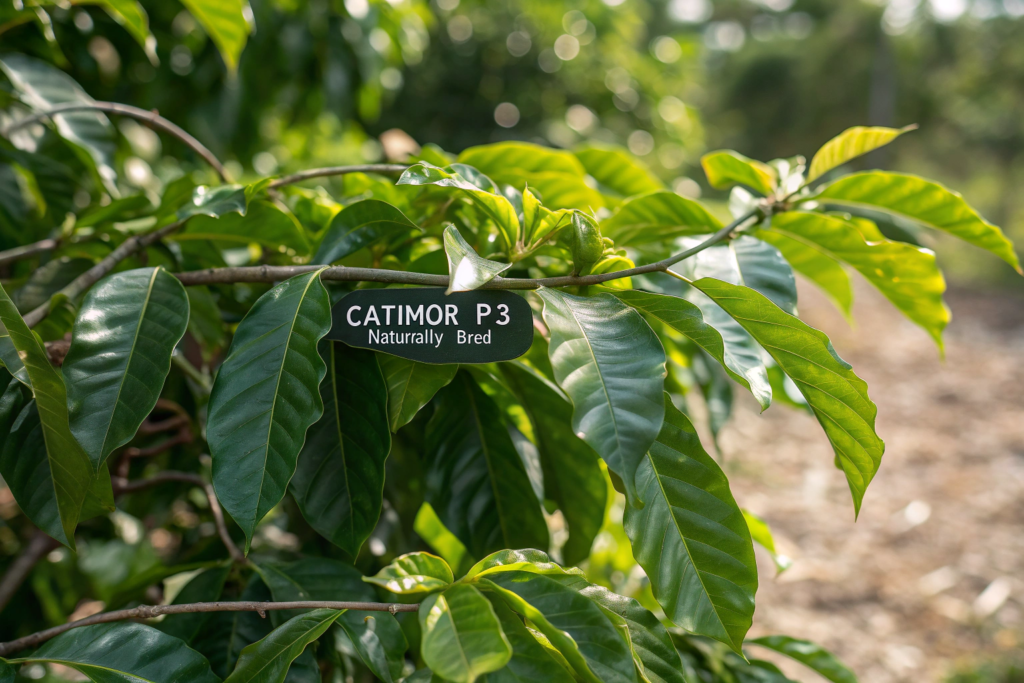
I was giving a virtual tour of our Baoshan farm to a new buyer from California. We were walking through a block of our high-altitude Catimor. The trees were lush. The undergrowth was a tangle of native weeds and wildflowers, not bare, herbicide-sprayed dirt. He stopped me and asked, "Is this organic?" I smiled. I pointed to a nearby tree with a small, numbered tag. "This entire block is certified USDA Organic and EU Organic," I said. "We have not used a synthetic pesticide or fertilizer on this land in over a decade." He was relieved. His customers were demanding both quality and integrity, and he needed a supplier who could deliver both.
Yes, a significant and growing portion of premium Yunnan coffee beans, including those from the BeanofCoffee estate, are certified USDA Organic and EU Organic, and virtually all Yunnan Arabica is non-GMO by default, as there are no commercially available genetically modified coffee varietals planted anywhere in the world.
The question is not just about the final product. It is about the farming system behind it. Let me explain the specifics of what "organic" and "non-GMO" mean in the context of our farm in the Gaoligong Mountains and what documentation you should expect to see.
What Certifications Guarantee Yunnan Coffee Is Organic?
"Organic" is a legally defined and regulated term. It is not just a feel-good marketing word. For coffee to be sold as organic in the United States or the European Union, it must be certified by an accredited third-party body. The certification process is rigorous and audited annually.
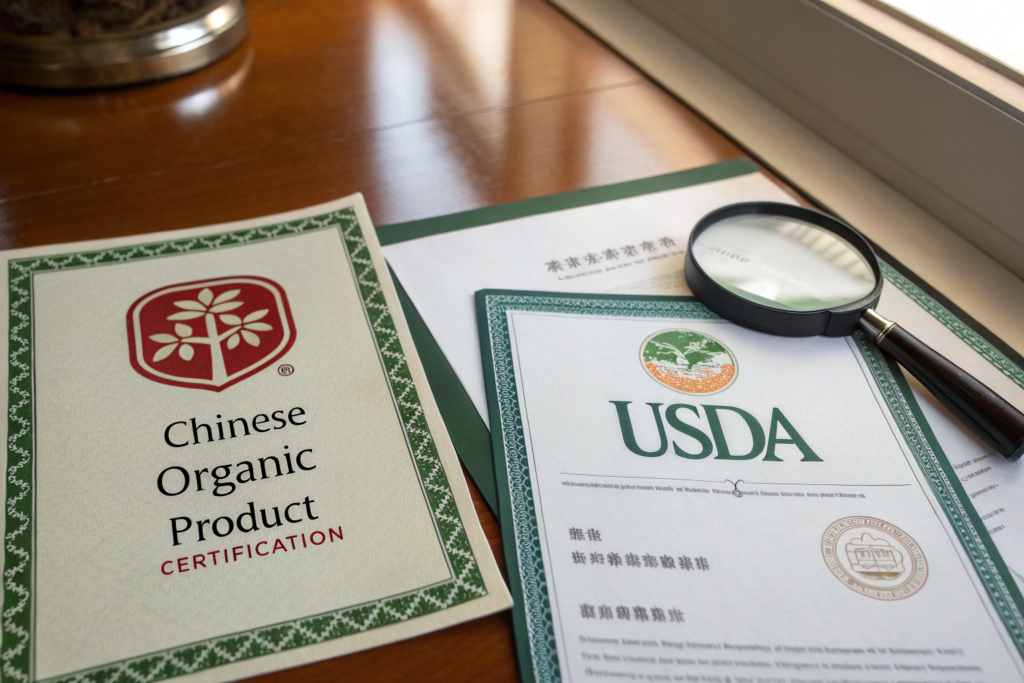
The primary certifications that guarantee Yunnan coffee is organic are the China National Organic Program (CNOP) certification, issued by a CNCA-accredited certifier like OFDC, and the recognition of this certification under the U.S.-China Organic Equivalency Arrangement and the EU-China Organic Equivalency Arrangement, which allows the coffee to be legally sold as USDA Organic and EU Organic in those respective markets.
You should look for these specific certifications and the accompanying import documents.
How Does the China National Organic Program (CNOP) Certification Work?
This is the foundation. Before a Chinese coffee can be considered for export as organic, it must first be certified under China's own rigorous domestic standard.
The CNOP Certification Process:
- Standard: The standard is GB/T 19630, which is closely modeled on international organic standards. It prohibits the use of synthetic pesticides, herbicides, fungicides, and fertilizers. It mandates crop rotation, soil health management, and buffer zones to prevent contamination from conventional farms.
- Accredited Certifier: The farm must contract with a certification body accredited by the CNCA (Certification and Accreditation Administration of China). For coffee, the most prominent certifier is the Organic Food Development Center (OFDC) .
- Annual Inspection: An OFDC inspector visits our farm every year. They walk the fields. They take soil and leaf samples for residue testing. They audit our input records, our harvest logs, and our processing records. They verify that we have not used any prohibited substances.
- Certificate Issuance: If we pass the inspection, OFDC issues an Organic Product Certification Certificate. This certificate is valid for one year. It lists the specific products covered (e.g., "Green Coffee Beans") and the certified acreage.
At Shanghai Fumao, we are certified by OFDC. Our certificate number and validity can be verified. We maintain organic certification for a significant portion of our 10,000-acre estate. You can see more about our practices on our Sustainability page.
What Is the Role of the NOP Import Certificate for USDA Organic Status?
As we discussed in a previous article, the Chinese organic certificate alone is not enough for the U.S. market. The legal bridge is the NOP Import Certificate.
The Process for U.S. Importers:
- Our Chinese coffee is certified by OFDC (a CNCA-accredited certifier).
- This certification is recognized as equivalent to the USDA National Organic Program (NOP) under the U.S.-China Organic Equivalency Arrangement.
- For each specific export shipment, OFDC issues an NOP Import Certificate. This electronic or paper document accompanies the shipment.
- The NOP Import Certificate declares that the specific lot of coffee in that container meets the requirements of the NOP.
- You, the U.S. importer, provide this NOP Import Certificate to your customs broker and to your own organic certifier. It is the legal proof that the coffee is organic.
Without the NOP Import Certificate, the coffee cannot be legally labeled or sold as "USDA Organic" in the United States. At Shanghai Fumao, we provide this certificate as a standard part of the documentation for all organic shipments. Our Certifications page details our compliance. You can learn more about the equivalency arrangement from the USDA Organic Integrity Database.
Are There Any GMO Coffee Varietals Planted in Yunnan?
This is a question that often comes up, especially from buyers who are new to coffee. The concern about GMOs in the food supply is real and valid. However, in the world of coffee, the answer is surprisingly simple.
No, there are no genetically modified (GMO) coffee varietals commercially planted anywhere in the world, including in Yunnan. All coffee varietals grown, from Catimor to Geisha, are the product of traditional selective breeding and natural hybridization, not laboratory genetic engineering.
The coffee industry has, so far, successfully resisted the development and commercialization of GMO coffee. This is a major point of differentiation from crops like corn, soy, and canola.
What Is the Difference Between Hybrid Catimor and a GMO Crop?
This is a crucial scientific distinction. The Catimor varietal, which is the backbone of Yunnan coffee production, is a hybrid, not a GMO. The confusion is common, but the difference is profound.
- Hybrid (Catimor): A hybrid is created through traditional cross-pollination. Plant breeders take pollen from the flower of one plant (e.g., Caturra, a high-quality Arabica) and use it to pollinate the flower of another plant (e.g., Timor Hybrid, a robusta-arabica cross with disease resistance). The resulting seed is a hybrid. This is the same basic technique farmers have used for millennia. It works within the natural reproductive biology of the plant.
- GMO (Genetically Modified Organism): A GMO is created in a laboratory using genetic engineering techniques. Scientists insert a specific gene from a completely different organism (e.g., a bacterium) into the DNA of the plant to give it a novel trait (e.g., resistance to a specific herbicide). This crosses the species barrier in a way that is impossible in nature.
Catimor was bred conventionally. It was developed by scientists, yes, but using natural breeding methods. There is no "GMO Catimor." The Catimor grown at Shanghai Fumao and throughout Yunnan is a conventionally bred hybrid. You can learn more about the genetics of Catimor in the World Coffee Research Varieties Catalog.
Why Is a "Non-GMO" Claim Redundant for Yunnan Arabica?
Because no GMO coffee exists, a "Non-GMO Project Verified" seal on a bag of coffee is technically verifying something that is already true for all coffee. It is a marketing claim, not a unique product attribute.
Why Roasters Still Seek the Seal:
Despite the redundancy, many roasters find value in the Non-GMO Project Verified seal. It provides a clear, consumer-recognized signal of transparency and purity. It answers the consumer's question before they even ask it. It aligns the coffee with other Non-GMO products in a retailer's set.
The Cost of Verification:
Obtaining Non-GMO Project Verification for a specific lot of coffee involves an additional audit and documentation process, which adds a small cost.
Our Stance:
At Shanghai Fumao, our coffee is inherently non-GMO. We do not routinely pursue the additional Non-GMO Project verification unless a client specifically requests it and is willing to cover the associated administrative costs. We believe our USDA Organic certification, which explicitly prohibits GMOs, provides an even stronger and more comprehensive guarantee of both the absence of GMOs and the integrity of the entire farming system. For more on the Non-GMO Project standard, you can visit their website: Non-GMO Project.
How Does Organic Farming Affect the Flavor of Yunnan Coffee?
Organic certification is not just about meeting a checklist of prohibited inputs. It is a holistic farming philosophy that fundamentally changes how the coffee is grown. And this change in the soil and the ecosystem has a direct, positive impact on the flavor in your cup.
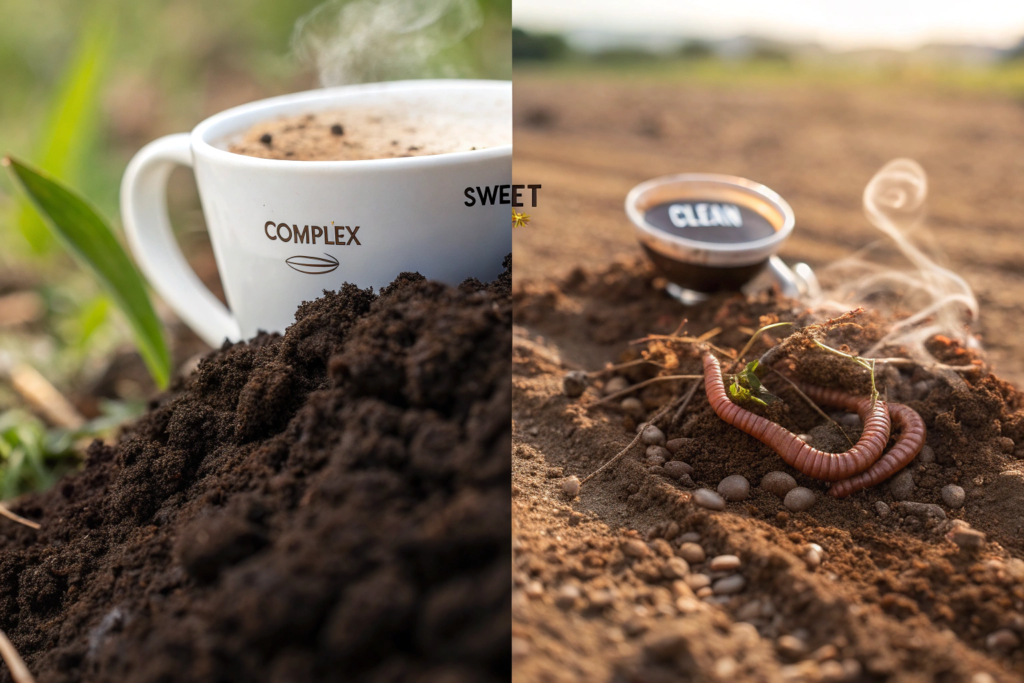
Organic farming positively affects the flavor of Yunnan coffee by fostering a healthy, biodiverse soil ecosystem rich in organic matter and microbial life, which allows the coffee tree to access a more complex and balanced spectrum of nutrients, leading to a bean with greater sugar development, more nuanced flavor complexity, and a cleaner, more transparent expression of its unique terroir.
It is the difference between feeding a plant a simple, synthetic diet and allowing it to forage for itself in a rich, living soil.
Does the Absence of Synthetic Pesticides and Fertilizers Improve Cup Quality?
This is a topic of ongoing sensory research, but the practical experience of farmers and cuppers around the world, including our own team at BeanofCoffee, points to a clear connection.
The Impact of No Synthetics:
- Stress and Secondary Metabolites: When a coffee tree is grown organically, it faces a bit more natural stress from pests and competition from weeds. This mild stress triggers the plant to produce more of its own natural defense compounds, known as secondary metabolites. Many of these compounds are the very same volatile aromatics and antioxidants that we perceive as complex flavor and aroma in the cup.
- Absence of Chemical Taints: While modern synthetic pesticides are generally considered safe when used correctly, some can leave behind subtle chemical residues that, even at parts-per-billion levels, can mute or distort the coffee's delicate floral and fruity notes. Organic coffee is free from these potential taints.
- Soil Microbial Health: Synthetic nitrogen fertilizers can disrupt the natural symbiotic relationship between coffee roots and beneficial mycorrhizal fungi. These fungi are essential for helping the plant access micronutrients like zinc and copper, which are critical for enzyme function and flavor development. Organic practices (compost, cover crops) feed these fungi.
The result is a coffee that is often described as more complex, sweeter, and with a cleaner finish. It is a more authentic expression of the plant's genetic potential and the land's unique character. At Shanghai Fumao, our Q-Grader consistently notes the exceptional clarity and sweetness of our organic lots compared to conventional lots from similar altitudes. Our Single-Origin Organic offerings highlight these sensory attributes.
How Does Organic Matter in Soil Contribute to a "Sweeter" Cup?
This is the most direct flavor link. Organic matter in the soil—decomposed leaves, compost, worm castings—is the slow-release pantry for the coffee tree.
The Sugar Connection:
- Slow-Release Nutrition: Organic fertilizers (compost, manure, plant meals) release their nutrients slowly, in sync with the plant's growth cycle. This provides a steady, balanced supply of potassium and phosphorus, which are essential for sugar development in the cherry.
- Complex Carbohydrates: Plants grown in biologically active soils tend to produce a wider array of complex carbohydrates and polysaccharides. During roasting, these complex sugars break down and caramelize, creating the deep, rich brown sugar, caramel, and dark chocolate notes that are the hallmark of premium Yunnan Arabica.
- No "Luxury Consumption": Synthetic nitrogen can cause the plant to take up more water and nitrogen than it needs (luxury consumption), leading to a larger, but more watery and less flavorful bean. Organic nutrition leads to a denser, more concentrated bean.
This is why our organic lots from Baoshan are prized by roasters for their exceptional body and sweetness. The flavor is built from the ground up, literally. It is a taste of the healthy, living soil of the Gaoligong Mountains.
Conclusion
The answer to "Are Yunnan coffee beans organic and non-GMO?" is a confident yes, with important nuances. A significant volume of Yunnan coffee, especially from leading estates like BeanofCoffee, is certified organic under rigorous programs like the China National Organic Program and, through equivalency arrangements, can be legally sold as USDA Organic and EU Organic. Furthermore, all Yunnan Arabica is inherently non-GMO, as GMO coffee varietals do not exist in commercial production.
More importantly, organic farming is not just a label. It is a system that enhances the flavor, complexity, and purity of the coffee. By nurturing the soil and the ecosystem, organic practices produce a bean that is a truer, sweeter, and more vibrant expression of the unique Yunnan terroir.
For roasters and consumers seeking both quality and integrity, certified organic Yunnan coffee offers a compelling and trustworthy choice. If you would like to receive samples of our certified organic Yunnan Arabica and review the associated certification documents, we are ready to assist. Email Cathy Cai. Ask for the "Organic Sample and Documentation Pack." Contact Cathy at: cathy@beanofcoffee.com