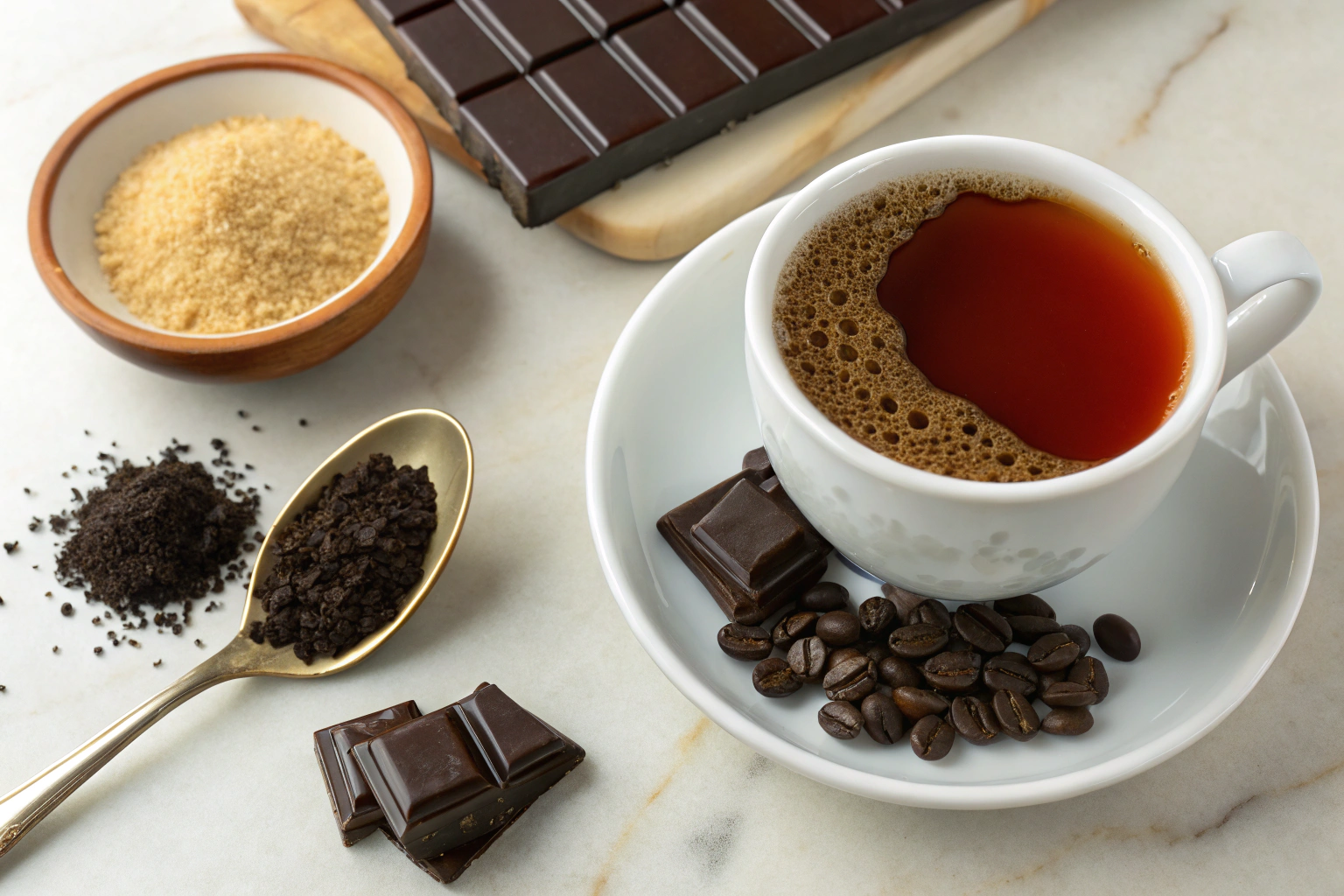
I was at a public cupping once, and a customer picked up a bowl of our Yunnan Catimor. She sipped it, frowned slightly in thought, and then said, "This tastes... like tea? And something sweet?" She was not wrong, but she was confused. She was expecting it to taste either "like coffee" (meaning dark and roasty) or like a bright, fruity Ethiopian she had tried. Catimor is neither. It has its own, distinct voice. The pain for a roaster is bridging that gap. You know the coffee is special, but how do you describe it in a way that makes a customer nod in recognition and reach for a bag?
To explain the flavor notes of Chinese Catimor coffee to customers, you should focus on its distinctive, accessible, and food-friendly core triad of Black Tea, Brown Sugar, and Dark Chocolate, while framing its gentle, non-aggressive acidity and heavy, syrupy body as the comforting and familiar backbone that makes it an exceptionally easy-to-love daily drinking coffee.
You are not selling a strange, exotic oddity. You are selling a delicious, comforting cup with a flavor language that is already deeply familiar to the Western palate. Let me give you the vocabulary and the narrative to tell this story. At Shanghai Fumao, we work with our roasting partners to develop these product narratives. You can see examples of these flavor profiles on our Grade 1 Arabica product page.
What Is the Core Triad of Yunnan Catimor Flavor Notes?
Every coffee has a "spine"—a set of core flavor attributes that define it. For a washed Yunnan Catimor, that spine is remarkably clear and consistent. It is a triad of flavors that are already universally loved and understood. When describing it, you do not need to get overly complicated. Start with these three pillars.
The core triad of Yunnan Catimor flavor notes is a foundation of Dark Chocolate, which provides a deep, rich, and satisfying roast character; a prominent sweetness of Brown Sugar, which gives the coffee its jammy, caramelized core; and a defining top note of Black Tea, which delivers a clean, slightly floral, and complex finish.
This is not a coffee that whispers. It is a coffee that declares itself with deep, resonant, and comfortable flavors. It is the taste of a warm, inviting bakery, not a tart fruit stand.
Why Is "Black Tea with Brown Sugar" the Perfect Elevator Pitch?
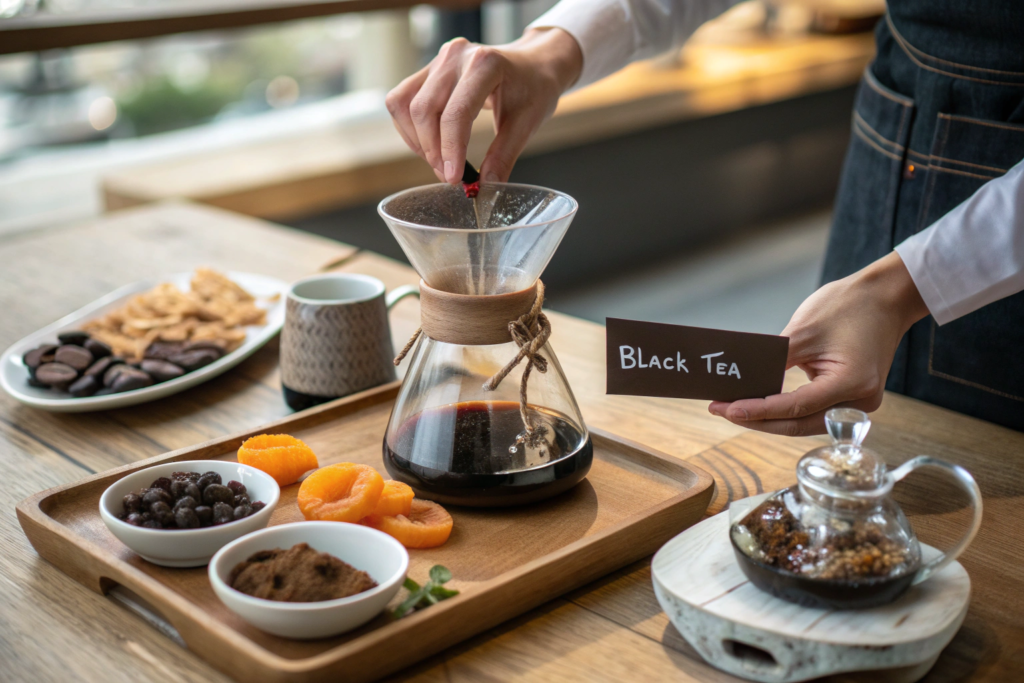
A great flavor description is simple, memorable, and instantly conjures a taste. "Black tea with brown sugar" does exactly this. It is the perfect five-second elevator pitch for a washed Yunnan Catimor.
- Why It Works (The Black Tea Note): The association with tea is a powerful psychological bridge. Your customers are intimately familiar with the comforting, slightly astringent, floral, and clean finish of a good black tea (like Earl Grey or an Assam). When they smell the coffee and taste it, especially as it cools, this familiar, clean, and non-coffee-like note cuts through. It is unexpected and delightful.
- Why It Works (The Brown Sugar Note): This is the sweetness that balances the black tea. It is not the sharp, acidic sweetness of a piece of fruit. It is the deep, caramelized, molasses-like sweetness of brown sugar. It gives the coffee a heavy, jammy, and satisfying sweetness that fills the mouth.
- The Complete Picture: "Black Tea with Brown Sugar" tells the customer that this coffee is clean and complex (the tea) but also deeply sweet and comforting (the sugar). It removes the fear of a sour, acidic, "specialty" coffee and promises a balanced, delicious experience. This is exactly the story we help our wholesale partners tell about their single-origin Yunnan offerings.
How Does "Malted Dark Chocolate" Describe the Coffee's Body?
While the black tea describes the top notes, the dark chocolate note, specifically "malted dark chocolate," describes the coffee's incredible body. Yunnan Catimor is famous for its heavy, syrupy mouthfeel, and this analogue captures that perfectly.
- The "Dark" in Dark Chocolate: It signals a rich, bittersweet, and roasty depth. It is not a milky, sweet, childish chocolate. It is an adult, intense cocoa experience that anchors the coffee's flavor.
- The "Malted" Component: Adding the word "malted" is the secret weapon. It evokes the creamy, thick, slightly nutty, and incredibly smooth texture of a classic malted milkshake. This directly translates to the customer the heavy, coating, and luxurious mouthfeel that is the hallmark of a well-processed Yunnan Catimor.
- ESL-Friendly Simplicity: These are simple, universally understood words. You do not need an SCA flavor wheel to understand "malted dark chocolate." For a roaster selling to cafes, this is an invaluable part of the narrative. It allows a barista to tell a customer, "This is our Yunnan single-origin. It tastes like a rich, dark, malted hot chocolate, but with the clean finish of a great black tea." The description practically sells the cup itself.
How Should You Frame the Acidity of Catimor to a Skeptical Customer?
"Acidity" is the most misunderstood word in coffee. For many consumers, it means sour, stomach-churning, and unpleasant. If you describe a coffee as "acidic," you have lost them. But Yunnan Catimor, with its uniquely soft and integrated acidity, is the perfect coffee to rehabilitate this concept. You must frame the acidity as a gentle, fruity "brightness" and provide a familiar, non-threatening comparison.
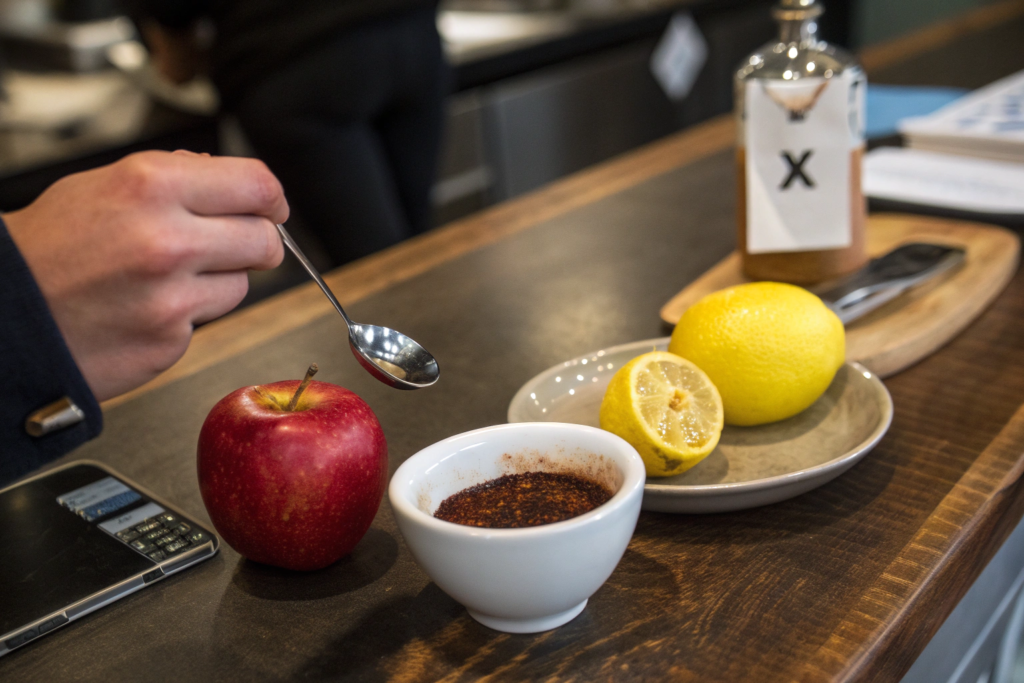
To describe the acidity of Catimor, immediately replace the word "acidic" with "gentle, malic brightness," and explain it using the analogy of a perfectly ripe red apple—it has a soft, sweet-tart fruity character that provides lift, balance, and a clean finish, but it is never sour, sharp, or overwhelming.
This is the acidity that even the most die-hard dark roast drinker can enjoy. It is a structural element that makes the coffee taste vibrant and alive, not a dominant flavor that makes you pucker.
Why Is "Ripe Red Apple" a Better Analogy Than "Citrus"?
The choice of fruit comparison is a make-or-break marketing decision. It sets the customer's expectation for the entire sensory experience.
- The Danger of "Citrus": When a customer hears "citrus acidity," they don't think of a complex, sweet Meyer lemon. They think of a sour, acidic, mouth-puckering lemon or lime. This triggers a negative, fear-based response and positions the coffee as challenging and sharp.
- The Comfort of "Ripe Apple": A perfectly ripe red apple is a universal symbol of sweetness and gentle fruitiness. It has a clean, crisp "snap" to its flavor, but it is not sour. "Malic acidity" is the scientific term for the acid found in apples, and "ripe red apple" is the perfect sensory translation.
- The Shift in Perception: Telling a customer the coffee has "brightness like a crisp red apple" reframes the entire experience. It prepares them for a gentle, sweet-tart lift that provides balance, not a shock. They will taste the apple note not as a literal flavor, but as a structural sensation, and they will feel smart and satisfied for having detected it. This is the art of guiding a customer's palate. For more on describing sensory attributes, the World Coffee Research Sensory Lexicon is the definitive guide.
How Does the "Clean Finish" Set Catimor Apart from Earthy Asian Coffees?
There is a lingering market memory that some Asian coffees can taste "earthy," "musty," or "herbal." Our Catimor actively subverts this stereotype, and the "clean finish" is the proof point you must hammer home.
- Defining the Defect: An "earthy" or "musty" finish tastes like a damp basement, old books, or wet soil. It is a mold-related processing defect that coats the palate and lingers unpleasantly.
- Defining the "Clean Finish": A clean finish, conversely, means that after you swallow the coffee, the pleasant flavors of black tea and brown sugar gently fade, and there is absolutely no lingering dirt, funk, or astringency. The palate feels fresh, clean, and ready for another sip.
- The Cause & The Promise: This cleanliness is the direct result of our meticulous post-harvest processing. As we detail in our article on Why Do Some Chinese Coffee Beans Taste Earthy and How to Avoid It?, our use of raised African drying beds, clean water, and hermetic storage ensures the coffee's flavor is a pure expression of the bean and the terroir, not a taint from the ground. When you tell a customer, "The finish on this coffee is exceptionally clean," you are making a powerful promise about the coffee's purity and quality. It is a statement that builds immediate trust.
What Brewing Methods Best Showcase the Notes of Catimor?
The final step in the customer conversation is helping them experience the coffee at its best. The wonderful duality of Yunnan Catimor is that it is essentially two different coffees, depending on how you brew it. You can guide the customer to the method that best matches their flavor preference for the day.
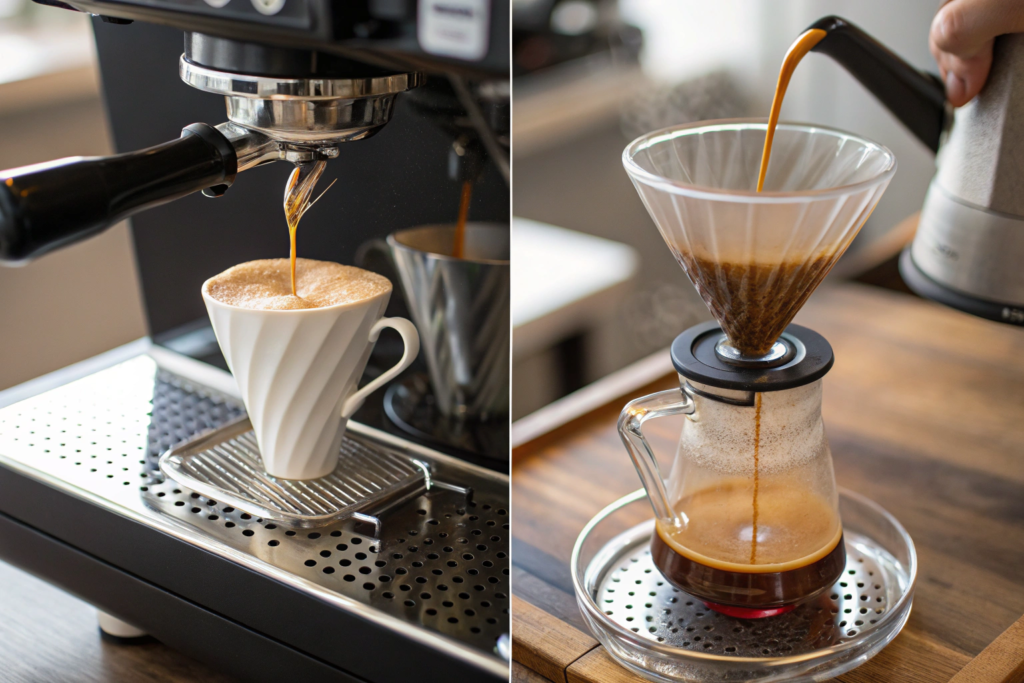
For customers who love the black tea complexity and clean finish, recommend a pour-over method like a V60 or a Chemex to highlight the coffee's clarity and delicate aromatics. For those who crave the heavy body and rich, malted dark chocolate notes, recommend an espresso preparation or a bold French Press to showcase the coffee's incredible syrupy mouthfeel.
This positions the coffee not as a one-trick pony, but as a versatile, everyday essential that can satisfy different moods. It increases the customer's lifetime value.
Why Does a Pour-Over Highlight the Tea Notes While Espresso Boosts the Chocolate?
This recommendation is not arbitrary. It is based on the physics of extraction and how different brew methods interact with the compounds in the bean.
- Pour-Over (The Tea Method): A pour-over, especially with a paper filter, is a clean, low-turbulence extraction method. The paper filter traps many of the coffee's insoluble oils and lipids, which are the primary carriers of body and mouthfeel. This "clarifies" the cup, allowing the delicate, water-soluble volatile aromatics—the black tea, the floral hints, the dried apricot—to shine without being weighed down. The customer gets a tea-like, complex, and infinitely sip-able experience.
- Espresso (The Chocolate Method): Espresso uses extreme pressure (9 bars) and a very fine grind to create an emulsion of water, dissolved solids, and those precious coffee oils. This method literally rips the body out of the bean and suspends it in the cup. The heavy, syrupy, malted dark chocolate notes and the caramelized brown sugar sweetness are amplified to a incredible degree. The gentle malic acidity provides just enough lift to prevent it from being heavy or dull.
This dual-branding allows you to sell the same coffee to both the filter purist and the espresso fanatic. It is a conversation that ends with the customer buying a bag of coffee to try both ways. For more on the science of extraction and brewing methods, Barista Hustle is an excellent resource.
How Do You Create a "Tasting Notes Card" That Tells a Story?
A simple, beautifully designed tasting notes card can transform a bag of coffee into a gift and a story. It is the physical manifestation of your flavor narrative. Instead of a sterile list of words, use a format that guides the customer through the experience.
- The Front of the Card: "Meet Your Coffee." Use a welcoming, narrative tone.
- "From the ancient tea mountains of Yunnan, China, comes a coffee of surprising depth and comfort. We taste: Rich Dark Chocolate, Caramelized Brown Sugar, and a clean, lingering finish of Black Tea. Grown at high altitude on a single estate, this is a coffee to slow down with."
- The Back of the Card: "How to Brew Your Best Cup." Provide simple, actionable guidance.
- "For a Tea-Like Clarity (Pour-Over): Use a 1:16 coffee-to-water ratio, water just off the boil, and aim for a 3-minute brew. Enjoy it black to savor the delicate tea notes."
- "For an Intense Chocolate Experience (Espresso): Dial in a 1:2 ratio in 28-30 seconds. This is where the syrupy body and dark chocolate shine. It makes an incredible flat white."
This card does not just tell them what it tastes like. It tells them the story, and then it teaches them how to experience it for themselves. It is the final, perfect touch in explaining the flavor of your Chinese Catimor. This level of care is what elevates a private label program, as we discuss in our Private Label Program.
Conclusion
Explaining the flavor notes of Chinese Catimor to your customers is not a challenge to overcome; it is an opportunity to tell a compelling, delicious, and accessible story. You do not need to obscure the coffee's identity with flowery, esoteric language. You simply need to articulate its core truth: it is a coffee built on the universally loved flavors of Black Tea, Brown Sugar, and Malted Dark Chocolate.
Frame its gentle acidity not as sourness, but as the familiar, pleasant brightness of a ripe red apple set against a remarkably clean finish. And guide your customers to their perfect cup, whether that's the tea-like clarity of a pour-over or the syrupy chocolate intensity of an espresso. This narrative does not just describe the coffee; it sells it. It builds trust, invites exploration, and turns a new customer into a loyal fan.
At Shanghai Fumao, we provide our roasting partners with the detailed sensory analysis, the high-quality product images, and the descriptive marketing language to tell this story authentically and effectively.
If you want to taste these flavor notes for yourself and receive a sample of our washed Catimor, along with our complete "Flavor Narrative" marketing toolkit, let's talk. Email Cathy Cai. Ask for the "Catimor Flavor Story Sample & Toolkit." Contact Cathy at: cathy@beanofcoffee.com