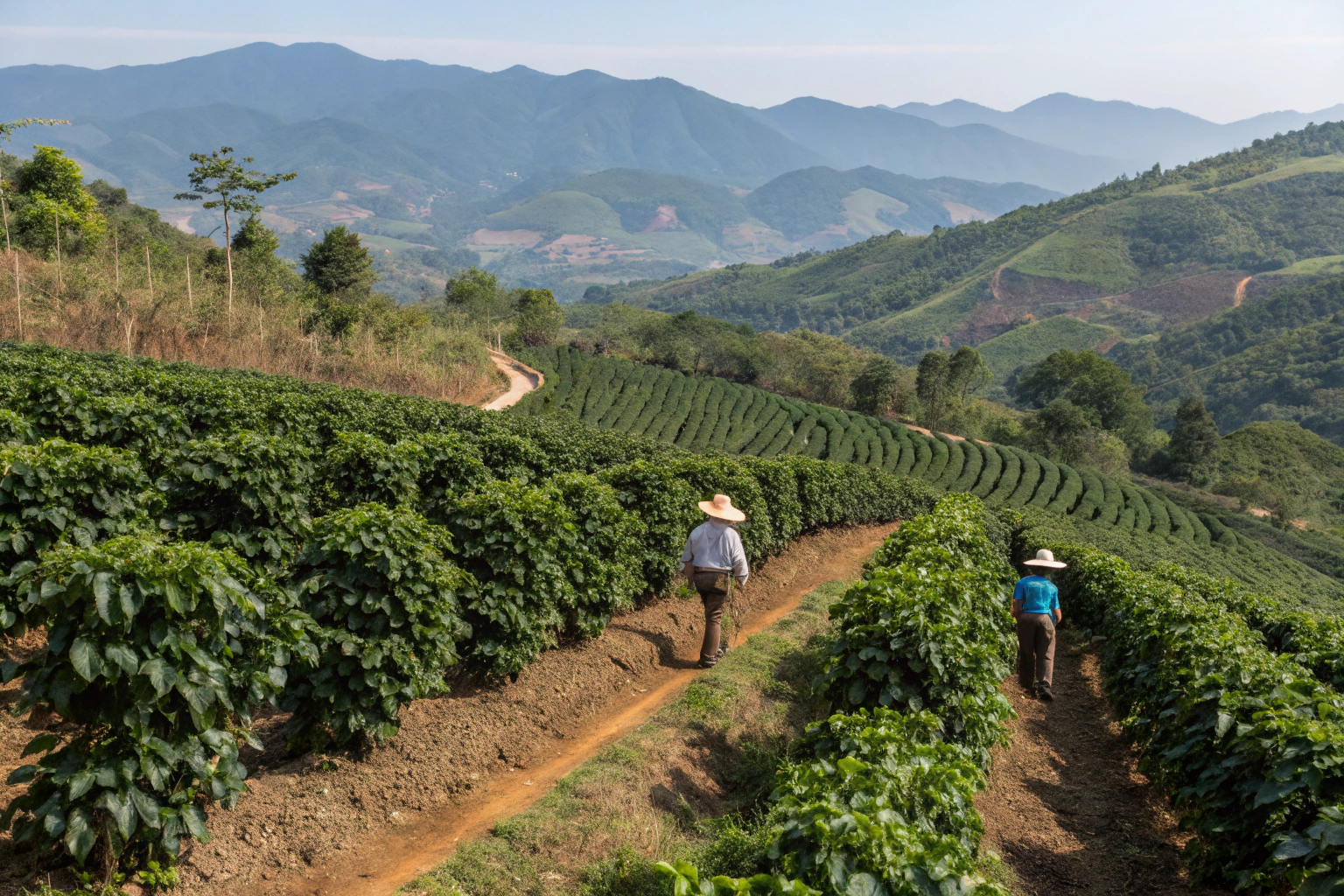
You're looking at the offer. The cupping notes are great. The price is right. The logistics are solid. But then you hit the question that matters for your brand and your customers: Is this coffee organic? The supplier's website has a picture of a lush green farm. They use words like "natural" and "sustainable." But nowhere does it clearly state "Certified Organic." You're not looking for a marketing story. You need a clear, verifiable answer so you can make a truthful claim on your bag and justify the price to your customers. So, what's the real story with Yunnan coffee?
Yunnan coffee beans are produced as both high-quality conventional and certified organic. It is not a simple "either/or" for the entire region. The answer depends entirely on the specific farm and the specific lot. A significant volume of Yunnan coffee is grown using traditional, low-intervention methods that are de facto organic, but lacks the formal, third-party certification required for export labeling. A smaller, but growing, segment of Yunnan coffee is fully certified organic under internationally accredited standards like USDA NOP and EU Organic. The key for a buyer is to understand this distinction and to demand verifiable proof for any "organic" claim.
At Shanghai Fumao, we manage both conventional and certified organic plots across our 10,000 acres. I know the difference intimately because I manage the paperwork, the audits, and the physical segregation on the farm. Let me give you the clear, unvarnished picture of what "organic" really means in Yunnan.
What Is the Difference Between "Grown Organically" and "Certified Organic" in Yunnan?
This is the single most important distinction for any buyer to understand. It's the difference between a nice story and a legally defensible claim. Confusing the two can land you in serious trouble with customs and with your customers.
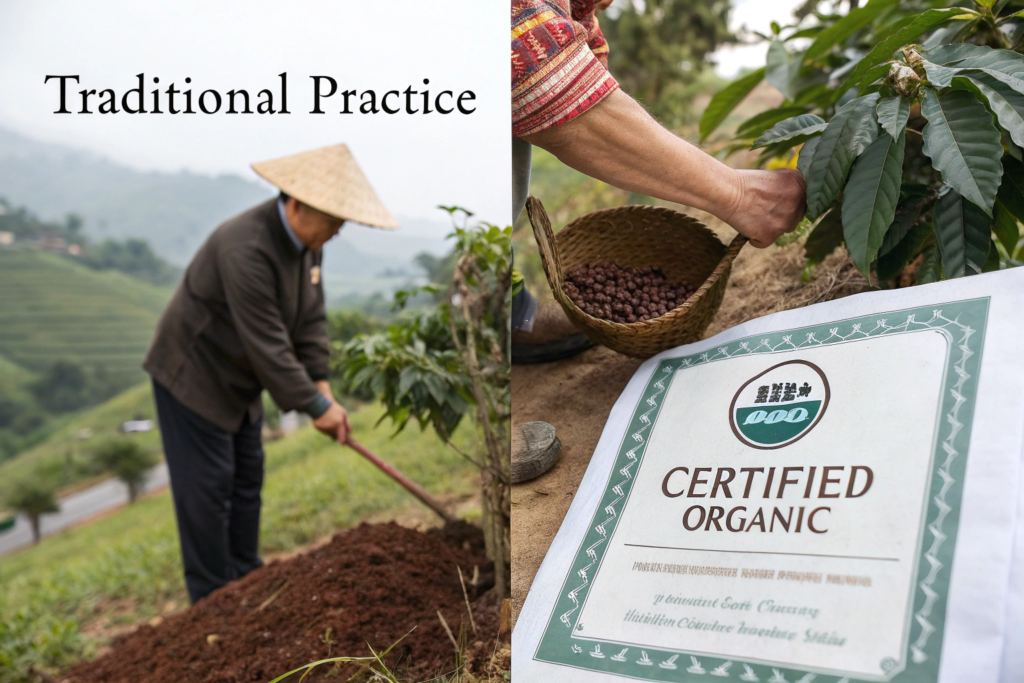
"Grown Organically" is a description of farming practices. Many Yunnan farmers, especially on steep, remote plots, use little to no synthetic fertilizer or pesticides. It's too expensive, too hard to transport, or simply not part of their traditional methods. They use composted coffee pulp and animal manure. This coffee is grown in a way that aligns with organic principles.
"Certified Organic" is a legal status. It means an independent, accredited third-party certification body has audited the farm, verified the practices, tested the soil and/or beans, and confirmed compliance with a specific organic standard (e.g., USDA NOP). This status is documented with a valid certificate and lot number. Only this coffee can be legally imported and sold as "Organic."
Can I Label "De Facto" Organic Coffee as "Organic" in My Market?
No. Absolutely not. This is a hard line. In the United States, the European Union, and most developed markets, the word "Organic" on a food label is a legally protected term.
You cannot label coffee as "USDA Organic" or "EU Organic" unless it is covered by a valid, current certificate from an accredited certifier. You cannot even use phrases like "organically grown" or "grown without chemicals" if the coffee is not certified. Customs authorities can, and do, detain and reject shipments that make unsubstantiated organic claims. You risk fines, shipment delays, and damage to your brand's credibility. The fact that the coffee was grown with nice practices is not a legal defense. You need the paper trail. You can review the specific labeling requirements on the USDA Organic Labeling page.
Why Don't All Yunnan Farmers Get Certified If They Already Use Organic Methods?
Certification is expensive and bureaucratic. The annual audit fees, the paperwork, the cost of segregating organic and conventional coffee, the buffer zones required between organic and neighboring conventional farms—it's a significant investment.
For a smallholder farmer with one hectare who is already selling all their coffee to a local collector for a blended commodity price, there is zero economic incentive to get certified. The premium they would receive doesn't cover the cost and hassle. Certification is primarily pursued by larger, vertically integrated farms and organized cooperatives that have a direct line to the export market and can capture the full organic premium. This is why the availability of certified organic coffee from Yunnan is concentrated among a smaller number of professional, export-oriented producers. At Shanghai Fumao, we made the investment in certification for specific plots because our clients in North America and Europe demand it and are willing to pay the premium that makes it viable.
How Prevalent Is Certified Organic Coffee Production in Yunnan?
It's important to have realistic expectations. If you email ten random Yunnan suppliers asking for "Organic Yunnan Coffee," you will get a mix of responses. Some will offer you conventional coffee with a vague story. Some will offer you a fake certificate. Only a few will offer you genuine, certified organic lots.
Certified organic coffee production in Yunnan is a growing but still relatively small segment of the total crop. It is concentrated among export-focused estates, specialized cooperatives, and specific development projects. The total volume of certified organic Yunnan coffee is limited compared to the vast output of high-quality conventional coffee. This relative scarcity means that certified organic Yunnan often commands a significant premium and requires a direct relationship with the certified producer or their authorized export partner.
Is USDA NOP Certification Common in Yunnan?
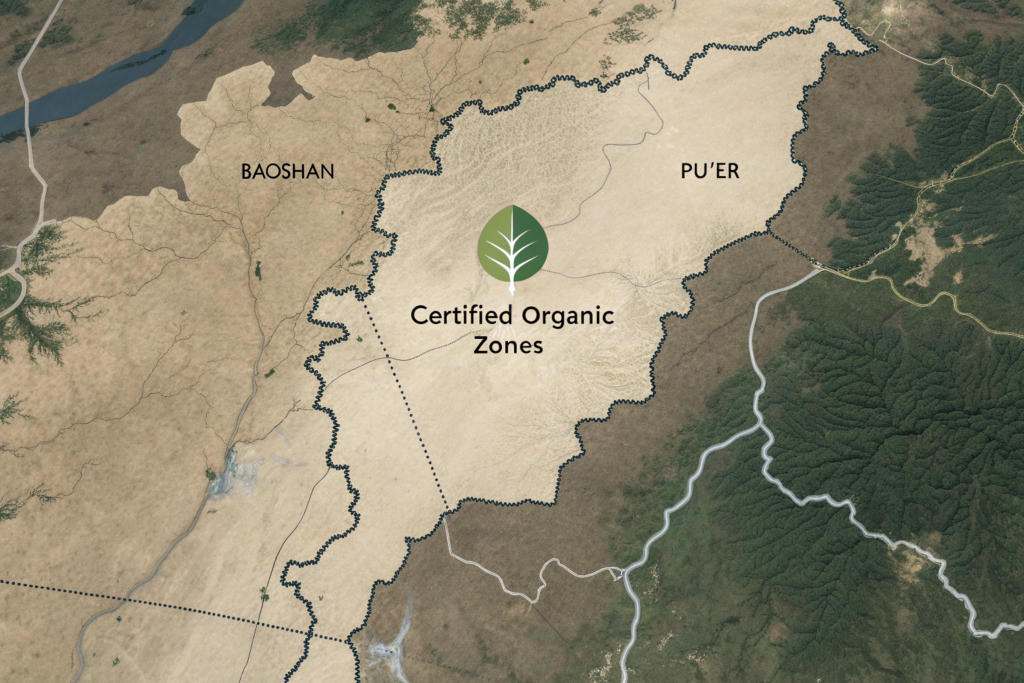
It is the most common international certification for Yunnan coffee destined for the North American market. Several of the major estates and export groups have invested in USDA NOP certification.
Because the U.S. is a primary export market, there is a clear economic driver to meet this standard. You can verify the number of USDA NOP certified operations in China yourself by searching the USDA Organic Integrity Database. Search for "China" and filter by product "Coffee." The list is not huge, but it is real and verifiable. This database is the ultimate source of truth. If a supplier claims USDA certification but does not appear in this database, they are not certified.
What About EU Organic and Chinese Organic Standards?
EU Organic certification is also present, driven by demand from European specialty roasters. The EU standard is equally rigorous, with a strong emphasis on environmental protection and traceability.
The China Organic Standard also exists. However, it is crucial to understand that China Organic is not equivalent to USDA or EU Organic in the eyes of U.S. or European regulators. A product certified only under the China Organic standard cannot be imported and sold as "Organic" in the U.S. or EU. It requires a separate certification from an accredited body under the destination market's standard. As a buyer, you must specify which organic standard you require. At Shanghai Fumao, our certified plots are audited to both USDA NOP and EU Organic standards, allowing us to serve both markets transparently.
What Are the Flavor and Quality Differences Between Organic and Conventional Yunnan Coffee?
This is the question that ultimately matters to the roaster and the consumer. Putting the label and the paperwork aside, does the organic certification result in a different, or better, tasting coffee?
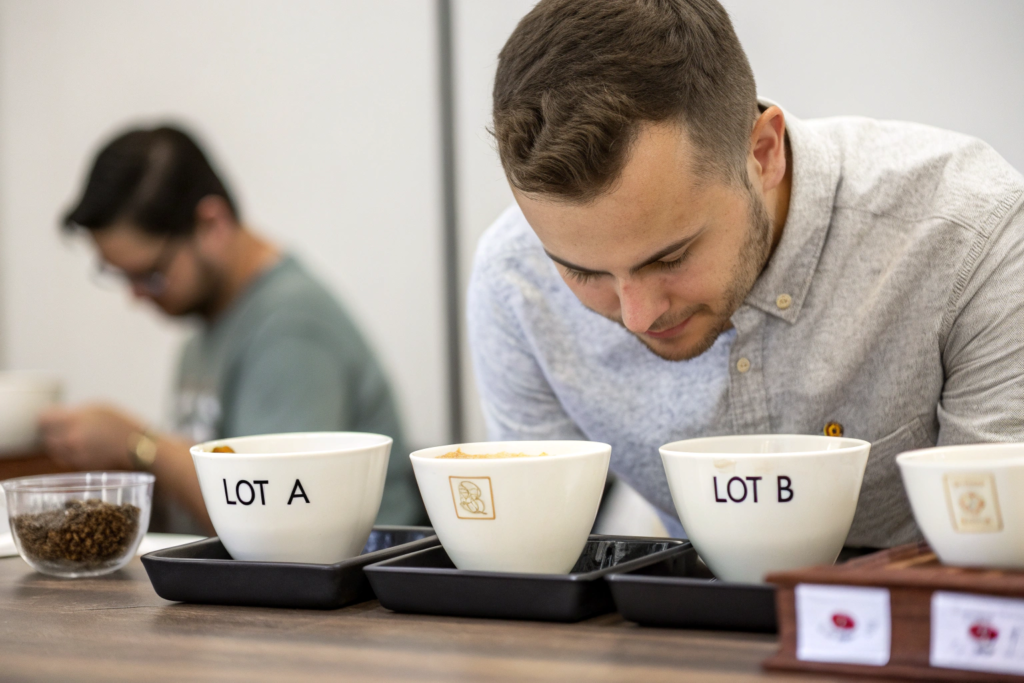
There is no inherent, guaranteed flavor difference between a well-grown conventional Yunnan coffee and a certified organic Yunnan coffee from the same farm and same varietal. Cup quality is driven primarily by genetics (varietal), altitude, and processing care. A meticulously processed conventional lot will dramatically outperform a poorly processed organic lot. However, some roasters and cuppers report that certified organic lots, which often receive more individualized attention and rely on slower-release natural fertilizers, can exhibit a slightly sweeter, rounder, and more balanced cup profile with a longer finish.
Does Organic Farming Produce a "Cleaner" Cup?
The word "clean" in coffee cupping has a specific meaning: the absence of off-flavors (ferment, dirt, phenol). Organic farming practices, particularly the avoidance of systemic pesticides, do not directly guarantee a cleaner cup.
A clean cup is the result of careful picking (only ripe cherries), controlled fermentation, and clean washing. This can be achieved beautifully in both conventional and organic systems. The perception of a cleaner cup among consumers is often driven by the story of organic farming—the idea that fewer chemicals equals a purer product. While there is truth to the reduced chemical load, the sensory experience of "cleanliness" is primarily a function of post-harvest processing. At Shanghai Fumao, our conventional and organic lots are both processed to the same exacting standards of cleanliness.
Is Organic Yunnan Coffee Worth the Premium Price for My Roastery?
The answer depends entirely on your brand and your customer base. The premium for certified organic Yunnan coffee is real, typically adding $0.30 to $0.60 per pound to the green cost.
This premium buys you two things:
- The Legal Right to Use the Word "Organic": This is the primary value. It allows you to access the premium-priced organic coffee market, to sell to stores with dedicated organic sets, and to appeal to customers who actively seek out the USDA Organic seal.
- A Verifiable, Audited Story: Certification provides a layer of third-party verification that appeals to customers seeking transparency.
If your brand is built on direct trade relationships, unique varietals, and exceptional cup scores, the organic certification may be less critical than the farm's specific story and quality. Many of our most quality-focused clients buy our conventional Yunnan because the cup is exceptional and the price allows them to achieve their target margins. They tell a story of place and process, not of certification. There is no single right answer. It's a strategic choice for your brand.
How Can I Verify If a Yunnan Supplier's "Organic" Claim Is Legitimate?
This is the most important section for you, the buyer. You must move from "trust" to "verify." The tools are free and publicly available. Using them protects your investment and your brand.
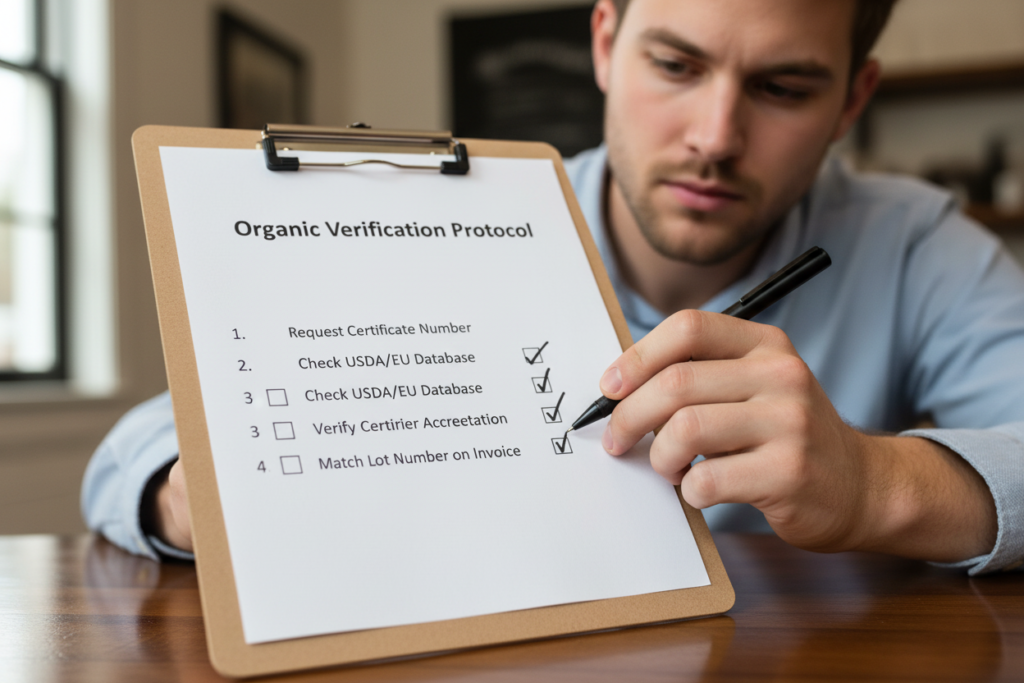
Verifying a Yunnan supplier's organic claim is a four-step process:
- Request the Certificate: Ask for a copy of the current, valid organic certificate. It must show the operator name, the certifying body, the certificate number, the scope (must include "Coffee"), and valid dates.
- Verify the Certifier: Confirm the certifying body is accredited for the relevant standard (e.g., USDA NOP). A list of accredited certifiers is on the USDA website.
- Check the Public Database: Go to the USDA Organic Integrity Database (for USDA claims) or the certifier's public search portal (for EU claims) and enter the certificate number or operator name. The listing must be "Certified" and match the certificate details.
- Match the Lot Number: Ensure the organic lot number on your contract and invoice matches the traceability documentation from the farm.
What Is the "USDA Organic Integrity Database" and How Do I Use It?
This is your most powerful tool for verifying USDA organic claims. It is the official, public database of all operations certified to the USDA National Organic Program.
Here is the direct link: USDA Organic Integrity Database.
How to use it:
- Click "Search for a Certified Operation."
- Enter the exact company name from the certificate in the "Operation Name" field.
- Select "China" from the Country dropdown.
- Click "Search."
If the supplier is certified, their listing will appear. Click on it to view the details: Certified Products (should list "Coffee"), Certifying Agent, and Certified Status (must be "Certified"). This is the definitive, non-negotiable verification. At Shanghai Fumao, we encourage our clients to do this. We provide our certificate number and the direct link to our database listing.
What Red Flags Should I Look for on the Certificate Itself?
Fraudulent certificates often have telltale signs:
- Expired Dates: The "Valid To" date is in the past.
- Vague Scope: The "Scope" does not specifically mention "Coffee" or "Green Coffee."
- Unknown Certifier: The "Certification Body" is not a recognized, accredited name in the organic industry (e.g., it's a generic-sounding "China Organic Inspection Co." with no USDA accreditation).
- Mismatched Names: The company name on the certificate doesn't perfectly match the company name on the invoice or the name in the USDA database.
- Spelling and Grammar Errors: Legitimate certificates from international bodies are professionally produced.
Trust your gut. If something feels off, verify it through the official database.
Conclusion
So, are Yunnan coffee beans organic? The answer is: some are, and some are not. The high-quality conventional Yunnan coffee that forms the vast majority of exports is often grown with admirable, low-impact practices. But it cannot be labeled "Organic." The certified organic Yunnan coffee that can be legally labeled as such is a smaller, premium segment, produced by specific farms that have invested in the rigorous audit and documentation process.
As a buyer, your job is to know the difference and to verify, not just trust. Whether you choose the exceptional value of conventional Yunnan or the certified premium of organic Yunnan depends on your brand strategy and your customers' priorities.
If you're navigating this decision and want clear, transparent information about our conventional and certified organic offerings at Shanghai Fumao, I'm ready to provide the details and the verifiable documentation. My email is cathy@beanofcoffee.com.