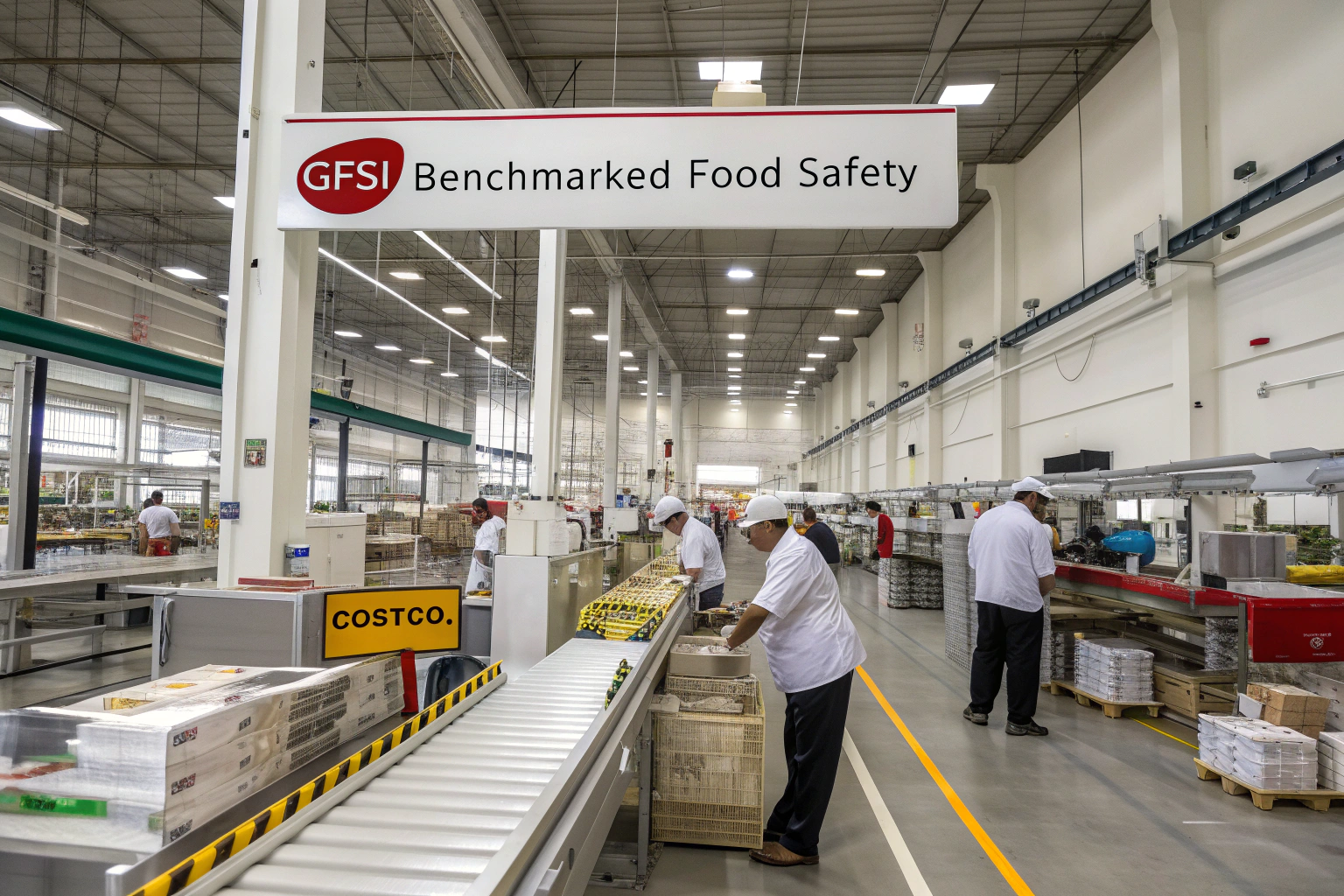
I will never forget the first time a buyer told me, "We are pitching to Costco." It was a distributor from Vancouver who had been buying our Yunnan Arabica for his regional chain. He had built a solid business, and now he had an opportunity to supply a private label coffee program to Costco's Canadian region. He was excited. I was terrified. I had heard the stories: the audit checklists that run to hundreds of line items, the unannounced facility inspections, the documentation requirements that go far beyond standard organic or Fair Trade certifications, the financial penalties for late or non-compliant shipments. I knew that saying yes without being truly ready would be catastrophic. So I told him, "Give me their supplier requirements document. Let me see if we can actually do this before either of us commits."
Finding a factory with genuine experience exporting to Costco standards means looking for a supplier who has either directly passed a Costco supplier audit or who operates at a level of third-party certification, food safety rigor, and supply chain documentation that is functionally equivalent. The supplier must demonstrate six specific capabilities: a valid GFSI-benchmarked food safety certification, a documented and audited social compliance program, a fully traceable and segregated supply chain, a packaging and labeling system compliant with the retailer's exacting specifications, a logistics and EDI capability that integrates with the retailer's electronic ordering and shipping systems, and a financial track record of fulfilling large-volume, high-compliance contracts without a single major non-conformance. A factory that claims Costco experience but cannot produce an audit report or a reference to a completed Costco program is not a credible candidate.
What I learned in the months after that conversation transformed our operation. We did not just pass an audit. We raised our entire quality, documentation, and compliance infrastructure to a level that serves us with every client, not just the most demanding ones. Here is what the journey taught me, and what a buyer should look for when evaluating a supplier for this level of retail compliance.
What Food Safety and Quality Certifications Does a Costco-Ready Coffee Supplier Need?
The foundation of any major retailer's supplier program is food safety. Without the right food safety certifications, the conversation stops before it starts. Costco and retailers of similar scale operate their supplier programs around the Global Food Safety Initiative benchmarked standards. For a coffee supplier, this means the facility is audited against a rigorous, internationally recognized food safety management system that covers everything from pest control and allergen management to traceability and recall procedures.
A Costco-ready coffee supplier must hold at least one GFSI-benchmarked certification for their processing and packaging facility. The most common for coffee are SQF, Safe Quality Food, or BRCGS, the British Retail Consortium Global Standard. These are not simple checklist audits. They are comprehensive, scored certifications that involve an initial multi-day on-site audit, ongoing surveillance audits, and full recertification on a regular cycle. The audit covers physical infrastructure, sanitation procedures, employee hygiene, pest management, chemical control, allergen control, traceability, and documentation. A facility that has passed SQF Level 2 or BRCGS with an A or B grade has demonstrated the foundational food safety competence that a major retailer requires. A facility that does not hold one of these certifications, or that holds only a basic HACCP certificate, is not ready for a major retailer program.
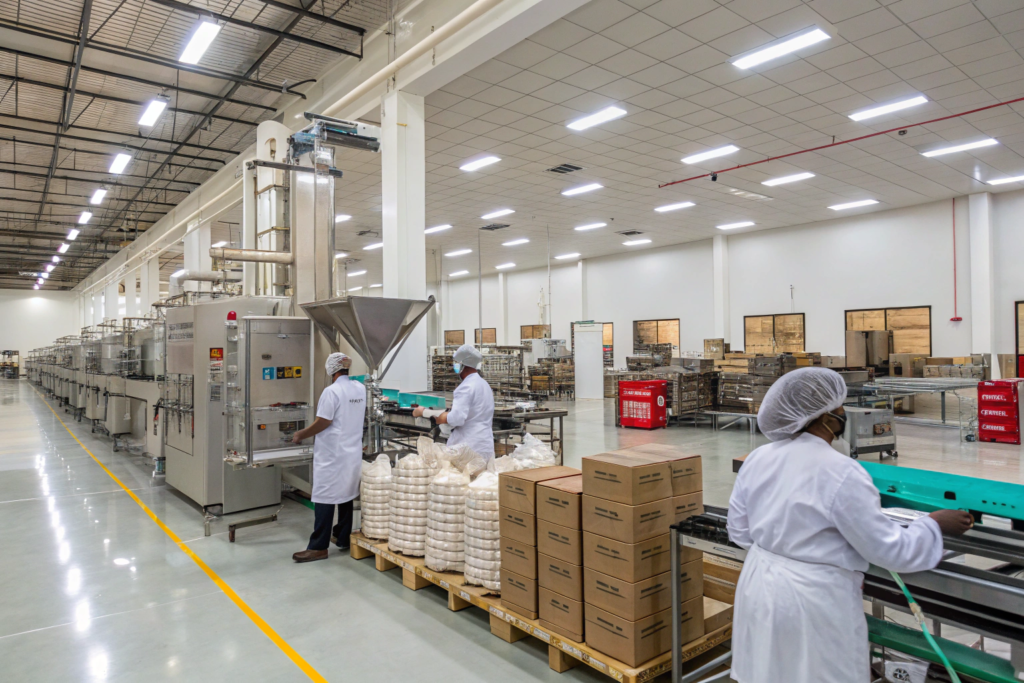
Our facility achieved SQF certification before we pursued any major retail contracts. The preparation took months. We rebuilt parts of our receiving area to create physical separation between raw and finished product. We upgraded our pest control program. We created a documentation system that tracks every batch from cherry intake to container loading. The audit itself was intense and thorough. When it was over, we had a certification that signaled to any potential retail client that we took food safety seriously. The SQF certification program and the BRCGS food safety standards provide the detailed requirements, and the Global Food Safety Initiative benchmarking explains how these certifications compare to each other.
What is the difference between a basic HACCP plan and a full SQF or BRCGS certification?
A HACCP plan, Hazard Analysis and Critical Control Points, is a food safety methodology that identifies potential hazards and establishes controls at critical points. It is the foundation, and it is required. But a basic HACCP plan is often internally developed, not independently audited, and does not cover the full scope of a GFSI certification. SQF and BRCGS build on HACCP and add requirements for management commitment, documented quality management systems, supplier approval programs, internal audit schedules, corrective action procedures, and traceability testing. A SQF-certified facility has been audited by an independent, accredited certification body against a comprehensive standard. A facility with an internal HACCP plan may or may not be meeting the same level of rigor, but there is no independent verification.
Why does a major retailer require GFSI certification specifically, not just a local food safety license?
A local food safety license confirms that a facility meets the minimum legal requirements of the country where it operates. Those requirements vary widely. A GFSI certification confirms that a facility meets a globally consistent standard that major retailers have agreed is the baseline for their suppliers. For a retailer importing from multiple countries, GFSI certification provides a common, audited standard that they can rely on without having to understand the nuances of every country's local regulations. It is a universal passport.
How Does a Factory Prove Ethical Labor Practices and Supply Chain Transparency to a Retail Giant?
Food safety is the foundation. Ethical compliance is the superstructure. A major retailer's reputation is one of its most valuable assets, and that reputation can be damaged catastrophically by a supplier who uses child labor, forces workers to work excessive hours, or operates in unsafe conditions. The retailer's social compliance program is designed to prevent that.
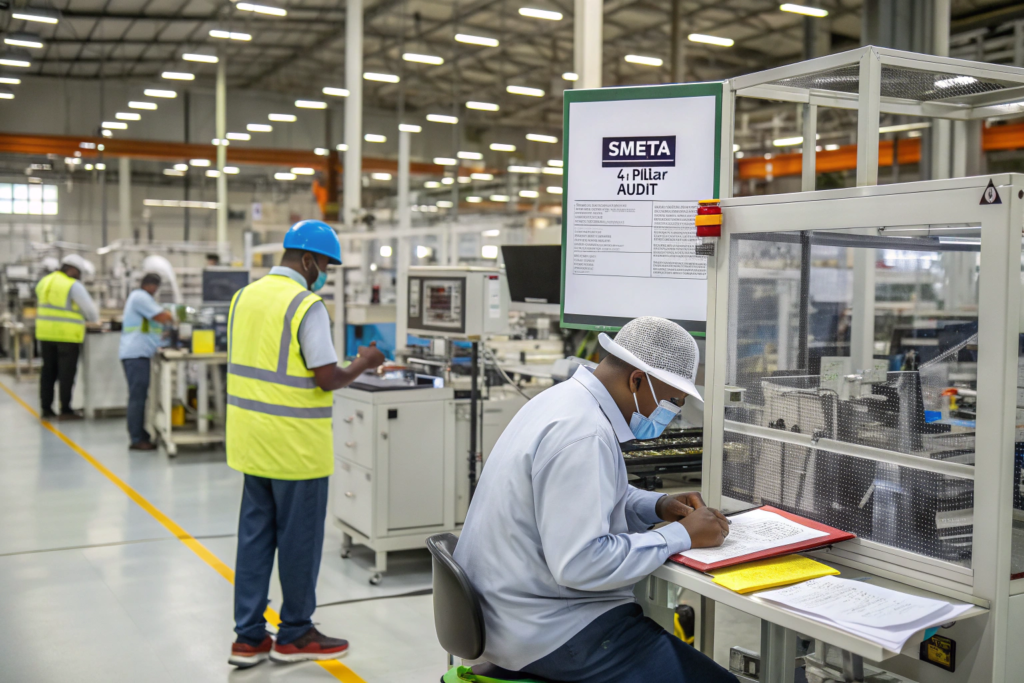
A factory proves ethical labor practices through a combination of third-party social compliance audits, transparent documentation of employment practices, and a demonstrated commitment to continuous improvement. The most recognized audit framework is SMETA, the Sedex Members Ethical Trade Audit, which covers labor standards, health and safety, environmental performance, and business ethics. A SMETA 4-Pillar audit, conducted by an accredited audit firm, provides a comprehensive assessment that major retailers accept. Beyond the audit, the factory must maintain detailed records: employment contracts, payroll records, working hours logs, health and safety training records, and grievance mechanisms. These records must be current, accurate, and available for inspection on short notice. A factory that is defensive about labor practices or cannot produce records is a red flag.
When we prepared for our first social compliance audit, I was nervous. We treat our workers well, but I had never had that treatment examined by an outside auditor against an international standard. The auditor interviewed workers privately, without management present. They reviewed payroll records going back years. They inspected worker housing, the canteen, the bathrooms. They checked chemical storage and PPE availability. It was thorough. We passed, with some minor non-conformances that we corrected within the agreed timeframe. The process made us better. The Sedex SMETA audit framework provides the detailed requirements, and the Ethical Trading Initiative's base code is the foundational labor standard that underpins many retailer codes of conduct.
What is a SMETA audit and why do retailers ask for it by name?
SMETA is an audit methodology developed by Sedex, one of the world's largest platforms for sharing ethical supply chain data. A SMETA 4-Pillar audit covers labor standards, health and safety, environment, and business ethics. It is widely accepted by major retailers because it is standardized, conducted by accredited audit firms, and the results can be shared across multiple buyers on the Sedex platform, reducing audit fatigue for suppliers. A factory that has a current, passing SMETA audit on file with Sedex has a social compliance credential that is recognized globally.
How can a buyer verify that a factory's social compliance claims are genuine?
Ask for the full audit report, not just the certificate. A genuine report will include specific findings, corrective actions taken, and the auditor's detailed observations. A supplier who only provides a certificate and is reluctant to share the report may have something to hide. Also, ask for the contact information of the audit firm. A legitimate audit report can be verified with the firm that conducted it. Finally, ask about worker turnover rates and average tenure. A factory with very high turnover or very short average tenure may be a factory where working conditions are poor, even if an audit was passed.
What Labeling, Packaging, and Logistics Capabilities Are Required for a Major Retail Account?
A coffee can be perfectly roasted, perfectly ground, perfectly packaged, and still be rejected by a major retailer if the label is one millimeter out of specification or the pallet is stacked one carton too high. Retail compliance extends to every physical detail of how the product is presented, packed, shipped, and tracked.
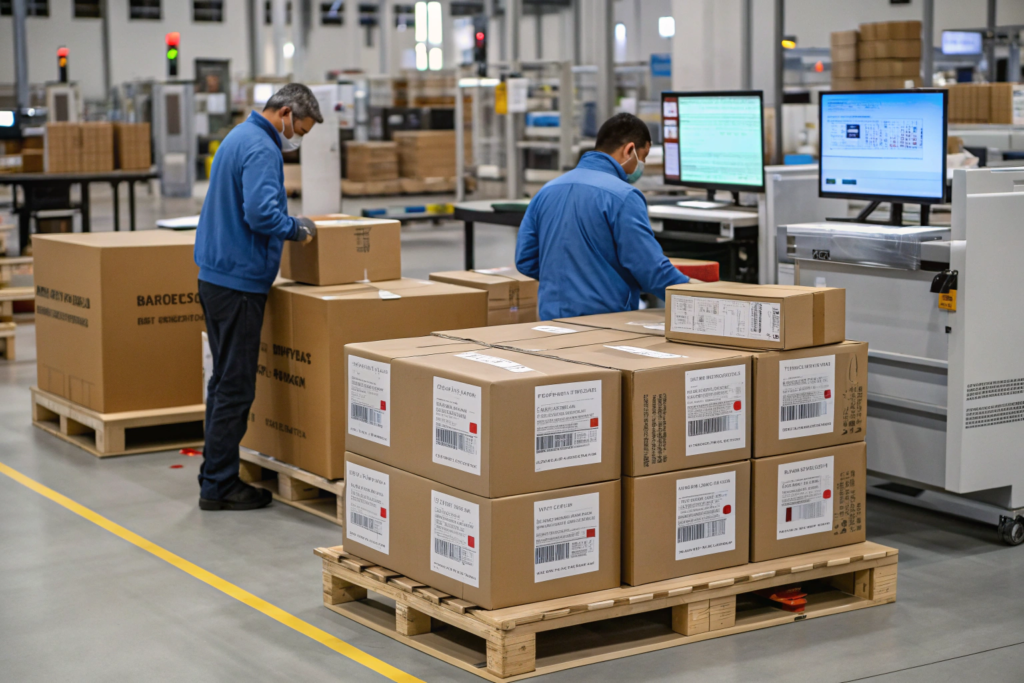
A factory serving major retail accounts must demonstrate mastery of retailer-specific packaging specifications, barcode and labeling compliance, palletization and shipping configuration, and electronic data interchange integration. The packaging must meet the retailer's exact material specifications, dimensions, and artwork requirements. Every unit and every case must carry a scannable barcode that is registered and verified. Pallets must be built to the retailer's exact pattern, height, and weight limits, with compliant corner boards and stretch wrap. And the factory must be capable of EDI, Electronic Data Interchange, which is the electronic language that major retailers use to send purchase orders, receive shipping notices, and process invoices. A factory that relies on email and PDFs for order processing is not ready for a major retail account.
I underestimated the labeling and logistics complexity the first time. The retailer sent us a 60-page vendor compliance manual. It specified the exact barcode type, the exact placement on the bag and on the case, the exact pallet configuration for our product dimensions, the exact EDI transaction sets we needed to support, and the exact financial penalties for non-compliance. We had to invest in new labeling equipment, new palletizing procedures, and new software to handle EDI. It was a significant project. The GS1 barcode standards are the universal language of retail, and the EDI transaction standards define the electronic formats that major retailers require.
What is EDI and why is it non-negotiable for large retail suppliers?
EDI, Electronic Data Interchange, is a set of standardized electronic formats that allow a retailer's computer system to talk directly to a supplier's computer system. A purchase order is transmitted as an EDI 850 document. The supplier acknowledges it with an EDI 855. When the order ships, the supplier sends an EDI 856, the Advance Ship Notice, which tells the retailer exactly what is in the shipment, how it is packed, and when it will arrive. The invoice is an EDI 810. This system eliminates paper, reduces errors, and allows the retailer to process thousands of supplier transactions daily with minimal human intervention. A supplier who cannot do EDI simply cannot be integrated into the retailer's systems.
What are the most common reasons a shipment gets rejected at a retailer's distribution center?
The most common reasons are incorrect or unreadable barcodes, pallets that are the wrong height or unstable, cases that are damaged or incorrectly labeled, and missing or inaccurate Advance Ship Notices. The retailer's warehouse is designed for speed. If a pallet cannot be scanned and put away within seconds, it is rejected. These rejections are expensive. The supplier pays for return shipping, penalties, and often loses the sale entirely. A supplier with genuine retail experience will have rejection rate data and a documented process for investigating and preventing rejections.
Why Does Costco and Similar Retailers Require a Factory Audit Before the First Purchase Order?
The audit is the gate. Every supplier who wants to sell to a major retailer must pass an audit before the first purchase order is issued. This is not negotiable. The retailer is not going to take your word that your facility is clean, safe, and ethical. They are going to send an auditor, either from their own team or from an approved third-party firm, to walk your facility, review your records, and interview your workers.
A major retailer requires a pre-production audit to independently verify every claim the supplier has made about food safety, quality management, social compliance, and operational capability. The audit covers the facility's physical structure, equipment maintenance, sanitation, pest control, chemical handling, employee facilities, payroll and working hours records, hiring practices, and traceability systems. The audit report generates a score or a rating. If the score is below the retailer's threshold, the supplier is disqualified. If it is above the threshold but with non-conformances, the supplier must submit a corrective action plan and may be re-audited. Only after a passing audit is confirmed does the supplier receive a vendor number and become eligible to receive purchase orders. This process can take months, and it is the single most important test of whether a supplier is truly retail-ready.
Our first retailer audit took two full days. The auditor arrived early, stayed late, and examined everything. At the end, we had a list of minor findings: a crack in a floor tile that needed repair, a document that needed an additional signature, a storage area that needed better signage. We fixed everything within two weeks, submitted photographic evidence, and received our approval. It was rigorous but fair. The Retail Industry Leaders Association's supplier resources provide guidance on preparing for these audits, and the Consumer Goods Forum's sustainable supply chain initiative explains the industry-wide push toward harmonized audit standards.

What is the difference between a third-party certification audit and a retailer-specific audit?
A third-party certification audit, like SQF or SMETA, is conducted against a published standard by an accredited certification body. It is accepted by many different retailers. A retailer-specific audit is conducted against that specific retailer's internal standard, often by the retailer's own auditors or a firm they have contracted. It may include requirements that go beyond the third-party standard, such as specific packaging tests, specific IT security requirements, or specific financial stability checks. A supplier who has passed a third-party audit has done most of the preparation, but they must still pass the retailer's own audit to get approved.
How long does the audit-to-approval process typically take, and why?
From initial application to approved vendor status, the process typically takes three to six months. It includes the supplier questionnaire, the document review, the scheduling of the on-site audit, the audit itself, the corrective action period, and the final approval review. The timeline can stretch longer if the audit reveals significant non-conformances that require major infrastructure or process changes. A supplier who promises retail approval in a few weeks is either misinformed or cutting corners.
Conclusion
A factory with genuine experience exporting to Costco or equivalent retail standards does not just have a good coffee. It has a comprehensive quality and compliance infrastructure that has been tested and verified by independent auditors. It holds GFSI-benchmarked food safety certification. It has passed a social compliance audit against a recognized standard. It operates labeling, packaging, and EDI systems that integrate with the retailer's logistics. And it has survived and passed the retailer's own pre-production audit. A buyer who is evaluating a supplier for a major retail program should ask for the audit reports, not just the certificates. They should verify the references. They should expect a supplier who is transparent, proud of their compliance record, and able to speak in detail about the rigor of the process.
If you are a distributor, a private label brand, or a roaster preparing for a major retail submission, and you need a coffee supplier who has built the infrastructure to support that level of compliance, we have made the investments. Our facility holds SQF certification, we have passed SMETA social compliance audits, and we have direct experience with the documentation, labeling, and logistics requirements of major retail programs. Contact Cathy Cai at cathy@beanofcoffee.com. She can share our certification documents, our audit history, and a detailed overview of our retail compliance capabilities. The retail audit is daunting. Having a supplier who has already done it makes it significantly less so.