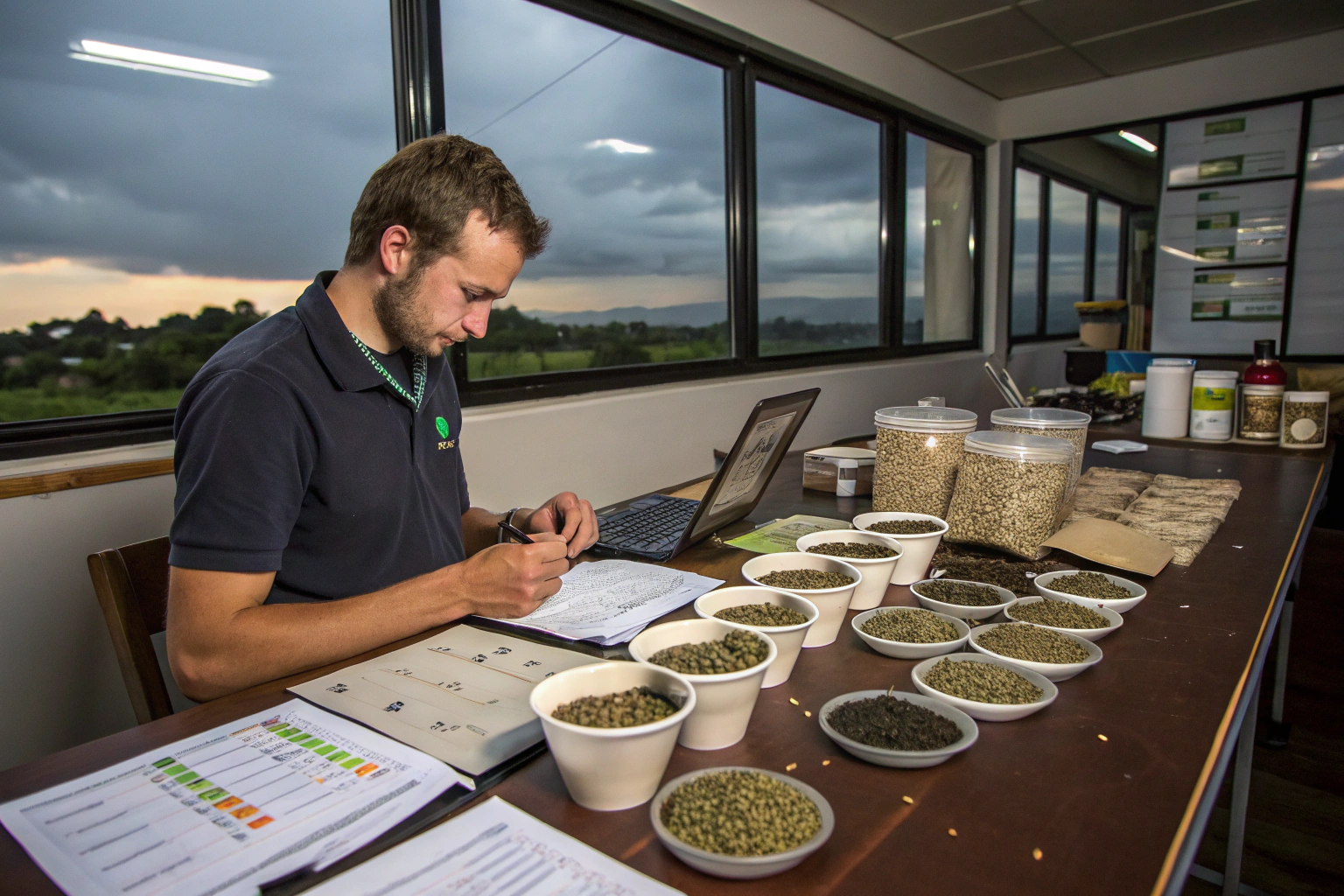
I was having dinner with a green coffee buyer for a large European roaster a few months ago. He had been in the role for over a decade. I asked him, "What do you actually do all day now, compared to ten years ago?" He laughed, but it was a tired laugh. He said, "Ten years ago, I cupped coffee, negotiated prices, and wrote purchase orders. Now I also manage a carbon accounting dashboard, audit supplier labor practices against living income benchmarks, review satellite deforestation monitoring data, and explain to my marketing team why the SDG claims on the new bag need to be legally defensible. I am still a coffee buyer. But I am also a sustainability officer, a data analyst, a supply chain risk manager, and occasionally a diplomat." That conversation crystallized something I had been observing from the supplier side: the green coffee buyer's role has fundamentally transformed.
The role of a green coffee buyer in 2026 is no longer defined solely by sensory evaluation and price negotiation. It is a multi-disciplinary position that requires fluency in climate risk assessment, supply chain due diligence regulations, sustainability data verification, and long-term partnership development. The modern green buyer is not just purchasing coffee. They are constructing and managing a portfolio of supplier relationships that must deliver on quality, price, volume, regulatory compliance, and brand-aligned sustainability commitments simultaneously. The cupping table is still central. But it is now surrounded by spreadsheets, satellite imagery, audit reports, and legal frameworks that did not exist in the buyer's world a decade ago.
This shift has profound implications for how suppliers like us need to operate. If the buyer now needs carbon data, we need to provide carbon data. If the buyer needs living income benchmarks, we need payroll records. The supplier who understands the buyer's expanded role and proactively supports it has a competitive advantage that goes far beyond a cupping score. Here is how the role has changed, and what it means for the relationship between buyer and supplier.
How Has the Green Buyer's Responsibility Expanded Beyond Cupping and Pricing?
The traditional green coffee buyer had a clear, bounded job. Source high-quality coffee at competitive prices. Cup samples. Negotiate contracts. Manage inventory. The role was technical and commercial, focused on the coffee itself. That role still exists. But it has been layered with new responsibilities that reflect the coffee industry's reckoning with climate change, social equity, and regulatory pressure.
The modern green buyer's responsibility has expanded into four domains that were previously handled by separate departments or not addressed at all. First, sustainability verification: the buyer must now collect, validate, and report data on the environmental and social performance of every supplier, not just trust a certification logo. Second, regulatory compliance: the buyer must ensure that every coffee shipment meets the legal requirements of importing jurisdictions, including the European Union's deforestation regulation and various national due diligence laws. Third, supply chain resilience: the buyer must actively manage the risk of climate-related supply disruptions by diversifying origins, building inventory buffers, and stress-testing supply chains. Fourth, internal storytelling: the buyer must equip their marketing and sales teams with verified, defensible origin stories and sustainability data. The buyer has become the nexus of quality, risk, compliance, and brand integrity.
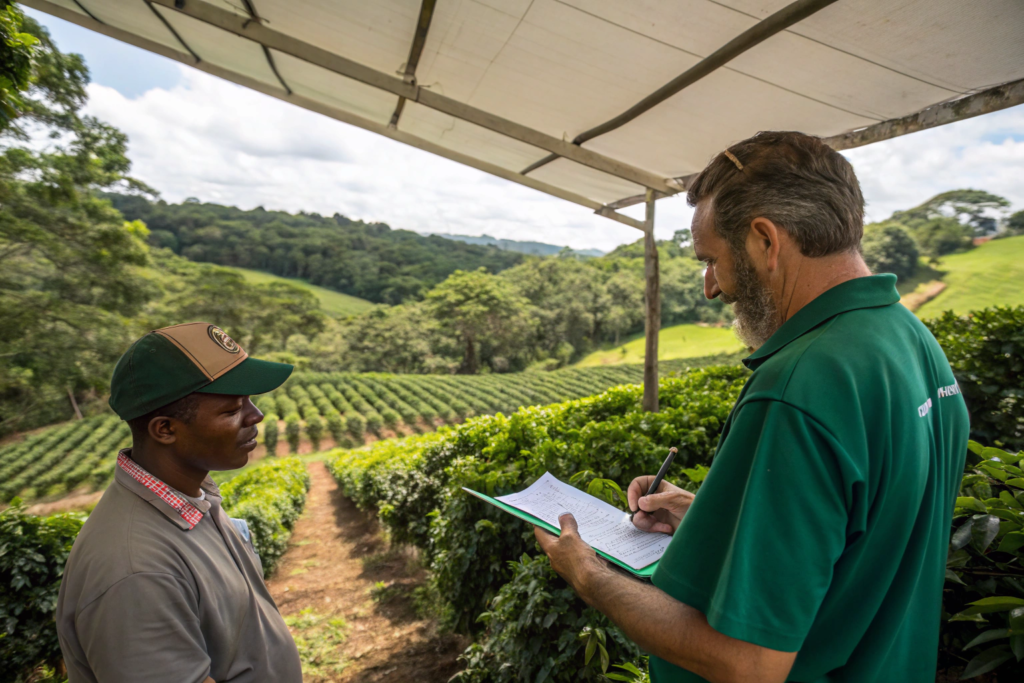
I see this every time a buyer visits our farm. Ten years ago, the visit was mostly about walking the fields, cupping lots, and sharing a meal. Today, the buyer arrives with a checklist. Can I see your water treatment system? What is your employee turnover rate? Do you have geolocation data for every farm block? Can you share your carbon footprint assessment? These are not hostile questions. They are the buyer doing their job. The suppliers who can answer them with data, not anecdotes, are the suppliers who win contracts. The Specialty Coffee Association's sustainability education now includes modules specifically for green buyers, and the Global Coffee Platform's buyer resources provide frameworks for integrating sustainability into purchasing decisions.
What specific regulatory knowledge must a green buyer possess in 2026?
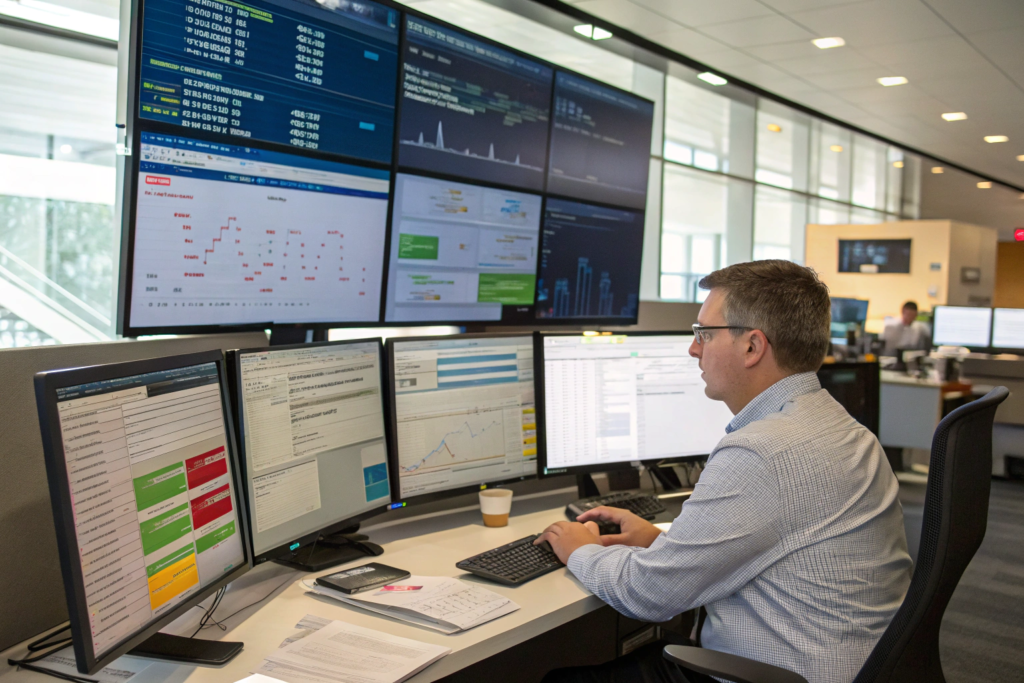
The most consequential regulation is the European Union Deforestation Regulation, known as EUDR, which requires importers of coffee and several other commodities to prove that their products did not originate from land deforested after December 31, 2020. For a green buyer, this means collecting geolocation coordinates for every farm plot that supplies their coffee, conducting due diligence on those plots against satellite deforestation data, and filing a due diligence statement with EU authorities. Buyers who purchase from regions with complex, smallholder supply chains face a particularly heavy data collection burden. This regulation alone has fundamentally changed the buyer's relationship with traceability. It is no longer a nice-to-have. It is a legal requirement.
How has climate risk assessment become part of the buyer's core job?
A buyer who secures a beautiful coffee from a region that climate models project will be unsuitable for Arabica production within a decade has not made a good purchase. They have purchased a supply chain that will become increasingly expensive, unreliable, and ultimately unavailable. Climate risk assessment—using tools and data from organizations like World Coffee Research—is now part of the buyer's sourcing strategy. They must evaluate not just what a coffee tastes like today, but whether that coffee will be available, at consistent quality and volume, five and ten years from now. This long-term thinking is a fundamental shift from the historical focus on current-crop quality and price.
Why Has Supplier Relationship Management Become the Buyer's Most Strategic Task?
I have seen a pattern over the years. The buyers who treat supplier relationships as transactional—send me samples, give me your best price, I will call you when I need you—tend to lose access to the best lots. The best coffee, especially in a competitive specialty market, goes to the buyers who have invested in the relationship. The farmer or exporter who receives a fair price, clear communication, and a visit every year or two will offer their top microlot to that buyer first.
Supplier relationship management has become strategic because the most valued attributes of a specialty coffee supply chain—consistent quality, reliable volume, transparent practices, and the flexibility to collaborate on custom processing—cannot be purchased on a spot basis. They are built through multi-year partnerships. The green buyer of 2026 operates less like a commodity procurer and more like a venture investor in a portfolio of farm relationships. They visit origin not just to cup, but to understand the producer's challenges, co-invest in improvements, and build the trust that leads to first-refusal offers on exceptional lots. In a market where great coffee has many buyers, the quality of the relationship often determines who gets the coffee.
I allocate our most exclusive microlots to buyers who have visited our farm, who have contracted with us for multiple years, and who have treated us as partners rather than vendors. This is not favoritism. It is rational. A multi-year partner has demonstrated commitment to our mutual success. A one-time buyer who emails for samples during a price spike has not. The buyer who invests in the relationship gets the coffee. The Harvard Business Review's supplier collaboration research documents how strategic supplier partnerships outperform transactional sourcing across industries, and the SCA's direct trade resources provide coffee-specific frameworks for building these relationships.
What does a "strategic supplier partnership" look like from the producer's perspective?
It looks like a buyer who contracts for multiple years, not just a single container. Who visits the farm, cups with us, and gives honest feedback that improves our processing. Who shares information about their market, their customer preferences, and their growth plans, so we can plan our plantings accordingly. Who pays on time and communicates problems early. Who treats us as a long-term asset, not a short-term source of coffee. In return, we give that buyer our best lots, our first call when an experimental process produces something extraordinary, and our loyalty when supply is tight and other buyers are offering higher spot prices.
How does a buyer balance price negotiation with relationship preservation?
This is the central tension of the buyer's role. Pushing too hard on price damages the relationship and ultimately the quality, as the producer cuts corners or diverts better lots to higher-paying buyers. Paying whatever is asked is not sustainable for the buyer's business. The balance is found in transparency and fairness. A buyer who shares their target price range, explains the market context, and commits to a fair quality differential—even when the C-market is low—builds trust. A buyer who ruthlessly squeezes every penny in a low market destroys it. The best buyers I work with negotiate firmly but fairly, with an eye on the relationship lasting beyond the current contract.
What Technology Tools Are Reshaping the Green Coffee Buyer's Daily Workflow?
The green buyer's toolkit in 2016 was a cupping spoon, a moisture meter, a spreadsheet, and an email inbox. The toolkit in 2026 is substantially more complex, and the buyers who have embraced the new tools are operating with a level of insight and efficiency that was previously impossible.
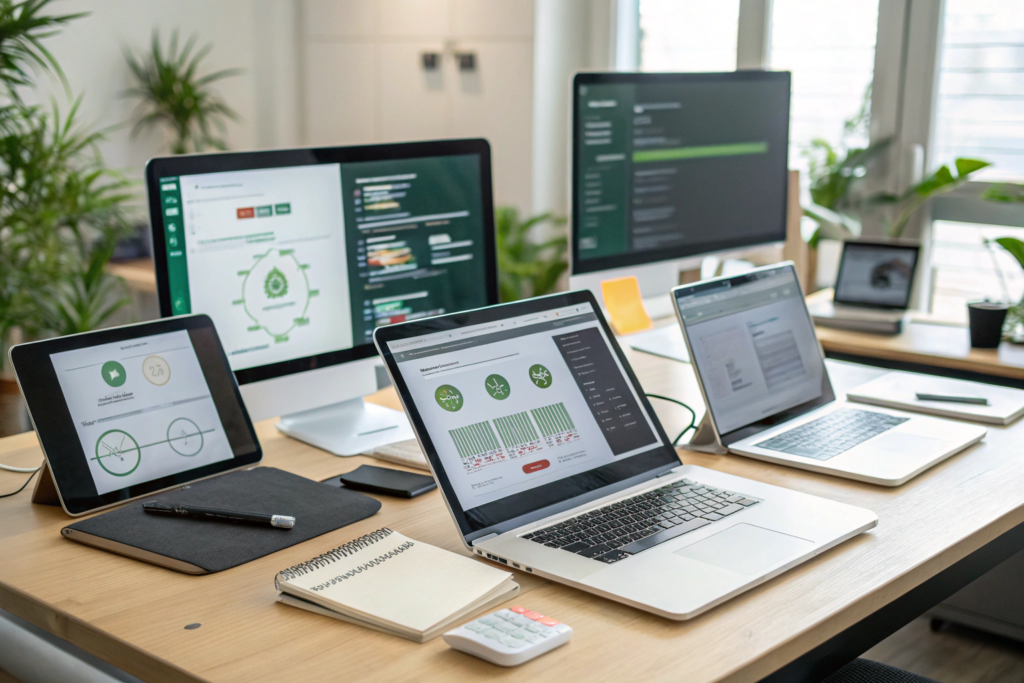
The technology stack of a modern green buyer typically includes five categories of tools. First, roasting and cupping software like Cropster or Artisan that integrates roast profiling, cupping scores, and inventory tracking into a single platform. Second, supply chain mapping and traceability platforms that aggregate farm-level data, including geolocation, certifications, and sustainability metrics. Third, satellite-based deforestation monitoring tools that allow the buyer to verify that coffee-producing land has not been recently cleared. Fourth, carbon accounting software that calculates the greenhouse gas emissions of each coffee supply chain. Fifth, communication and collaboration platforms that enable real-time messaging, video calls, and document sharing with suppliers across multiple time zones. The buyer who uses these tools effectively spends less time on administrative tasks and more time on strategic relationship management and quality assessment.
I have seen the impact of these tools on the buyer-supplier interaction. A buyer who uses a traceability platform can pull up our farm's data—cupping scores, harvest volumes, certification status, shipment history—in seconds during a call. The conversation moves from "can you send me that data" to "based on this data, let us plan the next shipment." The Cropster platform is widely adopted among specialty buyers for sensory and roast data, and the World Coffee Research traceability tools are building the infrastructure for farm-level data sharing.
How do traceability platforms change the buyer's ability to verify supplier claims?
Before traceability platforms, a buyer had to take many supplier claims on trust. The supplier said the coffee was organic, paid fair wages, and came from a specific farm. Verifying those claims required a site visit or an expensive third-party audit. Traceability platforms that aggregate geolocation data, certification records, and audit results allow the buyer to verify claims in near real-time from their desk. This shifts the buyer's role from passive recipient of claims to active verifier of data. Suppliers who participate in these platforms make the buyer's job easier and reduce the verification burden.
What is the role of carbon accounting in the buyer's purchasing decisions?
Carbon accounting is moving from a niche sustainability activity to a mainstream procurement requirement. Large roasters, particularly in Europe, have made public commitments to reduce their Scope 3 emissions, which includes the emissions from their purchased green coffee. The green buyer is now responsible for collecting the data that feeds these carbon reports: fertilizer use, transportation distances and modes, processing energy sources, and land-use change impacts. A supplier who can provide a carbon footprint per kilogram of green coffee, verified by a credible methodology, helps the buyer meet their internal targets and makes the coffee easier to purchase.
How Is the Buyer's Relationship with Marketing and Sales Teams Evolving?
I have been on the receiving end of this dynamic many times. A buyer visits our farm, spends three days cupping, walking the fields, and understanding our operation. They return to their roastery full of stories and enthusiasm. Then their marketing team asks for photos, farmer quotes, and verified sustainability data for the new bag design and the website. The buyer becomes the bridge between the farm and the consumer-facing story.
The green buyer's relationship with their internal marketing and sales teams has evolved from occasional information provider to essential partner in brand storytelling. The buyer is now responsible for capturing origin content during farm visits—photos, videos, interviews, and sensory descriptions—and for verifying the accuracy of every sustainability and origin claim before it reaches the consumer. In an era of heightened scrutiny of greenwashing, the buyer is the internal authority who can say, "We can substantiate this claim because I have seen the documentation." This role requires the buyer to think like a storyteller and a compliance officer simultaneously, collecting the raw material for compelling narratives and the evidence to back them up.
I encourage visiting buyers to take as many photos and videos as they want. I connect them with our farm workers, our mill manager, our agronomist. I want their marketing team to have the material to tell an authentic, specific story about our coffee. A bag that features the name and face of a real farmer, with a real quote about their work, sells better than a bag with a generic description of the region. The buyer who collects that content during their visit is adding value to their company far beyond the purchase order.
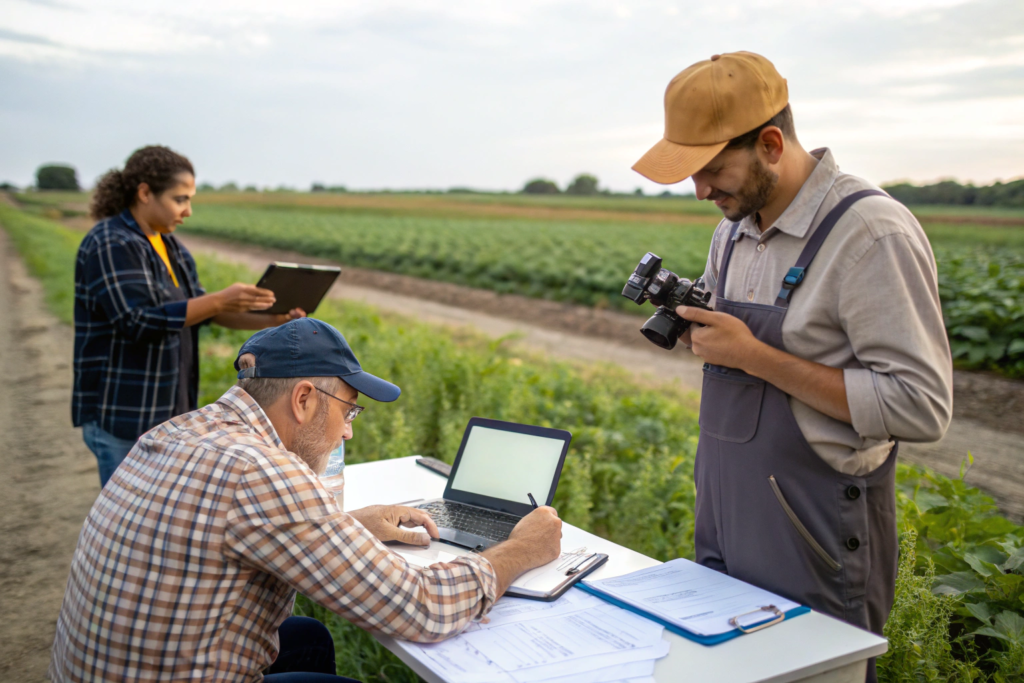
What kind of origin content should a buyer collect during a farm visit?
Photos of the farm at different elevations. Photos and short video clips of the farmer, the pickers, the mill operators, with their permission. A recording of the farmer describing their approach to farming. Detailed notes on the sensory experience of cupping the coffee at origin, including the specific flavors and the emotional response. Details on the processing method that can be translated into consumer-friendly language. Verification documents for any claims that will appear on the bag. This content is the raw material that the marketing team will use to differentiate the coffee on a crowded shelf.
How does a buyer ensure that marketing claims are legally defensible?
The buyer must verify every claim against documentation before it is published. If the marketing team wants to say "100% organic," the buyer must have the current organic certificate on file and confirm that the specific lot is covered. If they want to say "pays living wages," the buyer must have the payroll data and the living income benchmark study. If the buyer cannot produce the evidence, the claim must be revised or dropped. The buyer is the internal gatekeeper of truth, and their credibility—and their company's legal exposure—depends on getting this right.
Conclusion
The green coffee buyer of 2026 is a quality expert, a risk manager, a sustainability auditor, a data analyst, a diplomat, and a storyteller. The role has absorbed functions that were once distributed across multiple departments because the coffee supply chain has become too complex, too regulated, and too strategically important to manage in silos. The buyers who thrive in this environment are those who embrace the breadth of the role and build deep, data-rich, trust-based relationships with their suppliers.
If you are a green buyer navigating this expanded role, or if you are building a sourcing program and need suppliers who understand and support what your job now requires, we have invested in being that kind of supplier. We provide the cupping data, the geolocation mapping, the sustainability documentation, the carbon footprint data, and the origin stories that make your job easier and your purchasing decisions more defensible. Contact Cathy Cai at cathy@beanofcoffee.com. She can share our supplier capability package, including our traceability data, our certification records, and our current lot availability. You have a hard job. We can help make it a little easier.