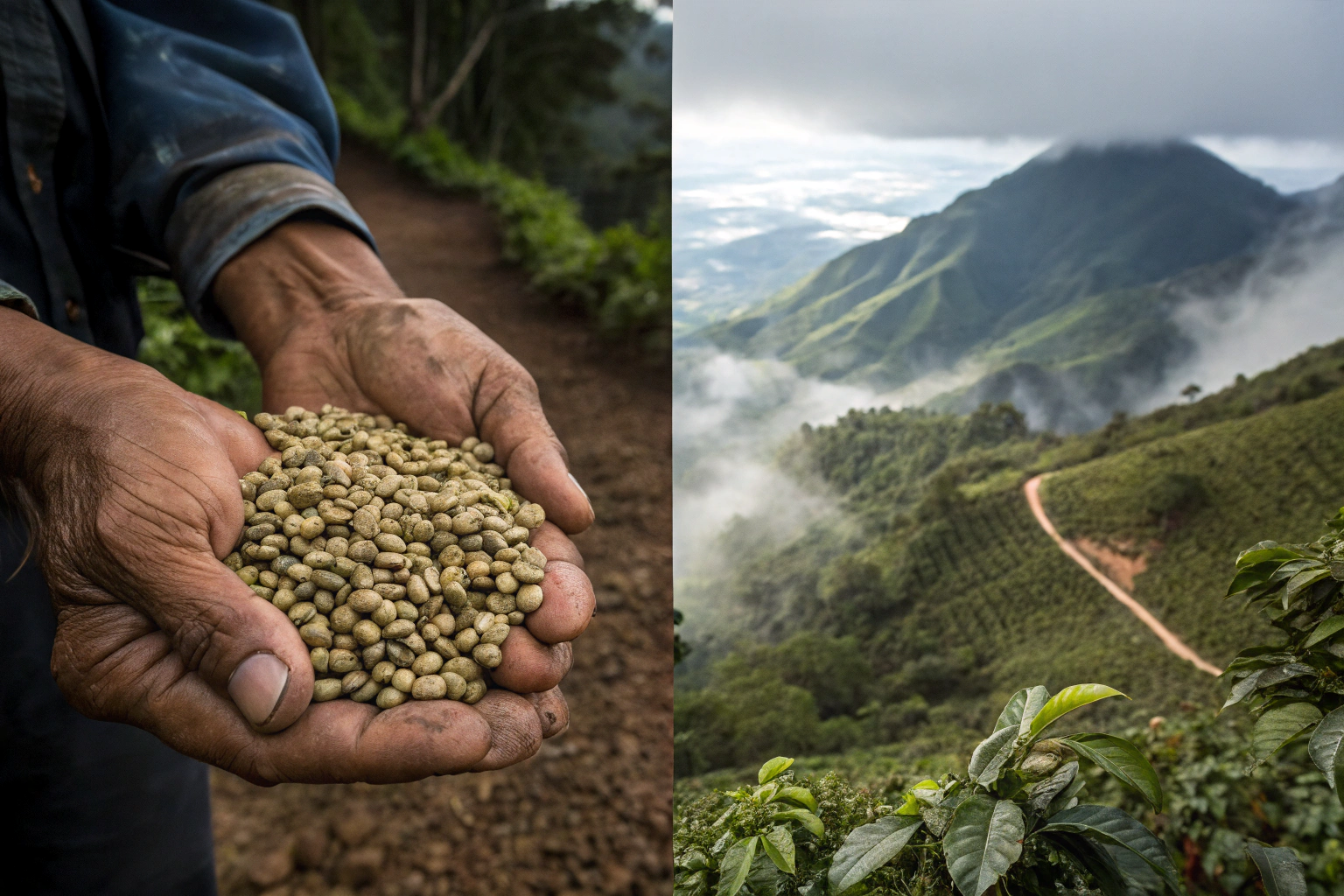
I once made a costly mistake with a buyer from San Francisco. He wanted a "bright, high-acidity" Yunnan Arabica for his single-origin espresso. I sent him our best-selling lot, a smooth, chocolatey coffee from our lower blocks at 1,100 meters. It was a beautiful coffee, clean and balanced. He cupped it, and his feedback was direct: "Nice, but where's the spark? This tastes like a good Brazil, not an exciting new origin." I had matched the wrong elevation to the wrong expectation. The coffee was excellent for a comfort-blend base, but he wanted a high-altitude microlot with a lively, citric pop. The mountain had given me both profiles; I had just sent him the wrong one. That was the day I truly understood that elevation is not just a number on a spec sheet. It's the master sculptor of flavor, and every meter of altitude carves a different taste into the bean.
Elevation shapes the Arabica flavor profile by directly controlling the average temperature and the diurnal temperature swing during cherry maturation, a thermal stress that slows the bean's development, forcing it to concentrate sugars and complex organic acids, transforming a simple, low-altitude nutty profile into a high-altitude symphony of bright acidity, floral fragrance, and refined sweetness. It's the single most predictive variable for a coffee's basic personality. For a buyer like Ron, who sources from a single farm and needs to build a diverse menu, understanding how our 10,000 acres of varying elevations in Baoshan create a natural portfolio of flavors—from a heavy-bodied espresso base to a delicate, aromatic microlot—is the key to unlocking a year-round sourcing strategy from one trusted partner.
I want to take you on a vertical tasting journey through our farm, from the bottom of our valley to the top of our highest accessible ridge. We'll look at the cold, hard science of why a bean grown at 1,500 meters is physically denser and chemically different from one grown at 1,100 meters. But we'll also taste it, describing the real, sensory differences that you can detect in the cup and use to guide your buying decisions. Let's start at the bottom, with the foundation of your blend, the coffee that starts your customers' day with a gentle, familiar hug.
What Flavor Notes Come From Low-Elevation Arabica Farms?
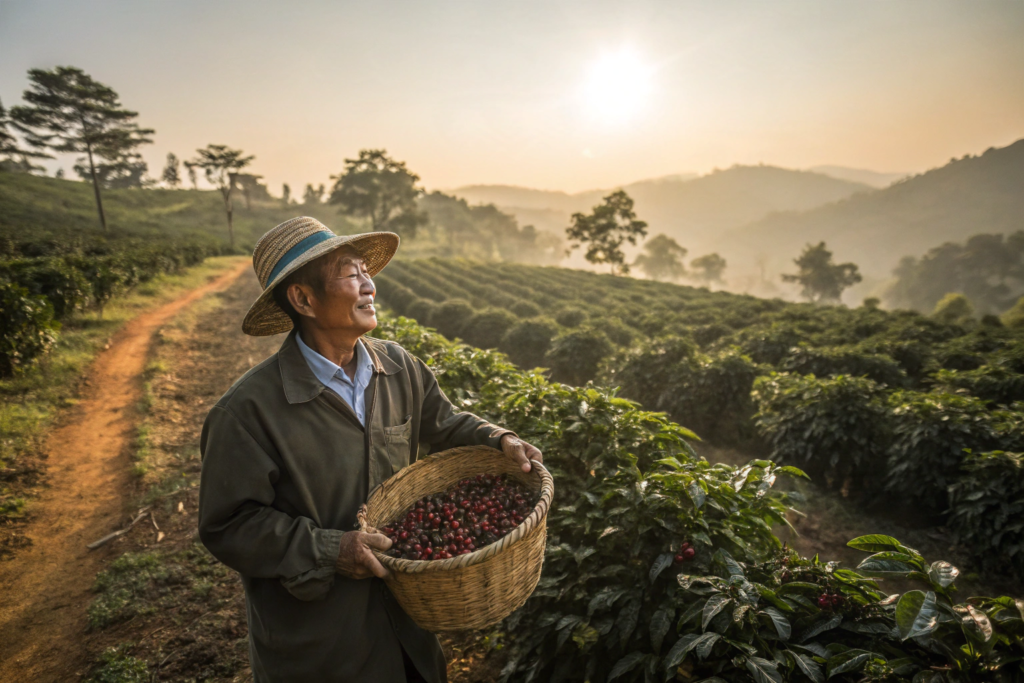
Low-elevation coffee is the unsung hero of a roaster's menu. It rarely wins awards. It doesn't get the glossy magazine features. But it forms the reliable, comforting backbone of countless house blends and classic espresso roasts. When I talk about low elevation on our farm, I mean the blocks that sit between 900 and 1,200 meters above sea level. This is a warmer zone. The sun is intense, and the nights don't cool off as dramatically. The coffee tree is comfortable, not stressed. It grows fast. The cherries ripen quickly, with less time to build up the complex sugars and acids. The result is a bean that is physically less dense and chemically simpler than its high-altitude cousins. But "simpler" does not mean "bad." It means it has a distinct, dependable, and highly marketable flavor profile that many coffee drinkers genuinely prefer for their daily cup.
The dominant flavor notes from low-elevation Arabica farms are a soft, nutty base—think roasted almond and peanut shell—layered over a low-acidity, full-bodied, chocolate-driven sweetness, with earthy undertones and a very clean, muted finish that provides an exceptionally smooth mouthfeel without any sharp or fruity acidity. This is the classic "comfort coffee" profile. It's the taste of a traditional Italian espresso blend. It's not complex. It's not challenging. It's just warm, rich, and deeply satisfying. For a roaster, this is the blend base. It provides a heavy body and a chocolatey anchor that balances out brighter, fruitier high-altitude components. Without low-elevation coffee in a blend, the espresso can feel thin and harsh. With it, the shot becomes syrupy and balanced.
This profile is incredibly reliable, year after year, because the stable, warm climate at this altitude doesn't produce much vintage variation. The flavor is consistent. Let's look at the specific chemical driver of that smooth, low-acid character and the crucial roasting consideration for these softer beans.
How Does Lower Density Affect Roasting and Body in the Cup?
The physical density of a low-elevation bean is the key to understanding everything about it. Because it matures faster, the bean's internal cell structure is less compact. It has more air pockets. This lower density has two huge impacts. First, in the roaster. A lower-density bean is more porous and conducts heat faster. It roasts more quickly and can tip into a dark roast or scorch if the roaster isn't careful. It requires a gentler heat application at the start. A skilled roaster knows to treat a soft, low-elevation bean with a lower charge temperature and a slower development time to coax out the sweetness without burning it.
Second, the lower density directly contributes to the perceived body. The softer cell structure breaks down more easily during roasting, releasing more of the bean's insoluble fibers and oils into the brew. This creates that heavy, syrupy, coating mouthfeel that makes an espresso feel substantial. This relationship between bean density, roast behavior, and body is a fundamental principle of coffee roasting science. The low-acid, heavy-body profile is exactly what many traditional espresso blend recipes demand, providing a solid, unchanging foundation.
Why Is Low-Elevation Catimor a Reliable Base for an Espresso Blend?
Our Yunnan Catimor, grown at this 1,100-meter band, is a perfect fit for this role. The variety's natural hardiness means it's a consistent, heavy producer, guaranteeing a stable supply of this base profile year after year. The Catimor's intrinsic character, even when well-processed, leans toward a nutty, malty sweetness. At low altitude, this natural tendency is amplified. The acidity is muted further, and the chocolate note deepens. The result is an exceptionally reliable, clean, and sweet base component that acts as a canvas. It doesn't fight with a delicate high-altitude Geisha; it supports it. It provides the stage for the brighter components to shine without the total cup becoming too sour or thin. This makes our low-elevation lot a strategic sourcing decision, not just a cheap filler. It's the stable, predictable anchor of a well-constructed blend.
That stable, comforting profile is a beautiful thing. It's a volume seller. But if a roaster wants to charge a premium price, if they want to win a cupping competition, they need the opposite profile. They need the coffee that wakes up the palate, the one grown on the cold, stressful, upper reaches of our farm where the air is thin and the cherries struggle to survive.
What Tasting Characteristics Define High-Altitude Yunnan Arabica?
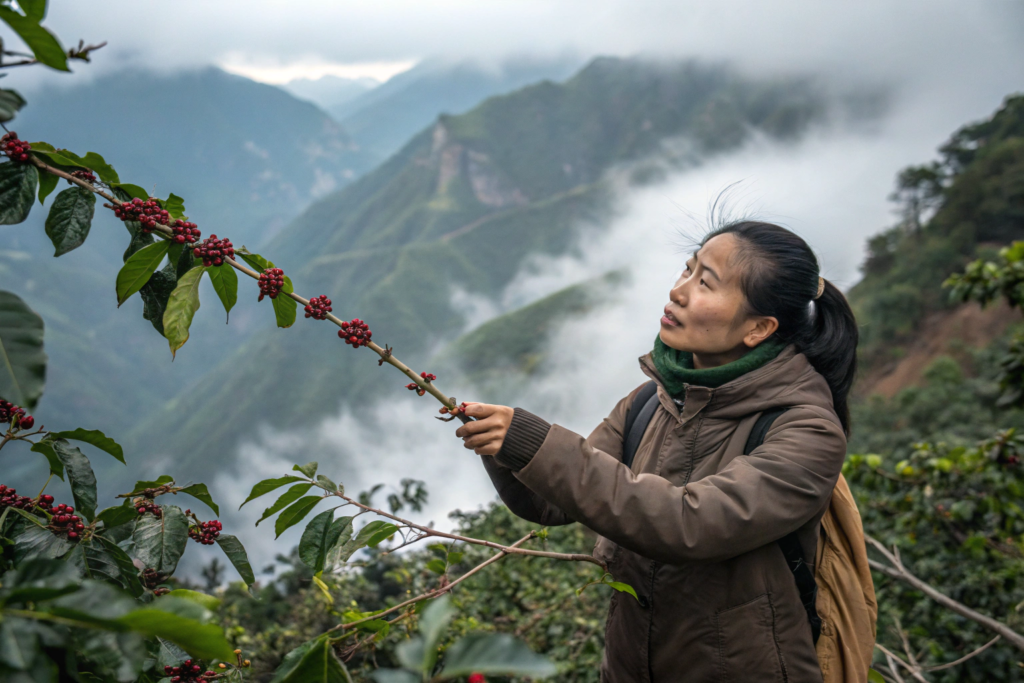
If low-elevation coffee is a warm hug, high-elevation coffee is a sharp, electrifying spark. Our high-altitude blocks sit between 1,400 and 1,600 meters, clinging to the steep slopes of the Gaoligong Mountain range. The air up here is noticeably cooler. During the cherry maturation months, daytime temperatures are mild, but the nights get genuinely cold, often dropping by a full 12 to 15 degrees Celsius from the daytime peak. This thermal shock is the secret ingredient. The coffee plant is stressed by the cold nights. Its metabolism slows to a crawl. It pushes all its energy into trying to protect the developing seed, packing it with denser sugars, more vibrant organic acids, and a higher concentration of the volatile aromatic compounds that translate into fragrance and flavor. The cherries take two to three months longer to ripen than their low-altitude counterparts. This extended, slow-motion ripening is the price of admission for true specialty quality.
High-altitude Yunnan Arabica is defined by a vibrant, complex acidity—bright notes of green apple, lemon zest, and sometimes a wine-like malic sharpness—paired with a lighter, more refined body, a floral jasmine or honeysuckle fragrance, and a clean, lingering sweetness that tastes of raw sugar cane or ripe stone fruit. This is the coffee that gets a specialty buyer excited. The acidity is not harsh or sour; it's structured and sweet, like biting into a crisp green apple. The body is less heavy, more tea-like and elegant. The finish is long and clean, with a residual sweetness that invites another sip. This is the profile that commands a premium. It's the coffee you sell as a single-origin microlot, with the specific elevation proudly printed on the bag.
This transformation from nutty to fruity, from heavy to refined, isn't magic. It's chemistry. Let's look at the specific organic acids that the cold mountain nights force the bean to create, and the powerful aroma precursors that a long, slow maturation builds inside the dense, hard seed.
How Does a Slower Maturation Process Develop Acidity and Aroma Precursors?
The cold stress of high altitude directly triggers the plant to produce more of certain chemicals. Malic acid, the same acid that gives green apples their tartness, increases significantly. Citric acid, reminiscent of lemons and oranges, also concentrates. These are the bright, fruity acids that specialty cuppers crave. At the same time, the extended ripening period allows for a greater accumulation of sucrose, the simple sugar. During roasting, this sugar caramelizes, but it's also a critical reactant in the Maillard reaction—the complex chemical cascade that creates hundreds of volatile aroma compounds. More sugar, and more time, means a more complex and intense aromatic signature when the bean is roasted. You get the jasmine florals, the stone fruit esters, the hint of bergamot. This connection between cold climate stress, slow maturation, and a higher concentration of sugars and aroma precursors is a foundational concept in high-altitude coffee quality and explains the entire flavor profile difference.
Can You Taste the Difference Between 1,400m and 1,600m Arabica Lots?
This is where sourcing becomes an art. On our farm, we don't just have one "high-altitude" lot. We have a spectrum. A coffee from a 1,400-meter block is noticeably brighter and more acidic than an 1,100-meter lot, but it can still retain some of the heavier, chocolaty body of the valley floor. It's a transitional profile: red apple acidity, milk chocolate sweetness, a medium body. It's an incredibly versatile, crowd-pleasing single-origin.
A coffee from a 1,600-meter block, from the very top of our limit, is a completely different animal. The acidity is sharper, more intense, leaning heavily into citrus and white wine. The body is thin, delicate, and tea-like. The floral notes are front and center, with jasmine and honeysuckle jumping out of the ground coffee. The flavor is laser-focused and complex. A microlot from this altitude tastes distinct, a true product of its extreme environment. This altitude separation allows a roaster to choose a very specific point on the flavor curve. Do they want a balanced, bright daily drinker from 1,400 meters, or a wild, complex competition coffee from 1,600 meters? The mountain provides the palette; the buyer picks the paint. This practice of separating lots by precise elevation bands is the core of a true single-origin coffee program, allowing for an unprecedented level of flavor customization.
This clear spectrum of flavors, from the chocolatey valley floor to the jasmine-scented mountain peak, is not just an academic observation. It's a powerful, practical sourcing tool for a buyer who wants to build a diverse, year-round menu from a single, trusted farm relationship. The mountain itself becomes your flavor architect.
How to Match Elevation Profiles to Your Coffee Roasting Business Needs?
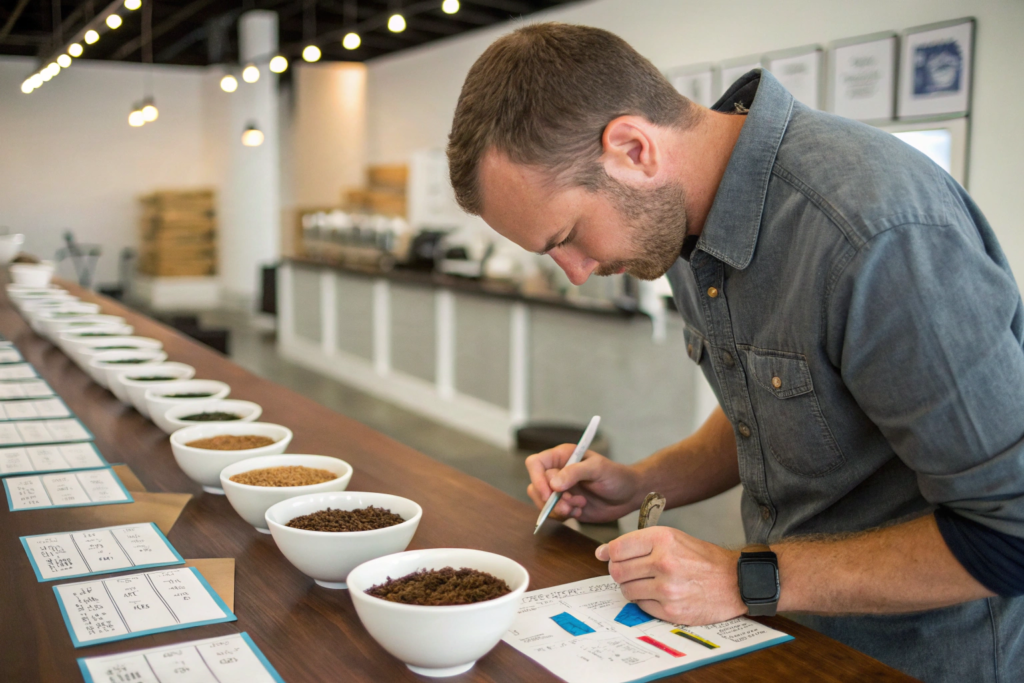
Knowing the flavor profiles of different elevations is interesting. Applying that knowledge to build a profitable, year-round coffee menu is the real business skill. You're not just buying a bag of beans; you're buying a specific sensory component that has a specific job to do in your product lineup. Do you need the reliable, chocolatey base of a house espresso that won't change flavor from month to month? Then you need the low-elevation lot. Are you launching a premium, limited-edition single-origin that needs a compelling, bright story to justify a higher retail price? Then you need the extreme high-elevation microlot. Are you building a balanced, all-day filter coffee that has body and sweetness with just a hint of brightness? Then you need the middle-altitude lot. The mountain is your inventory, and each altitude band is a different SKU with a distinct purpose.
To effectively match elevation profiles to your roasting business needs, you must first define the precise role the coffee will play in your menu—base blend, versatile single-origin, or showcase microlot—and then select the corresponding altitude band: low for body and chocolate, mid for a balanced apple-like acidity, and high for intense citrus, florals, and premium storytelling. A smart buyer doesn't just buy one lot. They build a multi-elevation contract with a single farm, securing a complete palette of flavors from one origin with one logistics chain. This stabilizes their supply, reduces procurement complexity, and gives them the flexibility to pivot their menu as consumer tastes change through the seasons.
This menu-building process is both sensory and financial. The high-altitude microlot will sell for a premium, but you'll sell fewer bags. The low-elevation blend base will have tighter margins per bag, but you'll move high volume. The mid-elevation coffee is your margin-balanced workhorse. Let's look at each strategy.
What Elevation Should You Choose for a Seasonal Single-Origin Launch?
A seasonal single-origin is a story-driven product. It lives for three to four months on your menu and then it's gone, replaced by the next exciting offering. For this role, you need impact. You need a coffee that tastes dramatically different from the blend your customers drink every day. You need it to be memorable. This is the perfect slot for your high-altitude microlot, specifically the 1,600-meter block. The intense, unmistakable jasmine florals and the sharp, winey acidity are not subtle. They shout "special occasion." The story of the extreme high mountain, the cold nights, the slow ripening—it writes itself. It justifies a premium price point because the sensory experience is so distinct. You choose the top of the mountain for your seasonal star.
How Can a Multi-Elevation Contract Stabilize Your Year-Round Offerings?
This is the sophisticated, long-term play. By contracting with us for a set volume across three altitude bands—say, 10 bags of the low-elevation espresso base, 5 bags of the mid-elevation filter coffee, and 3 bags of the high-elevation microlot—you lock in a complete menu's supply for an entire season with a single supplier and a single logistics chain. Your cost of goods becomes predictable. Your quality is consistent. Your shipping is consolidated. This is the direct opposite of scrambling on the spot market every three months, buying random bags from different importers. This multi-elevation approach transforms your supply chain from a series of chaotic one-night stands into a stable, year-long relationship. It's a practical application of strategic green coffee sourcing that gives you control and peace of mind.
This strategy is powerful, but it relies on one critical thing: trust. How do you know the coffee labeled "1,600-meter lot" actually grew at 1,600 meters? A number on a bag is just a claim. The final layer of using elevation as a sourcing tool is verifying that the altitude claim is real, documented, and physically evident in the bean you hold in your hand.
How Can a Buyer Verify the True Elevation of a Coffee Lot?
In a world where a higher number on a bag means a higher price, the temptation to exaggerate an elevation claim is real. I've seen it. A farm lists a coffee as coming from the "high mountain" zone, but the GPS map shows the specific block is a flat patch at the bottom of a valley. This is why a serious buyer can't just accept a printed claim. You need verifiable, objective evidence. The good news is that the same technology that makes a virtual tour possible also makes elevation fraud nearly impossible to hide. We don't just tell you the altitude of your lot. We prove it.
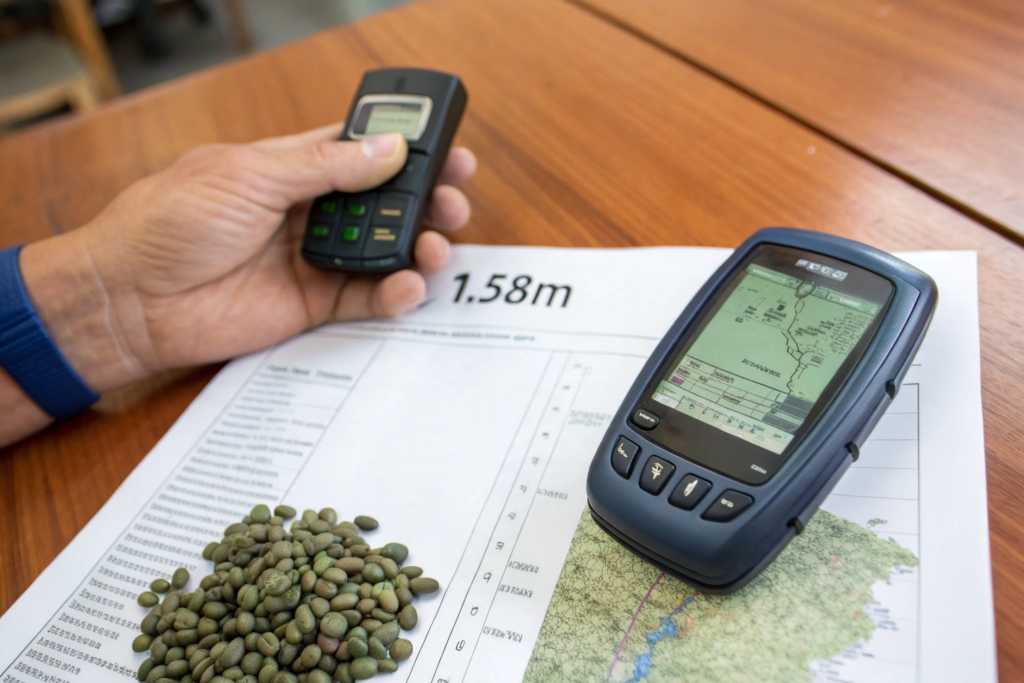
A buyer can verify the true elevation of a coffee lot by requesting a geolocation polygon map of the specific farm block, generated from a GPS device with the altitude logged at multiple boundary points, and by physically examining the green bean's density, size, and center cut for the visible, textural signatures that strongly correlate with high-altitude, slow-maturation growth. One is a digital proof. The other is a physical proof. Both together create an airtight case that the coffee in your hand grew exactly where the farmer says it grew.
This verification process isn't a confrontation. It's a collaboration between an honest supplier and a diligent buyer. We should be able to provide this data package immediately. If a supplier hesitates or offers vague descriptions instead of a digital map, that's a red flag. Let's look at the two most powerful verification tools: the digital map and the physical bean itself.
What Does a Geolocation Polygon Map Reveal About a Farm's Terroir?
This is the gold standard of proof. A GPS polygon map is a digital file that defines the exact perimeter of the coffee block. We create these by walking the boundary of each lot with a high-precision GPS unit. The map includes not just the latitude and longitude, but the elevation logged at each corner point. A buyer can open this file and see, for example, that the lot ranges from 1,545 meters at the bottom edge to 1,610 meters at the top edge, with an average of 1,578 meters. This is not a vague claim. It's a precise, auditable measurement.
This data is not just for verification; it's the foundational data we use for our EUDR due diligence statements. It proves both the precise location and, by overlaying satellite imagery, the deforestation-free status of the land. This level of digital, farm-level traceability is the new normal for a transparent supply chain. By providing the geolocation data directly, we turn a marketing term into a verifiable scientific fact.
How Does the Physical Bean's Hardness and Center Cut Indicate Altitude?
Before you even roast the coffee, the green bean itself can tell you a story about its origin. Take a high-altitude bean and a low-altitude bean and compare them side-by-side. The high-altitude bean is physically heavier and harder. Bite into it; it will snap with a clean, sharp crack. The low-altitude bean will feel softer and will crush with a dull, mealy break. You can feel the density.
Visually, look at the center cut—the little seam that runs down the flat side of the bean. In a high-altitude, dense bean, this center cut is often tightly closed and almost looks like a thin, jagged line. In a lower-density, softer bean, the center cut is often wider, more open, and less defined. This is a visible, physical signature of the bean's growth environment. It's not as precise as a GPS map, but it's a powerful, immediate sensory check that connects the physical bean to the coffee growing science of its mountain home. It's the terroir you can hold in your hand.
Conclusion
The elevation of a coffee farm is a quiet but absolute ruler of flavor. It dictates the temperature that stresses the cherry, the speed of the ripening, and the final chemical composition of the seed. We've traced this vertical journey from the comforting, nutty, chocolate-driven warmth of the 1,100-meter valley floor, up through the balanced, apple-bright sweetness of the 1,400-meter slopes, to the electric, jasmine-scented, citrus-sharp intensity of the 1,600-meter peak. Each band is a different instrument, and a skilled roaster uses them to compose a complete menu symphony, from the reliable daily espresso to the dazzling seasonal microlot.
At BeanofCoffee, our 10,000 acres in the Baoshan mountains are not one flat field. They are a staircase of microclimates, and we have mapped, separated, and documented every step. We have the low-elevation base for your blend, the mid-elevation all-rounder for your filter offering, and the extreme high-altitude microlots for your showcase release. And we have the GPS polygons and the physical bean samples to prove it. If you're ready to taste the difference that a specific mountain makes, my export partner Cathy Cai can prepare a vertical tasting kit—samples from three different elevation bands of the same farm, shipped directly to your roastery. Contact her at cathy@beanofcoffee.com, and let the mountain speak directly to your palate.