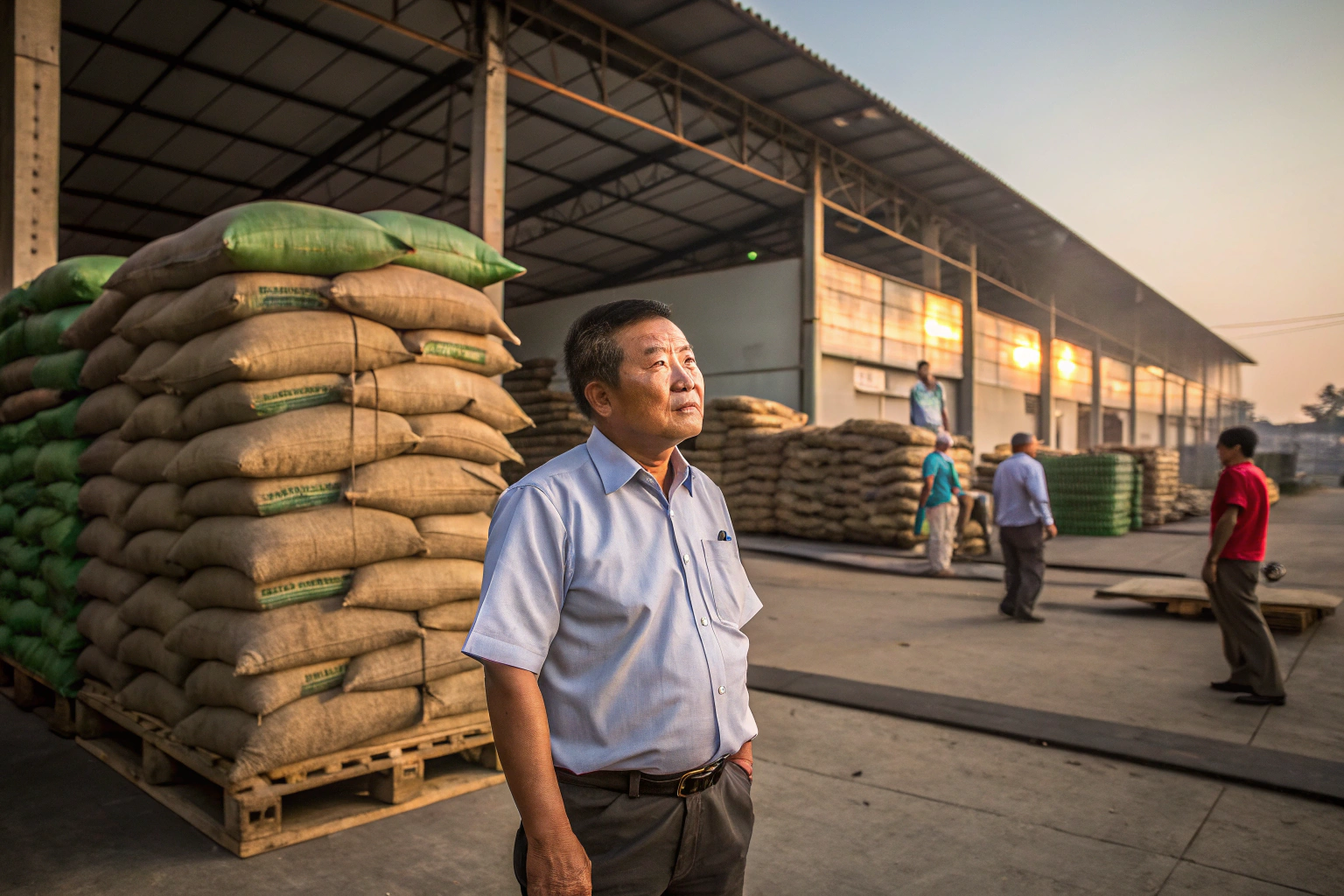
I still remember the day I lost a 20-ton deal—not because my Catimor beans were bad. They cupped great. But a shipping delay of nine days wrecked the buyer's roasting schedule in Texas. Nine days. That's all it took. Here's the hard truth about the green coffee trade: you can have the best beans in Yunnan, but if they show up late, you might as well not have shipped them at all.
Timeliness in green coffee logistics is not just a delivery metric—it is the foundation of trust, cash flow, and quality assurance for American coffee buyers sourcing from China. A delay doesn't just shift a calendar date. It spoils relationships, triggers contract penalties, and can even damage the bean quality itself during extended transit.
Now, you might think—"Well, that's obvious. Every business cares about deadlines." But in our world, it cuts deeper. I've been exporting premium Arabica from our 10,000-acre farms in Baoshan for years, and I've seen how timing touches everything from the cupping score to the final tariff calculation. So, let me walk you through why this matters so much for your next purchase.
What Are the Hidden Costs of Shipping Delays in Coffee Trade?
I once miscalculated the buffer time for a shipment to Long Beach. The vessel was supposed to dock on a Monday. It arrived on Thursday. Honestly, those three extra days cost me more than I care to admit. It's not just the demurrage fees at the port—it's the domino effect.
The hidden costs of shipping delays go far beyond late fees. For a coffee roaster in the U.S., a delayed container can mean production downtime, emergency spot buying at higher prices, and even lost retail shelf space. For the exporter, it means a tarnished reputation and often a compensation claim that eats the entire margin of the deal.
Let’s break it down. Shipping isn't just a truck moving from A to B. It's a chain. And every link in that chain has a cost clock ticking on it.
Why Do Port Congestion Costs Eat Your Coffee Margins?
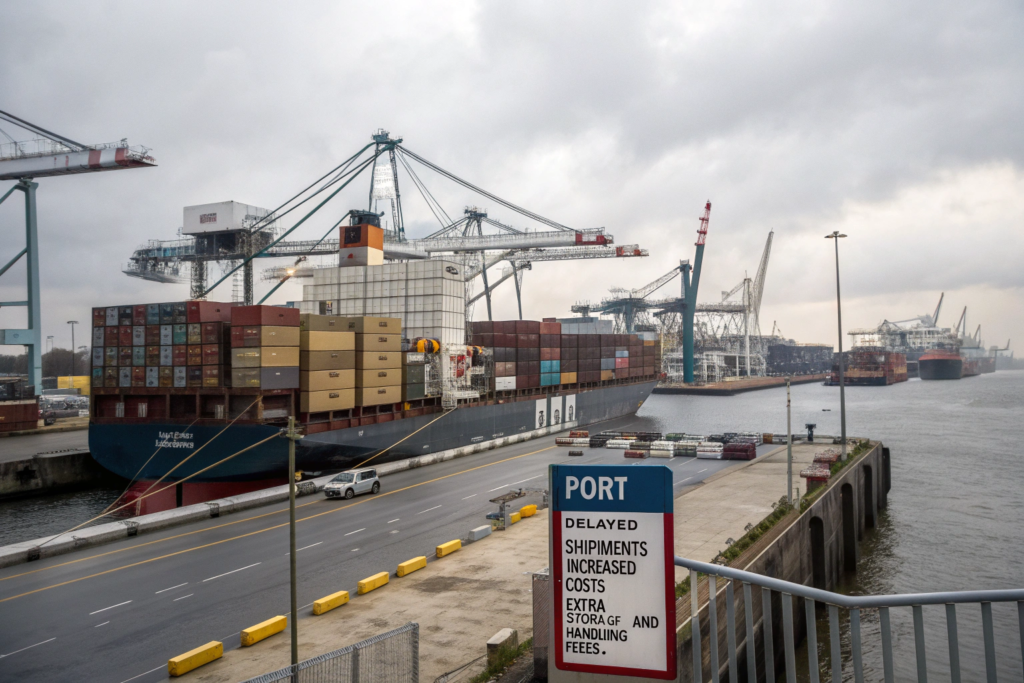
We ship a lot through major transit hubs. The most common choke point? Port congestion. In 2024, we saw delays averaging 4 to 7 days at some West Coast terminals. For a typical container of our Yunnan Arabica, a single day of port storage can cost between $150 and $350. It depends on the terminal's free time policy.
One thing I've learned: those costs aren't theoretical. If you're a distributor, that demurrage and detention fee directly bites into your expected landed cost. You calculated a margin based on a clean schedule. But the port doesn't care about your spreadsheet.
Here's a quick look at what we track when a container gets stuck:
| Cost Type | Typical Trigger | Impact on Buyer |
|---|---|---|
| Demurrage | Full container not picked up in time | $100–$350/day |
| Per Diem | Container not returned on time | $75–$200/day |
| Warehouse Storage | Port overflow storage | $50–$100/pallet |
| Labor Rescheduling | Roasting halt | Lost production output |
Another way to look at this is through the lens of cash flow. Many smaller roasters I work with operate on tight inventory cycles. They need the beans to arrive so they can roast, package, and invoice their own customers. A two-week delay isn't just a inconvenience. It can strain their entire operating capital. I've had buyers call me, voice tense, explaining they were running on a backup inventory that was never meant to last. That's a tough call to take.
How Does Transit Time Fluctuation Affect Green Bean Quality?
You might wonder—"The beans are in a sealed container. Why does a few extra days matter for quality?" A fair question. But a sealed container at sea is not a climate-controlled vault. It's a metal box under the sun.
If a container of green coffee sits on a hot dock in Singapore for an extra week during transshipment, the internal temperature can spike over 120 degrees Fahrenheit. This accelerates the aging of the green bean. Moisture migration happens inside the bag. The water activity changes. You end up with beans that look fine from the outside but taste flat or baggy in the cup.
I've cupped delayed samples next to on-time arrivals from the same lot. The difference? The delayed batch lost the bright, fruity notes—the very characteristic that made our Baoshan Arabica special in the first place. For a specialty roaster paying a premium for an 85+ point coffee, that is a disaster. Time literally degrades the product. In the coffee trade, freshness isn't just for roasted beans. It starts with the green.
How to Secure On-Time Coffee Deliveries From China to the USA?
So, you've seen the risks. Now, how do you actually lock in a schedule that holds? Over the years, I've moved from firefighting delays to preventing them. It's not about luck. It's about strategy and choosing the right partner. When you're buying from China, you need to think about the supply chain before you even sign the contract.
Securing on-time deliveries from China requires a blend of predictable production planning, transparent booking strategies, and diversified shipping routes. A reliable exporter doesn't just react to a shipment delay—they forecast it and have a plan B already in motion before the buyer even senses a problem.
Why Is Transparent Production Scheduling the First Step?
Let's start at the farm, not the port. A lot of delays happen before the container is even packed. A common scenario I see: a buyer places an order, but the exporter's harvest timeline was overly optimistic. The cherry hasn't even been processed yet.
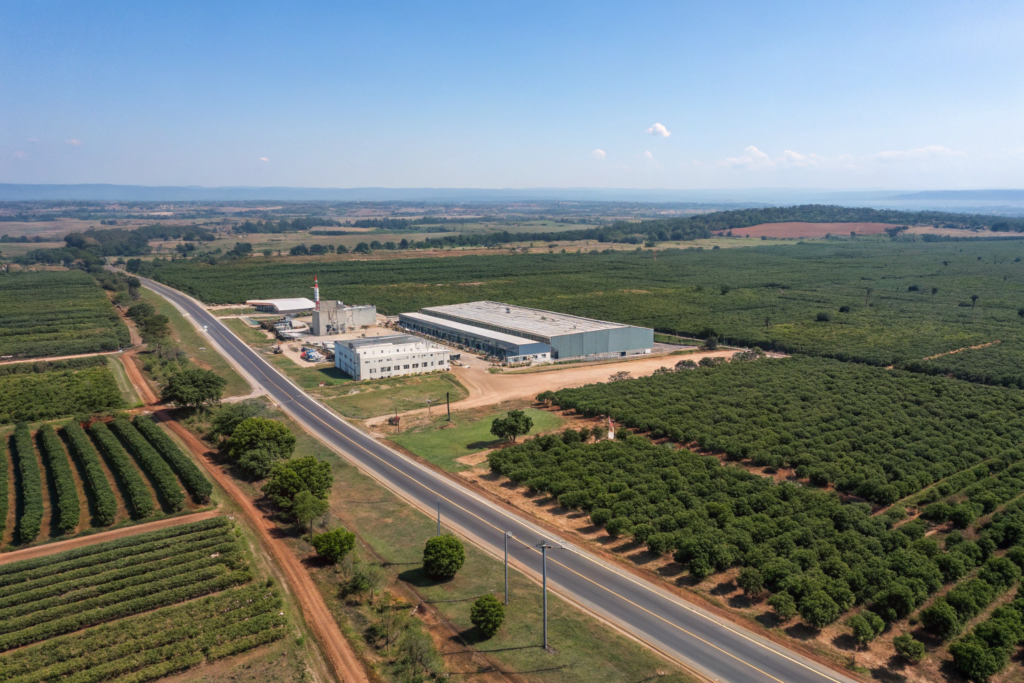
We own over 10,000 acres right here in Baoshan. That matters because I don't guess when the beans will be ready. I know. When I commit to a shipment of washed Catimor for a March departure, I've already back-calculated the picking, pulping, fermentation, and drying times. For natural processed beans, the sun-drying on raised beds can take 20 to 30 days, weather permitting. One week of unexpected rain can push your entire export schedule back.
Honestly, a big pain point for buyers like Ron is the "black box" between payment and delivery. You wire the deposit and then... silence. I hate that. We use a shared digital tracker for our long-term partners. Nothing fancy—just a live sheet showing where the specific lot is in the process. Is it resting in parchment? Is it at the dry mill for hulling? Is it being hand-sorted by gravity table? This visibility kills anxiety. When you see the daily progress, the deadline feels real, not just a promise on an email.
How Do You Avoid Shipping Schedule Disruptions?
The ocean is unpredictable. So, I learned to stop relying on just one ship. When I book a container of green beans for the U.S., I always look at the "vessel cut-off" and the transshipment port. Over the last few years, I've moved away from relying too heavily on the tightest transit times that require a last-minute rush.
One practical tip: the "buffer week." I always build a 7-to-10-day buffer into the production timeline before the cargo cutoff. If the truck is late to the port? Fine, buffer covers it. If the fumigation certification takes a day longer? No sweat. This buffer also means I am not forced to accept an unreasonable roll-over by the shipping line. If my container gets rolled to the next vessel, I have the time to absorb that hit without missing the final delivery window.
Another thing—logistics payment terms. For my clients in North America, I usually quote FOB, but I am transparent about the freight forwarding choice. We don't just go with the cheapest liner. Sometimes, paying an extra $300 for a carrier with a 95% schedule reliability score versus one with 70% saves you thousands in downstream hassle. You know? That upfront transparency lets you, as a company owner, calculate your true landed cost, including the risk premium.
How Does Coffee Seasonality Impact Export Timelines for Catimor and Arabica?
Mother Nature doesn't care about your roasting schedule. I've had to explain this to new buyers more times than I can count. When you're dealing with specialty coffee, you aren't buying a commodity widget off a shelf. You're buying an agricultural product with a heartbeat. If you want timely delivery, you must align your order with the tree's own clock.
Coffee seasonality dictates when fresh crop beans are physically available for shipment. For Chinese Catimor and Arabica, the harvest cycle determines the earliest possible export date. Trying to ship "fresh" beans outside of this window often results in receiving past-crop inventory or suffering delays waiting for processing to finish.
When Is the Best Time to Buy Fresh Crop Coffee from Yunnan?
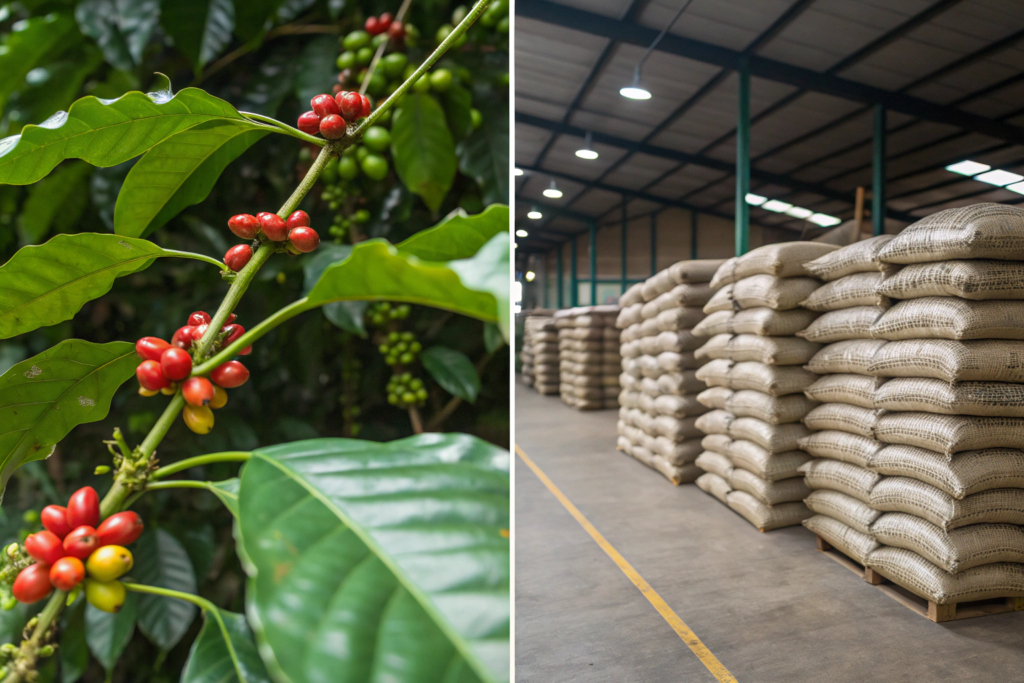
In Baoshan, the main harvest typically runs from late October through January. It depends on the altitude. Higher farms, like some of our plots at 1,500 meters, mature a little later. The lower elevations ripen first.
So, if you want to be the first roaster in the U.S. with fresh Yunnan Arabica, you need to cup samples in February. The beans—especially washed Arabica—need time to rest in parchment after drying. This resting period stabilizes the water activity and lets the flavor settle. We usually have the coffee milled, sorted, and ready for container loading by March or April.
I remember a buyer from Portland who used to email me in August wanting fresh Yunnan crop. You can get it, but it won't be "fresh" in the way a March shipment is. By August, the beans from that harvest have been sitting in a warehouse for months. They're still good, stable beans, but they're not freshly processed. One small detail that gets overlooked: pre-shipment samples. I always send samples from the exact lot that will be shipped, pulled just before bagging. That way, you taste the coffee that's going into the container, not just a pretty sample from months ago.
Can Pre-Booking Harvest Volumes Prevent Supply Chain Delays?
Here's a simple but powerful move: pre-booking. I love it when a buyer commits to a volume before the harvest even starts. It lets me manage the workflow at our farm.
Think about this. When I know I have 500 bags already sold to a roaster in Chicago, I can allocate the right drying space. I don't mix that lot with beans destined for a generic European buyer who just wants cheap Robusta. Your lot gets its own dedicated tag—your name, your spec, your timeline. This vertical control stops the internal delay where a mill says, "Sorry, we haven't milled that one yet."
For distributors, this pre-booking secures your slot at the dry mill and the container loading dock. If you wait until March to order, you're in the queue with everyone else. Right after the Chinese New Year, the ports get crazy busy as factories and farms all try to catch up on backlogged shipments. Booking early avoids the post-holiday scramble. Trust me on this.
Why Is Payment Clarity Essential for Fast Shipping Turnaround?
Money might seem like a dry topic after talking about harvests and ships. But in my experience, it's the grease that keeps the wheels spinning at the port. A confused payment process is one of the biggest hidden reasons for "late" coffee. I've seen a container sit at the warehouse for three days, ready to go, waiting for a bank confirmation that was stuck in limbo.
Clear, pre-agreed payment terms eliminate the single biggest cause of non-logistical delays in coffee export: waiting for funds clearance. When a seller has to chase confirmation or interpret ambiguous contract language, the container doesn't move until the money is visible. Clarity equals speed.
How Do Simple Payment Terms Speed Up Container Releases?
I used to think offering flexible, complex payment options was good service. It's not. It creates confusion. "50% now, 50% against copy of documents"—that's a classic. But which copy? When? Does the email count, or do you need a physical original? If I've got to email you to ask, "Hey Ron, can I release this?"—that's a delay.
Now, I push for clarity. My standard for new partners is usually 30% deposit to start processing, 70% against a scanned Bill of Lading. The deposit covers the milling cost and the booking fee. The moment I get the scan, I email it over. The buyer wires the balance. I release the telex immediately.
The switch to digital banking has been a game-changer. With a wise SWIFT transfer, the funds can hit my account in 24 to 48 hours. In the old days of a letter of credit, you could lose a week waiting for a bank clerk to confirm a comma in the address. I try to get buyers to avoid overly complicated LCs unless the order size absolutely demands it. A straightforward T/T payment is just faster. And faster payment means a faster vessel departure.
What Role Do Incoterms Play in Timely Risk Management?
Let's talk FOB versus CIF. This is a choice that decides who holds the time-risk. I often advise American buyers to take FOB (Free On Board). Why? Because it gives you control over the freight.
When I sell on FOB, my responsibility ends when the container crosses the ship's rail in China. From a timing perspective, I am laser-focused on getting the coffee to the port, cleared for customs, and onto that ship by the cutoff date. After that, it's your freight forwarder's problem. If you have a strong freight partner, you can track the vessel in real-time, manage the customs clearance on the US side, and control those last-mile trucking costs. You're not paying my markup on guessing the freight.
For buyers who are new to importing from China, CIF might sound easier because I handle the main leg. But honestly, I always recommend a serious buyer learns the FOB game. It makes the total chain more transparent. You pick the shipping line. You pick the schedule. You directly see if the vessel is delayed, rather than hearing it second-hand from me. It reduces the finger-pointing when a delay happens. And in the coffee trade, where relationships matter as much as contracts, that clear division of responsibility saves friendships.
Conclusion
We've walked through the full journey—from the hidden money drain of a delayed container and the quiet quality fade of beans stuck in transit, to the peace of mind that comes with transparent farm schedules and simple payment terms. The thread connecting all of it? Time is not just a logistic detail in the green coffee trade. It's a quality control checkpoint, a cash flow lever, and a trust builder all rolled into one. For a buyer like you, running a business in America, where shelf space is competitive and roasting schedules are tight, picking a supplier who treats a deadline as a sacred promise isn't a luxury. It's a survival skill.
Navigating tariffs, sailing schedules, and quality from a distance is tough. I get it—I live it every day here in Baoshan. If you want to talk about securing a stable supply of premium Catimor or Arabica that actually arrives when I say it will, reach out to us directly at BeanofCoffee. My export manager, Cathy Cai, handles our key accounts and she's brilliant at building a shipping plan around your specific window. You can email her at cathy@beanofcoffee.com. Let's figure out a timeline that works. No guesswork, no over-promises—just good Yunnan coffee, in your warehouse, on schedule.