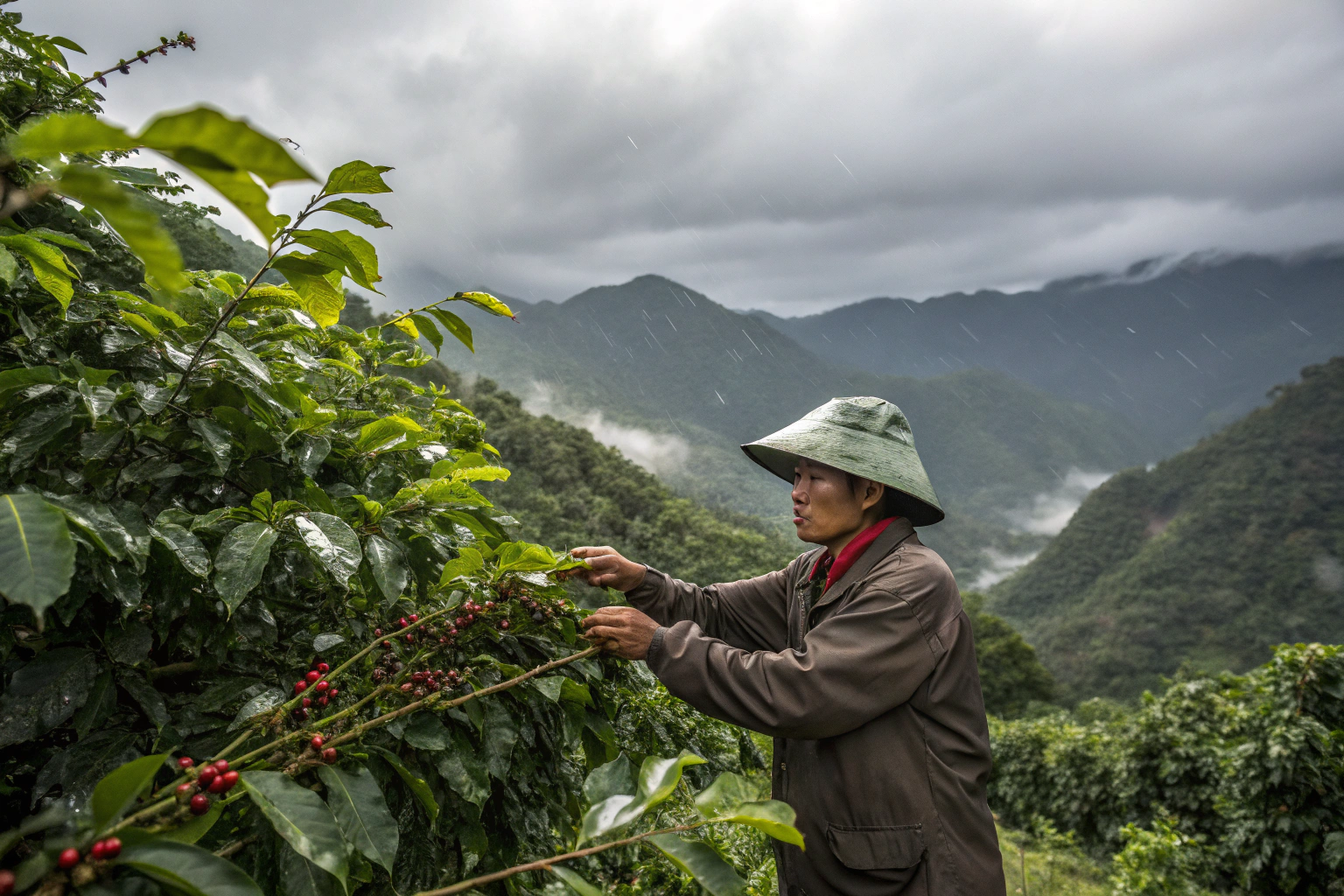
A few years ago, a buyer from Seattle asked me why his November shipment tasted different from his January one. He assumed we changed something. We did not. The monsoon did. In Yunnan, the rainy season shapes everything. It decides when cherries ripen, when we pick, and when we can dry the beans. If you buy coffee from China and you do not understand the monsoon, you are guessing. And guessing leads to late shipments, uneven quality, and surprise costs. At BeanofCoffee, we plan our whole year around this weather pattern. Let me explain how it works.
This is not just weather talk. It is business. Harvest timing affects price, quality, and delivery. So let me walk you through what the monsoon does and how we handle it.
When Does the Monsoon Hit Yunnan?
The monsoon in Yunnan usually runs from May to October. The heaviest rain falls between June and August. This is the growing season. Coffee trees drink a lot of water during these months. The cherries grow and slowly mature. By late October, the rain starts to ease. Then the dry season begins. That shift is the signal for harvest. In Baoshan City, where our farms are, we usually start picking in November. Sometimes late October if the rain stops early. The exact date changes every year. So we watch the sky, not just the calendar. You know, farmers here talk about rain the way traders talk about prices. It is always on our minds.
How much rain does Baoshan get each year?
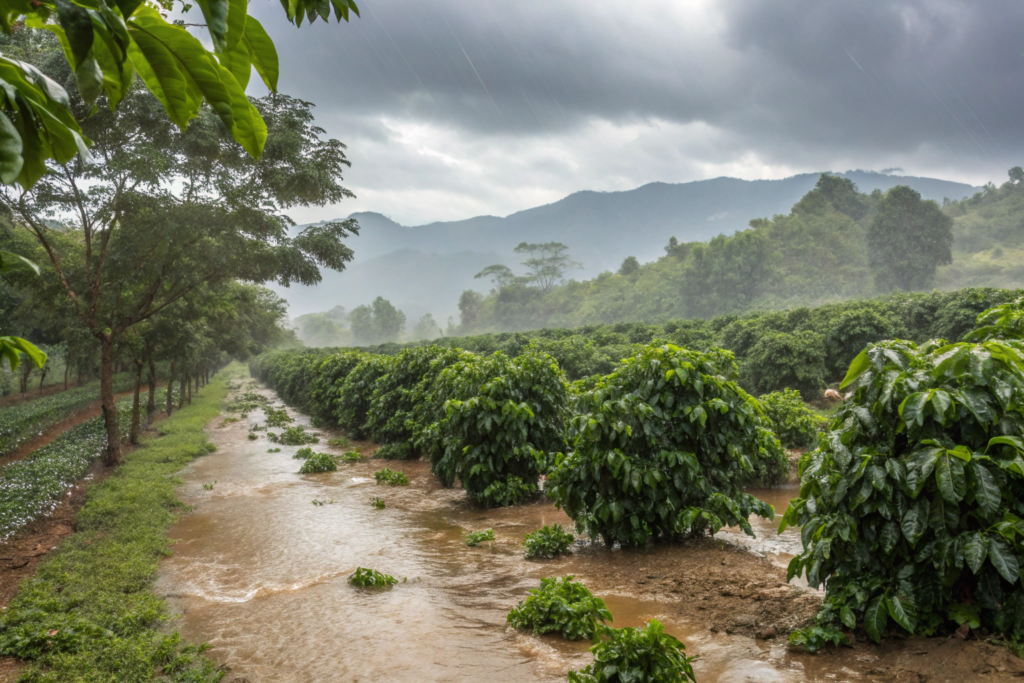
Baoshan gets a lot of rain. The average is around 1,000 to 1,400 millimeters per year. Most of it falls during the monsoon months. That is good for the trees. Coffee likes water, but it does not like standing water. So we build drainage channels on our slopes. This keeps the roots healthy. Too much rain can also cause cherry disease. We watch for that closely. Honestly, a wet year can mean more work, but it often gives us bigger, sweeter cherries. It is a trade-off. Another way to look at this is balance. The monsoon gives life, but it also demands attention.
What happens to coffee trees during the rainy season?
During the rainy season, coffee trees focus on growth. They push out new leaves and branches. The cherries form and swell. This is a quiet but busy time. Farmers weed, prune, and check for pests. We also apply organic fertilizer before the heavy rain. The rain carries nutrients into the soil. By September, the cherries start to change color. Green turns to yellow, then to red. That color change tells us harvest is close. You know, this is my favorite time on the farm. The whole hillside looks alive.
Why Does the Monsoon Change Harvest Dates?
The monsoon does not follow a fixed schedule. Some years it starts early. Some years it ends late. A late monsoon pushes harvest back by two or three weeks. An early end can move it forward. This matters for buyers who plan shipments months ahead. If you book a container for November and harvest starts in December, your schedule breaks. We saw this in 2022. The rain lasted longer than usual. We started picking ten days late. We told our buyers right away. Most of them appreciated the honesty. A few did not. That is the reality of farming. Nature does not sign contracts.
How do we predict the start of harvest?
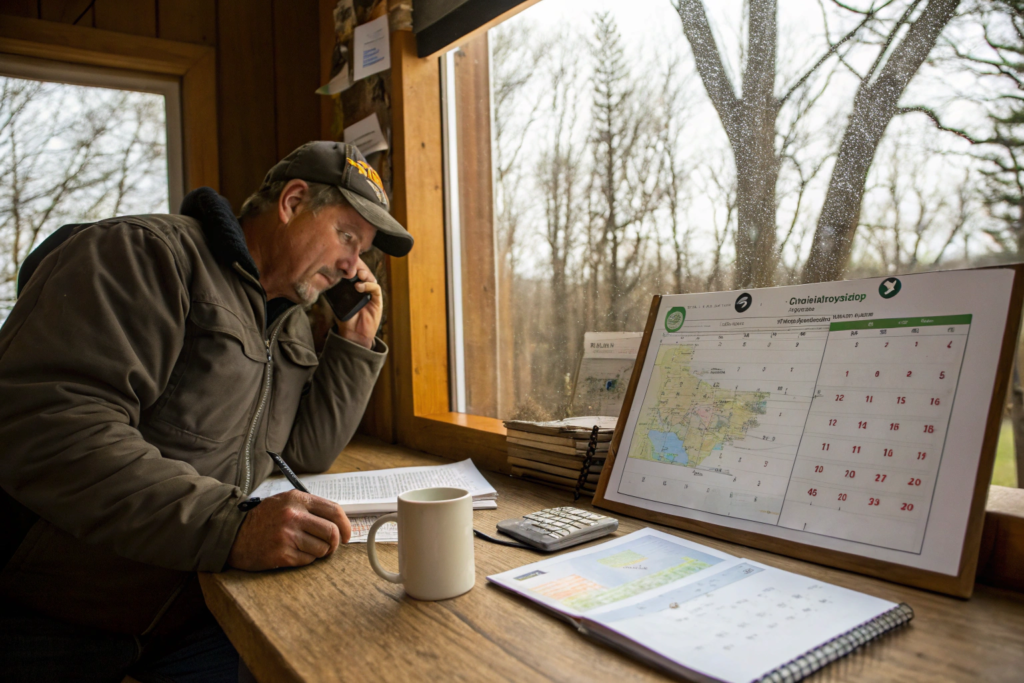
We predict harvest by watching three things. First, we track rainfall from August to October. Second, we test cherry sugar levels in the field. Third, we check the color and firmness of the fruit. When sugar levels hit the right number, we know the beans are ready. We also talk to other farmers in the region. Local knowledge matters. So, what does this mean for buyers? It means we can give you a realistic shipping window, not a fake promise. We would rather tell you the truth than miss a deadline.
What risks come with a late or early monsoon?
A late monsoon brings several risks. Wet cherries can mold if we pick too early. Drying becomes harder because the air is humid. Trucks move slower on muddy roads. An early monsoon end can also cause problems. Dry weather helps drying, but too much heat can stress the trees. Both extremes affect coffee quality. We manage these risks with careful planning. We use covered drying beds. We also use mechanical dryers when the weather turns bad. This keeps the beans safe and stable. For buyers, this means fewer surprises in the cup.
How Do We Manage Harvest and Drying?
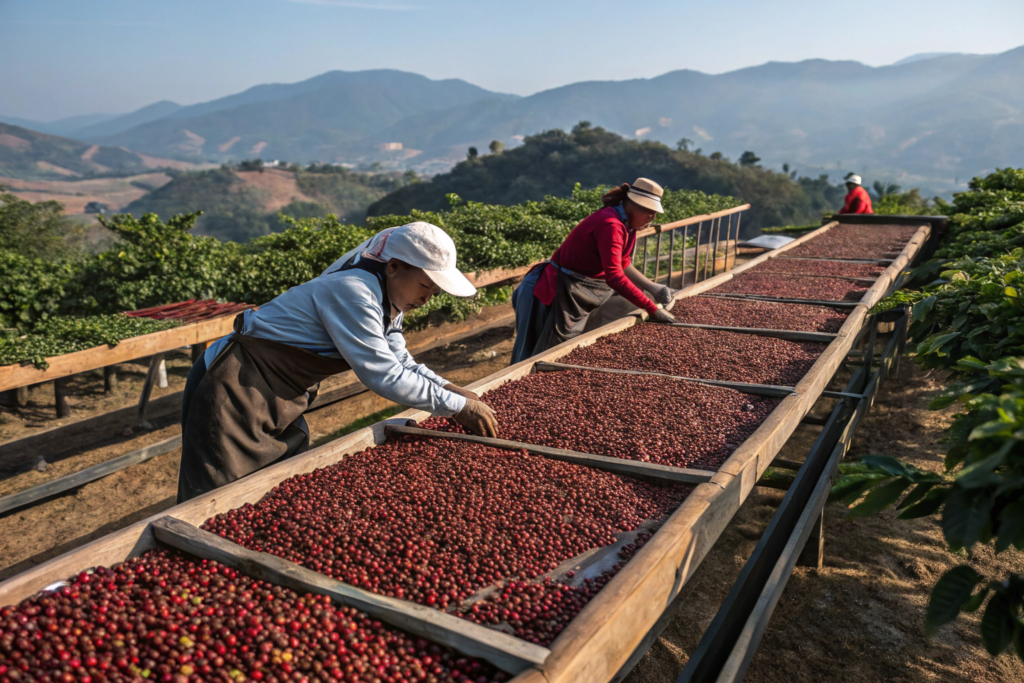
Harvest and drying are the most sensitive steps. One mistake here can ruin a whole lot. We pick only ripe cherries. We do this by hand. Workers go through the rows and select the red fruit. This takes time, but it protects quality. After picking, we process the cherries the same day. Then we dry them slowly. In Yunnan, the monsoon can return in short bursts even after harvest starts. So we stay flexible. We check the forecast every morning. If rain is coming, we move the beans under cover. This is not easy work. But it is how we keep our product reliable.
Why is drying the most delicate step?
Drying is delicate because moisture is the enemy of stable coffee. If beans dry too fast, they crack. If they dry too slow, they can mold. We aim for a slow, even dry. We turn the beans several times a day. We also measure moisture every few hours. The target is around 10 to 12 percent. This number keeps the beans stable for shipping and roasting. One buyer from Germany once told me our drying method saved his roast profile. That meant a lot. It showed that the extra work pays off. You know, small steps make big results.
How do we protect beans from rain damage?
We protect beans from rain with simple tools and fast action. We use raised beds with removable covers. We also have indoor drying rooms for emergencies. When rain comes, workers move the beans quickly. We train them for this. Every minute counts. We also use proper storage bags once drying is done. These bags block moisture and odors. If a container waits at port, the beans stay safe. This matters for buyers in North America and Europe. A long trip should not change the product. With good protection, it does not.
What Does This Mean for Your Order?
So, what does all this mean for you? It means harvest timing is not random. It follows the monsoon. And the monsoon changes every year. If you plan your orders without this knowledge, you may face delays. You may also get inconsistent quality. We solve this by communicating early and often. We share harvest updates with our buyers. We adjust shipping windows when needed. We also keep buffer stock for urgent orders. This is how we stay reliable, even when the weather is not. Ron, if you are reading this, this is why I always ask for a little flexibility in November and December. It is not an excuse. It is good planning.
How should buyers plan around monsoon harvests?
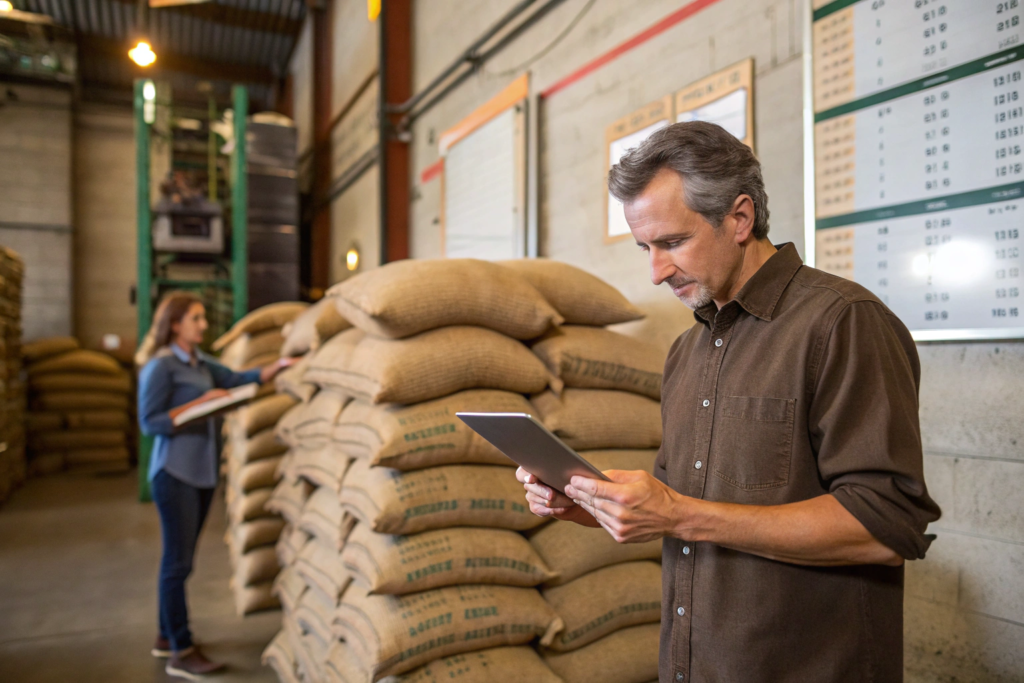
Buyers should plan with a small buffer. Book your container a few weeks later than the earliest possible date. Ask your supplier for weekly harvest updates. Ask for moisture reports before shipping. If you need coffee for a specific roast schedule, tell us early. We can hold stock or adjust the lot. Also, think about shipping routes and port congestion. A good plan includes the farm, the weather, and the boat. When all three line up, your coffee arrives on time and tastes right. That is the goal.
Why is transparency the best tool in weather risk?
Transparency is the best tool because weather risk cannot be hidden. If we hide a delay, the buyer finds out at the port. That hurts trust. So we share news early, even when it is bad. We send photos from the farm. We send rainfall updates. We explain why a lot may ship a week later. Most buyers respect this. They would rather know the truth than hear a fake promise. At BeanofCoffee, we believe trust is built in hard moments, not easy ones. The monsoon tests us every year. Honesty is how we pass the test.
Conclusion
The monsoon in Yunnan is not a problem to fear. It is a pattern to understand. It decides when cherries ripen and when we pick. It shapes how we dry and pack the beans. It even affects when your container leaves China. If you understand this cycle, you can plan better and avoid surprises. If you ignore it, you may blame your supplier for something nature controls. We have learned to work with the rain, not against it. That is why our coffee stays stable from season to season. If you want a supplier who plans around real weather and real harvests, talk to us. Please contact Cathy Cai at cathy@beanofcoffee.com to discuss your next order with BeanofCoffee. We will share our harvest calendar and help you plan with confidence.