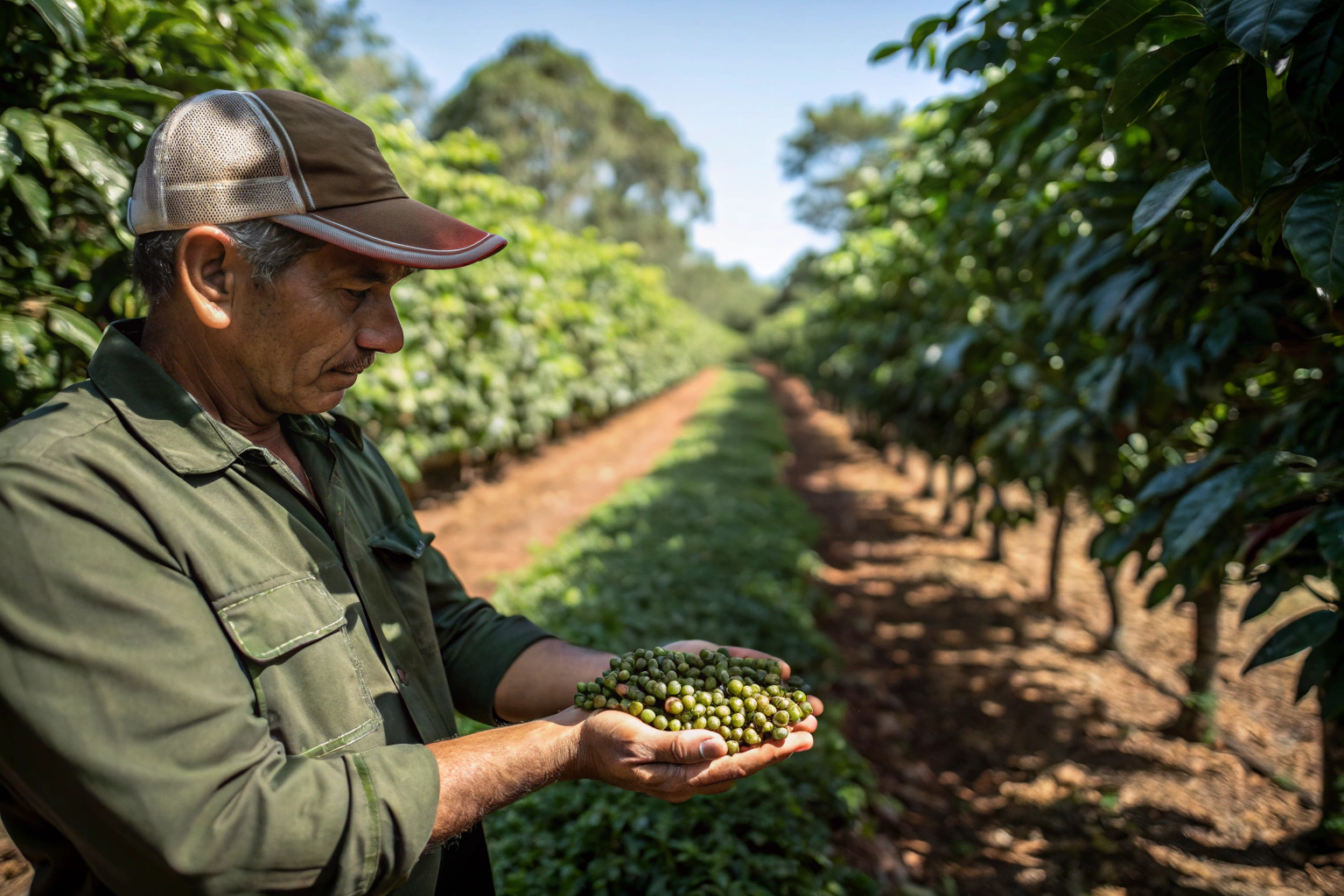
When I first started shipping Yunnan coffee overseas, I thought roast profiles were everything. Then a buyer from Texas called me. He said his last three batches tasted different, even though his roaster never changed a single setting. That phone call changed how I think about this business. The problem was not his roaster. The problem was the green beans. If your green coffee changes from lot to lot, your roast will change too. You cannot fix a moving target with a fixed recipe. At BeanofCoffee, we learned this lesson on our own 10,000-acre farms in Baoshan City, Yunnan Province. Now we build consistency before the beans ever reach the roaster.
This is not a small issue. It is the foundation of every good cup. So let me explain why green bean consistency matters so much, and how we control it at the source.
Why Do Green Beans Change Roast Results?
I have seen this happen many times. A roaster buys a great lot. The first roast tastes sweet and clean. Two weeks later, the same recipe gives a flat, baked flavor. The roaster blames the machine. But the real cause is often the green bean itself. Green coffee is a natural product. Its moisture, density, and screen size can shift from one harvest to the next. Even within one farm, beans from different slopes can behave differently in the roaster. Another thing people miss is storage. Green beans absorb moisture and odors. If a container sits too long at port, the beans change before they are even roasted. So the roast result depends on things that happened months earlier.
What role does moisture content play in roasting?
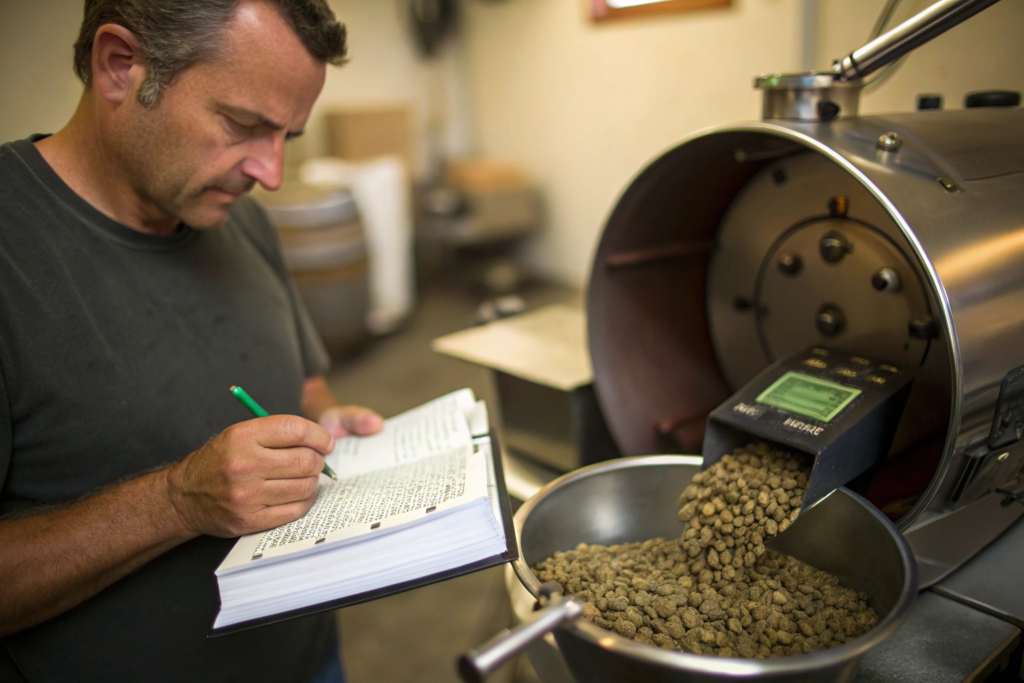
Moisture content is the silent variable. Green coffee usually holds around 10 to 12 percent moisture. If the number is too high, the roast takes longer and the flavors taste grassy. If it is too low, the beans brown too fast and taste flat or ashy. Honestly, I check moisture before every export lot. We use a moisture meter on site and record the number for each bag. This simple step tells a roaster how to adjust heat and airflow. You know, a difference of one percent can change first crack timing by thirty seconds or more. That is a big deal in a production roastery.
How do density and screen size affect the roast?
Density and screen size decide how heat moves through the bean. Dense beans from high altitude take more energy to roast. Large beans and small beans also roast at different speeds. If a lot mixes sizes, some beans burn while others stay pale. We sort by screen size and grade before packing. We also track density by lot. This way, a buyer in Europe gets a repeatable product, not a surprise. One more detail: I once mixed two lots from nearby plots. The roast curve looked fine, but the cup tasted muddy. That was a hard lesson. Now we never blend lots without testing first.
How Does Origin Control Build Bean Consistency?
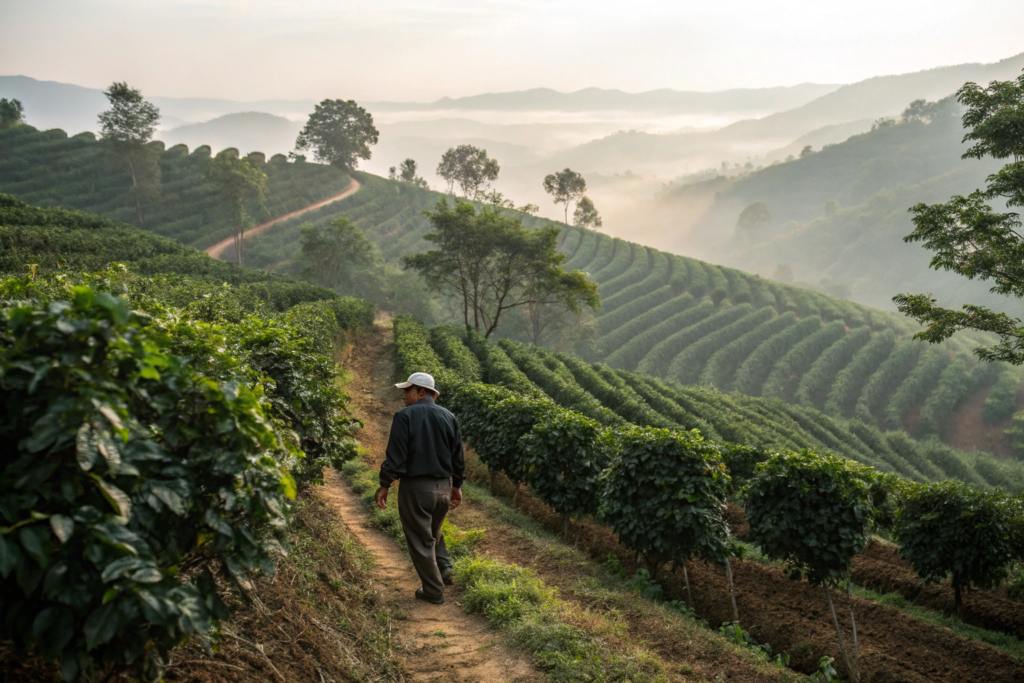
Consistency does not start in the warehouse. It starts in the field. We own more than 10,000 acres in Baoshan City, Yunnan Province. That is rare for an exporter. Most traders buy from many small farms and blend everything together. We do the opposite. We control the soil, the shade, the picking, and the processing. This control is why we can promise a stable product year after year. It also means we can trace every bag back to a specific plot. For a buyer like Ron, who cares about price, timeliness, and quality, this matters a lot. A stable supply chain saves money and headaches.
Why does single-origin farming reduce batch variation?
Single-origin farming reduces variation because the beans share the same climate, soil, and farming methods. When one team manages the whole process, the results are more even. We pick cherries at the same ripeness level. We use the same washing and drying methods. We also keep records for every plot. So if a buyer asks why a lot tastes sweeter, we can point to the exact field and weather. This level of detail is hard to find when beans come from dozens of unknown farms. You know, traceability is not just a marketing word. It is a tool for quality control.
How do we test every lot before export?
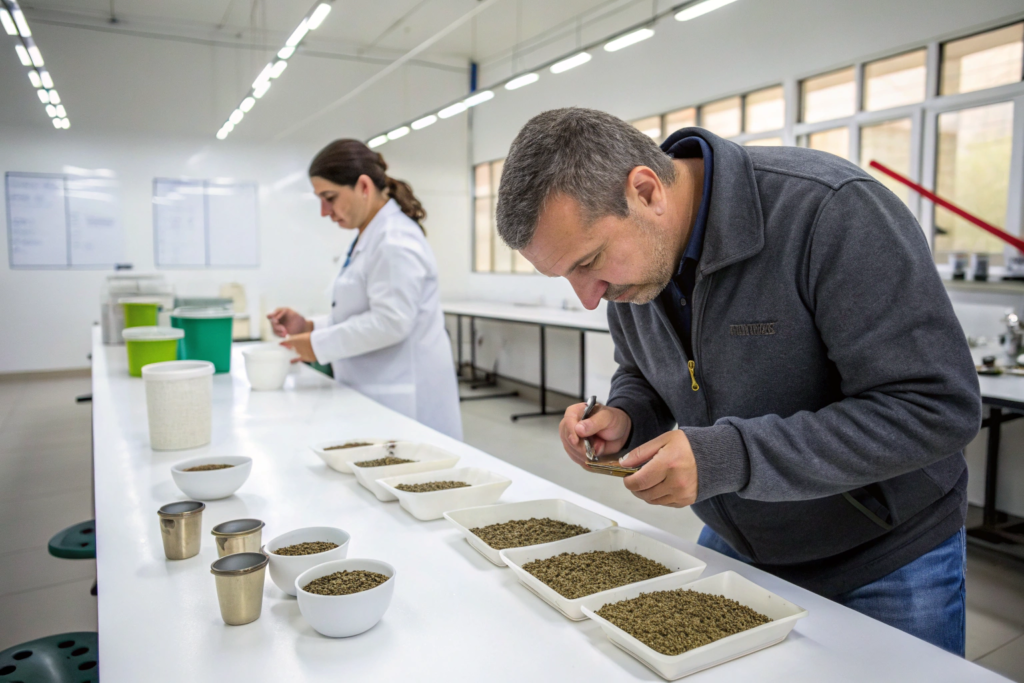
Testing is our safety net. Every lot goes through several checks before it leaves China. We cup the coffee. We check moisture, density, and defect count. We also test for food safety standards that matter in the U.S. and Europe. If a lot fails, we do not ship it. Simple as that. Another way to look at this is insurance. Testing costs a little money upfront. But it protects the buyer from a bad container and protects our name. For importers, this reduces risk and keeps sailing schedules on track. That is a real value, not just a promise.
| Check | What We Measure | Why It Matters |
|---|---|---|
| Moisture | 10–12% target | Controls roast timing |
| Density | By lot and altitude | Affects heat transfer |
| Screen size | Uniform grade | Even roasting |
| Defects | Count per 300g | Clean cup profile |
| Cupping | Flavor and aroma | Confirms quality |
What Should Buyers Check in Green Coffee?
If you buy green coffee, you need a simple checklist. You do not need a lab coat. You need to know what to ask. I always tell buyers to ask for the harvest date, the moisture number, and the processing method. Ask for a sample before the full order. Ask how the beans were stored and shipped. These questions separate a serious exporter from a middleman. Ron, for example, cares about tariff costs and timeliness. Those things matter. But they mean nothing if the beans arrive inconsistent. So check the product first, then the price. That order saves money in the long run.
Which certifications and documents matter most?
Certifications and documents protect both sides. For the U.S. market, buyers often ask for FDA registration and phytosanitary certificates. For Europe, EUDR compliance is becoming a big topic. These papers show the coffee is safe and legally sourced. They also help goods move through customs faster. I know paperwork feels boring. But missing documents can delay a container for weeks. That delay costs money and hurts your roast schedule. So we prepare all documents early and share them with buyers before shipping.
How can you verify quality before shipping?
You can verify quality with samples, photos, and third-party tests. Ask for a pre-shipment sample. Ask for a video of the warehouse and the packing process. If you want more proof, hire a third-party inspector. We welcome this. In fact, we prefer it. A happy buyer who trusts the product comes back. One buyer from Australia once asked for three samples from the same lot. All three tasted the same. He signed a yearly contract after that. That is the power of consistency. It turns a one-time deal into a long partnership.
How Does Logistics Protect Bean Quality?
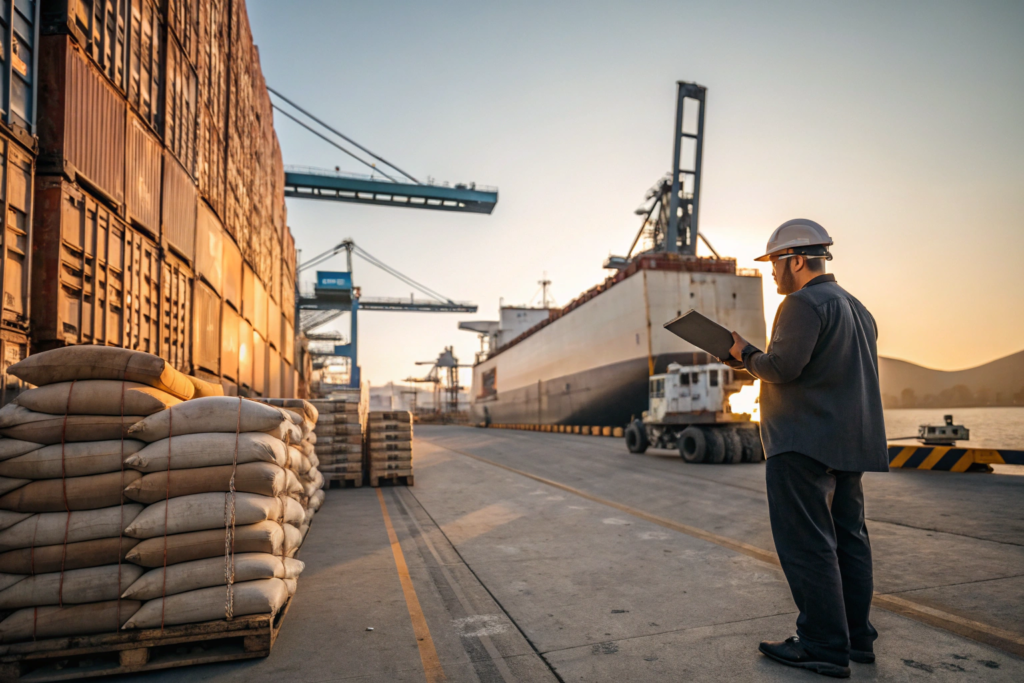
Good coffee can still go bad on the way. This is the part many buyers forget. Logistics is not just about speed. It is about stability. Heat, humidity, and delays can damage green beans. We plan shipments around harvest and sailing schedules. We use clean containers and proper liners. We also work with freight partners who understand coffee. Ron told me once that late shipments hurt him more than high prices. I believe him. A late container can shut down a roastery for days. So we treat timeliness as part of quality. Not separate from it.
Why do sailing schedules and tariffs affect your cost?
Sailing schedules and tariffs affect your landed cost more than most people think. A slow route means more storage time and more risk. A tariff change can add thousands of dollars to a shipment. We watch both closely. We share shipping schedules with buyers and suggest the best ports. We also help buyers understand tariff codes and duties. This is not glamorous work. But it saves real money. For a company owner like Ron, this kind of support is worth as much as a low price. Maybe more.
What packaging keeps green beans stable?
Packaging keeps green beans stable during the long trip. We use food-grade bags with liners. For some orders, we use vacuum-sealed bags or GrainPro-style liners. These materials block moisture and odors. They also protect against pests. If you want packaged products, we can roast and pack under our own brand or yours. This is one reason we can serve both raw bean buyers and brand buyers. The right packaging keeps the product fresh from Yunnan to your warehouse. You know, a small detail like a liner can decide whether a container arrives good or great.
Conclusion
Consistent roasting is not magic. It is a chain of small controls. It starts with the farm and the harvest. It continues through testing, packing, shipping, and storage. If any link breaks, the roast changes. That is why we built our business around green bean consistency, not just low prices. We own our farms. We test every lot. We manage logistics with care. And we stay honest with buyers about what we can and cannot do. If you want a stable supply of Catimor, Arabica, or Robusta from China, we are ready to talk. Please contact Cathy Cai at cathy@beanofcoffee.com to start your order with BeanofCoffee. We would be glad to send samples and discuss your next shipment.