
Last month, a distributor in Chicago asked me a simple question. He said, "If I want to build a stable supply chain, which countries should I watch in 2026?" I did not answer right away. I pulled up my notes, my shipment records, and my conversations with other exporters. The truth is, the list of top producers does not change much at the very top. But the details change every year. Weather, labor, tariffs, and shipping costs all move the numbers. And for buyers, those details decide your landed price and your roast quality. At BeanofCoffee, we watch these countries closely because we compete with them and we buy from some of them. Here is what I see for 2026.
So let me give you the real picture, not just a list you can find anywhere.
Which Countries Lead Green Coffee Production?
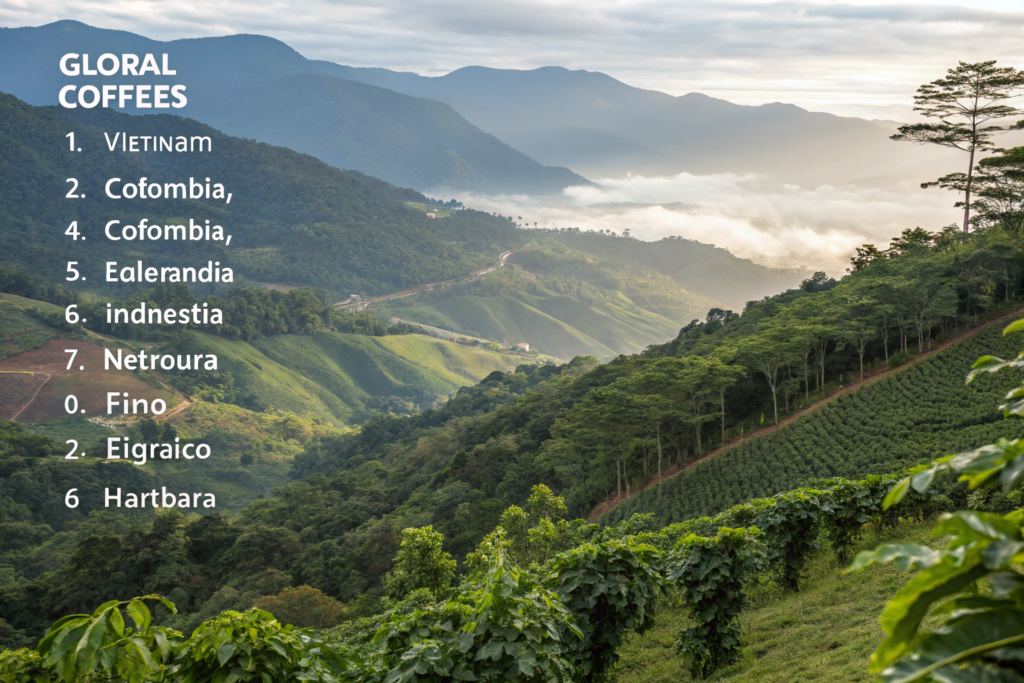
Brazil sits at the top. It has held that spot for many years. Vietnam comes second, mostly with Robusta. Colombia is third, and it is famous for washed Arabica. Then we have Indonesia, Ethiopia, and Honduras. These six countries make up a huge share of the world's green coffee. In 2026, I expect this order to stay mostly the same. But the gaps between them will change. Brazil may grow more. Vietnam may face heat stress. Colombia may recover from a wet year. Ethiopia may push more specialty lots. Every shift matters for importers. A small drop in one country can raise prices everywhere. That is how connected this market is.
Why does Brazil stay on top?
Brazil stays on top for several reasons. It has huge farms. It has modern machinery. It has strong export infrastructure. It also grows both Arabica and Robusta. So it can serve many markets at once. In 2026, Brazil will likely produce around 60 to 70 million bags. That is a massive number. But Brazil also faces risks. Drought and frost can hit its coffee regions. When that happens, coffee prices jump worldwide. Another point is labor. Brazilian farms are more mechanized than most, so they handle labor shortages better. That is a big advantage.
What makes Vietnam different from Brazil?
Vietnam is different because it focuses on Robusta. Robusta is cheaper to grow and more resistant to heat. Vietnam also has small farms. Most are family-run. This makes the supply chain more fragmented. In 2026, Vietnam will likely produce around 25 to 30 million bags. But climate change is a real threat. Hotter summers and irregular rain hurt the crop. Farmers are also switching some land to other crops like durian. That reduces coffee output. So Vietnam may not grow as fast as people hope. For buyers who need Robusta for blends or instant coffee, this matters a lot.
Which Countries Are Rising Fast?
Some countries are climbing the list. Ethiopia is one. It is the birthplace of coffee and produces amazing Arabica. Uganda is another. It grows Robusta and some Arabica. Honduras and Peru are also growing. These countries are investing in quality and traceability. They want to sell to specialty buyers in the U.S. and Europe. In 2026, I expect these origins to get more attention. Buyers want diversity. They do not want to depend on one country. That is smart. A single bad harvest in Brazil can ruin your budget. So spreading your sourcing is a form of insurance.
Why is Ethiopia so important for Arabica?
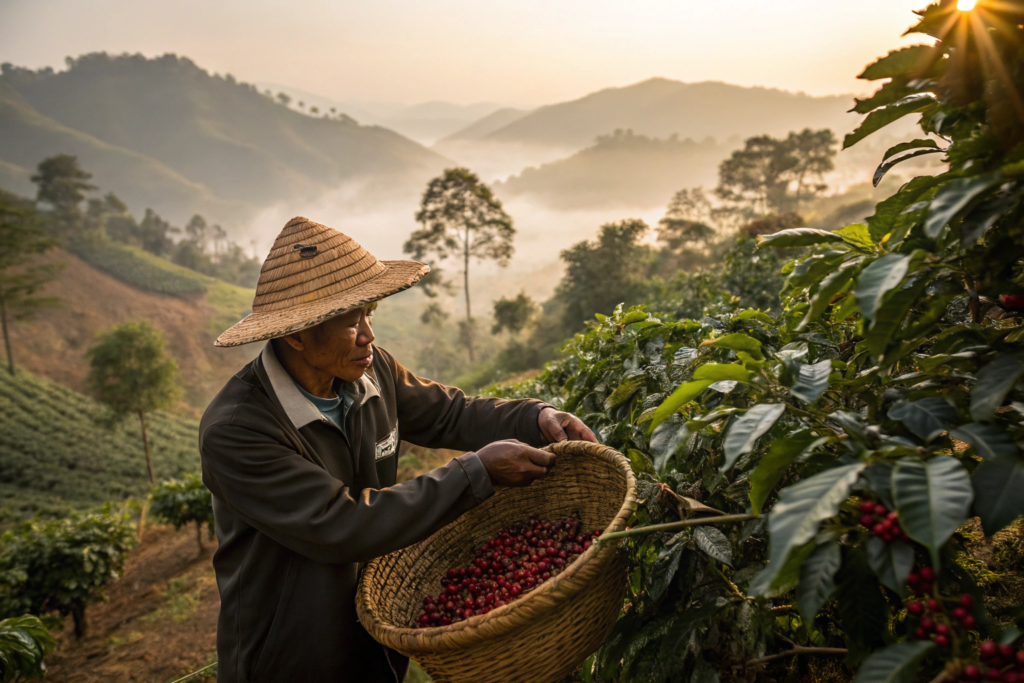
Ethiopia is important because it has native coffee varieties. These varieties offer flavors you cannot find anywhere else. Think floral, fruity, and tea-like notes. Many specialty roasters build their menu around Ethiopian coffee. In 2026, Ethiopia will likely produce around 8 to 9 million bags. That is not huge compared to Brazil. But the quality is high. The country also has a strong traceability culture through cooperatives. Buyers can trace beans back to a washing station or even a village. That story sells well in Western markets.
How is Uganda growing its coffee sector?
Uganda is growing fast because the government supports coffee. It gives farmers free seedlings and training. It also builds processing centers. Uganda produces both Robusta and Arabica. Its Robusta is known for a clean, mild taste. In 2026, Uganda may produce around 7 to 8 million bags. That is a big jump from a decade ago. The country also has good shipping access through Mombasa and Dar es Salaam. This helps it reach Europe and Asia. For buyers looking for African Robusta, Uganda is a solid option.
Where Does China Fit in This List?
Here is the part most people do not expect. China is not a top ten producer yet. But it is growing fast. Yunnan Province, where our farms are, produces most of China's coffee. In 2026, China may produce around 2 to 3 million bags. That is small on the global scale. But the quality is improving every year. We grow Catimor, Arabica, and Robusta in Baoshan City. Our high altitude and cool climate give the beans a clean, sweet profile. China also has a big advantage. We have modern ports, strong roads, and fast export logistics. So buyers get stable shipping and good prices. Honestly, I think China will surprise people in the next five years.
Why is Yunnan coffee quality improving?
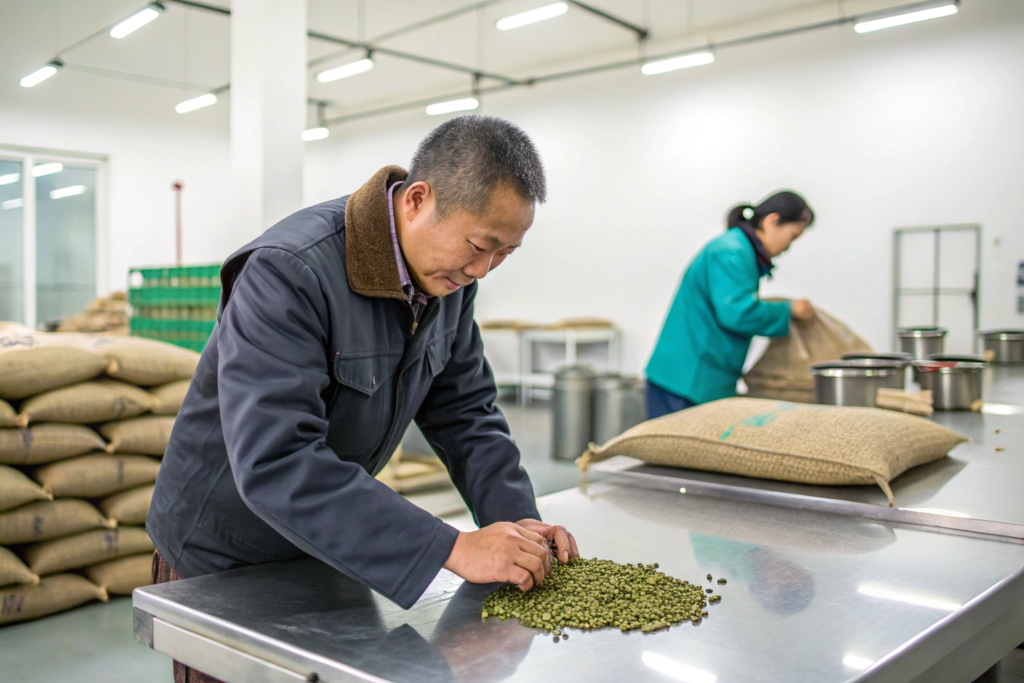
Yunnan coffee quality is improving because farmers are learning. Many now use better picking methods. They pick only ripe cherries. They also use better processing. Washed and honey methods are common now. Some farms even test small lots with natural processing. The government also supports training and equipment. At BeanofCoffee, we cup every lot and reject anything that does not meet our standard. This focus on quality is why more buyers in North America and Europe are giving Yunnan a chance. You know, ten years ago, people laughed at Chinese coffee. They do not laugh now.
What advantages does China offer to buyers?
China offers several advantages. First, we have stable shipping. Chinese ports run on time and handle large volumes. Second, we have competitive prices. Our labor and land costs are lower than many origins. Third, we control the whole chain. We own our farms, so we manage quality from the soil to the bag. Fourth, we offer both raw beans and packaged products. This helps brand buyers who want a ready product. And fifth, we are close to Asian markets. For buyers in Japan, Korea, and Southeast Asia, China is a fast and reliable source. So, what does this mean? It means China is not just a producer. It is a partner for the long term.
How Should Buyers Choose Their Origins?
Buyers should not pick origins based on a ranking alone. They should think about their product. If you roast dark blends, you need Robusta. Vietnam and Uganda are good choices. If you roast specialty single origins, Ethiopia and Colombia are strong. If you want value and stability, Brazil is hard to beat. If you want something new and traceable, China is worth a look. Also, think about tariffs and shipping lanes. A cheap origin can become expensive if the freight is slow or the duty is high. Ron, this is exactly why I always ask about your end product before I quote a price. The right origin depends on your roast, your market, and your margin.
Which origins offer the best value in 2026?
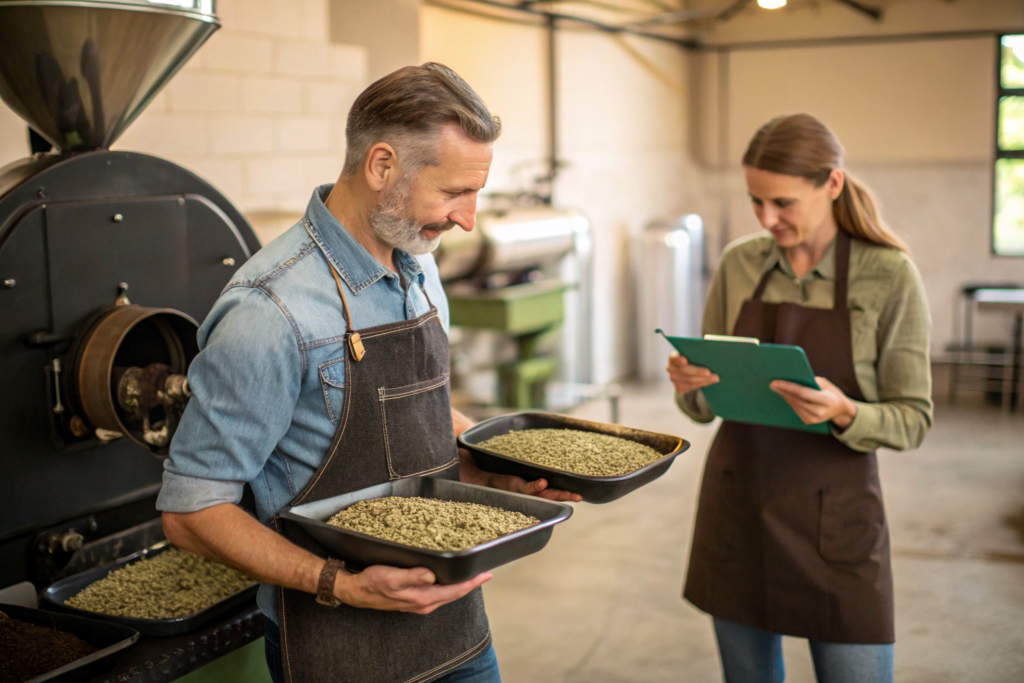
Value in 2026 depends on your needs. Brazil offers scale and consistent supply. Vietnam offers cheap Robusta. Uganda offers good Robusta with growing quality. China offers competitive Arabica and fast shipping to Asia and the U.S. West Coast. Ethiopia offers premium quality at a higher price. So there is no single best value. It depends on what you roast and where you sell. A smart buyer mixes origins. This spreads risk and keeps costs stable. Another way to look at this is a balanced diet. You do not eat only one food. You should not source from only one country.
How do tariffs and logistics change the picture?
Tariffs and logistics can change everything. A low farm price means little if the duty is high. A great origin means little if the ship is late. In 2026, I expect freight rates to stay unpredictable. Port congestion and fuel costs will move them. Tariff rules will also shift, especially between the U.S. and other regions. So buyers should work with exporters who understand customs and can prepare documents correctly. We do this for every shipment. We also share schedule updates early. This saves our buyers money and stress. You know, a good exporter is not just a seller. A good exporter is a planner.
Conclusion
The top green coffee producing countries in 2026 will look familiar. Brazil leads. Vietnam follows. Colombia, Indonesia, Ethiopia, and Honduras stay strong. Uganda and Peru keep rising. China remains small but growing fast. The real story is not the ranking. The real story is change. Weather, labor, tariffs, and logistics keep moving the numbers. Buyers who understand this can plan better and pay less. Buyers who ignore it will get surprised. We watch all these origins every day. We also grow our own coffee in Yunnan. That gives us a unique view of the market. If you want help choosing the right origin for your roast, we are here. Please contact Cathy Cai at cathy@beanofcoffee.com to discuss your order with BeanofCoffee. We will help you build a supply chain that lasts.