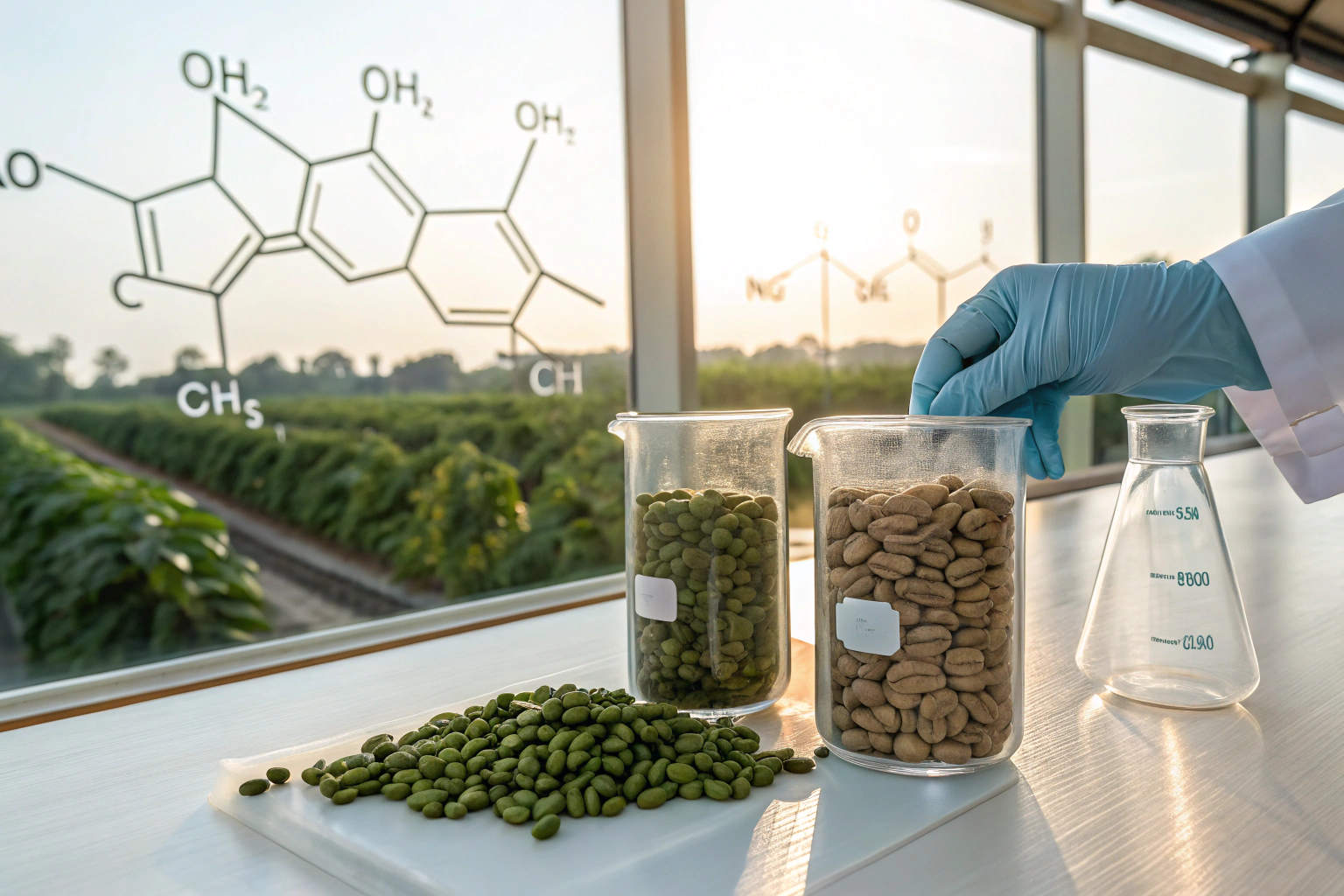
I remember a conversation with a client from Germany. He wanted a strong, punchy espresso blend for his market. He kept asking me, "Which bean gives the real kick?" I pointed to the Robusta. Not the Arabica. He was surprised. Most people think premium means more caffeine. That's exactly backwards. My 10,000 acres in Baoshan grow both species. I cup them side by side every harvest season. The difference in chemical composition is not subtle. It's dramatic.
Robusta beans contain nearly double the caffeine of Arabica beans by weight. A standard cup of Robusta coffee delivers roughly 2.7% caffeine content by dry weight, while Arabica sits around 1.5%. This makes Robusta the clear choice for high-caffeine commercial blends and instant coffee production.
This isn't just a trivia fact. It affects taste. It affects your blend strategy. It affects how the plant survives pests. If you, Ron, are sourcing beans for a specific market segment, knowing the caffeine math helps you buy smarter. Let's break it down clearly.
Why Does Robusta Naturally Produce More Caffeine?
Nature is smart. Robusta didn't evolve to please human palates. It evolved to survive. The high caffeine load is a chemical weapon. It paralyzes and kills insects that try to eat the leaves and cherries. Arabica, growing in cooler, higher altitudes, faces fewer pest threats. So, over millions of years, it didn't invest as much biological energy in making caffeine.
Robusta produces more caffeine because it evolved as a lowland species in harsh, pest-dense environments. Caffeine acts as a natural insecticide, and the plant channels significant metabolic resources into synthesizing this bitter, toxic-to-bugs alkaloid for self-defense.
This biological backstory explains everything about the final bean. The bitterness. The resistance. The easy farming. When you understand this, you stop thinking of Robusta as "inferior" and start seeing it as a different tool for a different job.
How Does the Plant's Defense Mechanism Work?
The caffeine molecule is a paralytic for small insects. When an aphid or a beetle larva chews on a Robusta leaf, the caffeine floods its nervous system. It stops feeding. Often, it dies. The plant survives.
Arabica has some of this defense, but much less. It relies more on altitude for protection. Up at 1,500 meters in our Baoshan Yunnan farms, there are fewer bugs. The Arabica plant can afford to be gentle. Its beans store sugars and fats, not just bitter alkaloids. This is also why Arabica tastes sweet and complex, and Robusta tastes harsh and grainy. The high caffeine content comes with a flavor cost.
What Does This Mean for Farming Practices?
Robusta is a tougher plant. Because it has strong internal chemical defenses, it needs fewer external pesticide sprays on the farm. It's more resilient against disease, especially coffee leaf rust. This makes Robusta cheaper and easier to grow.
Arabica, on the other hand, is a diva. It needs careful management, shade trees, and more attention. The higher cost of organic or low-spray Arabica farming reflects this vulnerability. So, when you buy Robusta, you are often buying a bean with a naturally lower chemical input history. That's an angle not enough buyers consider. It's not just about caffeine. It's about the whole agronomic picture.
How Significant Is the Caffeine Difference in a Brewed Cup?
Okay, numbers on a spec sheet are one thing. But what happens in the cup? You don't drink raw beans. You brew them. And the brewing process extracts that caffeine into your mug. The difference in your bloodstream is very real.
In a brewed cup, using a standard 8-ounce serving, a 100% Robusta coffee can deliver 200 to 280 milligrams of caffeine. A 100% Arabica cup from the same brew ratio typically delivers 100 to 150 milligrams. The Robusta cup often provides a more intense, longer-lasting stimulant effect.
Roasters in the U.S. and Europe know this well. They use Robusta strategically. A classic Italian espresso blend often has 10% to 20% high-quality Robusta. Not just for cost saving, but for the crema and the caffeine punch. It changes the whole sensory experience.
Why Do Espresso Blends Often Include Robusta?
Espresso is about intensity. Pressure. A thick, golden crema on top. Robusta beans, with their different lipid structure and higher caffeine, create more crema than pure Arabica. The crema traps the aromatics and gives the first sip a velvety texture.
A lot of traditional roasters in Northern Italy swear by a small Robusta addition. It gives the espresso a backbone. A dark, bitter note that cuts through milk beautifully. So, if you are selling into the specialty cafe market, don't dismiss Robusta. A washed, clean Robusta from our Yunnan plantations can elevate a blend, not ruin it. The caffeine is the bonus, not the enemy.
How Does Roast Degree Affect Caffeine Retention?
Here's a myth I hear all the time. "Dark roast has more caffeine because it tastes stronger." Wrong. Caffeine is a stable alkaloid, but it does sublimate at very high temperatures. A French roast or Italian roast bean actually has slightly less caffeine by weight than a light roast bean.
However, the difference is tiny. If you measure your coffee by scoop, dark roast beans are less dense, so you use fewer beans. That reduces caffeine in the cup. If you weigh your dose, the difference is negligible. Robusta holds its caffeine through the roast better than Arabica simply because it starts with so much more. Even a charred, oily Robusta still packs a chemical punch.
What Market Segments Demand High-Caffeine Coffee?
Not all coffee drinkers are the same. Some chase flavor. Some chase energy. The high-caffeine segment is massive and often overlooked by specialty-focused buyers. I sell to both worlds. The specialty Arabica roasters in Australia. And the high-volume commercial buyers in the U.S. who need a reliable, high-caffeine base for their products.
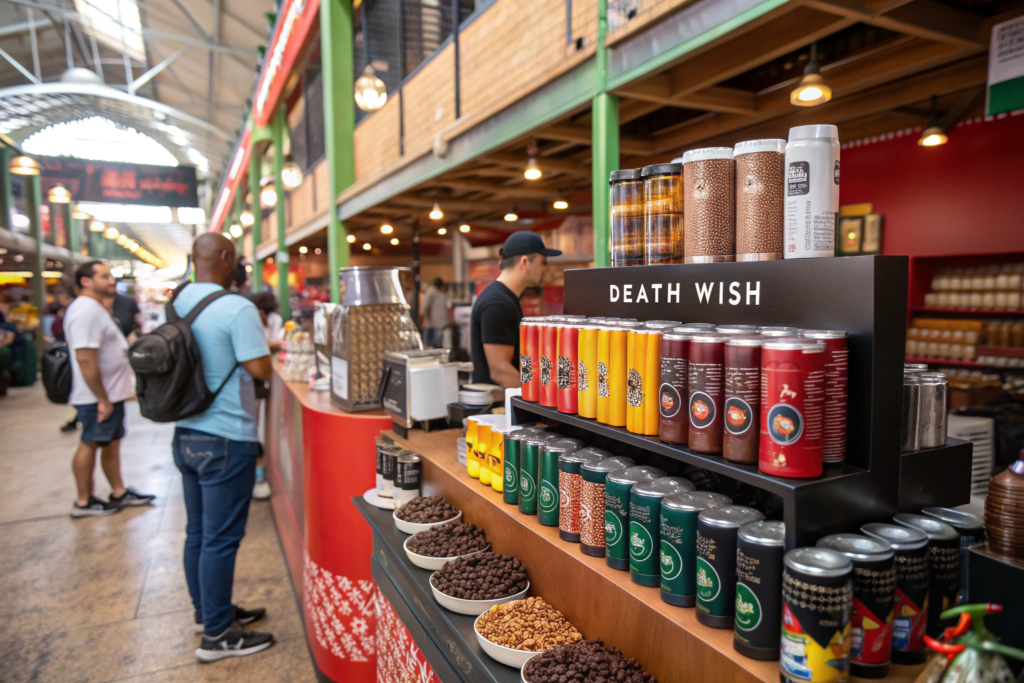
The main market segments demanding high-caffeine coffee include instant coffee manufacturers, energy drink and coffee extract producers, commercial espresso blend roasters, and the growing "Death Wish"-style ultra-caffeinated retail brands.
When you understand who buys Robusta, you see the business opportunity. You, Ron, might be in the specialty space. But your customers might want a "strong" breakfast blend. A clean, well-processed Robusta from a trustworthy exporter can be your secret ingredient.
Why Is Instant Coffee Dependent on Robusta?
Walk down a supermarket aisle. Pick up any jar of mainstream instant coffee. Read the fine print. It's almost certainly 100% Robusta, or a Robusta-heavy blend. The high caffeine content survives the brutal industrial extraction process.
Instant coffee manufacturing involves brewing a massive concentrate and then freeze-drying or spray-drying it. The process strips aromatics. What's left is mostly caffeine, bitterness, and body. Robusta gives a higher yield of soluble solids. It's more profitable for the factory. And the consumer, frankly, often drinks instant for the quick energy, not the flavor notes of jasmine and bergamot. This is a volume game.
How Do Energy Brands Use Coffee Extract?
Energy drinks and coffee protein shakes are a booming category. They use a highly concentrated green coffee extract as a natural caffeine source. Robusta is the go-to raw material. Its high baseline caffeine makes the extraction process vastly more efficient.
If you are supplying an extract manufacturer, they care about one number above all: the percentage of caffeine by dry weight. A washed Robusta at 2.5% to 2.8% is pure gold to them. They can market it as a natural plant-based energy source. This is a B2B market that doesn't care about cup score. They care about spec sheets and chemical consistency. For a large-scale supplier like us, this is a stable, high-volume channel.
How to Source Clean, Consistent Robusta from China?
Robusta has a reputation problem. People think it's dirty, defective, and cheap. And a lot of it is. But it doesn't have to be. We grow and process Robusta with the same care we apply to our premium Catimor. Because if it's clean, it commands a premium in the high-end caffeine market.
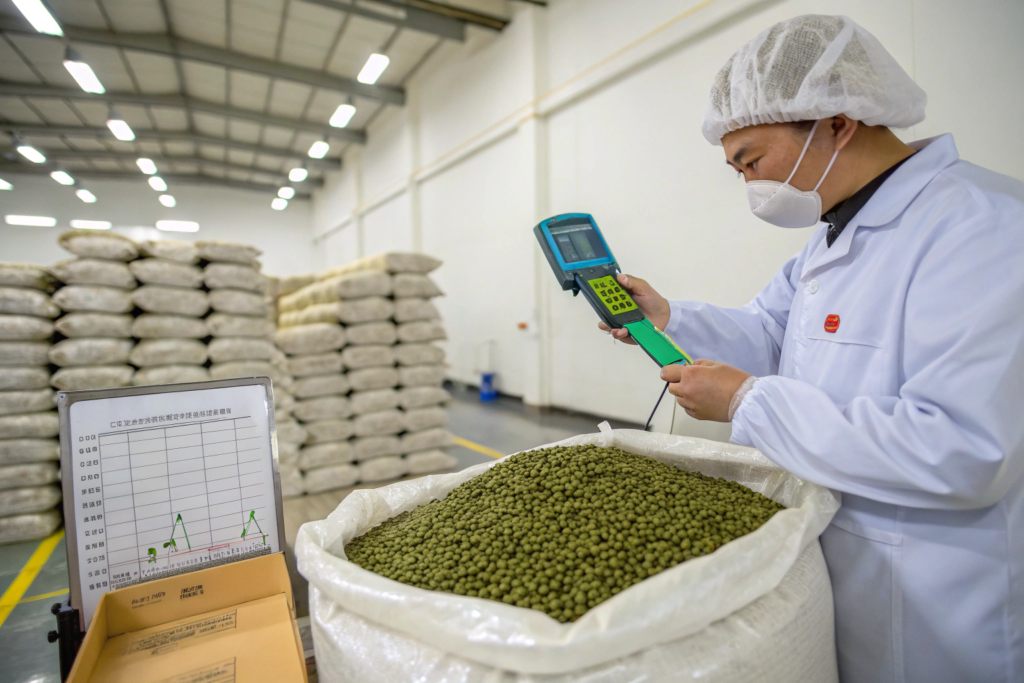
Sourcing clean Robusta requires the same due diligence as Arabica. Verify the moisture content, demand a detailed screen size analysis, insist on a cupping score to check for moldy or rubbery defects, and require a spec sheet confirming the exact caffeine percentage.
Don't just buy "Robusta." Buy a specific grade. A specific processing method. We offer natural and washed Robusta. The washed version is cleaner, brighter, and far more versatile. It can hold its own in a serious blend.
What Defines a High-Grade Robusta?
Specialty Robusta is a real category. It has cupping protocols. A fine Robusta should not taste like burnt tires. It should taste like dark chocolate, roasted nuts, and grain. Bitter, yes. But clean bitter. Not moldy, not phenolic.
To achieve this, the cherries must be selectively picked, not strip-picked. They must be floated to remove floaters. The drying must be even, on raised African beds, not on a dirty concrete patio. We do all of this at BeanofCoffee. Because our international clients in Europe and Australia are putting this into premium blends, they cannot afford a defect. A well-processed Robusta is a premium product, not a byproduct.
How Do You Verify the Caffeine Content of a Lot?
You don't trust the spec sheet. You verify. A reputable exporter provides a third-party lab analysis from an accredited lab like SGS or Eurofins. The certificate of analysis should list the caffeine content, typically by HPLC testing method.
We offer this with every Robusta lot we ship. It's part of our export documentation package. For you, Ron, this removes the guesswork. If your client needs a guaranteed minimum caffeine level for their product label claims, you need this certificate. Without it, you're just hoping. And a lawsuit from a consumer brand for a mislabeled product is far more expensive than the cost of the lab test. Be safe. Demand the data. We provide it proactively. If you'd like to see a sample spec sheet for our current washed Robusta lot, Cathy Cai can send one over immediately. Just email her at cathy@beanofcoffee.com.
Conclusion
The difference is stark. Robusta brings nearly double the caffeine firepower compared to Arabica. This is not a matter of opinion or brewing method. It's plant chemistry, driven by evolution. The robusta bush, fighting pests in the lowlands, loaded its seeds with bitter, insect-killing alkaloids. The arabica, resting in cool mountain air, focused on sugars and delicate acids instead.
For you, the buyer, this distinction is a business tool. If your market needs pure energy, instant coffee, or a strong espresso backbone, Robusta is your friend. If your market seeks complex sweetness and floral notes, Arabica is the star. There is no absolute winner. Only the right bean for the right cup.
We grow both here on our 10,000 acres in Baoshan. We process both to international export standards. We cup both weekly. So, whatever your blend strategy requires, we can build a consistent, lab-verified supply chain for you. If you want to discuss a mixed container of high-caffeine washed Robusta and specialty Arabica, or just need that caffeine analysis sheet, reach out to Cathy Cai. She handles our client logistics and can get you samples and a tailored quote. cathy@beanofcoffee.com is the direct line. Let's find the right balance for your roast.