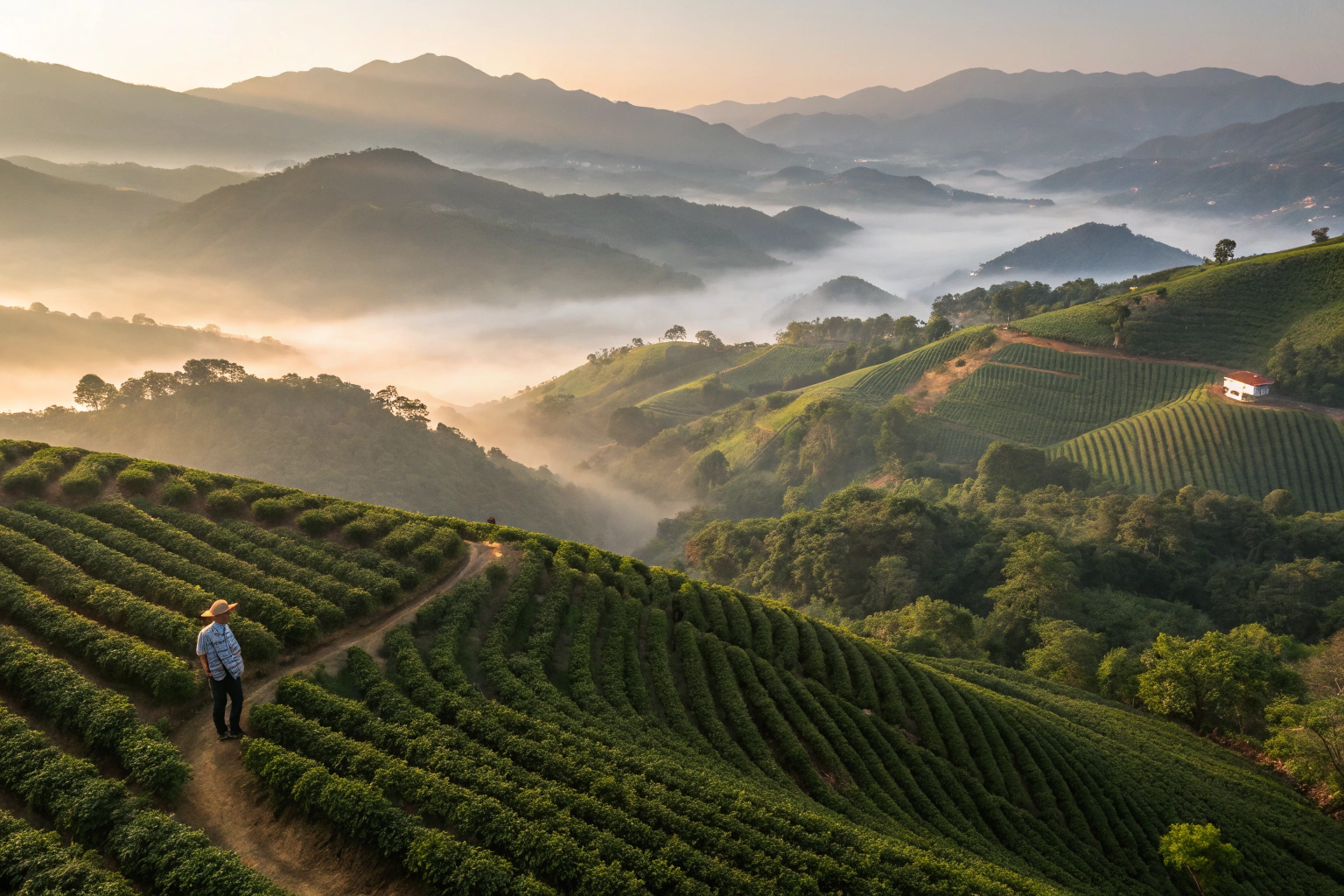
I've seen small farms fail. Not because the coffee was bad. But because one bad rain, one labor shortage, or one canceled booking broke them. A buyer in Seattle once told me he lost his entire summer supply because his tiny single-estate supplier in another country got hit by leaf rust and simply vanished. No backup. No inventory. No phone call. That's a nightmare for a business owner like you, Ron. You need supply security. You need a partner who can absorb shocks and keep your roastery running. That's not just about having land. It's about having enough land to create a buffer against chaos.
Choosing a 10,000-acre coffee plantation guarantees raw material volume at a scale that independent smallholders cannot match, ensures a year-round inventory buffer against seasonal shortages, allows for internal quality segregation of different grades, and provides the financial stability to invest in modern processing equipment and professional export logistics.
I'm not talking about just owning a big patch of dirt. I'm talking about vertical control. From the nursery to the dry mill to the stuffed container. When you, as an American, European, or Australian buyer, place a large order with BeanofCoffee, you're not waiting for us to collect cherry from 500 random farmers and hope for the best. We own the crop. We control the schedule. Let me explain why that matters for your bottom line.
How Does Scale Guarantee a Consistent Green Bean Supply?
Consistency is not about a single great sample. It's about the 20th container tasting exactly like the first one. A smallholder might give you a beautiful micro-lot one season and then nothing the next. Or worse, they mix in bought-in cherry from neighbors and the quality drifts. I've seen it destroy roasters' reputations.
A 10,000-acre scale guarantees consistent supply because the plantation operates as a single, integrated production unit. It can aggregate micro-lots into large, uniform export batches, hold substantial physical stock from the previous harvest as a buffer, and plan multi-year planting cycles to smooth out biological yield fluctuations.
Nature is not a machine. Trees have good years and bad years. A big farm smooths that curve. If Block A has a slight dip in yield, Block B compensates. The total output remains stable. You get your containers on time.
How Does Inventory Buffering Protect My Business?
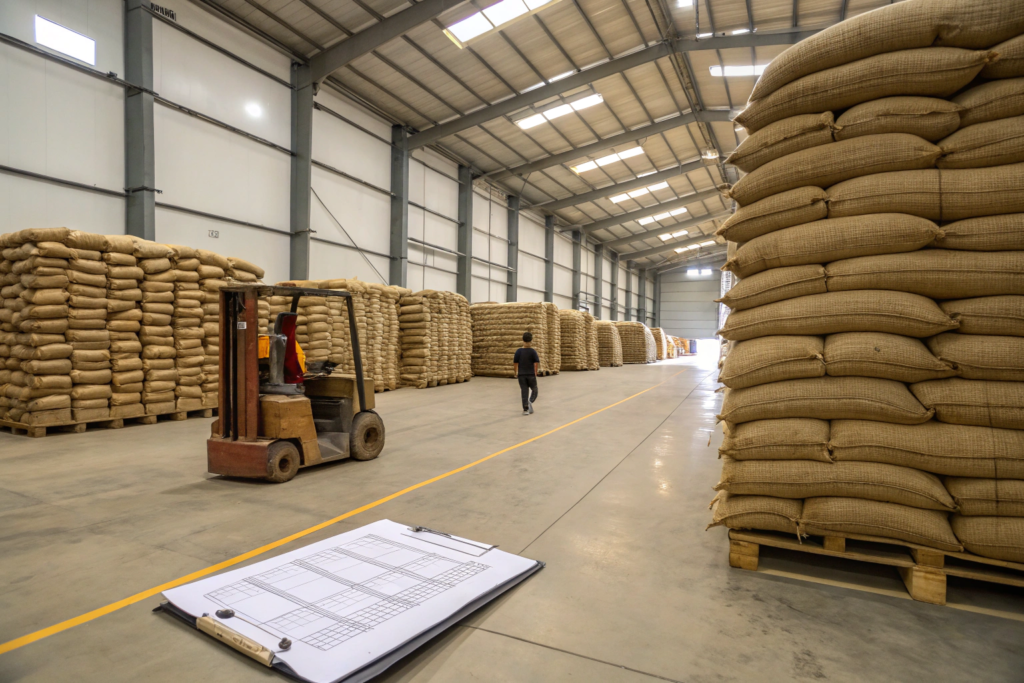
Small farms sell out. It's not their fault. They harvest in November, process in December, and by March, the good beans are gone. If you call in April for a repeat order, they have nothing left. You're forced to switch origins mid-season, messing up your blend.
We don't sell out. We plan for carryover stock. We hold beans in parchment form in climate-controlled warehouses. When you need a container of Arabica in July, we mill it fresh for you. That's a service only scale can provide. It requires capital to sit on inventory. It requires space to store it safely. For you, it means year-round availability of the same lot profile. Timeliness solved.
Can Scale Control the Processing Quality Better?
Coffee processing is a factory operation. Washing, fermenting, drying. It needs infrastructure. Not just a concrete patio, but a system. We operate multiple wet mills across our acreage. Each one is standardized. Same fermentation protocols. Same water source testing. Same drying bed management.
If we relied on 500 smallholders, we'd have 500 different ideas about fermentation. That's a quality control nightmare. With scale, we have one head of processing, one set of standard operating procedures, and one team of quality inspectors. The result is a uniform, clean cup profile, bag after bag. Large company buyers and distributors need that predictability. You can't build a brand on a moving target.
Why Is Financial Stability Critical for Long-Term Export?
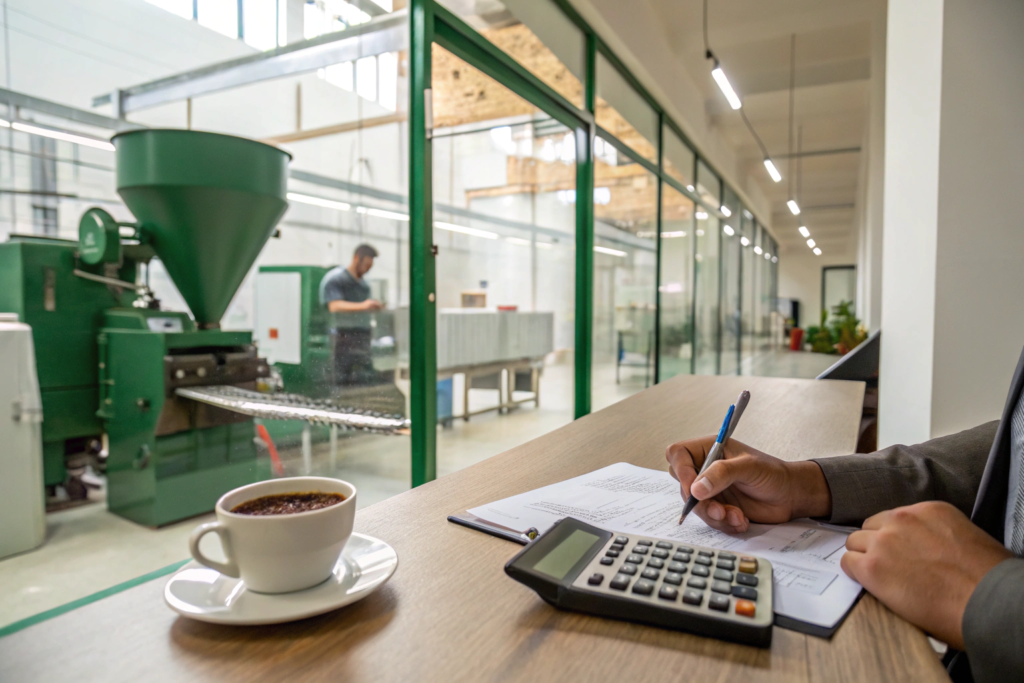
A coffee deal is a promise. You pay a deposit. We ship the goods. But what if the supplier takes your deposit and disappears? Or what if they need your deposit just to pay the pickers and a delay in your payment collapses their operation? You need a partner with deep enough pockets to execute the contract even if an unexpected cost arises.
Financial stability in a 10,000-acre plantation means the company is not dependent on a single buyer's deposit to fund the harvest. It has the asset backing and balance sheet strength to float the production costs, invest in food safety certifications, and absorb minor trade disruptions without defaulting on the supply agreement.
We don't need your money to pick the cherries. We pick them anyway. We process them anyway. Your payment secures the goods and books the vessel. That's a fundamentally different risk profile for you, Ron. Your supply chain is built on a rock, not on a sand dune of pre-payments.
How Does Asset Backing Reduce Buyer Risk?
Land is a hard asset. A 10,000-acre plantation with processing mills has significant real-world value. A virtual office trading company has none. If a dispute arises, a real farm has something to lose. We have a physical address. A reputation. Generational ties to the land.
This changes the negotiation. You're not dealing with a middleman who will vanish after one bad deal. You're dealing with a landowner who plans to be in business for the next 50 years. The incentive structure aligns with yours. We want repeat business. We want you to visit us in Baoshan Yunnan, walk the fields, and cup the lots. A fly-by-night operator fears that. We invite it.
What Happens When Global Shipping Markets Crash?
Shipping lines go bankrupt. Freight rates spike overnight. Ports close. In a crisis, small exporters cancel contracts. They claim force majeure even when they could technically perform, because they lack the cash flow to absorb a doubled container rate.
With our scale, we have the financial reserves and the freight volume leverage to negotiate directly with carriers. We can absorb a temporary rate spike to keep a valued client's container moving. Your goods get on the water. A canceled contract costs you more than just that shipment; it costs you market share. Financial stability on the supply side prevents that silent disaster.
How Does a Large Estate Manage Quality Across Harvests?
Quality at scale is the hardest trick in the coffee world. The bigger you are, the easier it is to get sloppy. I know that. I fight against it every single day. A small farmer can hand-nurture 50 trees. A big farm has to industrialize care. And we have done that, by building internal systems that treat each plot of our coffee plantation as its own micro-estate.
A large estate manages quality by digitizing the lot tracking from cherry reception to export bag, employing dedicated quality control teams for each processing stage, and using real-time data logging on moisture levels, fermentation time, and drying temperature to enforce consistent standards across all 10,000 acres.
We don't guess. We measure. Every lot receives a unique code. That code links back to the specific hillside, the pick date, the fermentation tank number, and the drying bed location. If a quality issue ever appears, we trace it back to its source in under an hour. That's impossible with a fragmented smallholder supply chain.
How Do You Segregate Different Quality Tiers?
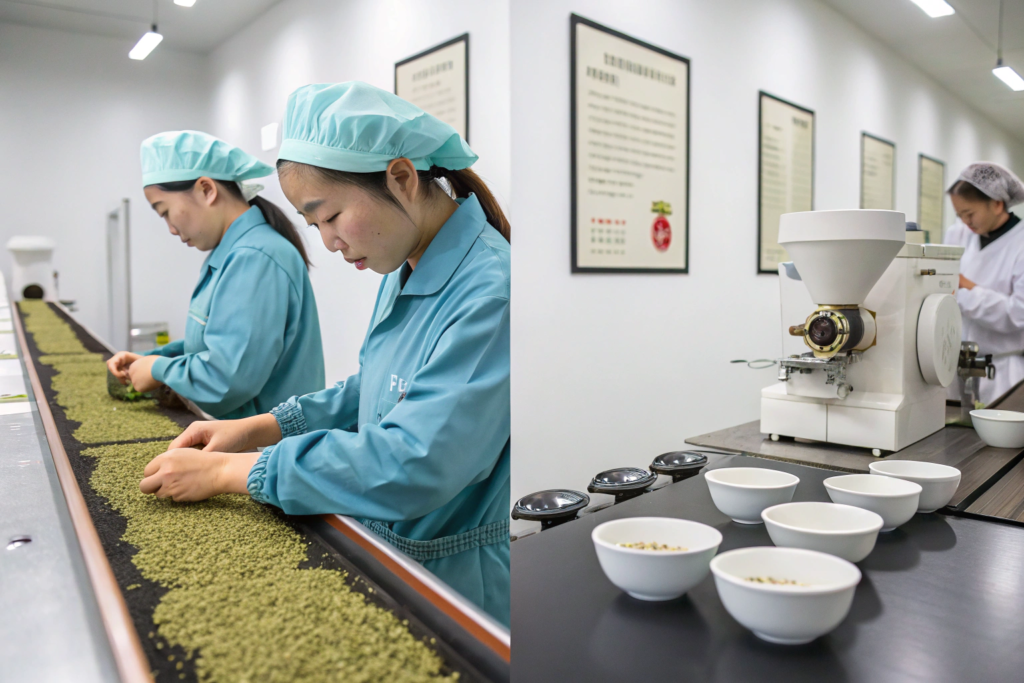
Not every bean on 10,000 acres is a specialty 86-point coffee. And we don't pretend it is. That's honest. The power of scale is segregation. We identify the top micro-lots for our premium buyers. We assign the commercial-grade beans to bulk buyers. We keep the industrial-grade beans for instant coffee extractors.
Nobody gets a mystery mix. We cup every single day lot. We assign a grade. We store it separately. When you, Ron, order a specific grade, you get exactly that grade. Not a "representation" of it. Scale allows us to have separate physical inventories for separate markets. That protects your brand's quality promise to your customers.
What Role Does Technology Play in Consistency?
We use moisture meters, not a fingernail bite. We use data loggers in the drying beds, not a glance at the sun. In the dry mill, optical color sorters kick out defects that human eyes miss. The technology investment is substantial. A smallholder cannot afford a million-dollar sorter. We can.
This tech doesn't replace the human palate. It supports it. It ensures that before the beans ever reach the cupping table, they are already physically clean. Technology reduces the standard deviation of our quality. It tightens the bell curve. For a distributor or a large roaster, a tight spec sheet is gold. It means less waste, fewer complaints, and a smoother production run.
What Logistical Advantages Does a Big Producer Offer?
The best coffee in the world is worthless if it misses the boat. Timeliness is your stated priority, Ron. I get that. A big plantation doesn't just grow coffee. It operates a logistics hub. We have a dedicated export department. They speak English. They know the difference between a Telex Release and an Original Bill of Lading. They know the customs brokers by name.
A large producer streamlines logistics by offering on-site container stuffing, in-house export documentation preparation, direct negotiation leverage with shipping lines, and a dedicated team that proactively handles the Importer Security Filing and Phytosanitary Certificate coordination before the vessel departure.
Small producers often outsource all of this to a third-party export agent. The agent handles 20 different farms. They don't care whose container rolls over. We care. It's our coffee. It's our reputation. The agent is just moving boxes.
How Does On-Site Container Stuffing Ensure Safety?
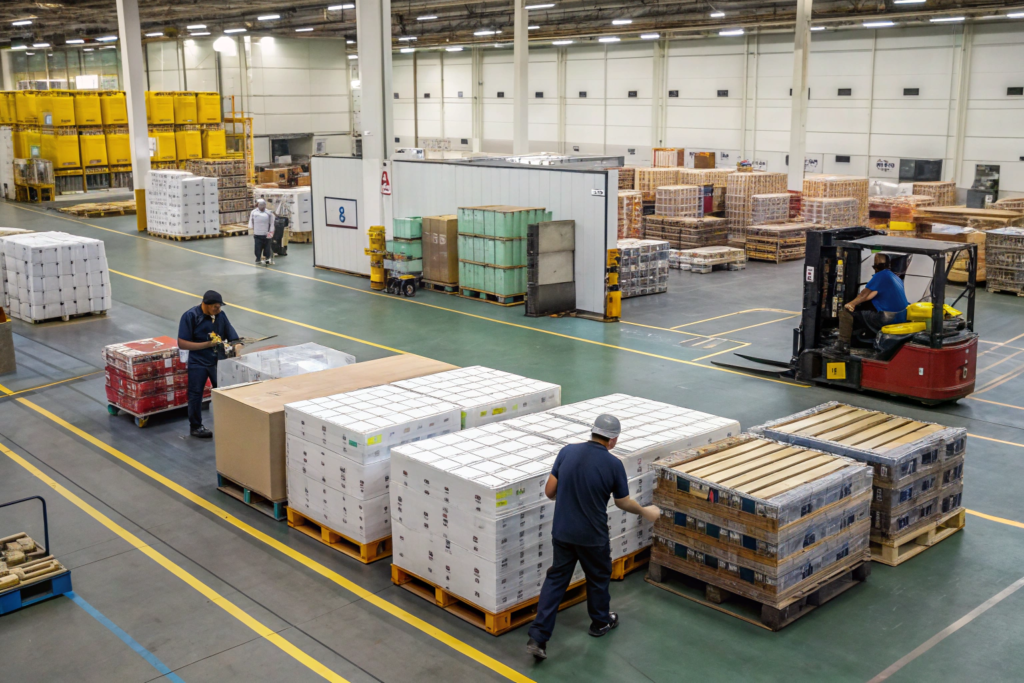
We stuff containers at our own facility. Not at a public warehouse 200 kilometers away. This gives us complete control over the final product condition. We supervise the loading. We check the container's interior for cleanliness and odors before a single bag goes in.
We also apply a unique numbered security seal in front of a supervisor. That seal number is on your documents. You check it on arrival. If it's broken, you know something happened in transit. This chain of custody is a core part of our promise of safety and reliability. A fragmented supply chain passes the product through too many anonymous hands. Direct loading removes those vulnerabilities.
Can Scale Offer Better Shipping Rate Stability?
Yes, and here's why. We move volume. We're not booking one container a month. We book dozens. Shipping lines value that. We negotiate service contracts with carriers directly, bypassing some layers of broker margin.
In a tight market, when space is scarce, the carrier prioritizes their contract customers over the spot market. That means our containers get loaded while others get rolled. For you, that translates to fewer delays. Better timeliness. The freight cost is still a pass-through, but the space security is a gift that only volume can buy. Your coffee moves because we move a lot of coffee.
Conclusion
Size is not just about ego. In the coffee export business, size means buffer stock when others are sold out. It means financial muscle to execute a contract even when the market turns against it. It means dedicated quality labs and optical sorters that protect cup consistency. And it means a professional logistics desk that treats your Bill of Lading as the most important document of the day.
A small farm can charm you with a story. A large, integrated plantation can support your business with hard data and reliable deliveries. Stories don't fill containers on a deadline. Data and scale do. That's the practical reality of supplying North American and European brands.
You need a partner who won't disappear. A partner who has 10,000 acres of soil, stone, and coffee trees to stand behind every contract. If you want to see our stock list, our current cup scores, or a shipping schedule that fits your buying calendar, reach out directly. Cathy Cai manages our international buyer relationships. She can send you samples, a spec sheet, and a detailed quote. Her email is cathy@beanofcoffee.com. Let's build a supply chain that gives you confidence, not anxiety.