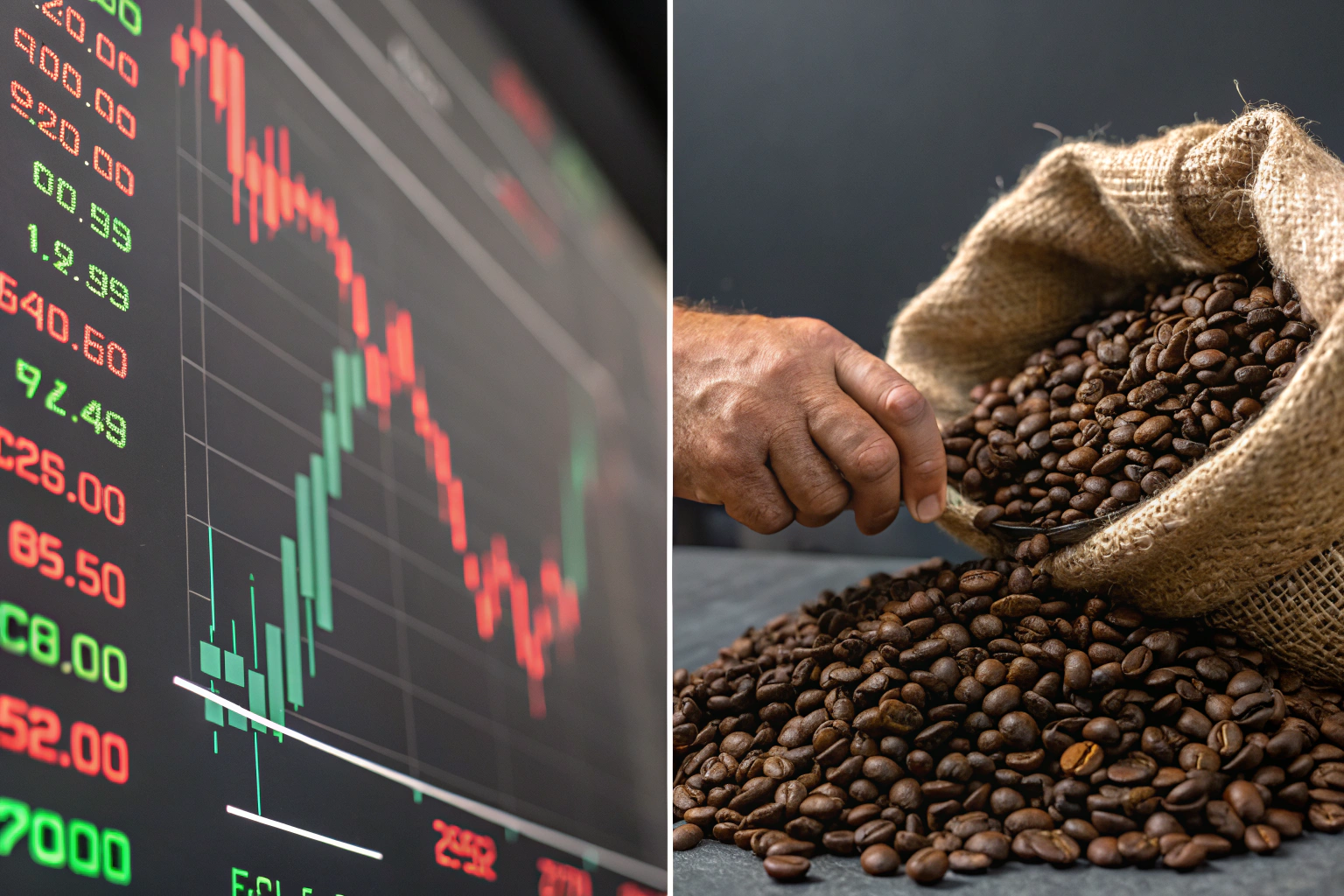
Robusta prices can make you feel like you're riding a roller coaster with a broken safety bar. One month the price is so low you think you're a genius for locking in a contract. The next month, Vietnam has a drought and the market spikes 40%. You’re left holding a purchase order that suddenly doesn't look so brilliant. I know this tension. I run 10,000 acres in Yunnan, and while we specialize in high-quality Arabica and Catimor, we also move significant volumes of Robusta for European and Australian buyers. The volatility isn't random chaos. It has logic.
Robusta coffee prices fluctuate primarily due to the supply dynamics in Vietnam and Brazil, global demand shifts from instant coffee manufacturers, and speculative trading on the London International Financial Futures and Options Exchange (LIFFE). These movements are sharper than Arabica because Robusta is a thinner, more utilitarian market driven by cost, not cupping score.
The trick is to stop guessing and start tracking the levers. If you're importing Robusta, you're essentially playing a game of logistics and macro-economics. Let me show you how I advise my clients—like Ron, who cares deeply about price—to read the market without getting burned.
Why Is Robusta More Volatile Than Arabica Coffee?
A lot of people think all coffee moves together. That's a mistake. Robusta has a mind of its own. It's uglier. It has a harsher taste. But it packs twice the caffeine and grows like a weed in hot, low-altitude places where Arabica would just wither and die. You’d think that resilience makes it stable. It doesn't. It makes it a volume game, and volume games get nasty when supply chains crack.
Robusta is more volatile because its production is geographically concentrated in Vietnam, its primary use is industrial instant coffee, and it lacks the specialty premium floor that cushions Arabica prices during global slumps.
So, while a micro-lot Arabica might have a fan club willing to pay a premium regardless of the C-market, Robusta is a raw material. It's bought by factories, not by baristas. And factories can switch to buying from another country the second the price moves a nickel.
How Does the Vietnamese Harvest Dictate Robusta Prices?
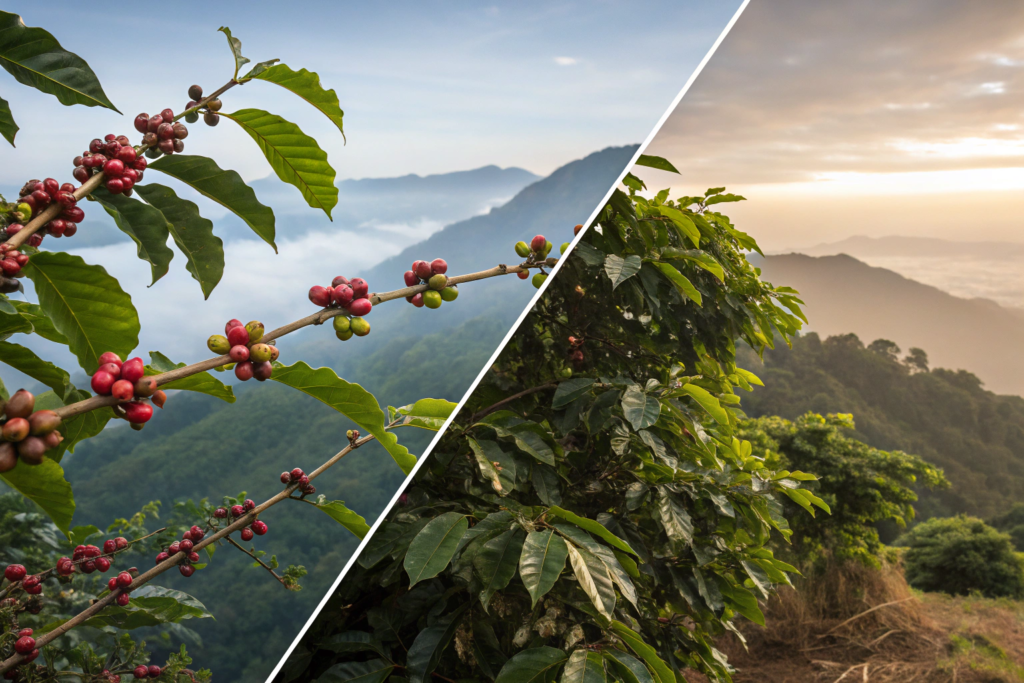
Honestly, Vietnam calls the shots on Robusta. They produce about 40% of the world’s supply. When the Mekong Delta has good weather and the farmers dump their beans onto the market, prices in London can tank overnight. But here’s what you need to watch: the Vietnamese farmers are smart. They hold back inventory if the price is too low. They have the financing now to sit on their beans. So, you’ll see a counter-intuitive thing happen. Sometimes, a bumper crop leads to high prices because the farmers refuse to sell cheap, creating an artificial shortage for exporters. You can track these seasonal patterns by following the agricultural reports from major trading houses. If you're sourcing cheap beans, you must know the weather in Buon Ma Thuot better than you know the weather in your own city.
Why Doesn't Robusta Have a Safe "Price Floor"?
Arabica has a kind of safety net because if the C-market price crashes, the specialty roasters still pay a differential for the good stuff. Robusta doesn’t have that. No one pays extra for a beautiful, 90-point Robusta. It's a commodity. It can go to zero—well, down to the cost of production. And that cost of production is usually the floor. But sometimes, massive hedge funds short the London market and drive it below cost. We saw this a few years ago. It punishes farmers, but for you, the importer, it creates a buying opportunity that disappears fast. This lack of a hard floor is why I always suggest looking at the technical analysis on markets like ICE Futures Europe to spot a bottom. A chart pattern can sometimes save you a bad entry point.
What Trade Events Shock the Robusta Market?
You can be the best negotiator in the world, but if a ship gets stuck in the Suez Canal the day before your Robusta is supposed to leave Vietnam, your price just went up. Trade is about physical movement. And Robusta, being a huge, heavy, low-margin product, is totally sensitive to transport costs. A $500 spike in a container rate might be annoying for a premium Arabica. For a ton of Robusta, it might wipe out your entire margin for the year.
The Robusta market is shocked by freight rate instability, geopolitical sanctions, and export policy changes in origin countries like Indonesia and India, all of which create sudden supply vacuums or surpluses.
You aren't just trading coffee. You're trading risk. And the biggest risk right now is the water between Asia and your warehouse.
How Did the Suez Canal Blockage Impact Robusta?
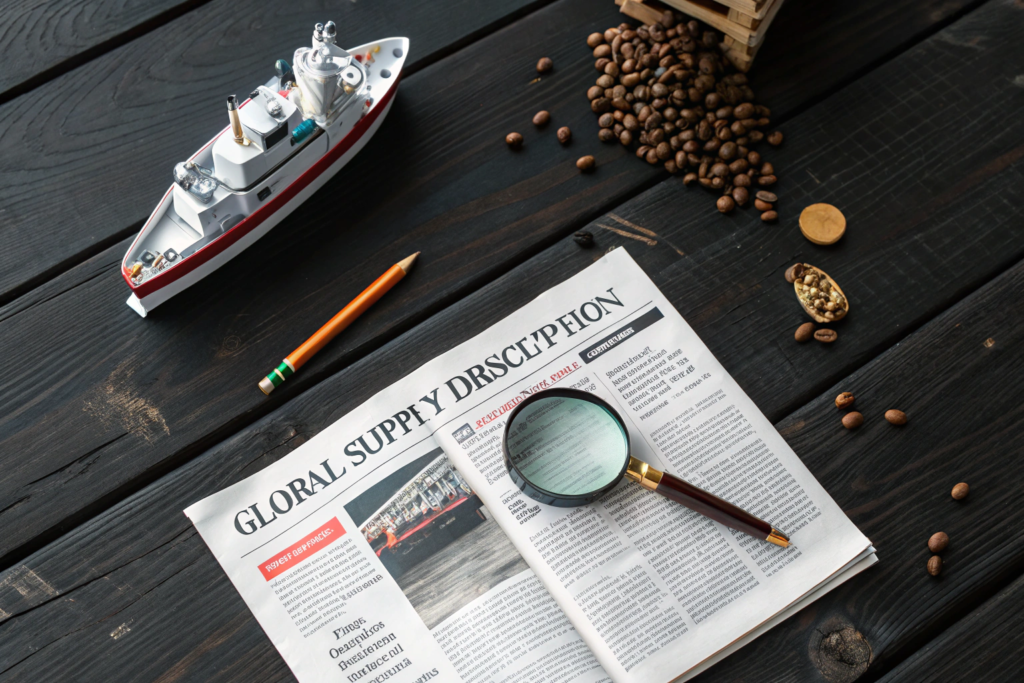
Think about the map. Robusta from Vietnam and Indonesia going to Europe goes straight through the Suez Canal. When that canal was blocked, ships had to go around Africa. That added two weeks and millions in fuel costs. But here's the knock-on effect for you as a North American buyer. The European roasters panicked. They started buying Robusta from Brazil to cover their shortages. That pulled Brazilian beans away from the U.S. market, which then tightened supply and raised the price you had to pay, even if your ship from Asia came across the Pacific with no delay. Coffee is a globalized pool. You can’t hide from a regional disaster. I always tell my customers to factor a "chaos premium" into their spreadsheets, especially when global shipping freight indexes are spiking.
Can Political Decisions Alter Robusta Grading Standards?
Yes, and this is a sneaky one. Governments can change the rules. A country might suddenly ban the export of raw beans to encourage domestic processing. Or, they might lower the allowable defect count in their export grade. If Indonesia decides that Grade 4 Robusta can now have 225 defects instead of 150, the global supply of "passable" beans shrinks overnight. That squeezes the market. I keep a close eye on the export regulations from major origin countries through the International Coffee Organization. If a policy changes, my phone rings. Buyers are scrambling for beans that meet their spec. If you want stability, partner with an exporter like us at BeanofCoffee who understands the interplay between Chinese grading and global standards. We know how to blend to keep your spec consistent, even when laws shift.
When Is the Best Time to Buy Robusta for Export?
Timing is the only free advantage left in the commodity game. If you buy when everyone else is buying, you pay the peak price. It's simple logic but hard to execute because people buy when they run out of coffee, not when the price is right. The "best time" to buy isn't a single date on the clock. It's a function of cash flow, harvest calendars, and the spread between the London futures contract and the physical spot price.
The optimal time to secure Robusta contracts is typically during the peak of the Brazilian Conilon harvest or right before the Vietnamese Tet holiday, when farmers need cash and are more willing to negotiate lower differentials.
It’s about knowing when the seller feels the pressure, not when you feel the pressure of an empty silo.

Should You Buy During the Brazilian Conilon Harvest?
Brazil isn't just Arabica. They grow a ton of Robusta, called Conilon, mostly in Espirito Santo. Their harvest runs from April to about August. When that crop hits the drying patios, it puts a lid on global prices, even in Asia. Vietnamese exporters have to drop their premiums to compete. This is your window. If you are importing Robusta from China, like our high-quality washed Robusta from Yunnan, your price is still influenced by this Brazilian tide. You use the Brazilian harvest as leverage. I advise my clients to start getting quotes in June. We can usually offer aggressive forward contract terms for our Robusta beans during this period because the global pressure makes our local pricing more flexible.
How Does the "Tet Effect" Create Buying Opportunities?
Tet is the Lunar New Year in Vietnam. It’s a big deal. The whole country shuts down for weeks. Farmers and traders need physical cash for the holiday. Right before Tet, you will see spot offers come down as everyone scrambles to liquidate inventory for holiday money. It is a short window, maybe two or three weeks. But if you have the cash ready and a fast letter of credit, you can pick up bargains. The catch? Logistics stop dead during the holiday itself. You need to book the vessel for right before the holiday crunch. I have seen Ron-style buyers save a fortune just by timing their drafts to hit a seller’s desk on that specific day when they are most motivated.
How to Hedge Robusta Contracts Against Price Spikes
You can’t control the weather in Vietnam. You can't stop a war in Europe. But you can lock your price. Too many small to mid-sized roasters just hold their breath and pay whatever the spot market asks on the day they absolutely need coffee. That’s gambling. Hedging isn't speculating. It’s the opposite. It’s insurance. You pay a small premium to guarantee that a spike doesn’t put you out of business.
You hedge Robusta price risk by using London futures contracts for large volumes, or by signing fixed-price forward contracts with a supplier like BeanofCoffee for smaller, stabilized commitments.
The goal is to make your cost predictable so you can sell your roasted coffee with confidence. You don't need to make money on the hedge. You need to not lose money on the physicals.

What Is a Fixed-Price Forward Contract?
This is the simplest tool for a private business owner. You call me, Cathy, or another supplier and you say, “I want 20 tons of Robusta delivered in six months. What’s the flat price?” We look at the London market, add our origin differential, add the freight, and give you one number. You pay that number in six months, even if the market has doubled or halved. I absorb the market risk because I have the financial tools and the physical stock to balance it. For you, this is perfect. You know exactly how much your coffee costs. The security of a fixed BeanofCoffee price lets you focus on selling, not worrying about the morning news from a trading floor in London. It’s how we keep things safe and reliable for distributors who hate surprises.
Why Is Your "Differential" More Important Than the Futures Price?
Most people stare at the futures price. The real money is in the differential. The differential is the premium or discount added to the futures price for your specific origin and quality. Say the London market is at $2,200 per ton. My Chinese washed Robusta might be at "plus $200." That $200 is the differential. The futures price moves every second. The differential moves slowly. It reflects the physical reality of how much coffee is actually available. If there’s a sudden shortage of high-grade Robusta, the differential explodes. I always tell my clients to analyze the differential trend, not just the futures trend. That's where the supply chain stress shows up first. By locking in our differential with a fixed contract, you are isolating the big scary futures swing and just dealing with the smaller, known variable. You get to sleep at night, and honestly, that’s worth the slight premium.
Conclusion
Robusta prices don't just bounce around because traders feel like it. They move because of rain in Vietnam, holidays in Asia, ship groundings in Egypt, and the desperate need of a factory manager who has run out of instant powder. The volatility is scary, but the pattern is readable. You don't fight the volatility. You ride it by timing your buys for the Brazilian harvest, watching differentials closer than the futures ticker, and using fixed-forward contracts to cap your risk. The goal is to turn a chaotic commodity into a boring, predictable line item in your budget.
Stop letting the LIFFE screen dictate your mood every morning. Let’s set a price and stick to it. At BeanofCoffee, we don’t just ship containers of Robusta from our Yunnan base. We build a cost structure that matches your profit goals. We handle the origin risk so you don’t have to go crazy tracking the weather in Buon Ma Thuot. If you want to talk about locking in a flat price for your next quarter’s Robusta needs, or if you just want a clear breakdown of the current differentials, please send a note to Cathy Cai. She’s the best in the business at finding a window in the market that works for buyers like Ron.