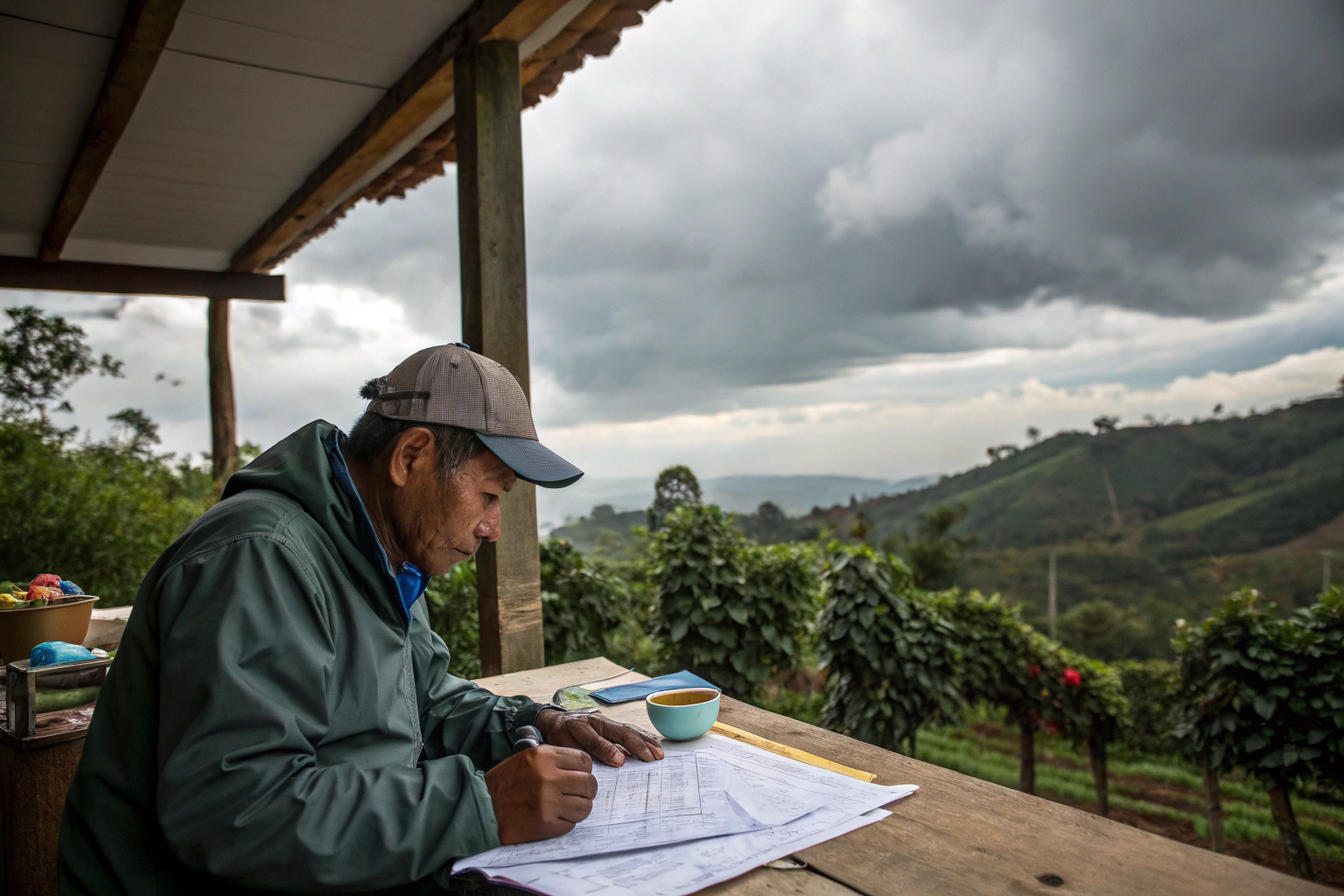
Everyone is feeling the squeeze right now. Inflation is eating into margins. Traditional coffee origins like Colombia and Brazil are battling wild weather. And freight costs? They don't seem to want to settle down. You're sitting there, looking at your spreadsheet, and the math for your next container just doesn't look right. I know that pain. As someone who owns 10,000 acres in Baoshan, Yunnan, I've watched buyers wrestle with this for years. But in 2026, the equation has finally flipped. The old bias against Asian coffee is costing you real money.
Buying coffee from China saves you money in 2026 because of drastically shorter shipping routes to key markets, competitive FOB pricing driven by mechanized farming in Yunnan, and the absence of the severe climate-related supply shortages plaguing South America.
The secret is out. China isn't just a producer of low-grade filler beans anymore. We are exporting high-quality Catimor and Arabica that hits the cupping table hard. And the logistics make it a no-brainer. Let me walk you through why your next container should leave from Shanghai, not Santos.
How China's Coffee Shipping Routes Cut Your Logistics Bill
Ocean freight is the silent killer of profit. You might get a great FOB price from a farm in Guatemala, but if the ship has to navigate the Panama Canal backlog or sits waiting for weeks, that per-pound cost advantage vanishes. Time is money, but in shipping, distance is money. And China, specifically our port access in the south, is in a sweet spot for North America, Australia, and parts of Europe that many buyers just ignore.
Chinese coffee shipping routes cut your logistics bill by using direct transpacific sailing schedules that avoid congested chokepoints, reducing transit time and slashing the per-container freight premium that South American origins are now charging.
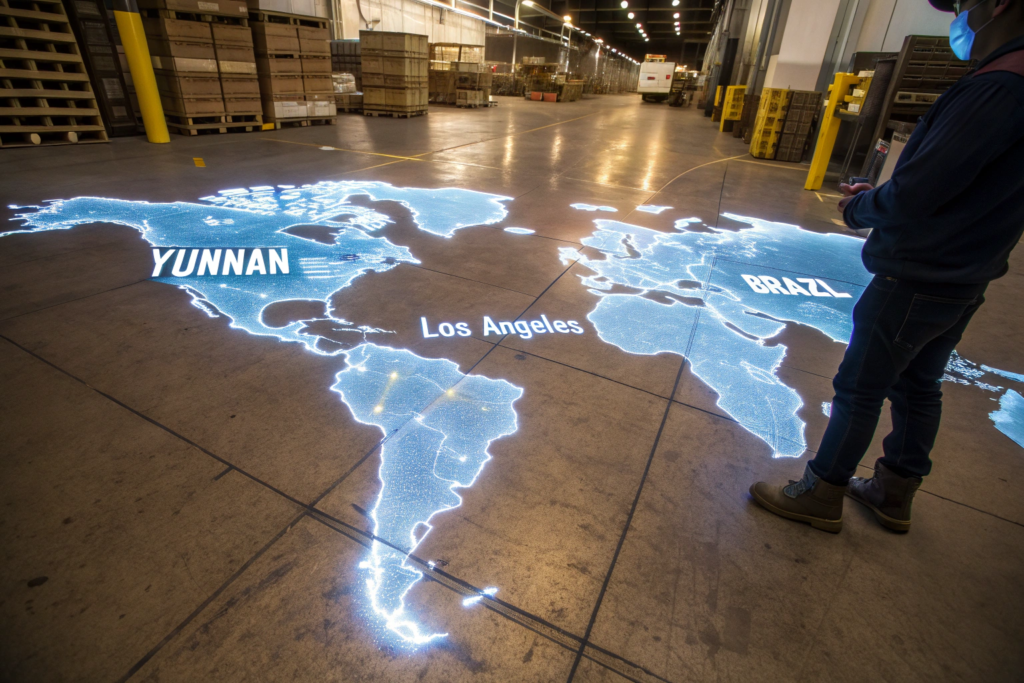
We aren't dealing with the canal droughts. We aren't dealing with the East Coast port strikes. We load your beans in Shanghai, and they are in Los Angeles in about twelve days. Pure. Simple. Cheap.
How Much Faster Is the Transpacific Route for Coffee?
Let me give you a specific example. A container from Brazil to the U.S. East Coast takes roughly 30 to 35 days, if everything goes perfectly. And lately, things don't go perfectly. A container from Shanghai to Los Angeles is a two-week sprint. If you are a roaster in California, Texas, or the West Coast, you are saving two to three weeks of capital tied up in a floating container. That means you can turn your inventory faster. You don't need to buy three months of stock at once. You can buy smaller, more frequent loads. This improves your cash flow dramatically. And the shipping line itself is cheaper. You can verify the current freight index spreads yourself by checking the container freight rates on global platforms. You'll see the Asia-to-US West Coast lane remains the most efficient volume route in the world.
Can You Avoid the Panama Canal Surcharges by Sourcing from Asia?
Absolutely. The Panama Canal has a water problem. They limit the weight of ships. They charge massive fees. If you source from Peru or Colombia, you are often paying a "Panama risk premium" baked into the freight quote. By shifting your sourcing to China, you sidestep that entire geographic headache. For our clients in Australia and Europe, the route is different but the savings are similar. We use the direct Southern Ocean routes or the fast China-Europe rail link for smaller, urgent specialty lots. I've seen buyers cut their logistics cost per pound by 15% to 20% just by shifting their blending base from a South American origin to our Yunnan Arabica. For someone like Ron, who is laser-focused on the bottom line, this isn't a theory. It's a direct deposit into his bank account.
Why Is Yunnan Arabica Becoming a Cost-Effective Choice?
There's a story I hear in the industry that Chinese coffee is all low-grade Robusta for instant powder. That story is ten years out of date. We still grow strong, bold Robusta for the high-volume European blenders. But the real revolution is happening with our Arabica and Catimor. We've spent the last decade investing in new washing stations, picking techniques, and genetic selection. And we do it at a labor cost that is stable, unlike the wild inflation hitting Central American farms.
Yunnan Arabica offers a cost-effective choice because the region's rapid modernization allows for high-quality, mechanically sorted beans at a consistent price point, free from the extreme speculative premiums now attached to washed Arabicas from Colombia and Costa Rica.
It's about bang for your buck. You get a clean, sweet, balanced cup that scores well. And you pay a rational price for it.
What Is the Cup Profile of Modern Catimor from Baoshan?
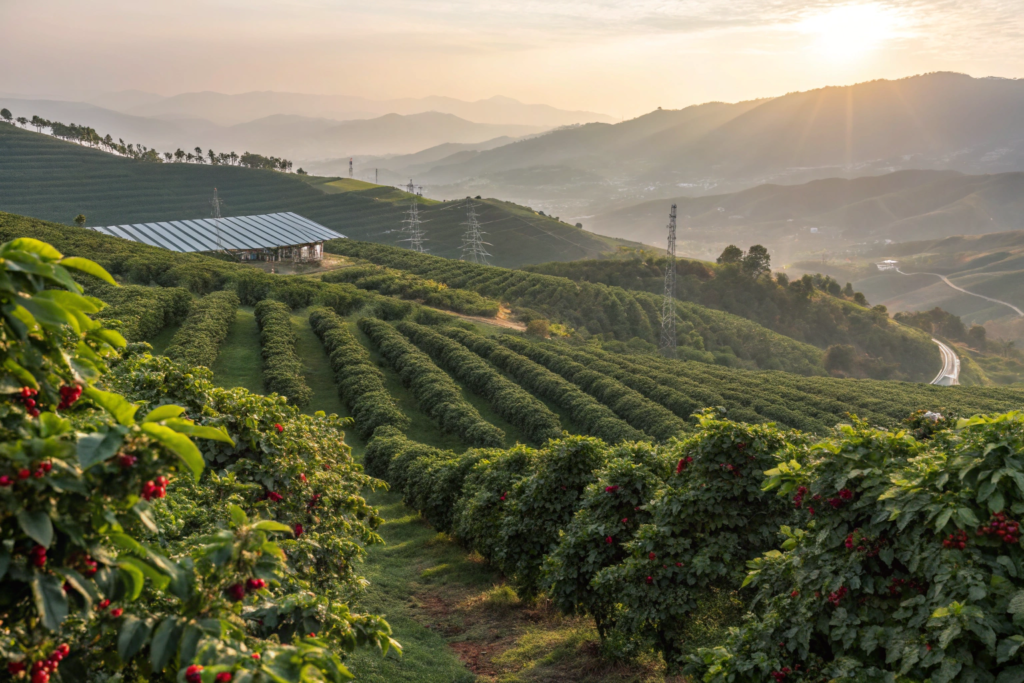
Let's get specific. Old Catimor had a bad reputation. It could taste earthy or a bit harsh. The new generation of Catimor from our high-altitude plots in Baoshan is different. It cups like a complex Central American bean. You get notes of black tea, brown sugar, and sometimes a surprising hint of melon or stone fruit. The body is heavy and syrupy. It works brilliantly as a base for an espresso blend or a single-origin cold brew. And it's clean. We use strict wet-hulling and sun-drying processes monitored by agronomists. When I send a sample to a new buyer, I know they will be shocked. They expect a generic filler bean. What they get is a specialty-grade coffee that costs 20% to 30% less than a comparable score from a traditional origin. Check the specialty coffee transaction guides for current price differentials. You will see the value gap immediately.
How Does Chinese Government Support Lower Farm Prices?
This is a structural advantage that will last. The Chinese government is actively pushing agricultural development in Yunnan. We get subsidies for organic fertilizers and new processing equipment. The infrastructure is incredible. New highways cut transport time from our mountain farm to the port in half. When you buy from us at BeanofCoffee, you aren't paying for a broken dirt road or a mule train. You pay for a direct, high-speed logistics chain. This external investment keeps our farm-gate costs stable. We don't need to demand a huge premium just to survive inflation. We can offer a fair, stable price and still invest in quality. This contrasts sharply with origins where the government ignores small farmers, leading to volatile pricing and sporadic supply. Our partnership with the local agricultural bureaus makes our pricing predictable.
How to Avoid the "Quality Risk" When Buying from China
You might be thinking, "This sounds good, but how do I know I won't get burned?" It's a fair question. The fear of the unknown is what keeps people paying the high prices for traditional origins. They see the risk of a bad container from China as higher. That perception is actually an opportunity for savvy buyers. If you follow a strict protocol, the risk from China is not only manageable. It's lower than most places because our supply chain is vertically integrated and highly digitized.
You avoid quality risk by demanding pre-shipment samples drawn by international third-party surveyors, specifying exact screening sizes, and insisting on vacuum packaging to prevent moisture damage during transit.
You don't trust a promise. You verify a spec. And we make that verification dead simple.
Why Are Pre-Shipment Samples Critical for Asian Contracts?
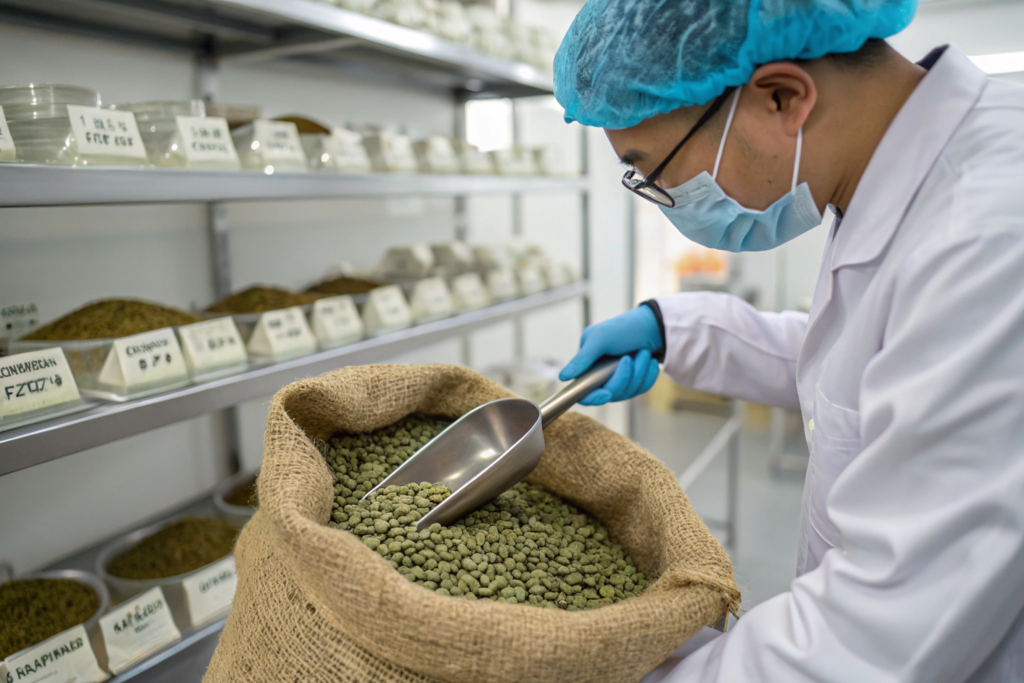
I never ship a container without sending a pre-shipment sample. But here's the trap. A factory can send you a beautiful "hand-picked" sample from their lab desk. That's not what's in the container. You must ask for a sample drawn from the actual production lot by an independent surveyor. We welcome third-party inspection from agencies like SGS or Bureau Veritas. They come to our warehouse in Yunnan, randomly pull bags, and seal the sample themselves. That sample represents the precise quality you will receive. If you're dealing with a Chinese supplier who refuses third-party inspection, walk away. That's the only red flag you need. For our regular clients, we actually prefer sending these sealed samples for analysis at leading international coffee labs. Transparency is cheaper than a dispute.
Does Vacuum Packing Preserve the "Good Price" You Paid?
You bought cheap. That doesn't matter if the beans arrive moldy. China's southern ports are humid. The ocean crossing is long. If we just stuff raw beans into a jute bag, they will sweat, absorb moisture, and lose weight. You lose coffee volume, and you gain the risk of ochratoxin A. That's a false economy. We vacuum-pack our raw beans for long voyages, or we use GrainPro liners inside the jute. It adds a few cents to the cost, but it saves hundreds in weight loss and quality degradation. The good price you negotiated is protected by a physical barrier. The coffee arrives in the exact condition it left our drying patio. Safe arrival is part of the value.
How to Build a Profitable Private Label with Chinese Beans
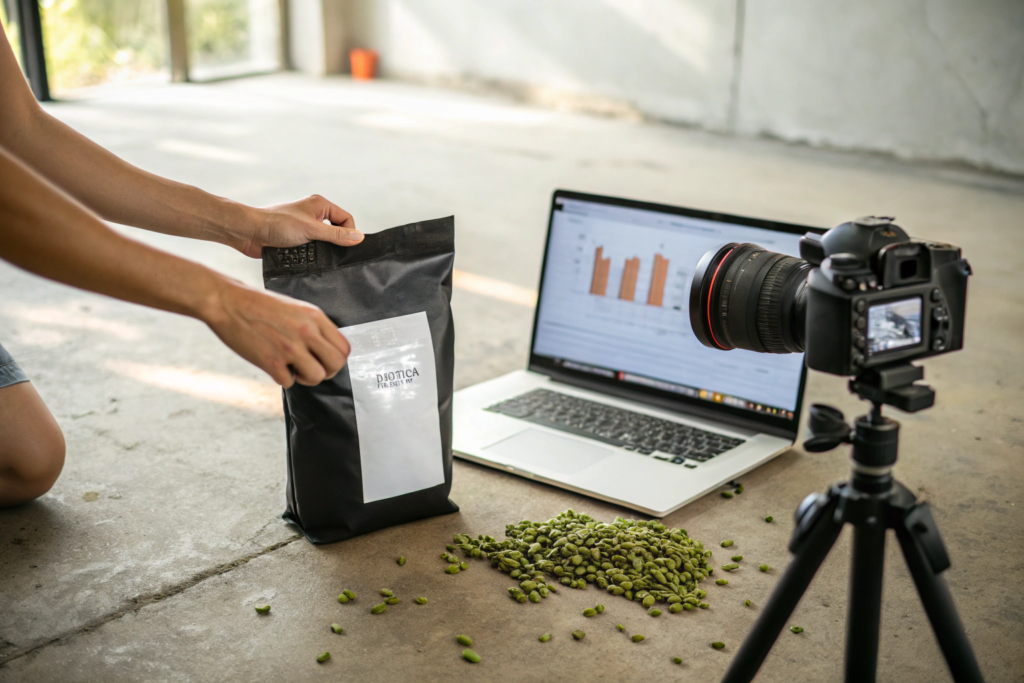
The biggest money in coffee isn't in selling beans to a distributor. It's in owning the brand. But building a brand requires margin. If your bean cost is too high, you can't spend on marketing or a great designer. This is where Chinese coffee becomes your secret weapon. You use the cost savings on the raw material to fund a powerful brand. You transform from a low-margin importer into a high-margin brand owner.
Building a private label with Chinese beans is profitable because the low input cost allows for higher investment in packaging and marketing, creating a premium consumer product with a compelling "direct from the mystical mountains of Yunnan" story.
You aren't buying beans. You're buying a business model.
How Does the "Yunnan Story" Increase Consumer Price Point?
Consumers are tired of the same old story: Colombian mountains, Ethiopian heirlooms. It's a great story, but it's saturated. Yunnan is new. It's exotic. It's the birthplace of tea. When you put "Single Origin: Baoshan, Yunnan, China" on your bag, the customer's brain lights up. They see the mystique of ancient China mixed with modern specialty coffee. You can justify a craft price point—$16, $18, even $20 a bag—because the story is unique. And your cost is low. That spread between cost and retail is pure profit for your brand. We help our clients build this story by providing origin photos, farm data, and transparency reports. You can create a brand narrative that feels authentic because it is authentic, all while keeping your cost of goods sold extremely competitive. Check how successful coffee brands position their single-origin lines for inspiration. The gap in the market for Chinese specialty is huge.
Why Is White Labeling with BeanofCoffee a Smart 2026 Strategy?
Here's the straightforward offer. You don't need to figure out the export paperwork. You don't need to learn Mandarin. At BeanofCoffee, we do the heavy lifting. We export the green beans, but we can also connect you with export-ready roasted packages if you want a finished product. You bring the brand. We bring the farm. This white labeling model means you can launch a coffee company without building a roastery. You secure the supply chain first. The price we lock in for the 2026 harvest allows you to plan a year's worth of marketing. You know your margin is safe. For a company owner like Ron, this means he can predict his entire P&L twelve months out. There's no guessing. There's just a steady stream of quality beans arriving under his label. If you want to own a slice of the coffee market without the headache of managing a farm in the tropics, BeanofCoffee is your bridge.
Conclusion
The global coffee trade is changing fast. Climate change and rising costs are hammering the traditional regions. For a buyer like Ron, who needs good quality at a good price with reliable timeliness, the old playbook of sticking with Colombia or Brazil out of habit is a dangerous financial move. In 2026, sourcing from China is the clear, logical pivot. You save on shorter, faster shipping lanes. You get a modern, clean-tasting bean at a stable farm-gate price. You mitigate the perceived risks with cheap, easy third-party checks and vacuum packing. And you give yourself the financial freedom to build a powerful brand with a unique origin story.
Stop leaving margin on the table by paying for the congestion at the Panama Canal or the weather drama in Minas Gerais. Use China as your strategic advantage. At BeanofCoffee, we’ve spent the last decade perfecting the process of getting our Yunnan Arabica, Catimor, and Robusta into warehouses across North America, Europe, and Australia without the drama. We can help you lock in a price for 2026 that makes your competitors jealous. If you want to see the numbers and taste the proof, reach out to our export manager, Cathy Cai. She has the cupping scores, the sailing schedules, and the pricing ready to go.
Send a quick email to Cathy at cathy@beanofcoffee.com and ask for a 2026 sample kit. Let's save you some money.