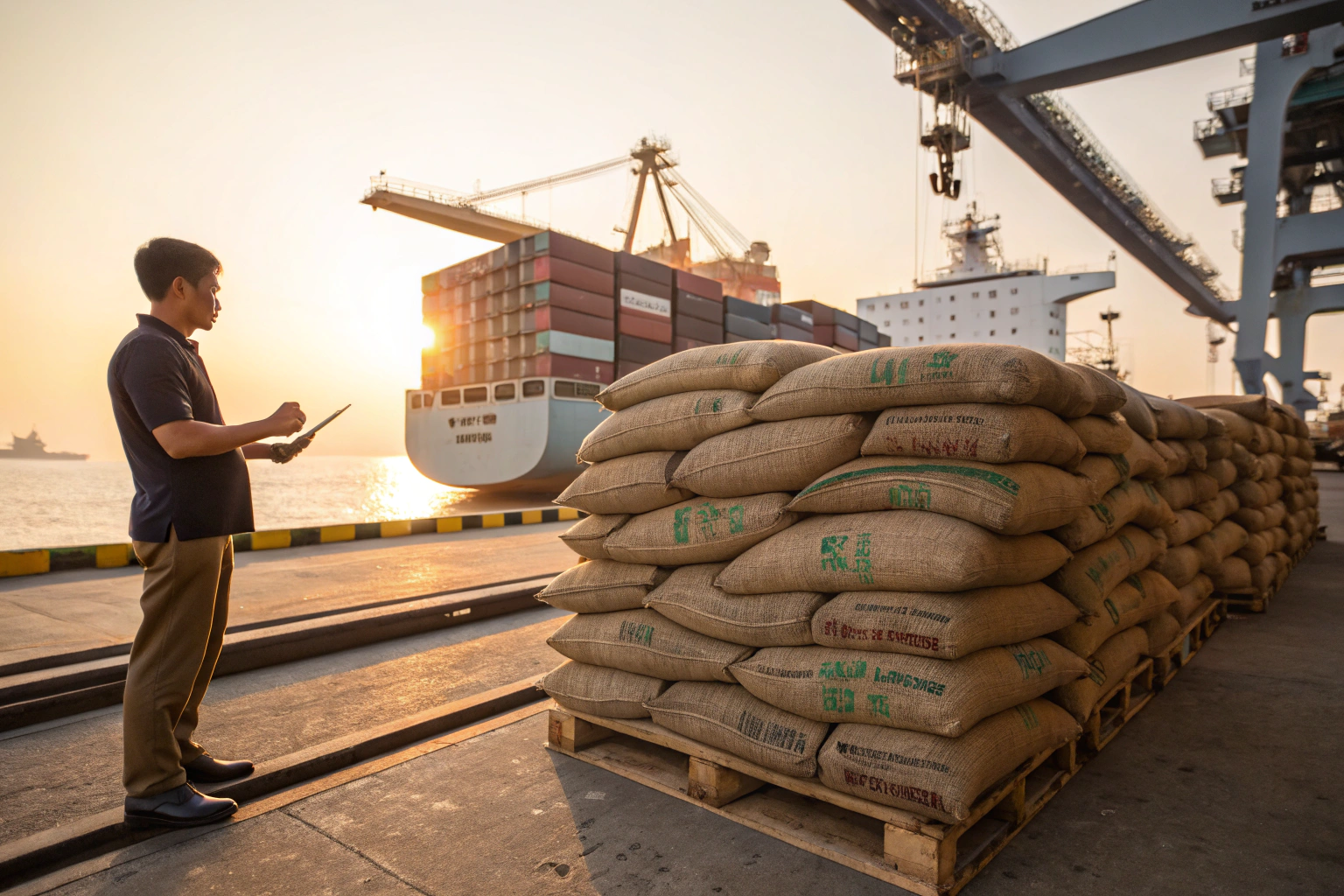
You see the price per pound on a supplier's quote and you think that's the deal. But then the invoice lands three months later and it's a different story. Ron, I see this all the time. As a plantation owner in Yunnan with over 10,000 acres of Arabica and Catimor, I hear the frustration from U.S. buyers like you. The price you negotiated is just the starting line. The real race is what happens before the beans hit your roastery door in America. And honestly, it can be a shock if you don't know where the money leaks are.
The real cost of importing coffee isn’t just the green bean price. It's the sum of unpredictable logistics, shifting tariffs, hidden quality failures, and the financial drag of slow sailing schedules that quietly eat away your profit margin long before you sell a single bag.
The problem is, most of these costs don't announce themselves. They hide in the fine print of a bill of lading or in the delay of a customs hold. But you can control them. I am going to walk you through exactly where your money is going. And I will show you how partnering with a vertically integrated supplier like us at BeanofCoffee can actually make these problems vanish. Let’s dig in.
How to Calculate the True Landed Cost for Coffee
Do you know the exact number, down to the cent, that it costs to get one pound of coffee into your warehouse? Most buyers don't. They take the Free on Board price and add a rough estimate for freight. Then they are surprised when their bank account doesn't match their spreadsheet. It’s that gap between the guess and the actual wire transfer that destroys your budget.
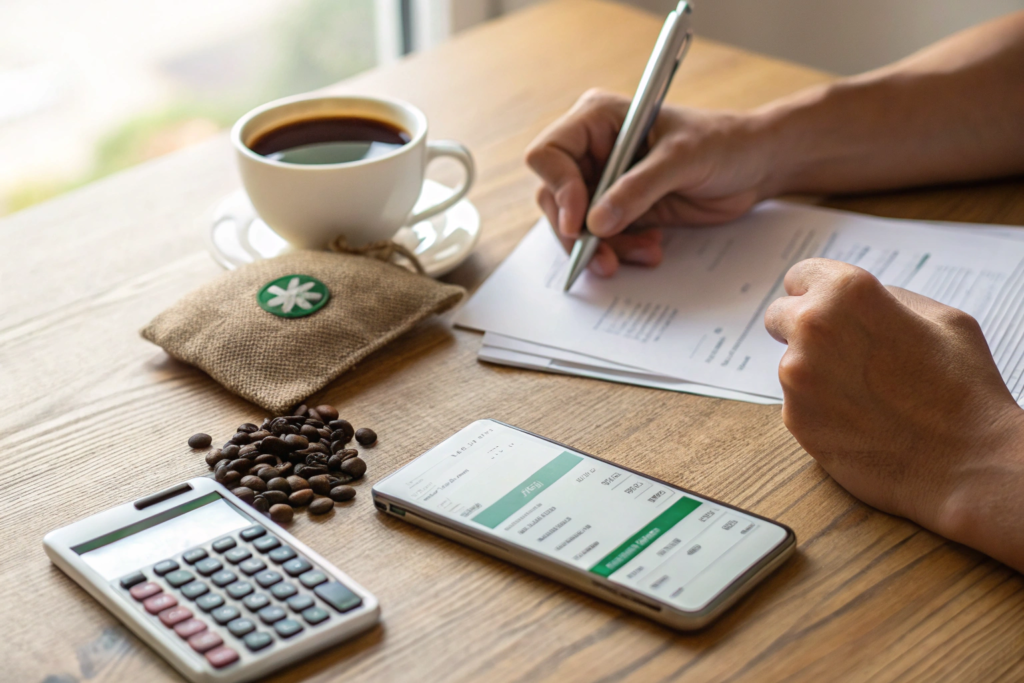
To calculate the true landed cost, you must add the FOB price, ocean freight, insurance, U.S. import tariffs, port handling charges, and domestic trucking. Then, you need to subtract the hidden losses from weight shrinkage and quality rejects that often occur during transit.
Let’s break that down because it’s more than just a math problem. It’s a mindset shift.
What Are the Main Components of a Coffee FOB Price?
The FOB price I give you from my farm in Baoshan isn’t just a random number. It covers the cost of growing the Catimor or Arabica on our 10,000-acre plantation, picking it by hand, processing it using clean water, and milling it to your spec. But it also includes the freight to the port of Shanghai and the export documentation. When you compare my FOB price to a middleman, you’re cutting out the trading company markup. That’s why our green coffee bean pricing is so transparent. But FOB is just the first chapter. After the ship leaves China, the tariff side kicks in. This depends heavily on the current U.S. trade policy. You should always check the latest Customs and Border Protection rulings to verify your specific coffee classification code. It’s a moving target these days.
How Much Does Coffee Weight Loss During Shipping Cost You?
This is a silent profit killer. Coffee absorbs moisture. Or it loses it. If I ship you a container of raw Arabica beans from our farm, the weight on the bill of lading in Shanghai will be slightly higher than the weight when it hits the warehouse in New Jersey. A loss of just 1% or 2% on a 40-foot container can mean hundreds of dollars in "missing" coffee you paid for but can't roast. We mitigate this by using GrainPro storage solutions and vacuum packing when possible. You aren't just buying beans. You're buying the science of preservation.
How to Reduce Caffeine Supply Chain Risks from Asia
Shipping from Asia to the U.S. isn't like ordering from a supplier down the street. You’re dealing with a 30-day sailing window, monsoon seasons, and port strikes. I’ve had customers in Texas who used to bite their nails down to the quick worrying about whether their container would make the vessel cutoff. The anxiety comes from a lack of visibility. When the ship disappears from the tracker in the middle of the Pacific, you feel helpless.
You reduce supply chain risks by locking in fixed freight contracts, insisting on real-time container tracking, and working only with suppliers who physically control the loading process at origin rather than outsourcing it.
The key here is stability. A cheap price doesn’t matter if the coffee arrives late and you’ve already shut down your roastery for a week waiting for it.
Can Bonded Warehousing Stabilize Your Coffee Inventory?
Another way to look at this is through cash flow and timing. You don't always want to pay the import duties the second a ship docks. By using a bonded warehouse, you can store our green beans under U.S. Customs supervision. You only pay the tariff when you withdraw the coffee for roasting. This is a game-changer for cash flow. It allows you to buy a larger volume from BeanofCoffee during our harvest season to secure a lower price. Then you can hold it stateside without the immediate tax hit. It turns a lump-sum payment into a just-in-time cost. For buyers like Ron, who care deeply about timeliness and price, this strategy aligns perfectly with market demand fluctuations.
Why Does On-Site Color Sorting Prevent Costly Rejects?
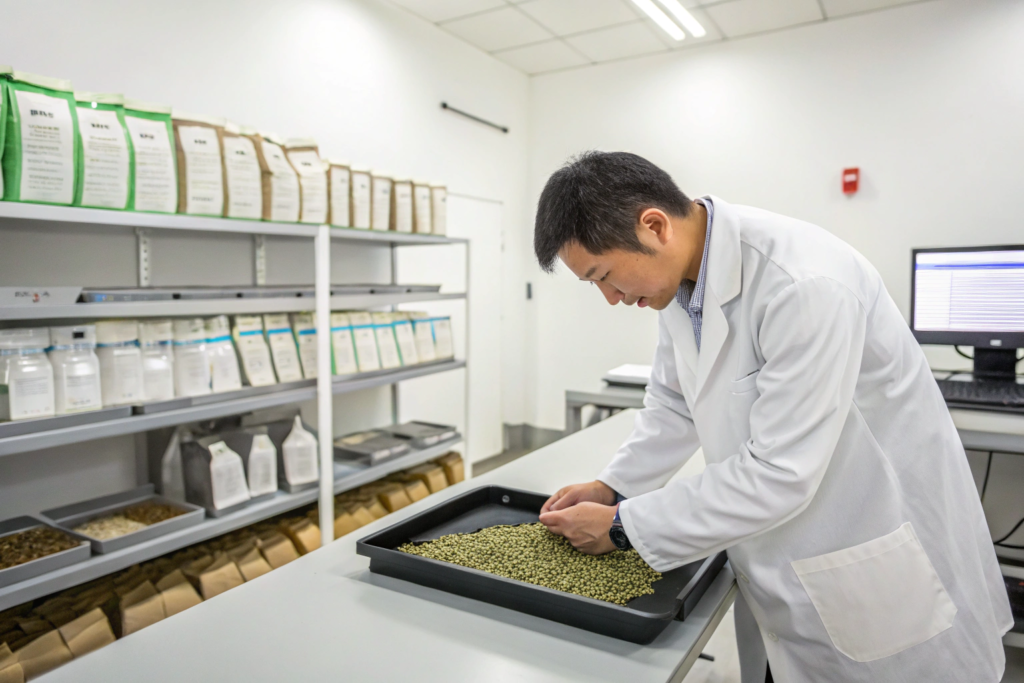
A detail often ignored is what happens right before the bag is sealed. On our farm, we use optical color sorters. Not every exporter does this. Some rely on hand-picking, which is good, but human eyes get tired. A pale bean or a black bean slips through. If that bean ends up in a sample roast at your facility, you might reject the entire pallet. That’s a disastrous hidden cost. By investing in heavy machinery at the source, we ensure the physical quality matches the paper spec. You can’t cheat the sorter. It ensures that what we ship is exactly what you expect, reducing your need for expensive secondary sorting in the U.S.
How to Manage Tariffs and Customs Charges on Green Beans
Tariffs are the monster under the bed for every coffee importer right now. You see the headlines about trade wars and you don’t know if your next container will be charged 0% or 25%. It’s scary. But "scary" isn’t a business strategy. I tell my clients that the customs bill isn’t a surprise if you’ve done the paperwork right. It’s a known variable.
You manage tariffs by correctly classifying your coffee using the specific Harmonized System code for green Arabica or Robusta and by leveraging free trade programs or duty drawbacks where they actually apply.
Dodging tariffs isn’t possible. But optimizing them is. It takes strict documentation, which is a service we provide directly from our export desk.
How Does the HS Code Impact Your Coffee Import Duties?
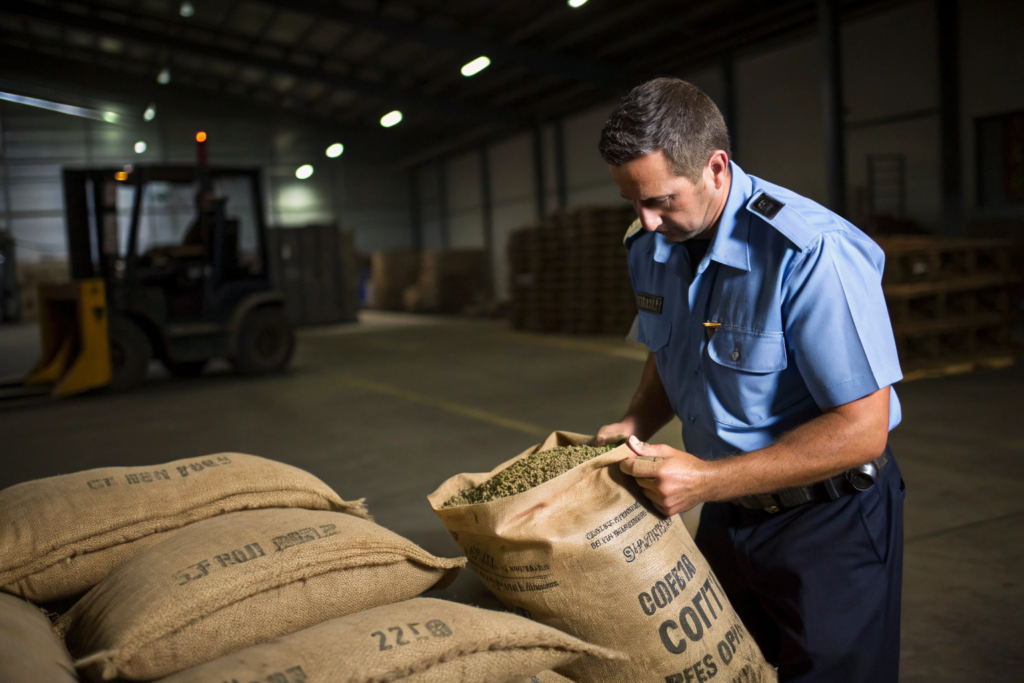
“Green coffee” isn’t just one thing in the eyes of the law. Arabica has a different code than Robusta. Raw beans are different from roasted. If you misclassify the shipment, even accidentally, you will pay the wrong rate. And later, an auditor will come back and fine you with interest. I always send a pre-shipment document package that explicitly states the scientific name of the species—Coffea arabica for our Catimor. You should cross-reference this with the International Trade Administration database. It’s boring work. But getting this code right is the difference between a smooth clearance and a cargo exam that costs you $1,000 in demurrage fees.
Can You Avoid the "Examination Hold" Nightmare?
Honestly? You can’t always avoid it. But you can starve it of oxygen. A customs hold happens when the paperwork doesn’t match the cargo or when a supplier has a history of violations. This is why "safe and reliable" isn't just a slogan for us. It’s a financial necessity. Before we ship, we test for mold and toxins. We weigh every bag. If Customs and Border Protection sees that BeanofCoffee containers always pass the manifest check, they are statistically less likely to pull your pallets for a destructive exam. Speed of clearance is a direct result of a supplier’s track record of integrity.
How to Build Trust with a Chinese Coffee Exporter
Buying from Asia often starts with a fear of the unknown. I get it. You don’t know if the person on the other end of the email is real, or if the sample they sent was "salted"—a term for a rigged sample that looks better than the actual shipment. Trust isn’t built by a flashy catalog. It’s built by a video call walking through the processing mill, by seeing the same face every time you call, and by a contract that has real penalties for non-performance.
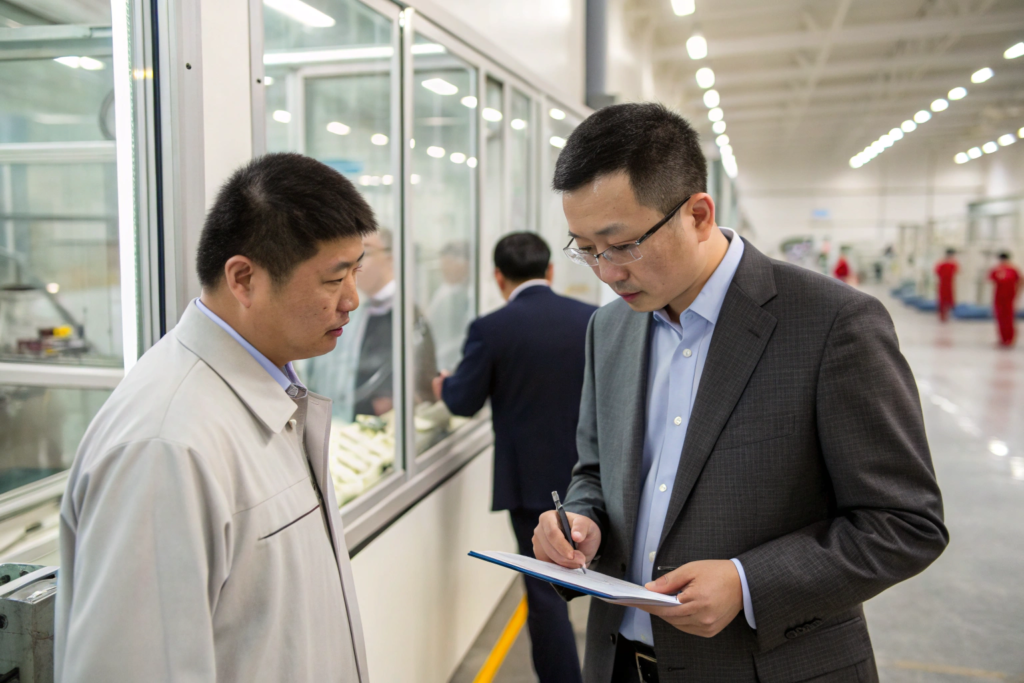
You build trust by verifying the exporter’s physical ownership of farms, their FDA registration, and their willingness to ship pre-shipment samples that are drawn by a third party.
If a supplier hides their face or their factory floor, run. If they own the dirt, like we do with our 10,000 acres, they can control the outcome.
What Certifications Actually Prevent Coffee Fraud?
A piece of paper on the wall is nice. But some certificates matter for security. Always ask for the FDA registration number. If a Chinese exporter doesn’t have one, your coffee won’t clear U.S. ports. Period. You also want a Rainforest Alliance or similar chain-of-custody certificate. This proves the beans didn’t come from a protected forest or a farm using child labor. We prefer showing you the physical reality. When Ron asks about quality control, I show him the lab report from our cupping session, not just the certificate. A third-party inspection from a company like SGS on the loading dock is the final word. No fraud survives a sealed container inspected by an outsider.
Why Does a Vertically Integrated Farm Offer More Security?
Here’s the human side of it. A trading company buys beans from ten different small farms. If one farm has a pesticide issue, it taints the whole container. They might not even know it. I walk my plantation every week. I know the mountain slope where the Catimor is ripening. Because we control the export process from seed to container, there is no gap where someone else can swap in bad beans. For a buyer worried about security, this direct line of sight—from my valley to your roastery—is the cheapest insurance policy you’ll ever get.
Conclusion
The hidden costs of importing coffee—the shrinkage, the tariff confusion, the demurrage fees from a stuck container—are not a necessary evil of the business. They are the result of a broken information chain. When you buy on price alone, you inherit these risks silently. But when you dig into the true landed cost, stabilize your supply chain with bonded warehousing, tackle customs with the correct HS codes, and anchor your trust in a supplier who actually owns the land, those hidden costs evaporate. You move from fighting fires to planning growth.
Look, you could chase the cheapest FOB quote on Alibaba and hope for the best. But you and I both know that hope is a terrible logistics strategy. At BeanofCoffee, I’ve built a process that treats your money like it’s my own. No hidden shrinkage surprises. No customs clearance guessing games. Just premium Arabica from our Yunnan plantation, shipped with the documentation that gets it into your warehouse on time. If you’re tired of the "hidden fees" charade and want a straight talk about volume pricing for North America, reach out to Cathy Cai. She makes the numbers work.