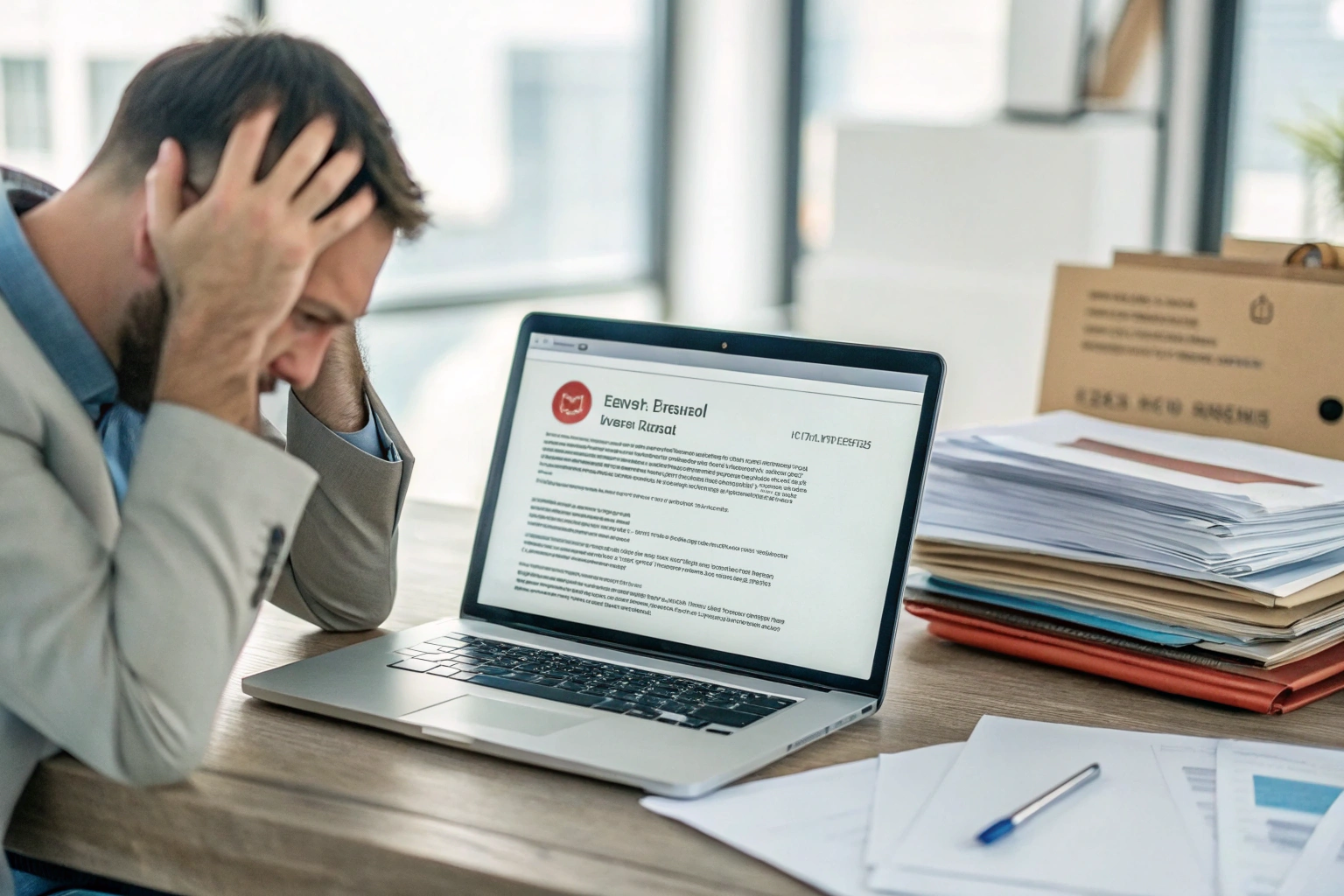
Three years ago, a buyer from Melbourne sent me an email I'll never forget. He wrote: "We wired the deposit six weeks ago. Our container was supposed to sail last Tuesday. Your colleague in the other province told us the coffee is still in a warehouse. The documents don't match the samples. What is going on?" He had been scammed—not by us, but by a trading company that pretended to own a farm. They had a slick website, a great Alibaba page, and zero capacity. That buyer lost $40,000. Not because the coffee was bad. Because he never actually checked if the supplier could do what they promised. That call scared me straight. It made me realize that a reliable supplier isn't someone who answers emails fast. It's someone whose entire operation can survive a surprise audit.
Evaluating a supplier's reliability and capacity requires verifying four things independently: their physical ownership of the source, their processing infrastructure, their logistics track record, and their financial stability. Don't rely on trade assurance badges or glossy brochures. Ask for a live video walk-through of the dry mill during working hours. Request the bill of lading from their last three shipments—not just photos, but verifiable container numbers. At BeanofCoffee, we welcome these checks. We show buyers our 10,000 acres on a live drone feed. We share our bank reference letters. We prove we exist, because too many "exporters" in China are just resellers with a laptop and a rented desk.
The problem is that reliability looks real from a distance. A good website costs $500. A fake certificate costs less. What costs real money—what can't be faked—is a physical warehouse full of coffee, a hulling machine that runs on electricity, and a container that actually makes it through US customs without a hold. You need to look at the parts of the business that a middleman can't invent. Let's break down the signals that separate a partner from a parasite.
How Can You Verify a Supplier's Physical Assets Remotely?
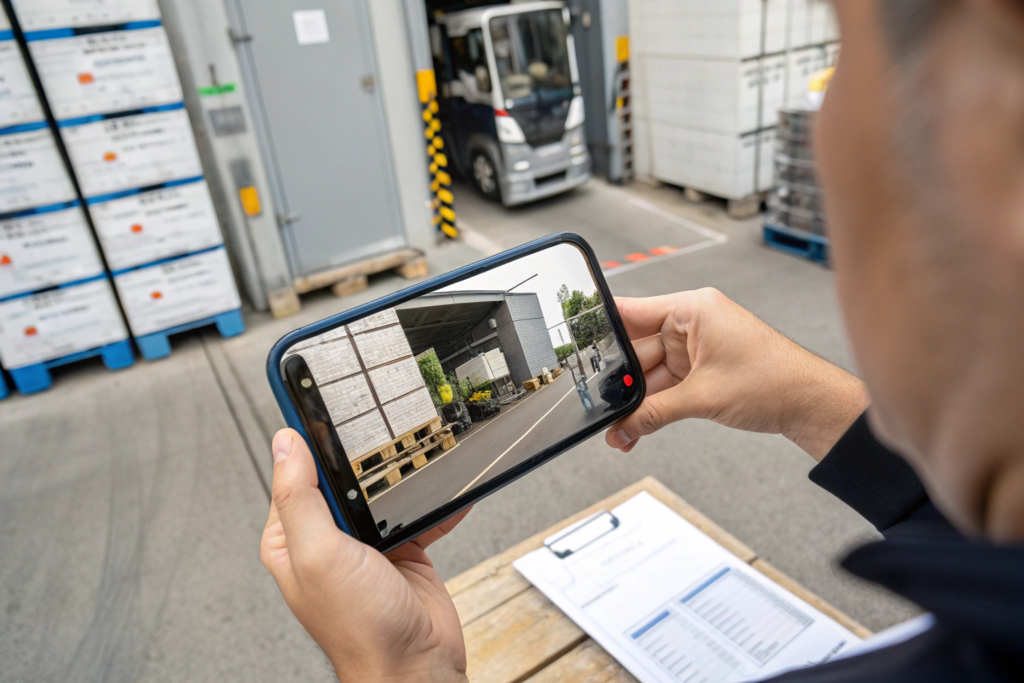
A photo can be stolen. A certificate can be photoshopped. But a live, uninterrupted video walk-through? That's hard to fake. I get this request all the time from serious buyers. They don't just want a pre-recorded tour of the prettiest corner of the farm. They want to see the ugly parts. The wastewater tank. The parchment storage shed. The scale ticket from this morning's delivery. A real supplier will say yes immediately. A fake one will make excuses.
The most effective remote verification method is a real-time video call on a platform like WhatsApp or WeChat, where you control the direction. Tell the supplier, "Walk outside and show me the street view." Or, "Point the camera at the factory entrance sign and then pan to the truck loading bay." Ask them to show you the serial number on a specific piece of equipment and then pull up the purchase invoice for that machine. At BeanofCoffee, we keep our maintenance logs and purchase receipts in a folder specifically for these verification calls. If a supplier hesitates for more than 30 seconds, that's a red flag. They might be standing in someone else's warehouse.
Another trick I teach my clients: ask for a live weather check. If they claim to be in Baoshan, ask them to step outside and show you the sky. Is it raining? Is it sunny? Cross-reference that with a weather app on your phone. It sounds paranoid. But I've seen "exporters" in Shanghai claim to be standing in a Yunnan coffee field while the traffic noise of a city is clearly in the background. You're not being rude. You're protecting your money.
What Should You Look for in a Live Factory Video Tour?
Don't just watch the video. Look for the details that cost money. First, the roof. A serious dry mill has a high, steel-framed roof with proper ventilation. A reseller might show you a small concrete room with a few bags. Second, the machinery. Ask them to turn it on. A huller, a gravity separator, a destoner—these machines are loud and they shake. If they can't turn them on because "the workers are at lunch," maybe the machines don't work or don't belong to them.
Third, look at the bags. Are they printed with the supplier's name? Are they stacked neatly on pallets with barcode labels? Or are they just generic jute sacks piled in a corner? A real processor has an inventory system. The bags have lot numbers, dates, and grades written on them. Fourth, the workers. A real operation has people moving. Forklifts. Sorters on conveyor belts. It's messy and noisy. If the video shows a pristine, empty facility with one guy waving at the camera, you're looking at a showroom, not a factory. I always tell buyers: "Ask me to point the camera at the floor." A real mill floor has coffee dust, broken beans, and jute fibers. You can't fake that kind of wear.
Why Is a Drone View of the Plantation a Trust Signal?
A drone doesn't lie. In 2020, we bought a small DJI drone just for buyer verification. When a new client from Germany asked, "How big is your farm really?", I didn't send a PDF. I flew the drone. The video showed our terraced hillsides, the shade trees, the picking roads, the drying patios. It started at one boundary marker and flew in a straight line for 15 minutes. That's proof of scale.
A middleman can't borrow a 10,000-acre farm for a drone shot. The geography is too specific. The drone will show the surrounding villages, the river, the mountain peaks. These can be matched to satellite imagery on Google Earth. If a supplier says they have 500 hectares but the drone shows a 5-hectare patch surrounded by jungle, you have your answer. Ask for the drone footage to be live-streamed, not pre-recorded. Have them hover over a specific coordinate you've picked from a map. It's a small investment for us—maybe an hour of flight time. But for you, it confirms that the land is real, the trees are healthy, and the supplier actually controls the source. It's the closest thing to a site visit without a plane ticket.
What Documents Prove a Supplier's Export History?
After the video, the paper trail begins. A supplier with a long history has a filing cabinet full of evidence. A new supplier or a fake one has excuses. They say the documents are "confidential" or "at the accountant's office." A real exporter has copies of everything. They're proud of their track record. They want to show you that they've delivered 50 containers without a single customs rejection.
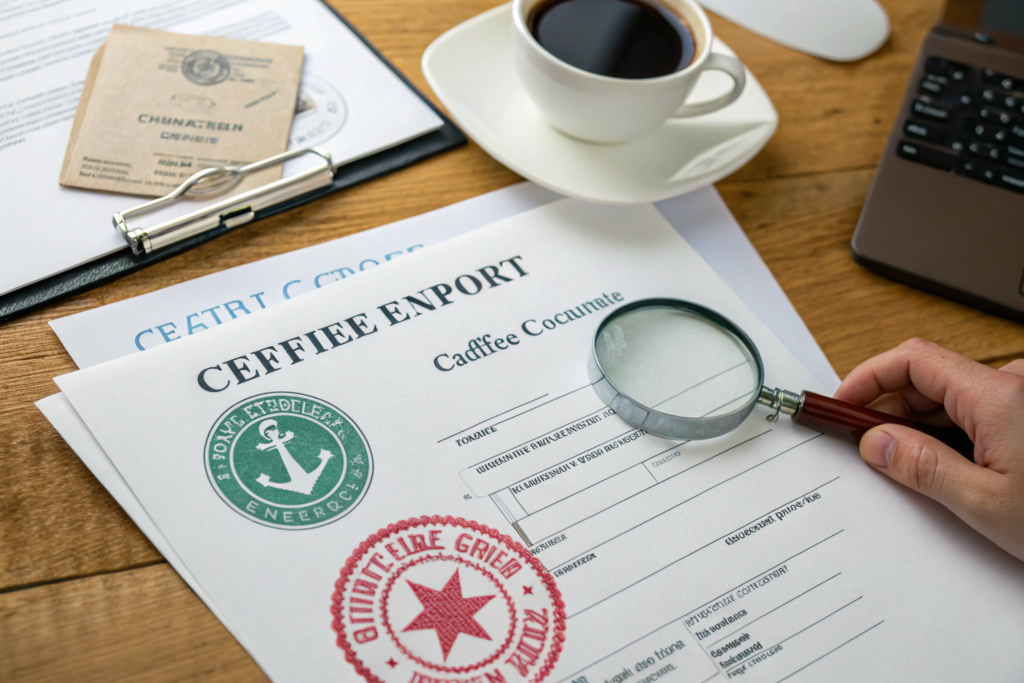
The three key documents you must request are the Bill of Lading from a recent shipment, the phytosanitary certificate, and the certificate of origin. The Bill of Lading proves a real container moved from a real port. The container number on it can be tracked on the shipping line's website. The phytosanitary certificate proves the coffee passed inspection by the Chinese customs authorities, a government body that doesn't issue fake stamps for random traders. At BeanofCoffee, we keep a redacted portfolio of our last 20 shipments ready to share. We hide the buyer's name for confidentiality, but we show the weights, dates, and port of discharge. If a supplier won't share even redacted versions, walk away.
Also, look for consistency. Does the exporter name on the Bill of Lading match the company name on the proforma invoice they sent you? Sometimes, a middleman will use a real exporter's documents and just Photoshop their own logo onto them. Zoom in. Look for pixelation around the company name. Check the fonts. A document issued by a shipping line like Maersk or COSCO has a specific digital format. It's hard to fake perfectly. If you have doubts, call the shipping line's customer service with the container number. Ask them to confirm the shipper's name. It's a five-minute phone call that can save you a $50,000 loss.
How Can You Verify a Bill of Lading Is Authentic?
A Bill of Lading is the birth certificate of the shipment. It's issued by the shipping line, not the supplier. It has a unique container number—something like "MSCU 123456-7." That number is a public record. You can type it into the tracking portal of MSC, Maersk, CMA CGM, or whoever the carrier is.
When a supplier sends you a scanned B/L, go to the carrier's website immediately. Don't just click the link in the supplier's email. Navigate to the site yourself. Type in the container number. The tracking system will show the vessel name, the voyage number, the load port, and the discharge port. Check if the dates line up with what the supplier told you. If the container was loaded in Shanghai on March 1st but the supplier claims it's from Yunnan, that's fine—Shanghai is the transshipment port. But if the container shows it was loaded in Ho Chi Minh City, Vietnam, and the supplier is claiming Chinese origin? That's a problem. The shipping line doesn't lie. A dishonest supplier might.
What Does a Phytosanitary Certificate Tell You About Quality?
The phytosanitary certificate is issued by the Entry-Exit Inspection and Quarantine bureau of China. It certifies that the coffee is free of pests and diseases. But it also contains hidden quality signals.
First, it states the net weight and the number of bags. Does it match the commercial invoice exactly? If the invoice says 21,000 kilos but the phyto says 19,000, something is off. Second, it lists the treatment. Look for the words "fumigation" or "heat treatment." If the coffee was fumigated, with what chemical? Methyl bromide is allowed but some organic buyers prohibit it. Third, the "place of origin" field. It should say "Yunnan, China" or the specific prefecture. If it says something vague like "Southwest China," ask for more detail. The phyto is a government legal document. Its accuracy is backed by law. A supplier who has clean, consistent phytos from the last two years is a supplier who knows how to navigate the regulatory system. That's a huge part of reliability.
How Do You Assess a Supplier's Logistics and Timeliness?
The coffee can be perfect and the supplier can own a thousand acres, but if the container misses the vessel, you've failed. Timeliness is the silent killer of coffee deals. I've seen a buyer lose a retail contract because the coffee arrived two weeks late and the roaster ran out of stock. The buyer never blamed the farm. They blamed the supplier. And they were right. Reliability means the boat leaves on time.
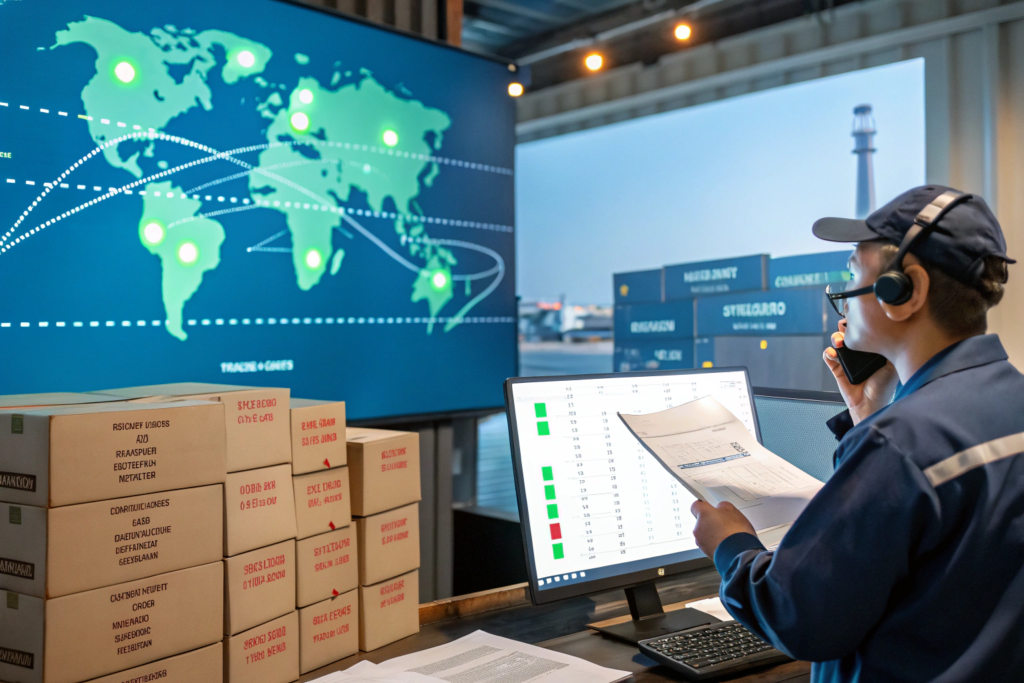
Assess logistics reliability by requesting the supplier's average lead time from order confirmation to vessel departure, not from contract signing. Ask for the historical vessel delay rate—how many of their last 20 containers rolled to a later vessel? Request the contact details of their freight forwarder and call them. A forwarder won't lie for a supplier they only occasionally work with. At BeanofCoffee, our internal KPI is a 95% on-time loading rate. We track every container and share the live vessel tracking link with the buyer the moment the container is gated in at the terminal. If a supplier can't provide real-time tracking, they probably don't have control over their own logistics.
Here's a scenario. The supplier books a vessel for April 10th. On April 8th, the shipping line says the vessel is overbooked and rolls the container to April 20th. This happens. It's the ocean freight industry. The difference between a reliable supplier and an unreliable one is what happens next. Does the supplier call you immediately and offer solutions? Or do they wait for you to check the tracking and discover the delay yourself? A reliable supplier communicates bad news fast. They don't hide it. They've already asked the forwarder for the next available vessel with a faster transit time to make up for the lost days. They're problem-solving before you even knew there was a problem.
What Are the Typical Lead Times from Yunnan to US Ports?
Let me give you real numbers. From the day you confirm the order and we issue the Proforma Invoice, it takes about 7 to 10 days to prepare the coffee if it's standard washed Arabica. If it needs special grading or a specific bag marking, add another 3 days.
The truck from our Baoshan warehouse to the port of Shanghai takes 4 to 5 days. Then the container sits in the terminal for 3 to 5 days before the cut-off. The vessel sailing from Shanghai to Los Angeles takes about 14 to 16 days, depending on the line. Add 3 to 5 days for US customs clearance and rail or truck transit to an inland destination. Total door-to-door: roughly 35 to 45 days. A reliable supplier will give you a range, not a fixed date. Anyone who promises "Exactly 30 days door-to-door, guaranteed" is either lying or hasn't shipped enough containers to know that guarantees don't exist in ocean freight. Weather, port strikes, customs exams—these are variables. The supplier should plan for them, not pretend they don't exist.
Why Is a Direct Relationship with a Forwarder a Sign of Strength?
Some suppliers outsource everything to a trading company or a third-party logistics broker. They don't know the forwarder's name. They just email their "logistics guy" and hope it gets done. That's a weak link.
A supplier with a direct, long-term relationship with a freight forwarder has negotiating power. They get better rates, priority booking during peak season, and honest information about vessel availability. I've been working with the same forwarder in Kunming for eight years. He calls me before he calls his other clients when a sailing is about to get cancelled. Why? Because we give him steady business. We're a known quantity. Ask the supplier: "Who is your forwarder? Can I speak to them directly?" Even if you don't call, the supplier's willingness to share that contact is a trust signal. A middleman who pieces together logistics on Alibaba with a different agent every shipment won't have a consistent forwarder. They can't. They're not shipping enough volume to build a relationship.
What Financial Health Checks Reveal a Stable Partner?
This is the part most buyers skip. They taste the coffee. They like the price. They shake hands on Zoom. And they never ask: "Can this company survive a bad season?" A supplier's financial health is your insurance policy. If they're undercapitalized, a frost or a currency swing can wipe them out mid-contract. You've paid a deposit. Their bank account is empty. The coffee sits at the port, unpaid, unshipable. It happens.
The simplest financial health check is to request a bank reference letter from the supplier's primary bank. This letter confirms the length of the banking relationship and a general statement of creditworthiness. It won't give you their balance, but it confirms they have a real operating account. At BeanofCoffee, we also share our export insurance policy details. We carry credit insurance on large contracts, which protects both us and the buyer if something goes catastrophically wrong. Another signal: ask how they pay their farmers. Do they pay cash on delivery? Do they finance the harvest with their own working capital? A supplier who pays farmers promptly and consistently has deep enough pockets to survive a volatile market.
Look at their currency hedging. The Chinese Yuan against the US Dollar fluctuates. A 5% move in the exchange rate can wipe out the margin on a container. A smart supplier hedges their currency exposure. Ask them how they manage the FX risk. If they look confused and say, "We just hope the rate is good when the payment arrives," they're gambling with your supply chain. A stable supplier uses forward contracts or currency swaps to lock in the exchange rate when the contract is signed. They might not get the best rate every time, but they're not speculating on the Yuan. They're focusing on growing coffee.
Why Is Crop Financing a Signal of Deep Pockets?
Coffee farming has a strange cash flow. The harvest comes once a year, usually between November and February in Yunnan. But the expenses—fertilizer, weeding, pruning—happen all year. The farmers need money in June and July, months before they have cherries to sell.
A supplier who finances their own crop or pre-finances their partner farmers is signaling capital strength. They're not waiting for the buyer's deposit to start the harvest. They're using their own cash or a bank line of credit to pay for picking, processing, and milling. This means when you place an order in October for March shipment, the coffee is already processed and resting in the warehouse. It's not dependent on your 30% deposit to get moving. That deposit goes into the supplier's general cash flow, not into a desperate scramble to pay the pickers. Ask the supplier: "Do you pre-finance your harvest?" If they say yes, ask for a general idea of their working capital structure. They won't give you bank statements, but they can tell you if they're primarily self-funded or reliant on buyer deposits. The former is far more reliable.
What Does an Export Insurance Policy Cover?
Export credit insurance is a product sold by companies like Sinosure in China or Euler Hermes internationally. It protects the exporter if the buyer defaults on payment. But it also indirectly protects the buyer.
If a supplier has credit insurance, it means an insurance company has done a financial audit on the supplier. The insurer doesn't write policies for companies with shaky finances. They check the books. They check the trade history. If the supplier holds a policy, it's a vote of confidence from a much more rigorous auditor than you can ever be. Also, the claims process of the insurance company acts as a third-party mediator if something goes wrong. If the coffee arrives damaged and there's a dispute about whose fault it is, the insurance company investigates. They have surveyors at the ports. They can determine if the damage was pre-shipment (supplier's fault) or during transit (shipping line's fault). A supplier with insurance is a supplier who plans for problems before they happen.
Conclusion
Evaluating a supplier isn't about trust. It's about verification. Trust comes later, after three or four flawless shipments. Before that, you need cold, hard evidence. A live video of the mill. A verifiable container number. A drone flight over the fields. A phytosanitary certificate from a real government bureau. A bank reference letter. A logistics partner who answers the phone. These are the bricks that build a reliable supply chain. Skip one, and you're building on sand. Do all of them, and you can sleep while your container crosses the Pacific.
If you're in the market for a supplier who welcomes this level of scrutiny, let's talk. I'll start by sending you our verification package: redacted Bills of Lading, sample certificates, and a link to schedule a live video walk-through of our Baoshan processing station. We don't hide behind trade assurance badges. We show you the dirt, the machines, and the documents. Reach out to Cathy Cai at cathy@beanofcoffee.com. She'll coordinate a verification call that fits your time zone. Do your due diligence. We're ready for it.