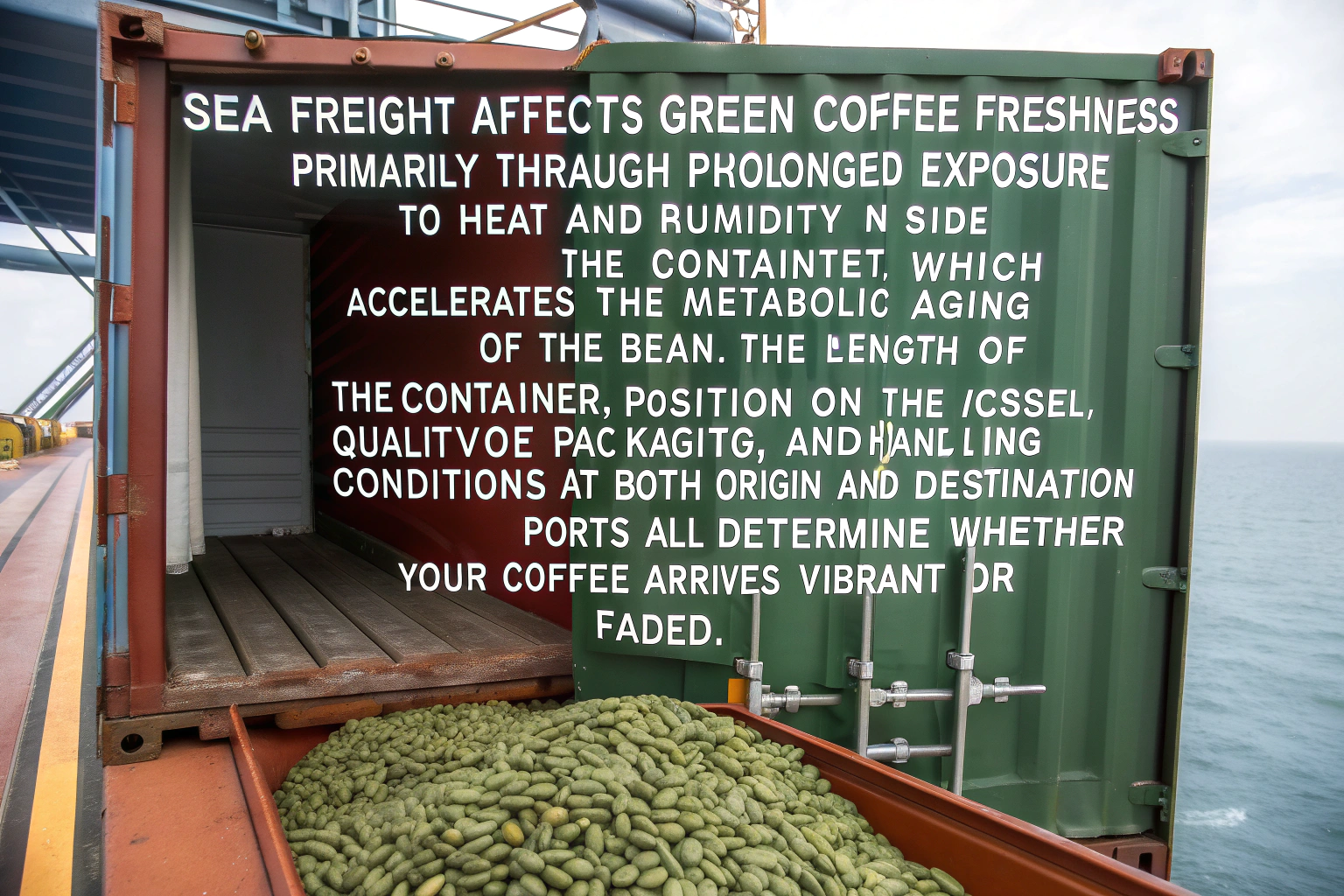
A roaster in Hamburg opened a container of our Baoshan Arabica last July. He called me the next day, worried. The coffee tasted different from the pre-shipment sample. Slightly flat. A little papery. Not bad, just... tired. We traced the problem together. The container had sat on the ship an extra week because of a port strike in Singapore. Then it baked on the Hamburg dock for four days during a heatwave. The beans inside had experienced two weeks of temperatures above 35°C. They were not ruined. But they had aged three months in three weeks.
Sea freight affects green coffee freshness primarily through prolonged exposure to heat and humidity inside the container, which accelerates the metabolic aging of the bean. The length of the voyage, the container's position on the vessel, the quality of the packaging, and the handling conditions at both origin and destination ports all determine whether your coffee arrives vibrant or faded.
The ocean is not a warehouse. It is a dynamic, often hostile environment. A container traveling from Shanghai to Rotterdam crosses the equator. It passes through tropical heat and North Atlantic storms. The box bakes in the sun on the deck. The air inside sweats with condensation. The coffee beans, alive and respiring, feel every degree of that journey.
What Happens to Green Coffee Beans Inside a Shipping Container?
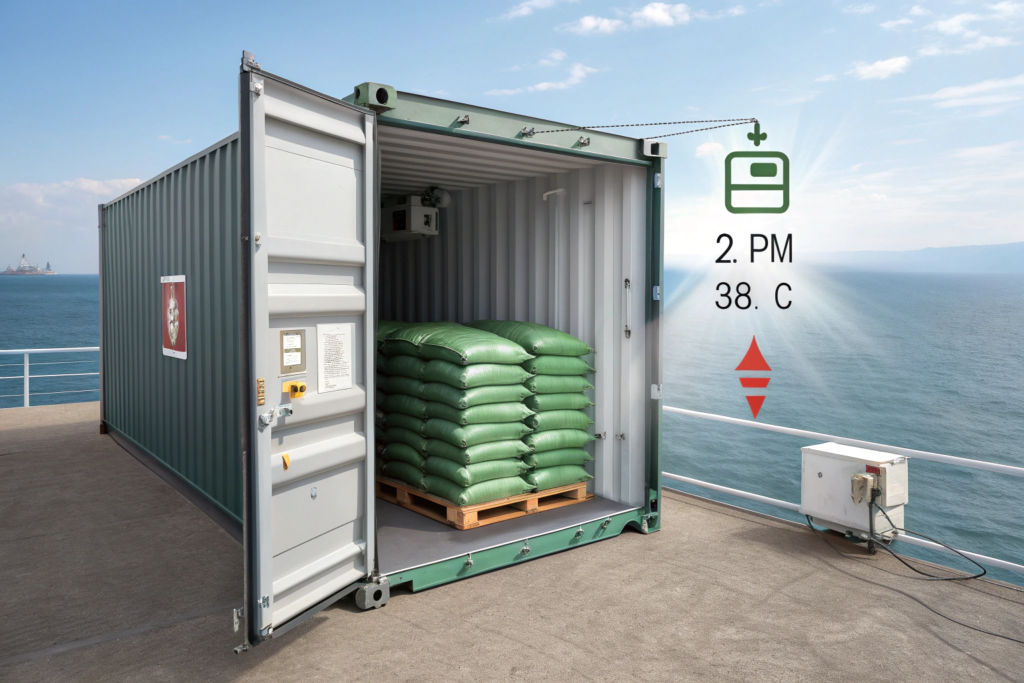
A shipping container is a steel box. It sits in the sun for weeks. The metal skin absorbs solar radiation. The inside becomes an oven. Even with ventilation, the internal temperature can climb 15 to 20 degrees Celsius above the ambient air temperature. This is the reality of maritime transport.
Inside a shipping container, green coffee beans experience temperature spikes of up to 40°C or higher during tropical transits, humidity fluctuations that can cause condensation and mold, and a buildup of carbon dioxide from the beans' own respiration. These conditions accelerate chemical reactions that degrade volatile aromatics and fade acidity.
The beans are not passive cargo. They are living seeds with about 11% moisture content. They respire. They consume oxygen and release carbon dioxide and heat. In a sealed container, this respiration continues for the entire voyage. The CO2 concentration rises. The heat from respiration adds to the solar heat load. The beans slowly cook in their own metabolic warmth. The process is slow, but cumulative. A 30-day voyage at elevated temperature ages the coffee by an equivalent of several months in proper storage.
How Does Container Temperature Fluctuation Damage Bean Cells?
Temperature fluctuation is more damaging than steady high temperature. A container that heats to 40°C during the day and cools to 25°C at night undergoes a daily thermal cycle. The beans expand and contract with the temperature swing.
This thermal cycling creates mechanical stress on the bean's cellular structure. Tiny cracks form in the cell walls. The lipids, the fats that carry much of the coffee's flavor, are exposed to oxygen. They oxidize. The coffee develops rancid, stale notes. The cell damage also releases moisture that was bound inside the cells. This free moisture migrates, creating micro-pockets of higher water activity where mold can initiate. Even if visible mold never forms, the chemical damage is done. The bean's internal architecture, carefully built during months of slow maturation on the tree and weeks of gentle drying, is compromised.
What Is the "Container Sweat" Effect and How Does It Cause Mold?
Container sweat is the industry term for condensation inside a shipping box. It happens when warm, moisture-laden air inside the container contacts a cold surface, usually the metal ceiling at night or the cool walls when the ship enters a colder climate.
The ceiling drips. Water falls onto the top layer of coffee bags. The jute or GrainPro bags get wet. Even hermetic bags are vulnerable if water pools on top and creates sustained pressure. The moisture can wick into the bag through imperfect seals. Once liquid water contacts the green beans, mold growth is almost guaranteed. The mold spores are already present on the beans. They need only water and warmth to activate. A single wet bag can contaminate a whole pallet. The moldy, musty smell permeates the container. The affected bags are a total loss. The rest of the container may carry a faint musty taint that downgrades the entire lot.
How Does the Length of the Voyage Impact Coffee Quality?
Time is the enemy of freshness. The longer the voyage, the more the beans age. A direct route from Shanghai to Los Angeles takes about 14 days. From Shanghai to Rotterdam via the Cape of Good Hope, avoiding the Red Sea, can take 35 days or more. That extra three weeks matters.
The length of the voyage directly correlates with quality loss in green coffee. A 14-day Pacific crossing typically preserves the original cup character well. A 35-day or longer voyage around Africa, especially with port congestion delays, can result in measurable cupping score drops of 1 to 3 points due to prolonged heat exposure and metabolic aging.
I have compared the same lot of our washed Catimor shipped to two different buyers. The lot to Los Angeles arrived in 16 days and cupped at 84, matching the pre-shipment sample. The lot to Rotterdam took 38 days and cupped at 82.5. The difference was a slight flatness in the acidity and a shorter aftertaste. The coffee was still specialty grade. But it had lost some of its sparkle. For a roaster building a premium single-origin program, that 1.5 point drop is the difference between a flagship offering and a blend component.
How Do Different Ocean Routes Compare for Coffee Freshness?
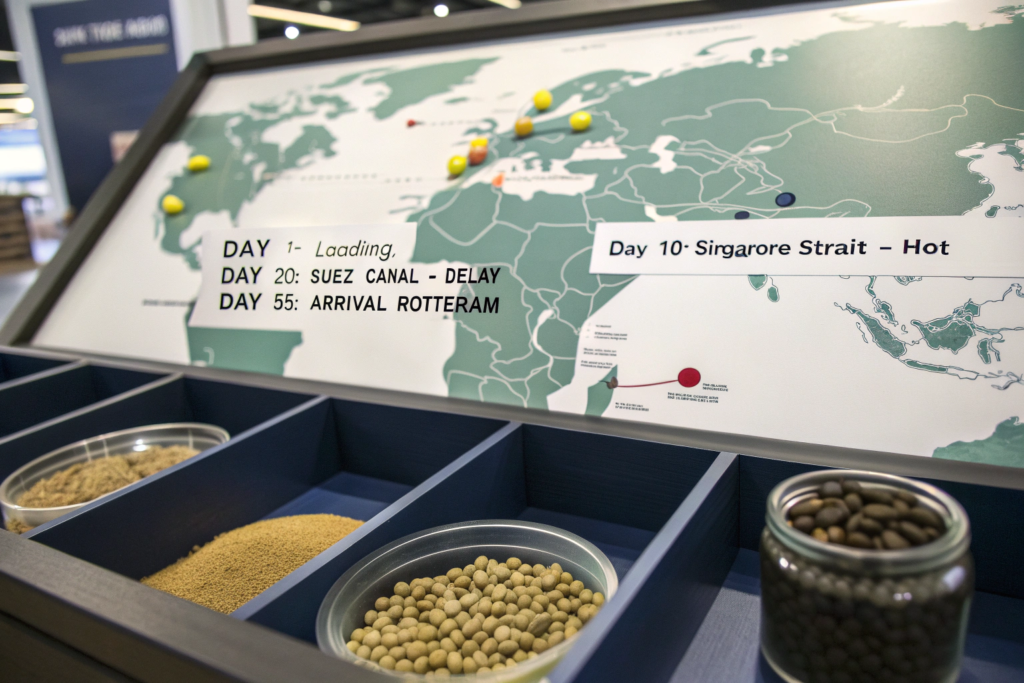
The route matters. The Pacific route from China to the US West Coast is the gentlest on the beans. It is relatively short and stays in cooler northern latitudes for much of the journey. The route from China to Northern Europe, historically through the Suez Canal, was manageable at about 25 to 30 days.
The current rerouting around the Cape of Good Hope has changed the calculation. The Cape route adds 10 to 14 days and takes the container much further south, into warmer waters near the equator. The beans spend more time in the heat. The risk of quality loss increases. The route from Brazil or Colombia to Asia or the Middle East faces similar challenges. Every coffee buyer should know the approximate transit time and climatic exposure for their specific origin-to-destination lane. This knowledge should inform inventory planning. A longer route means the coffee has a shorter post-arrival shelf life for peak quality.
What Happens When a Container Is Delayed at a Transshipment Port?
Transshipment ports are the bottlenecks of global trade. Singapore, Colombo, Algeciras. Containers sit on the dock waiting for a feeder vessel. They are not in a climate-controlled warehouse. They are in a stack of metal boxes under the tropical sun.
A delay of one week at a transshipment hub exposes the coffee to extreme heat without the cooling airflow of the open ocean. The container temperature can soar and stay elevated for days. I had a container held in Singapore for ten days during a port backlog. The buyer in Europe reported a noticeable quality drop compared to a direct-shipped container from the same lot. The delay cooked the beans. The lesson is to choose shipping routes with minimal transshipment and to build port delay assumptions into the inventory plan. If a route normally takes 25 days, plan for 35. If the coffee arrives early, it is a bonus. If it is late, you are prepared.
What Packaging Technologies Protect Coffee During Sea Freight?
Packaging is the bean's armor against the ocean. A naked jute sack is almost no protection at all. It breathes freely with the container air. It absorbs moisture from condensation. It releases moisture into dry air. The coffee inside is at the mercy of every humidity swing.
The most effective packaging for protecting green coffee during sea freight is the multi-layer hermetic bag, such as GrainPro, which creates a gas and moisture barrier that isolates the beans from the external container environment. Combined with palletized loading and data loggers, hermetic packaging can preserve pre-shipment cup quality even on long, hot voyages.
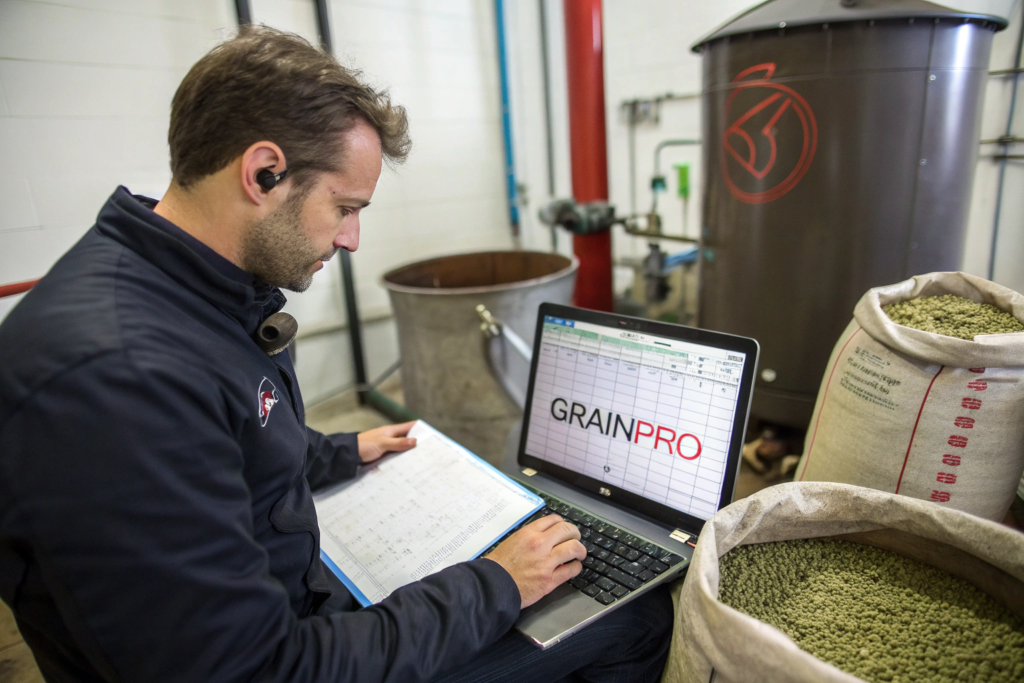
We use GrainPro bags inside traditional jute sacks for all our export shipments. The jute provides physical protection against tearing. The GrainPro provides the functional barrier. The bag is made of polyethylene with an ethylene vinyl alcohol layer that blocks oxygen and moisture transmission. Once sealed, the beans respire inside the bag, consuming oxygen and releasing CO2. The internal atmosphere becomes modified. The low-oxygen, high-CO2 environment slows the beans' metabolism. They enter a kind of hibernation. The aging clock nearly stops.
How Do Vacuum-Sealed Bags Compare to Hermetic Bags?
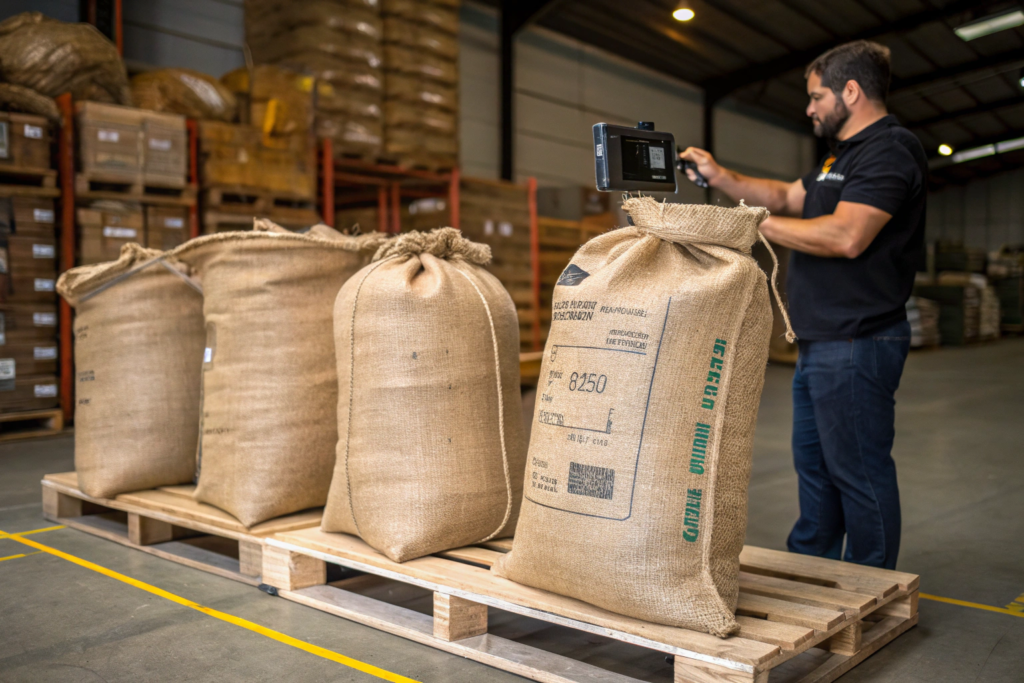
Vacuum-sealed bags remove air from around the beans. This eliminates oxygen, the primary driver of oxidative rancidity. The beans are packed under negative pressure, which also compresses them and reduces the bag volume for shipping.
Vacuum sealing is effective but has a vulnerability. If the bag is punctured, the vacuum is lost, and air rushes in. The beans then sit in a loose bag with a full oxygen supply. A small puncture in a vacuum bag is worse than a non-vacuum hermetic bag because the buyer assumes the vacuum is intact and does not rush to use the coffee. Hermetic bags without vacuum, like GrainPro, still have a low-oxygen environment because the beans' respiration consumes the oxygen after sealing. They are more forgiving of minor seal imperfections. For sea freight, I prefer the robust reliability of a well-sealed hermetic bag over a vacuum bag. The protection is comparable, and the margin for handling damage is higher.
What Is the Role of Container Liners and Desiccants?
A container liner is a large plastic or foil sheet that lines the inside of the shipping container before the coffee is loaded. It creates a secondary barrier between the cargo and the metal walls and ceiling.
Container liners reduce the risk of condensation dripping directly onto the coffee bags. They also provide a degree of thermal insulation, slightly buffering the temperature swings. Desiccants are moisture-absorbing packets placed inside the container. They capture water vapor from the air, lowering the dew point and reducing condensation risk. Common desiccants include silica gel and calcium chloride. For coffee shipments, desiccants are a low-cost insurance policy. They add maybe $50 to a container shipment and can prevent thousands of dollars of mold damage. I recommend them for any voyage longer than two weeks, especially routes crossing the equator.
How Can Buyers Monitor and Mitigate Freight-Related Quality Risks?
The ocean journey is a black box for most buyers. The container disappears from the origin port and reappears at the destination. What happened in between is a mystery. It does not have to be. Technology makes the journey transparent.
Buyers can monitor freight-related quality risks by placing digital data loggers inside the container that record temperature and humidity throughout the voyage, by specifying shipping routes and carrier quality standards in the purchase contract, and by establishing a receiving protocol that includes immediate moisture testing and cupping upon arrival to catch any quality deviation early.
A USB temperature and humidity data logger costs about $30. It is placed inside the container, usually taped to a pallet or a bag, before the doors are sealed. It records data at set intervals for the entire journey. When the container arrives, the buyer plugs the logger into a computer and downloads the temperature and humidity history. The graph shows exactly what the beans experienced. A spike to 42°C for three days in the Indian Ocean. A humidity spike to 90% during a storm. This data is actionable. If the container experienced extreme conditions, the buyer knows to cup immediately and prioritize that coffee for use before it fades further.
What Should a Coffee Arrival Quality Inspection Include?
Opening a container should be a ritual, not an afterthought. The first minutes after the doors open reveal the truth of the voyage.
Start with a visual inspection of the container interior before unloading. Is there condensation on the ceiling? Does the air smell musty or fresh? Are there any wet bags? Check the data logger first. Then, select sample bags from different positions in the container: top, middle, bottom, door end, and wall side. The beans near the ceiling experience the most heat. The beans near the floor are most vulnerable to moisture. Pull samples from each zone and test moisture content and water activity separately. Cup each zone sample individually against the retained pre-shipment sample. A container that shows uniform moisture and consistent cup quality across all zones was shipped well. A container with a hot, dry top and a cool, moist bottom has experienced stratification. The roaster can then segregate the zones or blend them, depending on the results.
How to Choose a Shipping Line That Protects Coffee Quality?
Not all shipping lines are equal. Some invest in newer container fleets with better insulation. Some have better on-time records. Some offer premium services like below-deck stowage or refrigerated containers.
Below-deck stowage is the single best protection against heat. Containers stowed in the hold of the ship are shielded from direct sun and experience much smaller temperature swings than containers stacked on deck. This is usually a premium service or a negotiable term in the shipping contract. For high-value specialty lots, a refrigerated container, or reefer, set to a stable 15°C to 18°C, is the gold standard. It is expensive, adding several thousand dollars to the freight cost. But for a micro-lot of 90-point Geisha selling at $20 per pound green, the protection is worth it. For everyday specialty lots, a good carrier with below-deck stowage and a direct route is the practical best choice.
Conclusion
Sea freight is the longest and most vulnerable phase in the coffee supply chain. The container is not a storage room. It is a mobile microclimate that can preserve or degrade your coffee depending on how it is managed. Heat, humidity, time, and condensation are the four enemies. Hermetic packaging, data loggers, careful route selection, and rigorous arrival inspections are the four defenses.
A buyer who treats the ocean journey as an afterthought is gambling with quality. A buyer who plans the voyage with the same attention as the roast profile protects their investment. The coffee that arrives fresh and vibrant is the coffee that was packed, routed, and monitored with care.
If you want to work with a supplier who takes sea freight quality as seriously as you do, we are ready. We use GrainPro hermetic bags, we include data loggers in every container, and we book with carriers that prioritize below-deck stowage for our coffee. Before your container sails, we send you the loading plan and the logger setup details. Contact Cathy Cai at cathy@beanofcoffee.com to discuss your shipping lane and how we can get the freshest possible Yunnan Arabica into your roastery.