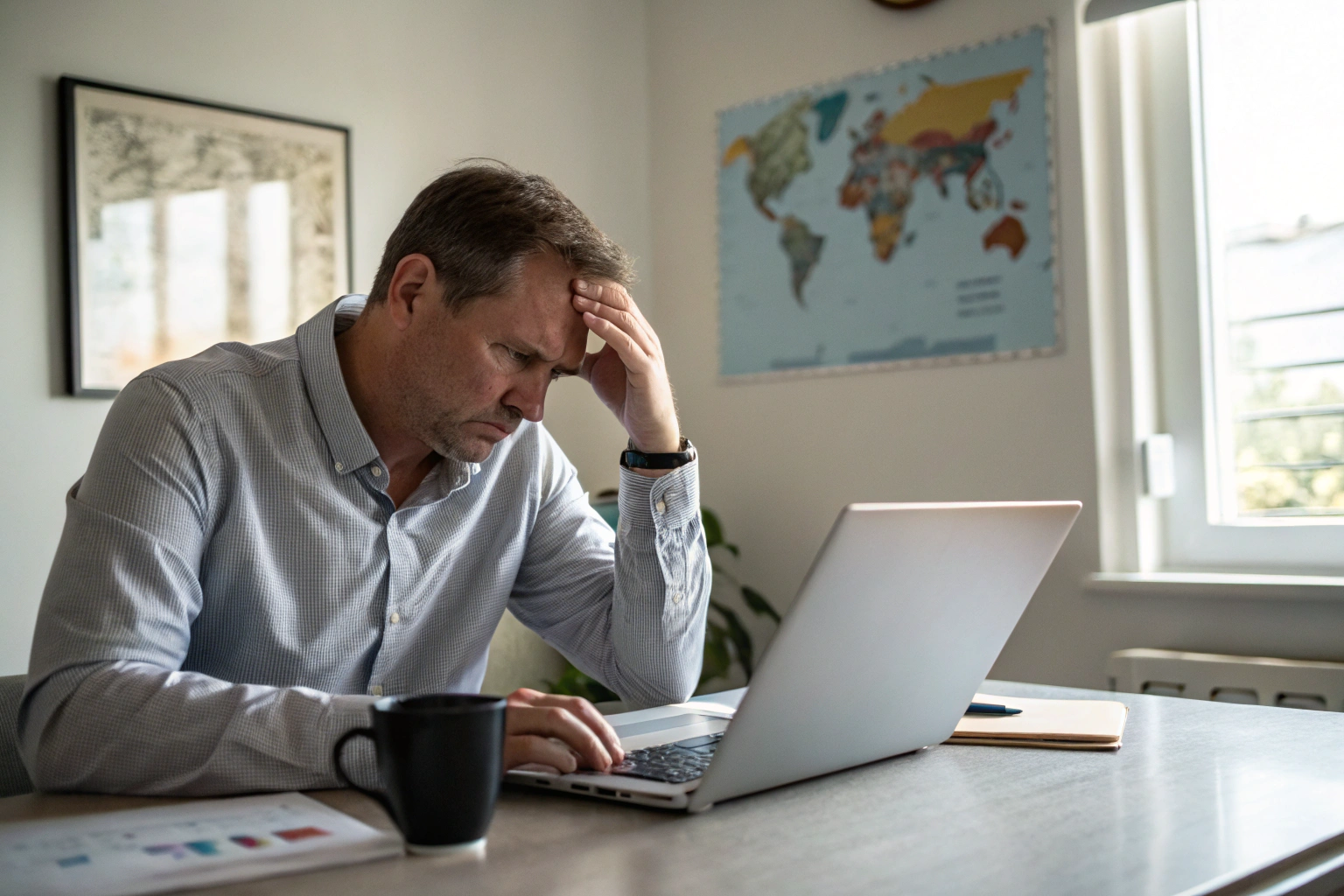
I remember the first time I sourced coffee on Alibaba. It was a mess. You see hundreds of suppliers. Prices are all over the place. Some profiles look perfect. Others seem too good to be true. And honestly, I almost lost $15,000 to a fake trading company. I’m a coffee plantation owner, not just a trader. We own over 10,000 acres of farms in Baoshan, Yunnan. I know this side of the business. Scammers? They hurt real farmers like me. They hurt buyers like you. The problem is not Alibaba itself. It’s a tool. The real problem is knowing who to trust when you’re sitting thousands of miles away from China.
The best way to avoid scams when buying coffee from Alibaba is to verify the supplier’s direct link to a physical farm, demand live video inspections of the processing facility and beans, and never, ever rely on the Gold Supplier badge as your only trust signal. A real producer like BeanofCoffee will have nothing to hide.
But I get it. You have a business to run. You need a stable supply of beans from China. You worry about price and timeliness, right? That’s a normal way to think for any business owner. Let me walk you through how we check partners and how you can protect your money, step by step.
Why Is Alibaba Full of Fake Coffee Suppliers?
A buyer from Texas once told me, “I found a great Arabica supplier on Alibaba, but they disappeared after my deposit.” It’s a story I hear too often. You think you're dealing with a factory. In reality, it’s a middleman in a Shanghai apartment with a stolen farm photo. The pain is real. The fear of losing money on a shipment that never arrives is a constant stress for importers.
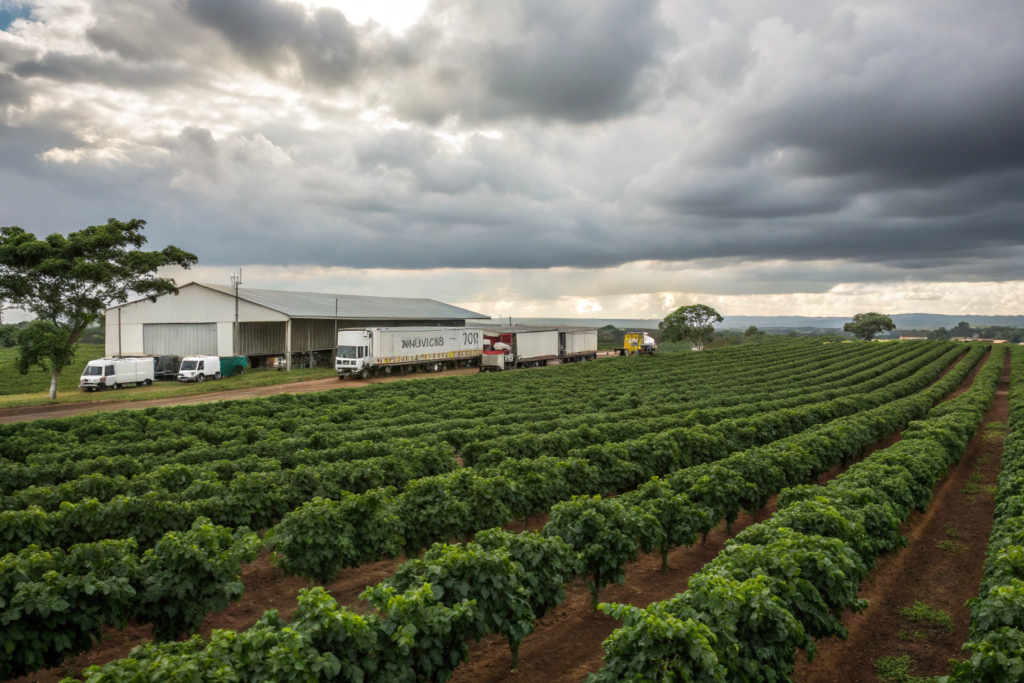
Alibaba has many fake coffee suppliers because the low barrier to entry allows middlemen to pretend to be manufacturers. They steal photos from real farms like our Coffee Bean Plantations and use aggressive pricing to trap buyers focused only on cost.
Now, let’s unpack this mess. A trade manager license doesn't mean they own a farm. It just means they can export. Another way to look at this is the "Photoshop Economy." A scammer creates a perfect-looking catalog. They promise Catimor at a price lower than the farm gate cost. How is that possible? It isn't. They bank on you never visiting China.
Why Do Scammers Target Coffee Buyers Specifically?
Honestly, coffee is an easy target. You can’t judge a bean’s quality by looking at a static photo on a screen. A scammer can bag up cheap, defective Robusta and label it as Specialty Grade Arabica. By the time the container hits the Port of Los Angeles or Rotterdam, the seller is gone. You’re stuck with a bag of trash. A key point here is the timing. The 30-day shipping gap is their window to vanish.
How to Spot a Virtual Office Supplier?
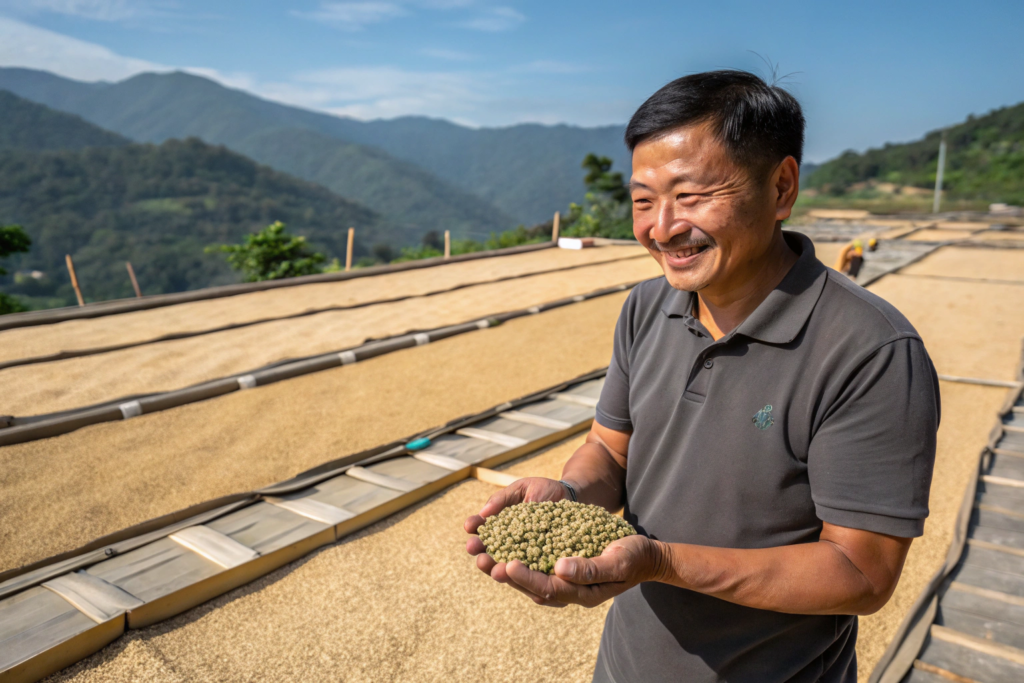
A real farm has dirt. A real farm has noise. A virtual office supplier will refuse a spontaneous video call. We use Zoom or WeChat daily. I can walk my phone through our drying patios in Baoshan in 5 seconds. A fake supplier will give you excuses. “The farm is too far.” “The signal is bad.” A detail often missed is the background noise. Roosters, wind, tractors. You can’t fake that in a city office. If they can't do this, mark them as a red flag. It’s that simple.
| Red Flag | What They Say | What You Do |
|---|---|---|
| No Live Video | "Camera broken" or "Farm far away" | Insist or walk away. No deal. |
| Price Too Low | "Special discount just for you" | Check Commodity market prices. |
| Generic Photos | "We look the same as the photo" | Use Google Reverse Image Search immediately. |
| Payment Trap | "Send 30% to this personal PayPal" | Demand T/T against B/L copy. |
How to Check a Supplier’s Real Capacity Before Buying?
Most problems start because the buyer is shy. You are the customer. You have the money. You shouldn't be afraid to ask tough questions. Yet, I see buyers worry about being "rude." Forget that. This is business. I had a client from Australia who grilled me for two weeks before placing a trial order. I respected him for it. It showed he was serious about quality control.
Checking a supplier’s real capacity requires a mandatory live video walkthrough of their processing mill and warehouse, a request for a copy of their Food Safety certification, and a direct cross-check with the location data of their claimed Arabica wholesale export base.
Think of this as an investigation. You don't need to be a detective. You just need a checklist. A real supplier like BeanofCoffee doesn't just tolerate these checks. We invite them. It proves we are stable and trustworthy. But a fake supplier? They will panic at these specific questions.
What Are the Must-See Certifications for Coffee Export?
Okay, so, you asked for certifications. That’s smart. But you must know how to read them. A scammer sends a random PDF. You need to check the issuing authority. For China, the CIQ (China Inspection and Quarantine) certificate is the baseline for food safety. Don't just accept a piece of paper. Use the certificate number to verify it on the official government customs database. It’s a little extra work, but it's the only way to be sure about food safety.
Also, look at the Product Scope on the license. If they claim to be a coffee plantation but their license only says "trading," you've caught them. Another layer of security is the organic certification if you need it. But really, the numbers don't lie. A farm our size moves containers, not suitcases.
How to Verify Shipping Dates and Logistics?
You mentioned timeliness is your top concern. Here’s a hard truth. Yunnan is landlocked. We are in the mountains. Shipping from a farm in Baoshan Yunnan to a U.S. port isn't instant. A scammer will promise "10 days to your door" to get the order. That’s a lie. A real ship schedule takes planning.
I always tell my clients to ask for the vessel name and the booking confirmation number. Not after loading—immediately after booking. If you have the container number, you can track the real-time satellite position of the ship. I never hide sailing schedules. If a port in Shanghai is congested, I tell you straight. Honestly, a delay from a real supplier is better than a fast ship that never existed.
Is the Cheapest Price Always a Scam Signal?
I get it. Everyone loves a good deal. You have a buying preference for competitive pricing. I’m a businessman too. But in the coffee trade, price is not just a number. It’s a map of the supply chain. If the math doesn't make sense, someone is lying. A buddy of mine in the U.S. once bragged he found Yunnan specialty beans for $1.20/lb FOB. He paid. He received a container of black beans that smelled of mold. That "cheap" purchase bankrupted his small roasting business within a year.
The cheapest price is almost always a scam signal or a sign of severe quality issues in the coffee market. If the FOB price is significantly below the international commodity benchmark for Arabica or robusta, the beans are likely old crop, physical defects, or simply won't be shipped.
Don't get hypnotized by the low number. Real coffee pricing has a floor. We have to pay for fertilizer, pickers, and processing. A scammer offers a price that allows zero profit—that’s the bait. You’re paying for air. Or worse, you’re paying for someone else’s rejected cargo.
How Do Tariffs Affect the Final Honest Price?
So, what does this mean for you, Ron? You care about total cost. Tariff costs are a big part of that. A real exporter helps you navigate this. A scammer ignores it. They quote a Delivered Duty Unpaid price, and you get a surprise bill from U.S. Customs for 20% or more upon arrival.
You know, a safe and reliable partner will tell you the HS Code upfront. For green coffee, it's a specific code. Look up the current tariff rate for unroasted coffee from China. A smart thing we do is build a landed cost model for our clients before shipping. It breaks down the bean cost, freight, insurance, and duty. If a supplier won't discuss US Customs duties openly, they are hiding something. That's just logic.
Why Are Payment Terms a Safety Net?
Payment methods are your ultimate weapon. Western Union? No way. Personal PayPal for a $50,000 order? Run. A trade scam dies if you use strict payment terms. I recommend a Letter of Credit at sight for first deals. Yes, it costs a little more. But it’s safe.
If that's too rigid, do Telegraphic Transfer against a copy of the Bill of Lading. We at BeanofCoffee often agree to 30% advance and 70% against scanned copy of original documents. The key is the Bill of Lading. That piece of paper is the title to the goods. Without it, the container doesn't clear customs. By holding the payment until you see the bill, you know the container is actually on the water. That’s your leverage. It’s reliable and straightforward.
How to Build a Trustworthy China Coffee Supply Chain?
Ultimately, you don’t want to just avoid scams. You want stability. You want a partner. Someone who keeps your warehouse stocked with consistent beans. I’ve been doing this for years. The best relationships I have with North American and European buyers don't feel like battles. They feel like teamwork. We fix problems together.
Building a trustworthy supply chain requires moving beyond one-off Alibaba transactions and locking in a direct trade relationship with a plantation owner who offers transparency on crop yield, processing dates, and a guaranteed booking schedule.
The real benefit of dealing with a direct plantation owner is the data. I know exactly which slope the Catimor came from. I know the rainfall it got. A reseller knows none of this. The supply chain is only as strong as the information flow.
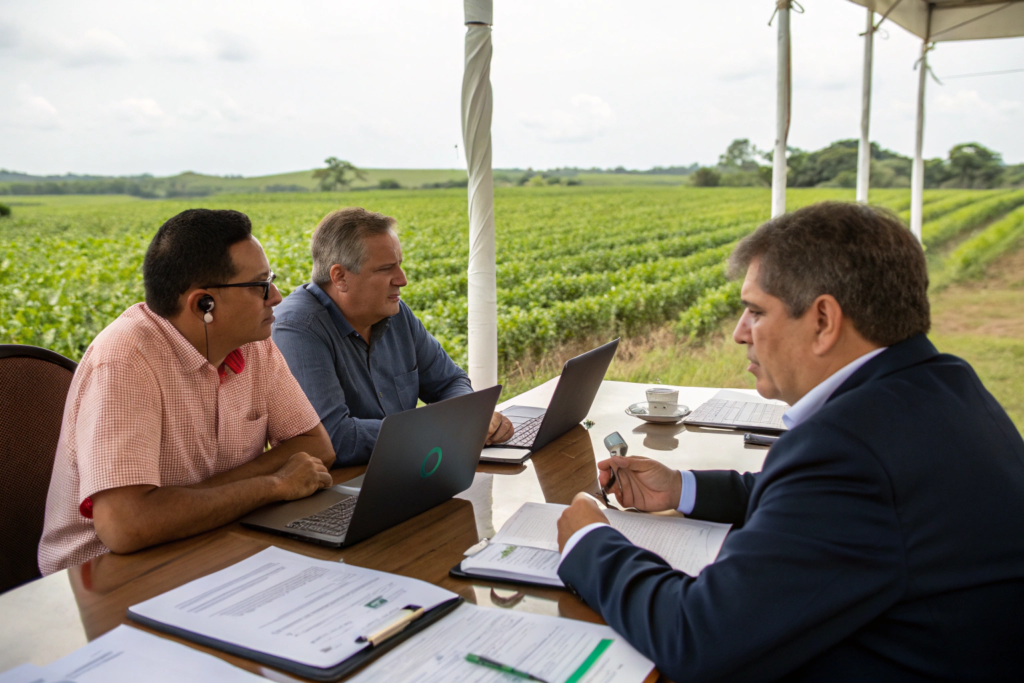
How Does Direct Farm Sourcing Reduce Risks?
Another angle here. Quality control gets easier when you skip the middle layers. When you buy from a reseller, you’re trusting a chain of custody you can’t see. I had a client who bought beans that were "accidentally" mixed with lower grade Robusta by a warehouse in transit. The reseller blamed the truck driver.
When you buy from us, the chain is short. We pick, we process, we pack, we load. A seal is put on the container at our facility. It’s only broken at your warehouse. You can install your own tamper-proof seals if you want. That is true security. And for timeliness, direct sourcing allows me to prioritize your container during the peak shipping season. A small trader gets bumped. We don't.
Why Is Crop Year Knowledge Important for Quality?
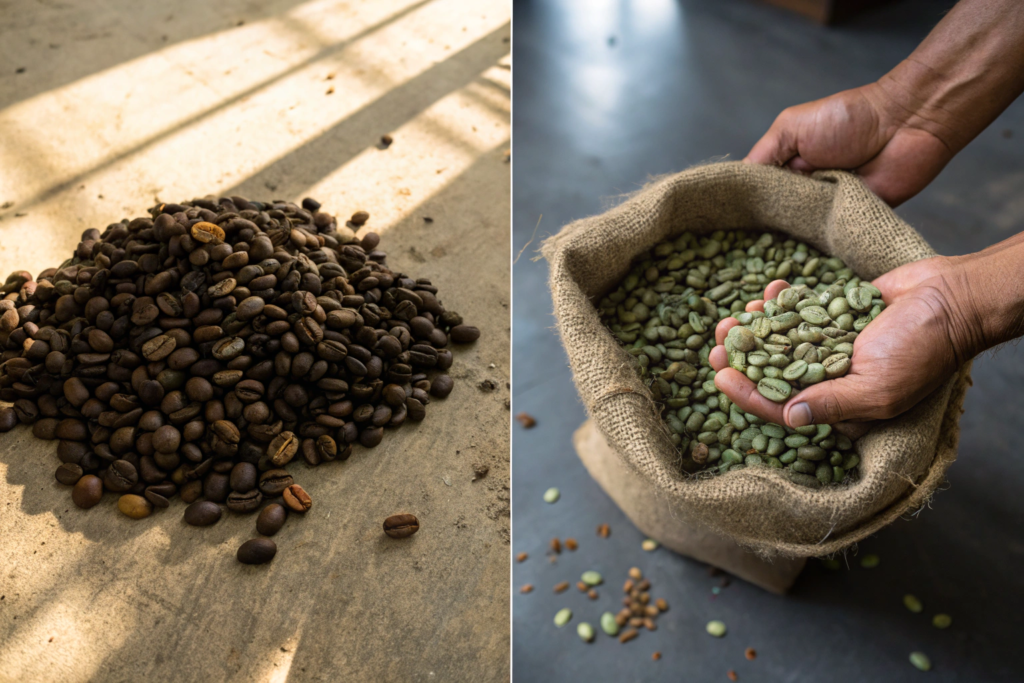
Here’s a detail that isn't talked about enough. Coffee is a fruit. It gets old. I ask my buyers: are you buying current crop or past crop? A scammer will sell you a 2-year-old bean that’s been sitting in a humid warehouse. It looks green, but the cup is woody, flat. No life left.
A trustworthy supplier writes the harvest date on the grain pro bag. We finish harvest in Yunnan around February. I tell clients to buy fresh. A new Robusta crop tastes vibrant. An old one tastes like cardboard. You can't sell that to your customers. So, when you talk about price, ask this: "What month was this bean picked?" The answer tells you everything you need to know about their integrity. It's not just about safety. It's about flavor.
Conclusion
Sourcing coffee from Alibaba doesn’t have to be a gamble. You just need to change your lens. Look past the polished profiles and look for the dirt, the noise, and the real-time verification. I’ve shown you the red flags. Virtual offices, broken cameras, illogical price floors, and shady payment terms. Those are walls. But you can climb them using live video, third-party audits, and strict documentary payment methods.
The goal isn't just to catch liars. It’s to find a partner who feels the weight of your business needs as deeply as you do. You, Ron, are a confident business owner. You value timeliness and control. You don’t need a yes-man. You need a producer who can give you bad news about a sailing schedule honestly, or ensure the customs code is perfect so your tariff costs don't spike unexpectedly.
Our plantation gate is always open, at least through a phone screen. We take pride in turning Yunnan’s premium Arabica and Catimor into a safe, reliable pipeline for your business. Skip the guesswork. Skip the anxiety of dealing with faceless traders.
If you want to start a conversation about real beans from real soil, my colleague Cathy Cai handles our international logistics and would be happy to send you a sample and a shipment quote. Just reach out to her at cathy@beanofcoffee.com. Let’s build something stable together.