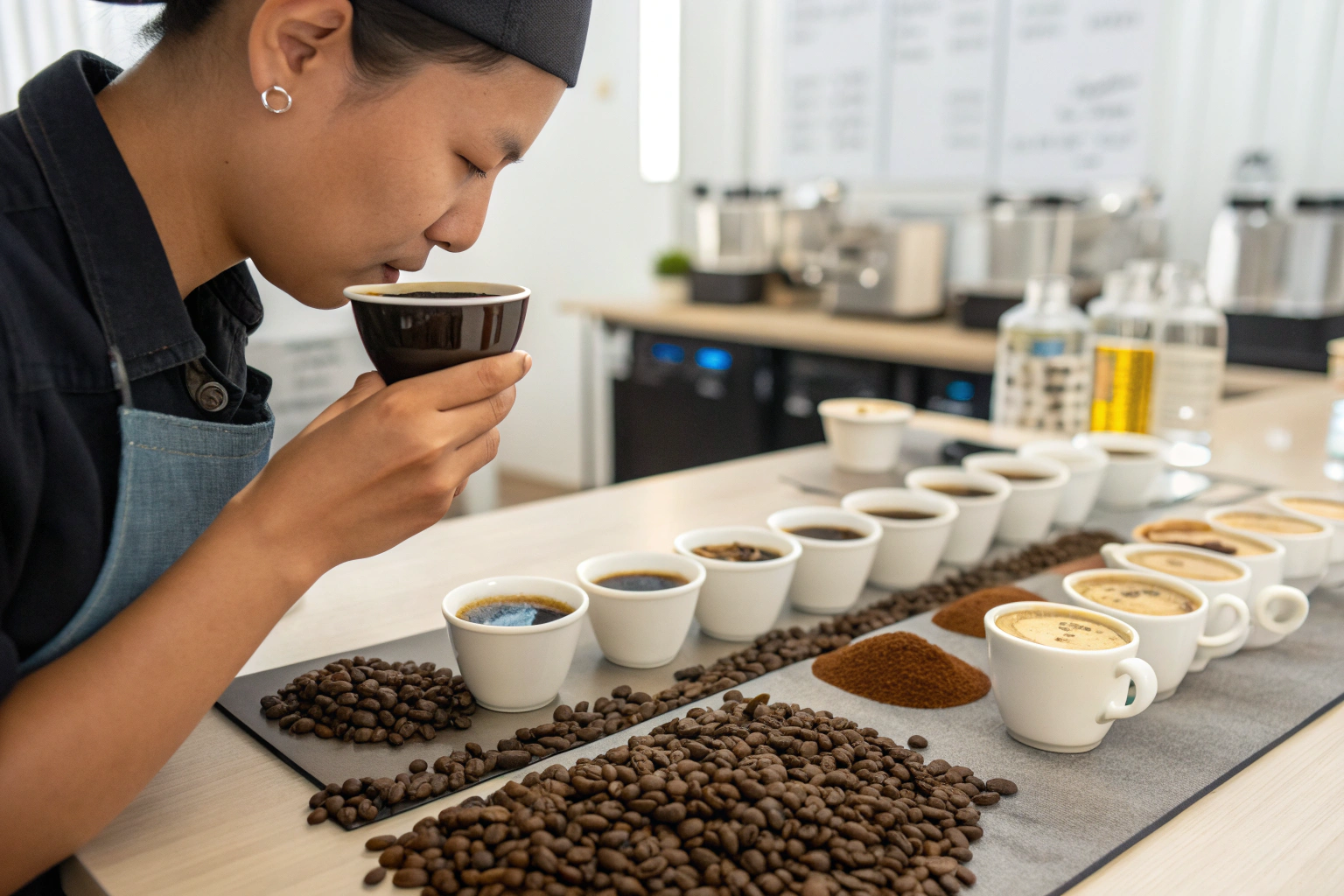
You love coffee. You can taste the subtle notes of jasmine in that Yunnan lot, or the dark chocolate in a Sumatra. But how do you turn that refined palate into a globally recognized credential? The path to becoming a Certified Q Grader might seem shrouded in mystery—an exclusive club for the industry's elite. I understand that feeling. As someone who has built a business on evaluating and exporting premium beans, I know the value of a calibrated, objective standard. Let's demystify the process.
To become a Certified Q Grader, you must successfully pass a rigorous, multi-day examination administered by the Coffee Quality Institute (CQI). The process involves intensive training and testing across 22 sensory and knowledge-based modules, including identifying coffee attributes, detecting defects, and scoring coffees according to the Specialty Coffee Association (SCA) protocols. There are no formal educational prerequisites, but a deep existing knowledge of coffee, extensive tasting experience, and dedicated preparation are essential for success.
That’s the straightforward answer. But passing the test is just the peak of the mountain. The real journey is in the preparation—the months, even years, of building your sensory library, understanding green coffee, and learning the language of the Q Grading system. It’s a commitment to becoming a universal interpreter of coffee quality.
What is the Q Grader Certification and Who is it For?
You've heard the title. It sounds impressive. But what does it actually mean? In simple terms, a Q Grader is to coffee what a sommelier is to wine—a licensed professional taster and grader. But it's more technical, more standardized. The certification is managed by the Coffee Quality Institute (CQI), and it's the primary credential for professionals who need to objectively evaluate and score green coffee using the Specialty Coffee Association (SCA) Arabica Green Coffee classification system.
The Q Grader certification is for anyone in the coffee chain whose decisions depend on an accurate, unbiased assessment of quality. This includes green coffee buyers for roasteries and importers (like many of our clients), quality control managers at export companies like ours, roasters developing blends, and even serious baristas or educators. It's for those who need to speak a common, precise language about coffee with producers in Brazil, traders in Hamburg, and buyers in San Francisco. It creates a baseline of trust. For us at Shanghai Fumao, having Q Graders on our team isn't a luxury; it's a necessity. It's how we guarantee the good quality we promise to our partners in North America and Europe is not just an opinion, but a measurable, reportable fact.
Why is the Q Grader System the Global Standard for Coffee Quality?
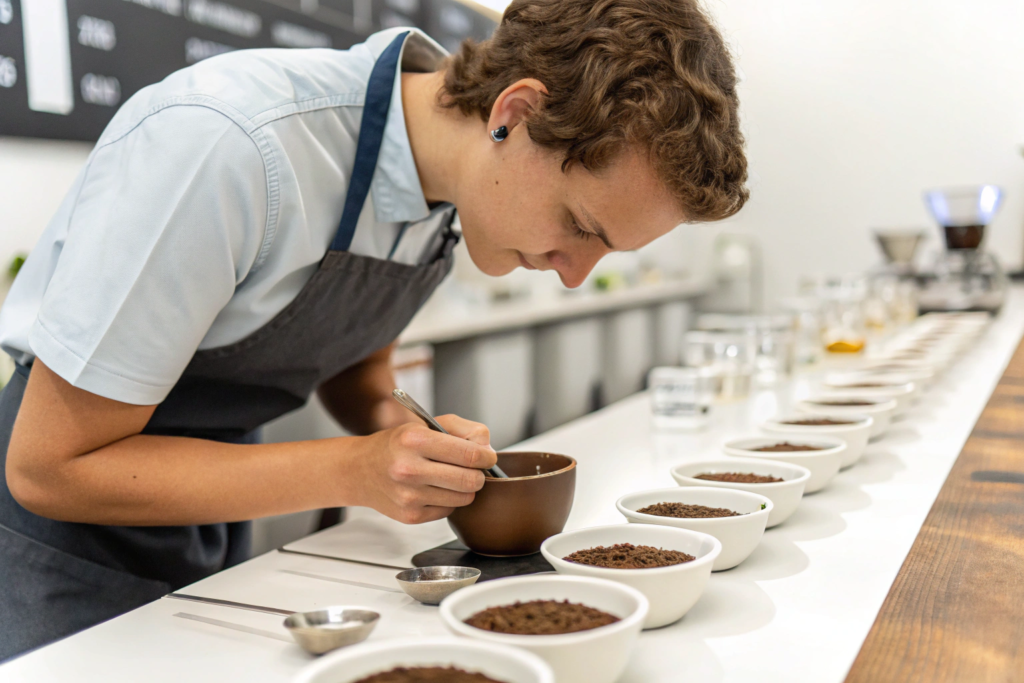
The Q Grader system is the global standard because it is built on science, calibration, and repeatability. Before its widespread adoption, a "good" coffee in one country might be scored differently in another. This created confusion and conflict in trade. The SCA protocols and the Q Grader exam create a common language. Every certified Q Grader has passed the same brutal tests. This means that when a Q Grader in Yunnan scores a lot of our Catimor at 84 points, a Q Grader in Seattle will understand exactly what that means in terms of flavor, acidity, body, and balance. It removes subjectivity and replaces it with a shared benchmark. For international trade, especially for suppliers like us exporting from China, this is invaluable. It builds immediate trustworthy credibility with overseas buyers who may not visit our farms. They trust the score because they trust the system.
What Are the Typical Career Paths for a Certified Q Grader?
The career paths are diverse but center on roles where defining and ensuring quality is paramount. The most direct path is into green coffee buying for a roastery or an importer. Here, your palate directly influences purchasing decisions and pricing. Another path is in quality control and assurance at origin—working for an export company, a cooperative, or a large farm. This is what we do: our Q Graders ensure every bag that leaves our Baoshan facility meets our strict standard before it's even offered. Other Q Graders become roasters, using their skills to develop profiles that highlight a coffee's best attributes, or educators and consultants, teaching others about quality. The certification opens doors globally, as it signals a professional, calibrated skill set that is in high demand across the industry.
What Are the Prerequisites and How Should You Prepare?
The CQI website states there are no formal prerequisites. But let's be honest—walking into the exam with only a love for espresso is a fast track to failure. The exam is famously challenging, with a historically high first-time failure rate. So, the real prerequisites are built through self-directed preparation.
You need a solid foundation in coffee knowledge and, most critically, a developed and practiced palate. This means you should already be an experienced coffee taster, familiar with cupping procedures. You should understand coffee processing methods (washed, natural, honey), roast levels, and major coffee origins. It's highly recommended to have completed foundational SCA courses like Sensory Skills or Green Coffee. Practically, you need to train your senses to identify specific flavors, intensities, and defects under test conditions. This isn't about enjoying coffee; it's about analyzing it with a detached, almost clinical precision.
How Much Time and Money Does Q Grader Certification Require?
The investment is significant, both in time and money. Financially, the course and exam fee typically ranges from $2,500 to $3,500 USD, not including travel, accommodation, or the extensive practice coffee you will need to buy. The course itself is usually an intensive 6-day program. However, the time investment for preparation is far greater. Most successful candidates spend 3 to 6 months beforehand in dedicated, daily practice. This involves daily cupping sessions, seeking out known defect samples, and studying theory. You might join study groups or hire a mentor. It's a substantial commitment. Think of it like a professional licensing exam—you wouldn't take the bar exam without months of study. The same rigor applies here.
What Are the Best Resources for Self-Preparation Before the Course?
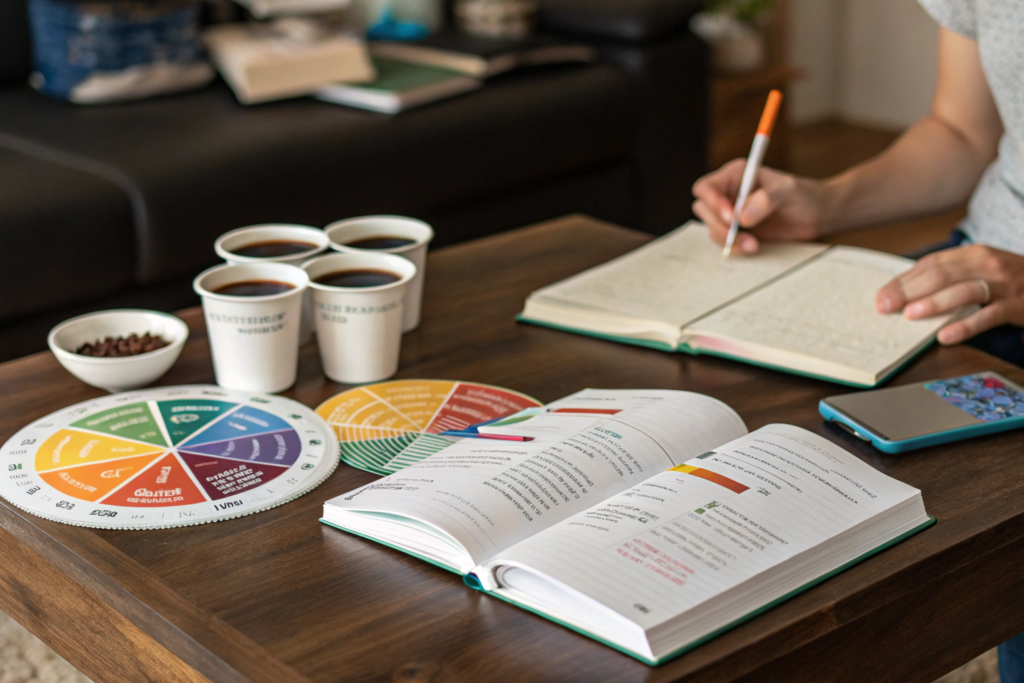
Your best resources are a combination of official materials, practical tools, and community. Start with the SCA Arabica Green Coffee Standards Handbook—it's the bible for the test. Use the SCA Flavor Wheel and the Le Nez du Café aroma kit (or a more affordable alternative) daily to memorize flavor and aroma descriptors. For practice, you need coffee—lots of it. Order known defect kits from green coffee suppliers. Practice triangulation tests (identifying the odd cup out of three) constantly. Join online forums and local cupping clubs. Another way to look at this: your preparation should mirror the test itself. If the test has a module on identifying organic acids, you should be practicing by spiking coffee samples with citric, malic, and phosphoric acids to learn their tactile sensations. This hands-on, repetitive drilling is what builds the muscle memory for the exam.
What Exactly Happens During the Q Grader Exam?
The exam is a marathon, not a sprint. It's designed to push your sensory and mental endurance to the limit. Over several days, you will be tested on 22 separate modules. The pressure is high, and the scoring is strict—you must achieve a passing score on 20 out of the 22 modules to earn the certificate. Fail more than three, and you fail the entire exam.
The modules cover a vast range of skills. They include multiple triangulation tests (for both general differences and specific roast levels), skill tests in matching pairs, sensory tests like identifying basic tastes (sweet, sour, salty) in water solutions, and olfactory tests to recognize coffee aromas. You'll be tested on your ability to grade green coffee for defects, roast coffee samples to a specific color, and of course, the core skill: cupping and scoring several different coffee samples according to SCA protocols. Each coffee must be scored on fragrance/aroma, flavor, aftertaste, acidity, body, balance, and more, with written descriptions to justify the score. Consistency and calibration to the SCA standard are key.
What Are the Most Challenging Modules for Most Candidates?
Most candidates find the triangulation and organic acid identification modules particularly challenging. Triangulation is difficult because it requires not just noticing a difference, but precisely identifying what that difference is—is it a processing method, a roast level, or a geographic origin? It tests your palate's sensitivity and your cognitive mapping of flavors. The organic acid test involves tasting water spiked with specific acids and identifying them by the unique mouthfeel (e.g., phosphoric acid has a drying, puckering sensation). This is purely tactile, not flavor-based, which is a unfamiliar mode of tasting for many. Another consistently tough module is green coffee grading, where you have a limited time to physically sort and classify 350 grams of green coffee by defect type and number, calculating a precise defect score. It tests speed, accuracy, and knowledge of the SCA defect handbook.
How is the Cupping and Scoring Calibration Test Conducted?
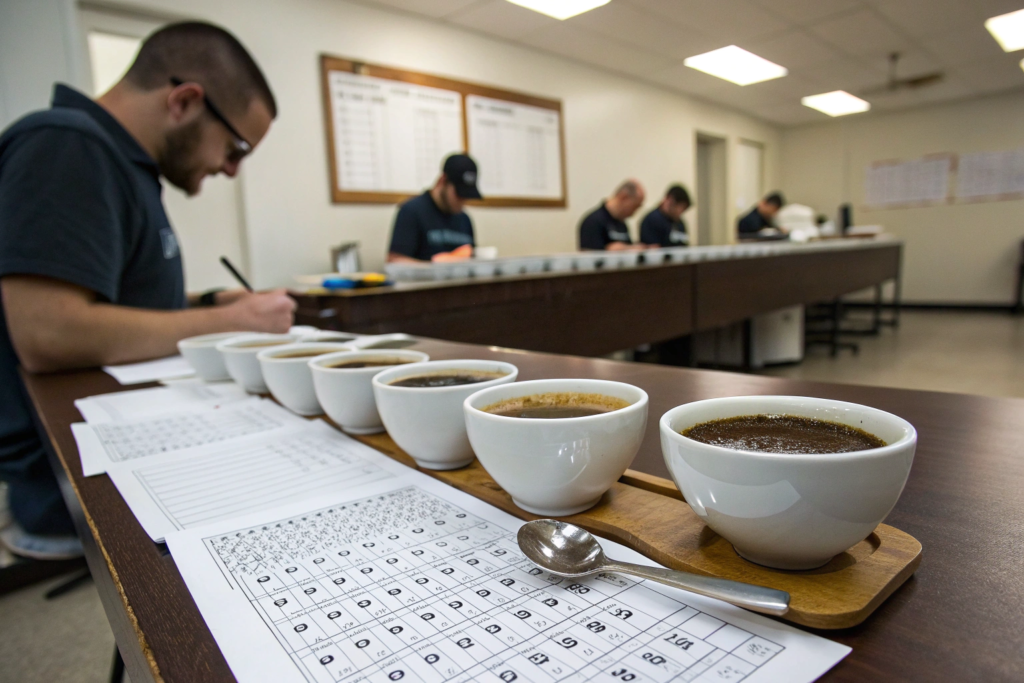
This is the heart of the exam. You are presented with a set of coffee samples (typically 4-6) to cup and score blind. You must evaluate each coffee using the official SCA cupping form. The challenge is two-fold. First, you must score each attribute accurately and consistently. Second, your scores must align closely with the "calibration scores" provided by the licensed Q Instructor. Your total score for a coffee cannot deviate more than a set number of points (e.g., 2 points) from the instructor's score. If you are too harsh or too generous consistently, you will fail this module. This is why the system works—it forces graders worldwide to apply the standards in the same way. It ensures that an 85 from one grader means the same as an 85 from another. This calibration is the bedrock of its value in global trade.
How Do You Maintain the Certification and What Comes After?
Passing the exam is a huge achievement, but it's not the end. A Q Grader certification is not permanent. It's a license to practice a standard, and like any professional license, it requires renewal to ensure your skills remain sharp and calibrated to the global community.
Your initial certification is valid for three years. To renew, you must earn a minimum of 20 continuing education (CE) credits within that three-year period and pay a renewal fee. Credits can be earned in various ways: by re-taking any Q series course (like Q Processing), attending official CQI/SCA events, participating in sanctioned calibration cuppings, or even teaching certain courses. The goal is to keep you engaged and your palate in check. After 15 years, or if you let your certification lapse for more than three years, you must re-take the entire grueling exam. This maintenance requirement is what keeps the credential respected.
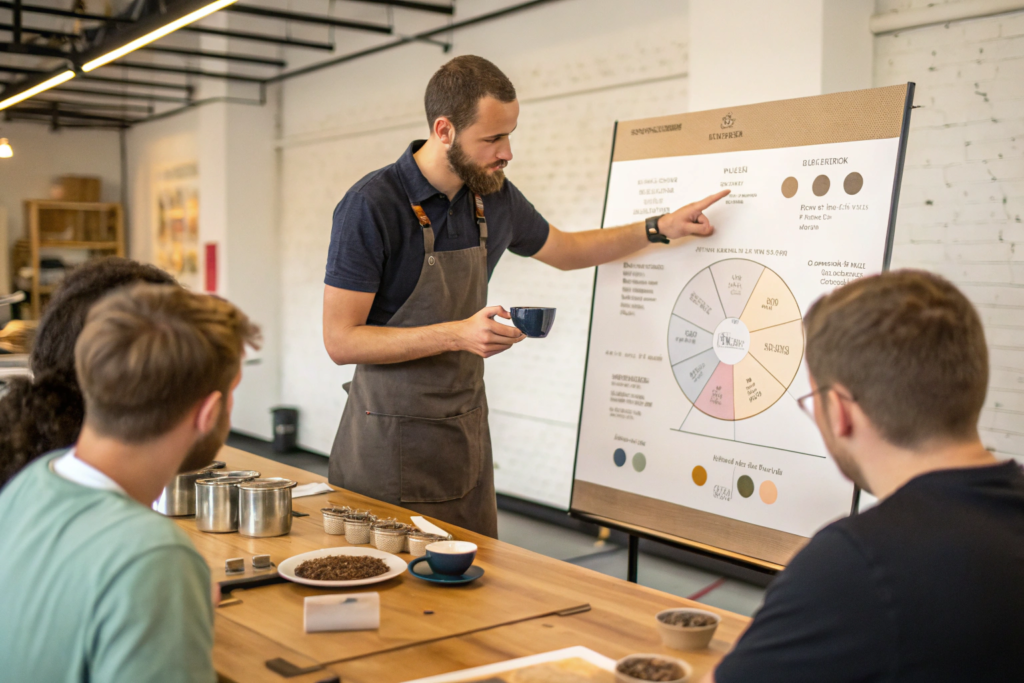
What is the Process for Q Grader Recertification Every 3 Years?
The recertification process is administrative but requires foresight. You need to track your CE credits through the CQI portal. Common activities include: attending the Annual CQI Q Symposium (worth credits), participating in official "Round Table" calibration cuppings hosted by a Lead Q Instructor, or completing other Q-series courses like Q Processing or Q Robusta. You submit proof of these activities. It’s a way to force you to stay connected to the community and the evolving standards. Honestly, many Q Graders find this process beneficial—it's a structured reason to refresh knowledge and network. Before your expiration date, you submit your credits and fee online. If you fail to earn enough credits, your certification becomes inactive, and you cannot legally use the Q Grader title professionally until you rectify the situation.
What Advanced Certifications Can a Q Grader Pursue?
After conquering the Q Arabica Grader exam, the learning path continues. The natural progression is to become a Q Instructor, which allows you to teach and administer the Q Grader courses. This requires years of professional experience, mentorship, and a separate application and assessment process. Another path is the Q Robusta Grader certification, which applies the same rigorous system to Robusta coffee—a growing segment of the specialty market. For those interested in the science of production, the Q Processing course delves deep into how harvesting, drying, and milling methods affect quality. These advanced certifications allow a professional to specialize further, becoming an even more valuable resource for companies engaged in the complex, global export of coffee, from producers to traders.
Conclusion
Becoming a Certified Q Grader is a demanding journey of sensory discipline, theoretical study, and practical application. It transforms a passion for coffee into a standardized, professional skill set that is the global currency of quality. The path requires significant investment in time, money, and dedicated practice, culminating in one of the most challenging exams in the food and beverage industry. But the reward is a credential that commands respect, opens international career doors, and plays a critical role in ensuring fairness and clarity in the global coffee trade.
For businesses like ours at BeanofCoffee, Q Graders are the guardians of our promise. They are the reason we can state with confidence that our Yunnan Arabica meets a specific, high standard. If you are a professional buyer, roaster, or quality manager looking to deepen your expertise and impact, pursuing the Q Grader certification is a profound step.
The world of coffee quality is complex, but built on a foundation of shared standards. If you have questions about how specific coffee qualities are evaluated from an exporter's perspective, or if you're looking for reliably graded beans from our estates, our team includes professionals who speak this language fluently.
For more information on our graded lots or to request samples evaluated under SCA protocols, please contact our sales lead, Cathy Cai, at cathy@beanofcoffee.com. Let's discuss quality in a language we all understand.