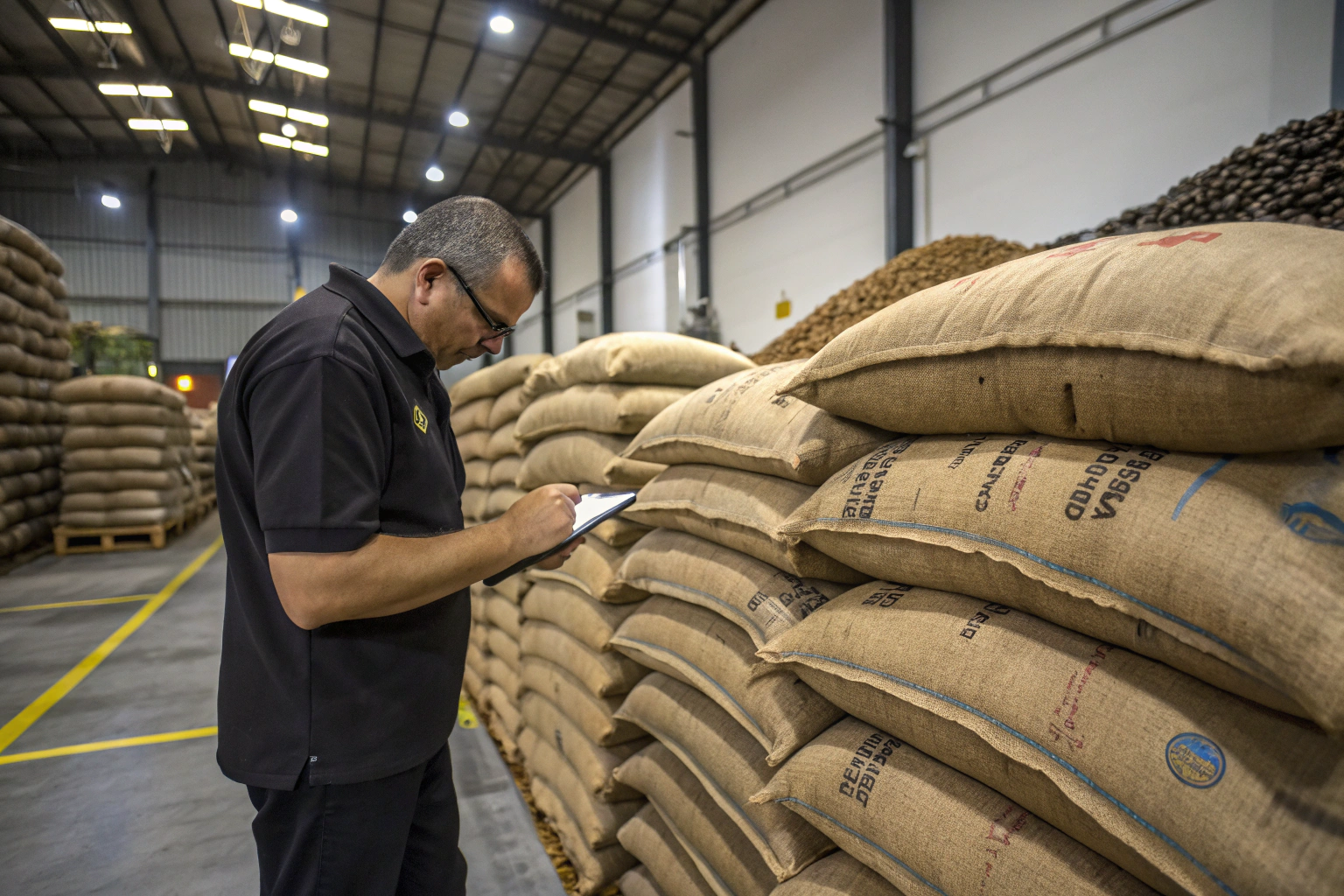
A distributor from Berlin called me last month. He'd been buying Catimor from a trader in Vietnam. Quality varied wildly. Prices changed every shipment. His roasters complained. His customers noticed. "There must be a better way," he said. There is.
Catimor coffee beans in bulk are available from origin countries like China, Vietnam, and Brazil. The best sources are producers who grow their own Catimor and control quality from farm to shipment. At BeanofCoffee, we cultivate Catimor across thousands of acres in Yunnan, ensuring consistent quality and reliable volume year-round.
Let me walk you through what actually matters when buying Catimor in bulk. Because Catimor isn't like other varieties. It has specific characteristics, specific uses, and specific challenges. Buy it right, and it's a workhorse that delivers consistent value. Buy it wrong, and you'll fight quality issues forever.
What Makes Catimor Different from Other Coffee Varieties?
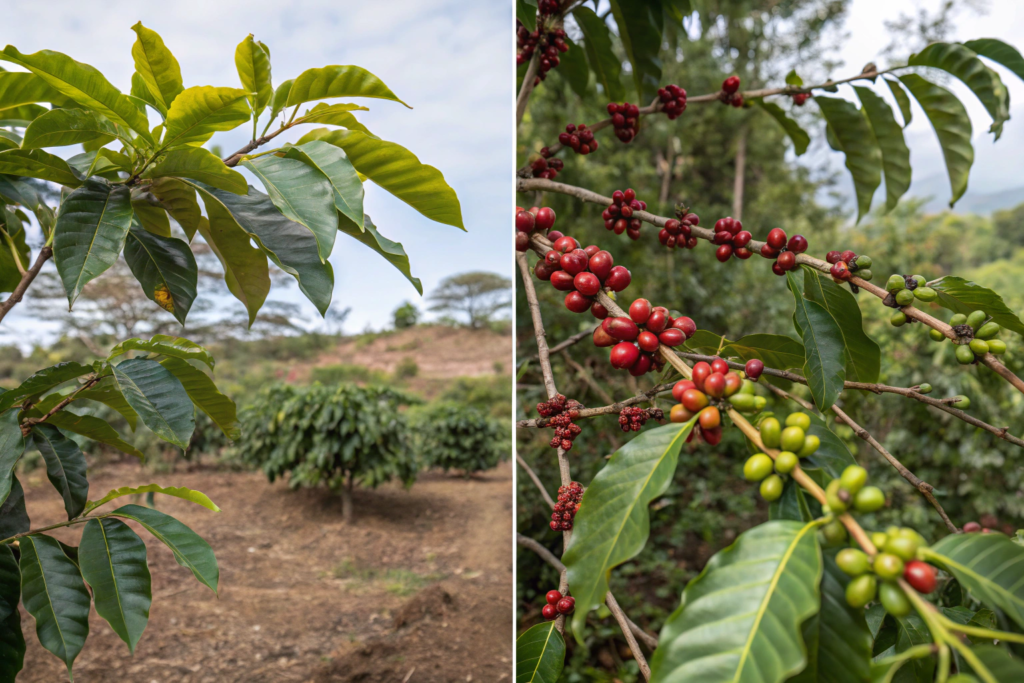
I remember the first time I walked through a Catimor plantation. The plants looked different—shorter, denser, more uniform. The cherries ripened at the same time. The beans looked smaller but felt heavier. I knew immediately this was a different kind of coffee.
Catimor is a hybrid cross between Timor coffee and Caturra. It combines Robusta's disease resistance and high yield with Arabica's cup quality potential. The result is a vigorous plant that produces consistently even in challenging conditions. But that Robusta heritage affects flavor too—Catimor can taste harsh if processed poorly.
Why do some roasters avoid Catimor?
Bad reputation follows Catimor. Early versions really did taste bad—harsh, earthy, one-dimensional. Some older plantations still grow those poor genetics. Buyers who tried Catimor twenty years ago remember that taste.
Modern Catimor is different. Breeding programs improved cup quality dramatically. Our best Catimor lots score 84 to 85 points. Not the highest specialty grade, but solid, reliable coffee that works beautifully in blends. The key is knowing your source. Check Catimor variety research for detailed information on genetic improvements over time.
What cup profile does good Catimor offer?
Good Catimor shows medium body, moderate acidity, and clean flavor. Think chocolate, nuts, maybe light fruit if processed well. It's not the wild fruity explosion of Ethiopian heirlooms. It's reliable, consistent, and blend-friendly.
For espresso blends, Catimor provides body and crema without harshness. For commercial roasts, it delivers consistent results batch after batch. For single-origin, it needs careful processing to shine. Working with Shanghai Fumao helps you select Catimor lots matched to your specific use.
Which Countries Produce the Best Bulk Catimor?
Catimor grows everywhere coffee grows. But not all Catimor is equal. Climate matters. Altitude matters. Processing matters. Some origins built their reputation on Catimor. Others grow it as a commodity.
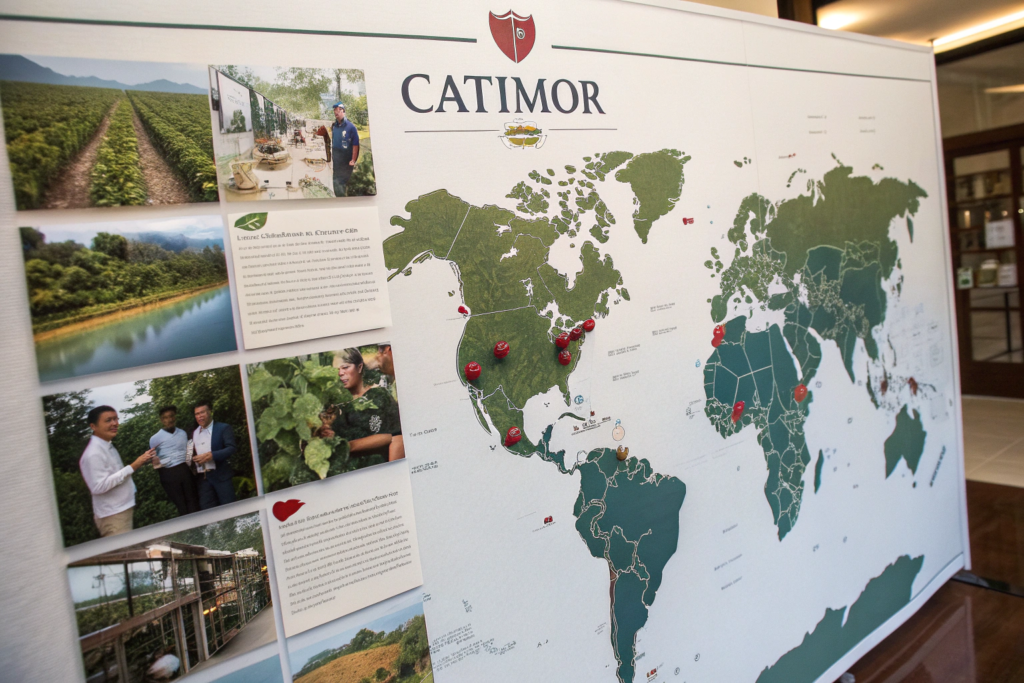
China's Yunnan province produces exceptional Catimor at altitudes from 1,000 to 1,600 meters. Vietnam grows enormous volumes but focuses on Robusta—their Catimor varies. Brazil plants Catimor widely, often for commercial blends. India produces interesting Catimor with unique processing traditions. Each origin offers different characteristics.
Why choose Yunnan Catimor?
Yunnan's climate suits Catimor perfectly. Warm days, cool nights, distinct wet and dry seasons. Our mountains provide altitude without extreme temperatures. The beans mature slowly, developing better flavor.
We've grown Catimor in Yunnan for over 20 years. We know which microclimates produce which profiles. We separate lots by altitude and processing method. Buyers get consistency that's hard to find elsewhere. Visit Yunnan coffee origin guide for detailed information on why this region works for Catimor.
How does Vietnamese Catimor compare?
Vietnam dominates Robusta production. Their Catimor acreage is smaller, often planted by farmers more comfortable with Robusta. Quality varies enormously.
Some Vietnamese Catimor is excellent—particularly from higher elevations in the Central Highlands. But finding consistent lots requires relationships and testing. We've visited Vietnamese farms and learned their methods. Working with partners like Shanghai Fumao gives you access to vetted Vietnamese sources alongside our Yunnan production.
What Quality Factors Matter When Buying Catimor in Bulk?
Bulk buying changes everything. Small lots hide problems. Large lots expose them. You can't inspect every bean, but you must trust your supplier's systems. Without trust, bulk buying becomes gambling.
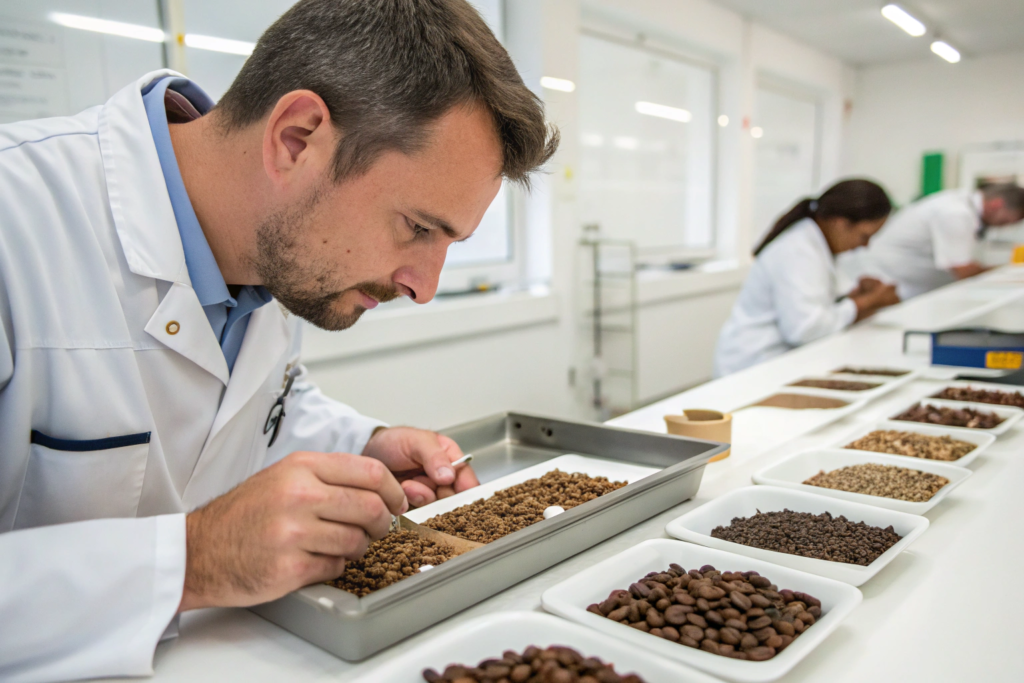
Catimor bulk purchases require attention to screen size distribution, defect counts, moisture content, and density. Consistent processing matters enormously—Catimor's hybrid nature means it responds poorly to sloppy handling. Always request samples from multiple lots before committing to volume.
What screen sizes should you expect?
Catimor beans run smaller than traditional Arabica. Screen size 15 to 17 is typical. Few beans reach screen 18. This isn't a defect—it's variety characteristic.
Problems arise when lots mix wildly different sizes. Roasting becomes inconsistent. Some beans over-roast while others underdevelop. We use gravity tables to sort by density, then screen graders to ensure size consistency. Every lot we ship has documented size distribution. Review green coffee grading standards for acceptable size ranges.
How many defects are acceptable in bulk Catimor?
Specialty grade allows zero full defects and fewer than 8 partial defects per 300 grams. Commercial grade allows more. But defect counts matter more for Catimor because its Robusta heritage can amplify off-flavors.
We target specialty grade for all our Catimor exports. Even buyers using Catimor for blends deserve clean beans. One moldy bean in a batch can ruin hundreds of pounds. Our sorting lines remove defects before bagging. Check coffee defect classification guides for what counts as a defect.
How Do You Verify Catimor Quality Before Bulk Purchase?
Trust but verify. Every supplier claims quality. Few provide proof. Smart buyers test before they buy. They don't rely on certificates alone.
Always request pre-shipment samples. Roast them. Cup them. Compare them to your benchmarks. If possible, visit the origin or send a representative. For Catimor specifically, test how it performs in your roast profile—not just how it tastes cupped.
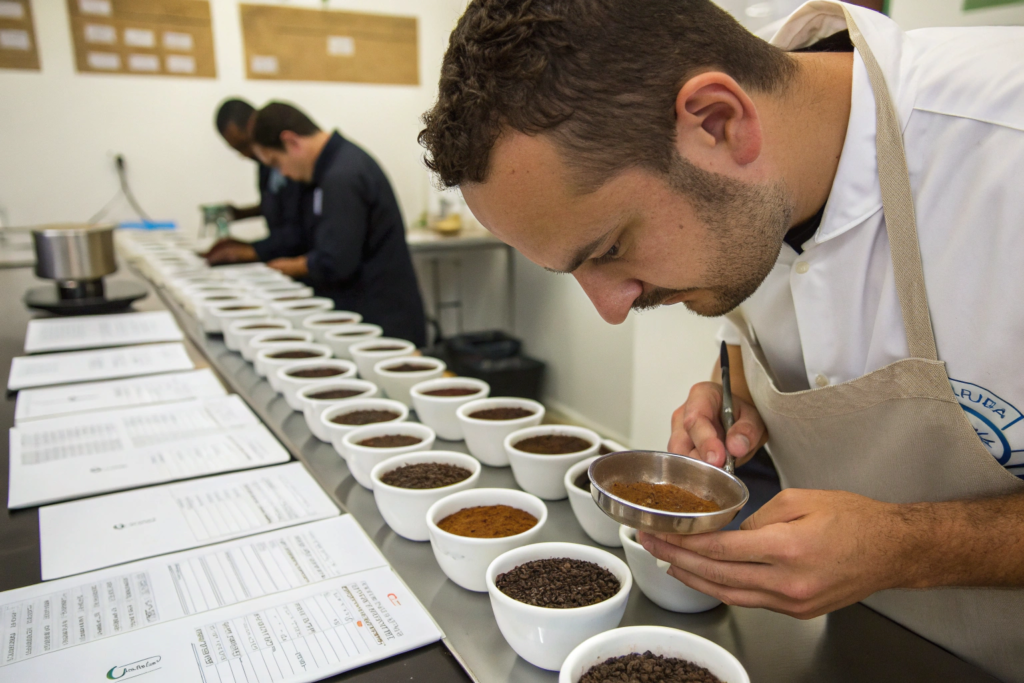
What roast tests reveal Catimor quality?
Roast Catimor the way you'll use it. If it's for espresso, roast espresso. If it's for blend, roast blend. Don't cup it as single-origin if you'll never sell it that way.
Watch how beans develop. Good Catimor roasts evenly, hits first crack predictably, and shows consistent color. Problem Catimor roasts unevenly, with some beans dark while others stay light. That indicates mixed maturity or inconsistent density. Visit roasting profile development resources for guidance on testing new lots.
How many samples should you test?
Test at least three samples from different production dates. Catimor from early harvest differs from late harvest. Wet processed differs from dry. You need to understand the range, not just the best lot.
We send buyers samples from multiple lots automatically. We want them to see our consistency—or spot variations before they commit. Transparency builds trust better than any promise. Working with Shanghai Fumao means you get representative samples, not cherry-picked best ones.
What Volume Commitments Make Sense for Catimor?
Bulk buying means volume commitments. Too little, and shipping costs kill your margin. Too much, and you're stuck with coffee you can't use. Finding the balance requires understanding your consumption and your supplier's minimums.
Catimor bulk purchases typically start at container loads—around 19 metric tons for a 20-foot container. Smaller quantities are possible but cost more per pound. We work with buyers to schedule multiple shipments, so you commit to annual volume but receive just-in-time inventory.

What's the minimum viable bulk order?
For true bulk pricing, you need a full container. Less-than-container loads incur higher freight costs per pound. Sometimes those costs offset the benefits of bulk buying.
We offer consolidated shipping for smaller buyers. Multiple buyers share a container, split the freight, and receive at different ports. Not ideal, but workable. Better to find a partner who can handle your actual volume without forcing you into oversized commitments. Review coffee shipping cost calculators to understand how container loading affects per-pound costs.
How do contracts protect both buyer and seller?
Good contracts specify quality parameters, delivery windows, payment terms, and dispute resolution. They also include force majeure—because crops fail, ships delay, and markets move.
We use standard Green Coffee Association contracts adapted for Catimor specifics. Quality definitions match industry standards. Arbitration provisions protect both parties. No surprises, no hidden clauses. Visit Green Coffee Association contract templates to understand standard terms.
Conclusion
Catimor offers reliability, consistency, and value when sourced correctly. It won't win cupping competitions against rare Ethiopians. But it will deliver dependable performance in blends, commercial roasts, and espresso programs. The key is finding a supplier who grows their own Catimor, controls processing carefully, and provides transparent documentation.
At Shanghai Fumao, we've grown Catimor for over two decades across our Yunnan plantations. We know its quirks, its strengths, and its limitations. We separate by altitude, process carefully, and test everything. Our Catimor buyers get consistent lots year after year.
If you're ready to add reliable Catimor to your sourcing portfolio, contact our export manager, Cathy Cai. She'll send you samples from current harvest, share our quality data, and discuss volume options that fit your business. Email her at cathy@beanofcoffee.com. Tell her what you're currently using Catimor for and what challenges you've faced. She'll respond within 24 hours with solutions that actually work.