A buyer from Melbourne called me last year. He'd tried a coffee labeled "96-hour anaerobic fermentation." Cost him double his usual price. He loved it—intense fruit, wine-like complexity, unlike anything he'd tasted. But he wondered: was it worth the premium? Could he sell it to customers who expected traditional coffee?
Long fermentation processes (48 to 120+ hours) develop complex flavor compounds impossible to achieve with standard methods. They can create intense fruit notes, wine-like acidity, creamy body, and unique aromatics. But they also increase risk, require precise control, and produce inconsistent results across batches.
Let me walk you through what long fermentation actually does to coffee. Because the benefits are real—but so are the challenges. Understanding both helps you decide whether these processes fit your portfolio.
What Happens Chemically During Long Fermentation?
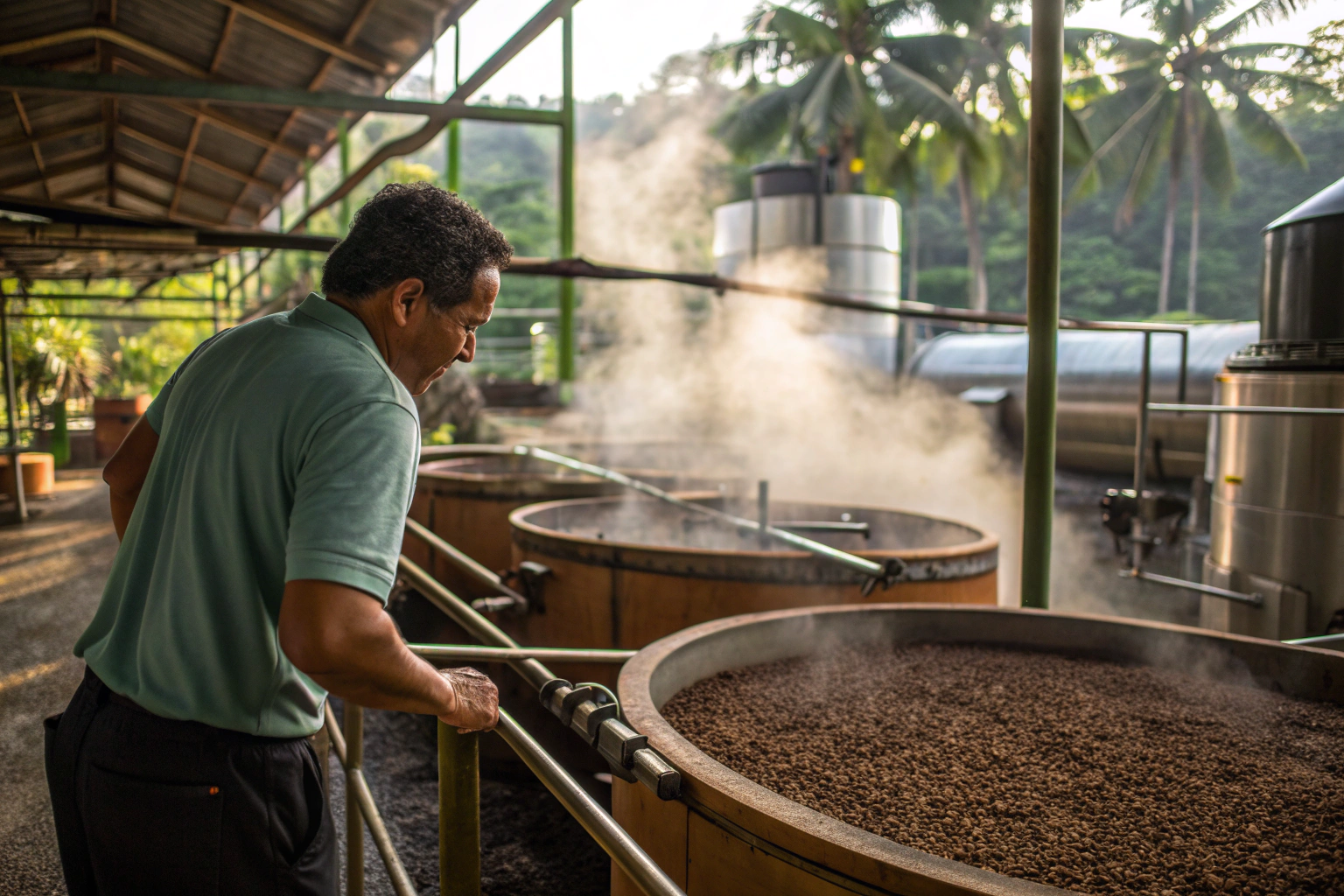
I remember visiting a farm in Colombia where they fermented coffee for 72 hours. The smell around the tanks was incredible—like ripe fruit, wine, flowers. The farmer explained that time allows microbes to transform compounds in ways short fermentation can't.
During extended fermentation, microbes break down mucilage sugars into acids, alcohols, and esters. These compounds interact with bean chemistry, creating new flavor precursors. Longer time allows more complex reactions—but also risks over-fermentation if not controlled precisely.
What compounds develop during long fermentation?
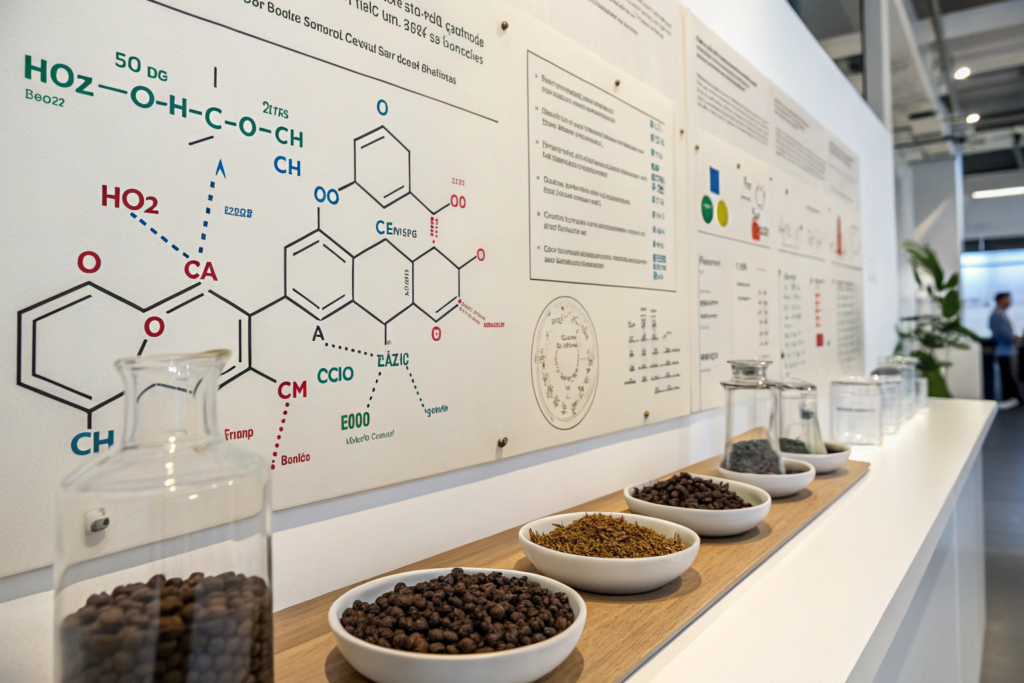
Esters form—these create fruity, floral aromatics. Acids develop—lactic, acetic, citric—adding complexity and brightness. Alcohols appear briefly before converting to esters. Glycerol increases, adding body and mouthfeel.
The specific compounds depend on microbes present, temperature, oxygen levels, and duration. No two long fermentations produce identical results. That's both the magic and the frustration. Check coffee fermentation chemistry research for detailed analysis of compound development over time.
How does fermentation time affect flavor intensity?
Generally: longer time equals more intense flavor. But there's a peak. Too long, and pleasant complexity turns to overwhelming ferment, vinegar, rot.
Optimal timing varies by altitude, temperature, and desired profile. 48 hours might be perfect for one farm; 96 hours right for another. We test different durations constantly to find sweet spots. Working with Shanghai Fumao helps us share these findings with buyers seeking specific profiles.
What Flavor Benefits Does Long Fermentation Create?
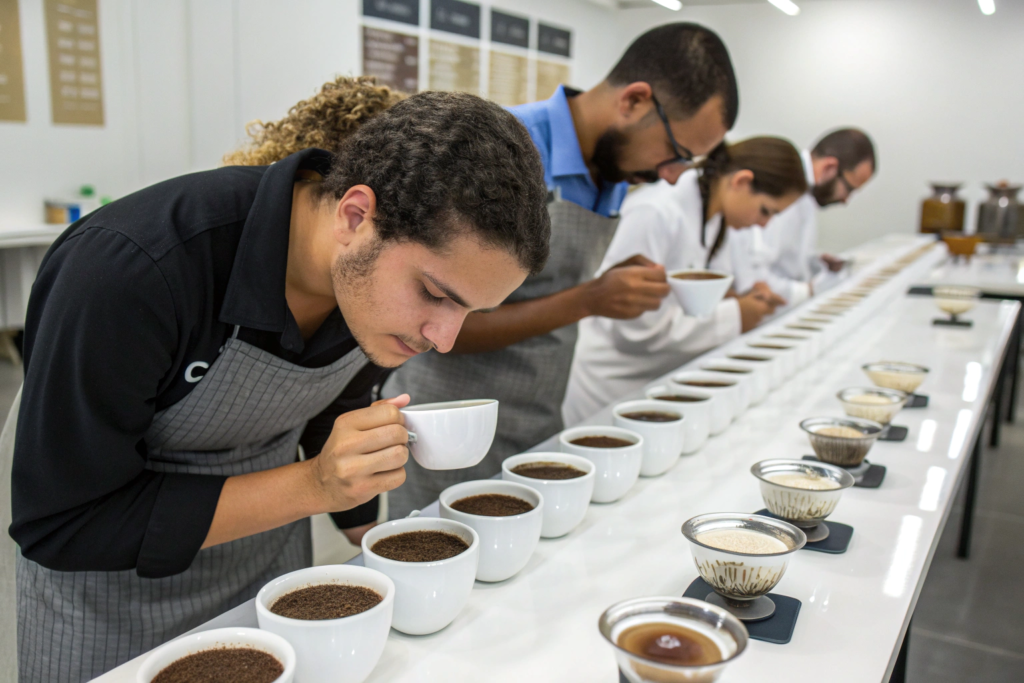
The first time I cupped a 72-hour anaerobic coffee, I couldn't believe it was coffee. Tasted like passion fruit, yogurt, white wine. My traditional washed coffees seemed boring by comparison. But would customers pay for that difference?
Long fermentation can create flavors impossible with standard processing: tropical fruit (passion fruit, pineapple), wine (white wine, red fruit), dairy (yogurt, cream), and floral (jasmine, rose) notes. These flavors are intense, complex, and memorable—perfect for differentiation.
What specific flavor notes appear?
Strawberry, blueberry, passion fruit from extended anaerobics. Wine, champagne, sherry from longer naturals. Yogurt, kefir from lactic fermentation. Whiskey, rum from thermal shock combinations.
The variety is endless. Each farm develops signature profiles. Some become known for specific flavor families. Visit long fermentation coffee flavor guides for professional tasting notes on extended-process coffees.
How does body change with longer fermentation?
Body often increases. Glycerol development adds weight. Fats break down differently, coating your mouth. Long-fermentation coffees often feel creamier, fuller, more luxurious.
But not always. Some become tea-like and delicate. Depends on the process. Working with partners like Shanghai Fumao helps you find the body profile you want from extended fermentation.
What Are the Risks of Extended Fermentation?
I've lost lots to over-fermentation. Invested time, money, hope. Cupped them and tasted vinegar, rot, garbage. Dumped everything. It happens to everyone who experiments. The risk is real.
Extended fermentation risks include over-fermentation (vinegar, rot), inconsistent results between batches, higher sensitivity to temperature variation, and complete loss when conditions aren't perfect. Success rate for experimental lots can be as low as 50 percent in early attempts.
What causes fermentation failure?
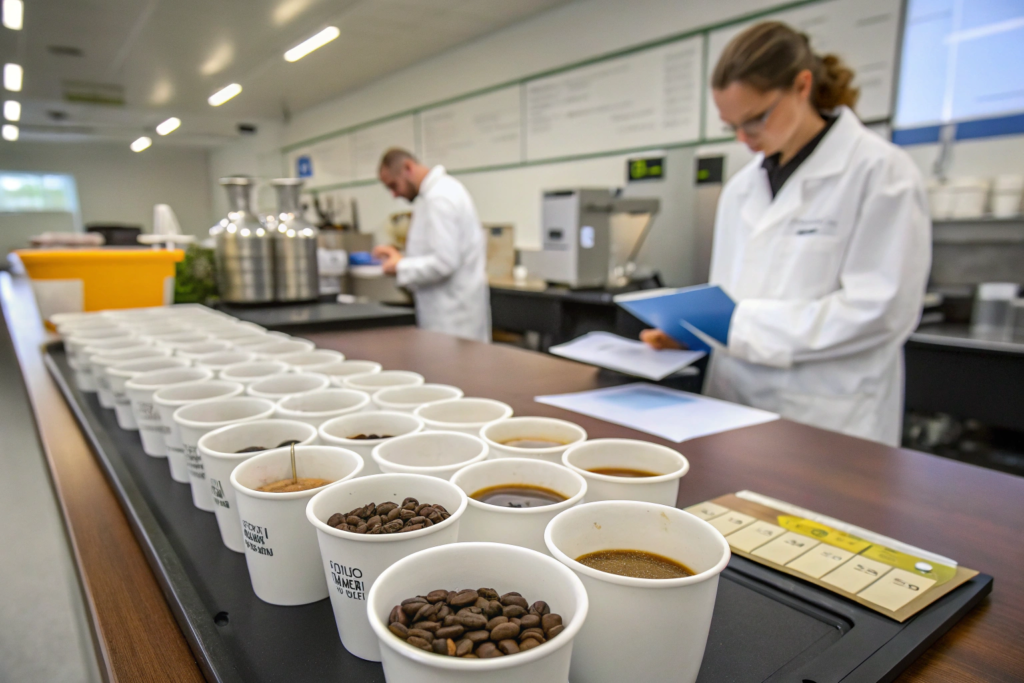
Temperature spikes kill good microbes, grow bad ones. Oxygen leaks into anaerobic tanks, spoiling the process. Time goes too long—forgotten tanks become vinegar. Contamination introduces off-flavors.
Experience reduces failures but never eliminates them. Even experienced producers lose batches. It's the nature of biological processes. Check coffee fermentation failure analysis for common problems and prevention.
How do you know when fermentation is done?
Sensory monitoring. Smell the tanks. Taste the liquid. Measure pH, temperature, brix. Watch for changes. When development peaks, stop immediately.
We monitor every tank constantly. Log data every hour. When target reached, we drain and dry fast. Minutes matter. Working with Shanghai Fumao ensures we have resources to monitor properly.
How Does Long Fermentation Affect Processing Efficiency?
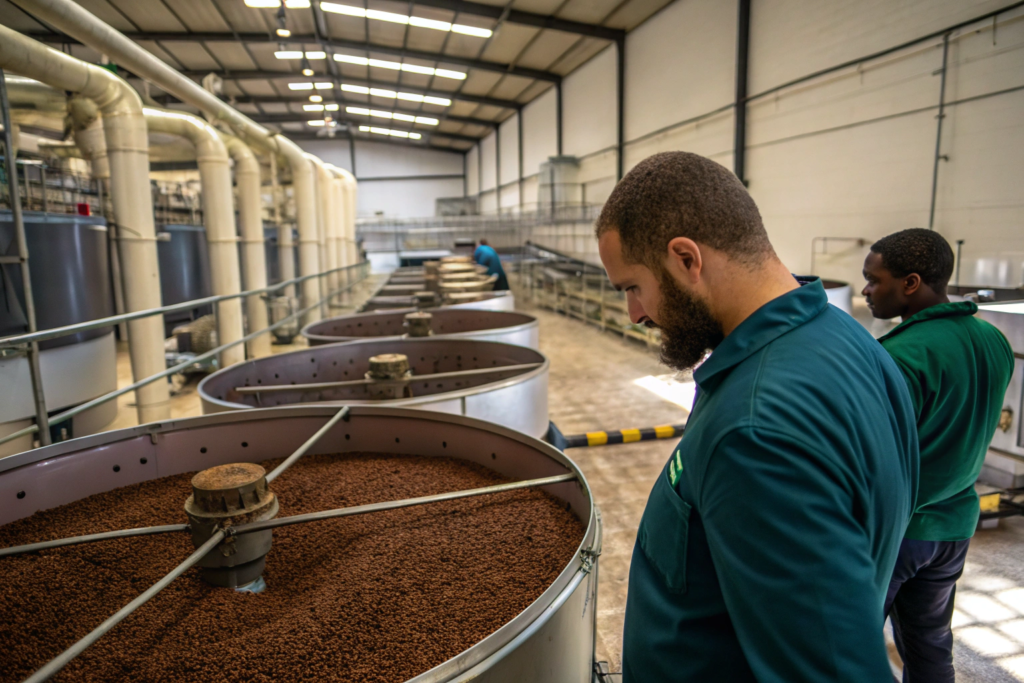
Long fermentation ties up tanks for days. One tank per batch, limited throughput. You can't process as much coffee. Efficiency drops. Costs rise.
Long fermentation reduces processing capacity by 50 to 80 percent compared to standard methods. Tanks occupied longer. Workers monitoring constantly. Slower drying required. All increase costs significantly—hence premium pricing.
How much longer does processing take?
Standard fermentation: 12 to 36 hours. Long fermentation: 48 to 120+ hours. That's 2 to 10 times longer occupying tanks.
Drying also takes longer because beans have absorbed more moisture and require gentle handling. Total processing time from cherry to dried bean can double or triple. Visit coffee processing time comparisons for detailed timelines.
What infrastructure is required?
Stainless steel tanks with temperature control. Seals for anaerobic conditions. Monitoring equipment. Backup power for temperature control. More tanks for same volume.
Investment is substantial. That's why long-fermentation coffees cost more. Producers must recover equipment costs and compensate for lower throughput. Review fermentation facility requirements for equipment recommendations.
How Do You Choose Long-Fermentation Coffees for Your Portfolio?
Long-fermentation coffees aren't for everyone. They're not for every customer. They're specialty products for specific markets. Choose strategically.
Use long-fermentation coffees for limited releases, special offerings, and customer education. Don't make them your core. Allocate 5 to 15 percent of portfolio to experimental processes. Let customers discover them as treats, not everyday coffee.
Which customers appreciate long-fermentation?
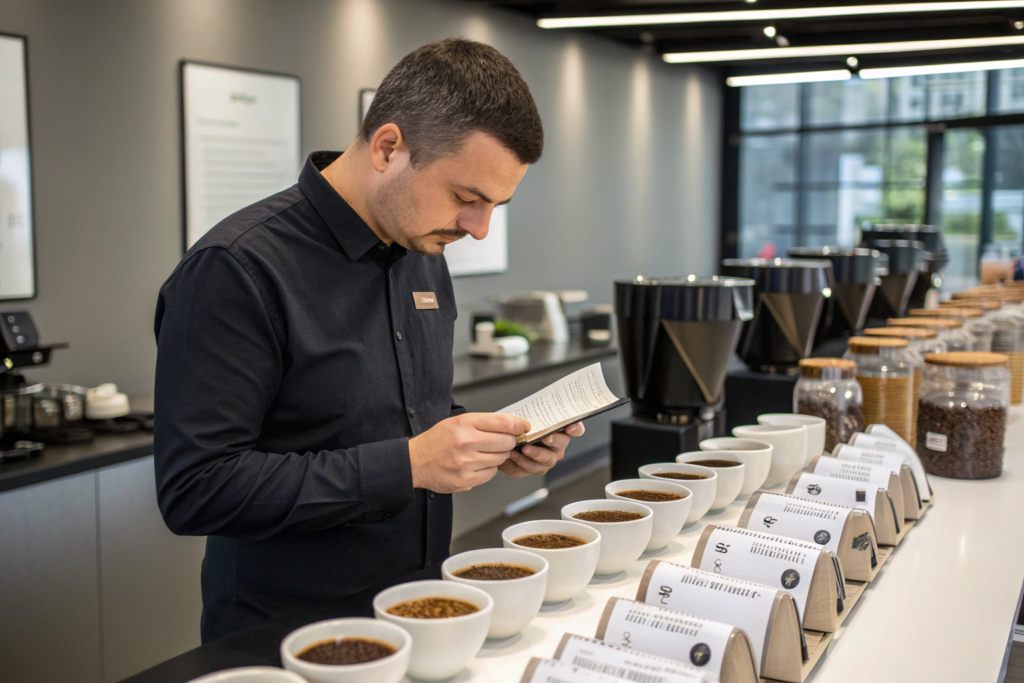
Adventurous drinkers. Home enthusiasts who seek novelty. Coffee shops competing on uniqueness. Roasters building brand stories.
These customers pay premium prices because they value difference. They're not looking for everyday coffee—they're looking for experiences. Working with Shanghai Fumao helps you identify which lots fit which customer segments.
How do you price long-fermentation coffee?
Price reflects risk, time, equipment, and exclusivity. Expect to pay 50 to 200 percent more than standard lots from same origin.
But you can't simply mark up. You must justify value through education, storytelling, and experience. Customers need to understand why this coffee costs more. Visit specialty coffee pricing strategies for guidance on premium product positioning.
Conclusion
Long fermentation processes offer remarkable benefits: unique flavors, enhanced complexity, memorable experiences. They differentiate your offerings and attract adventurous customers. But they also carry significant risks: failure, inconsistency, higher costs, reduced efficiency.
The key is balance. Use long-fermentation strategically, not exclusively. Celebrate successes, learn from failures. Build relationships with producers who've mastered these techniques. Educate customers about what makes these coffees special.
At Shanghai Fumao, we've spent years developing our long-fermentation program. We've lost batches, learned lessons, and perfected processes. Our anaerobic and extended natural lots now deliver consistently exciting results. We're proud to offer them alongside our traditional washed coffees.
If you're curious about adding long-fermentation coffees to your portfolio, contact our export manager, Cathy Cai. She'll share samples from our current experimental lots, explain our processes, and help you understand what makes each unique. Email her at cathy@beanofcoffee.com. Tell her what you're currently offering and what kind of experience you want to create. She'll respond within 24 hours with options that might surprise and delight your customers.