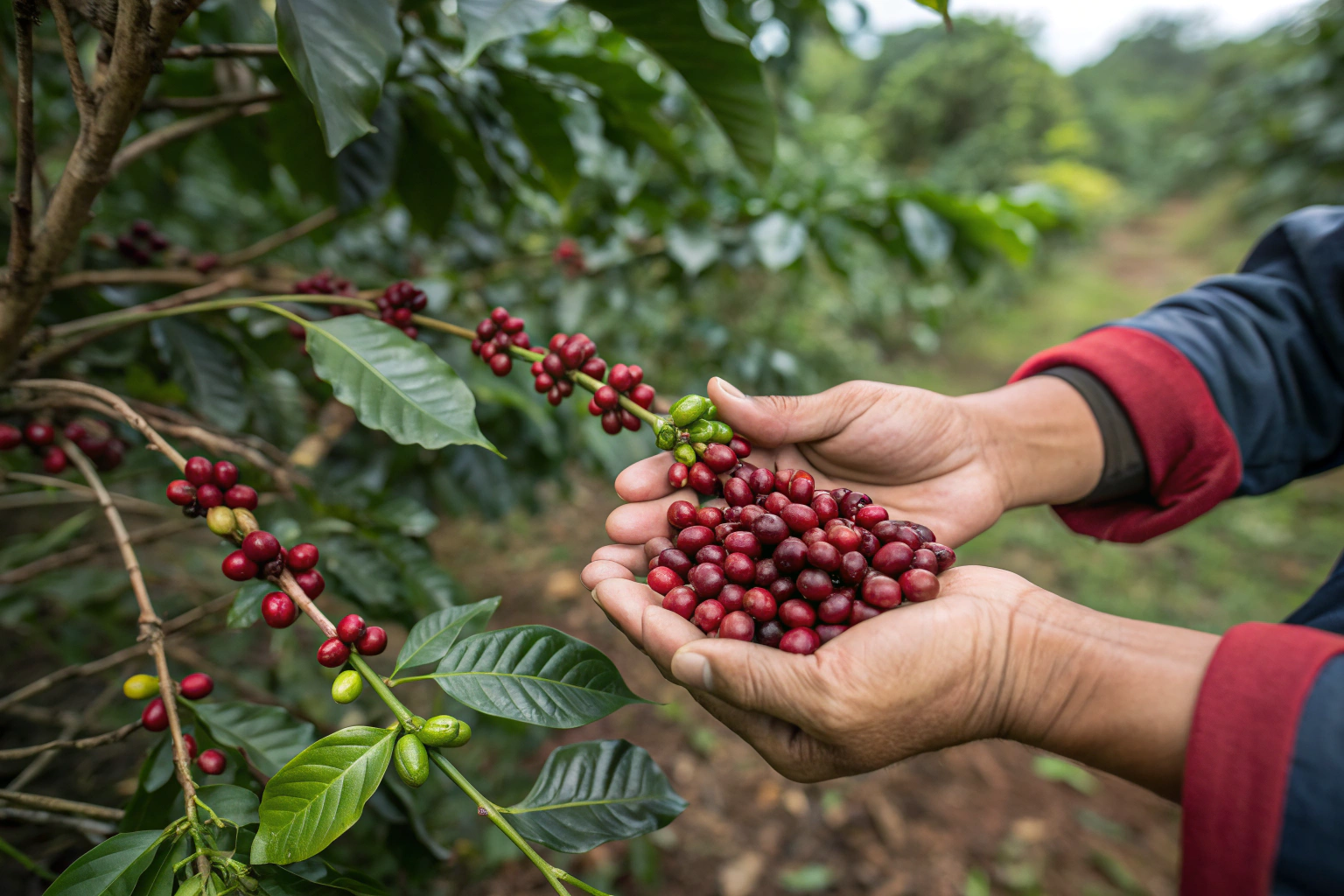
You've heard the buzz about Yunnan coffee. You're intrigued by its potential and the value it represents. But you're a discerning buyer, like my client Ron, and you're rightfully cautious. You know that "Yunnan coffee" is not a monolith; the quality can range from exceptional to mediocre. You're asking the most important question: "How do I bypass the noise and secure the best lots this region has to offer?" You're worried about ending up with a generic, uninspired coffee that fails to represent the true potential of this exciting origin.
Let me give you an insider's answer. Getting the best coffee from Yunnan is not about finding a secret spot on a map. It's a strategic process. To get the best coffee from Yunnan, you must focus on four key areas: sourcing from high-altitude micro-regions, prioritizing meticulous processing over generic methods, insisting on direct or near-direct trade relationships, and understanding the nuances of the local harvest seasons.
As the owner of Shanghai Fumao, a 10,000-acre estate nestled in the high mountains of Baoshan—one of Yunnan's premier micro-regions—this is the playbook we live by. We don't just sell coffee; we cultivate excellence. In this article, I will pull back the curtain and give you the specific, actionable strategies you need to source truly world-class coffee from my home province.
Why is Sourcing from High-Altitude Micro-Regions a Non-Negotiable?
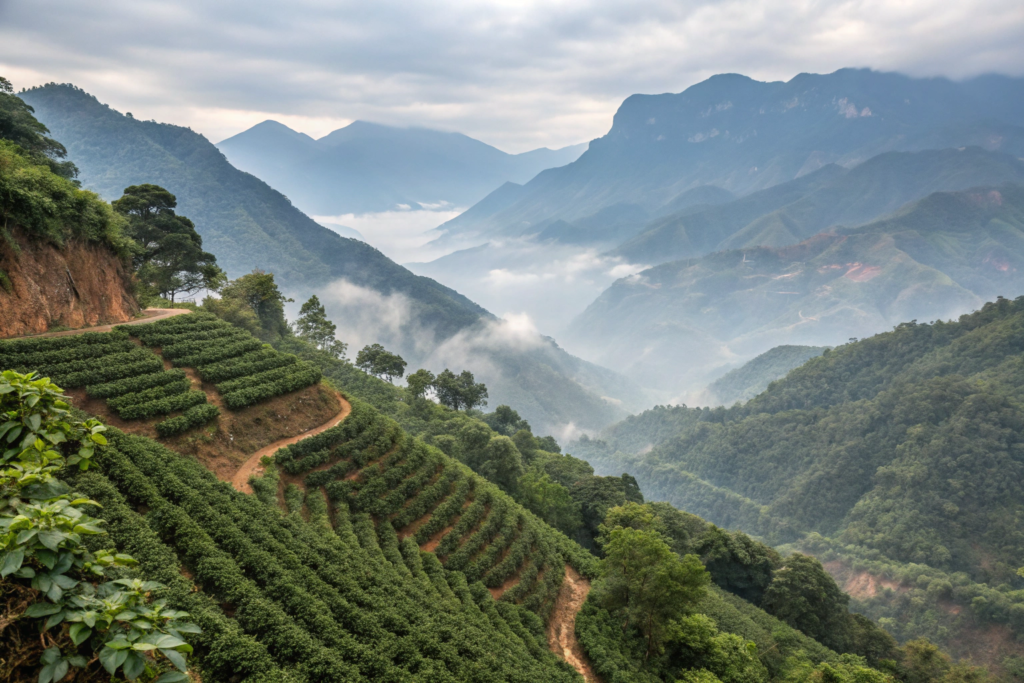
Not all of Yunnan is created equal. The province is vast, with a wide range of altitudes and climates. The single biggest factor separating generic Yunnan coffee from specialty-grade lots is altitude. You're looking for complexity and vibrant acidity in your coffee, and these qualities are born in the mountains.
The best coffee in Yunnan is grown at altitudes between 1,200 and 1,600 meters (4,000 - 5,250 feet) or even higher. At these elevations, the cooler temperatures and wider day-night temperature swings cause the coffee cherries to mature much more slowly. This extended maturation period allows the beans to develop a higher concentration of the sugars and complex organic acids that translate into a more aromatic, sweeter, and more complex cup. Lower-altitude coffee, in contrast, matures too quickly, resulting in a flatter, less interesting flavor profile.
Therefore, your first question to any supplier should be: "What is the specific altitude where this coffee was grown?" Don't accept "Yunnan" as an answer. Demand the specifics. Key high-altitude micro-regions to look for include Baoshan, Pu'er, and Menglian.
How Does Altitude Affect Acidity?
The slow maturation at high altitudes preserves more of the coffee's delicate malic and citric acids, which are perceived as a pleasant, bright, fruity acidity in the final cup. In lower-altitude coffee, these acids are often metabolized by the plant, leading to a duller taste.
Are All High-Altitude Coffees the Same?
No, the specific terroir of each mountain and farm still plays a huge role. However, altitude is the fundamental prerequisite for quality. It's the entry ticket to the world of specialty coffee. This principle holds true globally, as confirmed by coffee research institutions like World Coffee Research.
Why is Meticulous Processing the Key to Unlocking Flavor?
You can have the best cherries from the highest mountain, but if the processing is poor, the coffee is ruined. This is where many Yunnan producers falter and where the best ones shine. You're worried about "off" flavors, and processing is where they are either created or eliminated.
The best Yunnan coffee comes from producers who have moved beyond basic washed processing and have mastered advanced, meticulous techniques. When vetting a supplier, you need to ask about their specific methods:
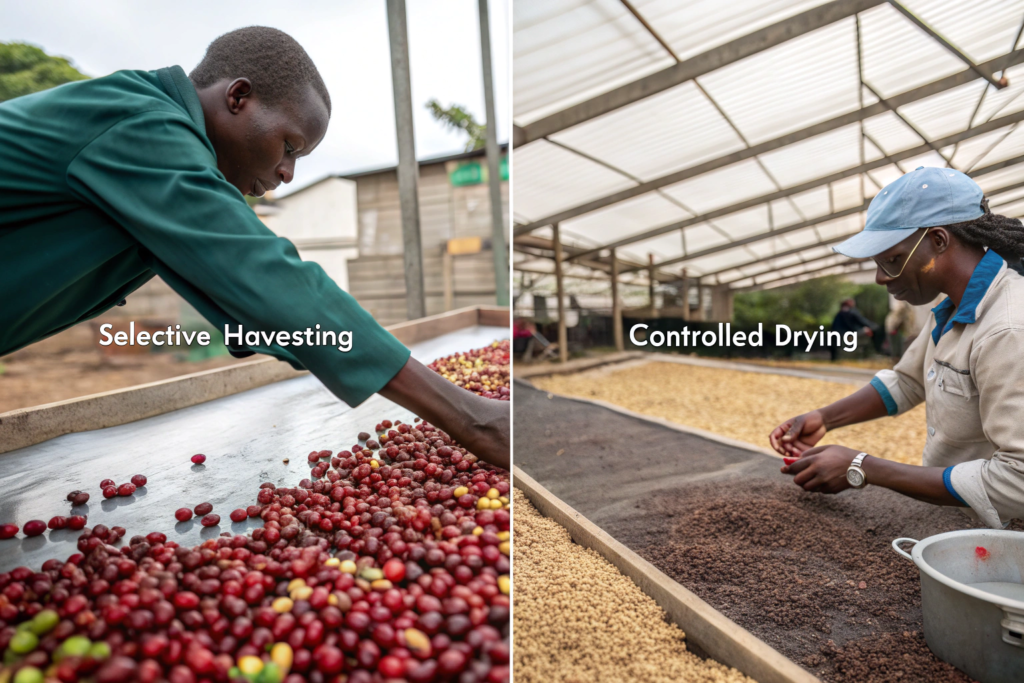
- Harvesting: Do they practice selective hand-picking of only ripe, red cherries, or do they strip-pick everything at once? This is the first and most critical quality sort.
- Fermentation: For washed coffees, do they use clean water and monitor their fermentation times, or do they just leave the beans in a tank overnight? For natural and honey coffees, do they control the process to create clean, fruity notes rather than funky, over-fermented ones?
- Drying: This is crucial. Are they drying the coffee slowly and evenly on raised African beds, which allow for better airflow and control? Or are they drying it too quickly on concrete patios, which can lead to inconsistent results?
A producer who can speak intelligently about their anaerobic fermentation protocols or their specific drying curves is a producer who is obsessed with quality. This is the partner you want. We've explored the importance of water in coffee processing, and this is just one piece of the complex processing puzzle.
What is a "Honey Process" Coffee?
In the honey process, the skin of the cherry is removed, but some or all of the sticky fruit mucilage (the "honey") is left on the bean during the drying process. It can result in a coffee with a great balance of sweetness, body, and clarity, and it's a sign of a more advanced producer.
Why are Raised Beds Better?
Raised beds allow air to circulate around the coffee from all sides, promoting slower, more even drying. This prevents the formation of mold and helps to lock in the coffee's delicate aromatic compounds. It's a more labor-intensive but qualitatively superior method.
Why is a Direct Trade Relationship Your Best Assurance of Quality?
The traditional Yunnan coffee supply chain can be long and convoluted, involving many small farmers, local collectors, and multiple layers of exporters. With each step, quality can be compromised, and traceability is lost. You're worried about consistency and not knowing the true origin of your coffee.
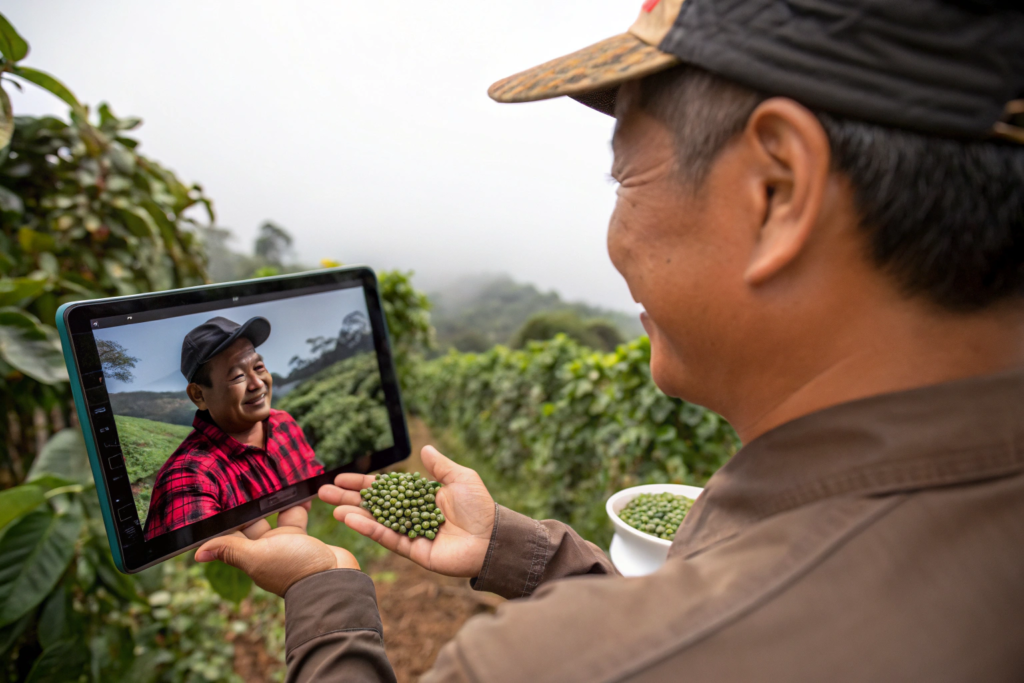
The single most effective way to get the best coffee is to shorten this supply chain. By establishing a direct trade relationship with a large, professional plantation or a reputable, quality-focused cooperative, you gain several key advantages:
- Complete Traceability: You know the exact farm, the specific lot, and the people who produced your coffee.
- Quality Control: You can communicate your quality requirements directly to the producer. You can discuss processing methods and agree on standards.
- Consistency: Working with a single, large estate like ours ensures a more consistent product from one shipment to the next, a key benefit of sourcing from a large plantation.
- Better Value: By cutting out the middlemen, more of the price you pay goes directly to the producer, while you often get a better final price. Finding a partner you can communicate with directly is the ultimate assurance of quality.
How Do You Find These Direct Partners?
Look for producers who have a professional online presence, who are active in the specialty coffee community, or work with a trusted importer who specializes in direct trade relationships. Attending industry trade shows like the Specialty Coffee Expo can also be a great way to meet producers face-to-face.
Is It Difficult to Import Directly?
It can seem daunting, but it's a structured process. A professional farm partner will be an expert in export and will guide you through the steps. We've created a detailed guide on how to import Yunnan coffee directly from a farm to demystify this very process.
How Can Understanding the Harvest Cycle Give You an Edge?
Coffee is a fresh, agricultural product. Buying it at the right time is crucial. You wouldn't buy strawberries in the middle of winter and expect them to be at their peak. The same is true for coffee.
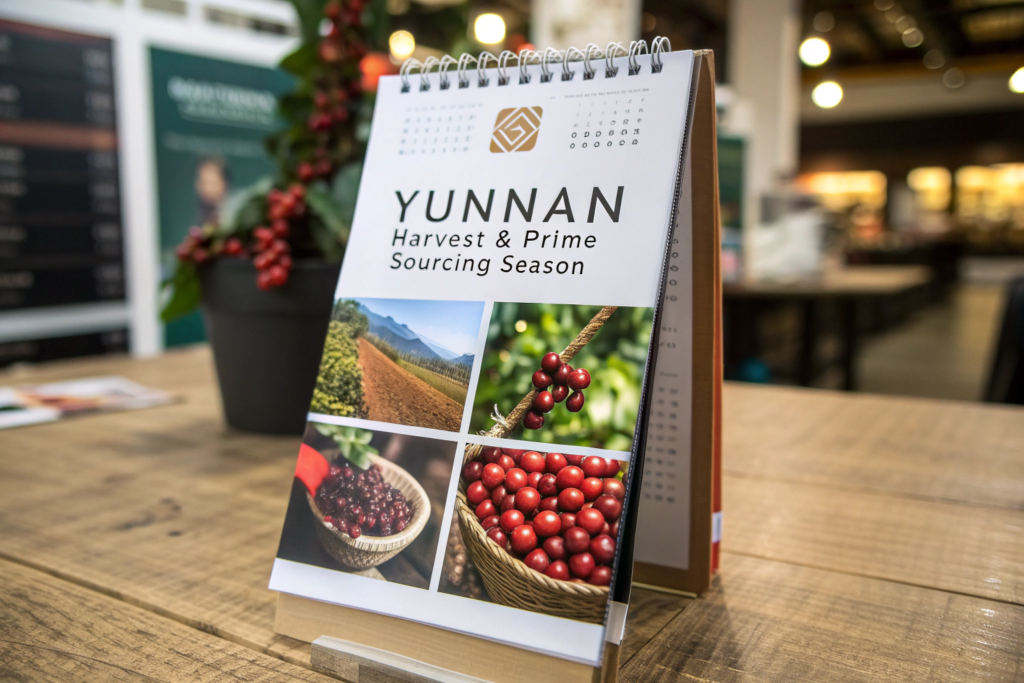
The main coffee harvest season in Yunnan runs from approximately December through March. The best time to start sourcing and requesting samples for the new crop is during this period and in the months immediately following (April-June), after the coffee has been processed, dried, and rested.
By aligning your sourcing efforts with the harvest cycle, you get several advantages:
- Peak Freshness and Flavor: You are tasting and buying the coffee when it is at its absolute best, with the most vibrant and intense flavors.
- Widest Selection: You get the first pick of the season's best lots before they are sold out.
- Better Information: Producers will have the most accurate data on their fresh crop during this time.
Trying to source new-crop Yunnan coffee in October will only lead to disappointment, as you'll likely be offered coffee from the previous year's harvest. Understanding this simple seasonality gives you a significant edge.
What is "Past Crop" Coffee?
"Past crop" refers to coffee from a previous harvest year. While it can still be good if stored perfectly, it will have lost much of its original vibrancy, acidity, and aromatic complexity. For the best coffee, you always want the freshest crop available.
How Long Should Green Coffee "Rest" After Drying?
After drying, green coffee benefits from a "rest" period of 30-60 days in a stable environment. This allows the moisture level within the beans to equalize and the flavor to stabilize. A producer who rushes their coffee to market without this rest period is a red flag.
Conclusion
Getting the best coffee from Yunnan is an achievable goal for any serious buyer. It requires moving beyond a generic regional label and adopting a more precise and strategic approach. It means seeking out high-altitude micro-regions, scrutinizing processing methods, shortening the supply chain through direct trade, and timing your purchases to the rhythm of the harvest.
By following these four principles, you transform yourself from a passive buyer into an active, informed sourcing specialist. You will be able to access the top tier of Yunnan's coffee production, securing lots that are not only unique and delicious but also offer incredible value. You will discover the true potential of this remarkable origin.
We are proud to be a partner for those who seek this level of quality. Our entire operation is built on these principles of excellence. If you are ready to discover the best that Yunnan has to offer, please reach out to my colleague, Cathy Cai, at cathy@beanofcoffee.com. Let's cup our new harvest together.