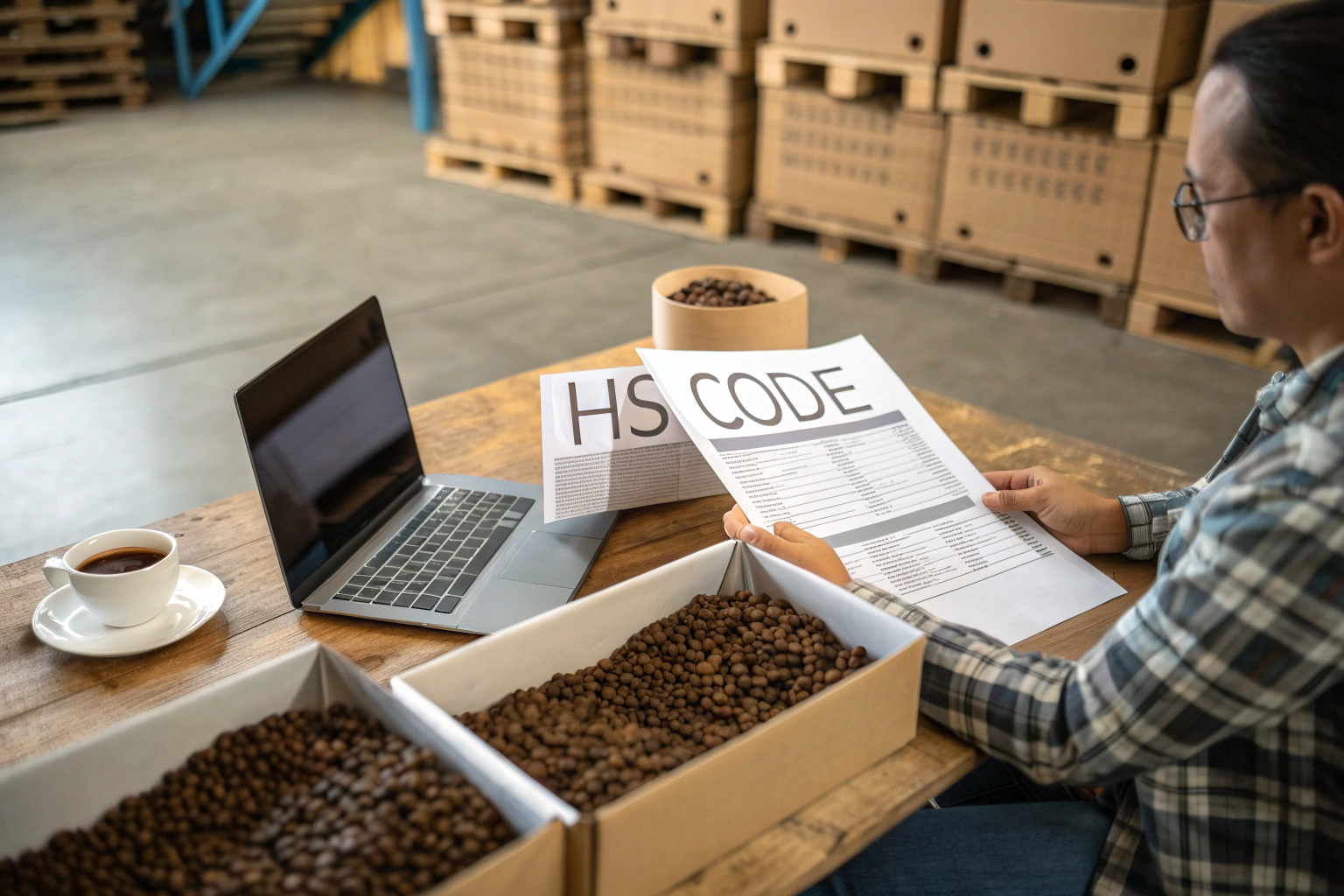
You're ready to ship. You've sourced the perfect roasted beans, maybe from a specialty roaster in Yunnan. The logistics are lined up. Then your freight forwarder asks: "What's the HS Code?" Suddenly, you're stuck. Get this number wrong, and you face customs delays, incorrect tariffs, even penalties. I've seen it happen. As an exporter, I know this small code is a big deal for smooth global trade.
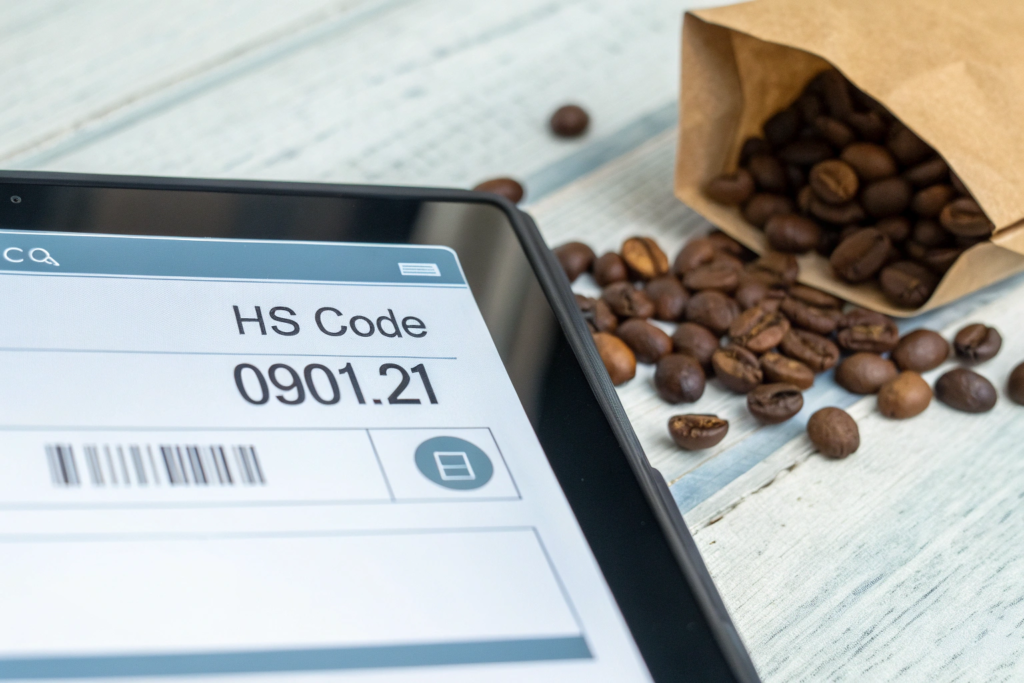
The HS Code for roasted coffee beans is 0901.21. This is the universal six-digit code under the Harmonized System (HS) used by most countries to classify and tax imported goods. It specifically denotes "Coffee, whether or not roasted or decaffeinated: roasted, not decaffeinated." Using the correct code is non-negotiable for accurate duty calculation and smooth customs clearance, especially for key markets like North America and Europe.
That's the direct answer. But here's what many don't tell you: 0901.21 is just the starting point. Your specific product details—like grind level or packaging—might require additional digits in national tariff schedules. And for green (unroasted) beans, the code is completely different. Let's break down why this code matters so much and how to use it correctly.
Why is the Correct HS Code Crucial for Coffee Export?
Think of the HS Code as a product's international passport. It tells customs authorities in the destination country exactly what's in the container. For you, the importer or exporter, it dictates three critical things: the applicable tariff costs, any import restrictions or quotas, and the required documentation. An error here doesn't just cause a delay; it can be costly.
Using the wrong code can lead to underpayment of duties, resulting in fines and back-payments with interest. Worse, it can lead to overpayment, which is money straight out of your margin. It can also trigger physical inspections, causing spoilage for time-sensitive goods like roasted coffee. For us at Shanghai Fumao, ensuring every shipment has the precise HS Code is part of being a reliable partner. We provide clear commercial invoices with the correct codes, so our buyers have no surprises at their port. This attention to detail is what builds a stable and trustworthy supply chain.
How Does the HS Code Affect Tariffs and Duties for U.S. Importers?
The HS Code directly determines the duty rate. For the U.S., the full tariff schedule extends the 6-digit HS code to a 10-digit number called a Schedule B number for export and an HTSUS (Harmonized Tariff Schedule of the United States) code for import. For roasted coffee (HS 0901.21), the U.S. generally applies a duty-free status. That's good news. But—and this is crucial—other fees still apply, like Merchandise Processing Fees (MPF). If you misclassify roasted beans under a different code, you might inadvertently trigger a duty. Also, for blends or differently processed products, the code can change. Using the correct code ensures you pay exactly what you owe, no more, no less. This predictability is key for your landed cost calculation and overall good price strategy.
What Are the Common Mistakes in Classifying Roasted Coffee?
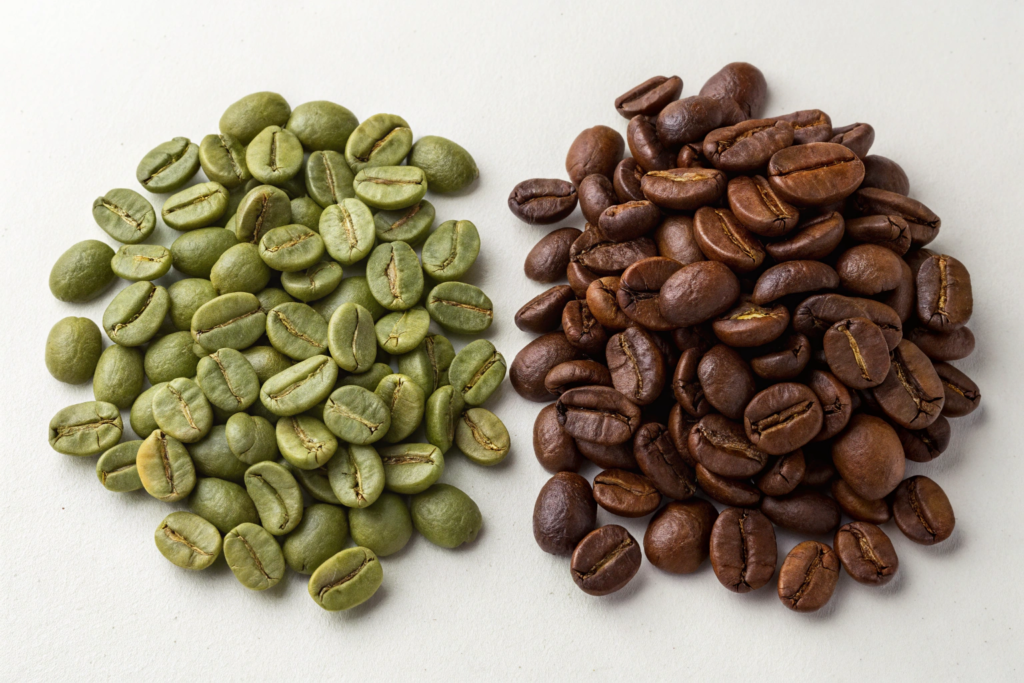
The most common mistake is confusing roasted and green (unroasted) coffee beans. They have separate codes. Green coffee beans fall under 0901.11. Another mistake involves grind level. While "roasted, not decaffeinated" (0901.21) typically covers both whole beans and ground coffee, some countries' extended tariffs may have sub-categories. A subtle but important distinction is for decaffeinated roasted coffee, which has its own code: 0901.22. Also, if your roasted coffee is part of a ready-to-drink kit or a blended product with significant additions, it may fall under a different chapter entirely. Always describe your product in the most basic, raw terms to customs or your broker. "Roasted Arabica coffee beans, whole" is a clear description that leads directly to 0901.21.
What is the Difference Between HS Codes for Green and Roasted Coffee?
This is a fundamental distinction with major implications. The HS system separates products based on their level of processing. Green coffee beans are considered a raw agricultural commodity. Roasted coffee beans are a processed food product. This difference affects tariffs, regulations, and even the required phytosanitary certificates.
Green coffee beans are classified under HS Code 0901.11 ("Coffee, not roasted, not decaffeinated"). This code is for the raw seed of the coffee cherry after milling and drying. Because it's a raw agricultural product, importers often need a phytosanitary certificate from the origin country to prove it's free from pests and soil. Roasted coffee beans (0901.21) have undergone a thermal process that changes their chemical structure and kills any potential pests. As a result, phytosanitary requirements are usually less stringent or not required at all, but food safety regulations (like FDA registration in the U.S.) become more prominent.
How Does Processing Change the Tariff Classification?
Processing adds value, and the tariff system reflects that. Many countries, to support domestic processing industries, impose higher tariffs on finished goods than on raw materials. However, for coffee, the situation is interesting. In many developed markets like the U.S. and EU, both green and roasted coffee often enter duty-free. But this isn't universal. Some countries protect their local roasting industries by taxing roasted coffee imports more heavily than green beans. Therefore, knowing the exact code for your product is the first step in researching your target market's specific tariff landscape. For an exporter like us, offering both green (0901.11) and roasted (0901.21) products means we must be experts in both lanes of documentation and compliance.
Are There Different Codes for Ground Coffee vs. Whole Beans?
Under the core 6-digit HS system (0901.21), generally no. The code "0901.21 - Roasted, not decaffeinated" typically encompasses coffee in all its roasted forms: whole bean, ground, even cracked. However, when you dive into a specific country's extended tariff schedule (like the 8-digit or 10-digit level), distinctions can appear. For example, a country might have separate sub-headings for "roasted coffee, not ground" and "roasted coffee, ground" for statistical purposes or to apply slight differences in regulatory treatment. The key is to start with the correct 6-digit code, then work with your freight forwarder or customs broker to find the precise national sub-code. This ensures 100% accuracy for that specific destination's logistics and customs system.
How to Find and Verify the HS Code for Your Shipment?
You can't just guess. Relying on a Google search or a competitor's old document is risky. The correct method involves using official resources and, when in doubt, getting a binding ruling from customs authorities.
Start with your country's official tariff database. In the U.S., that's the International Trade Commission's (USITC) HTSUS online. In the EU, it's TARIC. Use the product description to search. For "roasted coffee," you'll quickly find Chapter 09, heading 09.01, and the breakdown. Another excellent tool is the World Customs Organization's (WCO) online HS database, which provides the global 6-digit framework. However, the most reliable method for a high-value, regular shipment is to consult a licensed customs broker. They interpret the codes daily. For absolute certainty, especially for a novel product, you can apply for a Binding Ruling (in the U.S.) or similar advance classification decision from the destination country's customs agency. This gives you legal protection.

What Official Resources Can You Use to Look Up HS Codes?
Here are the primary official resources:
- World Customs Organization (WCO) HS Database: Provides the foundational 6-digit codes.
- U.S. International Trade Commission (USITC) HTSUS: The official U.S. tariff schedule.
- European Commission's TARIC Database: The integrated Tariff of the European Union.
- Your own country's Customs Administration website: They all publish their national tariff schedules.
A practical tip: Use the general rules of interpretation for the HS. They are legal rules that guide you on how to classify goods. For example, if a product could fall under two codes, these rules help decide. For roasted coffee beans, the classification is usually straightforward, but for coffee blends with chicory or other additives, these rules become essential.
When Should You Request a Binding Ruling from Customs?
You should consider a binding ruling when:
- You are importing a new or unusual product (e.g., coffee infused with flavors after roasting, or a roasted coffee and cocoa blend).
- The classification is unclear, and you've received conflicting advice.
- The shipment value is very high, and the financial risk of misclassification is significant.
- You plan to import the product regularly and want complete certainty.
A binding ruling is a legal document from customs. It states how your product will be classified. It protects you from future classification changes or penalties for that product. The process can take time (several months in some cases), so plan ahead. It's a tool for establishing long-term, stable import procedures.
What Other Documents Are Needed Alongside the HS Code?
The HS Code is a critical piece of data, but it's just one item on a checklist of export/import documents. Getting the code right but messing up another document will still cause delays. For a successful shipment of roasted coffee, you need a complete packet.
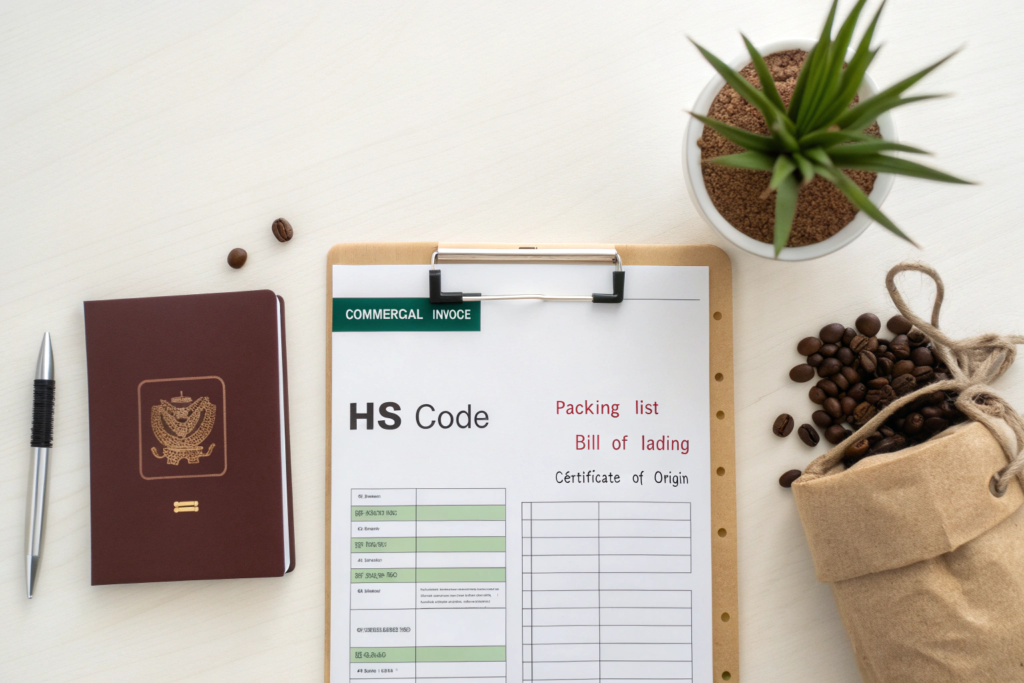
The essential documents include:
- Commercial Invoice: This must clearly state the HS Code, value, weight, and description of the goods.
- Packing List: Details how the goods are packed in the container.
- Bill of Lading (or Air Waybill): The contract of carriage and title document.
- Certificate of Origin: Sometimes required to claim preferential tariff treatment under trade agreements.
- Food Safety/Health Certificates: For roasted coffee entering the U.S., the FDA requires prior notice, and the foreign facility must be registered. While not a document you physically ship, this is a mandatory regulatory step managed by the U.S. importer. An exporter like Shanghai Fumao facilitates this by providing all necessary facility and product details.
Is a Phytosanitary Certificate Required for Roasted Coffee?
Typically, no. The roasting process (which reaches high temperatures) is considered a pest mitigation treatment. Most countries waive the phytosanitary certificate requirement for properly roasted coffee beans. This is a key logistical advantage over green bean exports. However, regulations can change. It is always the importer's responsibility to confirm the latest requirements with their customs broker or national agriculture department. The rule of thumb: green beans almost always need one; roasted beans usually do not. But "usually" isn't "always." Check.
How Do You Ensure All Documentation is Consistent?
Consistency is king. The product description and HS Code must match exactly across all documents—commercial invoice, packing list, and bill of lading. A mismatch is a red flag for customs. Here's a simple system:
- Master Description: Create one precise product description (e.g., "Premium Roasted Arabica Coffee Beans, Whole, 60kg/bag").
- Master Code: Confirm the exact HS Code (e.g., 0901.21.0000 for the U.S.).
- Replicate: Use this description and code identically on every single document.
- Review: Have a second person review all documents before finalizing the shipment.
This meticulousness is what separates smooth operators from those stuck at the port. It’s a core part of the safe and reliable service we provide.
Conclusion
The HS Code for roasted coffee beans, 0901.21, is a small number with enormous power. It is the key that unlocks correct duty assessment, determines required documentation, and ensures the smooth flow of your goods across borders. Mistaking it for the green coffee code (0901.11) or misclassifying a variant can lead to costly delays and fines. Success in international coffee trade hinges on mastering these details.
As a premium exporter, we don't just ship beans; we navigate this complex paperwork on behalf of our partners. From providing accurate commercial invoices to advising on documentation, we handle the intricacies so you can focus on your business. Whether you're importing our roasted Yunnan Arabica or our green Catimor, you receive a shipment backed by precise, verified classification.
If you're a buyer, distributor, or trader looking for a partner who understands the critical details of export documentation and classification, let's connect. We can ensure your next shipment of coffee is not only high in quality but also seamless in its journey to you.
For detailed product specifications, quotes, and guidance on import procedures for your country, please contact our sales lead, Cathy Cai, at cathy@beanofcoffee.com. Let's make your coffee import process as smooth as your brew.