
You've perfected your hot coffee offerings. Your espresso blend is a hit, and your pour-overs are celebrated. But you're looking at the market, and you see "cold brew" everywhere. You're like my client, Ron; you're a strategic business owner, always looking for the next growth opportunity. You're asking yourself, "Is this just a passing fad, or is it a significant market shift? What do today's consumers actually want from their cold brew?" Investing in a new product line without understanding the underlying trends is a risky bet.
Let's be clear: cold brew is not a fad. It has firmly established itself as a major pillar of the coffee industry, and its consumption trends are evolving rapidly. The key trends shaping the market today are a demand for convenience and ready-to-drink (RTD) formats, a growing interest in functional and "better-for-you" ingredients, a desire for flavor variety and customization, and an expectation of high-quality, single-origin sourcing.
As a coffee producer at Shanghai Fumao, we watch these market trends with intense interest. They inform the types of coffee we grow and the flavor profiles we develop, ensuring we can provide the perfect base for the products our partners want to create. In this article, I'll break down these key trends to give you a clear map of the current cold brew landscape and help you capitalize on this explosive growth category.
Why is Convenience and "Ready-to-Drink" (RTD) Dominating?
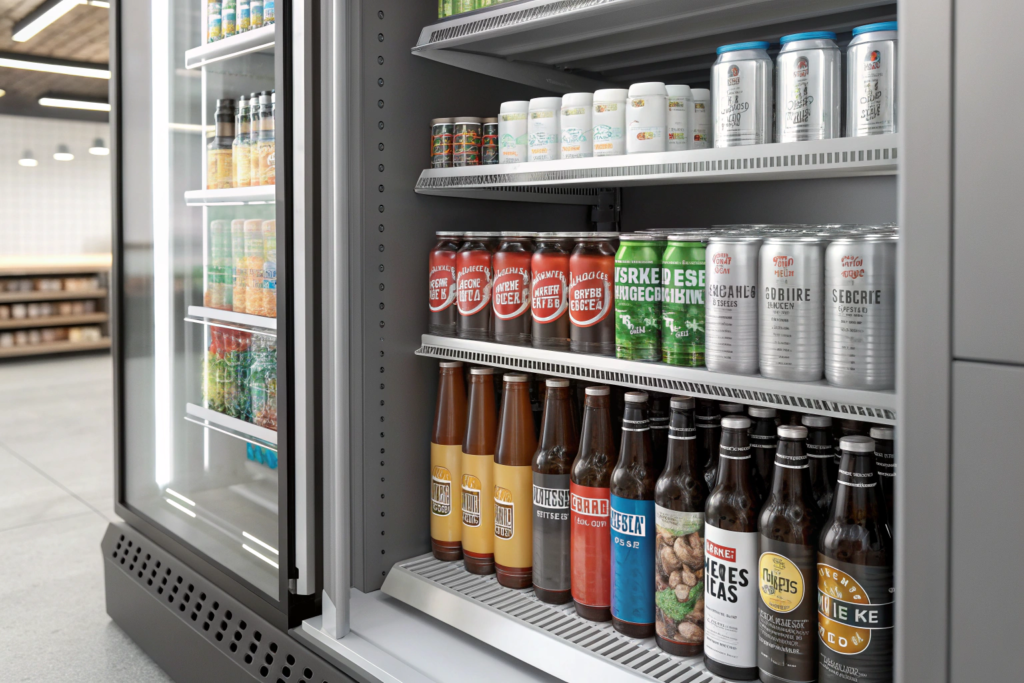
The single biggest trend in cold brew is the shift away from homemade or cafe-made batches towards packaged, ready-to-drink (RTD) products. Today's consumers are busy. They love the smooth, low-acid taste of cold brew, but they don't want to wait 12-24 hours for it to steep at home. They want to open their refrigerator and grab a can or bottle.
This demand for convenience is driving explosive growth in the RTD coffee category. Consumers want their favorite coffee experience in a format that fits their on-the-go lifestyle. This includes cans, bottles, and multi-serve cartons that they can buy at grocery stores, convenience stores, and cafes. For a coffee business, this means the biggest opportunity is no longer just selling bags of beans for cold brew, but creating and selling a finished, packaged cold brew product. This trend is well-documented in market reports from industry analysts like Grand View Research.
This trend also extends to cold brew concentrates. These are super-concentrated versions of cold brew sold in bottles, which consumers can mix with water or milk at home to create an instant cold brew drink. It offers a balance of convenience and customization.
What Does This Mean for a Coffee Roaster?
For a roaster, this trend presents a massive opportunity to expand your brand beyond just selling beans. You can partner with a co-packer to produce your own line of canned or bottled cold brew, leveraging your brand reputation and sourcing expertise. It allows you to capture a completely new revenue stream and reach customers in new channels.
Are Consumers Willing to Pay a Premium for RTD?
Yes. Consumers have shown a strong willingness to pay a premium for the convenience and quality of a well-made RTD cold brew. The price per ounce is significantly higher than for a self-brewed hot coffee, making it a high-margin product category for businesses that can execute it well.
What Does "Functional" and "Better-for-You" Cold Brew Look Like?
The modern consumer, particularly Millennials and Gen Z, is increasingly looking for more than just caffeine from their beverages. They are seeking "functional" benefits. This trend has moved powerfully into the cold brew space. You're no longer just selling coffee; you're selling a wellness beverage.
"Functional" cold brew refers to products that are infused with ingredients that offer perceived health benefits beyond the coffee itself. This is a major area of innovation. We are seeing a surge in cold brews with:
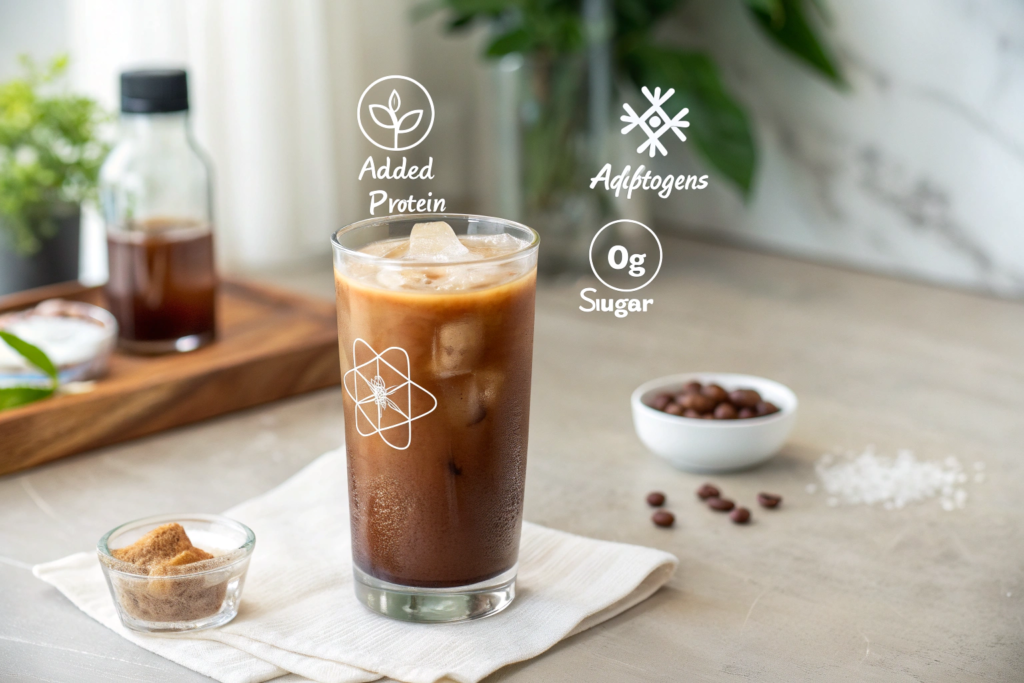
- Added Protein: Targeting the fitness-conscious consumer, these cold brews offer a post-workout recovery and caffeine boost in one.
- Adaptogens and Nootropics: Ingredients like L-theanine, lion's mane mushroom, or ashwagandha are being added with claims of improving focus, reducing stress, and enhancing cognitive function.
- "Better-for-You" Attributes: This is a huge category. It includes claims like zero sugar, low calorie, dairy-free (using oat or almond milk), and keto-friendly. The move away from sugary, high-calorie coffee drinks is a dominant trend.
To succeed in today's market, a new cold brew product must have a "better-for-you" angle. The classic, sugar-laden Frappuccino-style bottled drinks are being replaced by clean-label, low-sugar alternatives.
How Important is the "Low Sugar" Trend?
It is arguably the most important sub-trend in the entire beverage industry. Health-conscious consumers are actively avoiding sugary drinks. A successful RTD cold brew launch today almost requires a low-sugar or zero-sugar option to be competitive. This is why the naturally sweet, low-acid profile of cold brew is so popular—it doesn't need a lot of sugar to be palatable.
Are These Functional Ingredients Regulated?
The regulation of health claims on food and beverage products is complex and varies by country. In the US, the Food and Drug Administration (FDA) has strict rules about what can and cannot be claimed. Businesses entering this space must be careful to market their products compliantly.
How are Flavor and Customization Evolving?
While classic black cold brew remains popular, consumers are also becoming more adventurous. They are looking for variety and new taste experiences. This trend is pushing producers to innovate beyond the standard offering.
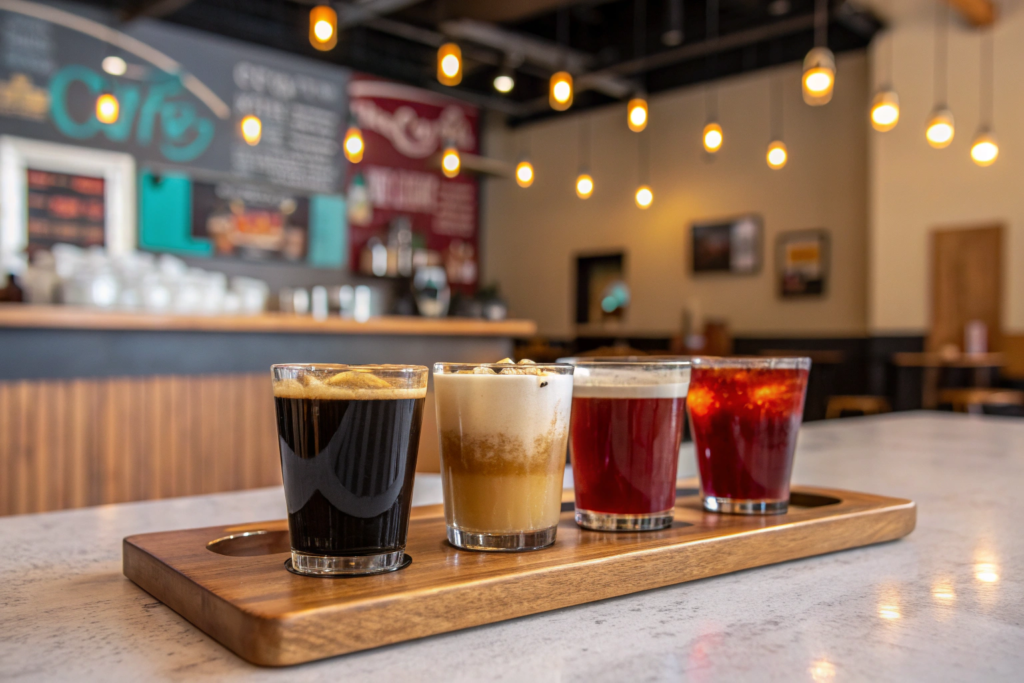
One of the most significant flavor innovations has been Nitro Cold Brew. Infusing cold brew with nitrogen gas creates a rich, creamy, and velvety texture with a cascading, Guinness-like head. It offers a multi-sensory experience and has become a staple in third-wave cafes.
Beyond nitro, there is a huge trend towards flavored cold brews. However, these are not the old-school, artificially sweet syrups. The modern approach focuses on natural and sophisticated flavor pairings, such as:
- Botanical and Floral Notes: Lavender, hibiscus, rose.
- Spices: Cinnamon, cardamom, chicory.
- Fruit Infusions: Citrus (especially orange or grapefruit), cherry, raspberry.
These flavors are typically subtle and designed to complement the coffee's natural taste profile rather than overpower it.
What is a "Cold Foam"?
Cold foam is a recent cafe trend that has become wildly popular. It's a frothed, cold milk (or dairy alternative) foam that is layered on top of cold brew. It's often lightly sweetened or flavored (e.g., salted caramel cold foam) and offers a way to add texture and flavor without mixing it directly into the coffee, creating a layered drinking experience.
How Does This Affect Bean Choice?
The choice of bean becomes even more important. A roaster might choose a naturally fruity Ethiopian bean to complement a citrus infusion, or they might choose a rich, chocolatey bean from our farms in Yunnan as the perfect base for a salted caramel or dark chocolate flavored cold brew. The bean choice is the foundation of the final flavor profile.
What is the Role of Quality and Origin?
Even in a convenient, ready-to-drink format, the core principles of specialty coffee still apply. Consumers are more educated than ever, and they care about where their coffee comes from. The trend of highlighting the single origin or the specific blend is a powerful differentiator in a crowded market.
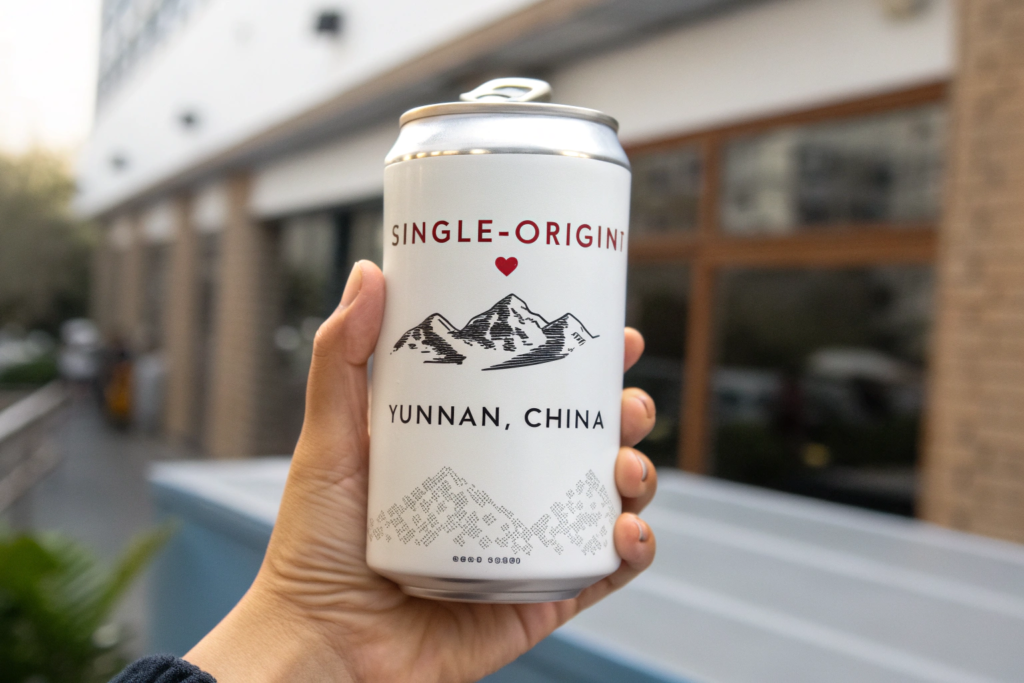
A generic "cold brew" is no longer enough. Successful brands are building their products around a specific coffee and telling its story. A can of "Single-Origin Ethiopian Yirgacheffe Cold Brew" is far more appealing to a specialty coffee drinker than a can that just says "Cold Brew Coffee." This allows brands to showcase quality and justify a premium price.
This also ties into sustainability and ethical sourcing narratives. Brands that can tell a clear story about their direct trade relationships, like the ones we foster when you import Yunnan coffee directly from our farm, have a significant advantage. Consumers want to feel good about the products they purchase, and a transparent supply chain is a huge part of that.
Which Beans Work Best for Cold Brew?
While many beans can work, the low-and-slow extraction method of cold brew tends to favor beans with lower acidity and notes of chocolate, nuts, and fruit. It can mellow out the bright acidity of some washed coffees and beautifully highlight the deep, fruity sweetness of natural-processed beans. Many roasters develop a specific "cold brew blend" designed to be smooth, sweet, and chocolatey.
Does Roast Level Matter for Cold Brew?
Yes. A medium to medium-dark roast is often preferred for cold brew. A very light roast can sometimes taste overly acidic or thin when cold-brewed, while a very dark, oily roast can result in bitter and smoky flavors. A well-developed medium roast provides the perfect balance of body, sweetness, and flavor for a smooth cold brew extraction.
Conclusion
The cold brew market is no longer a niche; it's a dynamic and rapidly evolving category defined by clear consumer trends. Success in this space requires an embrace of convenience through ready-to-drink formats, an alignment with wellness culture through "better-for-you" ingredients, a commitment to innovation with new flavors and textures, and an unwavering foundation in high-quality, traceable coffee.
For coffee businesses, this is a call to action. It's an opportunity to innovate, to expand your brand, and to meet your customers where they are—in the grocery store aisle, at the gym, and in their busy daily lives. The future of cold brew is convenient, functional, flavorful, and firmly rooted in the story of its origin.
If you are looking to develop a cold brew product that stands out, the journey starts with the right green coffee. We have lots from our Yunnan estate that are perfect for creating a smooth, sweet, and chocolatey base for your next best-seller. Please reach out to my colleague, Cathy Cai, at cathy@beanofcoffee.com to discuss your project and request samples.