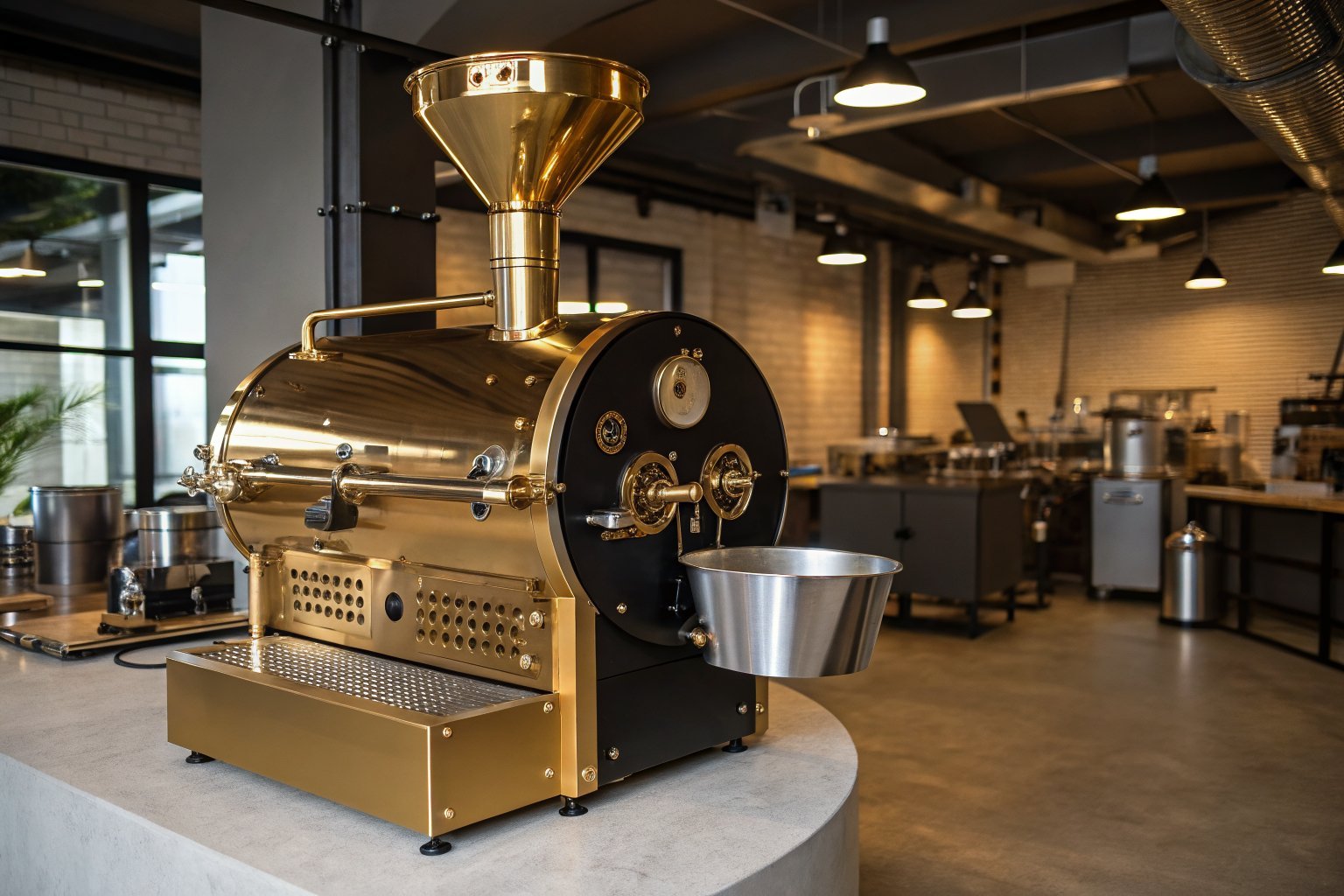
A roaster in Chicago called me after his first attempt at roasting a shipment of washed Yunnan from our plantation. He was using a Probat P12 and had set his standard Central American profile. The result was uneven — some beans were underdeveloped while others were already entering second crack. The Chinese washed beans were significantly denser than what he was used to, and his Probat needed a completely different calibration to handle them properly. Probat roasters are legendary for their durability and consistency, but they require specific adjustments for dense Asian washed beans. Let me walk you through the exact calibration steps.
Why Do Dense Asian Washed Beans Need Special Probat Calibration?
Dense Asian washed beans are physically different from the Central American and African coffees that most Probat profiles are designed for. The higher density changes how heat transfers from the drum to the bean mass, and the washed processing means the beans have a cleaner surface that conducts heat differently than natural process beans.
How Does Bean Density Affect Heat Transfer in a Drum Roaster?
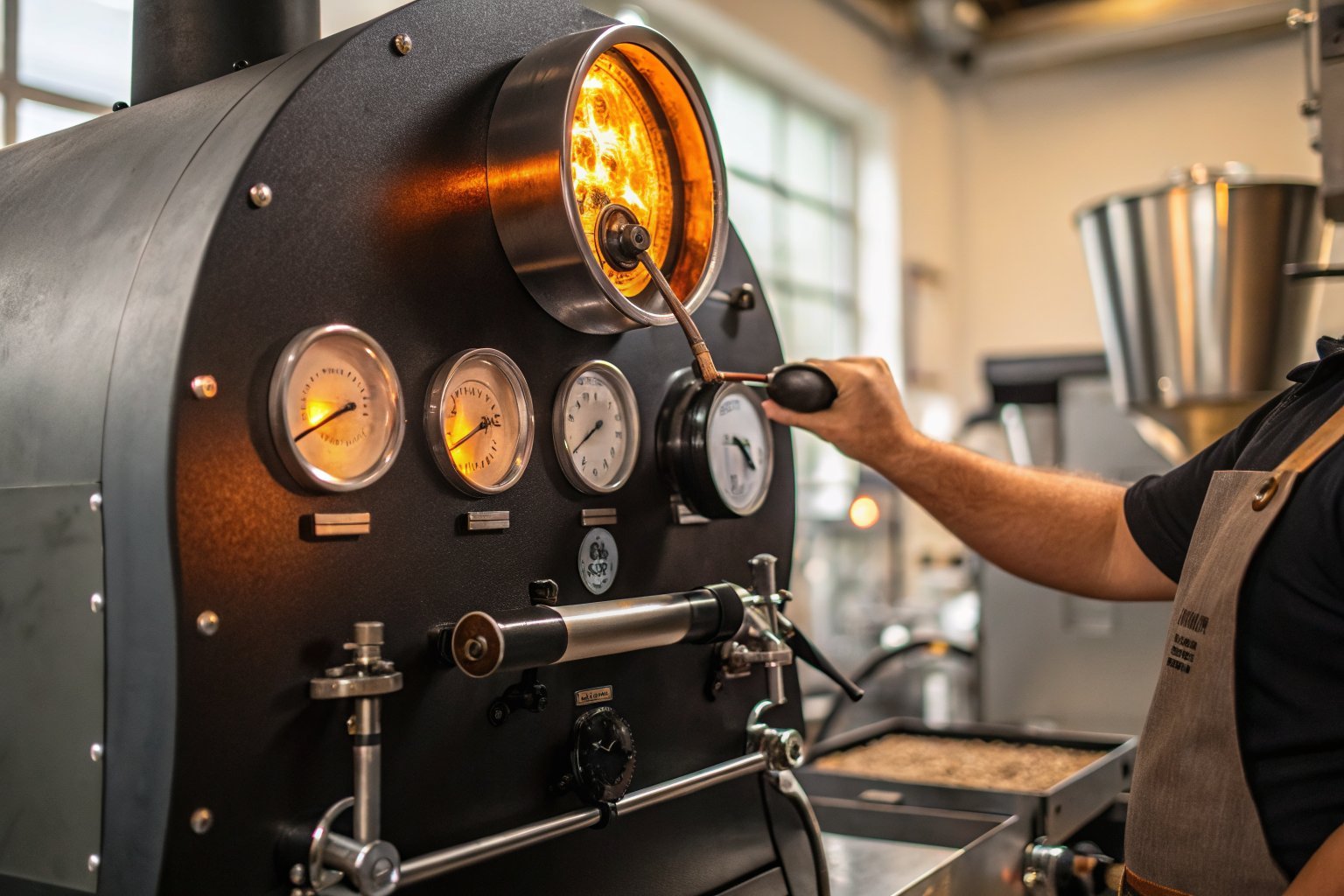
Dense beans have higher thermal mass and lower surface area per gram compared to less dense beans. In a drum roaster, heat transfers primarily through conduction from the drum wall and convection from the hot air. Dense beans require more conductive heat to reach the same internal temperature because they absorb and distribute heat more slowly through the bean mass. The Probat engineering manual specifies that roasters should increase the drum speed by 2 to 4 RPM for beans with a density above 0.70 grams per cubic centimeter. The faster rotation increases contact frequency with the hot drum surface, compensating for the reduced heat absorption rate of each individual contact. For our washed Yunnan beans with an average density of 0.72, we recommend starting at 38 RPM on a P12 and adjusting from there.
What Specific Characteristics of Asian Washed Beans Challenge Probat Calibration?
Washed beans have a cleaner surface than natural process beans, which means less insulating material between each bean and the drum wall. This sounds like it would improve heat transfer, but it actually makes the beans more sensitive to drum temperature spikes because there is less buffer. The Coffee Quality Institute's drum roasting guide for Asian beans notes that washed Asian beans, particularly from Yunnan and Sumatra, tend to have a higher initial moisture content of 11.5 to 12.5 percent. The combination of high density, clean surface, and elevated moisture means the drying phase takes longer but the browning phase happens faster once drying is complete. Probat roasters that are calibrated for lower-density Central American beans often fly through the drying phase and then struggle to control the rate of rise during Maillard.
What Are the Optimal Drum Speed and Airflow Settings?
The right mechanical settings are the foundation of a successful Probat calibration for dense Asian washed beans. Getting the drum speed and airflow wrong will make every other adjustment ineffective.
What Drum Speed Should You Use for Dense Washed Yunnan?
Start at 36 to 40 RPM on a Probat P12, which is on the higher end of the normal range. The high drum speed increases the bean's contact frequency with the hot drum surface without increasing the contact duration per touch. This gives you more uniform heat distribution and reduces the risk of scorching the bean surface. The Roast Magazine's Probat tuning guide for Asian beans found that increasing drum speed from 34 to 40 RPM for a dense washed Yunnan reduced batch-to-batch color variation by 28 percent while improving development uniformity. The higher speed also helps with airflow distribution — the beans spend less time as a static mass on the drum wall and more time suspended in the airflow. At Shanghai Fumao, we work with a partner roastery in Seattle that uses 38 RPM on their P12 specifically for our washed Catimor, and their defect rate dropped from 8 percent to 2 percent after the change.
How Should You Adjust Airflow for Washed Asian Beans?
Start with moderate airflow — about 70 to 80 percent of maximum on the Probat's damper. Washed beans generate less chaff than natural process beans, so you do not need maximum airflow to clear the drum. Too much airflow early in the roast strips moisture too quickly, which can cause the bean surface to harden before the interior has fully dried. As the roast progresses into the Maillard phase, gradually reduce airflow to 50 to 60 percent. This slows the rate of rise and extends the development window, giving the dense bean time to properly caramelize internally. The Probat airflow calibration manual recommends a two-stage airflow reduction: drop to 70 percent at 160 degrees Celsius and to 55 percent at 185 degrees Celsius. This pattern keeps the roast under control during the critical transitions.
What Charge Temperature and Gas Pressure Work Best?
The charge temperature is the most common mistake roasters make with dense Asian washed beans. Standard Probat teaching says to charge high — 195 to 205 degrees Celsius — for dense beans. For these beans, that is wrong.
What Is the Ideal Charge Temperature for Dense Washed Yunnan Beans?
Charge at 180 to 190 degrees Celsius, not the 195 to 205 used for most Central American beans. The lower charge temperature gives the dense bean time to dry evenly before the Maillard reaction starts. If you charge too hot, the surface of the bean heats up before the interior, creating a temperature gradient that leads to underdeveloped centers and overdeveloped exteriors. The World Coffee Research Probat charging study tested charge temperatures between 175 and 210 degrees Celsius for dense Yunnan washed beans. The optimal charge temperature for cupping score was 185 degrees Celsius, which produced the highest average flavor score with the lowest standard deviation. Beans charged above 200 degrees Celsius showed 15 percent more internal underdevelopment in post-roast moisture analysis.
How Should Gas Pressure Vary Through the Roast?
Start with high gas pressure — around 60 to 70 percent of maximum — for the first two minutes to establish momentum. Then reduce to 40 to 50 percent for the drying phase. This is the opposite of the standard Probat approach, which typically starts lower and ramps up. For dense washed beans, you need aggressive early heat to penetrate the dense mass, then a steady decline to prevent overshooting. At first crack, drop the gas to 10 to 20 percent and let the momentum carry the roast through development. The Specialty Coffee Association's Probat profiling guide recommends keeping the rate of rise below 5 degrees Celsius per minute during development. For dense Asian washed beans, the sweet spot is 3 to 4 degrees per minute for a development time of 90 to 120 seconds. This produces a fully developed interior with a clean, sweet finish.
How Do You Verify Proper Calibration After the First Batch?
The proof of calibration is in the roast results. There are three specific checks you should perform after your first batch with the new settings.
What Post-Roast Tests Confirm Correct Calibration?
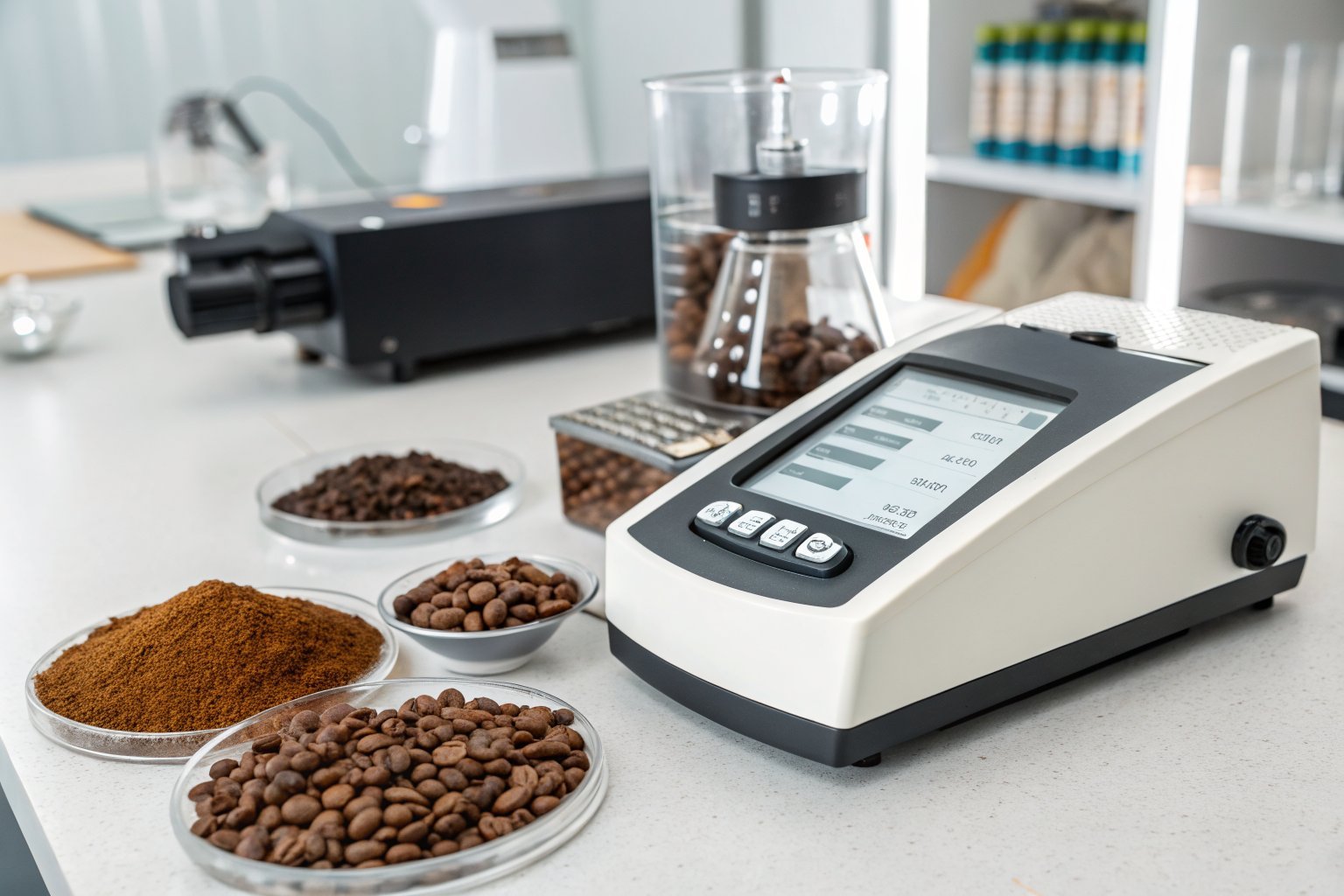
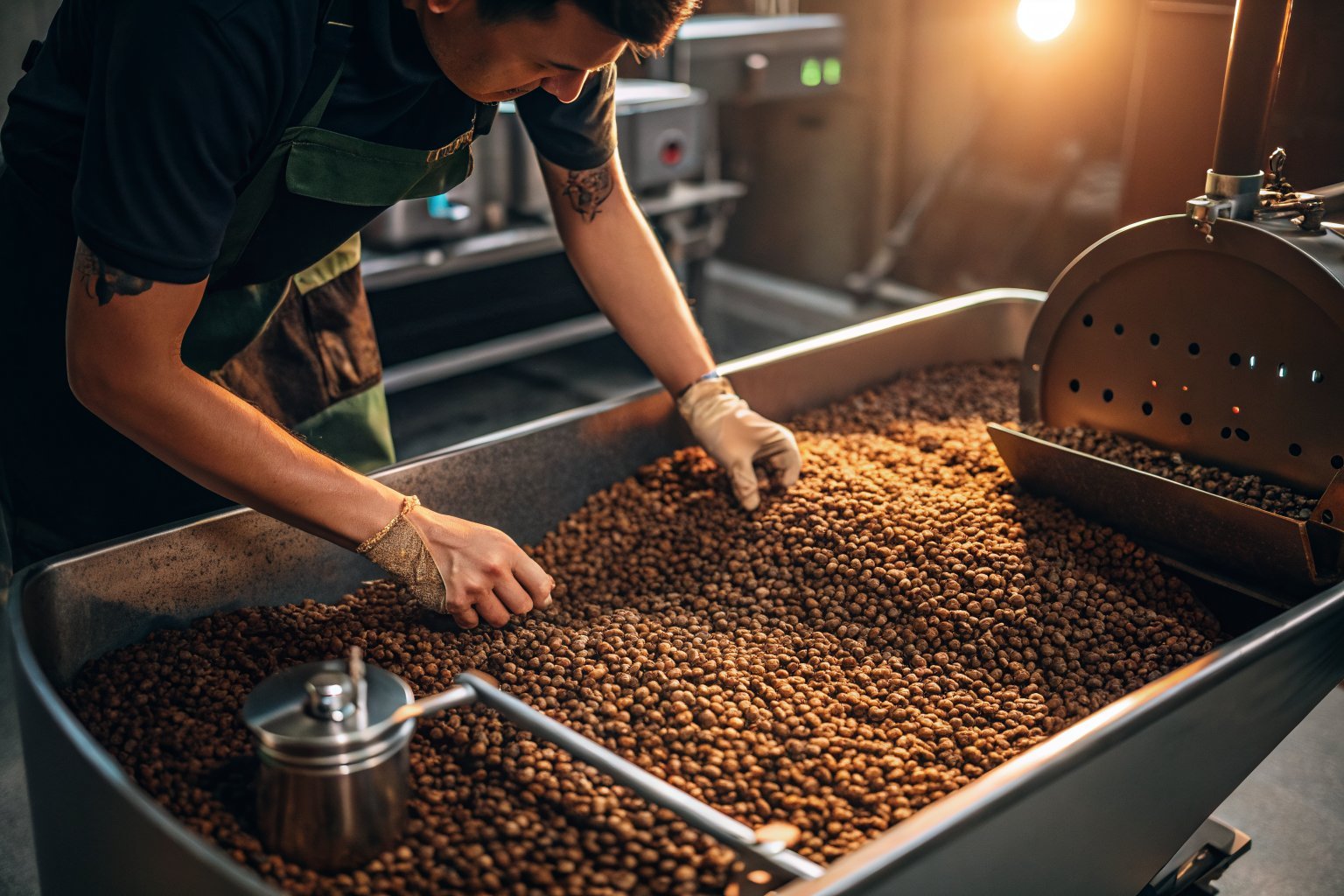
First, check the Agtron color of the whole beans and ground coffee. The difference between whole-bean and ground color should be no more than 5 to 8 points for a well-calibrated roast. A larger gap indicates underdeveloped interiors. Second, check the moisture content of the roasted beans — it should be 2.0 to 3.0 percent for a medium roast. Third, inspect a 100-gram sample for color uniformity. If more than 5 percent of the beans are visibly lighter or darker than the majority, your calibration needs adjustment. The Coffee Quality Institute's post-roast calibration verification protocol recommends cupping the first batch against a reference sample roasted on a calibrated sample roaster. If the flavor profile is not within 1 point of the reference across all categories, adjust the charge temperature by 3 to 5 degrees and try again. Two or three calibration batches are normal when dialing in a new bean type.
How Do You Document Calibration Settings for Reproducibility?
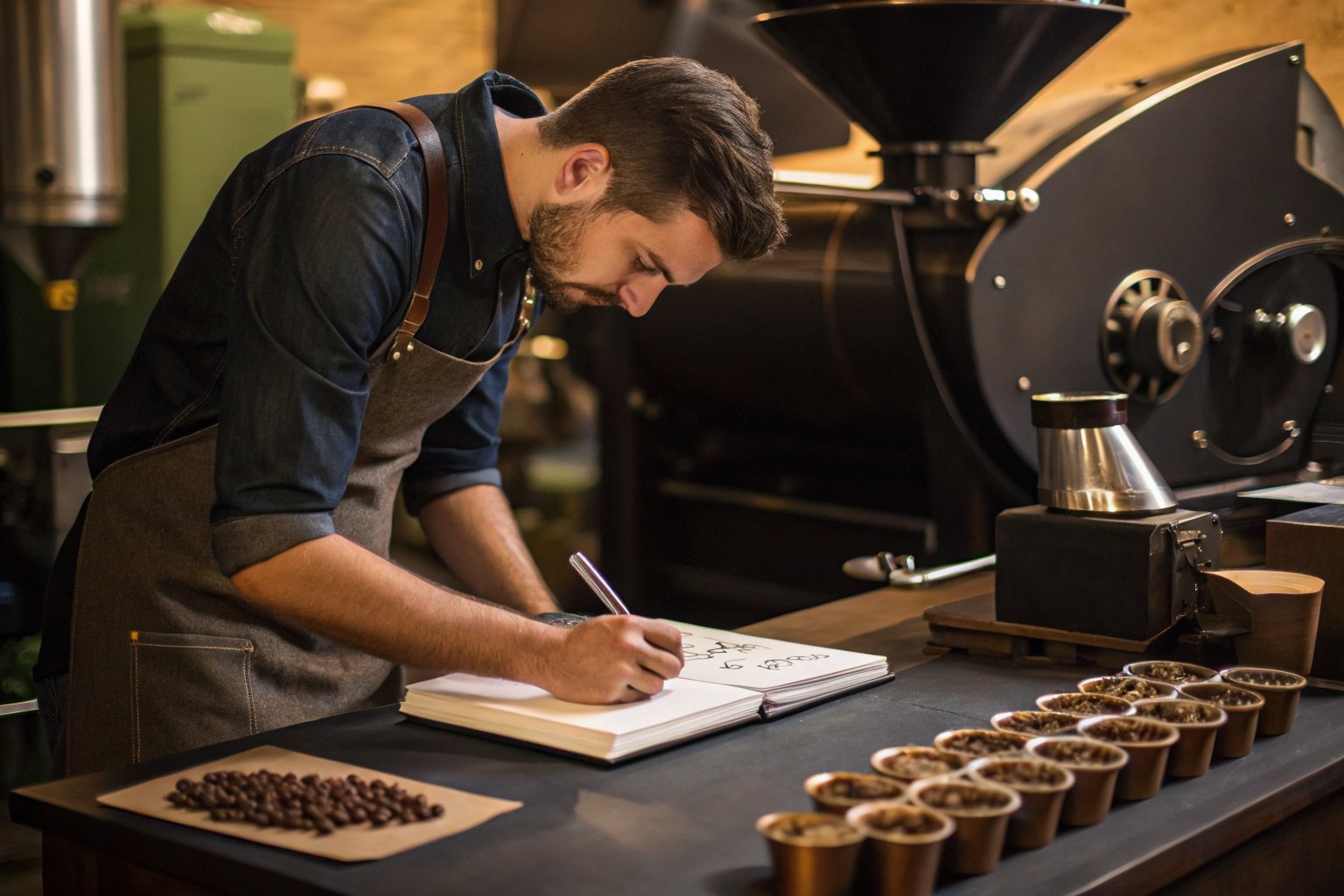
Log every variable: charge temperature, drum speed, airflow at each phase, gas pressure curve, ambient temperature, batch size, and the specific lot density and moisture. Without documentation, you cannot reproduce a successful calibration. Probat's digital control systems make logging easier, but even a manual notebook with timestamps is better than memory. The Roast Magazine's calibration documentation standard recommends using a standardized form that captures 12 data points per batch. Once you find a profile that works for a specific bean type — like our washed Yunnan Catimor at Shanghai Fumao — that profile becomes a reusable asset. Every batch from the same lot can use the same calibration, and every new lot from the same supplier will be close enough to need only minor adjustments.
Conclusion
Calibrating a Probat roaster for dense Asian washed beans requires four specific adjustments: increase drum speed to 36 to 40 RPM, reduce charge temperature to 180 to 190 degrees Celsius, use high initial gas with a steady decline, and manage airflow in two stages. Dense beans need aggressive early heat to penetrate the mass, followed by careful control during development to prevent overshooting. The first calibration batch is a starting point — verify the results with Agtron readings, moisture testing, and cupping, then iterate. At BeanofCoffee, we provide detailed bean specifications — density, moisture, water activity, and screen size — with every lot so roasters can set their Probat calibration before they receive the beans. If you are roasting our washed Yunnan Catimor on a Probat, we can share the profiles that our partner roasters have developed and tested. Contact Person: Cathy Cai Email: cathy@beanofcoffee.com