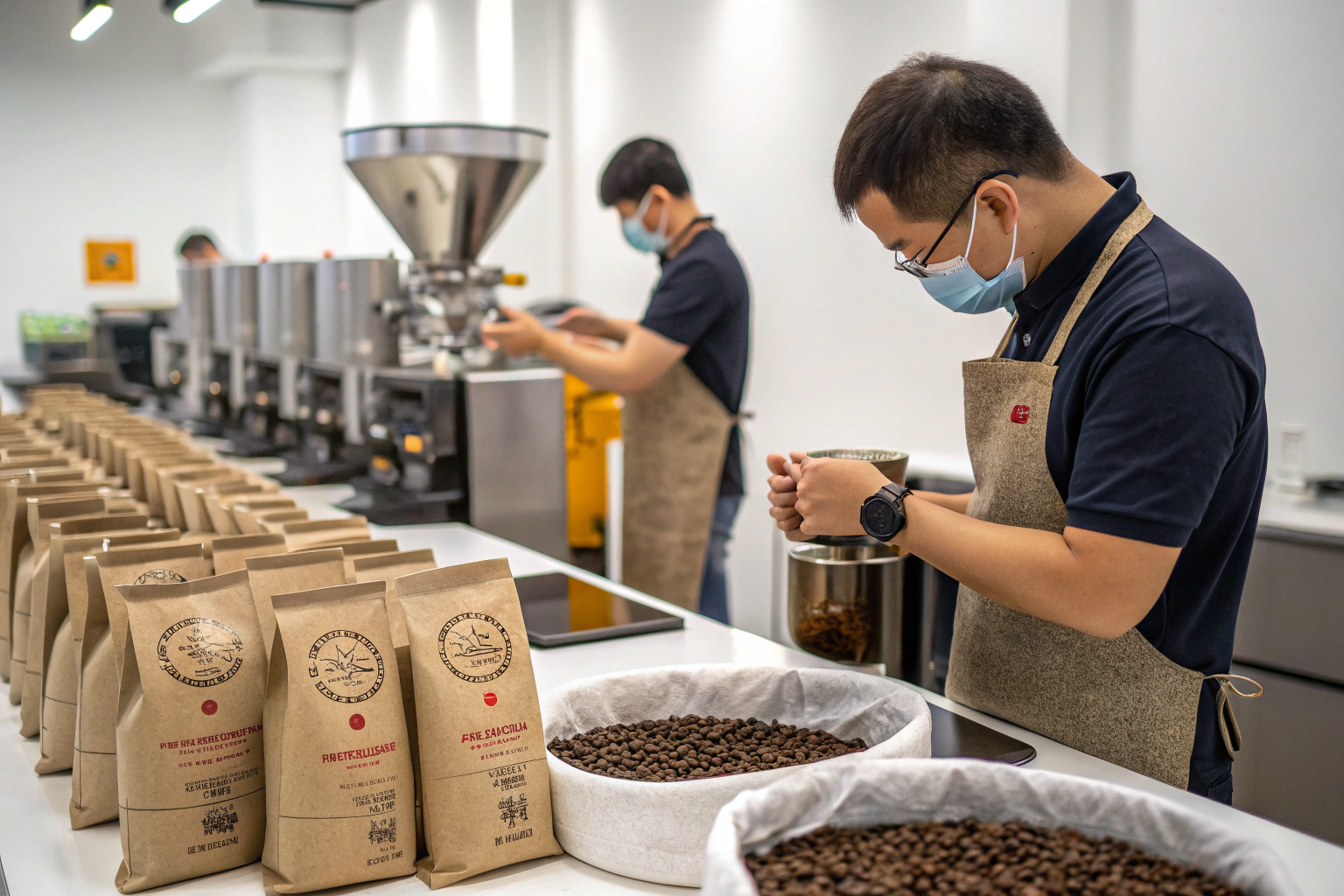
If you sell coffee in the U.S., you already see cold brew everywhere. But maybe you still struggle with price, shipping time, tariffs, and quality. Ron, I know this feeling. I am a Chinese coffee exporter. I work with buyers like you every day. The cold brew trend is real. The question is how to use it without losing money.
To capitalize on the new cold brew coffee trend, importers should focus on bean choice, sample roasting, production consistency, cold brew extraction testing, packaging, shipping, tariffs, and repeatable supply. The goal is not just to sell cold brew. The goal is to build a cold brew line that protects margin and trust.
This article will walk through the trend, sourcing, quality control, and profit steps. I will share what we do at BeanofCoffee. Then you can plan your next order with more confidence.
Why Is Cold Brew Coffee Growing So Fast?
Cold brew is not a small niche anymore. It is in cafes, grocery stores, and online shops. You may see higher prices and steady demand. That sounds good. But you also worry about supply and cost.
Cold brew coffee is growing fast because it tastes smooth, it is easy to serve, and it fits busy lifestyles. It also has a longer shelf life than many fresh brewed drinks. These points help cafes, brands, and distributors sell more with less waste.
I see this trend in North America, Europe, and Australia. Buyers want cold brew concentrate, ready-to-drink bottles, and cold brew bags. They also want beans that hold up to long extraction. Not every coffee works well. You need good body, low bitterness, and stable sweetness. At BeanofCoffee, we test Arabica, Robusta, and Catimor for cold brew. We look at how each lot behaves over 12 to 18 hours of extraction.
| Trend Driver | What It Means for Buyers |
|---|---|
| Busy lifestyles | Ready-to-drink cold brew sells fast |
| Smooth taste | Lower acidity appeals to new drinkers |
| Higher price | Better margin per cup |
| Longer shelf life | Less waste in cafes and stores |
What Makes Cold Brew Different from Iced Coffee?
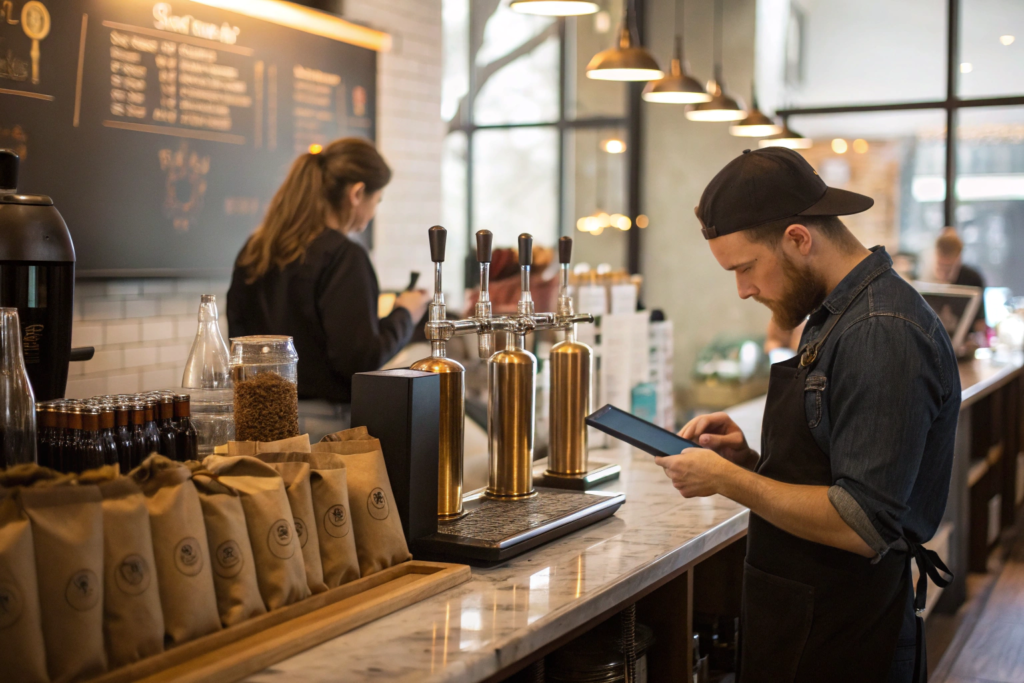
Cold brew is not just iced coffee. Iced coffee is usually brewed hot and then cooled. Cold brew steeps in cold water for many hours. This changes flavor. It often gives lower acidity and a smoother body. Many American buyers like this style. You can learn more from Perfect Daily Grind and the Specialty Coffee Association. For export, this difference matters. A bean that tastes great as hot coffee may taste flat as cold brew. So, we run cold brew tests before we quote a large order. We also check grind size, water quality, and filter method. These details affect the final drink more than many people think.
Which Markets Drive Cold Brew Demand?
The main markets are the United States, Canada, Europe, Australia, and parts of Asia. The U.S. is a huge driver. Many offices, gyms, and convenience stores now carry cold brew. The National Coffee Association tracks U.S. coffee drinking habits. Market research from Grand View Research also shows steady growth. For exporters, this means more chances to sell green beans, roasted beans, and private label products. But buyers in these markets care about certifications, food safety, and delivery time. They also care about tariff costs. So, a good cold brew plan must include logistics and paperwork, not just flavor.
How Can Importers Source Cold Brew Beans?
You may want to enter the cold brew market. But you need a supplier you can trust. You need beans that taste good and arrive on time. You also need a price that leaves room for profit. That is a lot to manage.
Importers can source cold brew beans by checking online marketplaces, trade shows, search engines, and direct supplier websites. They should ask for samples, cupping notes, roast profiles, certifications, and shipping terms before they place a large order.
I tell buyers to start small. Test a few lots. Compare flavor and cost. Then scale up. This method reduces risk. It also helps you learn which origin and blend work best for your customers.
| Sourcing Step | What to Ask |
|---|---|
| Sample | Green bean sample and sample roast |
| Quality | Cupping score and defect count |
| Price | FOB, CIF, or other Incoterm |
| Shipping | Sailing schedule and port |
| Payment | Deposit, letter of credit, or other terms |

Where Should Buyers Look for Cold Brew Coffee Beans?
When buyers look for cold brew beans, they often check online marketplaces, trade shows, and search engines. Alibaba is a common starting point. LinkedIn helps buyers find owners and export managers. But a listing alone does not prove quality. You need samples, cupping notes, and production records. At BeanofCoffee, we own over 10,000 acres of coffee bean plantations in Baoshan City, Yunnan Province. That gives us more control over green coffee. We can ship raw beans or processed, packaged products. For cold brew, we often suggest a blend. A little Robusta can add body. Arabica adds sweetness. Catimor can add a clean base. The right mix depends on your market and price point.
How Do You Choose the Right Bean Type?
Bean choice is a big decision. Arabica is popular for premium cold brew. Robusta gives strong body and crema-like texture. Catimor is common in Yunnan and can offer good value. You can read more from the Coffee Quality Institute and the International Coffee Organization. I tell buyers to start with a small sample roast. Then we test cold brew extraction. We check sweetness, bitterness, and clarity. If the sample works, we move to a production roast. We also compare price per liter of finished cold brew, not just price per kilo of green beans. This step helps buyers protect margin.
What Does Cold Brew Quality Control Require?
Quality control is where many cold brew projects fail. You may have a great sample. But the real shipment may taste different. You may lose customers. You may also lose money on returns and rebranding.
Cold brew quality control requires consistent green coffee, a repeatable roast profile, controlled extraction, clean water, proper filtration, and safe packaging. It also requires batch records, cupping notes, and clear communication between the exporter and the buyer.
We treat cold brew quality control as a system. It starts at the farm. It continues through roasting, brewing, packing, and shipping. Every step needs a check. If one step is weak, the final drink suffers.
| Control Point | Main Check |
|---|---|
| Green coffee | Moisture, defects, density |
| Roast | Time, temperature, development |
| Brew | Time, water, grind, filter |
| Pack | Seal, label, shelf life |
| Ship | Temperature, humidity, delay |
How Do You Test Cold Brew Coffee Quality?
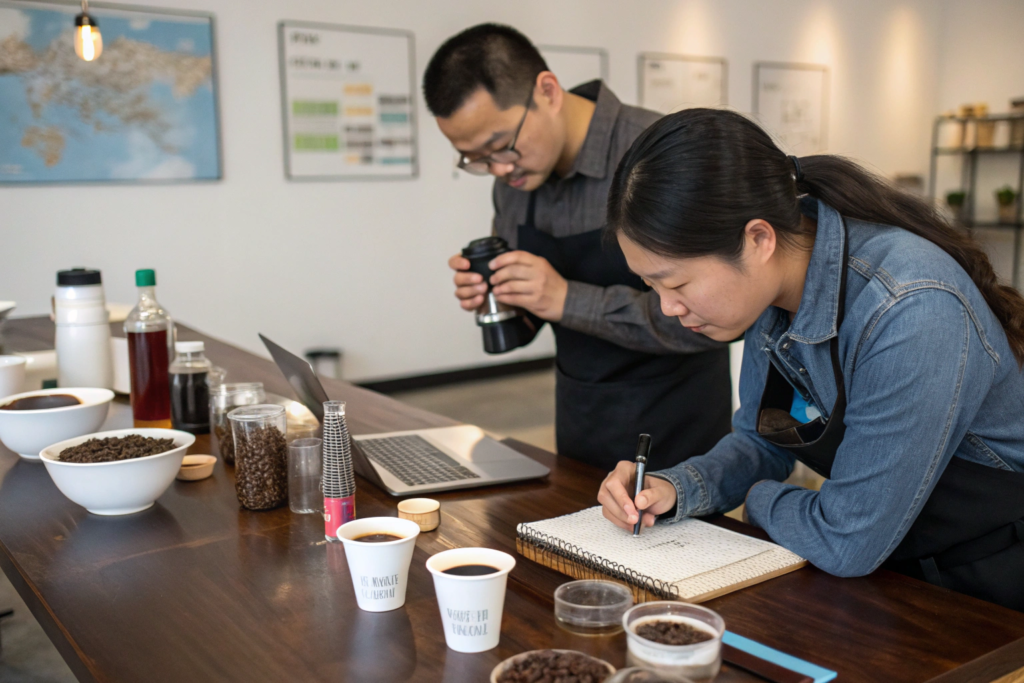
Testing cold brew is different from testing hot coffee. We brew samples for 12 to 18 hours. We check taste, aroma, body, and aftertaste. We also measure extraction yield. Tools and guides from Barista Hustle and Coffee Review can help buyers set a standard. For export, we keep records for each batch. We note grind size, water temperature, brew time, and filter type. Then we cup the result. A good cold brew should taste smooth, sweet, and clean. It should not taste woody, papery, or harsh. If it does, we adjust the bean blend or roast profile.
What Certifications Matter for Cold Brew Export?
Certifications matter because buyers need safe and legal products. In the U.S., the FDA and USDA provide food and farm rules. For export, you may also need phytosanitary certificates, certificates of origin, and food safety records. Some buyers ask for organic, fair trade, or rainforest alliance marks. These can help in premium markets. But they also add cost and lead time. I tell buyers to match certifications to their sales channel. A local cafe may not need the same papers as a national grocery brand. The key is to plan early. Do not wait until the container is ready.
How Do You Profit from Cold Brew Trends?
You can see the demand. You can find the beans. But can you make money? That is the real question. Cold brew can be profitable. But it can also eat your margin if you ignore cost, yield, and shipping.
You profit from cold brew trends by controlling bean cost, roast yield, extraction yield, packaging cost, freight cost, tariffs, and payment terms. You also need a repeatable supply chain so you can refill orders without delays.
I use a simple rule. Do not look only at the green bean price. Look at the full cost per liter of finished cold brew. Then compare that with your selling price. If the gap is too small, change the blend, pack size, or shipping plan.
| Profit Factor | How to Improve It |
|---|---|
| Bean cost | Blend Arabica with Robusta or Catimor |
| Roast yield | Control moisture and roast loss |
| Brew yield | Test grind, time, and water |
| Packing | Choose the right bottle or bag |
| Freight | Plan early and book space |
| Tariffs | Check rules and use correct codes |
How Do You Price Cold Brew Coffee Beans?
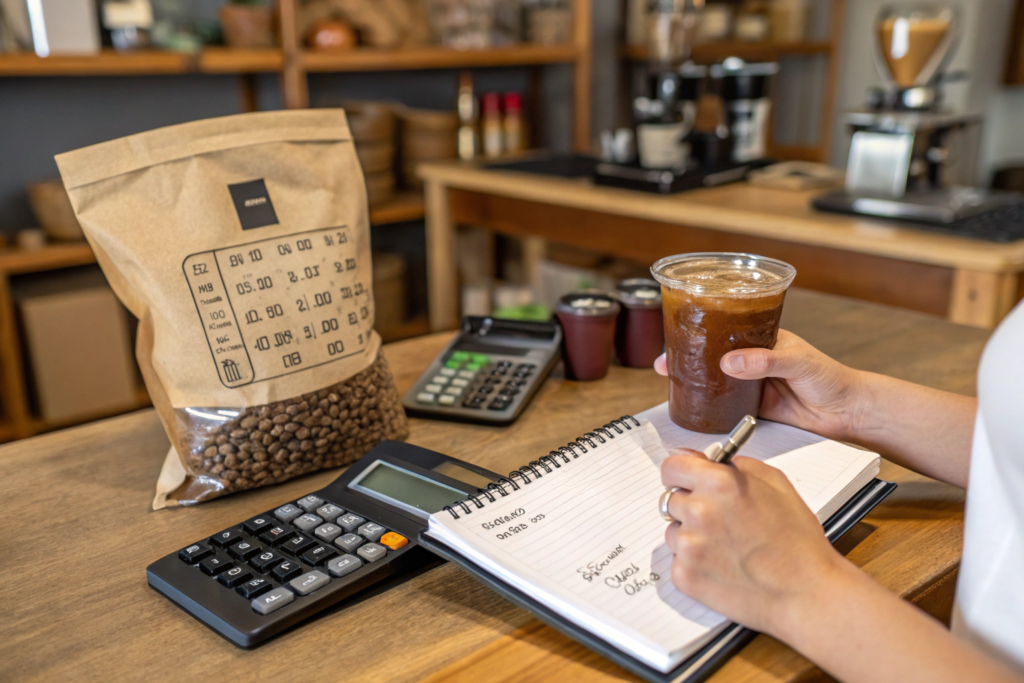
Pricing cold brew beans is not just about the green coffee price. You must add roast cost, packing, shipping, tariffs, insurance, and payment fees. You also need to think about yield. A bean that gives more liters per kilo can be worth a higher price. I use a simple formula. First, find the cost per liter of finished cold brew. Then compare that with your selling price. If the margin is too thin, change the blend or the pack size. Sources like the Food and Agriculture Organization and Coffee Chemistry can help you understand coffee behavior. But your own test data is the most important. At BeanofCoffee, we help buyers run these numbers before they order.
How Do You Build a Reliable Cold Brew Supply Chain?
A reliable supply chain needs more than one good roast. It needs green coffee planning, production slots, packing materials, shipping schedules, and customs documents. You should also plan for delays. I have seen buyers lose sales because a ship was late or a document was missing. So, we keep buffers. We book production early. We share sailing schedules and tracking updates. We also use clear payment terms. For U.S. buyers, the U.S. Customs and Border Protection and USDA AMS import and export services are useful resources. A strong supply chain protects your brand. It also helps you keep cold brew on the shelf when demand spikes.
Conclusion
Cold brew is a real trend. It offers good margins for importers, brands, and distributors. But it also requires the right beans, the right roast, the right tests, and the right logistics. A sample roast helps you check flavor. A production roast helps you repeat it. Cold brew testing helps you avoid waste. Certifications and documents help you clear customs. Price and shipping planning help you protect profit. If you want to capitalize on cold brew, start with a clear plan. Then work with a supplier who shares data and answers questions quickly.
If you want a reliable coffee bean partner in China, please contact us at BeanofCoffee. We own over 10,000 acres of coffee bean plantations in Baoshan City, Yunnan Province. We export Catimor, Arabica, and Robusta. We support raw beans and processed, packaged products. For orders, samples, and export details, please contact Cathy Cai at cathy@beanofcoffee.com.