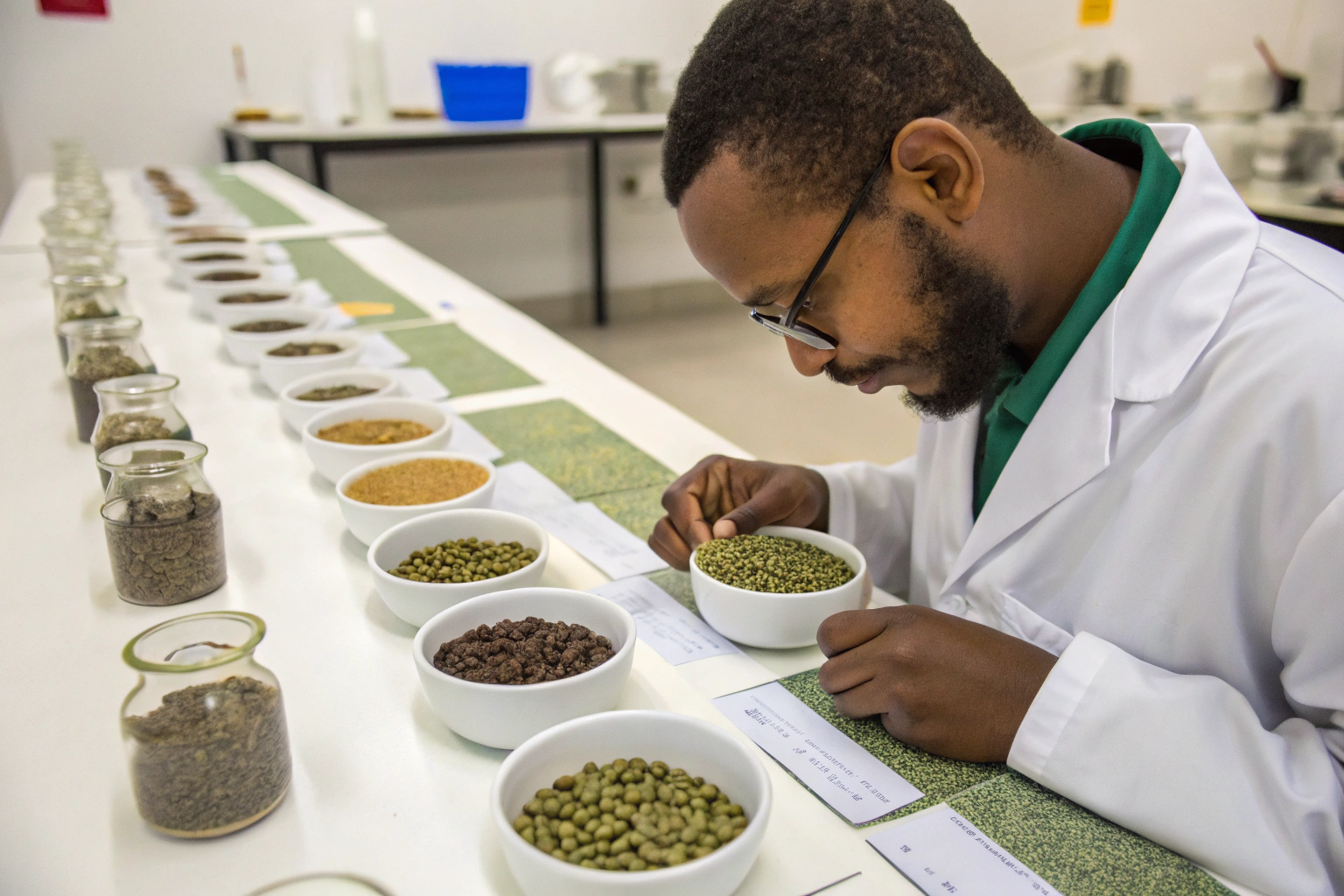
A roaster from London called me last week. He had samples from Colombia, Ethiopia, Brazil, and our Yunnan on his table. "They all look like coffee beans," he said. "How do I really know what's different? The cupping notes say different things, but I need to choose based on more than just tasting."
Comparing coffee beans from different origins requires evaluating multiple factors: visual characteristics, physical properties, flavor profiles, price points, and supply reliability. Each origin produces beans with distinct cup profiles, but also different bean densities, moisture behaviors, and roasting requirements.
Let me walk you through how we help buyers understand origin differences. Because choosing between origins isn't about finding "better" coffee. It's about finding the right coffee for your specific needs.
What Visual Differences Reveal About Origin?
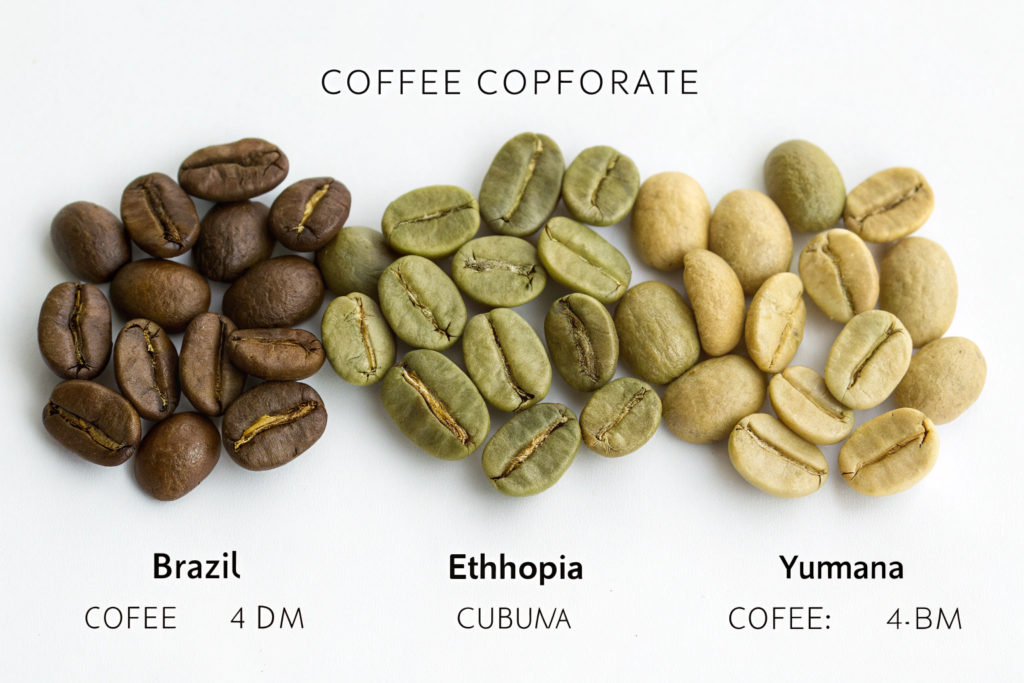
The first thing I notice when visiting different origins is how the beans look. Colombian beans have a certain blue-green. Ethiopian beans look smaller, more varied. Yunnan beans sit somewhere in between. These visual cues tell stories about growing conditions and processing.
Bean color indicates processing method and age. Washed Colombians show uniform blue-green. Natural Ethiopians range from green to yellowish. Yunnan washed Arabica presents consistent green with slight bluish tint. Size distribution reveals sorting rigor—tight distribution means careful grading.
How does bean size vary by origin?
Colombian beans typically screen 16 to 18—medium to large. Ethiopian beans run smaller, often screen 14 to 16 with more variation. Brazilian beans can be huge, screen 17 to 19 common. Yunnan beans average screen 15 to 17, depending on variety.
Size affects roasting. Larger beans need more heat, longer time. Smaller beans roast faster, risk scorching. If your roaster is dialed for Colombian size, Ethiopian might behave differently. Check green coffee screen size standards for origin-specific typical ranges.
What does bean shape tell you?
Colombian beans often show classic Arabica shape—oval, curved center cut. Ethiopian beans look more varied, some elongated, some rounder. Yunnan Typica resembles Colombians; Yunnan Catimor looks different—rounder, denser.
Shape affects packing in the roaster. Rounder beans roll differently, take heat differently. Not huge difference, but noticeable to experienced roasters. Working with Shanghai Fumao helps you understand shape implications for your equipment.
How Do Physical Properties Differ Across Origins?
Beans from different origins feel different in your hand. Colombian beans feel dense, heavy for size. Ethiopian beans feel lighter, almost hollow sometimes. Brazilian beans vary by region. These physical differences predict roasting behavior.
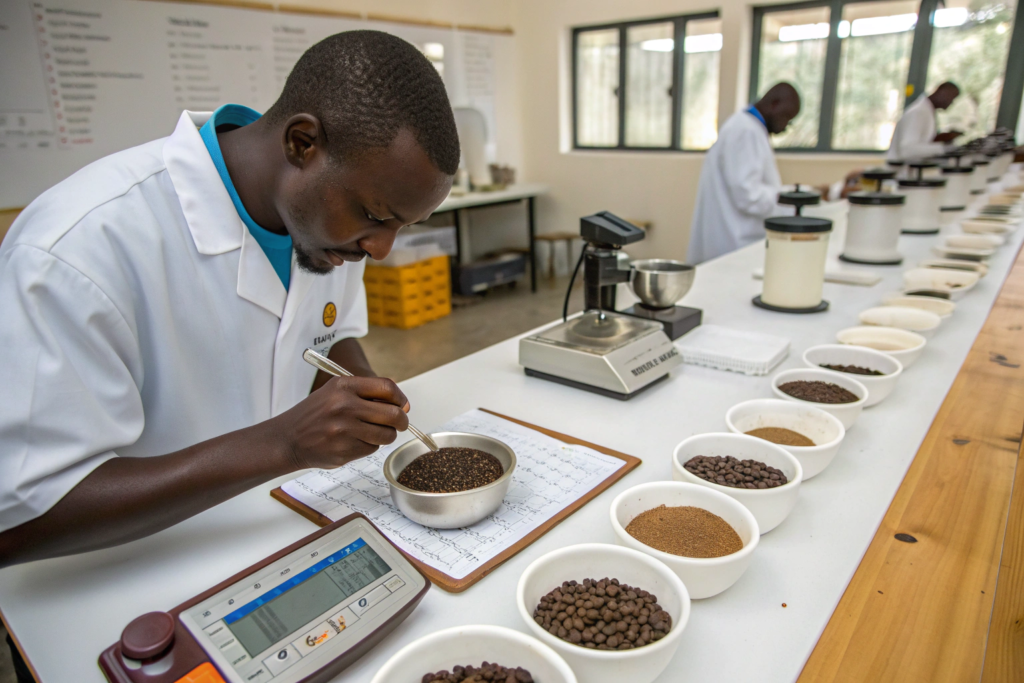
Density varies significantly by origin. High-altitude Colombians and Kenyans rank among densest. Brazilian Cerrado beans softer. Yunnan high-altitude Arabica approaches Colombian density; lower-altitude Catimor softer. Moisture content also varies with climate and processing.
Which origins produce densest beans?
Generally: Colombia, Kenya, Ethiopia (high-grown), Guatemala, and Yunnan (high-altitude). These beans need more heat, longer roasts to develop fully.
Denser beans also store longer, resist degradation, and produce more uniform particle size when ground. They're worth premium prices for espresso and dark roasts. Visit coffee density by origin studies for scientific comparisons.
Which origins produce softer beans?
Brazil (especially low-altitude), Vietnam (Robusta dominant), and lower-altitude plantings everywhere. Softer beans roast faster, need less heat, but also degrade faster in storage.
Softer beans work well for medium roasts, filter coffee, and high-volume commercial blends. They're not worse—just different. Working with partners like Shanghai Fumao helps you match origin density to your roast profile.
What Flavor Profiles Characterize Each Origin?
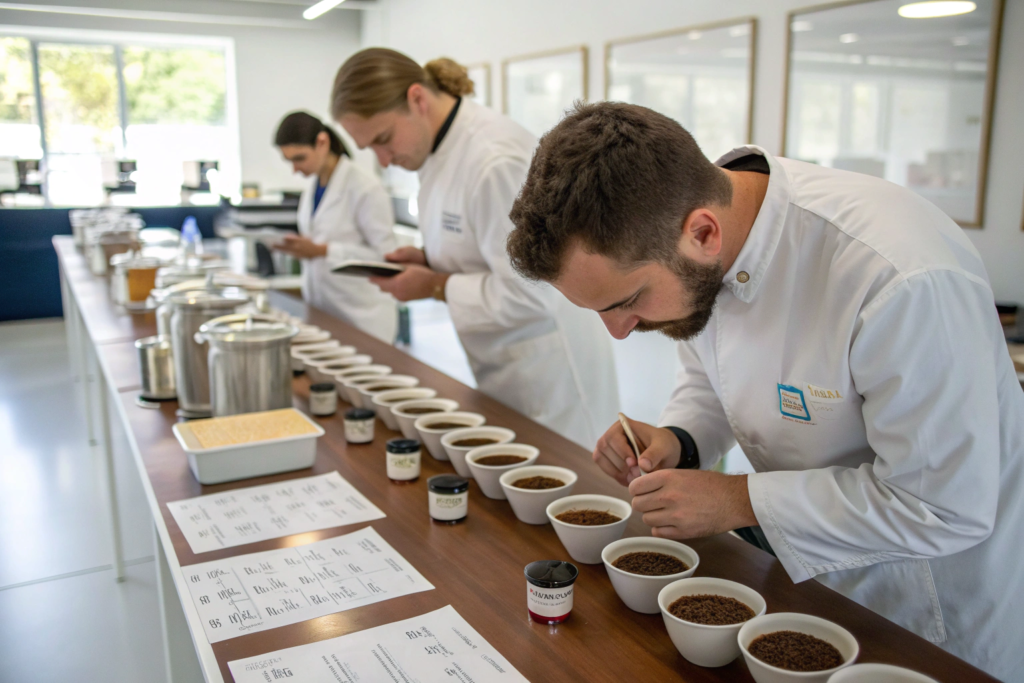
Flavor is why origin matters. Same roast level, same brew method, completely different cup. Understanding origin flavor profiles helps you blend intentionally and source strategically.
Colombia: balanced, clean, nutty, chocolate, medium acidity. Ethiopia: floral, fruity, wine-like, high acidity, complex. Brazil: low acidity, nutty, chocolate, heavy body, consistent. Yunnan: medium body, chocolate, nutty, clean, moderate acidity, sometimes light fruit.
What makes Ethiopian coffee distinctive?
Ethiopia is coffee's birthplace. Genetic diversity there is staggering. Heirloom varieties produce flavors found nowhere else—blueberry, jasmine, bergamot, wine.
But that diversity also means inconsistency. Ethiopian lots vary more than single-origin from elsewhere. Buyers who love Ethiopian complexity accept wider variation. Check Ethiopian coffee variety research for understanding this unique origin.
How does Yunnan coffee compare to others?
Yunnan coffee sits in the middle. Clean like Colombians, but often with lighter body. Some fruit like Ethiopians, but more subtle. Consistent like Brazilians, but with more character.
Our best Yunnan lots compete with good Central Americans. Our commercial lots compete with Brazilians. The range is wide because Yunnan produces both. Visit Yunnan coffee flavor profiles for detailed tasting notes from professional reviewers.
How Do Roasting Requirements Vary by Origin?
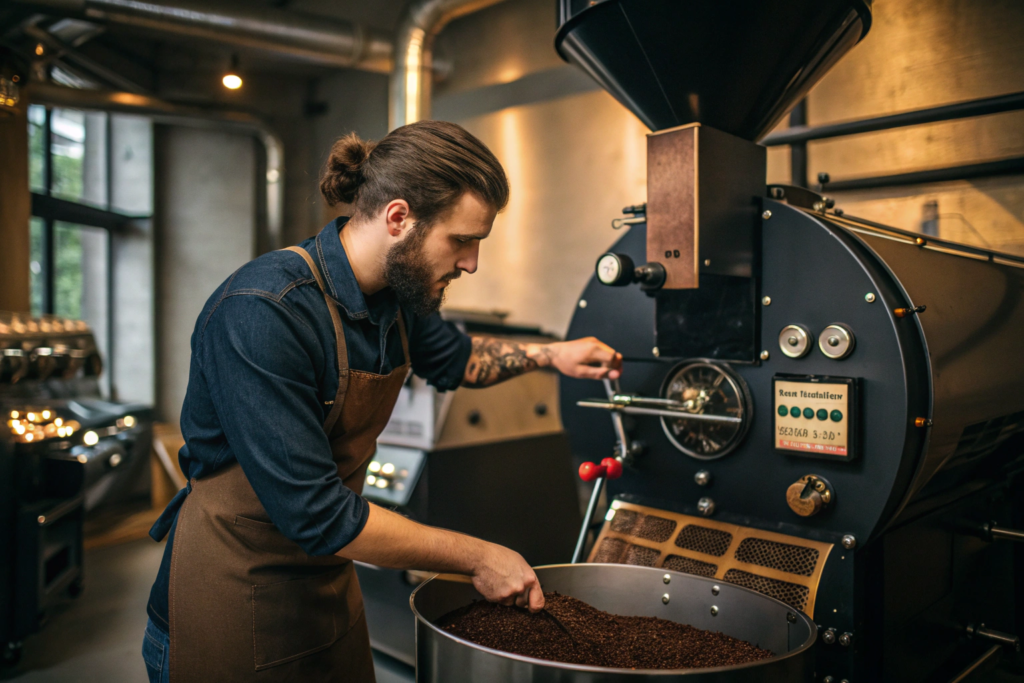
The same roast profile ruins some origins and perfects others. If you're roasting multiple origins, you need multiple profiles. Understanding origin roasting requirements saves wasted coffee.
Dense Colombians need higher charge temperature, longer development time. Softer Brazilians need lower charge temperature, shorter roasts. Ethiopians vary by lot—some dense, some not. Yunnan high-altitude roasts like Colombians; Yunnan Catimor roasts like Brazilians.
How do you adjust for Ethiopian variation?
Ethiopian lots demand flexibility. Sample roast every lot before committing to production profile. Adjust based on density and moisture readings.
Some Ethiopian lots need Colombian-style roasting. Others need Brazilian-style. Never assume. Working with Shanghai Fumao means we provide density data for every lot, helping you choose correct profiles.
What's unique about roasting Yunnan coffee?
Yunnan's range is wide because our altitude range is wide. High-grown Yunnan behaves like high-grown anywhere—needs heat, takes time. Low-grown Yunnan behaves like Brazilian Cerrado.
We separate lots by altitude and provide density data. Buyers can match Yunnan lots to existing profiles without guesswork. Review Yunnan coffee roasting guides for professional recommendations.
How Do Price Points Compare Across Origins?
Price differences between origins can be huge. Ethiopian specialty lots command premiums. Brazilian commercial lots sell at discounts. Yunnan sits between—competitive pricing with good quality.
Ethiopian specialty: highest prices, high volatility. Colombian: premium but stable. Brazilian: lowest prices for commercial, competitive for specialty. Yunnan: competitive pricing for quality delivered, stable year-round.

Why do prices vary so much?
Supply and demand. Ethiopia produces less, demand high. Brazil produces enormous volume, prices competitive. Colombia balances quality with volume.
Labor costs differ. Land costs differ. Certification costs differ. All affect final price. Visit coffee market price databases for historical origin price comparisons.
How does Yunnan pricing compare?
Yunnan offers good value. Quality similar to good Central Americans at prices closer to Brazilians. Labor costs lower than Colombia. Land costs lower than Ethiopia. Freight to US and Europe competitive.
But value isn't just price. It's price plus consistency plus reliability. Working with partners like Shanghai Fumao delivers that combination. Review origin price-quality comparisons for independent assessments.
Conclusion
Comparing coffee beans from different origins requires looking beyond cupping scores. Visual characteristics reveal processing and age. Physical properties predict roasting behavior. Flavor profiles determine end use. Price points affect margin. Supply reliability impacts planning.
Each origin offers something different. Colombia delivers consistent quality with balanced profiles. Ethiopia offers unique flavors with higher variability. Brazil provides reliable volume at competitive prices. Yunnan combines good quality with competitive pricing and stable supply.
At Shanghai Fumao, we're proud of where Yunnan fits in this landscape. We offer quality that competes with good Central Americans, prices that compete with Brazilians, and reliability that matches the best origins. We're not trying to be Ethiopia or Colombia. We're Yunnan—and that's valuable to buyers who understand.
If you want to compare our Yunnan coffee against your current origins, contact our export manager, Cathy Cai. She'll send samples, provide density data, share cupping scores, and discuss pricing. Email her at cathy@beanofcoffee.com. Tell her what origins you currently use and what you're looking to add. She'll respond within 24 hours with honest comparisons that help you decide.