I learned this lesson the hard way. Three years ago, a buyer from Melbourne emailed me in October. "Steve, we need twenty bags of fresh crop Yunnan Arabica. Can you ship by December?" I almost said yes. Almost. Then I checked the calendar. October in Yunnan? Harvest had not even started. We pick from November to March. If I had promised December delivery, I would have failed. Badly. That close call taught me something important. Buyers need to understand our seasons. Because coffee is not like manufactured goods. You cannot just make it anytime. Nature decides.
China's coffee harvesting calendar runs from November to March. Main harvest peaks between December and February. This timing differs from Brazil or Colombia because Yunnan's climate is subtropical with distinct wet and dry seasons. Flowering happens after spring rains. Cherries take about nine months to mature. So March flowering means December harvesting. Simple once you see the pattern.
But here is the thing. Understanding the calendar is not just about knowing when we pick. It affects everything. Price. Quality. Availability. Shipping schedules. If you order in August expecting fresh crop, you will get last year's beans. Or nothing. Another way to look at this is like wine. You would not ask a French winemaker for Beaujolais Nouveau in March. Same logic. Let me walk you through our year so you can plan better.
When does the coffee harvesting season start in China?
Most people assume coffee harvesting is the same everywhere. It is not. Brazil picks May to September. Colombia has two harvests. China? One main harvest. And it starts later than you think.
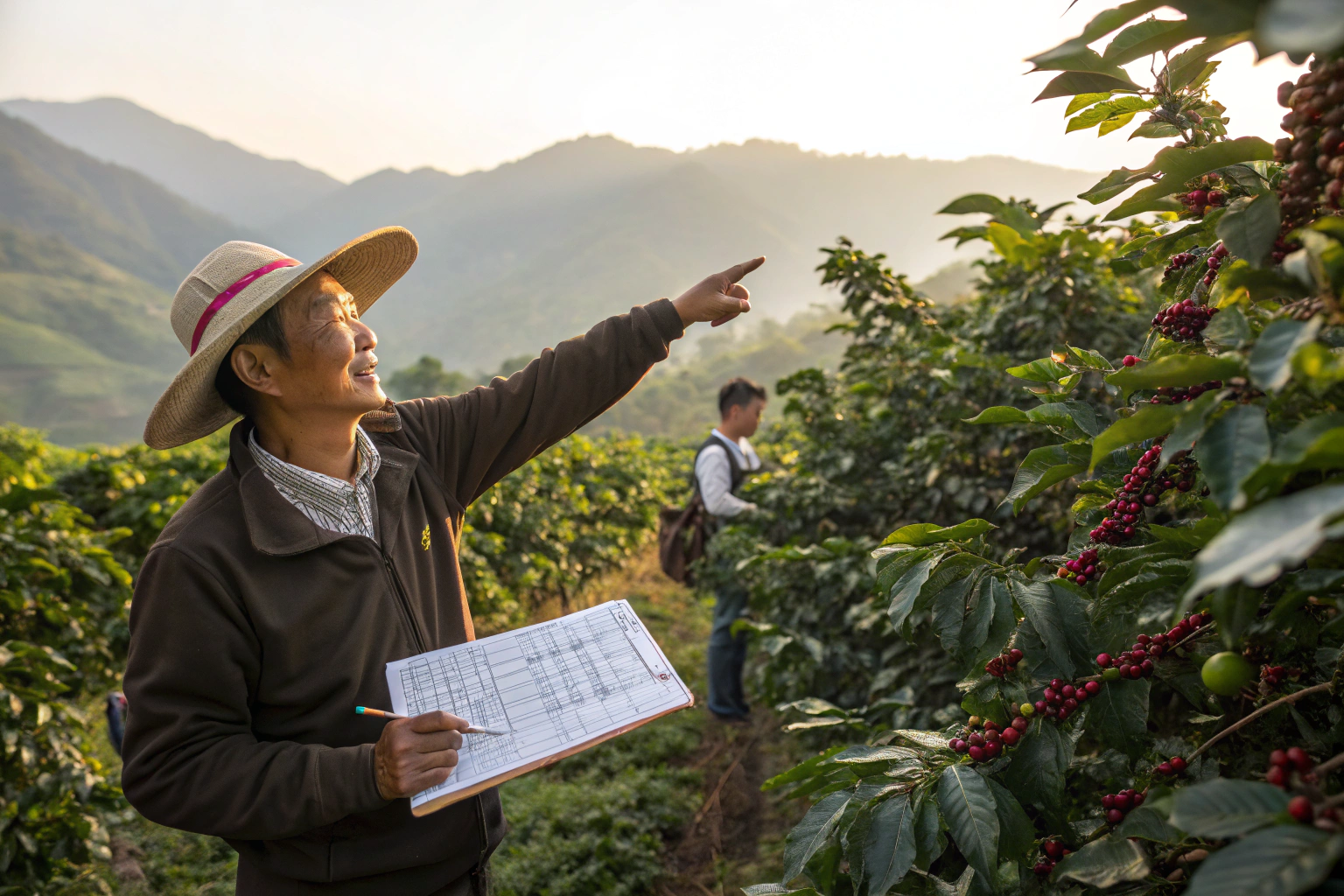
The Chinese coffee harvest officially begins in November. Early ripening varieties like Catimor may start in late October. But full production runs from December through February. Some high-altitude farms in Baoshan harvest into March. The exact start depends on rainfall patterns from the previous spring.
Why does Yunnan harvest later than other origins?
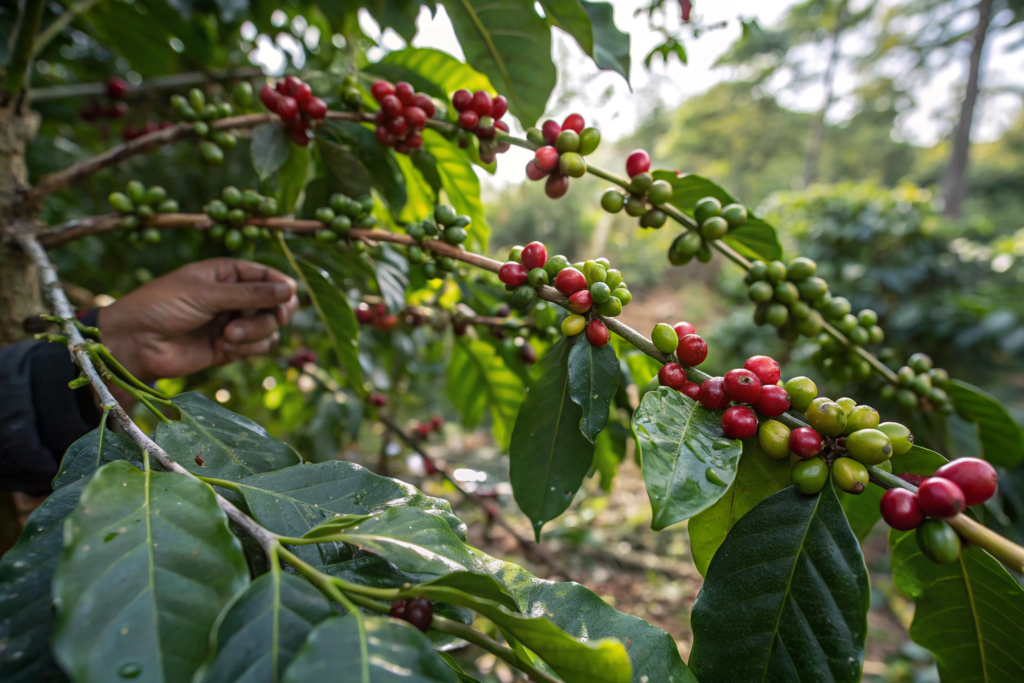
Geography. Yunnan is north of the equator, around twenty-two to twenty-five degrees latitude. Cooler winters than Indonesia or Vietnam. Our cherries need warmth to ripen. They flower in March and April after the spring rains. Then they grow through the summer monsoon. Temperatures drop in October. The cherries slowly turn red. By November, they are ready. This late harvest means our fresh crop arrives when many other origins are finishing. It is actually an advantage. We fill the gap between old crop and new crop from other regions. For example, World Coffee Research's origin profiles show harvest timing comparisons. Also, Perfect Daily Grind's Yunnan overview explains how latitude affects ripening.
What months are peak harvest in different Yunnan regions?
Yunnan is big. Well, big for coffee. Baoshan, Pu'er, and Dehong have slightly different microclimates. In Baoshan, where our ten thousand acres are, peak harvest is December and January. Pu'er, further south, may peak in January and February. Dehong, near the Myanmar border, can start a bit earlier. We coordinate with Shanghai Fumao on logistics because each region's timing affects container availability. If you want specific regional lots, tell Cathy. She knows which areas ripen when. For regional data, check Yunnan Coffee Exchange reports. They publish harvest updates weekly during the season.
How does the harvest calendar affect coffee quality?
Harvest timing is not just about dates. It is about flavor. Pick too early, beans are underripe. Taste grassy. Pick too late, they overripen. Taste fermented or rotten. The calendar tells you when quality peaks.
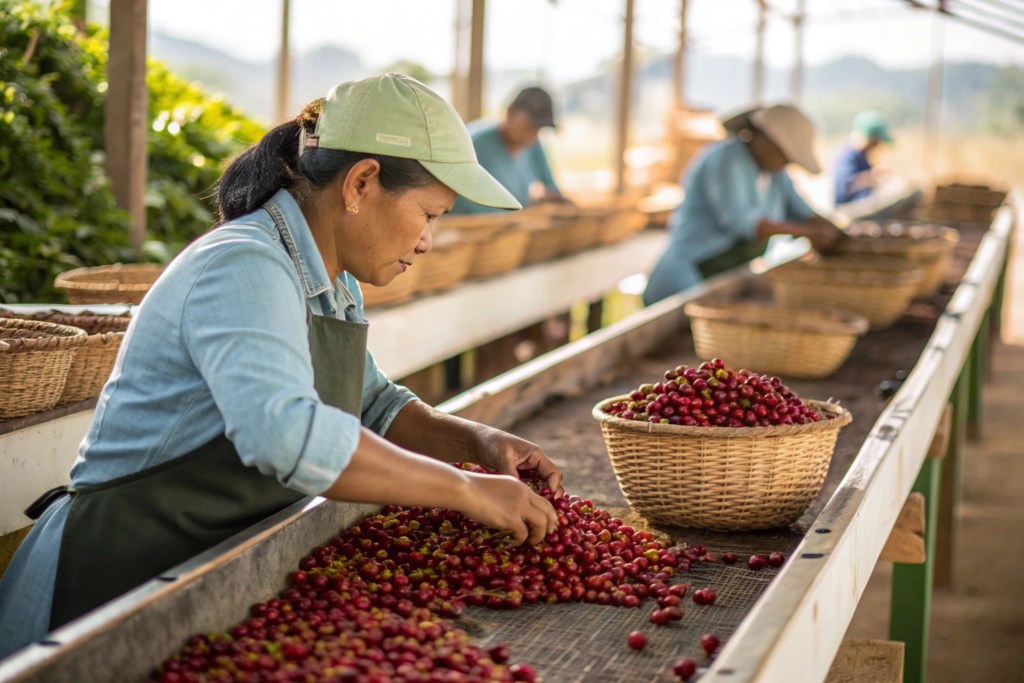
Quality peaks during the middle of the harvest, typically January. Early harvest beans in November may have higher percentages of underripe cherries. Late harvest beans in March may have more overripes. The sweet spot is when most cherries are perfectly red. That is when we focus on our specialty lots.
Why do early harvest beans sometimes taste different?
Early harvest means the first cherries to ripen. They grew on branches with more sun exposure. Or on younger trees. They can be excellent. But they also mix with cherries that are not fully ready. In November, maybe eighty percent are ripe. Twenty percent are still green. We sort. But perfect sorting is impossible. So early harvest lots often have slight grassiness. Some roasters like that. It is bright. But for consistency, many buyers wait until December. For cupping notes on early versus peak harvest, read Coffee Review's Yunnan archives. They have scored lots from different months. Also, Shanghai Fumao's harvest reports include quality assessments by week.
How does late harvest coffee develop different flavors?
Late harvest, February into March, means the last cherries. They ripened slower, in cooler weather. Sometimes they develop more sugar. More complexity. But risk increases. Overripes happen. Rain in March can cause mold. We watch carefully. Some of our best anaerobic experiments come from late harvest. The sugars are higher. Fermentation creates wild flavors. But volume is small. If you want something unique, ask about late harvest microlots. For examples, check Cropster's fermentation case studies. They have data on late harvest sugar content. Also, Perfect Daily Grind's articles on harvest timing explain flavor development.
What are the main coffee varieties harvested in China?
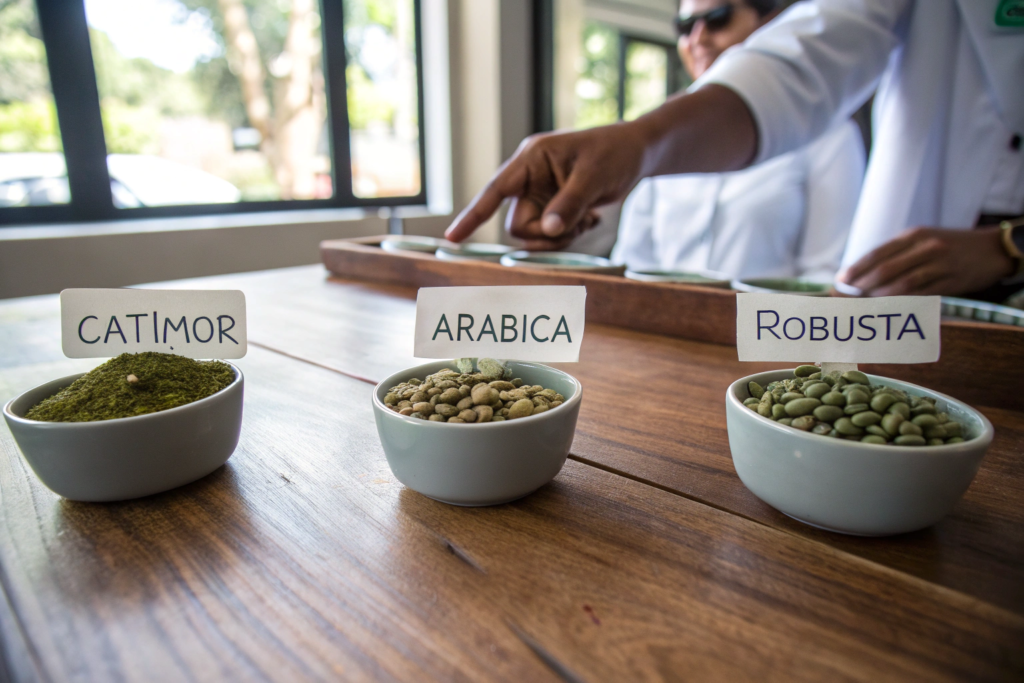
China grows three main types. Catimor. Arabica. Robusta. Each has its own harvest rhythm. Understanding this helps you plan purchases.
Catimor dominates Yunnan plantings. It ripens earlier, often by mid-November. Arabica, mostly Bourbon and Typica derivatives, ripens mid-December to February. Robusta, grown in hotter areas like Hainan but some in Yunnan, ripens later, sometimes into March. Each variety requires different picking schedules.
When is Catimor typically ready for picking?
Catimor is hardy. It grows fast. Ripens fast. On our farm, Catimor starts turning red in late October. By mid-November, we are picking full force. It finishes by January. This early window means Catimor is often the first fresh crop available from China. Buyers needing quick inventory after New Year choose Catimor. It is consistent. Good for blends. For Catimor cupping profiles, see Royal Coffee's Catimor notes. Also, Specialty Coffee Association's variety guides have Catimor data.
What is the harvest window for Yunnan Arabica?
Our Arabica is mostly Typica and Bourbon. Some Caturra. These are traditional arabica varieties. They need more care. They ripen slower. We start picking Arabica in December. Peak is January. By February, we are finishing. This later window means Arabica fresh crop ships in February and March. If you want floral, elegant Yunnan coffee, wait for these months. For more on Yunnan Arabica, read Coffee Quality Institute's origin reports. They have detailed sensory profiles.
How do weather patterns influence the harvest calendar?
Weather is the wild card. The calendar gives you averages. But weather changes everything. Drought delays ripening. Rain causes rot. Cold slows everything.
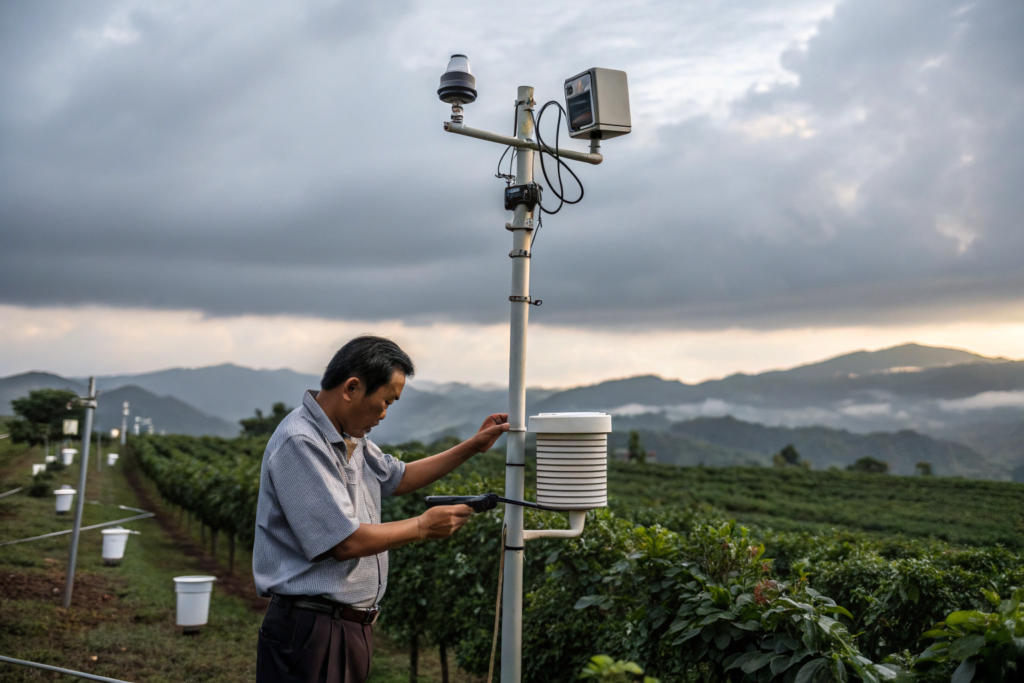
Yunnan's harvest is driven by the monsoon. Spring rains trigger flowering. Summer rains feed growth. Autumn dryness allows ripening. If spring rains come late, flowering delays. Then harvest pushes later. If autumn rains continue, ripening slows. We watch forecasts constantly.
What happens if spring rains arrive late?
Flowering depends on rain. Coffee trees need a dry period, then rain to trigger blooms. If spring rains are late, flowering happens late. Then the whole cycle shifts. Cherries that should ripen in December may not be ready until January. This affects everything. Shipping schedules. Contract fulfillment. We communicate constantly with Shanghai Fumao when this happens. They help us update clients. For climate data, see World Coffee Research's weather impact studies. They track flowering patterns globally.
How does rain during harvest affect quality?
Rain during harvest is the enemy. Wet cherries ferment too fast. Mold grows. We stop picking when it rains. But if rain persists, we have no choice. Pick or lose the crop. Then we use mechanical dryers. But quality drops. Buyers who want peak quality should avoid years with heavy March rains. Or buy earlier in the season. For harvest weather archives, check China Meteorological Administration's Yunnan data. Also, Perfect Daily Grind's harvest weather guides explain risks.
How can buyers plan purchases around the harvest calendar?
Planning is everything. If you understand our calendar, you never get caught short. You order at the right time. You receive fresh coffee.
Buyers should place orders for fresh crop Yunnan in September or October for December to February shipment. For Catimor, order earlier. For Arabica, order later. Allow six to eight weeks after harvest for processing, resting, and shipping. Fresh crop typically arrives in U.S. warehouses by March or April.

When should I order Yunnan coffee for spring delivery?
Spring delivery means March to May. To get fresh crop then, order by November or December. That gives us time to pick, process, rest, and ship. If you order in January for March delivery, you will get old crop. Or we rush drying. Rushing hurts quality. We prefer not to. For shipping timelines, Shanghai Fumao can give you exact cutoff dates. Also, check Maersk's China-U.S. sailing schedules to estimate transit.
What is the best time to sample new crop before buying?
We send samples in December and January. That is when fresh crop is ready. We cup everything. Share results. Buyers can taste and choose specific lots. If you want to be first, ask Cathy in October to put you on the new crop list. She sends samples as soon as they are ready. For cupping events, check Specialty Coffee Association's calendar. Many importers host new crop tastings in February.
Conclusion
The coffee harvesting calendar in China is not complicated. November to March. Catimor first. Arabica later. Weather moves things. But the pattern stays. At BeanofCoffee, we live this calendar. Our ten thousand acres in Baoshan follow the seasons. We pick when nature says pick. We rest when beans need rest. And we ship when the coffee is ready.
If you want to buy Yunnan coffee at its best, work with us. Tell Cathy when you need coffee. She will advise the right harvest window. She knows which lots are fresh. Which are aging. She will help you plan. Contact Cathy Cai at cathy@beanofcoffee.com. Let her guide you through our seasons. Your customers will taste the difference.