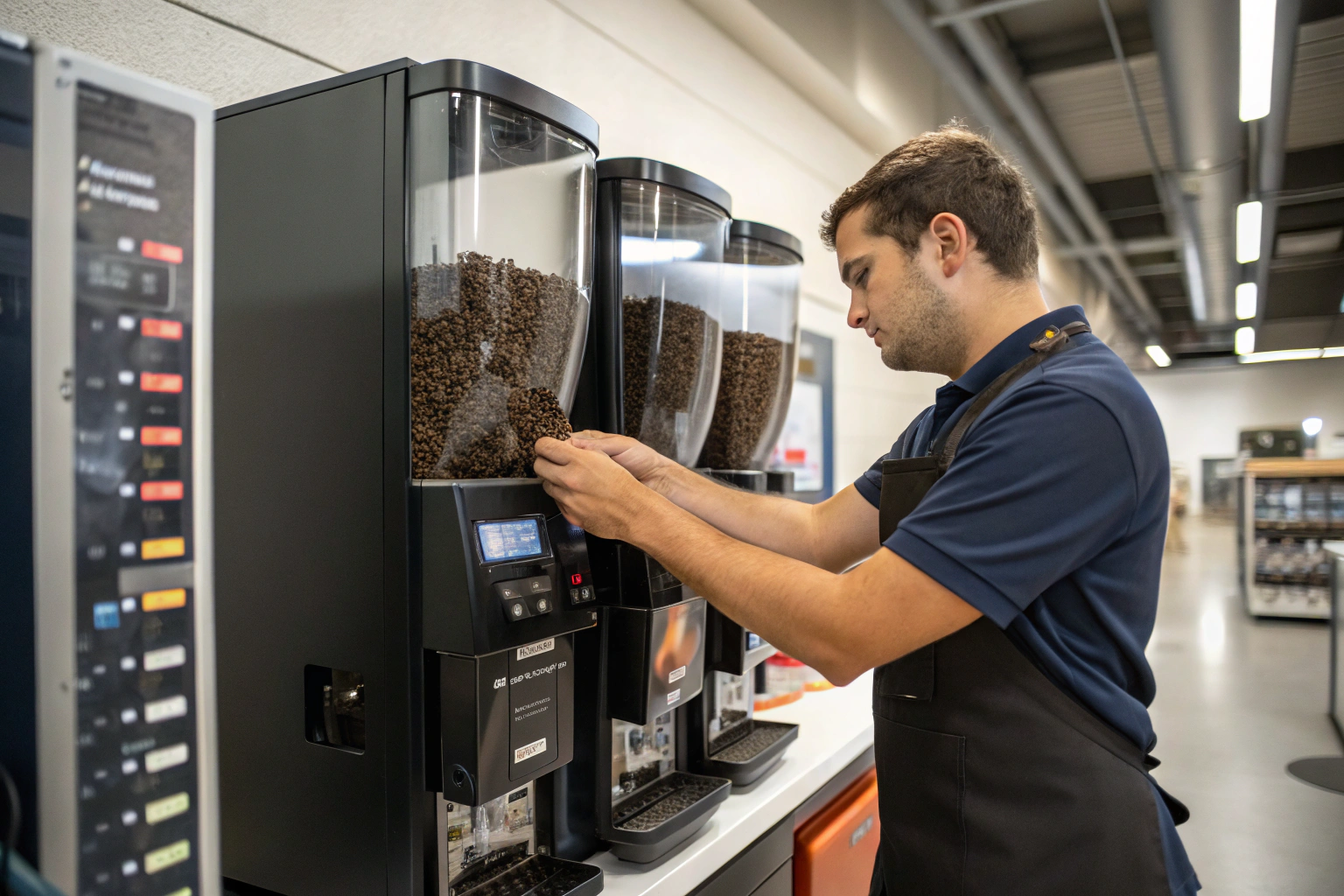
A distributor from Chicago called me last month. He'd lost three contracts because his vending machine coffee tasted terrible. The machines worked fine. The maintenance was regular. But customers complained. They bought once, never again. He needed coffee that worked in machines, not just tasted good in a cupping room.
Selecting coffee for vending machines requires different criteria than café or retail coffee. You need beans that perform consistently under automated brewing, resist staling in bulk hoppers, maintain flavor through long cycles, and produce acceptable taste with minimal adjustment. At BeanofCoffee, we've helped vending operators select beans that keep customers coming back.
Let me walk you through what actually matters when choosing coffee for vending. Because vending is its own world—different rules, different priorities, different challenges.
What Makes Vending Machine Coffee Different from Café Coffee?
I remember visiting a vending operation in Germany. They showed me their quality control lab—rows of vending machines brewing test batches constantly. They didn't cup coffee. They let machines brew it and tasted the results. Smart. Because coffee that tastes great cupped might taste terrible brewed automatically.
Vending machines brew with precise but inflexible parameters. Fixed water temperature, fixed pressure, fixed grind settings (usually). The coffee must adapt to the machine, not the other way around. Consistency, forgiveness, and stability matter more than peak flavor potential.
How do vending machines brew differently?
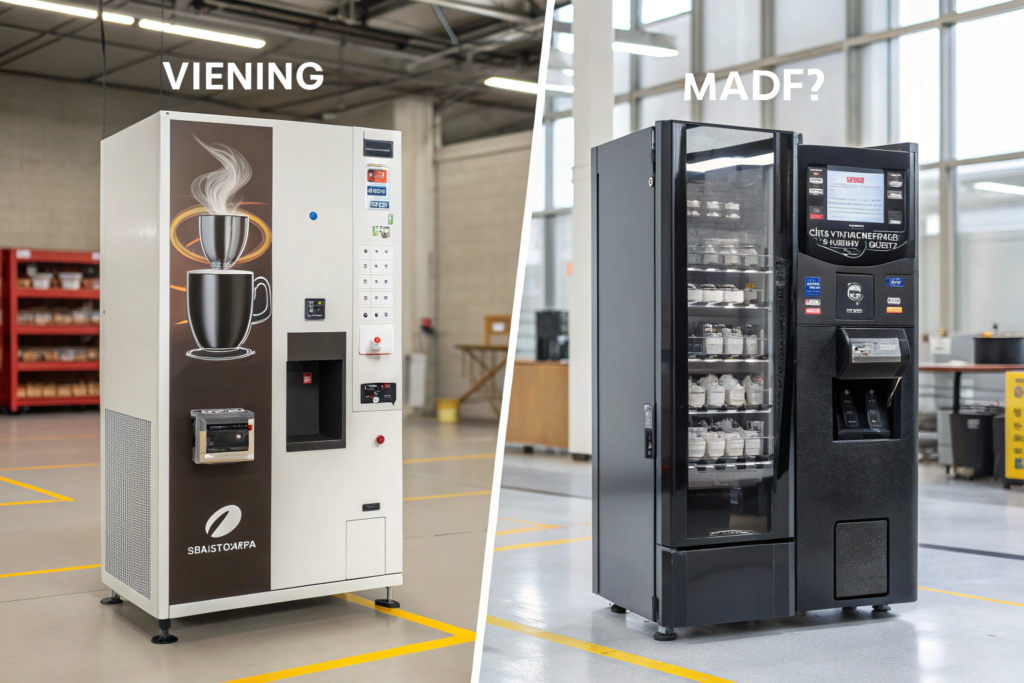
Most vending machines use pressurized brewing with pre-ground coffee stored in bulk hoppers. Coffee sits for hours or days exposed to air. Water temperature may vary with machine age. Grind size is fixed until someone adjusts it—which rarely happens.
This environment punishes delicate, complex coffees. They stale quickly. They extract unevenly. They disappoint. Robust, forgiving coffees perform better. Check vending machine brewing standards for technical specifications of commercial equipment.
Why does cupping quality not predict vending success?
Cupping is controlled, manual, fresh-ground. Vending is automated, variable, stale-ground. A coffee that shines cupped might fail in vending. The reverse is also true—humble coffees that seem boring cupped can perform beautifully in machines.
We test potential vending coffees in actual machines, not just cupping labs. Simulate real conditions. Only then do we know. Working with Shanghai Fumao connects you with producers who understand vending requirements.
What Bean Characteristics Matter Most for Vending?
Not all beans work in vending. Some clog grinders. Some produce excessive fines. Some stale too fast. Some taste terrible after hours in hoppers. Selecting for vending means prioritizing certain characteristics.
Vending coffee needs uniform bean size for consistent grinding. Medium to high density for even extraction. Low moisture for stability in hoppers. Low defect count to avoid off-flavors. Roast level medium to avoid oil buildup in machines.
Why does bean size uniformity matter?
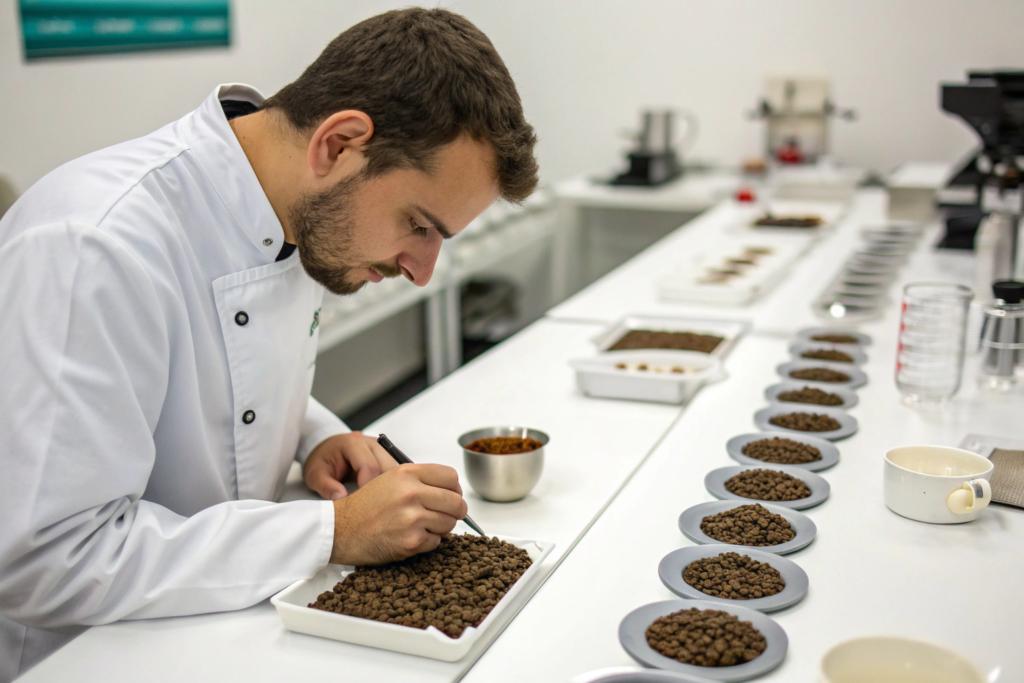
Vending machine grinders are set for specific particle size. If beans vary widely in size, some grind too coarse, some too fine. Extraction varies. Cup quality suffers.
Screen size 16 to 18 with tight distribution works best. Avoid lots with many small beans (screen 14 and below) or many huge beans (screen 19+). They'll cause problems. Visit green coffee grading for vending for specifications used by major vending operators.
What roast level works best in vending?
Medium roast. Light roasts can taste sour in vending machines. Dark roasts create oil that clogs grinders and builds up in machines. Medium is safe, consistent, widely acceptable.
We recommend roast levels that produce balanced flavor without excess oil. City to Full City range. Enough development for sweetness, not so dark that machines suffer. Working with partners like Shanghai Fumao ensures consistent roast levels shipment to shipment.
How Does Freshness Affect Vending Coffee Performance?
Vending coffee sits. In hoppers. For hours or days. Exposed to air. Gradually staling. If you don't account for this, your coffee tastes worse as the day progresses. Customers notice.
Vending coffee stales faster than bagged coffee because hoppers aren't airtight. Oxygen attacks beans continuously. After 24 hours in a hopper, even good coffee tastes flat. After 48 hours, it's undrinkable. Rotation and hopper size management are critical.
How long can coffee stay in hoppers?
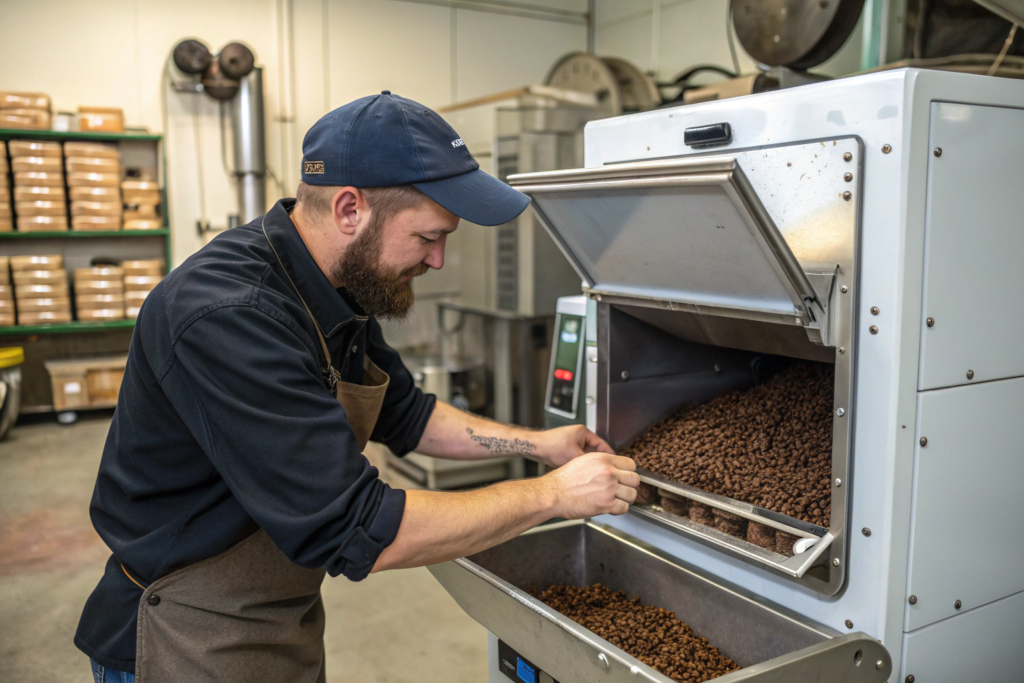
Ideally: less than 24 hours. Realistically: 24 to 48 hours maximum. Beyond that, quality degrades noticeably.
Matching hopper size to sales volume matters. Too large a hopper for low volume means stale coffee for days. Too small means constant refilling. Calculate carefully. Check vending coffee freshness guidelines for recommended hopper management practices.
What packaging protects vending coffee before use?
Vending coffee typically arrives in large bags—5 to 20 kilograms. Once opened, freshness clock starts. Use within weeks, not months.
We package vending coffee in valve-sealed bags that protect until opening. But after opening, responsibility shifts to operator. Working with Shanghai Fumao means you receive coffee with maximum remaining shelf life for your operation.
What Flavor Profile Works for Vending Machine Coffee?
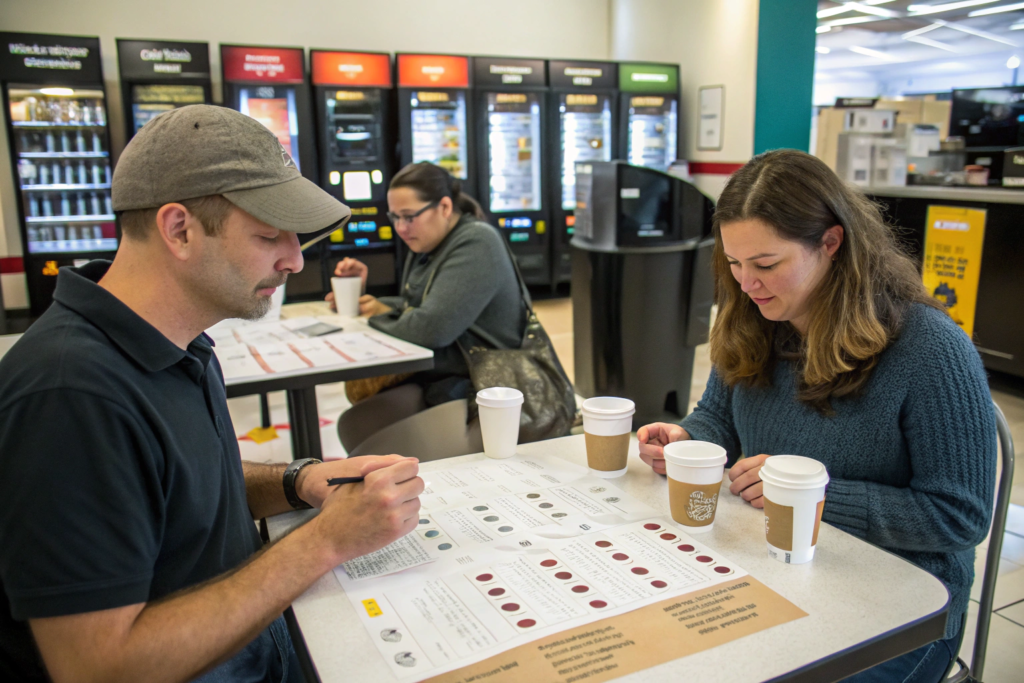
Vending customers aren't coffee snobs. They're office workers, travelers, convenience seekers. They want coffee that tastes pleasant, not challenging. Complex, unusual flavors confuse or offend them.
Vending coffee should taste smooth, balanced, and familiar. Chocolate and nut notes work. Fruity or floral flavors confuse. Bitterness must be controlled—vending coffee often extracts more bitterness than manual brewing. Acidity should be moderate, not bright.
What flavors do vending customers prefer?
Surveys consistently show: chocolate, caramel, nutty flavors top the list. Smooth body. Low bitterness. Moderate strength. Coffee that tastes like "coffee" to mainstream drinkers.
Exotic flavors appeal to enthusiasts, not vending customers. Save those for retail. Vending needs broad appeal. Visit vending coffee consumer research for preference studies and demographic data.
How do you control bitterness in vending?
Roast profile matters. Avoid scorching during roasting. Development time sufficient but not excessive. Medium roasts balance sweetness and bitterness.
Grind adjustment helps. Too fine increases extraction and bitterness. Too coarse produces weak, sour coffee. Finding sweet spot requires testing with actual machines. Review vending coffee extraction optimization for technical guidance.
Conclusion
Selecting coffee for vending machines requires different thinking than café or retail selection. Uniform beans. Medium roast. Broad appeal flavor. Stability in hoppers. Forgiveness in extraction. These matter more than cupping scores or origin stories.
The best vending coffee isn't the most expensive or most exotic. It's the coffee that performs reliably, tastes consistently, and satisfies the widest range of customers. It's coffee designed for machines, not for awards.
At Shanghai Fumao, we've developed vending-specific selections. We test them in actual machines. We provide specifications that help operators succeed. We understand that your business depends on every cup being good enough—and that's what we deliver.
If you're a vending operator looking for reliable coffee, contact our export manager, Cathy Cai. She'll share our vending-specific options, provide samples for your testing, and help you select beans that keep customers coming back. Email her at cathy@beanofcoffee.com. Tell her about your operation—machine types, volume, locations, current challenges. She'll respond within 24 hours with solutions that actually work in vending.