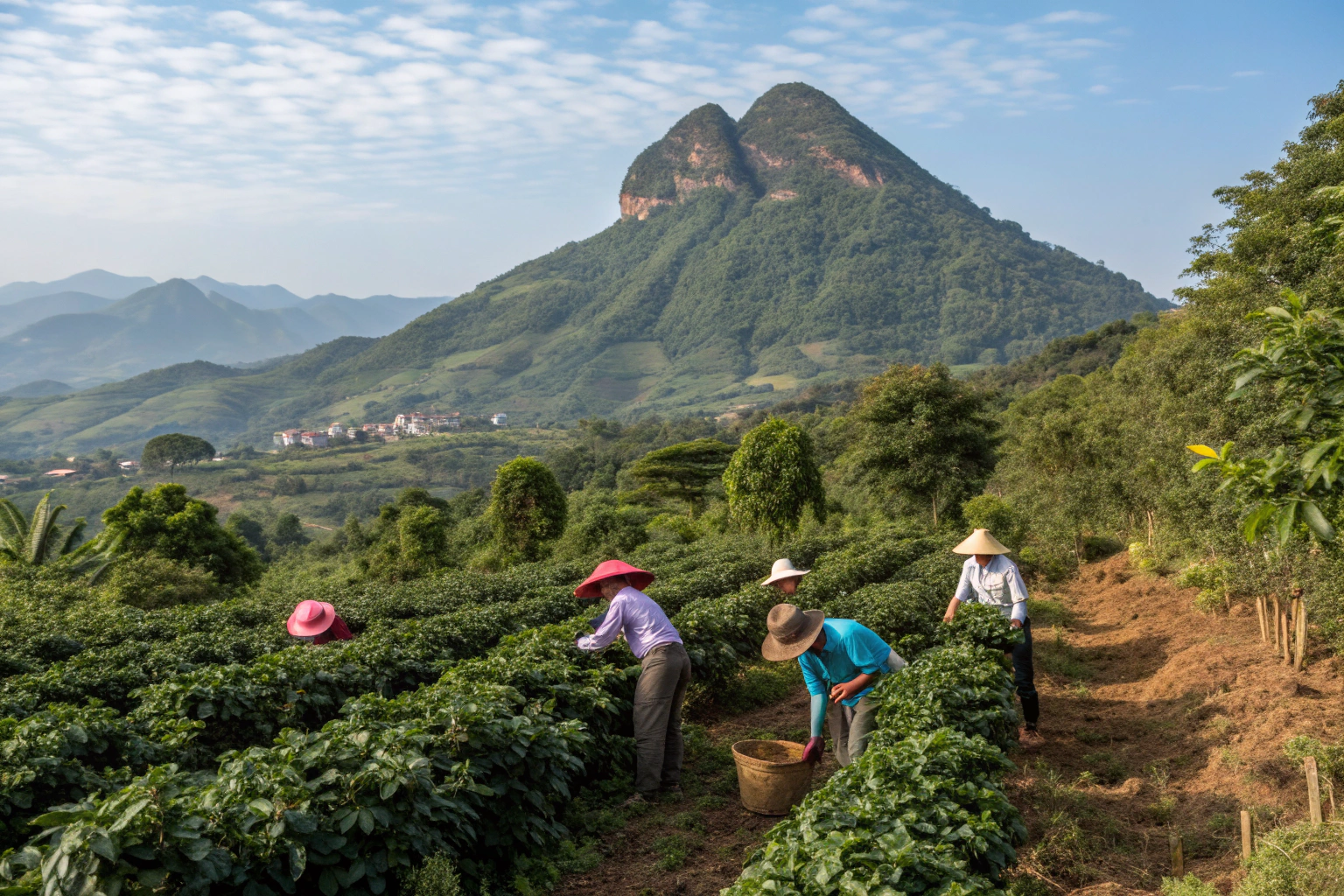
You look at the shelf. It is a wall of brown bags. Colombian single-origin. Ethiopian heirloom. Brazilian blend. The big guys have owned these origins for decades. Their stories are polished. Their supply chains are ironclad. You are the new brand. You do not have a 50-year relationship with a co-op in Huila. And honestly, if you try to out-Colombia the Colombian roasters, you will lose. They have the volume, the recognition, and the price leverage. Your weapon is not going head-to-head with the old world. Your weapon is the new world. Asia. Specifically, Yunnan, China. The coffee is excellent. The story is fresh. And the supply chain is wide open for direct partnerships.
Competing with Asian beans means owning a unique origin story that the traditional players have ignored. You do not sell "another Colombian." You sell a specific mountain in Baoshan. You partner directly with growers like us at BeanofCoffee, cutting out the import cartels and building a brand narrative around transparency, terroir, and the untold story of Chinese specialty coffee.
The old world is crowded. The new world is yours to define. Here is how you build a brand on Asian beans that does not just survive but stands out.
Why Does an Asian Single-Origin Story Captivate U.S. Consumers?
American coffee drinkers are curious. But they are also overwhelmed. They have tasted a hundred "chocolate and nut" South American coffees. They are beginning to blend together in their memory. The palate is bored. The mind is bored. What captures attention now is the unexpected.
An Asian single-origin story shatters the consumer's mental map of coffee. Most Americans do not know China grows specialty Arabica. This knowledge gap is your marketing advantage. When you present our BeanofCoffee Baoshan lot, you are not just selling a beverage. You are selling a discovery.
The story of Asian coffee is a story the customer has not heard a thousand times. That novelty is a conversion machine.
How Does the "Hidden Gem" Narrative Build Brand Curiosity?
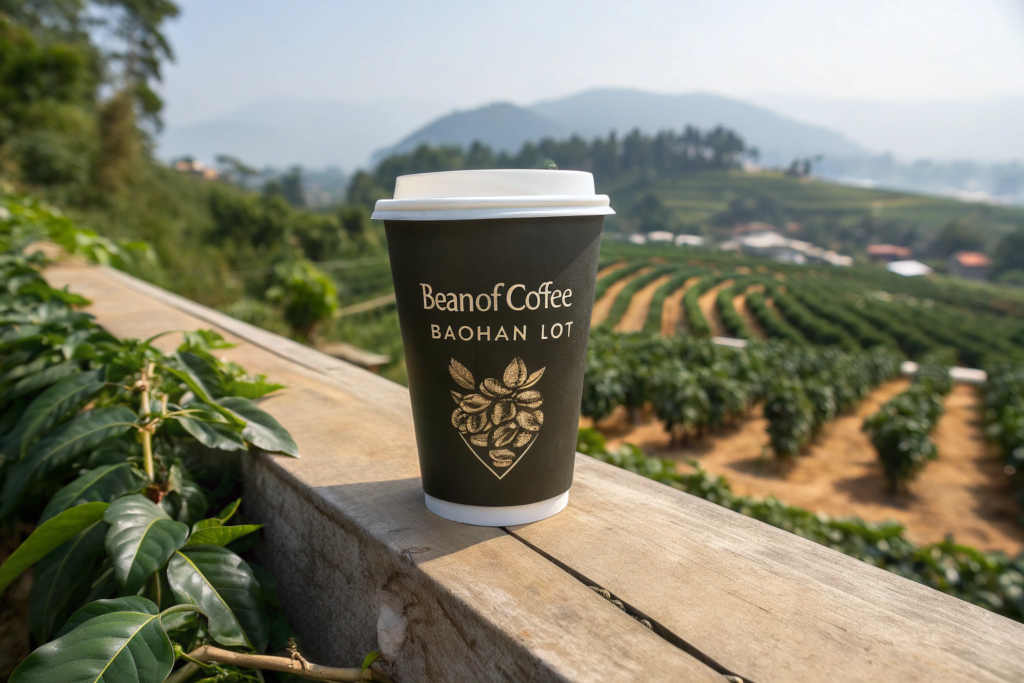
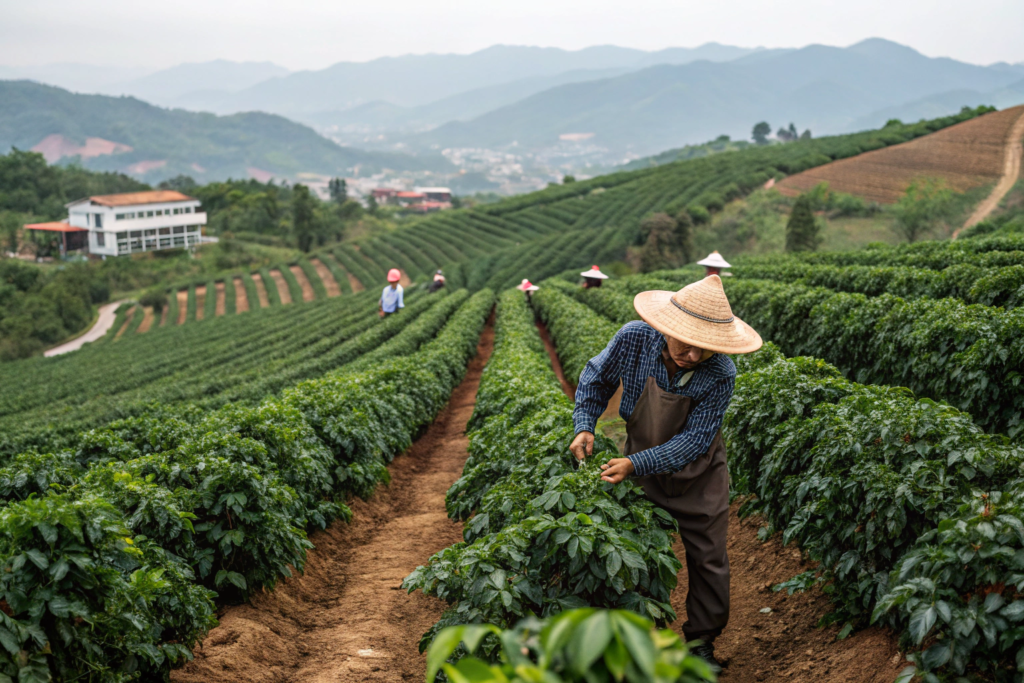
Everyone loves a secret. A hidden beach. An undiscovered band. An underdog story. Yunnan coffee is exactly that in the coffee world. The region has grown tea for a thousand years. Coffee is a newer chapter, but the terroir is ancient. The high-altitude slopes of the Gaoligong Mountains, the mist, the red soil. When you tell this story on your bag, you are inviting the customer into a club of insiders. "You know about Yunnan? Most people don't." This flatters their curiosity. It makes them feel adventurous without leaving their kitchen. The narrative is authentic. It is not manufactured by a marketing agency. I am here, on this mountain, typing this. The coffee is real, and the place is spectacular. Your job is to transmit that reality through your branding. Use maps. Use photos of our pickers. Use my words. Let the customer taste the place.
Why Does the "Terroir of Baoshan" Offer a Genuine Flavor Distinction?
Yunnan Arabica has a signature. It is not a copy of Colombia. The cup profile we consistently produce at our high-altitude Baoshan farm is a combination of malic acidity, like a crisp apple, with a brown-sugar sweetness and a hint of black tea in the finish. That black tea note is the whisper of Yunnan's deep agricultural history. That note does not come from Guatemala. It does not come from Kenya. It is a product of this soil, these varieties, and this climate. For a roaster, this is a blending dream. It adds a unique top note to an espresso blend. As a single-origin, it stands alone with a clear, describable identity. Your tasting notes can be specific and true. "Crisp apple acidity, brown sugar body, lingering black tea finish." That specificity sells bags. Vague notes like "smooth and balanced" do not. Asian beans give you specific, marketable flavor descriptors that stand out in a cupping.
How Can Direct Sourcing from China Reduce Your Startup Costs?
Cash is tight. You are a new brand. Every dollar you spend on green coffee is a dollar you cannot spend on packaging, marketing, or a second farmers market tent. The traditional supply chain, with its layers of importers and brokers, is a tax on small businesses. You need a leaner model.
Direct sourcing from China slashes your green coffee cost by removing the importer margin. You buy from the farm gate. At BeanofCoffee, I work with small and new brands on flexible volume options, including pallet-sharing and micro-lot splits, so you can access premium Yunnan Arabica without a massive upfront inventory investment.
You are a startup. You need startup-friendly supply terms. China can offer that.
What Are the Minimum Order Quantities for New Brands?
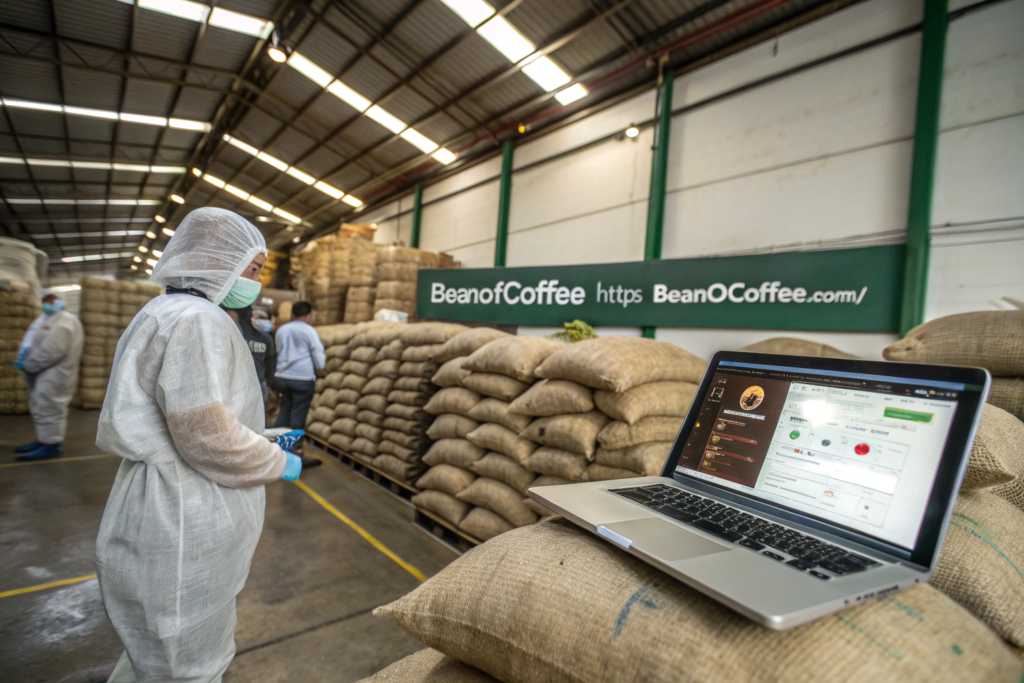
The old guard suppliers often have a one-container minimum. That is 300 bags, roughly 19 metric tons. For a new brand, that is a two-year supply. It is impossible. It ties up your cash and your warehouse. I understand this because I work with brand buyers of all sizes. At BeanofCoffee, we offer micro-lot programs. You can buy as little as 5 bags, 300 kilos, to start. Yes, the per-pound freight cost is higher on a small shipment. But the total cash outlay is manageable. You can test the market. You can launch with a limited-edition run. Once you prove the concept and have cash flow, you scale. We also do pallet consolidations with other small brands heading to the same region. You share a container. You get the FCL freight rate. This flexible MOQ approach is a lifeline for a new roaster. It lets you play the game without betting the farm.
How Does a Direct Farm Partnership Improve Your Cash Flow Cycle?
A traditional importer demands payment on delivery, or even before. You pay for the coffee, the freight, the warehousing, and their margin all at once. Your cash is gone. Then you wait for the coffee to sell. The cash conversion cycle is brutal. A direct partnership with us can be structured differently. We can agree on a forward contract with a deposit, say 30%, to lock the price and the volume. The balance is due when the coffee is ready to ship, or even upon arrival at your port. This gives you weeks or months of extra float. You can roast and sell some of the coffee before the full payment hits. This is a cash flow advantage that a middleman-structured deal rarely provides. We can be flexible because we are the principal. We own the coffee. We are not a trader looking for a quick turnover. We want a long-term brand partner.
What Roast Profiles Best Showcase the Character of Chinese Arabica?
You have the green beans. Now the magic happens in your roaster. But Yunnan Arabica is not a generic bean. It has specific physical properties. It is a dense, high-altitude bean from our Baoshan farm. Its cell structure holds heat differently. If you roast it like a soft Brazilian, you will bake it. You need a profile that unlocks its acidity without scorching its sweetness.
Yunnan Arabica shines at a light to medium roast. A fast, high-heat start followed by a gentle development phase preserves the malic acidity and tea-like finish. Our roasting partners at BeanofCoffee have found that dropping the beans just after the first crack, with a total roast time of around 10 to 12 minutes, delivers the optimal balance of body and clarity.
Do not murder this coffee with a dark roast. Let it sing. Its voice is bright and clean.
How Does a Light Roast Highlight the Malic Acidity of Yunnan Catimor?
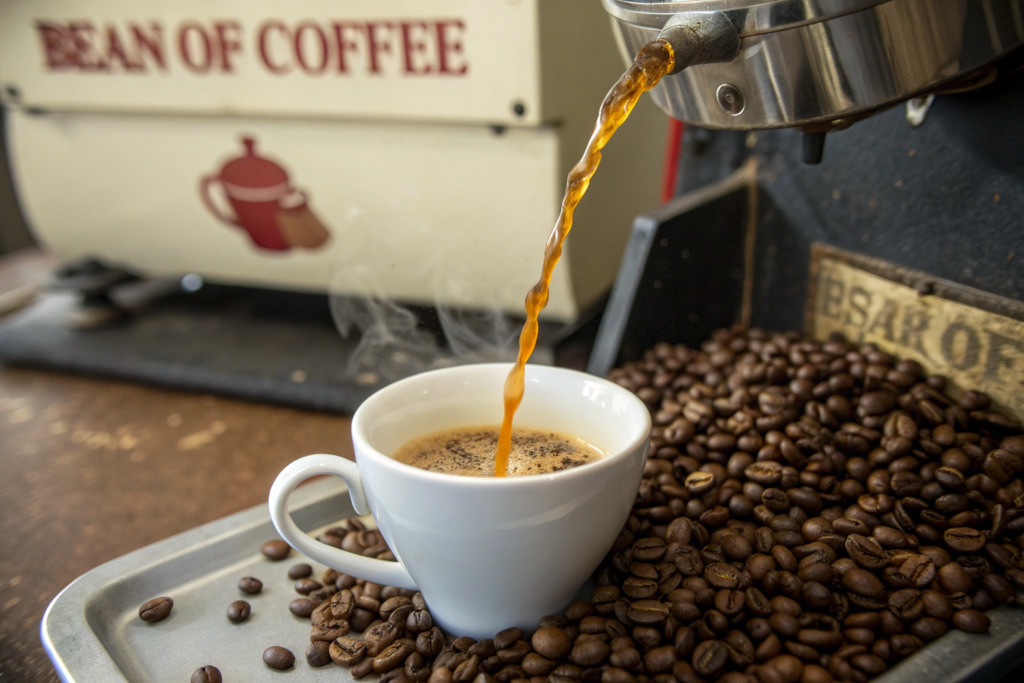
Light roasting is a high-wire act. You must apply enough heat early to penetrate the dense bean, but you must stop before the acidity converts into carbonized bitterness. For our washed Catimor, I recommend a charge temperature around 200 degrees Celsius. Push the heat hard in the first three minutes. You want the turning point to happen quickly. Then, as the bean yellowes, back off the gas. Let it coast into first crack with a declining rate of rise. First crack will be audible and vigorous because the bean is dense and the internal pressure is high. Drop the batch about 60 to 90 seconds after the first crack ends. The bean temperature should be around 205 to 208 degrees Celsius. This profile preserves the malic acid, which is volatile. It gives you that crisp green apple note in the cup. It also keeps the body surprisingly heavy for a light roast. The tea finish is clear and clean, not vegetal.
Why Does a Medium Roast Unlock the Brown Sugar Sweetness?
If your brand needs an approachable, crowd-pleasing profile, a medium roast is your friend. Take the development a bit further. After first crack, reduce the heat but do not stall the momentum. Extend the development time to about 20% of the total roast. Drop the beans at around 215 degrees Celsius, just as the surface starts to smooth out and a few snaps of second crack might be heard in the distance. At this level, the malic acidity softens. It becomes more like a baked apple than a fresh apple. The brown sugar sweetness takes center stage. The body becomes syrupy. This profile works beautifully for milk-based drinks. It cuts through the milk with a caramel backbone. It also performs well as a cold brew. The extended development reduces the astringency that sometimes appears in a light roast when extracted cold. This is a versatile, safe profile that will please a broad audience without burying the origin character.
How to Market Asian Coffee Authentically Without Exoticism?
There is a trap. The trap of "exotic Asia." The misty mountains, the ancient secrets, the mysterious Orient. This is lazy marketing. It is also disrespectful to the modern, professional, quality-focused industry we have built here. Consumers are getting smarter. They can smell cliché from a mile away.
Authentic marketing means respecting the origin as a real, modern place. Tell the story of our specific farm, our specific agronomy, and our specific quality standards. At BeanofCoffee, I provide my brand partners with real photos, data, and direct quotes. The story is about agricultural craft, not ancient mystery.
Sell the craft. Sell the terroir. Do not sell a fantasy.
How to Use Transparency as a Marketing Tool?
Transparency is the opposite of exoticism. Exoticism says, "This is a magical, unknowable place." Transparency says, "Here is the GPS pin of the farm. Here is the soil test. Here is Cathy's phone number." This radical openness is your brand's trust engine. Put a QR code on your bag. Link it to a landing page that shows our Baoshan wet mill in operation. Show the cupping scores. Show the moisture meter reading. When a customer sees this level of detail, they understand they are buying a real agricultural product from real people. It builds a connection that a stock photo of a "mountain" never could. This approach appeals to the skeptical, information-hungry consumer who is tired of being marketed to. They want the truth. Give them the data.
How to Frame the Farmer Relationship in Your Brand Story?
Do not call me a "humble farmer" in your copy. I am a business owner, an agronomist, and an exporter. The modern coffee farmer is an entrepreneur. Frame our relationship as a partnership. Use direct quotes from my emails. "Cathy Cai, the owner of BeanofCoffee, says this harvest's Catimor lot has an exceptional crispness due to the cool, dry nights in Baoshan." This positions you as a curator and us as skilled producers. The customer sees a horizontal chain of skilled professionals, not a vertical chain of a wealthy roaster helping a poor farmer. This flat hierarchy resonates with values-driven consumers. It is honest. It is modern. And it differentiates you from the old colonial "helping the natives" narrative that still haunts parts of the coffee industry.
Conclusion
The new coffee brand cannot win by playing the old game. The Colombian and Ethiopian supply chains are mature, crowded, and dominated by established players with deep pockets. Your advantage is agility and a fresh story. Asian beans, specifically our single-estate Yunnan Arabica from Baoshan, give you both. A flavor profile that is distinctive and genuine, a direct sourcing model that cuts your costs and improves your cash flow, a roasting canvas that offers both vibrant light roasts and comforting medium roasts, and a marketing narrative built on modern transparency, not dusty exoticism. You are not just launching another me-too coffee. You are introducing a new origin to a curious market.
Let's build your brand on a foundation of real partnership. Reach out to me, Cathy Cai, at cathy@beanofcoffee.com. I will send you a micro-lot sample kit, a media package with farm photos and data, and a flexible starter contract. You focus on roasting and storytelling. I will handle the mountain. Together, we can make Yunnan the next great origin on the American specialty map.