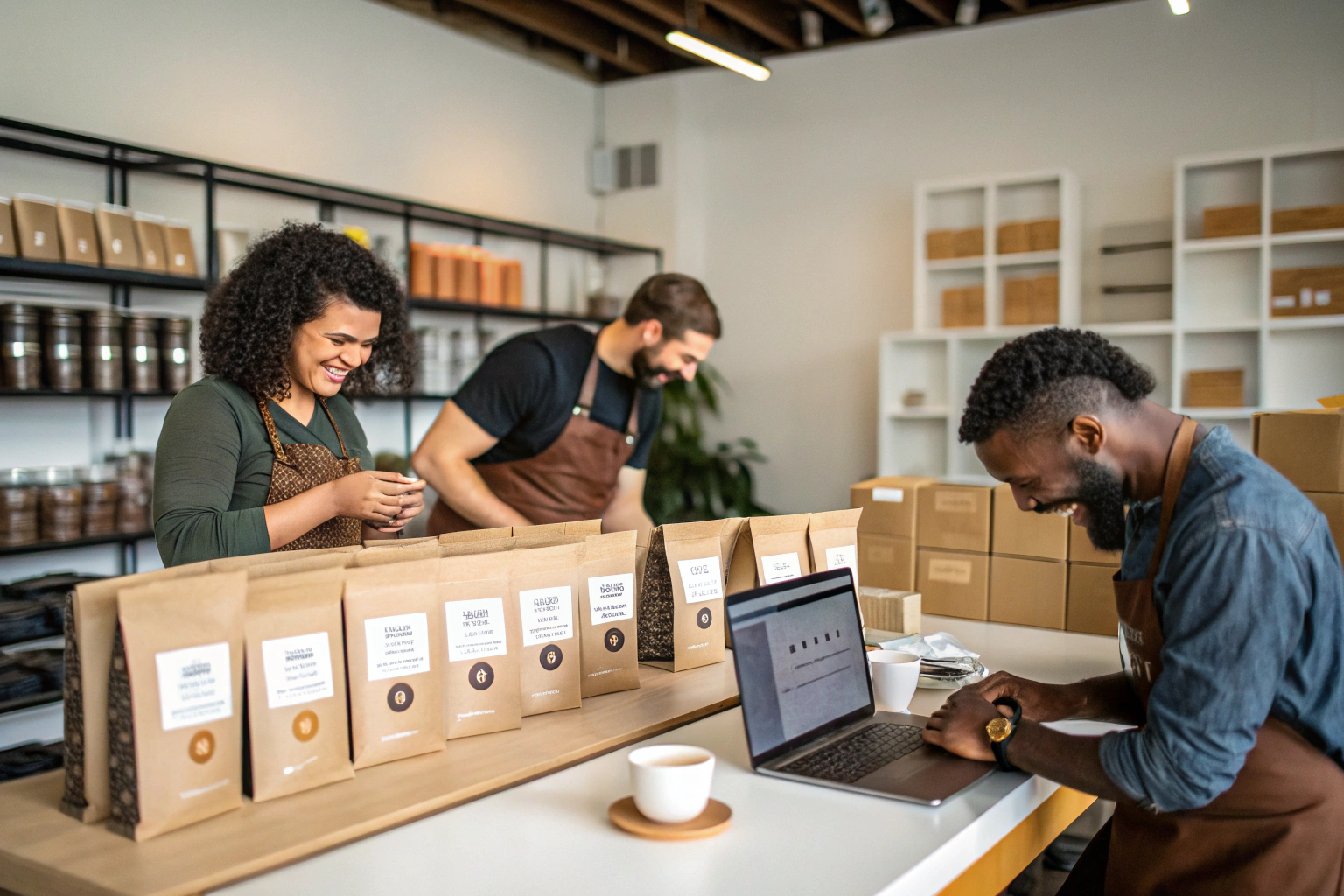
I have spent years in the coffee business. First, growing it. Then, processing it. Now, I export it to roasters all over the world. I have seen a major shift in the last five years. Roasters are moving away from just selling bags in cafes. They are building subscription services. Why? Because a subscription gives you predictable revenue. It gives you a direct relationship with your customer. It smooths out the ups and downs of retail sales. But I also see people struggle with it. They think it is just about putting a "subscribe" button on their website. It is not that simple. There are real challenges. Packaging. Shipping. Cost management. And, most importantly, the coffee itself. You need a supply chain that can support a recurring model. You need consistency. You need reliability.
A successful coffee subscription is built on three things. First, you need a product that tastes great every single time. Second, you need a fulfillment system that gets the coffee to the door on schedule. Third, you need a pricing model that works for your business and your customer. The coffee is the heart of it. But the logistics and the customer experience are what keep people subscribed. You cannot build a subscription on inconsistent beans. You cannot keep subscribers if shipments are late. And you cannot grow if your costs are not under control.
So, how do you actually build this? I want to walk you through it. I will share what I have learned from watching my clients succeed. Some of them are small roasters. Some are big brands. They all faced the same questions. I will give you a step-by-step guide. We will talk about the coffee sourcing. We will talk about the packaging. We will talk about the shipping. And I will show you how to build a system that does not burn you out.
Choosing the Right Coffee Beans for a Recurring Model
The first thing you have to understand is this: a subscription is not like a one-off sale. When someone buys a single bag from your shop, they try it once. If it is a little different from the last batch, maybe they do not notice. But a subscriber? They get coffee every month. They build a habit. They expect the same experience every time. If the flavor changes, they notice. If the quality drops, they cancel. So, your coffee sourcing has to be built for consistency. This is not the place for small, unpredictable microlots. This is where you need a stable, reliable supply.
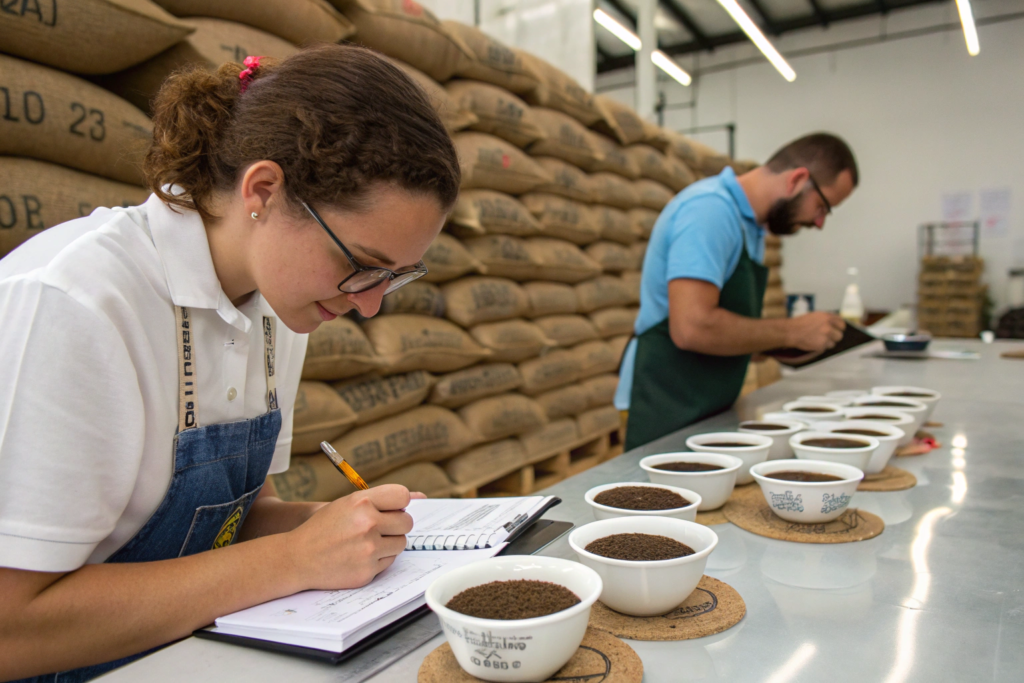
Why is consistency more important than novelty for subscriptions?
I want to tell you a quick story. A roaster in Chicago started a subscription service. He was excited. He wanted to feature a different single-origin coffee every month. It sounded great in theory. But after three months, his subscribers started leaving. Why? Because they fell in love with the first coffee they received. Then the second month, they got something completely different. Some liked it. Some did not. By the third month, they did not know what to expect. They wanted the coffee they signed up for. They wanted a reliable morning cup.
This taught him a lesson. For a subscription, novelty is a risk. Consistency is what keeps people paying. Your subscribers are not all coffee geeks. Some are. But many are just people who want a good, reliable cup of coffee delivered to their door. They do not want to think about it. They want to know it will be good.
So, what does this mean for you? It means you need a core coffee. A "house blend" or a signature single-origin that you can source year-round. This is where a partner like us comes in. Because we own our farms, we can offer you that consistency. Our Arabica from Yunnan has a stable profile. It is a clean, smooth cup with good body. It works as a single-origin. It also works as a base for a blend. And we can guarantee supply. You are not chasing harvests in different countries. You are working with one partner who has the scale to deliver.
Another way to look at this is through the lens of your customer's morning routine. They wake up. They grind the beans. They brew the coffee. They want that first sip to be satisfying. If it is, they feel good about their choice to subscribe. If it is not, they start looking for alternatives. So, when you choose your subscription coffee, ask yourself: can this be the coffee they look forward to every single day for a year? If the answer is yes, you have found your anchor.
How do you source enough volume for a growing subscriber base?
Here is a problem I see often. A roaster launches a subscription. It grows quickly. Then, six months in, they run out of the coffee they were using. They call their supplier. The supplier says, "Sorry, that lot is gone. I have something else, but it is different." Now the roaster has a choice. They can change the coffee and risk losing subscribers. Or they can scramble to find a replacement of similar quality. Both options are bad.
You need to avoid this from the start. You need to work with a supplier who has volume. At Shanghai Fumao, we have over 10,000 acres. That is not a small farm. That is a serious operation. We can commit to a certain volume for a year. We can do a contract. You tell me how much you need each month. I reserve it for you. It is yours. It is not being sold to someone else.
This is a different way of thinking. Many roasters are used to buying spot. They buy a few bags here, a few bags there. For a subscription, you need to think in terms of annual contracts. You need to forecast your growth. And you need a partner who can grow with you.
We work with one brand in Australia. They started with a subscription base of 200 customers. They used our standard Arabica. They committed to a volume of one pallet per month. Over two years, their subscriber base grew to over 2,000. We scaled with them. We increased their monthly allocation. We never had a gap. They never had to change their coffee. This is what a partnership looks like. You are not just buying beans. You are buying security. You are buying the ability to grow without worrying about your supply chain.
Also, consider your roasting capacity. A subscription adds a steady, predictable load to your roaster. This is good. It helps you use your equipment efficiently. But you need to plan for it. If you are doing a weekly roast for your cafe, plus a weekly roast for wholesale, and now you add a weekly roast for subscriptions, your schedule gets tight. You need a supplier who can deliver green beans on a consistent schedule. Not all at once, but in regular shipments. We can do that. We can ship a container to you every quarter, or we can ship pallets every month. We work around your production schedule.
Designing Packaging and Logistics for Direct-to-Consumer Success
Okay, you have the coffee. Now, how do you get it to your subscriber's door? This is where a lot of people underestimate the complexity. You are not shipping a pallet to a cafe. You are shipping individual boxes to hundreds of homes. Every package has to be right. Every label has to be correct. And it all has to happen on a schedule. If you mess this up, you get cancellations. And you get bad reviews. I have seen roasters try to do this manually. They spend every Monday packing boxes. It takes all day. They hate it. They stop growing because they cannot handle more subscribers.
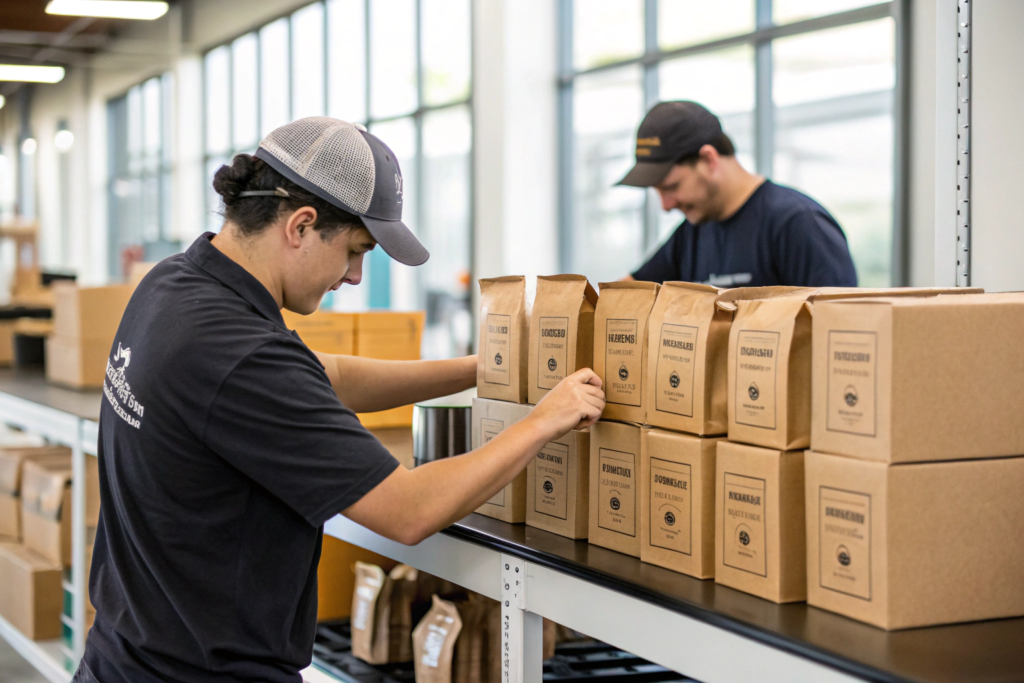
What packaging keeps coffee fresh for a month-long delivery cycle?
Let us talk about the bag. This is not the same as the bag you use for your cafe retail. For a subscription, the bag has to survive the mail. It has to keep the coffee fresh for the entire time it is in transit. And it has to look good when it arrives. First impressions matter.
You need a bag with a good one-way valve. This lets the CO2 escape but does not let oxygen in. Without this, your coffee will stale faster. You also need a strong seal. I have seen bags pop open in the mail. It is a disaster. The customer gets a box of loose coffee. They are not happy.
We have a client in New York. They use our coffee for their subscription. They told me they switched to a thicker, stand-up pouch with a resealable zipper. The cost per bag went up slightly. But their customer satisfaction improved. And their returns dropped to almost zero. The resealable feature also helps the customer keep the coffee fresh longer at home. It is a small detail, but it matters.
Think about the box too. You are shipping a subscription. Your box is part of your brand. It is the first thing the customer sees when they open their door. Some roasters use plain brown boxes. Others use custom printed boxes. There is a cost difference. But a custom box creates excitement. It feels like a gift. It encourages people to share photos on social media. That is free marketing. So, when you design your packaging, think about the unboxing experience. It is part of the value you are delivering.
Also, consider the size of your packaging. A typical subscription is one 12oz bag. But some people want two bags. Some want a larger 2lb bag. Your packaging system needs to be flexible. You do not want to have five different box sizes. That creates complexity. We have seen successful subscriptions use one standard box size that can fit one or two bags with some filler material. Keep it simple. Simplicity in packaging means fewer errors. Fewer errors means happier subscribers.
How do you build a fulfillment system that does not eat up your time?
This is the big one. Fulfillment can become a full-time job. If you are a roaster, you want to spend your time roasting and building your brand. You do not want to spend your time printing labels and packing boxes. So, you have two options. You can do it yourself. Or you can outsource it.
Doing it yourself is possible when you are small. You have 50 subscribers. You pack them on a Sunday afternoon. It is fine. But when you hit 200 subscribers, it becomes a burden. When you hit 500, it becomes impossible. You cannot run a roastery and a fulfillment center in the same small space. It is chaotic.
So, you need to plan for scale. One way is to use a fulfillment partner. There are companies that specialize in this. They store your coffee. They pack it when an order comes in. They ship it. They handle returns. It costs money, but it saves you time. And it allows you to grow without limits. You pay a fee per order. It is a variable cost. It scales with your business. This is a smart way to go.
Another way is to build your own system. Some larger roasters do this. They rent a separate warehouse. They hire a small team. They use software that connects to their website. The software prints all the labels at once. The team packs the boxes. It is efficient. But it requires investment. And it requires management. You have to decide what is right for your business.
I want to share what one of our partners in Texas did. They started with a small subscription. They packed everything themselves. It was fun at first. Then it became a chore. They were spending more time packing than roasting. They knew they had to change. They found a local fulfillment center. They now send them a pallet of roasted coffee every two weeks. The fulfillment center packs and ships all their subscription orders. They also handle their one-off e-commerce orders. The roaster now has time to focus on growing the business. Their subscription base has tripled in one year.
Your green bean supply chain also plays a role here. If you are bringing in coffee from multiple sources with different lead times, it is hard to keep a consistent inventory for your fulfillment center. But if you have a steady partner like us, you can plan. You know when your coffee is arriving. You can schedule your roasting. You can schedule your deliveries to the fulfillment center. This is why a reliable supply chain is not just about the coffee itself. It is about enabling your entire business model.
Pricing Your Subscription for Profitability and Growth
Let us talk about money. A subscription is a beautiful thing. It gives you recurring revenue. It gives you cash flow. But if you price it wrong, you are just working hard to lose money. You have to understand all your costs. Then you have to build a price that covers those costs and leaves you a healthy margin. And you have to think about how you grow that base over time.

What costs are you actually covering with your subscription price?
I want you to list every cost. Do not skip anything. First, there is the cost of the green coffee. That is your starting point. But do not stop there. You have the cost of roasting. That includes your labor, your equipment, your utilities. You have the cost of the bag. The one-way valve bag with the custom print. You have the cost of the box. You have the cost of the label. You have the cost of shipping. This is a big one. Shipping costs have gone up. And they vary by zone. Shipping to a customer across the country costs more than shipping to a customer in your city.
Then you have the cost of payment processing. Credit card fees take a cut. Usually around 2-3%. You have the cost of customer acquisition. You spent money on ads or promotions to get that subscriber. You have the cost of marketing. You send emails. You create content. That costs time and money. And you have the cost of fulfillment. Whether you do it yourself or you outsource it, there is a cost.
Now, add all of that up. That is your total cost per subscriber per month. Your subscription price needs to be higher than that. How much higher? That is your margin. A healthy margin for a subscription is often 30-40%. Why? Because you need that margin to cover overhead. You need it to invest in growth. You need it to absorb mistakes. A subscription with a 10% margin is a fragile business. One shipping price increase, and you are losing money.
One of our clients in the Pacific Northwest shared his pricing model with me. He uses our coffee for his subscription. He breaks down his price like this: 30% for the cost of goods (green coffee, roasting, packaging), 30% for fulfillment and shipping, 20% for overhead and marketing, and 20% profit. He says this model has worked for him for three years. He has been able to absorb price increases without changing his subscription price. He built a buffer. That is smart planning.
Another cost you need to think about is shipping supplies. Boxes, tape, packing materials. These are small items, but they add up. When you are shipping one box, it is nothing. When you are shipping 500 boxes a month, it becomes a line item. Buy in bulk. It will save you money. And negotiate your shipping rates. If you are shipping a high volume, carriers will give you a discount. Do not pay retail rates.
How do you structure pricing to attract and retain subscribers?
Now, the psychology of pricing. You have to give people a reason to subscribe. The most common way is to offer a discount. You sell a single bag in your shop for $18. You offer the subscription for $15. That is a 17% discount. It is enough to make people feel like they are getting a deal. But it is not so much that you are giving away your margin.
You can also offer different tiers. A basic tier for one bag a month. A "double" tier for two bags. A "family" tier for a larger bag or a blend of two different coffees. Each tier should have a clear value proposition. The discount per bag should be slightly higher for the larger tiers. This encourages people to buy more.
Another thing to consider is the billing cycle. Most subscriptions are monthly. But you can offer a "pay upfront" option. They pay for three months, or six months, or a year, and they get an even bigger discount. This is good for your cash flow. You get a large sum of money upfront. And you lock in the customer for a longer period. It reduces churn. A customer who pays for a year is much less likely to cancel than a customer who pays month to month.
We have a partner in California. They use a three-tier system. Their basic subscription is $15 per month for a 12oz bag. Their "explorer" subscription is $28 for two 12oz bags. And their "roaster's choice" is $40 for a 2lb bag and a small sample of a new roast each month. The "roaster's choice" is their highest margin tier. It is also the one their most loyal customers choose. They have built a community around it. People love the surprise of the sample.
Also, think about your cancellation policy. Make it easy. If a customer wants to cancel, let them cancel with one click. Do not make them call you. Do not make them send an email. A hard cancellation process creates angry customers. Angry customers leave bad reviews. Bad reviews hurt your ability to get new subscribers. It is better to let them leave easily. And then you can try to win them back later with a special offer. A good relationship with your customers, even former ones, is valuable.
Marketing Your Subscription to the Right Audience
You have the coffee. You have the packaging. You have the pricing. Now, you need customers. This is where marketing comes in. You have to tell people about your subscription. You have to convince them to sign up. And you have to keep them engaged once they are in. The good news is, you are in the coffee business. Coffee drinkers are everywhere. The challenge is reaching them in a cost-effective way.

How do you use your existing customers to grow your subscription?
Your best source of new subscribers is your existing customers. People who already buy your coffee in your cafe or from your website trust you. They already like your coffee. They are the easiest to convert. So, how do you do it?
First, train your staff. If you have a cafe, your baristas are your best marketers. They talk to customers every day. They should know about the subscription. They should be able to explain the benefits. Give them an incentive. If a barista gets a customer to sign up, give them a bonus. Or give them a free bag of coffee. When your team is invested, they will promote it naturally.
Second, use your in-store signage. Have a sign at the register. Have a sign on the counter. Have a sign by the coffee display. Keep it simple. "Never run out of your favorite coffee. Subscribe and save 15%." Use a QR code that takes people directly to the sign-up page. Make it easy. The fewer clicks, the better.
Third, use your packaging. When you sell a bag of coffee in your cafe, include a small card. The card can say, "Love this coffee? Get it delivered every month. Scan here to subscribe." This is a low-cost way to reach people who are already buying your product. They are already a customer. They just need a gentle nudge to become a subscriber.
We have a client in Colorado. They started their subscription by simply putting a note in every bag they sold in their cafe. Within three months, they had 150 subscribers. They did not run any ads. They just used their existing customers. This is the power of a retail presence. It is a built-in marketing channel.
Another approach is to use email marketing. You have a list of people who have bought from you before. Send them an email. Tell them about the subscription. Tell them about the benefits. Give them a special offer for signing up. Maybe the first bag is free. Or maybe they get a free coffee mug. A targeted email to people who already know your brand has a high conversion rate. It is also free. You are not paying for ads. You are just communicating with people who already said yes to you.
What marketing channels work best for attracting new subscribers?
Once you have tapped your existing base, you need to find new people. This is where you spend money. You need to test different channels. See what works for your brand. There is no single answer. It depends on your audience.
Social media is a big one. Instagram and Facebook are visual platforms. Coffee is a visual product. Good photos of your coffee, your packaging, and your happy customers can attract attention. You can run ads. You can target people who are interested in coffee, in home brewing, in specialty coffee. You can target people who follow other coffee brands. The key is to test. Run a small ad for a week. Spend $100. See how many subscribers you get. If the cost per subscriber is less than your customer lifetime value, you are winning. Scale it up.
Google Ads is another channel. People search for "best coffee subscription" or "coffee delivery near me." You want to be there. This is called search intent. They are actively looking for a solution. They are ready to buy. If you can show up in those search results, you get high-quality leads. But it is competitive. The keywords can be expensive. You need to have a good website and a clear offer to convert them.
Partnerships are also effective. Find other local businesses that share your audience. A bakery. A bookstore. A yoga studio. Partner with them. Offer their customers a discount on your subscription. They offer your customers a discount on their products. This cross-promotion can bring in new subscribers who trust the partner's recommendation. It is a form of word-of-mouth marketing.
One of our partners in Boston did a partnership with a local cycling studio. The studio had a loyal following of health-conscious people. They offered a free bag of coffee to anyone who signed up for a class package. In return, the roaster offered a free class to anyone who signed up for a subscription. Both businesses got new customers. The cost was minimal. The relationships were genuine. This is the kind of creative marketing that works.
Also, do not underestimate the power of your packaging as a marketing tool. When your box arrives at a subscriber's door, it is an advertisement. If the packaging is beautiful, they might share it on social media. Encourage them to share. Run a contest. "Share a photo of your box and tag us for a chance to win a free month." User-generated content is powerful. It is free. And it is trusted more than an ad.
Conclusion
Building a coffee subscription service is not easy. But it is one of the best ways to grow a stable, profitable coffee business. It gives you predictable revenue. It gives you a direct connection to your customers. And it allows you to build a brand that people invite into their homes every month.
The key is to build it on a solid foundation. You need a coffee supply that is consistent and reliable. You need packaging that protects the coffee and delights the customer. You need a fulfillment system that scales with you. You need a pricing model that covers your costs and gives you a healthy margin. And you need a marketing plan that reaches the right people and keeps them engaged.
At BeanofCoffee, we understand the challenges you face. We have been in this business for years. We have seen our clients succeed. We have seen them struggle. We have learned from both. Our goal is to be more than just a supplier. We want to be a partner. We want to help you build a subscription that grows with you. Our coffee, grown on our own farms in Yunnan, provides the consistency you need. Our team in Shanghai, working with partners like Shanghai Fumao, ensures your supply chain is stable. We can work with you to plan your volume. We can ship on your schedule. We can be the reliable foundation for your subscription business.
If you are thinking about starting a subscription, or if you have one that you want to improve, let us talk. I want to hear about your business. I want to understand your goals. And I want to show you how our coffee can help you build something great.
Reach out to Cathy Cai. She is our export manager. She knows the subscription market well. She works with roasters all over North America, Europe, and Australia. She can help you find the right coffee for your subscription. She can help you plan your supply chain. Her email is cathy@beanofcoffee.com. Send her a message. Let us start building your subscription together.