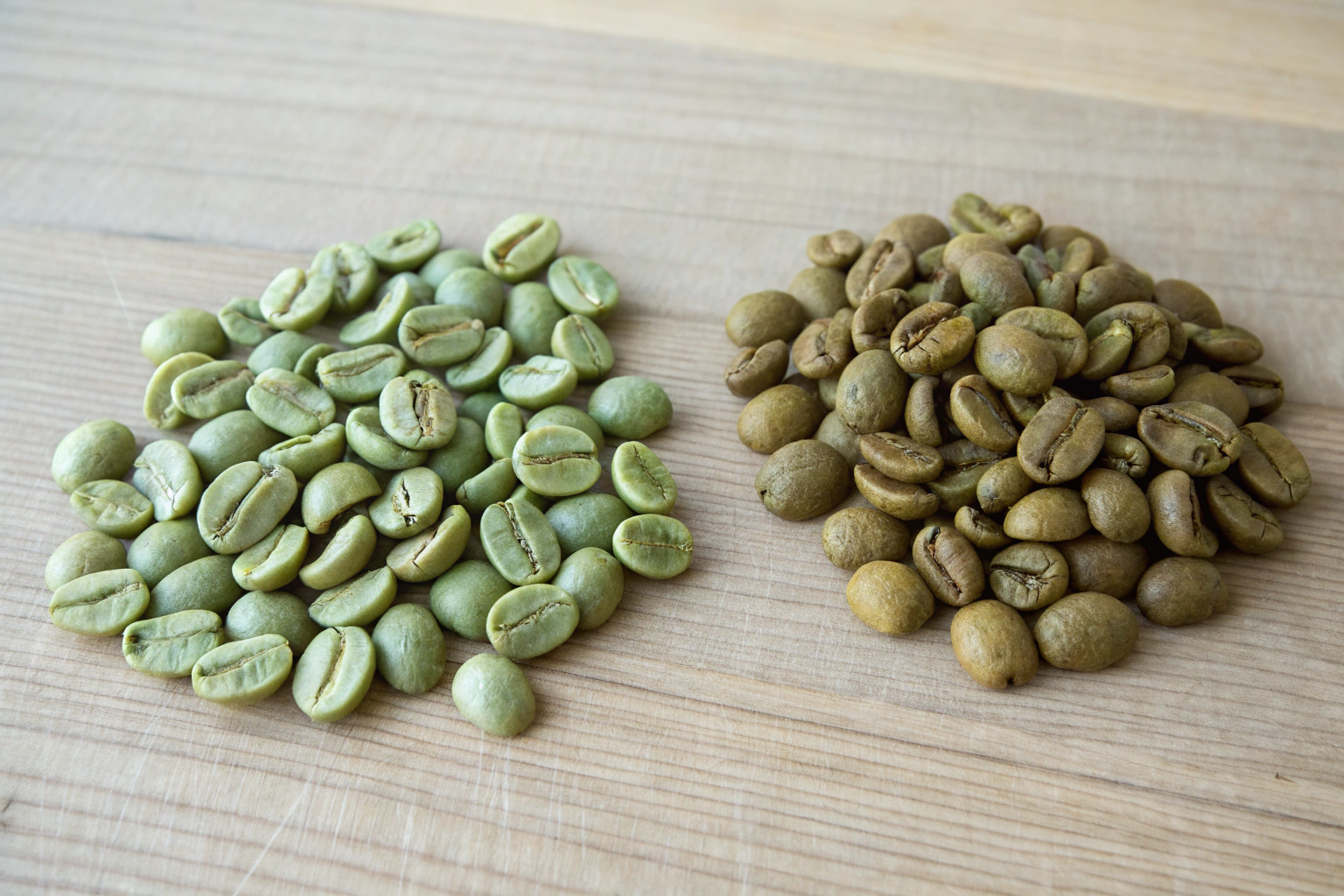
You know Arabica. It's the king of specialty coffee. It's what most roasters talk about. But have you heard of Excelsa? Probably not. And that's a shame, because Excelsa is one of the most interesting and misunderstood coffee species out there.
I first encountered Excelsa years ago when I was traveling through Southeast Asia. A farmer offered me a cup of coffee from his trees. It was unlike anything I had tasted. Fruity, floral, with a hint of tartness. I asked what it was. He said, "Excelsa." I was hooked.
So, what is the difference between Arabica and Excelsa? It's not just about taste. It's about genetics, growing conditions, processing, and what they bring to your business. Arabica is refined and nuanced. Excelsa is bold and distinctive. One is a classic. The other is a hidden gem.
At BeanofCoffee, we focus on Arabica from our farms in Yunnan. But we've studied Excelsa too. We know what it can offer. And we want to share that knowledge with you. Let's dive into the details.
What Are the Botanical Differences Between Arabica and Excelsa?
Let's start with the science. Because these two species are fundamentally different. And that difference shapes everything else.
Arabica is Coffea arabica. It's the oldest cultivated coffee species. It originated in Ethiopia. It has 44 chromosomes, which makes it more complex and delicate. It's known for its smooth, balanced flavor.
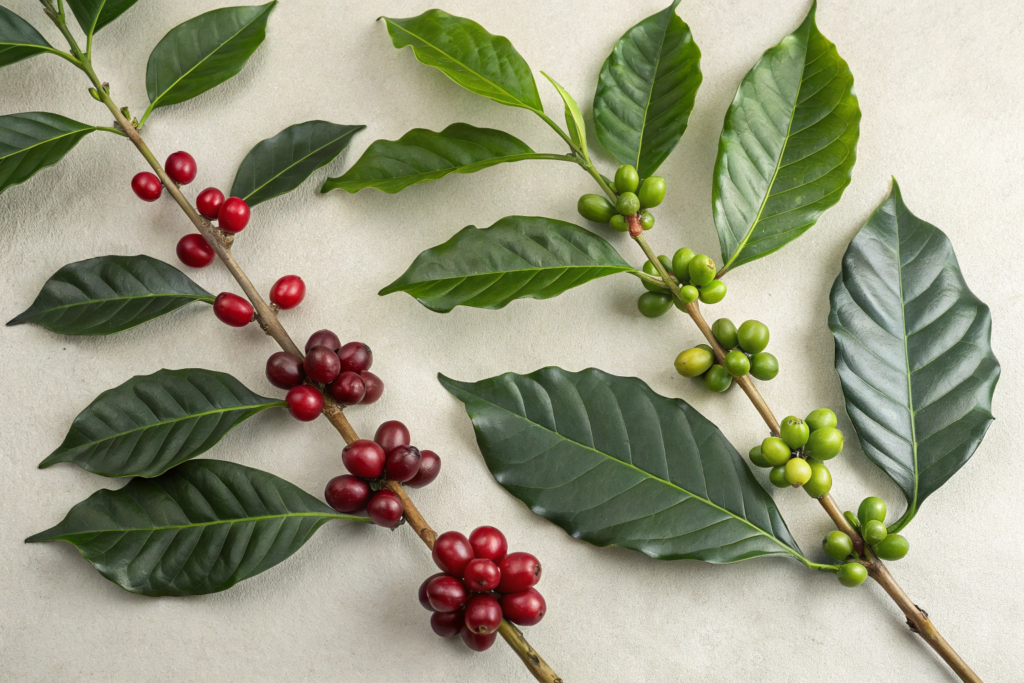
Excelsa is Coffea liberica var. dewevrei. It's a variety of Liberica. It originated in West Africa. It's a different species entirely. It's more robust. It grows taller, with larger leaves. It's more resistant to disease and drought. It thrives in hot, humid climates where Arabica struggles.
Another way to look at this is through the lens of "adaptability." Arabica is picky. It needs specific altitudes, temperatures, and rainfall. Excelsa is tough. It can grow in less-than-ideal conditions. That makes it a valuable crop in regions where Arabica won't survive. Let's break down the specifics.
How do their growing conditions differ?
Arabica likes it cool. It grows best at altitudes between 800 and 2,200 meters. It needs consistent rainfall and temperatures between 15 and 24 degrees Celsius. Too much heat or too little water, and the quality drops. The trees are smaller, more delicate.
Excelsa is the opposite. It thrives in low altitudes, often below 600 meters. It can handle temperatures up to 30 degrees Celsius. It's drought-resistant. It's pest-resistant. The trees can grow up to 15 meters tall, almost like a forest tree. They produce clusters of cherries that ripen at different times, which makes harvesting more complicated.
In Yunnan, we focus on Arabica because our altitude is perfect for it. But in other parts of China and Southeast Asia, Excelsa is becoming more common. It's a crop that can grow where other coffee can't.
What is the caffeine content comparison?
Arabica has about 1.2% to 1.5% caffeine by weight. Excelsa has slightly more, around 1.3% to 1.6%. The difference is not huge. But the perception of caffeine can feel different because of the flavor profile.
Excelsa is often described as having a "sharp" or "bright" acidity. That can make it feel more stimulating. But the actual caffeine content is only marginally higher than Arabica. For comparison, Robusta has nearly twice the caffeine of both. So, both Arabica and Excelsa are in the "lower caffeine" category compared to Robusta.
How Do the Flavor Profiles Compare?
Now let's get to the good stuff. Taste. This is where Arabica and Excelsa really show their personalities.
Arabica is known for its complexity and balance. The best Arabicas have notes of fruit, chocolate, nuts, and flowers. The acidity is bright but pleasant. The body is medium, sometimes light. It's the coffee that most people think of when they imagine "good coffee."
Excelsa is different. It's bold. It's distinctive. It often has a fruity, tart, almost wine-like acidity. Some people describe it as having notes of dark fruit, like plum or blackcurrant. There's often a floral or smoky undertone. The body can be heavier than Arabica. It lingers on the palate.
Another way to look at this is through the lens of "distinctiveness." Arabica is versatile. It can be subtle or complex. Excelsa is always noticeable. It doesn't blend into the background. It announces itself. That can be a strength or a weakness, depending on what you need.
What are the typical tasting notes for each?
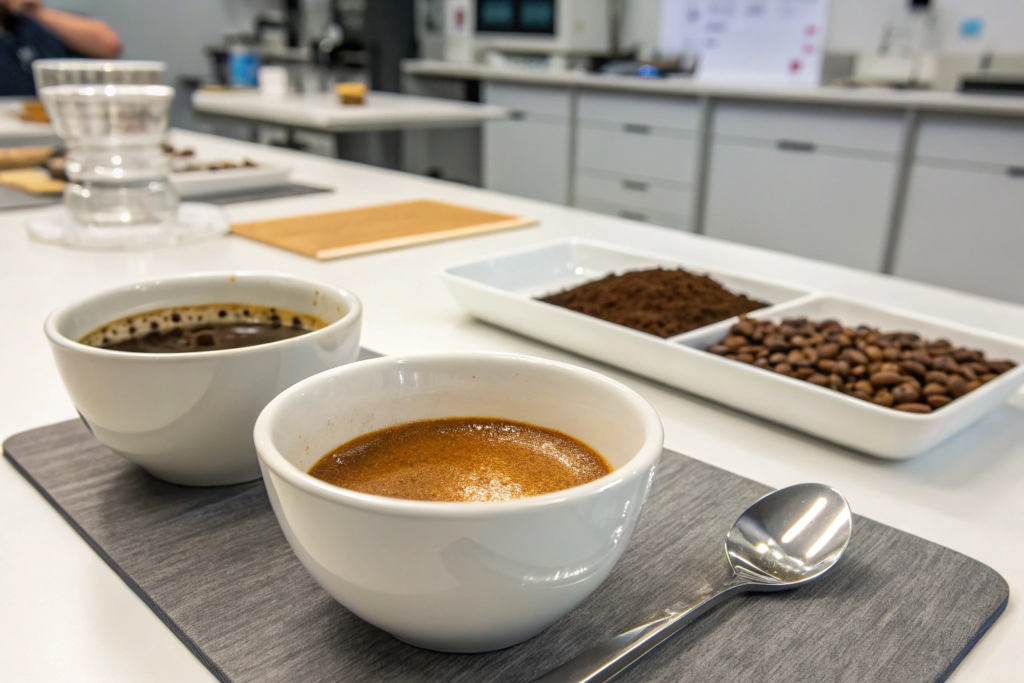
From our experience cupping both, here's a simple breakdown:
| Arabica (Yunnan) | Excelsa (Southeast Asia) |
|---|---|
| Milk chocolate | Dark chocolate |
| Almond, walnut | Smoky, woody |
| Brown sugar, caramel | Tamarind, plum |
| Mild citrus | Tart, wine-like acidity |
| Clean, balanced | Bold, lingering finish |
Arabica is smooth and approachable. Excelsa is intense and memorable. They are not substitutes for each other. They serve different purposes.
Why is Excelsa often used in blends?
Excelsa is rarely sold as a single origin. Why? Because its flavor is so strong. It can be overwhelming on its own for some palates. But in a blend, it adds complexity and depth.
Imagine you have a blend with a mild Arabica base. It's smooth but maybe a little boring. Add 10-15% Excelsa. Suddenly, you get a fruity kick. A tartness that wakes up the palate. A heavier body that makes the coffee feel more substantial.
Many commercial roasters use Excelsa in their house blends for exactly this reason. It adds character without requiring expensive specialty beans. It's a secret weapon for creating interesting, affordable blends. For more on blending strategies, resources like Perfect Daily Grind have articles on using lesser-known species in blends.
How Do Processing Methods Differ?
Processing matters for both species. But Excelsa often requires a different approach because of how the cherries ripen.
Arabica cherries typically ripen uniformly. You can harvest most of the trees at once. This makes processing predictable. You can use washed, natural, or honey methods with consistent results.
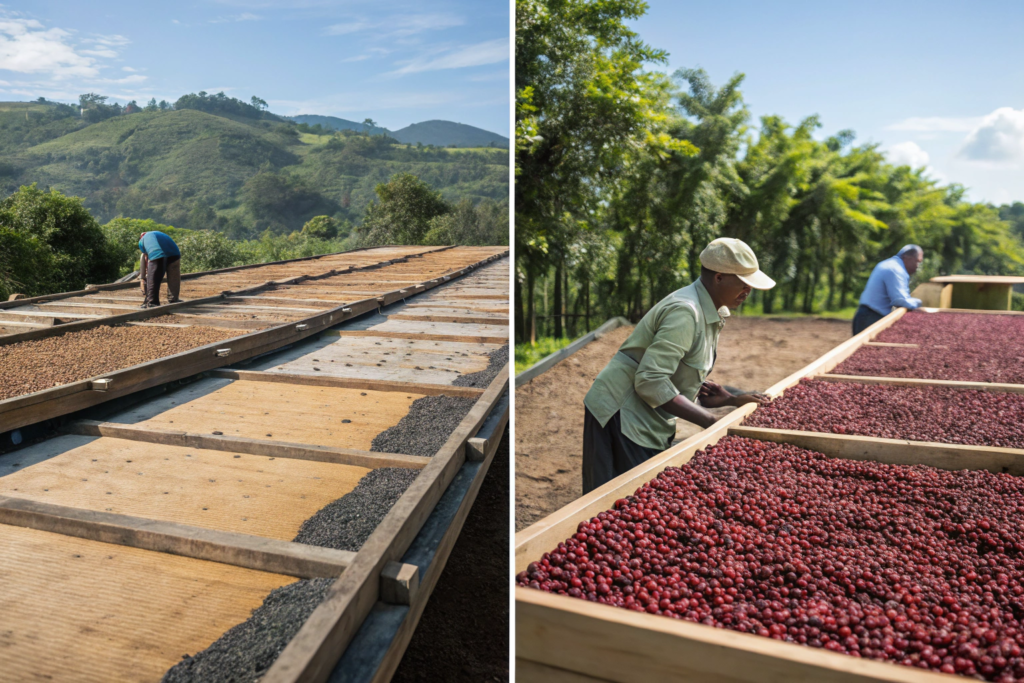
Excelsa cherries ripen unevenly. One tree might have ripe, unripe, and overripe cherries at the same time. This makes harvesting labor-intensive. You have to pick by hand, selecting only the ripe ones. This affects processing. Many Excelsa producers use natural or honey processing because it's more forgiving of uneven ripeness.
Another way to look at this is through the lens of "complexity." Arabica processing is well-understood. There are decades of research. Excelsa processing is less documented. Farmers are still experimenting with what works best.
What processing methods work best for Excelsa?
In our experience talking to Excelsa growers in Southeast Asia, natural processing is common. The cherries are dried whole. This method works well with uneven ripening. The sugar from the fruit infuses into the bean, creating those fruity, wine-like notes that Excelsa is known for.
Honey processing is also gaining popularity. Some mucilage is left on the bean during drying. This adds sweetness and body, which can balance Excelsa's natural tartness.
Washed processing is less common for Excelsa. It requires more uniform cherries. But when it's done well, it produces a cleaner, brighter cup. It's worth experimenting with.
How does processing affect the final cup?
For Arabica, processing is about highlighting origin character. For Excelsa, processing is about taming the wildness. A natural-processed Excelsa will be intensely fruity, almost like a fruit bomb. A washed Excelsa will be cleaner, with the tartness more controlled.
This makes Excelsa a versatile tool for roasters. You can choose the processing method based on what you need. Want a bold, fruity addition to a blend? Go natural. Want a cleaner, more subtle accent? Go washed. It's all about matching the processing to your goal.
Which One Is Better for Your Business?
If you're targeting specialty coffee drinkers, Arabica is essential. It's what they expect. It's what they're trained to appreciate. A high-quality Arabica from Yunnan can compete with any origin in the world. It's reliable. It's respected.
If you want to stand out, Excelsa is your opportunity. Very few roasters offer Excelsa. It's a conversation starter. It's a way to differentiate your brand. Customers who try it will remember it. They'll tell their friends.
Another way to look at this is through the lens of "risk vs. reward." Arabica is a safe bet. It's proven. It's familiar. Excelsa is a risk. Some customers won't like it. But for those who do, it creates fierce loyalty. It's a niche within a niche.
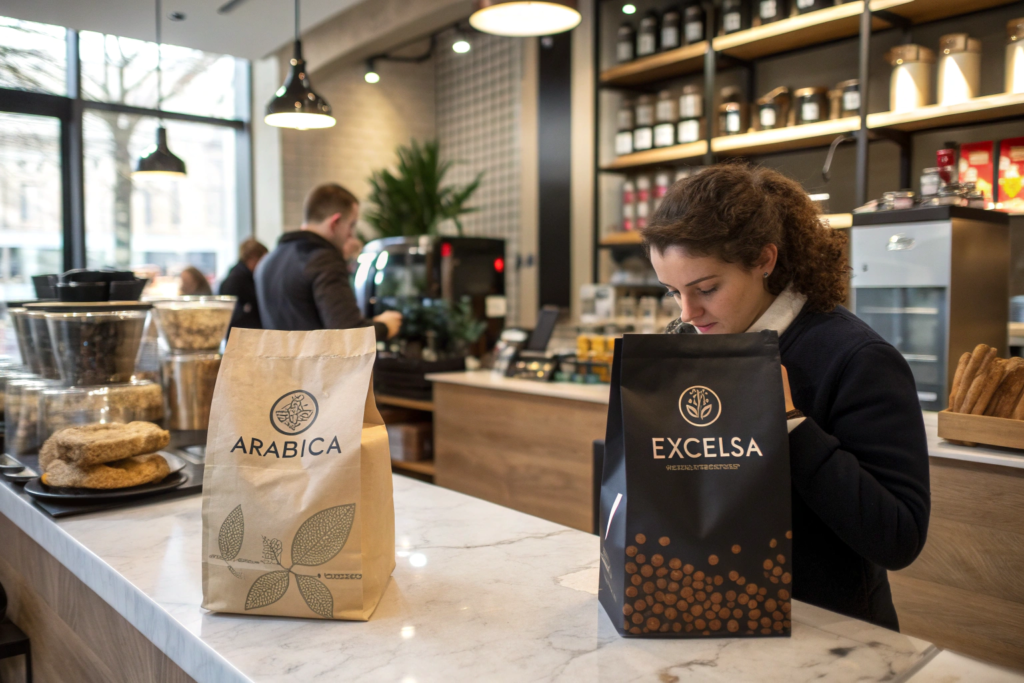
Is Excelsa a viable option for specialty coffee?
This is a debated question. The Specialty Coffee Association (SCA) has a cupping score system. To be considered specialty, a coffee needs to score 80 points or above. Can Excelsa score that high? Yes, but it's rare.
Good Excelsa can be beautiful. It can have complex fruit notes, interesting acidity, and a clean finish. But it's harder to grow and process to that level. Most Excelsa is used for commercial blends. But there are producers in Vietnam, the Philippines, and Thailand who are pushing the quality higher.
If you're looking for something truly unique, high-quality Excelsa is worth exploring. It won't replace your Arabica offerings. But it can be a limited-edition release that creates buzz.
How do price and availability compare?
Arabica is widely available. You can find it from dozens of origins. Prices vary by quality and origin. It's a mature market.
Excelsa is less common. Production is smaller. It's mostly grown in Southeast Asia. Prices can be lower than specialty Arabica, but higher than commercial Robusta. The supply is less stable. If you want a consistent supply, you need a reliable partner who knows the region.
At BeanofCoffee, we don't grow Excelsa. But we've worked with roasters who do. The key is finding a producer who understands quality and can deliver consistently. It's a smaller world, but it's growing.
Conclusion
Arabica and Excelsa are two different worlds. Arabica is the classic. It's refined, balanced, and beloved by specialty coffee drinkers. Excelsa is the outsider. It's bold, distinctive, and perfect for roasters who want to stand out.
One isn't better than the other. They serve different purposes. Arabica is the foundation. Excelsa is the accent. Together, they can create something truly interesting.
At BeanofCoffee, we're proud of our Yunnan Arabica. It's consistent, high-quality, and tells a beautiful story. But we also appreciate the value of diversity in coffee. If you're looking for something new, Excelsa might be your next adventure.
If you want to explore Yunnan Arabica or talk about other coffee options, reach out. Contact our export manager, Cathy Cai. She can help you find the right beans for your brand. Her email is cathy@beanofcoffee.com. Let's brew something great together.