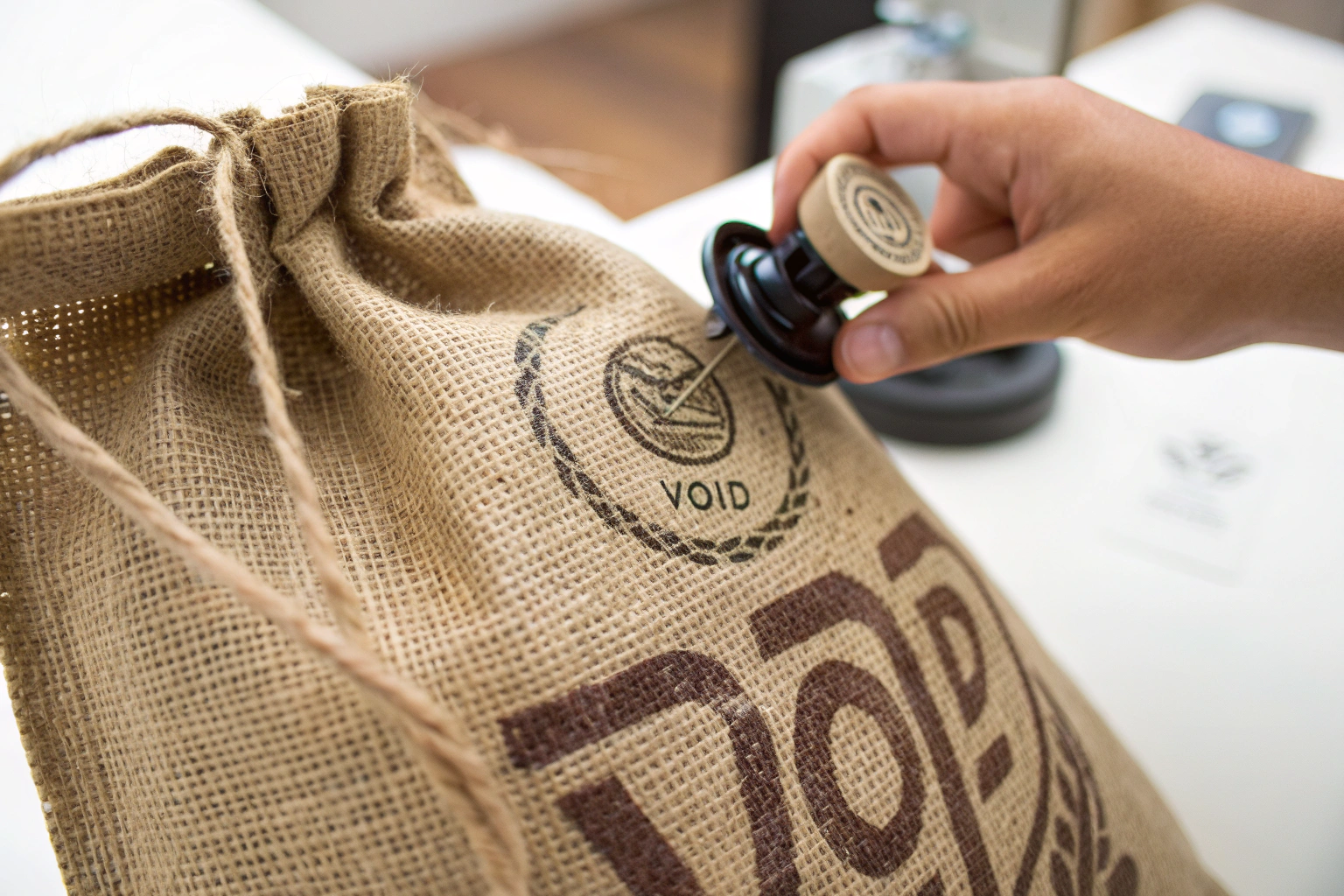
I once had a buyer call me with a strange complaint. He said, "My customers love your Yunnan coffee, but my sales are down." Confused, I asked why. He explained that a local competitor had started selling a "Yunnan Blend" in nearly identical packaging, claiming to use the same "premium beans" at a lower price. He suspected—but could not prove—that the competitor was blending our high-quality beans with cheap filler and cashing in on his hard-earned reputation. He had no way to lock his brand to the specific beans in the bag. That is the pain of an unprotected brand identity. You build the trust. Someone else reaps the reward.
To protect your brand identity with tamper-proof coffee packaging, you must implement a multi-layered system that combines physical security seals on the bag closures with unique, verifiable digital identifiers (such as serialized QR codes) that link each individual bag to a secure online record, proving authenticity and chain of custody.
This is not just about keeping the coffee fresh. It is about locking your brand's promise to the physical product. It is about giving your customer a way to verify that the coffee inside is exactly what you say it is. Let me explain how we at BeanofCoffee can help you build this system for your private label or custom blend.
What Are the Risks of Generic, Unsecured Coffee Packaging for a Roaster's Brand?
Generic packaging is an open invitation. A plain jute bag with a simple stencil is the industry standard for green coffee transport. But for a roaster selling a finished, branded product, using unsecured packaging is like leaving the door to your business unlocked.
The risks of generic, unsecured coffee packaging include product counterfeiting (a competitor filling bags with cheaper coffee), unauthorized gray market diversion (your coffee being sold outside your approved channels), and a loss of consumer trust if the bag's contents cannot be verified as authentic and untampered.
Your brand is a promise of a specific taste and quality. If the package does not secure that promise, the brand is just a sticker.
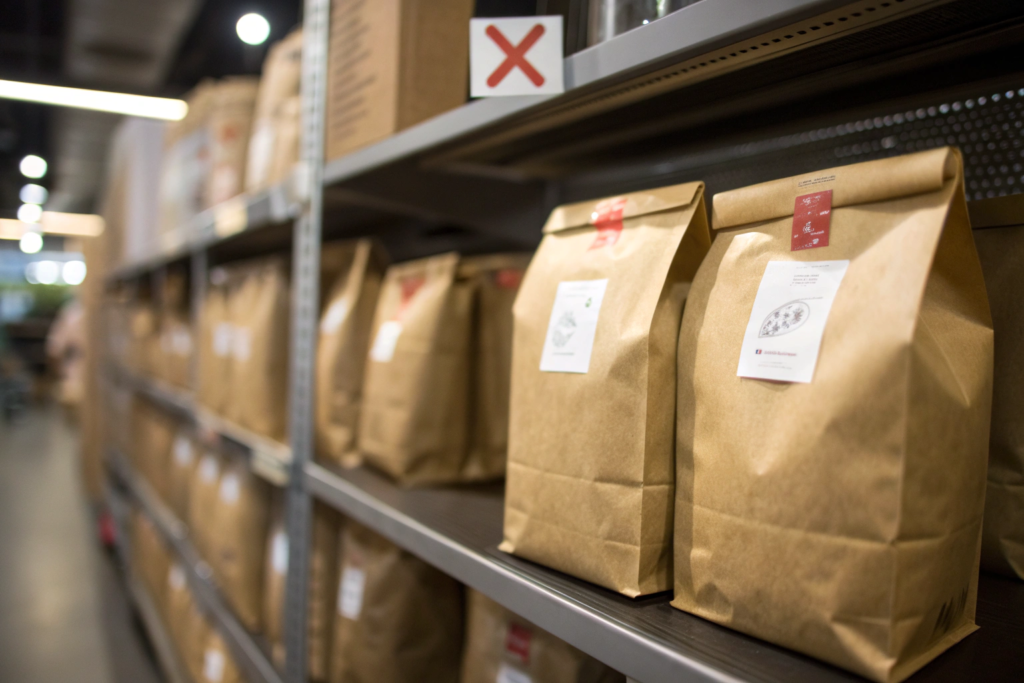
How Prevalent Is Coffee Counterfeiting and Blending Fraud?
You might think this is only a problem for ultra-premium products like Kona or Jamaica Blue Mountain. It is not. It happens at every level of the market where there is a price differential.
Common Fraud Scenarios:
- The Blend Swap: A roaster builds a reputation on a specific blend. A dishonest competitor buys one bag of that blend, analyzes it, and creates a cheaper imitation. They package it in a similar-looking bag, hoping to confuse customers. This is legal but unethical.
- The Refill Scam: A cafe or restaurant saves the empty bags of a premium roaster and refills them with cheap, commodity coffee. They serve the cheap coffee but charge the premium price, trading on the roaster's brand name.
- The Origin Lie: A seller takes a bag of your "Yunnan Single-Origin" and mixes it with 50% lower-grade robusta. They still sell it as "Yunnan Single-Origin." The average consumer cannot taste the difference in a milk drink. But the brand equity is diluted.
Without a tamper-proof seal that is unique to that specific bag, these types of fraud are easy to commit and hard to prove. The consumer has no way to know if the bag they are holding has been opened and refilled since it left your roastery. At Shanghai Fumao, we see ourselves as guardians of your brand promise. We want to help you protect the integrity of the coffee we grew for you.
Why Is a Simple Jute Bag and Paper Tag No Longer Enough?
Jute bags and paper tags are romantic. They evoke a sense of tradition and origin. They are also incredibly easy to tamper with.
- Jute Closures: The standard closure is a simple piece of string sewn through the top of the bag. Anyone with a needle and thread can open the bag, remove some coffee, add filler, and sew it back up. The tampering is nearly invisible.
- Paper Tags: Paper hang tags are easily removed and reattached to a different bag. Or, they are easily counterfeited with a simple color printer.
The market has evolved. Consumer expectations for authenticity and security have risen, driven by other industries like pharmaceuticals and high-end spirits. Coffee, especially premium specialty coffee, is now a high-value product that deserves the same level of packaging security. A simple jute bag says "commodity." A secure, sealed bag with digital verification says "premium, trusted brand."
What Physical Tamper-Evident Seals Does BeanofCoffee Offer for Private Label?
This is the first layer of defense: the physical barrier. We offer several levels of physical tamper-evidence that can be integrated into your private label or custom blend packaging at the point of origin in Baoshan.
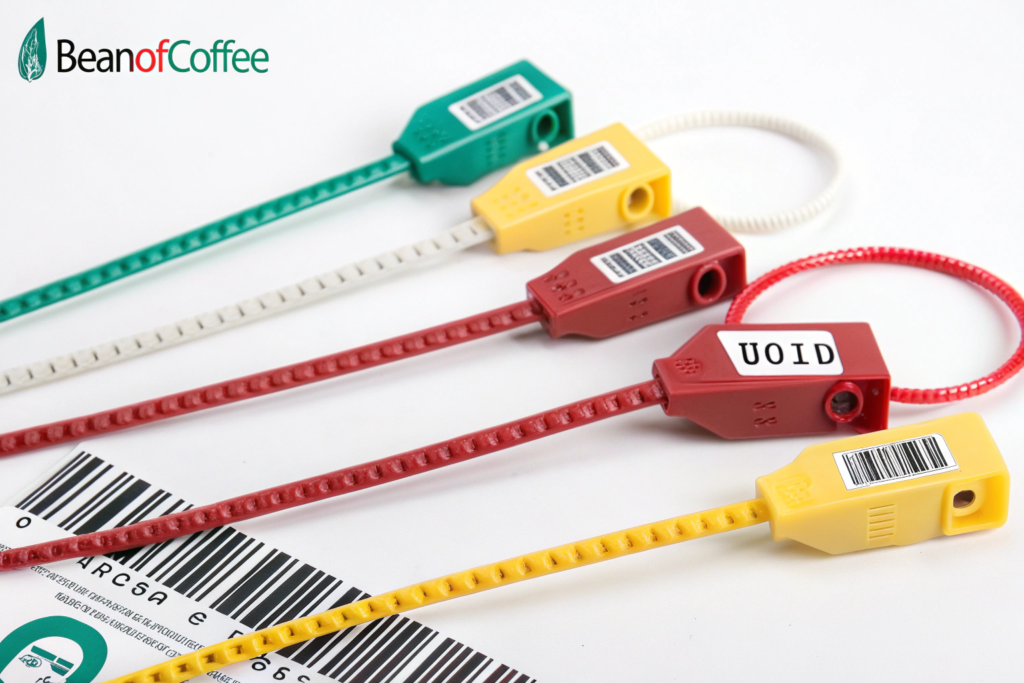
BeanofCoffee offers a range of physical tamper-evident seals for private label clients, including sequentially numbered security cable ties that must be cut to open the bag, high-tack destructible vinyl stickers that leave a "VOID" pattern upon removal, and heavy-duty plastic strap seals with unique barcodes that integrate with warehouse scanning systems.
The choice depends on your brand positioning and your operational workflow. Do you want a seal that is visually intimidating? One that integrates with your barcode scanner? We can customize the solution.
How Do Sequentially Numbered Security Ties and Seals Work?
This is the workhorse of coffee bag security. It is simple, cost-effective, and highly effective.
The Mechanism:
- Cable Tie Seal: A stainless-steel cable inside a plastic locking body. The cable is threaded through the bag's closure (the jute loops or a grommet) and pulled tight. It cannot be loosened. It must be cut with wire cutters to open the bag.
- Sequential Numbering: Each seal is stamped with a unique, non-repeating serial number (e.g., BOC-2406-001, BOC-2406-002...).
The Security Protocol:
- Application: At our mill in Baoshan, after the bag is filled and the GrainPro liner is sealed, our worker applies the numbered security seal and records the seal number on the Packing List.
- Shipping: The packing list with the seal numbers is emailed to you, the buyer.
- Receiving: When the pallet arrives at your roastery, your receiving team checks the seal number on the bag against the packing list.
- Verification: If the seal number matches and the seal is intact, you have physical proof that the bag has not been opened since it left our custody in China.
This provides a clear chain of custody. If a bag arrives with a broken seal, or a seal with a different number, you know immediately that the bag was tampered with in transit or at a warehouse. At Shanghai Fumao, this is a standard service we offer for private label and custom blend shipments.
What Are the Benefits of Custom-Printed Destructible Stickers?
For a higher level of brand integration and consumer-facing security, we recommend custom-printed destructible vinyl stickers.
The Mechanism:
- Material: The sticker is made of a brittle vinyl that is designed to shatter or tear into tiny pieces if anyone tries to peel it off.
- VOID Pattern: The adhesive leaves behind a permanent "VOID" or checkerboard pattern on the bag's surface. Even if someone tries to steam the sticker off and reapply it, the "VOID" pattern reveals the tampering.
- Custom Printing: We can print your roastery's logo, brand colors, and a unique QR code directly on the sticker.
The Application:
We apply this sticker over the closure of the jute bag. To open the bag, the end user must break the sticker. This is a one-time-use seal. It provides visual assurance to your wholesale customers and even retail consumers that the bag is factory-sealed and authentic.
This is a powerful branding tool. It turns a security feature into a marketing asset. The sticker is a billboard for your brand's commitment to quality and integrity. It says, "We care enough about this coffee to lock it down."
How Can Digital Verification Through QR Codes Enhance Brand Security?
Physical seals stop tampering during transit. But in the age of sophisticated counterfeiting, a physical seal can be copied. A fake sticker can be printed. The next layer of security is digital. It is the **Unique Digital Identity.
Digital verification through unique, serialized QR codes enhances brand security by linking each individual bag to a dynamic, online record that cannot be duplicated, allowing both the roaster and the end consumer to scan the code and instantly verify the bag's authenticity, origin, and specific lot information.
This closes the loop. It connects the physical bag to the immutable record of its creation.
What Information Should a Secure QR Code Reveal to the Consumer?
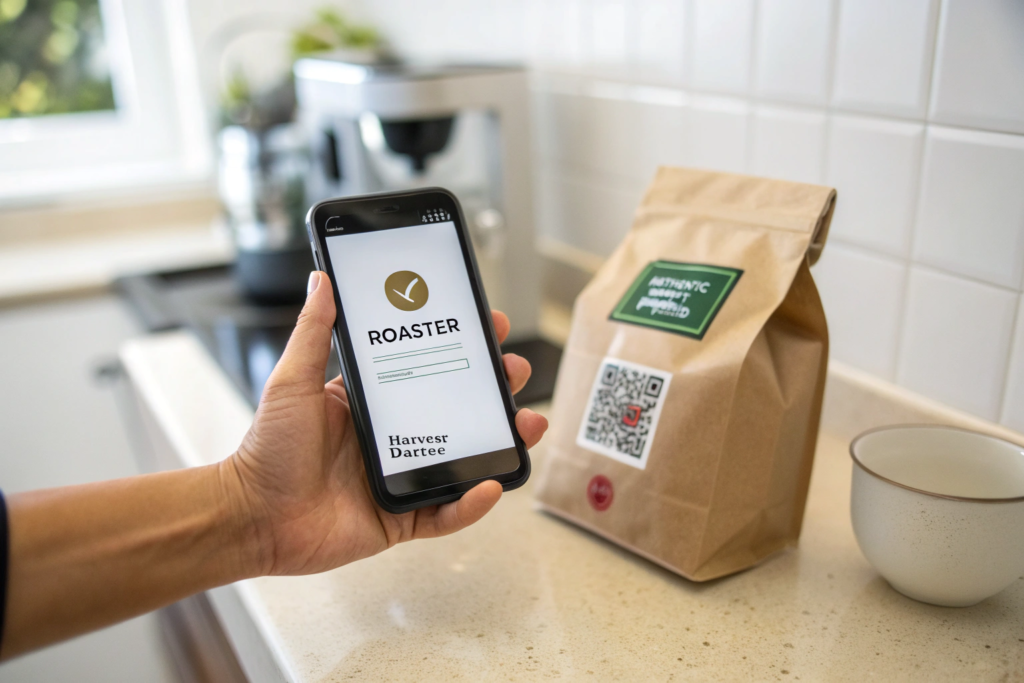
The QR code on the tamper-evident seal should not just link to your homepage. That is a missed opportunity. It should link to a unique, bag-specific landing page.
The Ideal Scan Experience:
- Consumer scans the code.
- Landing Page Loads:
- Authenticity Confirmation: A clear message: "This is an authentic bag of [Roaster Name] [Coffee Name]."
- First Scan Time: "This code was first scanned on [Date]." (This alerts the consumer if the code has been scanned before, suggesting a possible reused bag).
- Lot Traceability: Information pulled directly from the BeanofCoffee lot file: Harvest Date, Farm Block (Baoshan, Yunnan), Varietal, Processing Method, Cupping Notes.
- Roaster's Story: A short message from you, the roaster, about why you chose this coffee.
This transforms a simple security check into a brand engagement moment. The consumer feels connected to the source. They see the transparency. Their trust in your brand increases. They are more likely to become a loyal, repeat customer.
At Shanghai Fumao, we can generate a unique data string for every bag we pack for you. We can either integrate this with your existing website platform or provide a simple, secure landing page template. The technology is accessible and affordable.
How Does Blockchain or a Secure Database Support Tamper-Evidence?
The QR code is the window. The database is the vault. The security of the system depends on the integrity of the data behind the code.
Option 1: Secure Database (Recommended for most roasters):
- We generate a list of unique, random alphanumeric codes for your batch of bags.
- We print the QR codes containing these codes.
- We upload the list of valid codes to a secure, read-only database that you control.
- When a customer scans a code, your website checks the scanned code against the database.
- If the code is in the database and has not been scanned before, it returns "Authentic." If the code is not in the database, or has been scanned previously, it returns a warning.
Option 2: Blockchain Anchoring (For ultra-premium, limited releases):
- The unique ID of each bag is "anchored" to a public blockchain (like Ethereum or VeChain).
- This creates an immutable, timestamped record of the bag's creation.
- It proves that the bag existed at a specific point in time and has not been altered since.
For most specialty coffee applications, the secure database option is more than sufficient and highly cost-effective. The key is the uniqueness and single-use nature of the code. This prevents a counterfeiter from simply printing 1,000 stickers with the same valid QR code.
How Can a Roaster Use Tamper-Proof Packaging as a Marketing Asset?
The final piece of the puzzle is mindset. Do not think of tamper-proof packaging as a grudging cost of doing business. Think of it as a premium feature that differentiates your brand.
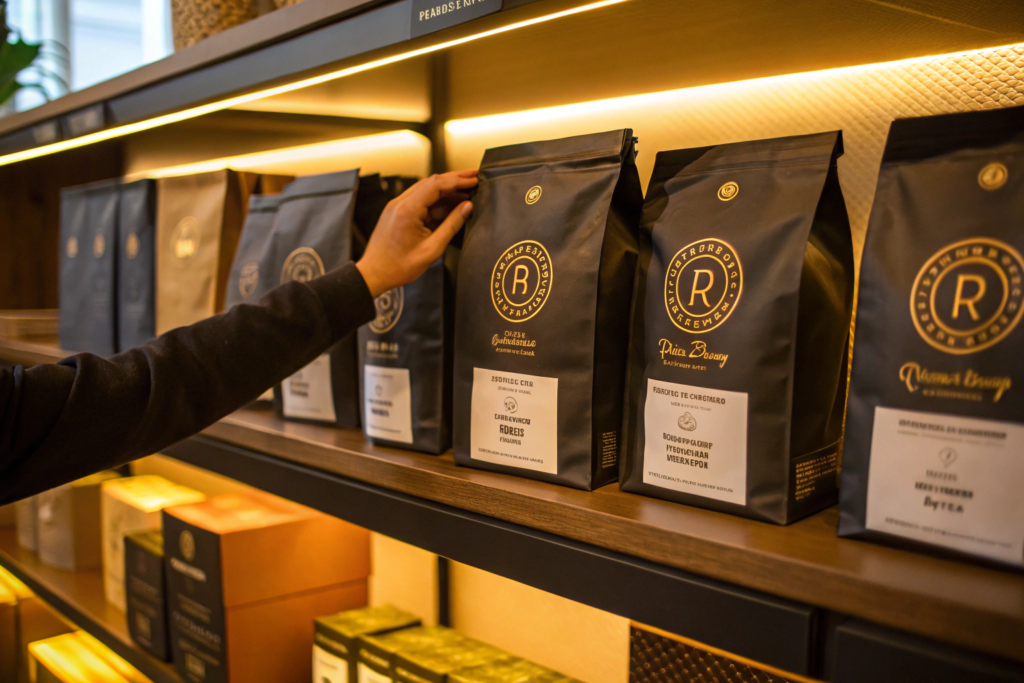
Roasters can use tamper-proof packaging as a marketing asset by prominently featuring the security seal in product photography and on the website, using the "Scan to Verify" call-to-action as a unique selling proposition, and telling the story of how the packaging protects the integrity of the coffee from the farm in Yunnan all the way to the consumer's cup.
This is a story that resonates deeply with today's specialty coffee consumer. They are skeptical. They have been burned by greenwashing and vague origin claims. A tamper-proof, verifiable bag is a tangible demonstration of your commitment to honesty and quality.
How Does Packaging Security Justify a Higher Retail Price Point?
Perceived value is driven by cues. A flimsy, unsealed paper bag signals "commodity." A heavy, sealed bag with a unique identifier signals "premium."
The Psychology of the Seal:
- Effort: The seal communicates that effort was taken to protect the product. Effort implies care. Care implies value.
- Exclusivity: A unique, numbered bag feels like a limited edition. It is not just one of millions. It is this specific bag.
- Trust: The ability to verify authenticity removes a major barrier to purchase for a high-priced item. The consumer feels confident they are getting what they paid for.
When a customer pays $22 for a 12oz bag of your coffee, they are not just paying for the beans. They are paying for the experience and the assurance. The tamper-proof packaging provides that assurance. It makes the premium price feel justified. It reduces "buyer's remorse."
I have seen roasters increase their retail price by $1-$2 per bag specifically after introducing verified, tamper-evident packaging. The packaging upgrade more than paid for itself in increased margin and enhanced brand perception.
Can We Integrate Your Roastery's Branding Directly onto the Security Seal?
Yes. And this is where the marketing power really shines. A generic red "SECURITY SEAL" is functional but boring. A seal with your logo is a branding billboard.
Customization Options at Origin:
- Custom-Printed Tape: We can seal the top of the GrainPro liner with tape that is printed with your roastery's name and "SEALED AT ORIGIN."
- Custom Die-Cut Stickers: The destructible vinyl stickers we discussed can be die-cut to the shape of your logo and printed in your brand colors.
- Branded Cable Ties: We can source security cable ties that are molded in your brand color and can be printed with a simple text logo.
The process is simple:
- You provide us with your vector logo file and brand guidelines.
- We work with our packaging supplier to create a proof of the custom seal.
- You approve the proof.
- We apply your custom-branded security seals to every bag of your private label coffee at our mill in Baoshan.
This means the coffee arrives at your roastery pre-branded and pre-secured. You do not have to apply seals yourself. You save labor. You project an image of a seamless, global, quality-focused operation. At Shanghai Fumao, this is the level of partnership we offer. We are not just your farmer. We are an extension of your packaging line.
Conclusion
Protecting your brand identity with tamper-proof coffee packaging is a multi-layered strategy that combines physical barriers, digital verification, and smart marketing. It is an investment that pays dividends in reduced fraud risk, enhanced consumer trust, and a stronger, more premium brand position.
In a market flooded with vague origin claims and generic packaging, a sealed, verifiable bag stands out. It tells a story of integrity. It tells your customer that you care about the coffee from the moment it is picked on the slopes of the Gaoligong Mountains until the moment they open the bag in their kitchen.
At Shanghai Fumao, we are committed to helping you tell that story. We have the packaging technology and the expertise to secure your private label coffee right here at the source.
If you are interested in exploring custom security seals or a private label program with tamper-evident packaging, let's discuss the options. Email Cathy Cai. Tell her you want to learn about "Secure Origin Packaging" for your brand. Contact Cathy at: cathy@beanofcoffee.com