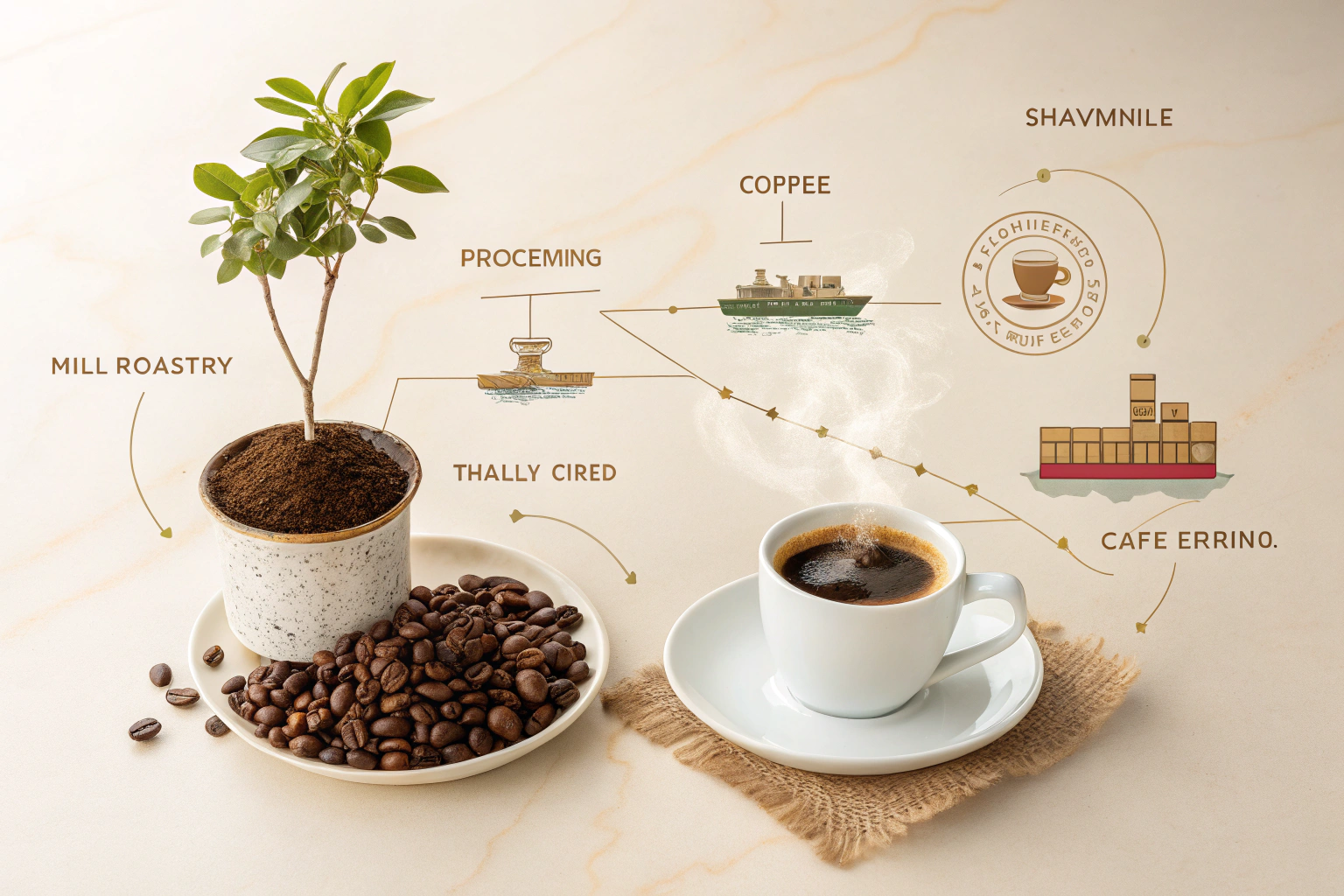
I used to hide things. Not intentionally. Not maliciously. But when a buyer asked me what percentage of the FOB price actually reached the farmer, I would get vague. I'd say, "The farmers are paid well. The market rate is fair." But I couldn't give a number. I didn't have the number. The money went into a pool, and the pool paid for everything, and honestly, I didn't track it in a way that would satisfy a curious roaster. Then a buyer from Melbourne, a small chain called Proud Mary, sat me down at a cupping table and said, "I don't just want your coffee. I want your data. I want to know the picker's wage. I want to know the drying time. I want to put a QR code on the bag that shows my customer the exact hillside. Can you do that?" I couldn't. Not then. But that conversation changed everything.
A transparent coffee supply chain is created by systematically documenting and sharing verifiable data at four critical nodes: the farm level production practices and labor conditions, the processing and milling parameters, the export logistics and documentation, and the final quality verification through third-party cupping. The mechanism is not complex: you assign a unique lot code, you digitize the key metrics at each step, you make that data accessible to the buyer through a shared platform or a simple PDF, and you submit to independent auditing. Transparency is not a marketing slogan. It is the visible evidence of integrity.
Most buyers are tired of stories. They've heard the romantic narratives about family farms and mountain mists. They want proof. They want to know that the coffee in their bag is not the product of exploitation or corner-cutting. And they want to tell their customers a story that is backed by facts. I've spent the last three years building a system that does exactly this. Let me walk you through how we did it, and how you, as a buyer, can demand this level of transparency from any supplier.
What Data Points Should a Transparent Supplier Share?
Transparency without data is just theater. You need specific, measurable, verifiable information. A supplier who says "we care about farmers" but can't show you a payroll record is not transparent. They're just good at marketing. Real transparency means opening up the books and the processes to scrutiny.
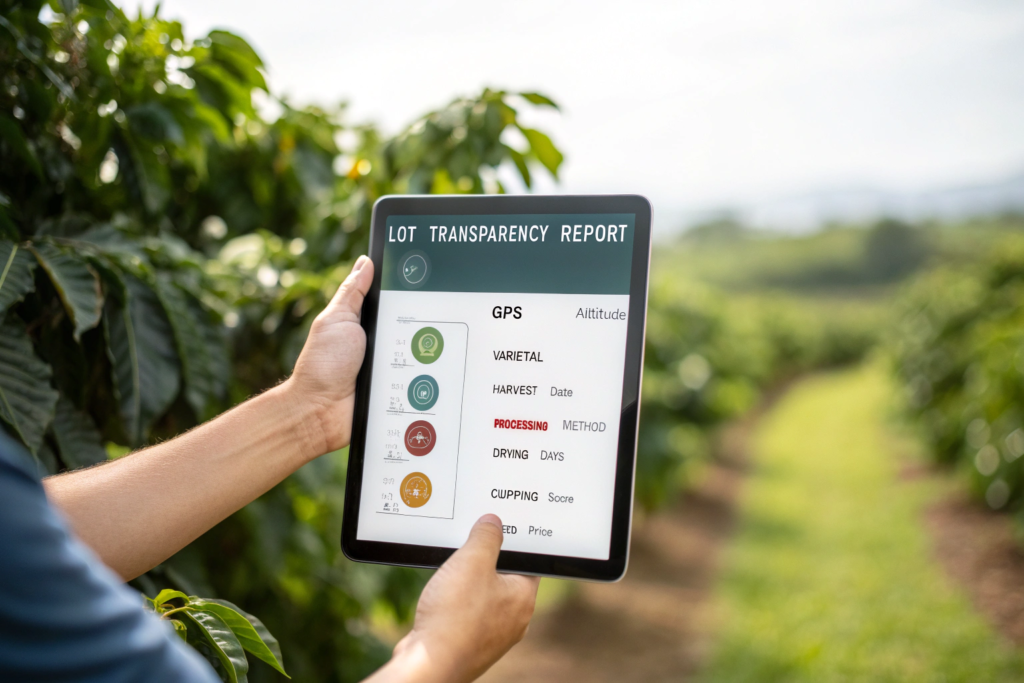
A genuinely transparent supplier should share data covering the entire chain: pre-harvest farm details, harvest labor practices, processing parameters, and export logistics. Specifically, this includes GPS coordinates of the specific plots, the altitude range, the coffee varietal, the harvest date or date range, the picking method, the fermentation hours and temperature, the drying method and duration, the moisture content and water activity at milling, the screen size distribution, the defect count from a third-party grading report, the FOB price, and if possible, a breakdown showing the farm-gate price paid to the actual producer. This is the data that turns an anonymous commodity into a traceable product.
What Farm-Level Data Builds Trust?
The story of a coffee begins in the dirt. Buyers want to know where, exactly, their coffee was grown. Not the province. Not the region. The specific plot.
We provide GPS coordinates for every specialty lot. We tell the buyer the altitude range. We name the varietal, and if it's a blend of plots, we specify the percentages. We share the soil type and the shade tree species if relevant. This is not proprietary information. It's identity.
Harvest data is critical. When were the cherries picked? Was it selective hand-picking or strip-picking? How many passes did the pickers make? We log the harvest dates for each lot and record the brix sugar content of the cherry sample at intake. This data tells a roaster what to expect in terms of sweetness and complexity.
Labor data is the next frontier. How much were the pickers paid? Was it a fair wage for the region? We document our daily picking wages and compare them to the local minimum. We are not perfect, but we are open. That openness builds trust far more effectively than a glossy "fair trade" logo on a website. The Specialty Coffee Association's sustainability standards are a good benchmark for this kind of reporting.
What Processing Data Should Be Recorded?
Processing is where flavor is locked in. A transparent supplier records the recipe.
We record the fermentation protocol. Was it washed, honey, or natural? How many hours of fermentation? What was the water temperature? Was it a dry fermentation or underwater? Were any yeasts or inoculants added? These are the details that differentiate a $3.50 coffee from a $5.00 coffee.
Drying data is equally vital. We record the method: raised beds, parabolic dryers, or mechanical dryers. We record the duration in days and the final moisture content. We record the water activity reading, which is a more precise measure of stability.
At the dry mill, we record the screen size distribution, the density sorting results, and the final defect count from both the machine sorter and the hand-sorting team. All of this data is tied to the lot number and shared with the buyer. If a roaster asks me, "Why does this lot have a slightly earthier note?" I can go back to the data. I can say, "This lot had a 36-hour extended fermentation, which is 12 hours longer than our standard protocol. That's the likely source of the added complexity." Without data, it's all guesswork.
How Can Blockchain Technology Improve Coffee Traceability?
Blockchain is a loaded word. For a few years, it was the buzzword that sold consulting contracts and confused farmers. I was skeptical. Another tech solution in search of a problem. But I've come to see that, applied narrowly and practically, the core idea of an immutable, shared ledger has real power for coffee.
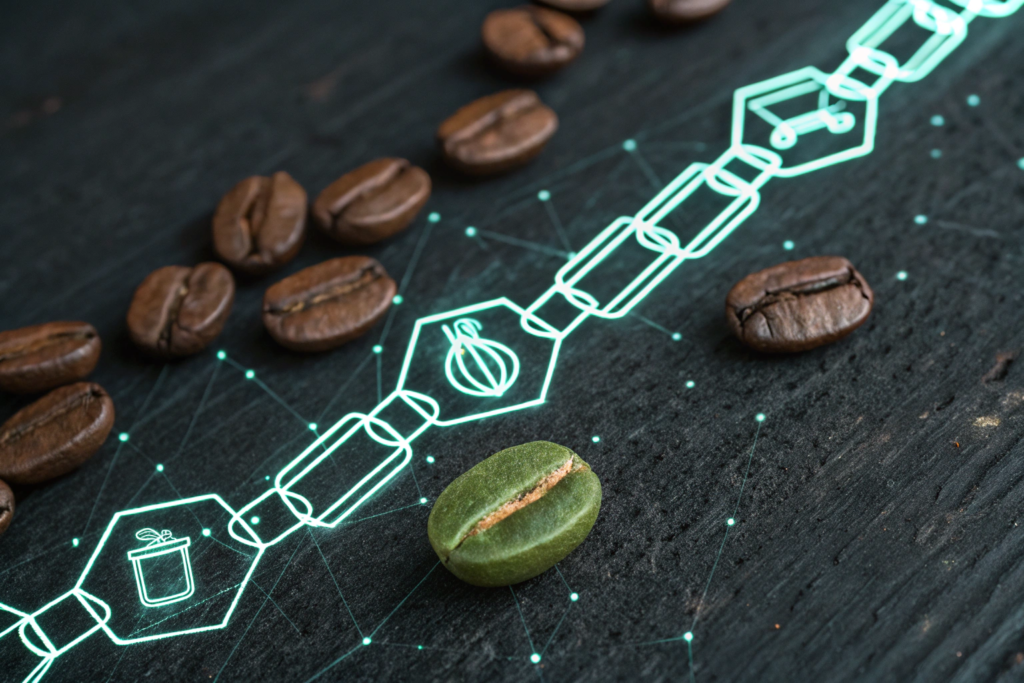
Blockchain can improve coffee traceability by creating a tamper-proof digital record of each transaction and transformation along the supply chain. Each time the coffee changes hands—from farmer to wet mill, from mill to exporter, from exporter to shipping line—a "block" of data is added to the chain. This block contains the timestamp, the transaction details, and a unique cryptographic signature linked to the previous block. Because the record is decentralized and immutable, no single actor can retroactively alter it. A roaster in Germany can scan a QR code and see the entire, verified history of the bag, confident that the data has not been manipulated.
Is Blockchain Overkill for Most Coffee Buyers?
Honestly, for many, yes. Full blockchain integration is expensive and complex. It requires every link in the chain to adopt compatible digital systems. Many smallholder farmers don't have smartphones capable of logging onto a blockchain platform. The digital divide is real.
But the principle behind blockchain—an unchangeable, shared record—is something every buyer should demand, even if it's implemented via simpler technology. A shared Google Sheet with edit history enabled is a poor man's blockchain. A PDF of the lot card, signed and dated by the mill manager, then emailed to the buyer and the exporter, creates a paper trail that is hard to falsify.
True blockchain projects like Farmer Connect are building user-friendly interfaces for the coffee industry. IBM's Food Trust platform also works with some coffee companies. These are worth exploring for large-volume buyers. For smaller buyers, ask your supplier if they participate in any digital traceability program. The mere act of asking pushes the industry forward.
How Does a Digital Ledger Prevent Fraud?
Fraud in coffee usually happens in the blending room. A seller takes a beautiful 86-point micro-lot and "stretches" it with 30% lower-grade beans. The paperwork still says "86-point micro-lot." The buyer pays the premium price but receives a diluted product.
A blockchain or digital ledger makes this harder. The lot quantity is recorded at the farm. The weight at the dry mill is recorded. The weight loaded into the container is recorded. If the numbers don't match—if 1,000 kilos at the farm magically becomes 1,300 kilos at the port—the discrepancy is permanently visible.
It's not a perfect shield. A corrupt actor could still falsify the initial data entry. But it raises the cost and complexity of fraud. It creates a forensic trail. And in combination with third-party audits and sealed reference samples, it makes a transparent supply chain the path of least resistance.
Why Do Third-Party Audits and Certifications Matter?
Saying you do something is easy. Having an independent, trained professional verify that you do it is the essence of accountability. Certifications have their flaws—they can be bureaucratic, expensive, and burdensome for smallholders—but they remain one of the few standardized ways for a buyer across the ocean to verify a supplier's claims.
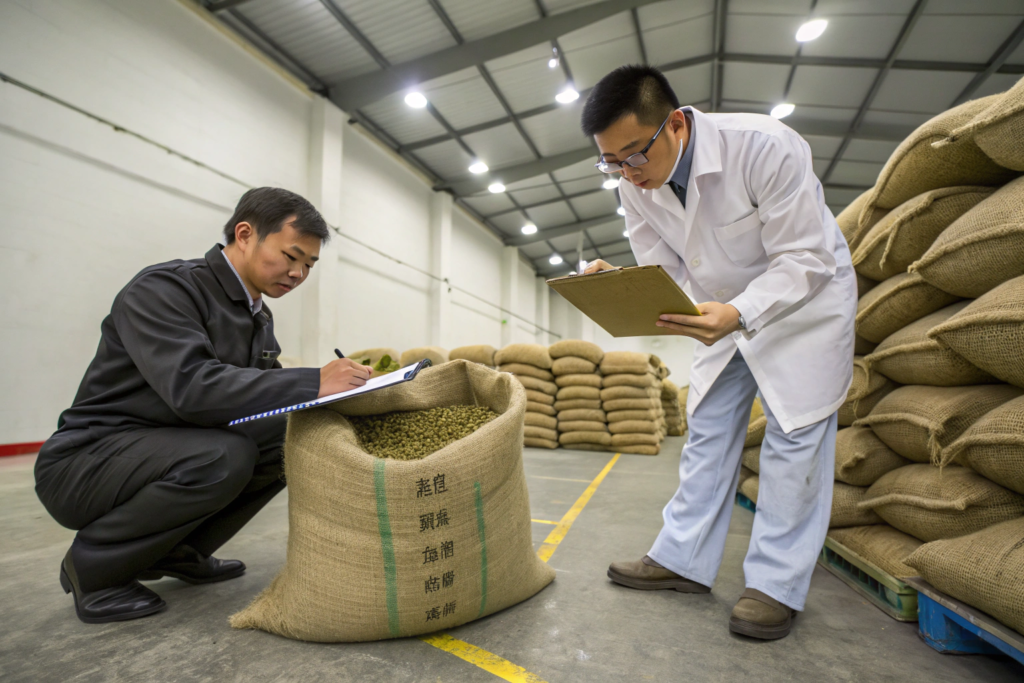
Third-party audits and certifications matter because they replace self-reported claims with independent verification. An audit by an organization like FLOCERT, the Rainforest Alliance, or a reputable organic certifier confirms that the supplier's documented practices match their actual practices. The auditor reviews payroll records, inspects processing facilities, tests water sources, and interviews workers. The resulting certificate is not a guarantee of perfection, but it is a significant filter. A supplier who submits to voluntary audits is signaling a willingness to be held accountable.
What Are the Key Certifications to Look For?
For a buyer concerned with transparency and ethics, a few certifications carry weight.
Rainforest Alliance certification focuses on environmental sustainability, biodiversity, and farmer livelihoods. It requires an annual audit. Fair Trade certification focuses on minimum prices and community development premiums. Organic certification, such as USDA Organic or EU Organic, verifies the absence of synthetic pesticides and fertilizers and requires a complete chain-of-custody paper trail.
For food safety, a HACCP or ISO 22000 certification for the dry mill indicates that the processing facility meets international standards for hygiene and contamination control. For a buyer importing into the US, an FDA facility registration is non-negotiable.
None of these are perfect. But a supplier who has invested the time and money to achieve and maintain them is a supplier who is probably not running a fly-by-night operation. You can verify the validity of a Rainforest Alliance certificate on their certificate database.
How Can You Go Beyond the Certificate?
A certificate is a baseline. The best transparency goes beyond it.
Ask for the actual audit report, not just the certificate. Some suppliers will share a redacted version. Ask about the auditor's specific findings. Did they issue any non-conformances? How were they resolved? This level of inquiry shows you're a serious buyer.
Better yet, conduct your own audit. You can hire a third-party inspection company like SGS or Bureau Veritas to visit the supplier and verify your specific concerns. This is more common for very large contracts, but the price of an inspection is dropping.
The ultimate audit is a direct visit. When you walk the farm, talk to the pickers, and watch the wet mill operate, you see what no report can capture. At BeanofCoffee, we host buyers throughout the harvest season. We show them everything. The clean parts and the messy parts.
How Can Buyers Verify Transparency Claims Independently?
Trust, but verify. It's an old saying, but it's the golden rule of transparent sourcing. A supplier can send you a beautiful PDF. A supplier can have all the right logos on their website. But you, the buyer, have the power and the responsibility to check those claims yourself. Modern technology makes this easier than ever.
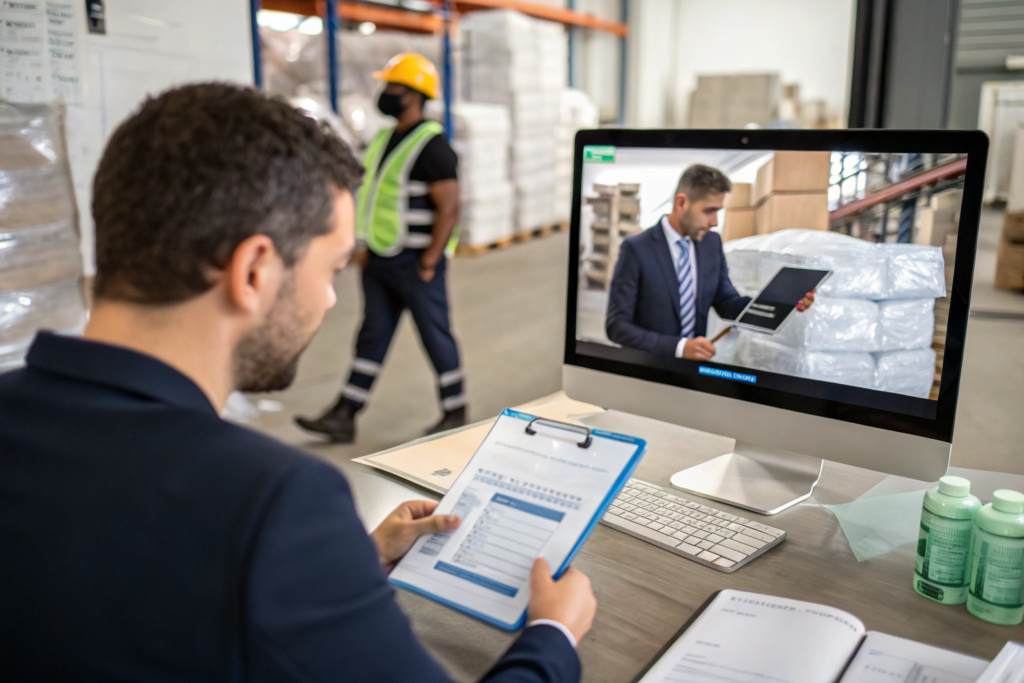
Buyers can independently verify transparency claims by triangulating three sources of evidence: digital records, physical samples, and live video interaction. You should cross-check the lot code on the supplier's report with the sealed reference sample they sent you. You should ask for a live, unscripted video call where the supplier walks you through the specific lot in the warehouse, showing you the bag markings and the moisture reading in real time. You should verify their trade history through independent shipping databases. A truthful supplier will welcome this scrutiny.
How Do You Use Shipping Databases for Verification?
A supplier claims to export 50 containers a year. Is that true? You can check.
Platforms like ImportYeti and Panjiva aggregate publicly available US customs data. They show actual shipping records: the exporter's name, the importer's name, the product description, the container count, and the dates. It's not a complete picture—it only covers US imports—but it provides an objective data point.
If a supplier claims to be a major exporter to the US, and they don't appear in the database, that's a red flag. Maybe they export under a different company name. Maybe they're lying. Either way, it's a question worth asking. The US Customs and Border Protection makes this data available, though not always easy to access directly.
What Should a Live Video Verification Include?
A live video call is the single most powerful verification tool you have. It's not a recorded marketing video. It's real-time. You control the questions.
You should ask to see the specific lot you are buying. "Walk me to the pallet. Show me the tag. Zoom in on the lot number." The supplier should be able to do this immediately. If they hesitate, if they say the warehouse is locked, if the tag is blurry, something is wrong.
Ask them to take a moisture reading while you watch. Ask them to open a random bag and show you the beans. Ask them to walk you to the drying beds and show you the current batch.
A supplier who is genuinely transparent will treat this like a normal part of the sales process. I do these calls regularly. I walk buyers through our mill, our warehouse, and our cupping lab. I show them the defects we sorted out that morning. It builds a relationship that a PDF never could. It's the closest thing to a site visit without a plane ticket.
Conclusion
A transparent coffee supply chain is not built by accident. It's built by intention. It requires a supplier who is willing to document, measure, and share. It requires a buyer who is willing to ask hard questions and verify the answers. It's a relationship based on evidence, not just emotion.
The benefits are real. Transparency reduces the risk of fraud. It improves quality by creating accountability at every step. It allows roasters to tell a genuine, data-backed story to their customers. And, in the long run, it shifts the power dynamic in the supply chain, giving more information and more leverage to both the diligent farmer and the discerning consumer.
I've learned that transparency is not a threat. It's a competitive advantage. If my data is clean, I want buyers to see it. If my practices are ethical, I want auditors to document it. The suppliers who resist transparency are the ones with something to hide.
If you're looking for a supplier who will share the lot data, submit to the audits, take the video call, and open the books, then you're looking for us. We've built our export model around verifiable transparency.
To request a sample transparency report for our current lots, or to schedule a live video walkthrough of our Baoshan facility, reach out to Cathy Cai.
Email: cathy@beanofcoffee.com. See the supply chain for yourself.